
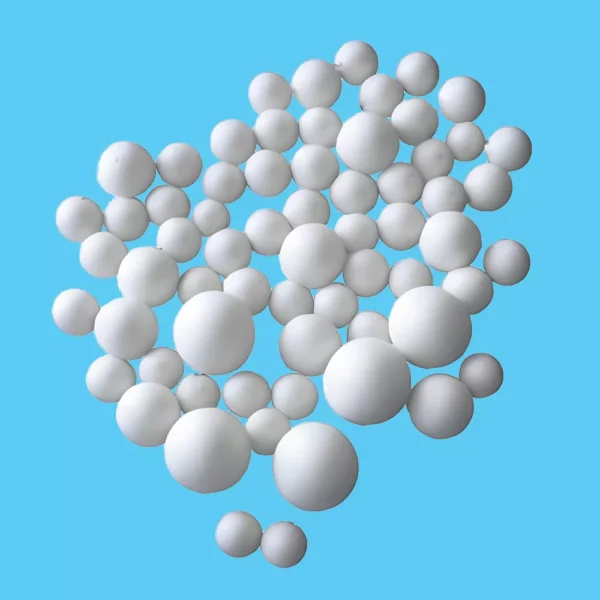



Provide the mill configuration, feed material, process objectives and replacement criteria so alumina grinding-ball requirements can be compared on a relevant technical basis.
Key Inquiry Requirements
Define the milling job before the media
Start with the equipment and process rather than the ball name. Identify the mill type, chamber arrangement, lining material, agitator or rotation method, operating mode and media loading approach. Explain whether the balls are used for dry or wet processing, batch or continuous operation, and how media are added, removed or separated.
Describe the feed material, target particle condition, liquid or carrier if present, solids loading and any sensitivity to contamination. The same alumina media geometry may be judged differently in a laboratory trial, production mill or recirculating system. Process context gives the supplier a basis for discussing a suitable media specification and RFQ assumptions.
Specify the alumina as a process input
Treat alumina grade as a controlled selection rather than relying on a broad material label. Ask suppliers to identify the proposed grade, composition information and relevant physical data available for technical review. If contamination limits matter, define which elements are restricted, how they will be assessed and whether the limit applies to the media, wear debris or finished product.
State any requirements for color, surface texture, cleanliness, moisture condition or treatment. If the media will contact food, pharmaceuticals, electronic powders or another sensitive material, describe the internal compliance and testing expectations without assuming a certification. The supplier should distinguish documented material information from values that require buyer or process validation.
Choose geometry for handling and wear
Define the nominal ball diameter or size distribution only after considering the chamber, feed size, separation method and desired contact pattern. Explain whether a narrow size range, graded mixture or multiple media sizes is needed. Include the effect of ball size on loading, circulation, screening, cleaning and replacement practices.
Ask about sphericity, surface condition, edge defects and allowable out-of-roundness when these affect the process. A smooth, consistent media surface may matter for one application, while another may prioritize impact or packing behavior. The RFQ should identify which geometric features are essential and which can be reported as supplier capability information.
Set wear and contamination checks
Wear should be connected to a defined test or operating observation. Specify the test duration, load, slurry or powder condition, equipment, measurement method and reporting units if a comparative wear evaluation is required. Avoid requesting a generic wear promise without identifying the conditions, because media behavior depends strongly on the process and neighboring materials.
Include acceptance checks for cracks, chips, foreign material, surface irregularity and size distribution. Define whether inspection is performed on incoming media, representative samples or every batch. If used media will be reclaimed or screened, explain the separation method and the criteria for return to service so the quotation reflects the full handling cycle.
Prepare a comparable media RFQ
List the planned quantity by trial, batch or operating period, along with packaging, labeling, storage and delivery requirements. State whether the request covers new media only or also process support, sample quantities, test batches or replacement recommendations. Include the current media specification if the goal is to compare a new alumina option against an existing process.
Ask each supplier to separate material, geometry, inspection and optional testing in the response. Request a sample identification method and a statement of deviations from the drawing or written specification. This makes quotations easier to compare and helps the buyer connect any laboratory result to the media actually supplied.
Questions Before You Inquire
What process details are needed for alumina grinding balls?
Include mill type, chamber and lining, dry or wet operation, feed material, target result, loading method, process duration, temperature or liquid conditions where relevant, and contamination limits. These details explain how media size, alumina grade, wear and cleaning requirements should be evaluated.
Should a grinding-ball RFQ specify one diameter?
Not always. A single diameter may suit a defined process, but a graded range or staged media selection may be more appropriate. Describe the mill, feed, separation method and process objective first, then identify the preferred size approach and ask the supplier to state assumptions.
How should alumina media wear be compared?
Use a defined, repeatable test with stated equipment, load, feed or slurry, duration, measurement method and reporting units. Comparing unsupported percentage claims is not meaningful when test conditions differ. Also consider contamination from wear and how worn media will be screened or replaced.
What incoming inspections are useful for milling balls?
Common checks include size distribution, sphericity or out-of-roundness, surface condition, cracks, chips, foreign material, cleanliness and material documentation. Select the checks that matter to your process and define sampling. If contamination is critical, specify the restricted elements and the required evidence.
Send a Clear Component Brief
Share your drawing, quantity and application with Porcecore. Mark the requirements that are fixed and the questions that remain open.


Reviews
There are no reviews yet.