


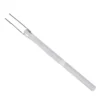
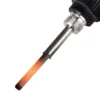
Describe the tool’s heating cycle, power interface, mounting arrangement and acceptance tests so the element is evaluated as part of the complete tool.
Key Inquiry Requirements
Define the heating function
A ceramic heating element for an electric tool should be specified by its role in the tool, not simply by its shape. Explain the target heated area, tool operation, warm-up behavior, regulated or unregulated use, duty cycle and nearby materials. Identify whether the element heats a tip, plate, nozzle, blade, chamber or another defined working surface.
The source topic indicates a ceramic element with a printed heating layer, but the layer pattern, substrate, terminals and control strategy remain design-specific. Treat these as drawing and application questions. State the required thermal profile and electrical input conditions, then ask the supplier to identify assumptions rather than inferring a finished design from the product name.
Mechanical and electrical definition
Show the ceramic body, heating-track zone, terminal geometry, holes, slots, shoulders, insulation features and mounting points. State which surfaces contact the tool structure and which must remain clear. Provide the assembly stack-up, retention method and expected service orientation so the element is not evaluated as an isolated plate or insert.
Electrical details should include nominal supply conditions, connection method, polarity where relevant, resistance basis, insulation requirements and control equipment interface. If the element is paired with a sensor, thermostat or controller, show their locations and relationship. Separate design targets from measured acceptance values so the RFQ remains clear and reviewable.
Thermal profile and tool integration
Describe the working cycle from cold start through operation, adjustment and shutdown. Include heating rate expectations, controlled temperature range, dwell periods, cycling frequency and abnormal conditions that the tool may experience. Also identify heat sinks, airflow, contact pressure and adjacent plastics or metals because the assembled tool determines the actual thermal environment.
Mechanical restraint can influence ceramic stress during heating and cooling. Explain whether the element is clamped, bonded, captured or allowed to expand within a guide. Identify shock, vibration, drop events, contamination and cleaning exposure. The supplier should review the complete mounting concept and flag risks that cannot be resolved from the heater drawing alone.
Heating layer and quality evidence
Ask the quotation to describe the proposed ceramic substrate and conductive heating-layer approach at an appropriate level, including how the active area and terminal zones are controlled. Do not assume that a printed track has identical behavior across every geometry. The design review should consider layer layout, edge clearances, connection robustness and repeatability of the finished assembly.
Define the inspection and test evidence needed for release, such as dimensional checks, resistance measurement, insulation verification, visual examination or a functional thermal test. State test conditions and acceptance criteria where they are known. If they are not yet fixed, ask suppliers to propose a practical verification plan instead of leaving the heater’s quality basis undefined.
Prepare an effective heater RFQ
Include the tool drawing, heater envelope, electrical schematic, control method, operating cycle, mounting details and relevant environmental conditions. Mark the heated zone and any no-contact or keep-out areas. Provide prototype status, quantity context and sample expectations without presenting them as stock or delivery commitments.
Request a response covering material assumptions, element layout, terminal arrangement, manufacturability, inspection, test method and open design questions. Ask suppliers to distinguish quoted requirements from recommendations. This creates a useful comparison between proposals and helps the engineering team refine the tool interface before approving a production-intent component.
Questions Before You Inquire
What electrical information is needed for a ceramic heater inquiry?
Provide supply conditions, connection method, resistance basis, control strategy, insulation expectations and any sensor interface. Also describe the duty cycle and regulated temperature profile. Without these details, a heater shape alone cannot establish whether the electrical and thermal design is appropriate.
Should the heater be specified separately from the electric tool?
No. The tool’s mounting, heat sinking, airflow, controller, adjacent materials and operating cycle affect the element’s behavior. Submit the relevant tool and electrical interface information with the heater drawing so mechanical, thermal and electrical assumptions can be reviewed together.
What should be marked on the heater drawing?
Identify the ceramic envelope, active heating zone, terminals, mounting features, keep-out areas, datum surfaces and any sensor location. Add section views where layers or interfaces are hidden. Separate critical acceptance characteristics from general geometry and explain how the element is installed.
Does this page promise a specific heating temperature or warm-up time?
No. It is an RFQ framework, not a guaranteed performance statement. Required temperature, warm-up behavior and cycle life must be defined for the actual tool and verified under agreed electrical, mechanical and environmental test conditions.
Send a Clear Component Brief
Share your drawing, quantity and application with Porcecore. Mark the requirements that are fixed and the questions that remain open.



Reviews
There are no reviews yet.