
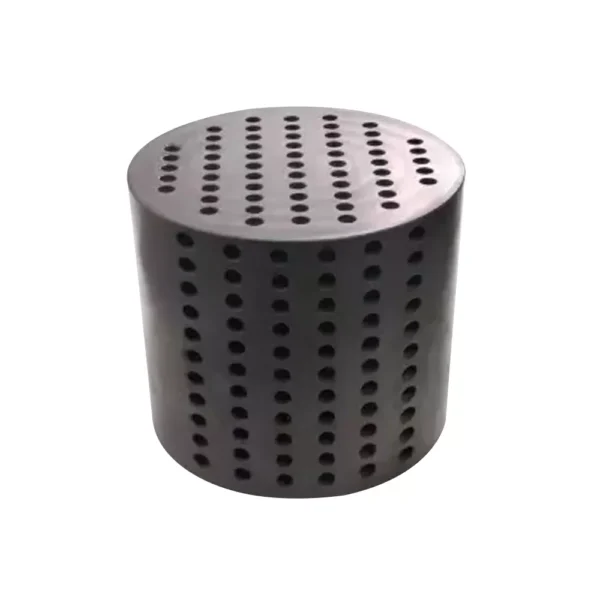
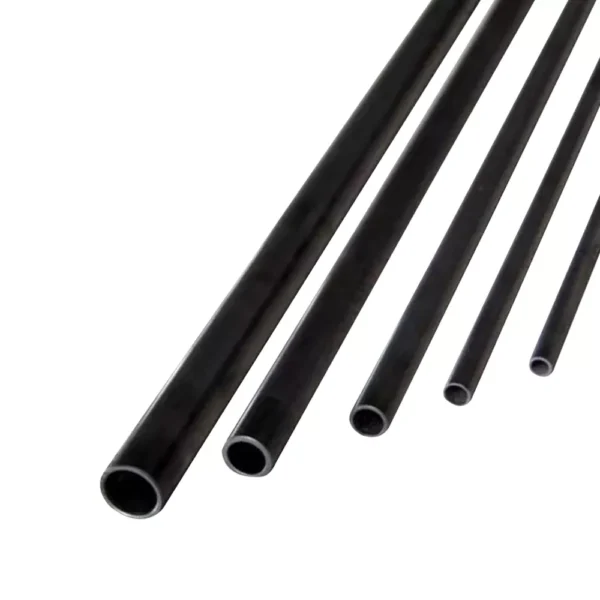
Use the component drawing, operating environment and hole pattern as the basis for comparison. A complete RFQ should identify the block’s role, interfaces, inspection points and acceptance criteria without assuming stock availability or standard dimensions.
Key Inquiry Requirements
Component role and design definition
A silicon carbide heat exchange block with holes should be specified as a complete functional geometry, not simply as a rectangular ceramic block. Define the block’s position in the assembly, the purpose of each opening, flow direction where relevant, sealing or joining interfaces, edge conditions and any surrounding hardware. The drawing should distinguish through-holes, blind holes, counterbores and other features that affect manufacture or inspection.
The hole layout deserves particular attention because it governs both integration and review. Provide nominal locations from clear datums, opening descriptions, orientation references and any non-symmetrical features. If the block interfaces with channels, tubes, plates or fasteners, identify those mating parts in the RFQ. This lets suppliers compare the same design intent and flag ambiguities before quotation or sample review.
Material and manufacturing questions
Identify silicon carbide as the required material family, then ask suppliers to state the proposed grade, forming route and sintering or finishing approach for approval. Different production routes can influence surface condition, feature definition and dimensional behavior, so the RFQ should request a process description appropriate to the geometry. Do not leave the material designation as the only technical requirement when the block has a demanding hole pattern.
Ask how the supplier will manage powder preparation, forming, machining if applicable and inspection of internal openings. The buyer should compare whether the proposed route suits the block’s wall thicknesses, corners and access for measurement. If the process includes secondary operations, list which surfaces or holes may be finished afterward and require the supplier to identify any process-related limitations before order placement.
Thermal service and interface review
Describe the intended heat-transfer duty in application terms rather than relying on a generic component name. Include the media or atmosphere, contact arrangement, heating or cooling sequence, pressure context where relevant and any chemical exposure the block may encounter. These details help suppliers assess whether the selected silicon carbide grade and geometry are appropriate for review, while keeping performance decisions tied to the actual equipment design.
Thermal expansion and mechanical restraint should be considered at the assembly level. Show how the block is supported, whether it is clamped, bonded, seated or allowed to move, and identify neighboring materials. Include contact surfaces, clearance expectations and inspection access. A useful RFQ asks the supplier to comment on foreseeable risks at interfaces, without turning an unverified material selection into a guaranteed service claim.
Inspection, handling and acceptance
Inspection planning should cover the features that determine fit and function: overall dimensions, datum relationships, hole size and location, opening condition, flatness where required, surface defects and visible damage. State which characteristics are critical and what evidence you expect, such as dimensional records, photographs or a defined inspection report. The acceptance plan should be agreed before production rather than inferred from a product title.
Ceramic blocks can require careful packaging and handling because corners, edges and openings may be vulnerable during transport or installation. Ask the supplier to describe protective packaging and to identify inspection steps after unpacking. If the block will be cleaned, coated, assembled or exposed to a particular environment before service, include those downstream conditions so inspection and documentation remain relevant to the final use.
RFQ package and supplier comparison
A strong RFQ package should include the latest drawing, revision status, three-dimensional model if available, quantity for quotation, intended application, material family, hole schedule and requested documentation. Add photographs or sketches of the installation when the drawing does not show access, orientation or mating parts clearly. Keep commercial assumptions separate from technical requirements so suppliers can identify exclusions and clarification points.
Compare quotations on technical completeness as well as price. Review the proposed material grade, manufacturing route, feature capability, inspection method, packaging, documentation and stated assumptions. Ask each supplier to mark deviations directly against the drawing or requirement list. The aim is a traceable comparison of how each proposal addresses the same silicon carbide block, not an assumption that similarly named components are interchangeable.
Questions Before You Inquire
What should the drawing show for this block?
Show overall envelope dimensions, datums, hole types, locations, orientations, edge details and mating interfaces. Identify critical characteristics and provide a revision-controlled drawing. If the block fits into a larger heat-transfer assembly, include an installation sketch or model so the supplier can understand support, access and neighboring components.
Should the RFQ specify a silicon carbide grade?
Yes. Name the required material family and ask suppliers to state the exact grade or formulation they propose. Request relevant process information and identify any review or approval step. If the grade is not yet fixed, describe the service environment and acceptance needs so alternatives can be evaluated transparently.
How should holes be inspected?
Define inspection by feature and function. Depending on the design, this may include hole diameter, location, orientation, continuity, opening condition and evidence of chips or blockage. Tell suppliers which measurements must be recorded, which methods are acceptable and whether inspection access differs between external and internal features.
What should be compared between quotations?
Compare material designation, forming and finishing route, ability to produce the hole pattern, inspection coverage, documentation, packaging and stated assumptions. Also review deviations, exclusions and clarification responses. A lower commercial figure is not directly comparable if it omits inspection, secondary operations, protective packaging or required technical documentation.
Send a Clear Component Brief
Share your drawing, quantity and application with Porcecore. Mark the requirements that are fixed and the questions that remain open.


Reviews
There are no reviews yet.