
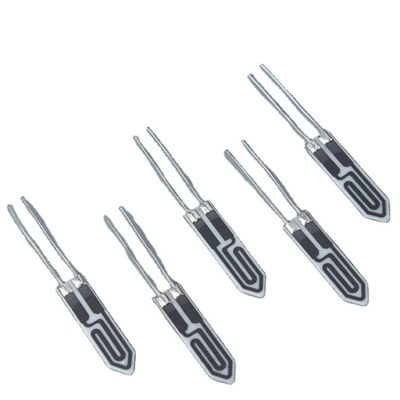


Define the heater as a complete thermal and electrical interface, including the plate, element pattern, terminals, mounting, and verification method.
Key Inquiry Requirements
Describe the heating function
Explain what the alumina heating plate must heat, how heat moves into the load, and whether the plate is exposed to vacuum, gas, liquid, particles, or repeated cycling. Identify the controlled surface, contact arrangement, and thermal boundary conditions available to the assembly designer. This prevents suppliers from interpreting a plate outline as a complete heater requirement.
State whether the part is a ceramic plate carrying an integrated resistive pattern, a substrate for a separate element, or a preassembled heater. Include the electrical source concept, connection locations, and control method when known. Buyers should separate confirmed design requirements from target values still subject to characterization or prototype testing.
Define plate and pattern geometry
Dimension the plate or disc with its length, width or diameter, thickness, holes, slots, steps, radii, corners, and mounting features clearly identified. Then define the heater pattern separately, including active area, inactive margins, routing, terminal pads, and orientation references. A ceramic outline alone cannot communicate the thermal and electrical behavior expected from the element.
Mark the surfaces that contact the load, support the heater, or remain clear for insulation and assembly. Identify local thickness changes and any zones where drilling, clamping, bonding, or fasteners are prohibited. If the design uses multiple heating zones or sensing features, show their relationship to datum features and connector locations.
Coordinate electrical interfaces
The RFQ should identify resistance or power requirements only where they have been approved and measurable. Also specify the operating state in which electrical values are checked, the contact method, polarity or zoning, and allowable variation. If a separate conductor, terminal, or metallized feature is required, define its location, attachment method, and clearance from adjacent hardware.
Discuss insulation expectations, exposed conductive areas, creepage or clearance needs, and protection from handling damage. Suppliers should describe their proposed element formation, terminal attachment, cleaning, and packaging assumptions. Buyers should request evidence that the proposed design can be measured consistently, without presenting an unverified electrical target as a guaranteed finished result.
Plan thermal and mechanical checks
Thermal verification should be tied to a defined fixture, input condition, sensor arrangement, stabilization approach, and acceptance map. Specify whether the buyer cares about uniformity, response behavior, local hot areas, surface temperature, or heat transfer into a mating part. Without a controlled test arrangement, thermal comparisons between suppliers can be misleading.
Mechanical inspection should cover plate thickness, flatness, warpage, hole position, edge condition, and any features that affect mounting or contact. Include checks for cracks, chips, exposed conductors, blocked terminals, and contamination where relevant. Ask suppliers to identify measurement uncertainty and to distinguish routine inspection from engineering characterization.
Build a development-ready RFQ
Provide the latest drawing, element layout, intended controller or power interface, load description, quantity context, sample expectations, and documentation requirements. Ask bidders to list process assumptions, proposed inspection points, and design concerns before they quote. This approach helps reveal whether a response addresses the plate, the heating element, or the complete heater assembly.
For new designs, define a review sequence from layout confirmation through sample evaluation and drawing release. Clarify who owns test fixtures, acceptance decisions, and change approval. Include packaging requirements for terminals and ceramic edges, especially if the plate will move between development, inspection, and assembly locations before final installation.
Questions Before You Inquire
What information is essential for an alumina heating plate RFQ?
Include the plate drawing, heater pattern, active area, terminals, electrical requirements, mounting interfaces, load description, environmental conditions, thermal test method, inspection scope, quantities, and sample expectations. If the heater is still being characterized, label targets as provisional and request supplier input on verification.
Should the element layout be shown separately from the plate?
Yes. A separate element layout makes active zones, routing, terminal pads, margins, and orientation easier to review against the ceramic geometry. It also helps suppliers identify conflicts with holes, supports, fasteners, sensors, and insulating clearances before manufacturing assumptions become embedded in a quotation.
How should heating uniformity be specified?
Define the test fixture, input condition, sensor locations or mapping method, stabilization state, measurement uncertainty, and acceptance rule. Terms such as uniform heating or low hot spots are not sufficient on their own. If the map is still under development, request a characterization proposal instead of an unsupported guarantee.
What ceramic damage should be checked?
Inspect edges, holes, mounting areas, terminal regions, and active surfaces for cracks, chips, delamination, contamination, or other conditions that could affect assembly or operation. The drawing or quality note should identify rejectable conditions and the inspection method, since not every visible mark has the same functional significance.
Send a Clear Component Brief
Share your drawing, quantity and application with Porcecore. Mark the requirements that are fixed and the questions that remain open.



Reviews
There are no reviews yet.