


Describe the heater geometry, conductive pattern, terminals, power conditions, mounting interface and operating cycle. A complete RFQ helps suppliers evaluate the ceramic body and heater assembly as one engineered component.
Key Inquiry Requirements
Heater architecture and application
An alumina heater RFQ should begin with the function of the component inside the equipment. Identify the heated zone, non-heated zones, installation orientation, surrounding materials, airflow or contact conditions and the required control method. State whether the request covers a ceramic heater body, an assembled heater with terminals or a design still needing electrical and mechanical definition.
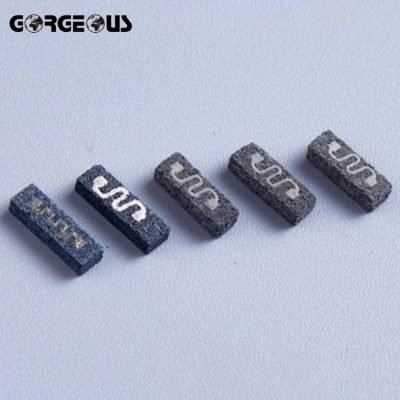
The example topic points to a metal alumina ceramic heater associated with a vaporizer, but the same form can serve different equipment architectures. Do not transfer requirements from that example without confirmation. Describe the actual heating cycle, duty pattern, heat-up expectations, cooling conditions and consequences of uneven heating so the design review addresses the real use case.
Electrical design details
Provide the intended voltage or current approach, connection style, conductor arrangement, insulation needs and available space for terminals. Drawings should show contact locations, polarity markings where relevant, clearances, creepage paths and any keep-out regions. If the resistance or power target is still under development, label it as provisional and request a controlled design discussion.
Electrical requirements should be paired with the measurement method used for acceptance. Define how resistance, continuity, insulation or terminal integrity will be checked, including test condition and timing where those affect the result. Avoid treating a nominal electrical input as proof of heating behavior; the ceramic geometry, conductor layout, mounting and control strategy all influence the finished assembly.
Geometry, mounting and thermal transfer
Show the ceramic outline, holes, slots, steps, radii, contact surfaces and datum scheme on the drawing. Explain how the heater is retained and whether clamping, sliding fit, adhesive, brazing or another interface is expected. The RFQ should identify surfaces that must remain clean or free from conductive material after processing, particularly around terminals and mounting features.
Heat transfer depends on how the component is installed, not only on the heater pattern. Describe contact pressure, neighboring insulation, heat sinks, airflow, enclosed cavities and any thermal interface material. Ask the supplier to review stress concentrations and assembly clearances, while keeping all dimensional, thermal and mechanical values tied to the buyer’s approved design basis.
Inspection and validation planning
Define the characteristics that matter for release: ceramic geometry, conductor placement, terminal attachment, electrical continuity, insulation condition, surface defects and any assembly-level functional test. Separate routine checks from development validation. If the heater will experience repeated cycling, include a representative cycle plan and specify what constitutes an acceptable result without assuming an unverified life claim.
Inspection must account for features that may be hidden after installation. Request photographs, measurement reports or test records only where they support a stated acceptance requirement. If the design is new, consider pilot samples or test coupons to confirm the selected geometry and joining approach before treating the component as production-ready.
Building a comparable heater RFQ
A useful request package contains the latest drawing, electrical schematic or pinout, installation section, service profile, material preferences, cleanliness needs, packaging constraints and quantity assumptions. Include the equipment interface and any regulatory or customer requirements that genuinely apply. This gives suppliers enough context to identify risks without inventing a performance envelope.
Ask for quotations to list technical assumptions, included inspections, proposed development steps and exclusions. Keep stock status, minimum order quantity, pricing and timing as commercial responses rather than implied product facts. When comparing offers, review the proposed heater architecture, evidence plan and change-control approach alongside the unit quotation.
Questions Before You Inquire
What should a buyer specify for an alumina heater?
Provide the heater drawing, heated-zone layout, electrical connection details, mounting method, surrounding materials, operating cycle, cleanliness needs and inspection criteria. If voltage, resistance, power or geometry is not final, mark those items as provisional and ask the supplier to identify design assumptions.
Is an alumina heater suitable for every vaporizer design?
Suitability depends on the complete device design, including airflow, mounting, control method, electrical interface, thermal transfer and cleaning requirements. A topic reference to a vaporizer heater does not prove suitability for another device. Confirm the actual operating conditions through drawing review and validation.
Should electrical and mechanical requirements be quoted together?
Yes. The ceramic outline, conductor pattern, terminals and mounting interface affect one another. A combined package lets the supplier assess clearances, attachment, stress and inspection access as one assembly. Separate documents may be used, but they should share revision control and consistent datums.
What validation may be needed for a new heater design?
Validation may include dimensional and electrical checks, thermal mapping, cycling, insulation assessment or assembly-level testing, depending on the application. The buyer should define the test purpose, sample configuration, conditions and acceptance criteria. No test outcome should be assumed from the material name alone.
Send a Clear Component Brief
Share your drawing, quantity and application with Porcecore. Mark the requirements that are fixed and the questions that remain open.



Reviews
There are no reviews yet.