
Use the tube’s process role to shape the inquiry. Define flow paths, mounting details, exposure conditions and inspection priorities so suppliers can assess the complete heat-transfer component rather than an isolated tube.
Key Inquiry Requirements
Define the heat-exchange function
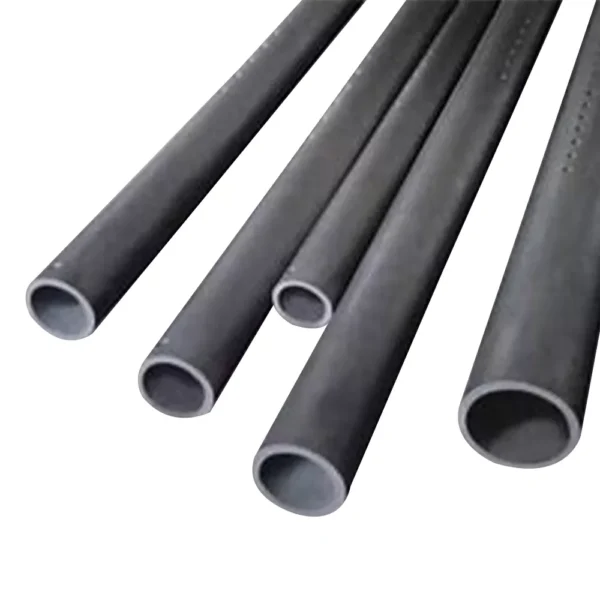
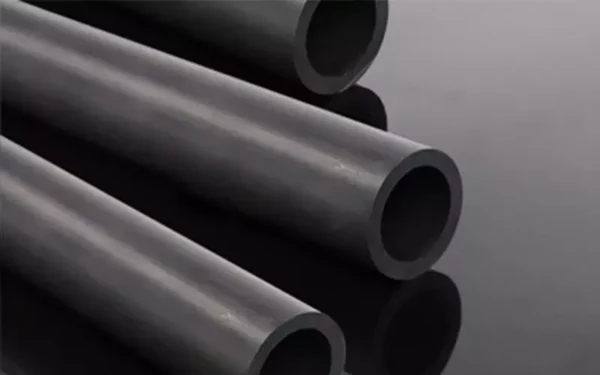
A silicon carbide heat exchange tube should be specified through its relationship with the surrounding process, not only by its nominal tube shape. Explain whether the tube separates streams, carries a process medium or forms part of a bank or assembly. Include the flow path, inlet and outlet arrangement, support locations and any allowable access or cleaning constraints that influence the finished design.
Show the tube within its exchanger or vessel whenever possible. The assembly view should identify clearances, headers, seals, retainers and neighboring materials. Mark surfaces exposed to the process and those used for mounting. This context helps a supplier review wall transitions, end geometry and handling requirements without assuming that every tube follows the same mechanical or thermal design logic.
Geometry, flow and interfaces
Define bore continuity, outside profile, wall transitions, end faces and any ports, collars or support features. If flow restriction, distribution or dead volume matters, explain the design intent and identify the dimensions that control it. Avoid adding unverified numerical limits; instead, request supplier comments on how the proposed manufacturing route will preserve the specified passage and interface geometry.
Mounting conditions deserve equal attention. State how the tube is supported, aligned, sealed or joined, and identify expected movement during operation or maintenance. Include mating-component materials and assembly sequence where relevant. A clear interface definition allows quotations to address the complete component and highlights whether a proposed geometry needs review before tooling, machining or sample evaluation.
Process environment and material evidence
Provide the operating envelope in terms useful to design review: process media, pressure relationships, temperature changes, atmosphere, cycling, deposits, cleaning methods and external exposure. The supplier should not infer chemical or thermal duty from the phrase heat exchange alone. These conditions can influence material selection, wall design, support strategy and inspection priorities for the finished tube.
Ask for the offered silicon carbide material designation and relevant technical documentation, while distinguishing general material data from evidence on the quoted component. If the application depends on chemical compatibility, thermal shock resistance or low contamination, identify the characteristic that requires confirmation. This creates a focused evidence request without inventing values or turning broad material descriptions into guarantees.
Inspection for tubular process components
Inspection should connect the flow and mounting requirements to measurable features. Consider passage continuity, bore dimensions, wall condition, end geometry, concentricity, support locations and visible chips or cracks. Where the tube is part of a bank, also define any assembly-level alignment checks. Decide whether records are needed for every component, a sample or a qualification set.
Clarify how suppliers will handle cleanliness and packaging before installation. Process-facing tubes may require protection from debris, contact damage or mix-ups, but the buyer must define the relevant level of control. Request a proposed inspection and packaging plan, then review whether it covers the surfaces and interfaces that matter in the actual exchanger assembly.
Build a comparable heat-exchange RFQ
Include the controlled tube drawing, exchanger assembly drawing, flow and mounting information, revision status and quantity scenario. State whether the request concerns a design review, prototype, qualification activity or repeat requirement. Add cleaning, marking and packaging expectations when they affect installation. Do not assume stock, standard lengths, delivery commitments or guaranteed operating results.
Ask for a quotation that lists material information, manufacturing assumptions, inspection coverage, packaging basis and deviations from the drawing. Invite suppliers to identify unsupported geometry, inaccessible inspection areas or assembly risks. Comparing these responses alongside commercial terms gives the engineering team a clearer basis for selecting a route and planning any design iteration.
Questions Before You Inquire
What application information is important for heat exchange tube sourcing?
Provide the process media, pressure relationship, temperature changes, cycling, atmosphere, cleaning method and support arrangement when known. Also show how the tube connects to headers or seals. These details influence geometry and material review, and they prevent suppliers from assuming that every heat exchange application has the same duty.
Should the RFQ include the surrounding exchanger assembly?
Yes, whenever mounting, alignment, clearances, sealing or neighboring materials affect the tube. An assembly drawing helps suppliers understand end conditions and support points that are not visible in an isolated part drawing. It also allows the buyer to compare proposed solutions against the actual installation rather than a simplified shape.
What tube features should be inspected?
The inspection plan may address passage continuity, bore and outside geometry, wall condition, concentricity, end faces, support features and visible damage. If multiple tubes are assembled together, include alignment or fit checks where relevant. The final scope should follow the drawing’s critical features and the consequences of failure.
How should chemical compatibility be handled in a quotation?
Name the process media, concentration or composition information available, cleaning agents and exposure pattern, while noting any unknowns. Ask the supplier to identify the offered material documentation and limitations. Treat compatibility as a design-review topic requiring evidence for the application, not as an automatic promise based only on the material family.
Send a Clear Component Brief
Share your drawing, quantity and application with Porcecore. Mark the requirements that are fixed and the questions that remain open.


Reviews
There are no reviews yet.