
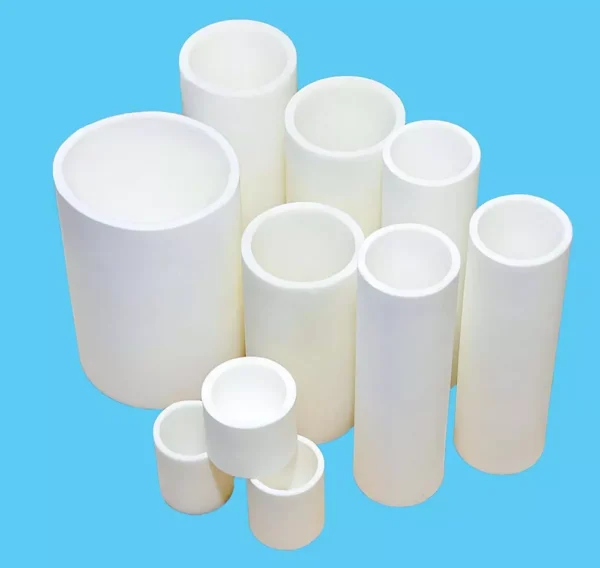
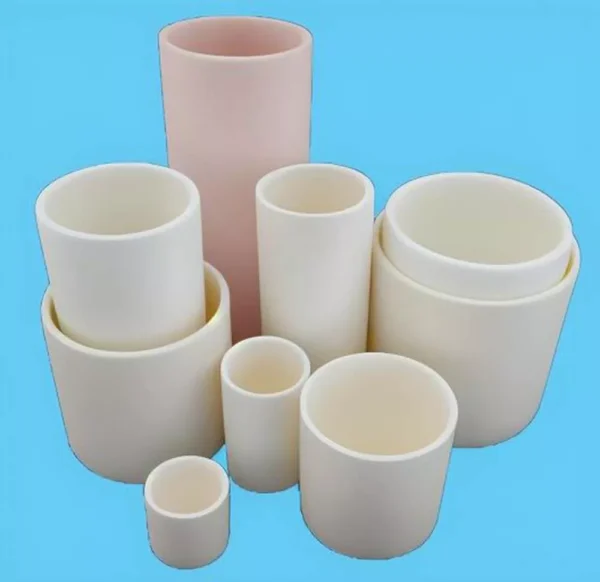

State whether the cylinder is open, closed, stepped, slotted or otherwise modified, then show how it is installed and used. A useful RFQ connects the cylindrical geometry to containment, clearance, thermal, chemical, electrical and handling requirements.
Key Inquiry Requirements
Clarify the cylinder’s role
Identify the primary function before specifying the shape. The cylinder may hold material, guide another part, provide a barrier, support a process fixture or isolate an electrical path; each role creates different priorities. Describe what contacts the inside, outside and ends, and explain whether the part is used alone or installed within a larger assembly.
Provide a simple application sketch showing orientation, loading, insertion direction and service access. State whether the component is stationary, removable, rotated or exposed to repeated handling. If the cylinder interacts with powders, liquids, gases or reactive surfaces, describe those media and the exposure pattern as design inputs for material and finish review.
Define cylindrical geometry
A complete drawing should identify outside diameter, inside diameter, length, wall relationships, end conditions and any concentricity or alignment requirement. Use sections to show blind features, shoulders, grooves, holes or closed ends. Distinguish functional dimensions from references, and identify which interfaces must be checked against mating hardware.
Consider how the cylinder will be supported during use and inspection. Long unsupported spans, thin walls, sharp transitions and interrupted surfaces may require design discussion. If the part must fit into a bore or accept an insert, provide the mating dimension and clearance logic rather than asking the supplier to infer a fit from nominal sizes.
Select alumina responsibly
Specify alumina as the intended material family, then describe the properties that matter for the application. These may include chemical exposure, electrical isolation, thermal cycling, mechanical contact or cleanliness, but the RFQ should define the actual requirement rather than assume a standard grade is suitable. Invite the supplier to propose a material designation for approval.
Avoid using an unsupported purity or performance claim as a substitute for engineering evidence. If composition, contamination control or surface condition is important, state the required documentation and acceptance method. Where alternatives are acceptable, define the decision criteria and approval process so a proposed substitute can be evaluated transparently.
Plan handling and inspection
Cylindrical ceramics should be inspected at the features that determine fit and function. Identify the measurement method for diameters, length, wall thickness, end squareness, straightness, concentricity and surface condition where relevant. State whether inspection occurs before or after any secondary operation, and clarify how the part is supported to avoid misleading readings.
Include visual criteria for chips, cracks, stains, tooling marks and damaged edges, but connect each criterion to an acceptance rule. If the cylinder is used in a clean or sensitive process, define packaging, handling and cleanliness expectations separately from dimensional inspection. This prevents broad quality language from obscuring the actual release decision.
Make the RFQ decision-ready
Send the controlled drawing with an assembly view, process description, material environment and expected quantity range. Include whether the part is a prototype, replacement or released design, and identify open questions such as end closure, surface finish, fit class or inspection records. A reference sample can help, but it should not override the approved drawing without written agreement.
Request a response that separates proposed material, geometry interpretation, manufacturing route, inspection scope and commercial assumptions. Ask for clarification on features that may affect yield or handling, while keeping final acceptance tied to the drawing and agreed test plan. This produces quotations that can be compared on engineering basis rather than shape alone.
Questions Before You Inquire
What applications should an alumina cylinder RFQ describe?
Describe the cylinder’s actual role, such as containment, lining, guiding, support or electrical isolation, and show its surrounding assembly. State the contacting media, loading, orientation, handling and service cycle. These details determine which dimensions, surfaces, material considerations and inspections deserve priority.
Which dimensions are usually critical?
The critical dimensions depend on the interface, but commonly include inside and outside diameters, length, wall relationship, end geometry, concentricity and fit clearances. Mark them individually on the drawing and provide the mating-part context. Do not apply tight tolerances broadly without linking them to function and measurement capability.
Should alumina purity be specified in the initial RFQ?
Specify composition or purity only when it is a verified application requirement and define the evidence needed for acceptance. Otherwise, ask the supplier to propose an alumina designation based on the documented environment and function. This avoids treating an unsupported numeric value as a complete material specification.
How should ceramic cylinder defects be reviewed?
Define visual limits for chips, cracks, edge damage, stains and surface marks, then state where those conditions are unacceptable. Combine visual review with dimensional and fit checks using an agreed support and measurement method. If cleanliness or packaging matters, make those requirements a separate, documented acceptance category.
Send a Clear Component Brief
Share your drawing, quantity and application with Porcecore. Mark the requirements that are fixed and the questions that remain open.



Reviews
There are no reviews yet.