
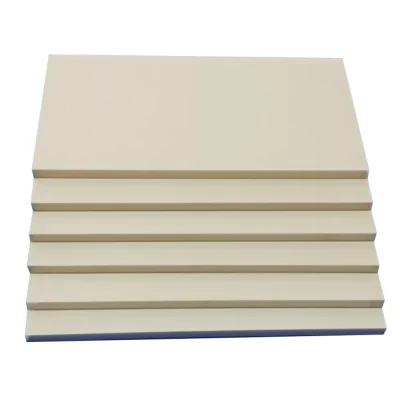


Porcecore can evaluate an aluminum nitride spacer concept from your drawing, model or application brief. The RFQ should define the spacer’s locating function, mating surfaces, hole or bore features, edge treatment, inspection references and any thermal or electrical constraints that affect material selection and machining strategy.
Key Inquiry Requirements
Spacer geometry and interface definition
An aluminum nitride spacer may appear simple, yet its performance depends on how accurately it separates, locates or supports neighboring parts. Define the outside profile, internal openings, step features, datum scheme and orientation clearly. Identify every surface that contacts metal, ceramic, fasteners or thermal hardware, because these interfaces guide machining review and help prevent ambiguity during quotation and drawing approval.
The RFQ should distinguish functional dimensions from non-critical envelope dimensions. Call out parallelism, perpendicularity, concentricity or runout only where the assembly genuinely depends on them, and state how each requirement will be inspected. Include corner radii, chamfers, break-edge expectations and any no-contact zones. A complete definition allows suppliers to assess ceramic machinability without assuming requirements that are not documented.
Material and thermal design questions
Aluminum nitride is often selected when a ceramic component must combine electrical insulation with thermal-management considerations. That general material direction does not, by itself, define the correct grade or finished behavior for an assembly. Your RFQ should identify heat paths, adjacent materials, mounting pressure, thermal cycling, electrical isolation needs and exposure conditions so the proposed material route can be reviewed against the actual design intent.
Avoid using a material name as a substitute for a complete specification. Ask suppliers to state the proposed material grade, forming route, finishing condition and any relevant material documentation for approval before production. If the spacer sits near heaters, power electronics, vacuum hardware or chemically active media, describe that environment explicitly. These details affect both manufacturability review and the evidence needed for acceptance.
Machining and edge-condition review
Precision machining of aluminum nitride requires careful consideration of feature accessibility, wall thickness, slender sections and interrupted cuts. Provide a section view when the spacer includes recessed steps, blind features or thin annular regions. If the component is nested with a seal, insulator or conductor, show the assembly relationship rather than relying on a part image alone. This helps identify fragile edges and practical inspection points.
Discuss whether the drawing represents a finished ceramic condition or a machining allowance concept. Clarify which faces must remain free from chips, visible damage, residue or handling marks, and identify surfaces that may be masked during downstream assembly. A quotation review should also address inspection datum setup, feature measurement method and the disposition process for any edge condition that falls outside the agreed drawing language.
Inspection evidence and approval
A useful inspection plan starts with the features that control assembly, not with a generic list of measurements. Identify the primary datum, critical separation height, bore or hole location, seating faces and any electrical-clearance geometry. If cleanliness, surface appearance or flatness matters, define the acceptance method and viewing conditions sufficiently for both parties to interpret the requirement consistently.
Before release, request a drawing review that records open questions, proposed material details and inspection capability. Depending on the application, the technical file may include a dimensional report, material documentation, photographs of marked features or a nonconformance process. These deliverables should be agreed in the RFQ and purchase documentation rather than assumed from the component name.
How to prepare the RFQ
Send the latest revision of the 2D drawing, a neutral 3D model when available, expected annual demand range and intended assembly context. State whether the inquiry concerns prototype evaluation, design validation or repeat production without implying that stock or capacity is available. Include packaging sensitivity, labeling, traceability expectations and any customer-supplied mating parts that the supplier must consider during review.
Ask for a quotation that separates material, forming, machining, inspection and optional engineering-review assumptions. Request clarification of excluded features, drawing ambiguities and recommended changes before approval. A strong RFQ also identifies the buyer’s acceptance documents, sample-review process and change-control rules, allowing the supplier to respond to the actual spacer design rather than to a generic aluminum nitride component description.
Questions Before You Inquire
What should accompany an aluminum nitride spacer inquiry?
Provide the latest drawing, a 3D model if available, assembly context, material preference, critical dimensions, datum scheme, surface requirements and inspection expectations. Explain the spacer’s thermal, electrical and mechanical role, because those conditions help the supplier review grade selection, feature feasibility and documentation needs.
Can the spacer include holes, steps or recessed features?
Potentially, but feasibility depends on feature size, depth, wall thickness, access and the relationship between critical surfaces. Show these details in section views and identify functional requirements separately from cosmetic preferences. The supplier should confirm the proposed machining route and any drawing changes before the design is released.
How should tolerances be specified?
Use general tolerances for non-critical features and individual geometric controls for surfaces that affect fit, location or separation. Reference datums consistently and avoid adding tight limits without an assembly reason. If measurement method matters, include it in the RFQ or quality clause so quotation and acceptance are aligned.
Does the product page represent stocked parts?
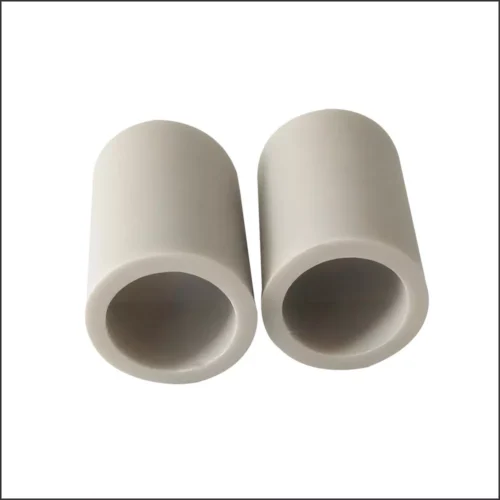
No. This is a drawing-led RFQ topic for custom ceramic spacers. Availability, manufacturing route, material grade, inspection scope, minimum order conditions and timing must be confirmed for the specific design and revision. The pictured or described component should not be treated as a guaranteed Porcecore-made part.
Send a Clear Component Brief
Share your drawing, quantity and application with Porcecore. Mark the requirements that are fixed and the questions that remain open.


Reviews
There are no reviews yet.