


For a useful quotation, provide the component drawing, material designation, critical interfaces and service conditions. Clarify whether the part functions as a ring, guide, insulator, thermal path or combined assembly element, and identify every surface, edge, hole and datum that affects installation or downstream performance.
Key Inquiry Requirements
Define the component around its working role
An aluminum nitride custom component should be specified by the job it performs, not only by its outline. Explain whether the part separates electrical potentials, transfers heat, locates another element, protects a surface or combines several of these functions. The RFQ should identify mating parts, contact areas, load direction, assembly sequence and any clearance that could influence the ceramic design.
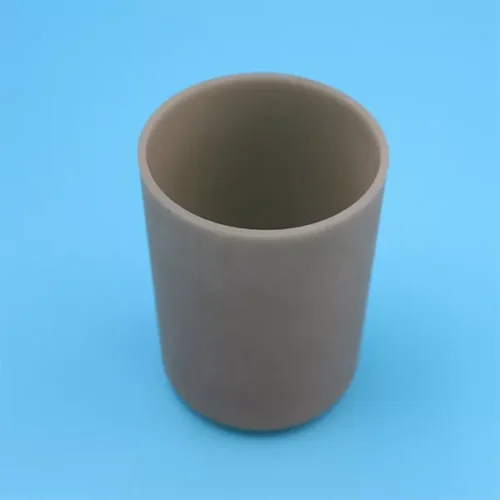
If the design includes cylindrical, conical, ring-like or stepped features, show how each feature relates to a datum. Mark functional surfaces separately from non-critical faces, and distinguish through-holes, blind features, grooves and chamfers. This information lets a supplier review the geometry as a complete ceramic component rather than treating a complex profile as a simple machined shape.
Material and thermal requirements
Aluminum nitride is commonly considered where thermal transfer and electrical insulation must coexist. Those characteristics should be translated into application-specific requirements instead of assumed from the material name alone. Describe heat sources, heat paths, adjacent materials, electrical conditions, cycling behavior and any atmosphere or fluid exposure that the part may encounter during service.
Ask quotations to identify the proposed material grade or material route, along with any available evidence relevant to the intended use. If thermal behavior is central to the design, define the measurement basis and acceptance criteria in the RFQ. This makes supplier comparisons more meaningful and avoids relying on broad catalog descriptions that may not represent the finished component.
Geometry, edges and finishing
Ceramic geometry can be sensitive to thin sections, sharp transitions, small openings and closely spaced features. Your drawing should therefore call out minimum wall areas, edge treatments, radii, flatness zones and surfaces that must remain free from chips or damage. Where the design is still developing, identify which dimensions are fixed and which may be adjusted after manufacturability review.
Surface condition is part of the component definition. State whether the part will contact a seal, conductor, heat spreader, fixture or moving element, and describe the finish or visual condition required at those interfaces. A clear distinction between functional finish, general appearance and permitted handling marks helps the RFQ remain practical and auditable.
Inspection and comparison criteria
A strong RFQ explains how conformity will be assessed. List the critical dimensions, datums, profile features, hole locations, surface conditions and material documentation needed for approval. If inspection access is limited, indicate preferred measurement methods or provide a reference fixture concept. This helps align the quotation with the actual acceptance process rather than an incomplete dimensional summary.
When comparing offers, review more than the unit description. Examine drawing review comments, proposed process assumptions, inspection scope, sample or first-article expectations, packaging controls and traceability options. Confirm which requirements are included, which require clarification and which cannot be verified without additional customer information before selecting a technical route.
Build a complete RFQ package
Include the latest controlled drawing, three-dimensional model where useful, revision level, quantity scenario and intended application summary. Add assembly drawings when orientation or mating pressure matters. Identify regulatory or internal documentation needs without assuming that any certification, test report or inspection record is automatically available for this ceramic component.
A practical inquiry should also request manufacturability feedback, open questions, proposed inspection points and any design risks identified during review. Ask suppliers to separate confirmed capabilities from items requiring trial work or customer approval. This creates a clearer technical conversation and supports a responsible sourcing decision for a custom aluminum nitride part.
Questions Before You Inquire
What should accompany an RFQ for aluminum nitride ceramic parts?
Provide a controlled drawing, revision, material preference, application conditions, critical interfaces and inspection requirements. A three-dimensional model, assembly view and explanation of thermal or insulation duties can further clarify the design, especially when the component combines several cylindrical, conical or locating features.
Can aluminum nitride parts be quoted from a sample?
A sample may support an initial discussion, but a controlled drawing remains preferable for quotation and approval. If no drawing exists, identify the sample’s critical dimensions, mating requirements, material expectations, service conditions and permitted design assumptions so the supplier can state what still needs confirmation.
How should thermal requirements be specified?
Describe the heat source, contact surfaces, expected heat path, surrounding materials, operating cycle and acceptance method. Avoid relying only on a generic material property. The RFQ should state whether thermal transfer, electrical insulation or both are essential, and which evidence is required before approval.
What defects should inspection address?
Inspection should reflect the drawing and application: critical dimensions, datums, feature location, edge condition, surface finish and visible damage limits. For interfaces, define what constitutes an unacceptable chip, crack, distortion or contamination. Request the proposed inspection scope so measurement responsibilities are clear before ordering.
Send a Clear Component Brief
Share your drawing, quantity and application with Porcecore. Mark the requirements that are fixed and the questions that remain open.


Reviews
There are no reviews yet.