
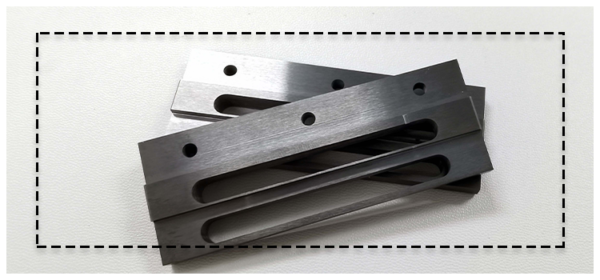
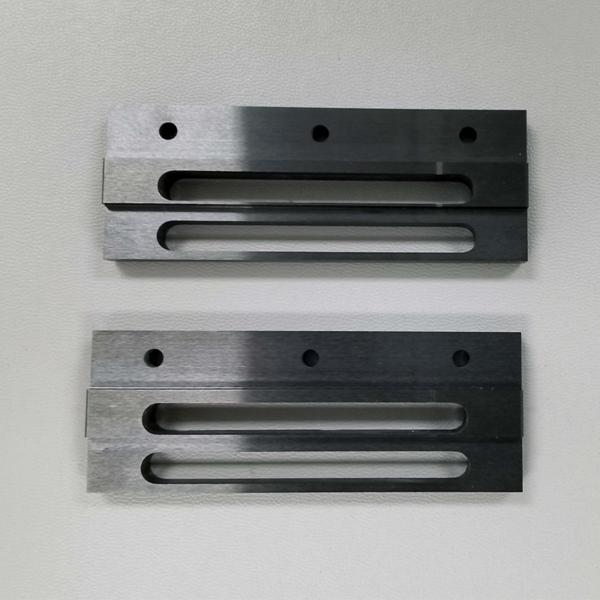

Use this page to frame a technical comparison, not an inventory assumption. Share the application drawing, loading conditions, mating materials and inspection expectations so a suitable zirconia design can be evaluated.
Key Inquiry Requirements
Designing the insulating structure
Black zirconia structural parts may combine mechanical positioning with electrical separation inside a larger assembly. The useful design conversation begins with the component’s load path, contact points, fastening method and required clearances. Include section views showing where ceramic carries compression, locates a mating part or remains isolated from conductive hardware. Describe whether the component is stationary, clamped, guided or exposed to repeated assembly so the design review addresses its actual role.
A dark ceramic appearance may be selected for visual integration, contamination visibility or application preference, but color alone does not define suitability. Ask suppliers to confirm the proposed material grade, surface condition and any finishing route against the drawing. If the part will be handled optically or inspected automatically, note those requirements early. The RFQ should distinguish appearance expectations from functional insulation, dimensional control and structural requirements.
Interfaces and assembly details
Insulating structural components often fail at interfaces rather than across their main ceramic body. Provide complete information about holes, slots, shoulders, radii, grooves and seating faces, including how loads enter and leave the part. Identify metal contacts, clamp locations, adhesives, springs or adjacent ceramics. This allows competing proposals to be compared on geometry, assembly logic and risk of local stress concentration rather than on material name alone.
Define how the part is installed and serviced. A drawing should show orientation, datum strategy, insertion direction and any prohibited contact areas. If the component must be replaceable, explain access and removal constraints. For bonded assemblies, specify the intended bond region and process assumptions without presuming a supplier’s adhesive system. These details help an engineering review separate a feasible insulating support from a visually similar but poorly integrated shape.
Electrical and environmental definition
State the electrical duty in practical terms: voltage exposure, energized neighbors, switching behavior, grounding arrangement and the consequences of leakage or flashover. Avoid relying on a generic label such as insulator. Also identify humidity, fluids, dust, vacuum, cleaning agents and nearby heat sources. The supplier can then assess whether the proposed zirconia design and surface condition should be reviewed for the intended environment.
Environmental information should include operating cycles, storage conditions and any exceptional event that matters to the assembly. If the part is exposed to thermal change, pressure variation or vibration, describe the sequence rather than supplying a single headline value. Ask for a documented review of material selection, geometry and inspection points. Any performance statement should remain tied to the approved drawing and agreed test method, not to an unqualified catalog description.
Manufacturing and inspection questions
For a custom ceramic part, ask how the proposed process will control the features that matter most. Identify critical dimensions, datum relationships, edge conditions, flatness expectations and surface areas that contact other components. Clarify whether machining, sintering-related variation or finishing affects the final inspection plan. A useful RFQ requests a capability discussion around the drawing instead of assuming every visible feature receives the same control.
Request sample documentation appropriate to the project, such as dimensional inspection records, material identification or agreed visual criteria, when those records are necessary for approval. Define how nonconformities, substitutions and drawing revisions will be handled. If the part enters a regulated or safety-sensitive assembly, list the required documentation explicitly. This makes supplier responses comparable and prevents unsupported assumptions about certification, traceability or guaranteed field performance.
What to include in the RFQ
Send a current 2D drawing and, where helpful, a neutral 3D model with revision status clearly marked. Add annual usage only as planning context, without implying a stock program. Include the application description, assembly photographs or sketches, load directions, electrical conditions, environment, mating materials and preferred inspection method. Identify which requirements are mandatory and which are open for supplier recommendation.
Ask bidders to return comments on manufacturability, proposed material grade, unresolved tolerances and inspection approach. Request alternatives only when they can be compared against the same functional criteria. The final inquiry should also state packaging, labeling and change-control expectations if relevant to your process. A complete brief gives Porcecore a basis for reviewing the part as a component design rather than presenting an unverified inventory promise.
Questions Before You Inquire
Can black zirconia insulating structural parts be made from a buyer drawing?
Yes, they should be evaluated as drawing-led custom components. Provide the geometry, datum scheme, interfaces, loading, electrical environment and inspection requirements. The drawing should identify critical features and revision status, allowing material and manufacturing questions to be reviewed against the actual assembly rather than a generic shape.
Does black color confirm the ceramic grade or insulation performance?
No. Color is an appearance characteristic and does not by itself establish composition, electrical behavior or structural suitability. Ask for the proposed zirconia grade, relevant material documentation and agreed inspection criteria. Separate visual requirements from the functional requirements that govern approval of the finished part.
What assembly information should accompany an RFQ?
Include mating materials, fasteners, clamp locations, adhesive regions, insertion direction, load paths and areas that must remain electrically isolated. Assembly drawings, section views and photographs can clarify constraints that a part outline misses. Also explain service, cleaning and replacement conditions when they affect the design.
Are dimensions or tolerances available as standard specifications?
This page does not establish standard dimensions or tolerances. Those values must come from the approved drawing and application need. Identify critical dimensions, datums, edge conditions and inspection methods in the RFQ, then ask the supplier to comment on manufacturability and achievable control for the proposed design.
Send a Clear Component Brief
Share your drawing, quantity and application with Porcecore. Mark the requirements that are fixed and the questions that remain open.


Reviews
There are no reviews yet.