
Technical Ceramic Material Selection for Defined Parts
Connect technical ceramic material selection to your component’s geometry, service conditions, and acceptance requirements before requesting a quotation.
Featured Technical Ceramic Components
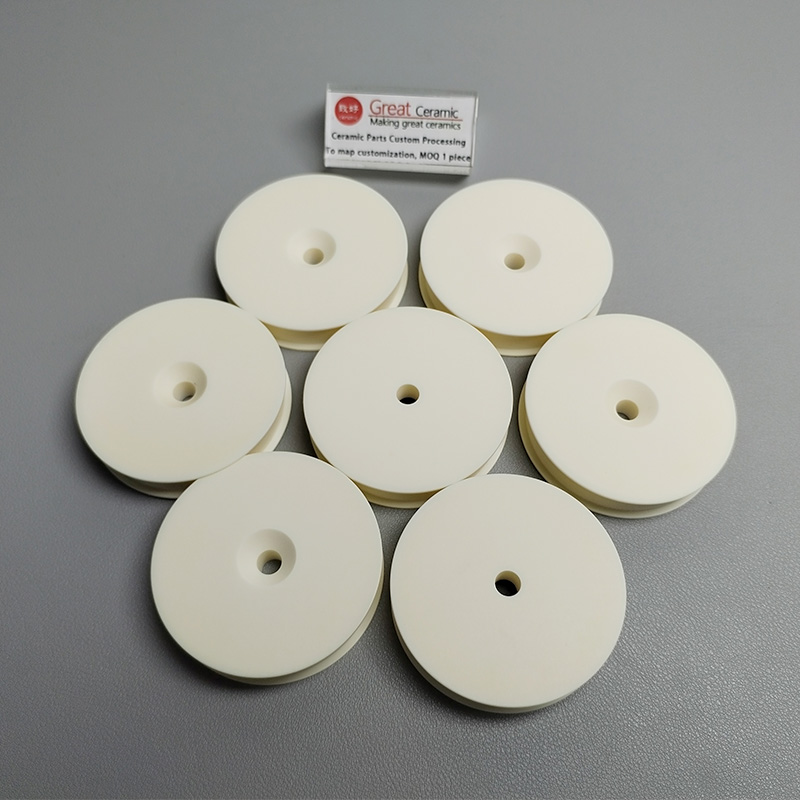

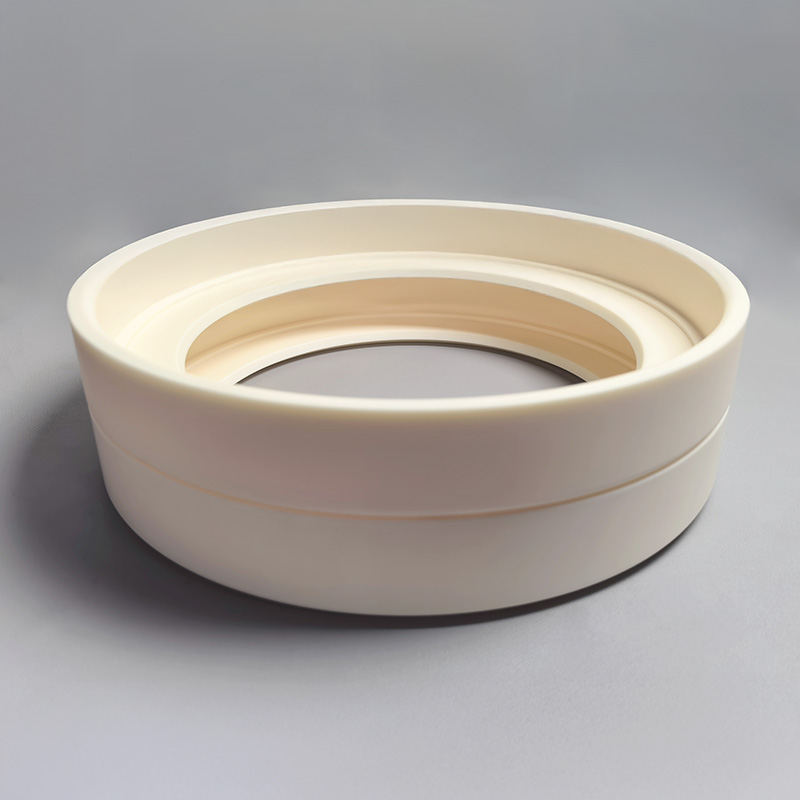
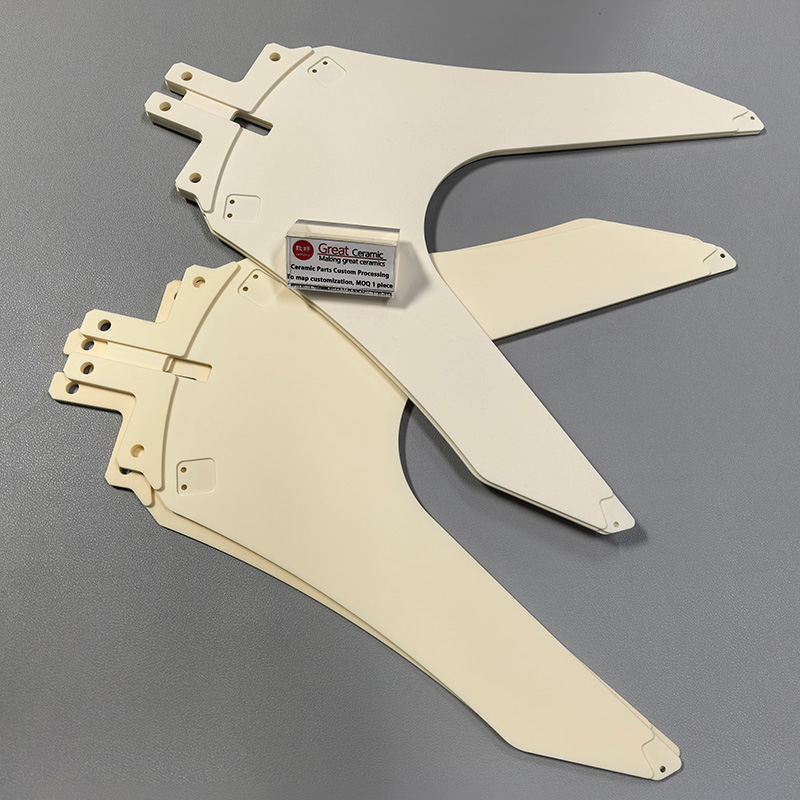
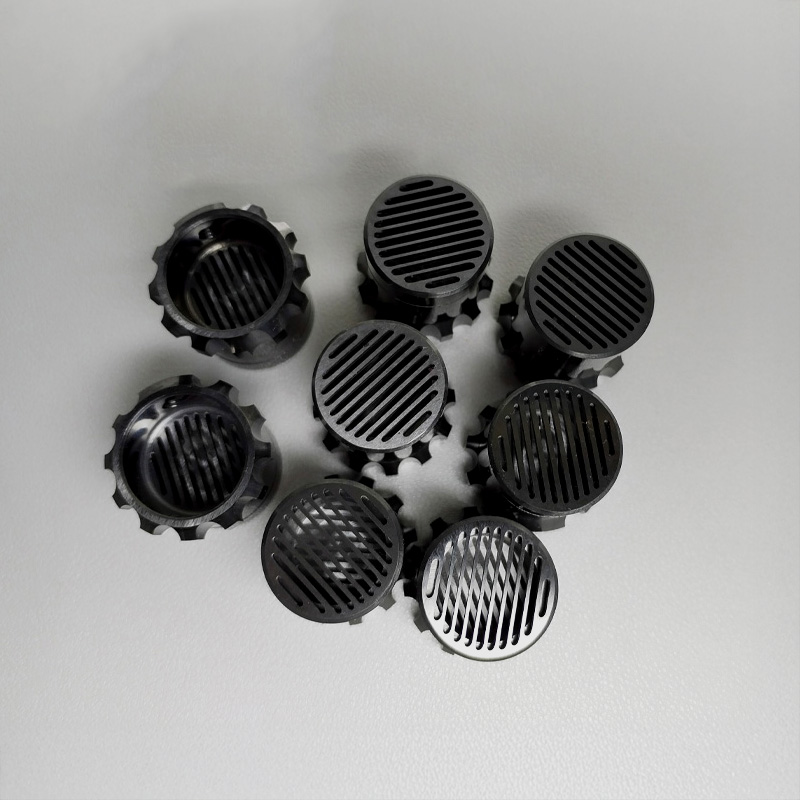
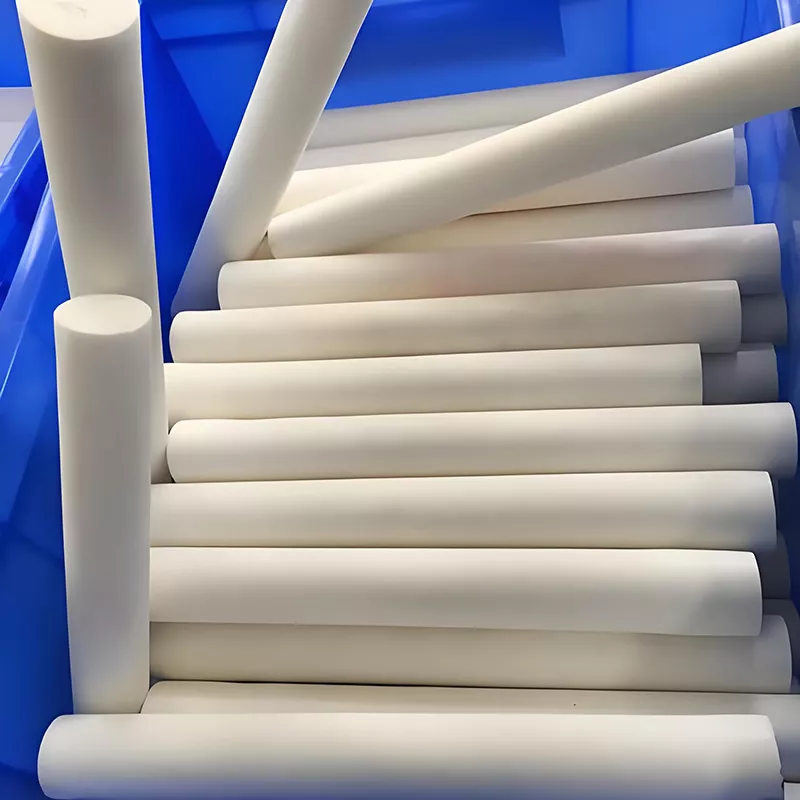

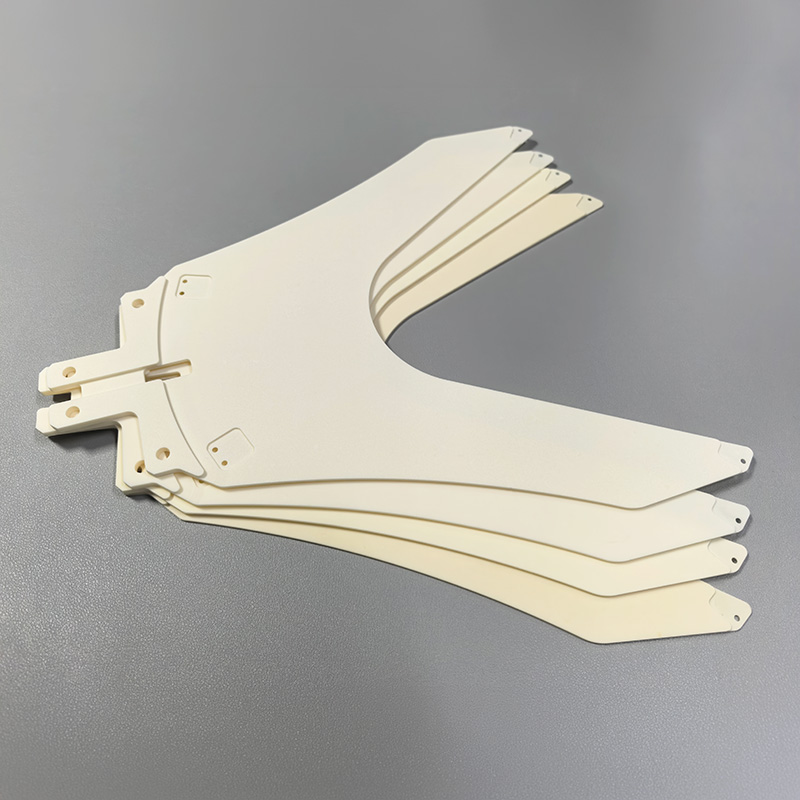
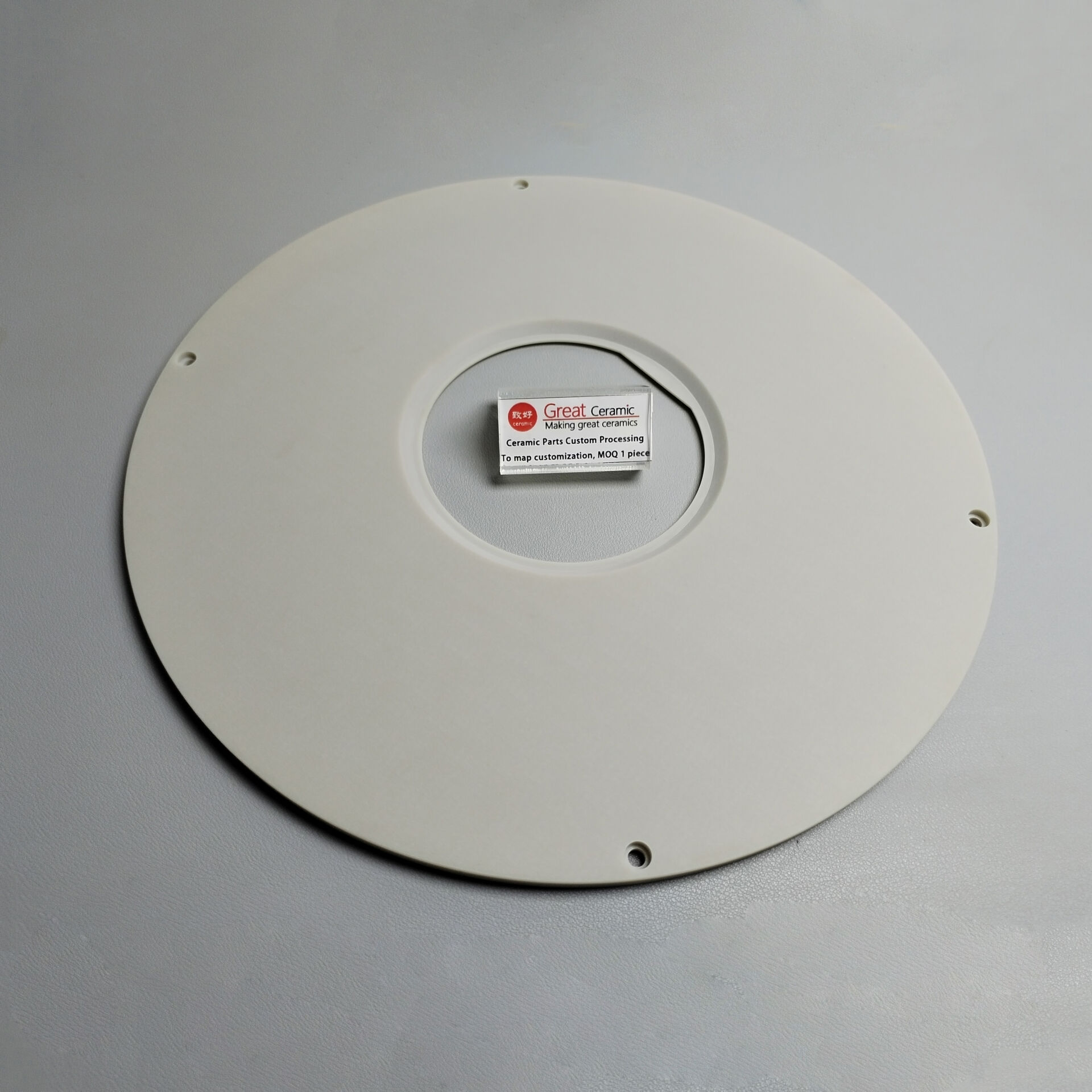
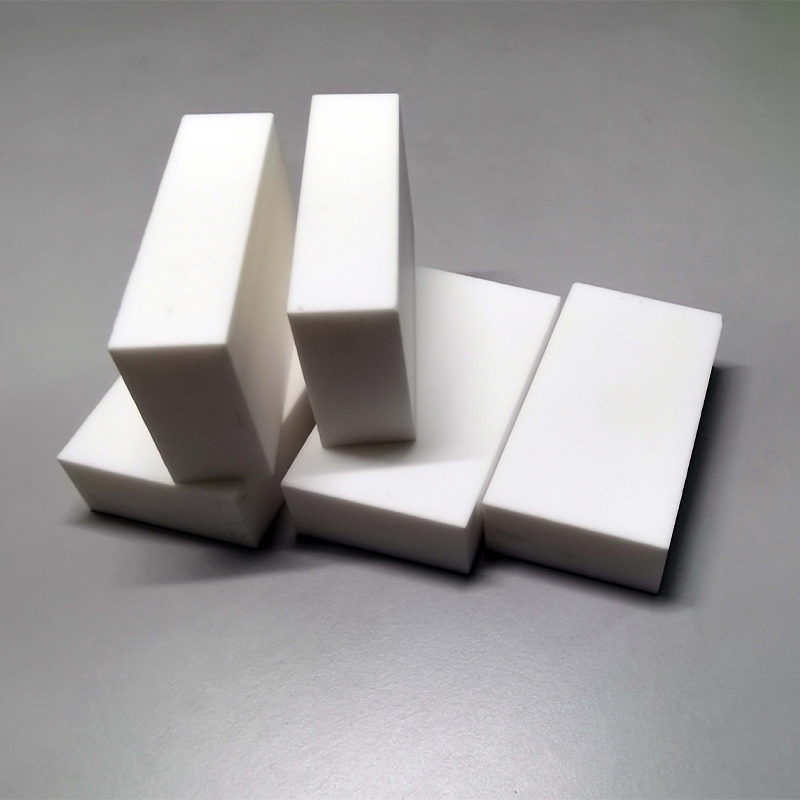


Technical Ceramic Material Selection Starts With the Part
A material name is only one input. Define the component, its operating conditions, and its acceptance expectations to support a clearer sourcing discussion.
Current Drawing and Revision
Provide the current drawing revision so dimensions, interfaces, notes, and open questions are discussed against the same part definition before a quotation takes shape.
Service Environment and Loads
Describe temperature, media exposure, mechanical loading, electrical duty, cycling, and other operating conditions that influence which ceramic material characteristics matter for the application.
Material Grade Context
Name the preferred material family or grade when known, while recognizing that composition, grade-specific properties, and project requirements require confirmation for the individual part.
Geometry and Tolerance Needs
Identify the dimensions that control assembly, along with tolerances, wall sections, corners, holes, and other geometric details that can affect the manufacturing discussion.
Functional Mating Surfaces
Call out surfaces that fit, seal, slide, locate, or contact another component. Their function, finish expectations, and dimensional relationship belong in the part requirement.
Inspection and Acceptance Evidence
Specify the inspection points, documentation, appearance criteria, and acceptance expectations needed for approval, helping distinguish essential requirements from preferences before production terms are agreed.
Ceramic Materials, Components and Project Paths
Compare material families and component forms, review application context, or send a drawing when grade, geometry and acceptance requirements need project-specific discussion.

Ceramic Manufacturing Capabilities
Review ceramic manufacturing capabilities in the context of the part required: forming route, geometry, critical surfaces, tolerances and inspection needs. Continue with a drawing-led inquiry when a standard illustration does not define the component sufficiently.
Explore Capabilities
Ceramic Solutions by Industry
Explore advanced ceramics applications by industry when service conditions drive selection. Consider temperature, wear, electrical function, chemical exposure, mating parts and approval requirements before narrowing a material or component path.
Explore Industries
Advanced Ceramic Materials
Compare advanced ceramic materials including alumina ceramics, zirconia ceramics, silicon carbide ceramics, silicon nitride, aluminum nitride, and boron nitride. Use material pages to establish a starting point, then confirm the grade and project-specific property requirements.
Explore Materials
Technical Ceramic Products
Browse industrial ceramic parts by familiar forms such as tubes, rods, rings, substrates, and custom ceramic components. Move to a product page for form-based comparison, or provide the current drawing revision for a quotation discussion.
Explore Products
Technical Ceramic Resources
Use this technical ceramics guide to clarify material terminology, component considerations and inquiry details. For a project discussion, share the drawing, quantity, operating conditions, acceptance criteria and required documentation by email or WhatsApp.
Explore ResourcesTechnical Ceramic Material Selection, Made Clearer
Porcecore was founded by Andy Yuan to make technical ceramic material selection more understandable for industrial buyers, equipment builders, and project teams. Our mission begins with the part and the job it must perform, helping turn an initial material question into a clearer sourcing conversation.
We cover familiar oxide, nitride, carbide, and specialty ceramic families alongside component forms such as tubes, rods, rings, and substrates. What makes Porcecore different is a drawing-led approach: geometry, mating surfaces, operating conditions, inspection needs, and acceptance criteria are considered together rather than treated as afterthoughts.
A material name alone is not a complete specification. By identifying open questions before a project commitment, Porcecore helps buyers distinguish general material information from project-specific grade, dimensional, documentation, delivery, and commercial requirements. Send a current drawing revision or describe the application to begin a grounded discussion.

Key Inputs for Technical Ceramic Material Selection
Define Service Conditions
Technical ceramic material selection starts with the actual operating environment. Share temperature range, thermal cycling, electrical exposure, mechanical loads, process media, and expected duty cycle so the discussion can focus on the conditions that matter to the part.
- Operating temperature and thermal gradients
- Electrical function, voltage, or insulation needs
- Load type, wear exposure, and cycle frequency
- Process chemistry, moisture, or corrosive media

Confirm Grade-Specific Priorities
A ceramic family name is a starting point, not a complete requirement. Grade, composition, processing route, and project conditions can affect relevant properties. Identify which performance priorities are essential, then confirm the proposed material against the individual application.
- Required thermal, electrical, or mechanical behavior
- Known material designation or approved alternatives
- Performance limits that need project review
- Trade-offs between properties and component needs

Map Geometry and Mating Surfaces
Geometry influences both component feasibility and assembly performance. Provide the current drawing revision and identify the dimensions, tolerances, surface finishes, holes, edges, and contact areas that control fit. This gives technical ceramic material selection a practical component context.
- Overall form, wall sections, and critical features
- Dimensions governing fit and alignment
- Mating surfaces and finish expectations
- Sharp edges, holes, threads, or complex geometry

Set Inspection Expectations
Acceptance requirements should be defined alongside the material and drawing. Clarify the inspection points, documentation, traceability needs, packaging expectations, and approval process required for the project. These inputs help make a quotation discussion more specific before production terms are agreed.
- Critical dimensions and inspection method
- Requested material or quality documentation
- Traceability, packaging, and labeling needs
- Approval criteria for the supplied component

Technical Ceramic Material Selection vs Material-Only Sourcing
Compare a drawing-led review with a material-name-only path before requesting a quotation.
← Swipe left or right to view →
Technical Ceramic Material Selection Workflow
Move from part function to a quotation basis with requirements that can be reviewed, clarified, and confirmed for the specific project.
Define the Part Function
Describe what the component does, where it sits in the assembly, and which performance outcome matters most for the application.
Review Service Conditions
Share operating temperature, loading, electrical demands, media exposure, wear conditions, and expected duty cycle so the selection discussion begins with use.
Identify Material Candidates
Compare relevant oxide, nitride, carbide, or specialty ceramic families against the project requirements, treating general properties as starting points rather than final specifications.
Assess Geometry and Interfaces
Provide the current drawing revision, critical dimensions, mating surfaces, tolerances, and surface requirements that determine how the ceramic part fits and functions.
Confirm Acceptance Requirements
Clarify material designation, inspection expectations, documentation needs, quantity, and any approval criteria so essential requirements are separated from preferences before commitment.
Establish the Quotation Basis
Use the defined technical ceramic material selection inputs to frame a project-specific quotation discussion, including the open points requiring confirmation for production.
Buyer Conversations About Ceramic Part Requirements
Share the part requirements that turn an initial material discussion into a clearer sourcing path.
Send the Current Drawing
Provide the latest drawing revision and identify assembly-critical dimensions, mating surfaces, tolerances, and any features that determine the component’s functional fit.
Describe Service Conditions
Explain operating temperature, loading, electrical demands, wear exposure, process chemistry, and other conditions that shape technical ceramic material selection for the application.
State Material and Quantity
Include the material designation if known, required quantity, and whether the part is a replacement, prototype, or production requirement with defined delivery needs.
Define Acceptance Requirements
Specify inspection expectations, documentation, surface requirements, and acceptance criteria so grade, geometry, manufacturing approach, commercial terms, and delivery can be confirmed project by project.
Technical Ceramic Material Selection FAQ
Reserved for a verified buyer testimonial describing how drawing review clarified material, geometry, and acceptance requirements before quotation.
Reserved for a verified buyer testimonial describing a specific technical ceramic material selection outcome, supported by approved project details.
Reserved for a verified buyer testimonial describing how defined component requirements supported a better-informed sourcing decision.
Technical Ceramic Material Selection FAQ
Practical guidance for moving from application needs to a drawing-led ceramic component inquiry.
How should technical ceramic material selection begin?
What information supports technical ceramic material selection for a new component?
Can technical ceramic material selection be based on a general property chart?
What if our drawing names a ceramic material but not a grade?
Which tolerances and surfaces should be highlighted in an inquiry?
Can Porcecore quote a replacement ceramic part without the original material specification?
How do quantity and packaging affect a ceramic component quotation?
What inspection evidence should procurement teams request for ceramic parts?
Technical Ceramic Material Selection: Complete Buyer’s Guide
Use a structured decision framework to match ceramic properties, design constraints, and production needs, evaluate supplier capabilities, compare total cost, and avoid sourcing mistakes that can compromise component reliability.
1. Technical Ceramic Material Selection Defined
Four linked decisions define technical ceramic material selection: the service condition, component geometry, manufacturing route, and validation method. A material name alone does not establish whether a tube, ring, rod, or substrate will fit, survive, and be inspectable in its intended assembly.
One dominant condition should lead the decision—such as electrical insulation, heat transfer, wear, chemical exposure, or mechanical loading—while secondary constraints set the acceptable risk. Hardness, strength, and toughness are distinct considerations; technical references likewise advise evaluating mechanical, thermal, electrical, environmental, design, quantity, joining, and quality requirements together (https://precision-ceramics.com/materials/properties/chart).
Two functions must collaborate: engineering defines loads, interfaces, service limits, and acceptance criteria; procurement tests manufacturability, documentation, lead-time exposure, and lifecycle value. At Porcecore, a drawing revision and the mating surfaces provide a practical starting point for that joint review.
2. Evolution of Technical Ceramic Applications
20th-century industrial ceramics moved beyond clay-based refractories as controlled oxide compositions made insulating bushings, substrates, seals, and wear parts more repeatable. Alumina and zirconia became engineering choices when a component needed defined electrical, mechanical, or chemical behavior rather than general heat resistance.
Three material families—oxides, nitrides, and carbides—expanded the design range for equipment exposed to voltage, heat flow, abrasion, and corrosive media. Silicon carbide and aluminum nitride support heat-management discussions, while silicon nitride and hard carbide grades are considered for demanding moving or abrasive interfaces.
Four linked advances changed procurement: powder control, densification, post-fire diamond machining, and inspection against drawing requirements. Technical ceramic material selection therefore connects material behavior to the finished tube, ring, rod, or substrate, including critical surfaces, tolerances, and acceptance criteria. https://precision-ceramics.com/materials/properties/chart
3. Technical Ceramic Material Selection Requirements
Two screens prevent premature grade comparisons: define the service envelope, then name the one or two conditions the part cannot compromise. Record limits as measurable acceptance requirements, not material preferences.
Thermal And Mechanical Screen
1 temperature range and maximum gradient identify thermal exposure before a grade is discussed.
2 load mode—compression, bending, impact, or cycling—plus wear mechanism and target service life define the mechanical screen.
Environment And Electrical Screen
3 chemical media, concentration, exposure duration, and cleaning cycles set the corrosion question.
4 voltage, dielectric function, leakage limits, and heat-removal demand must be stated together; electrical requirements are not universal across ceramics.
Drawing And Approval Screen
5 critical dimensions, tolerances, mating surfaces, and assembly preload determine whether geometry is feasible.
6 drawing revision, inspection method, traceability, regulatory needs, and required documents should accompany the inquiry; confirm non-negotiables first.
4. Technical Ceramic Material Selection Material Families
Seven families cover many industrial starting points, but no family is a universal winner. Technical ceramic material selection should compare the loaded geometry, environment, electrical role, and required documentation against a grade-specific data sheet.
| Family | Typical Strength | Review Before Specifying |
|---|---|---|
| Alumina | Insulation and wear | Toughness, purity |
| Zirconia | Toughness | Temperature, aging |
| Silicon carbide | Wear and heat | Electrical behavior, joining |
| Silicon nitride | Stressed motion | Grade, fatigue |
| Aluminum nitride | Heat transfer | Moisture handling |
| Boron nitride | Machinability | Strength, atmosphere |
| Glass-ceramic | Complex prototypes | Load, temperature |
Oxide Ceramics
Alumina commonly suits electrical insulation, wear surfaces, and general-purpose components; zirconia can favor tougher mechanical duty. Grade, porosity, and surface condition can change the practical result.
Non-Oxide Ceramics
Silicon carbide can fit wear, heat, and chemical-duty parts; silicon nitride often warrants review for stressed moving components. Aluminum nitride is considered where heat transfer and electrical insulation must coexist.
Machinable Options
Boron nitride and machinable glass-ceramics can simplify prototypes or intricate forms, but mechanical limits require confirmation. Review thermal expansion, moisture exposure, load direction, and machining-versus-grinding economics with the supplier.
5. Properties, Geometry, and Processing Trade-Offs
Technical ceramic material selection must evaluate the finished part, not a property table alone. Strength depends on flaw population, loading direction, interfaces, and the manufacturing route chosen for the drawing.
Load Paths And Corners
Ceramics generally tolerate compression better than tension, bending, or impact. Fracture toughness helps resist crack growth but does not remove brittleness.
Sharp inside corners, point contacts, and handling damage concentrate tensile stress. Specify radii, supported load paths, and protected edges early.
Thickness, Finish, And Tolerance
Wall thickness changes firing shrinkage, thermal gradients, and machining access. Abrupt thickness transitions can create residual stress or distortion.
Surface finish and tight tolerances may require grinding after firing. State functional surfaces and realistic limits, since unnecessary precision increases cost and crack risk.
Interfaces And Density
Thermal expansion mismatch between ceramic, metal, braze, or adhesive can load a joint during temperature cycling. Joining design should allow compatible movement where possible.
Porosity, surface condition, and joint clearance affect sealing and bond behavior. Confirm the assembly method, service temperature, and inspection criteria with the drawing.
6. Customization and Component Finishing Options
A drawing revision, tolerance scheme, and acceptance criteria should be agreed before quoting a ceramic part. Each finishing choice can change function, yield, lead time, inspection effort, and mating-part compatibility.
| Decision | Primary Effect | Confirm Before Release |
|---|---|---|
| Forming and sintering | Geometry, yield, lead time | Grade and shrinkage basis |
| Grinding and lapping | Fit and surface function | Datums and measurements |
| Marking and packaging | Traceability and protection | Cleanliness and packing method |
Drawing And Prototype Control
One controlled drawing should identify datum surfaces, critical dimensions, edge conditions, and inspection methods.
Prototype iterations can validate fit and assembly before production tooling or final finishing is committed.
Post-Sintering Features
Grinding establishes critical dimensions after sintering; lapping or polishing may be specified where flatness, surface condition, or sealing contact matters.
Holes, threads, inserts, metallization, and coatings require assembly loads, joining method, and interface surfaces to be defined.
Release And Handling
Cleaning, marking, and packaging should match contamination limits, traceability needs, and handling risks.
Inspection plans should distinguish functional tolerances from cosmetic preferences, so effort follows the actual part requirement.
7. Quality Elements for Reliable Ceramic Parts
Two evidence layers matter before production: proof that the specified material entered the process and proof that the finished part meets functional requirements. An inspection plan should prioritize failure risk, assembly-critical features, and service conditions over a generic certificate.
Material And Lot Controls
One purchase requirement should identify the material designation, incoming-review method, and lot identifier. Each lot record should remain linked to the part, machining route, and any property test requested for the application.
Dimensions And Surface Condition
Three drawing elements deserve explicit criteria: critical dimensions, datum references, and mating surfaces. Define measurement method, sampling or 100% inspection, allowable chips, cracks, edge damage, cleanliness, and surface-finish requirements where function depends on them.
Release Records And Packaging
One final record can list part number, drawing revision, quantity accepted, measured critical features, lot traceability, and deviations. Property verification should be specified only when relevant; packaging should prevent impact, abrasion, contamination, and mixed-lot errors during transit.
8. How to Choose a Ceramic Manufacturer
Two supplier questions matter: can the shop make the first part, and can it control that part across production volume? Technical ceramic material selection should be reviewed alongside the drawing, assembly interfaces, and acceptance criteria.
Verify Part-Making Capability
A current drawing should trigger questions about material grade, forming route, firing shrinkage, grinding, lapping, and critical surfaces. Ask for DFM feedback before quoting.
A prototype plan should define sample quantity, dimensional checks, finish requirements, and the revision used for approval.
Verify Production Control
A production review should identify lot traceability, inspection frequency, measurement methods, sampling plans, and records delivered with each order. Confirm how the supplier controls dimensions after firing and finishing.
A volume forecast should test capacity, tooling life, lead-time assumptions, and escalation paths rather than only prototype availability.
Set Change Controls
A controlled change process should require written approval for material, process, tooling, drawing, or inspection changes affecting the agreed part. Define notification timing and requalification expectations.
A clear contact path should assign owners for engineering questions, quotation revisions, production status, and nonconformance disposition.
9. Common Technical Ceramic Sourcing Mistakes
One incomplete purchase description can turn a material inquiry into a mismatch. Technical ceramic material selection improves when requirements, acceptance scope, and total installed cost are reviewed together.
Specify The Part, Not Only Material
One material name does not define geometry, load path, mating surfaces, or service environment. Send the drawing revision and ask: what must this part do?
Balance Hardness And Toughness
One hardness target can overlook chipping, impact, and cyclic loading risk. Define the dominant failure mode and ask: is fracture toughness more important than wear resistance?
Check Assembly And Tolerances
Two joined materials can expand differently during temperature changes. Identify fits, thermal exposure, and realistic tolerances; ask: where can assembly stress concentrate?
Match Scope Before Price
One unit-price comparison is invalid when grades, inspection, documentation, finishing, and delivery differ. Involve suppliers early and ask: does every quote cover the same acceptance criteria and lifecycle cost?
10. Technical Ceramic Material Selection Costs
1 prototype or replacement part concentrates setup, material preparation, forming, sintering and inspection across few pieces. Technical ceramic material selection should therefore compare the required grade and finished geometry against the function, rather than treating a material name as a unit-price specification.
3 cost layers deserve review: yield, qualification and operating consequence. Tight tolerances, mating surfaces, diamond grinding, documentation and expedited scheduling can add work; a lower initial part cost may not be lower total cost if service life, replacement labor or downtime risk changes.
| Quantity tier | Primary cost drivers | Lead-time implication |
|---|---|---|
| 1–10 | Setup, custom tooling, complex forming, first-article inspection | Planning and approval steps can dominate |
| 10–100 | Yield, sintering load use, precision finishing | Batch scheduling becomes material |
| 100+ | Repeatability, inspection sampling, stable demand | Forecasts can support production planning |
Discuss Technical Ceramic Material Selection
Email your drawing, service conditions, and acceptance criteria to begin a clearer discussion of grade, geometry, and project-specific requirements.