
Technical Ceramic Products for Clearer Industrial Sourcing
Technical ceramic components and industrial ceramic parts supported by drawing-led communication, project-specific requirements, and clearer sourcing decisions.
Featured Ceramic Components for Project Development







Related Technical Ceramic Products and Quotation





Why Buyers Choose Porcecore for Technical Ceramic Products
A clearer path from application requirements and drawings to informed ceramic component sourcing decisions.
Start With the Current Drawing
Share the current drawing revision, critical dimensions and intended mating details so quotation discussions begin from the part requirement rather than an assumed catalog specification.
Confirm the Material Grade
Identify the requested ceramic family and grade when known; Porcecore can discuss how material selection relates to the component’s operating conditions and acceptance requirements.
Define Geometry for Assembly
Clarify dimensions, tolerances, wall sections, holes and interfaces that determine fit, movement or installation, especially where the component connects with another part.
Discuss the Process Route
Discuss the practical process route for the required form, including shaping, machining or finishing considerations that may affect geometry, surfaces and project acceptance.
Identify Functional Surfaces
Identify sealing, mating, electrical-contact or other functional surfaces, and explain their role so the inquiry separates essential interface requirements from preferred but non-critical details.
Align Inspection Evidence
State inspection evidence, documentation and acceptance criteria needed for approval, helping procurement and engineering teams align on what must be verified before a project is confirmed.
Technical Ceramic Families and Component Forms
Explore material and component categories, then define the geometry, operating conditions, grade and acceptance requirements for a drawing-led inquiry.

Ceramic Tubes and Sleeves
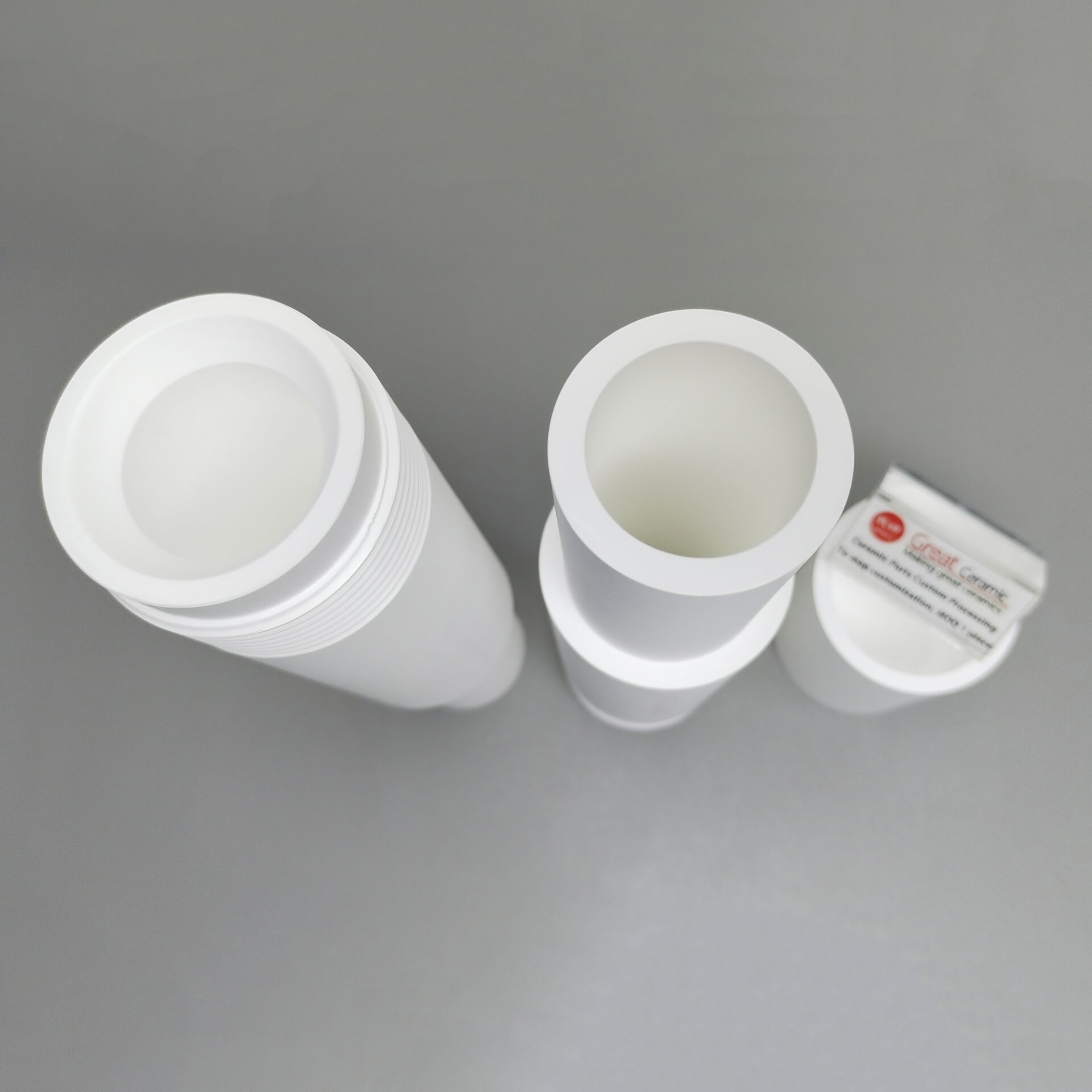
Ceramic tubes and sleeves support electrical insulation, thermal protection and wear-resistant interfaces. Define inner and outer diameters, wall thickness, length, material grade, mating surfaces and operating temperature so the quotation addresses fit, handling and service requirements.
Discuss Your Ceramic Part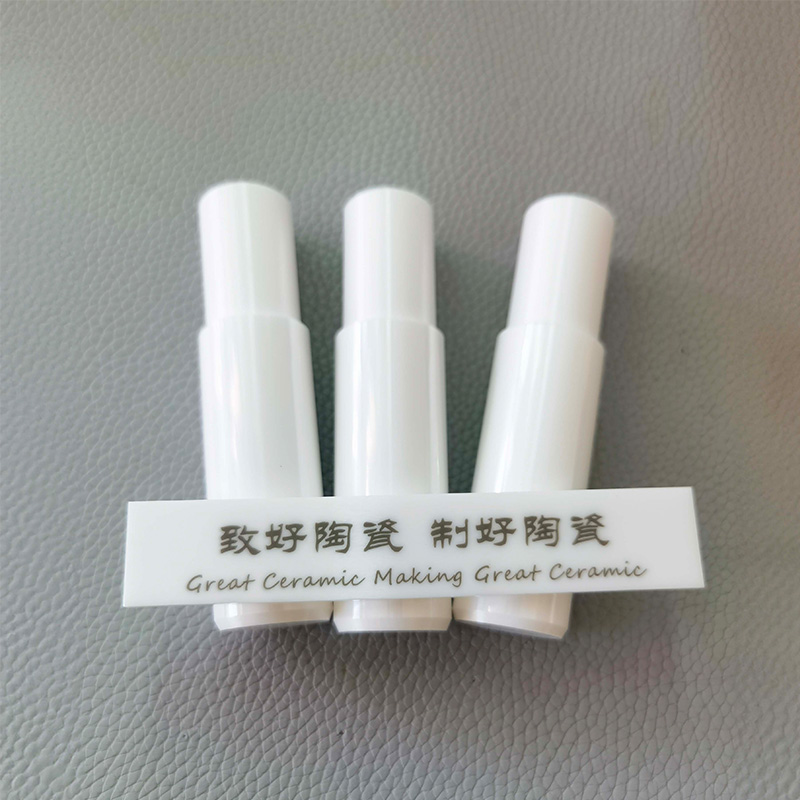
Ceramic Rods and Pins
Ceramic rods and pins are used for insulation, alignment, wear resistance and high-temperature support. Specify diameter, length, straightness, surface finish, end geometry and loading conditions to help determine a suitable material and manufacturable tolerance range.
Discuss Your Ceramic Part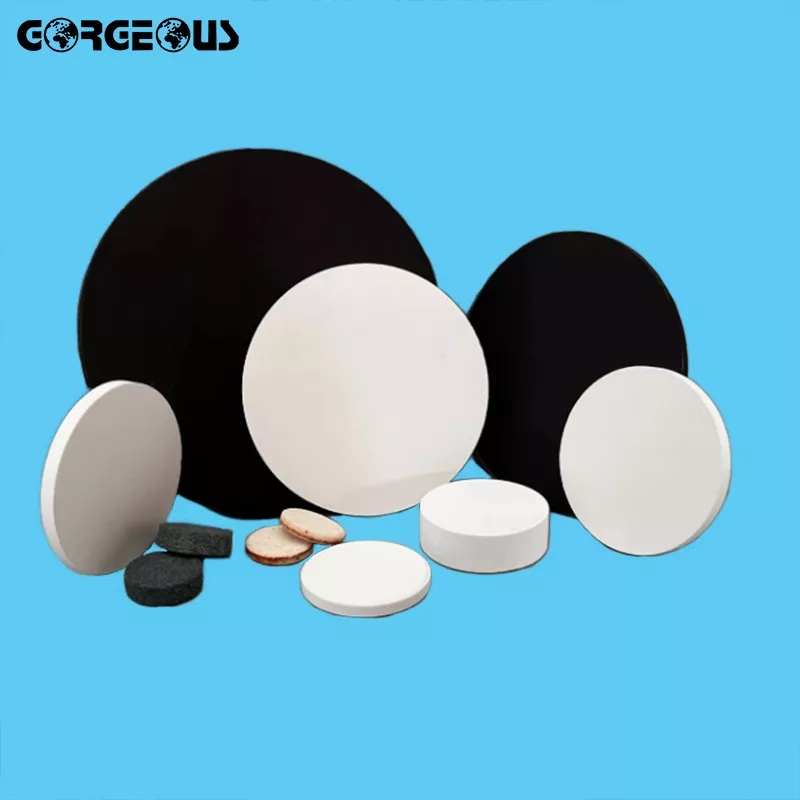
Ceramic Plates and Discs
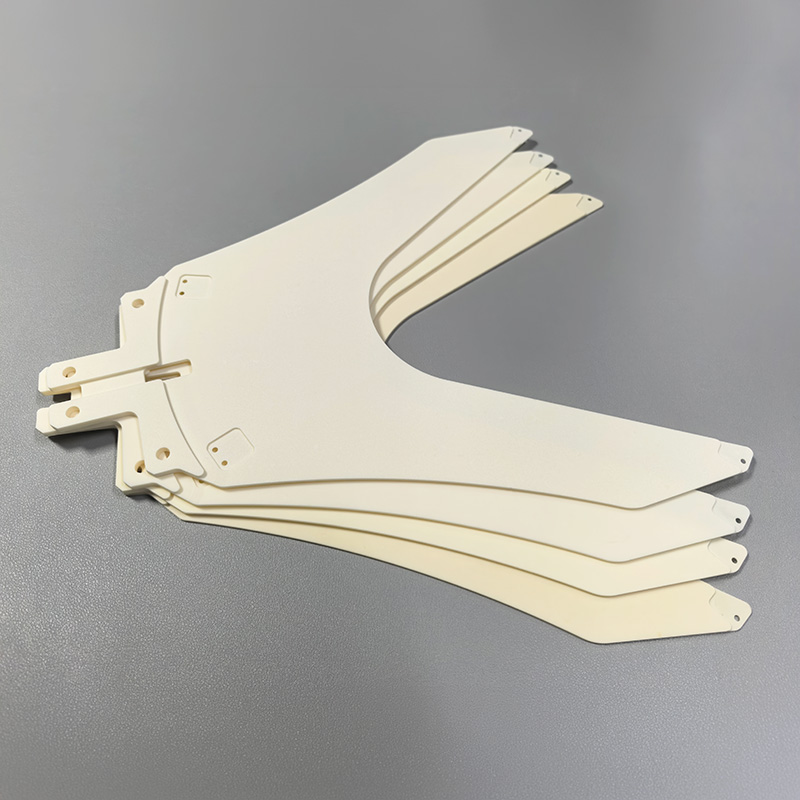
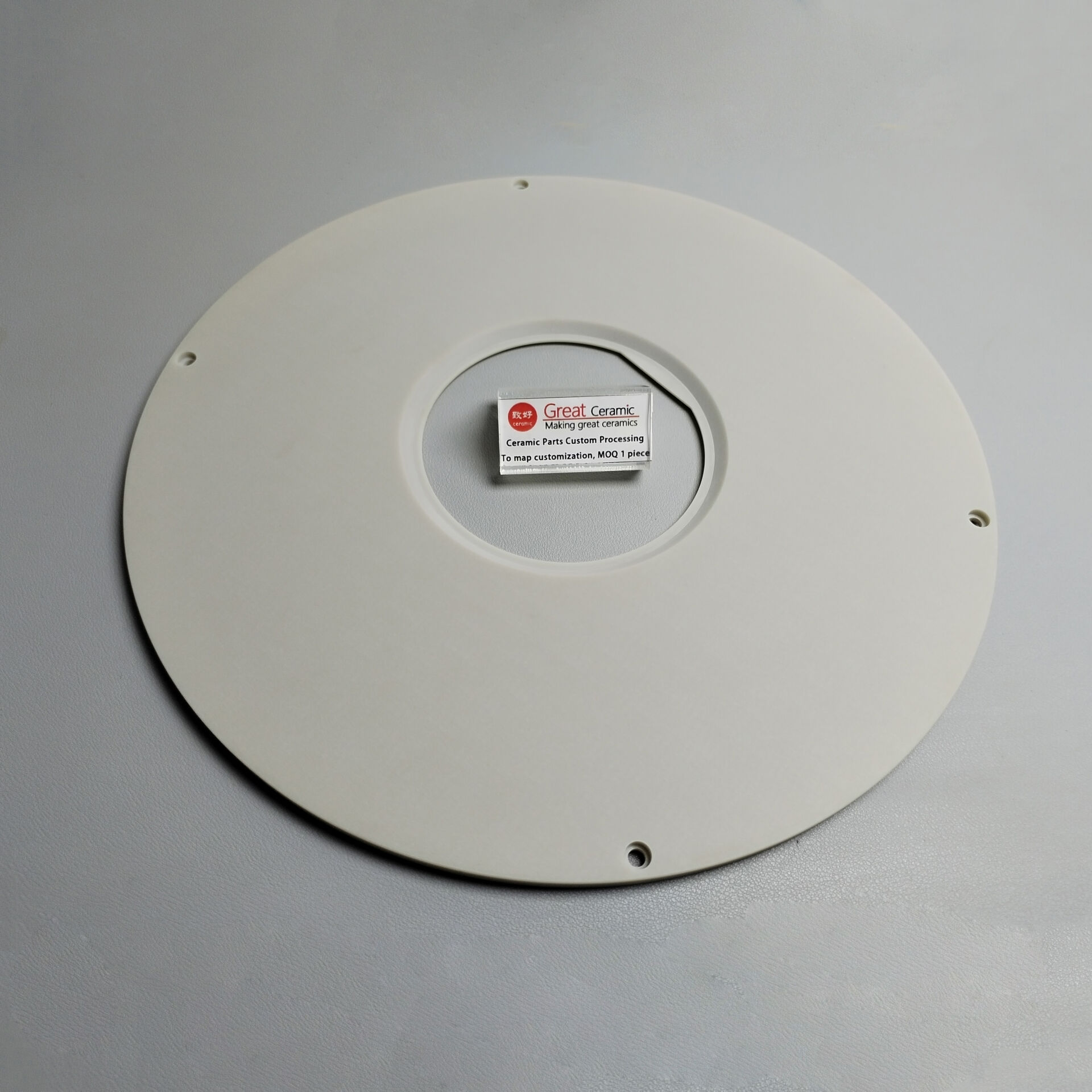
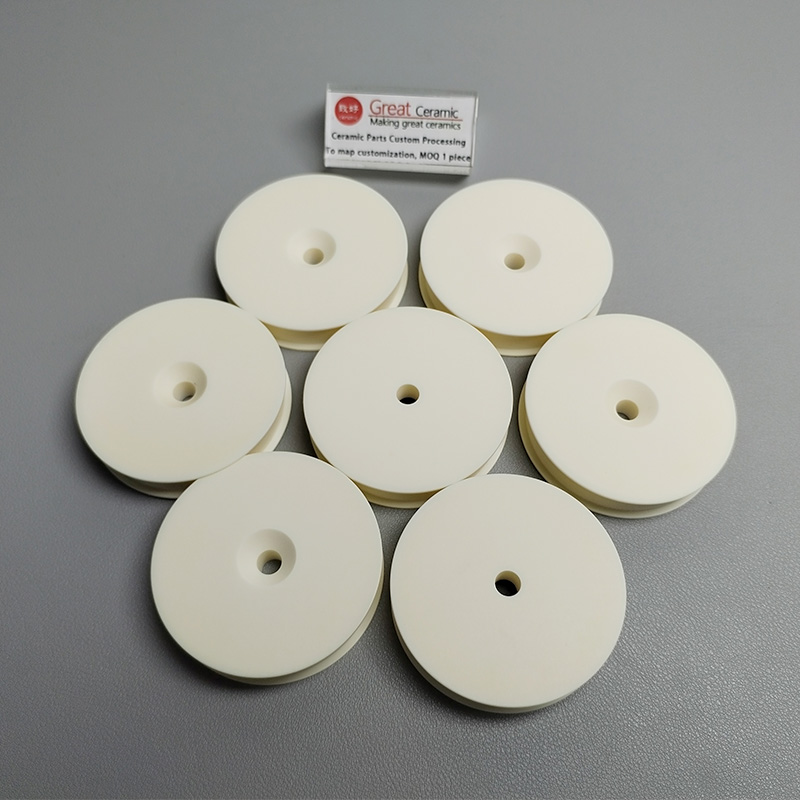
Ceramic plates and discs can serve as insulating, wear-resistant, thermal or structural elements. Identify plan dimensions, thickness, flatness, holes, slots, edge condition, material designation and temperature exposure so the proposed part matches assembly and inspection needs.
Discuss Your Ceramic Part
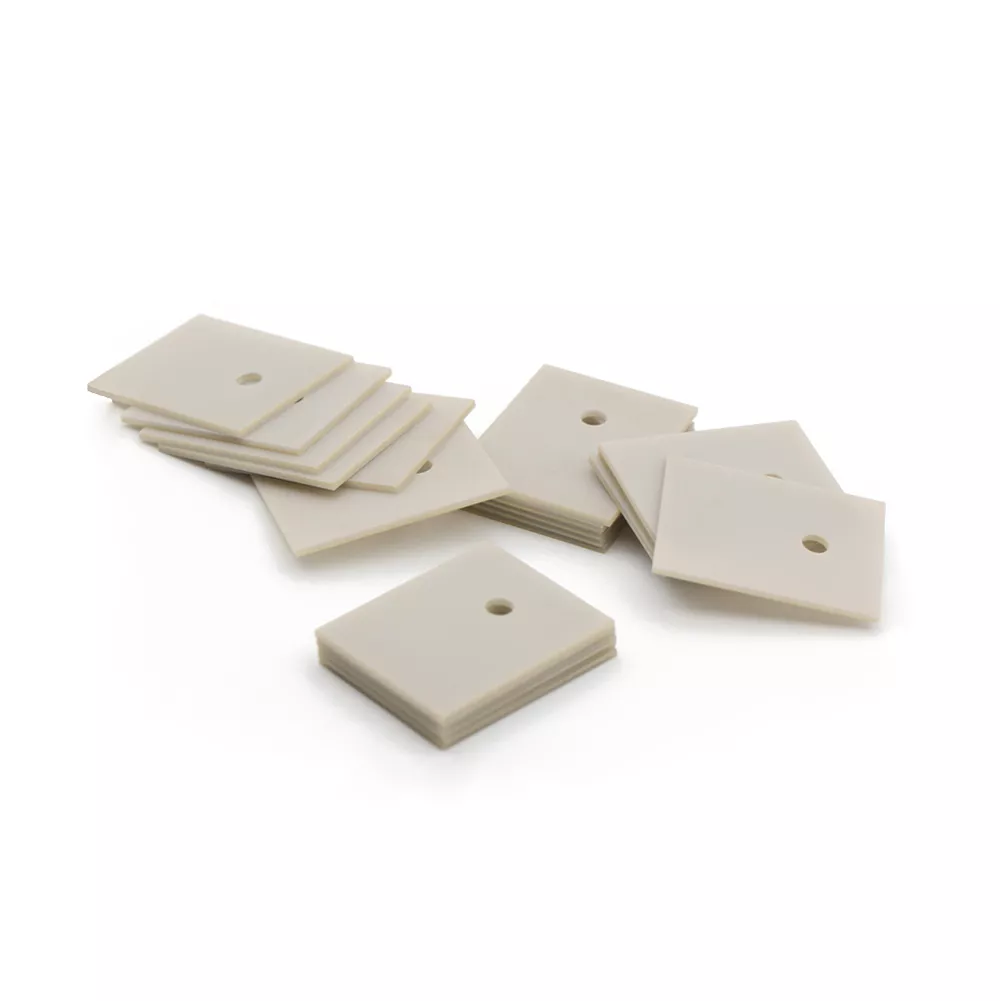
Ceramic Substrates and Sheets
Ceramic substrates and sheets are commonly evaluated for electrical insulation, thermal management and dimensional stability. State thickness, surface finish, metallization needs, thermal conductivity target, dielectric requirements, outline geometry and inspection criteria for a project-specific quotation.
Discuss Your Ceramic Part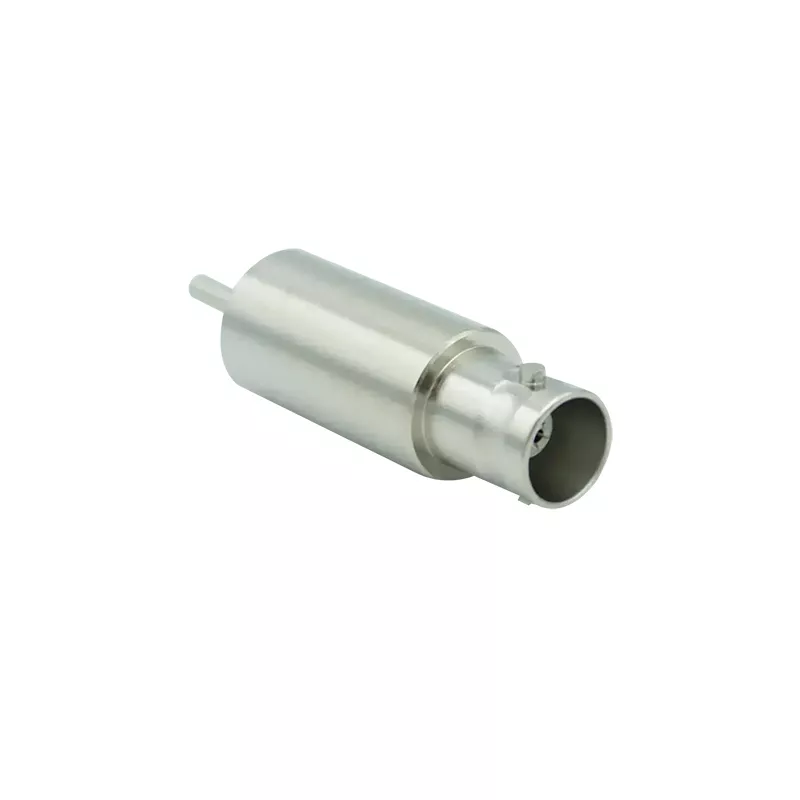
Ceramic Rings and Washers
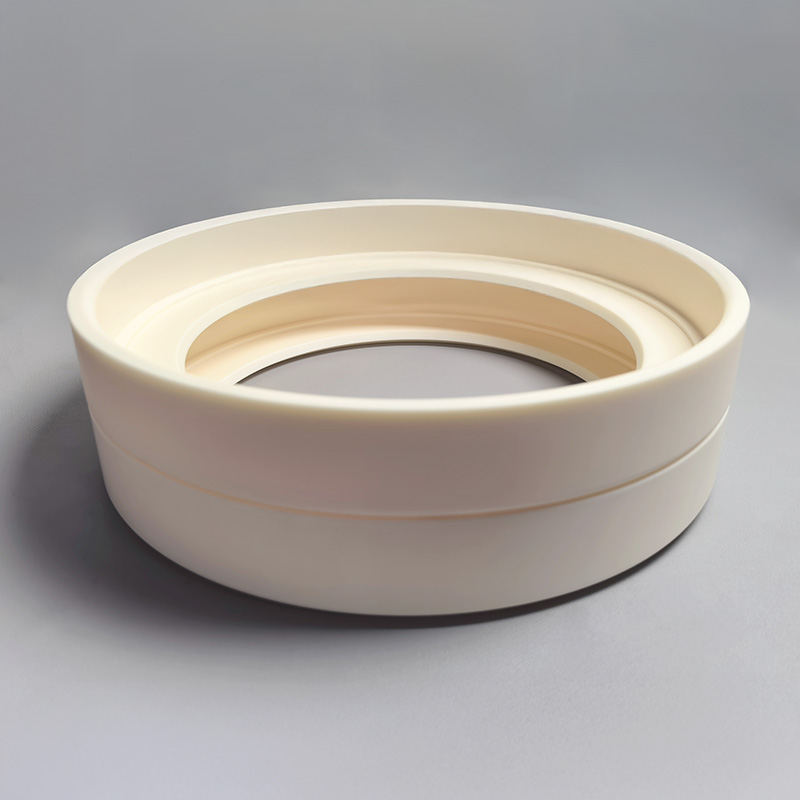
Ceramic rings and washers provide spacing, insulation, sealing support or wear resistance around shafts and fasteners. Confirm inner and outer diameters, thickness, concentricity, flatness, mating surfaces and service environment to avoid interference during assembly.
Discuss Your Ceramic Part
Ceramic Nozzles
Ceramic nozzles are selected for controlled flow, abrasion resistance, temperature stability or chemical compatibility. Include bore profile, outlet geometry, connection dimensions, flow medium, pressure, temperature and expected wear conditions when requesting a quotation.
Discuss Your Ceramic Part
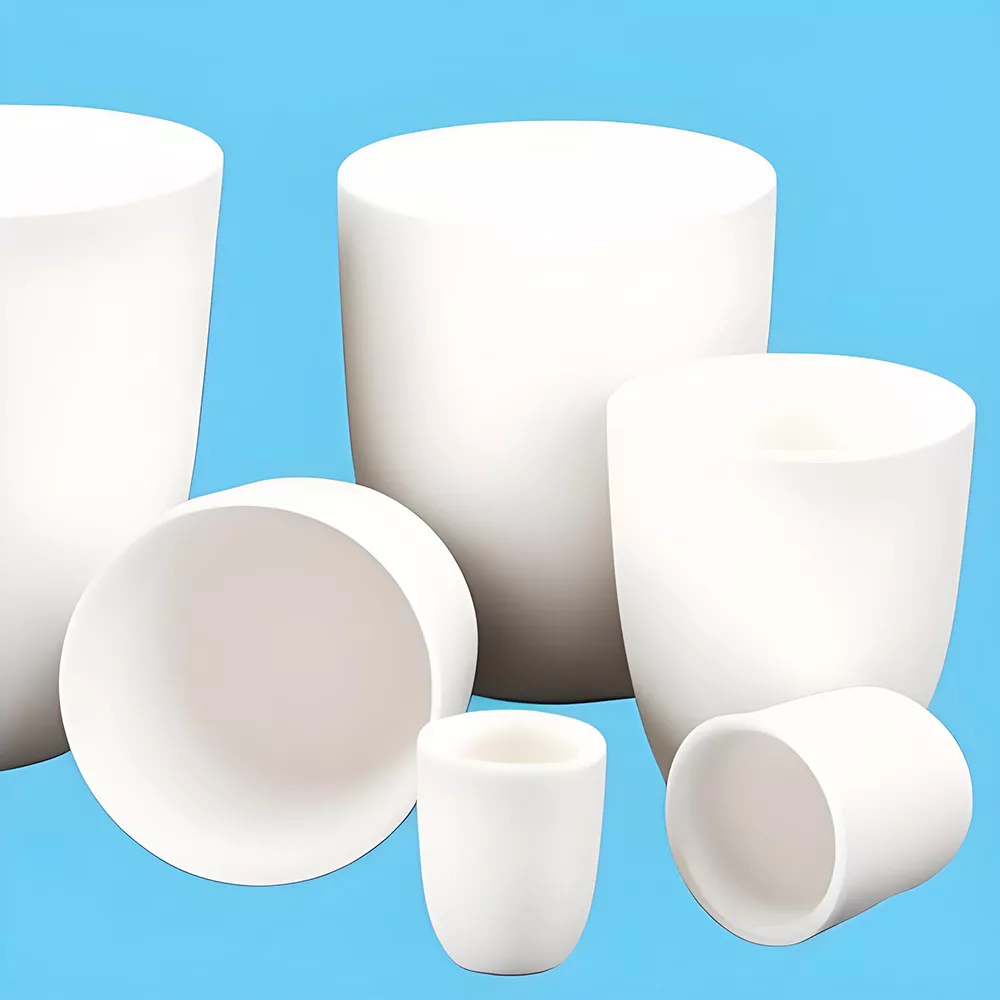
Ceramic Crucibles
Ceramic crucibles support melting, firing, evaporation or laboratory processing where contamination and temperature resistance matter. Identify capacity, shape, wall thickness, material family, atmosphere, thermal cycle and chemical exposure so compatibility can be reviewed before commitment.
Discuss Your Ceramic Part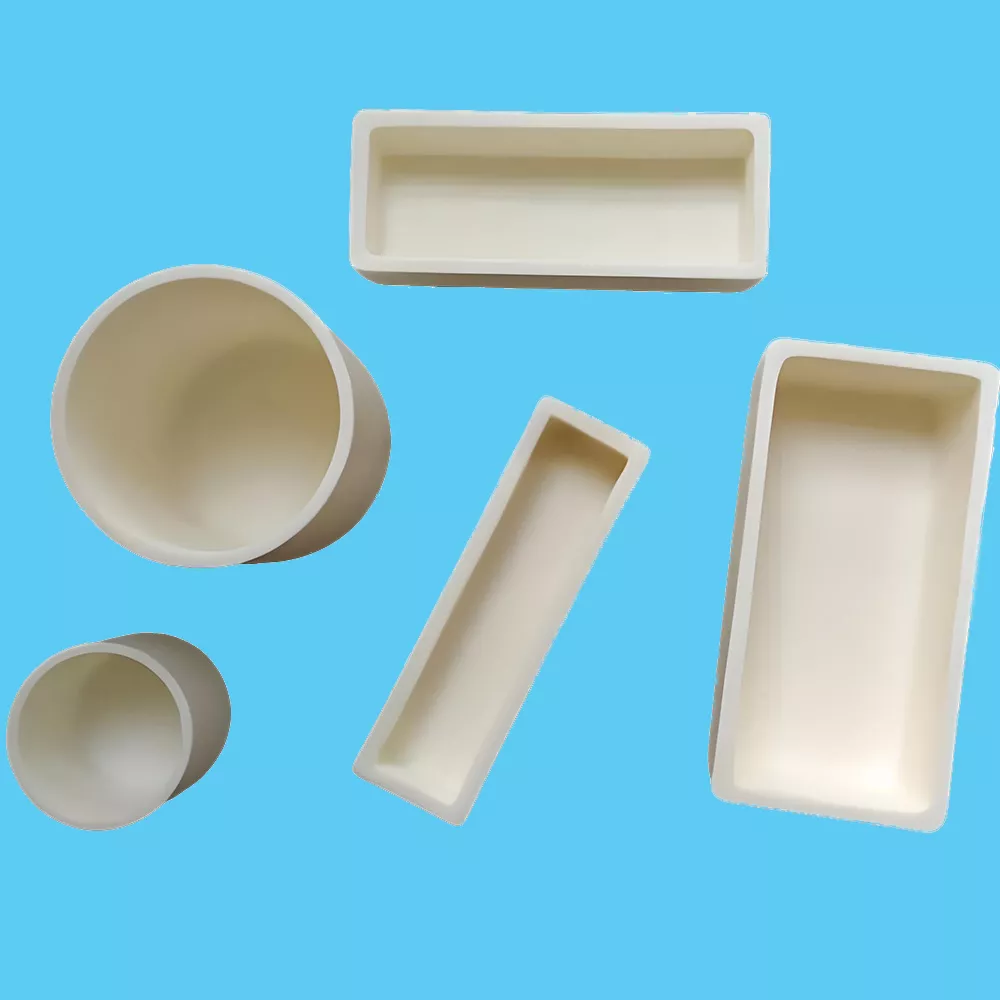
Ceramic Boats and Trays
Ceramic boats and trays are used to hold, transport or process components and powders during thermal operations. Specify load, dimensions, support points, atmosphere, cycle temperature, thermal-shock conditions and cleanliness expectations to establish a practical design basis.
Discuss Your Ceramic Part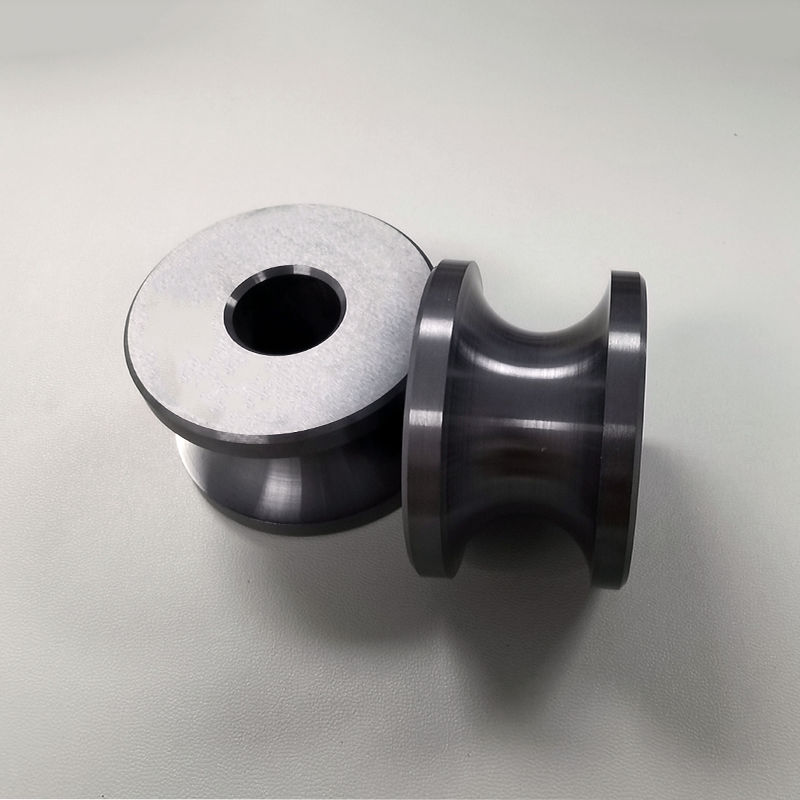
Ceramic Balls
Ceramic balls may be used for grinding, mixing, valves, bearings or packing applications. The required diameter, roundness, material, density, surface condition, chemical exposure and load determine whether the proposed balls suit the process and inspection plan.
Discuss Your Ceramic Part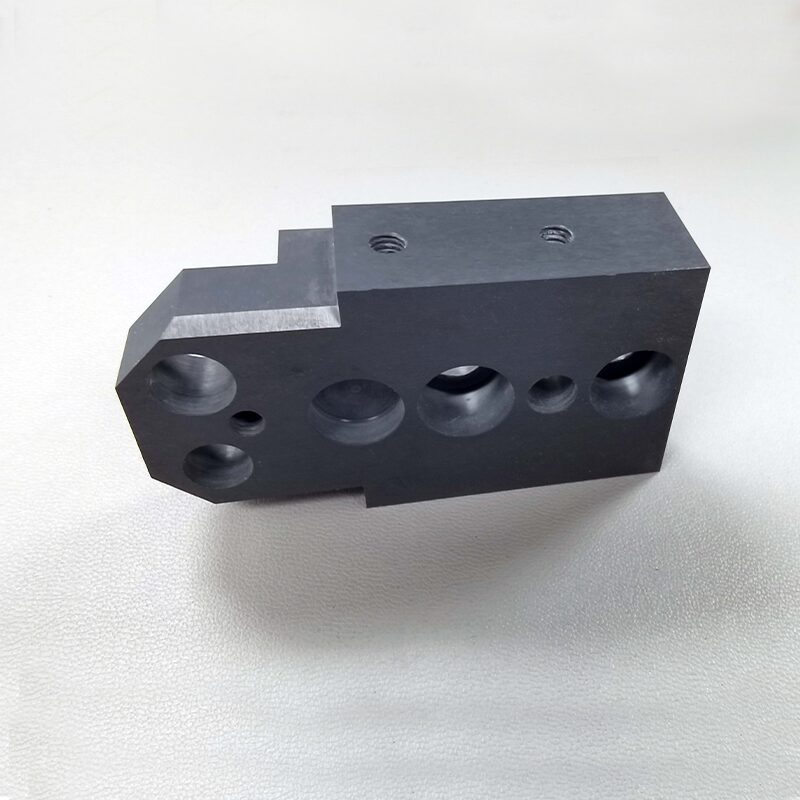
Ceramic Bearings
Ceramic bearings require attention to rolling elements, raceways, cages, lubrication and operating speed. Provide bearing dimensions, load, speed, temperature, atmosphere, electrical conditions and tolerance requirements so the configuration can be assessed for the intended equipment.
Discuss Your Ceramic Part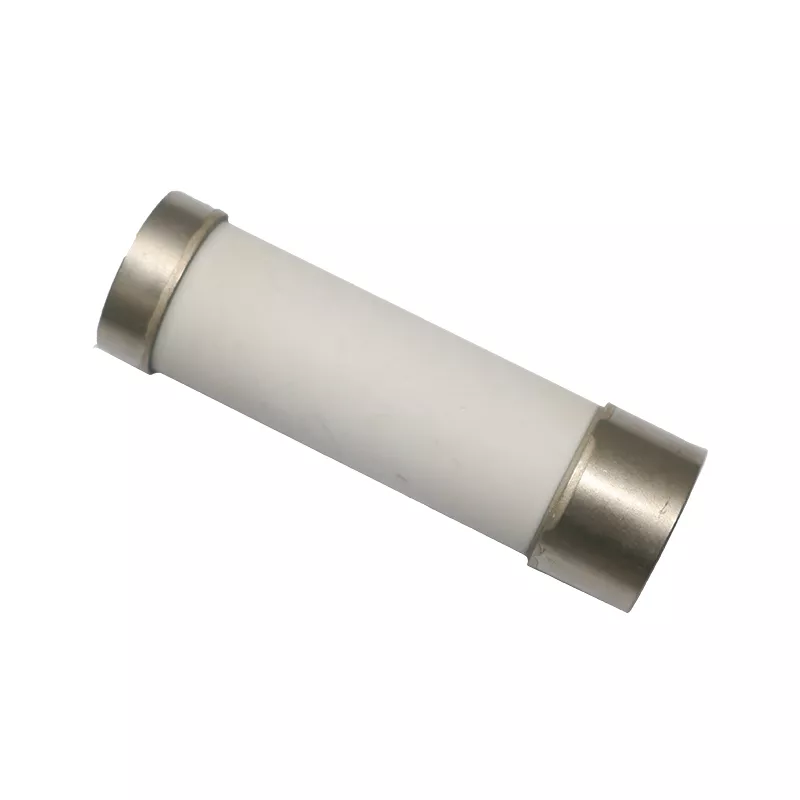
Ceramic Seal Rings
Ceramic seal rings are used where chemical resistance, low wear or temperature stability is important. Define ring geometry, mating face, running conditions, pressure, medium, speed, leakage expectations and surface-finish requirements to support a clear seal review.
Discuss Your Ceramic Part
Ceramic Valve Components
Ceramic valve components may include seats, balls, discs, plugs or liners exposed to flow, pressure and wear. Identify valve type, fluid, temperature, pressure, shutoff requirement, dimensions and mating materials so the component can be evaluated within the complete valve.
Discuss Your Ceramic Part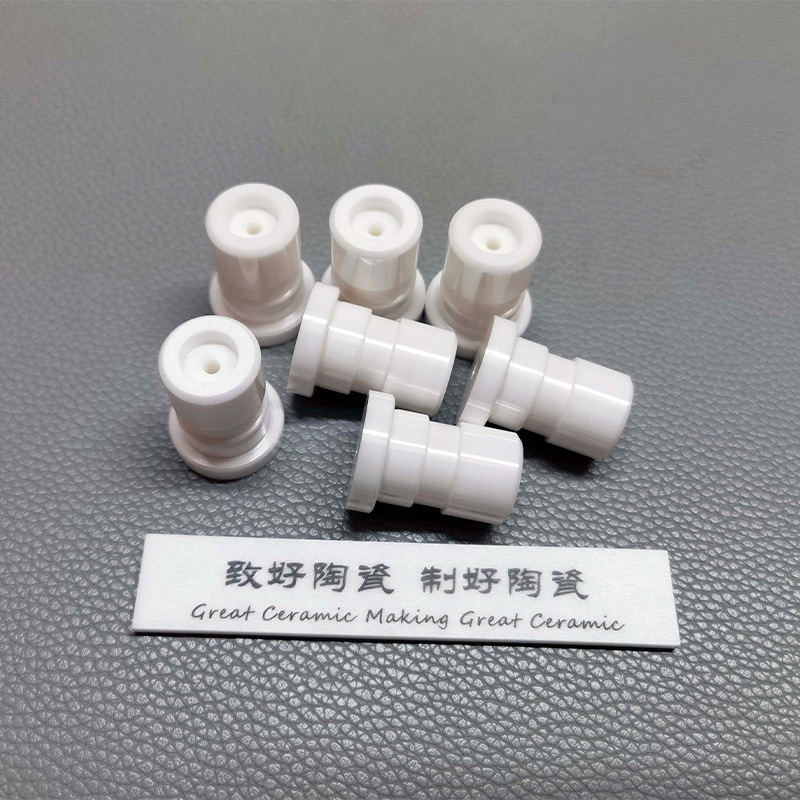
Ceramic Pump Plungers
Ceramic pump plungers are selected for dimensional stability, corrosion resistance and wear control in dosing or high-pressure service. State diameter, stroke, surface finish, seal interface, fluid chemistry, pressure, speed and allowable leakage to clarify the replacement or custom requirement.
Discuss Your Ceramic Part
Ceramic Shafts
Ceramic shafts can provide electrical isolation, corrosion resistance, low wear or high-temperature stability in rotating assemblies. Include diameter steps, length, runout, keyways, threads, bearing fits, load, speed and balancing expectations for an accurate quotation.
Discuss Your Ceramic Part
Ceramic Bushings
Ceramic bushings support alignment, insulation and sliding or rotating interfaces. Specify bore and outside diameter, length, clearance, lubrication, load, speed, temperature, surface finish and housing conditions to distinguish a simple sleeve from a precision fit component.
Discuss Your Ceramic Part
Ceramic Guides
Ceramic guides help control wire, fiber, textile, tubing or moving parts where low friction and wear resistance are required. Describe the guided material, contact profile, groove or hole geometry, surface finish, tension, speed and replacement dimensions.
Discuss Your Ceramic Part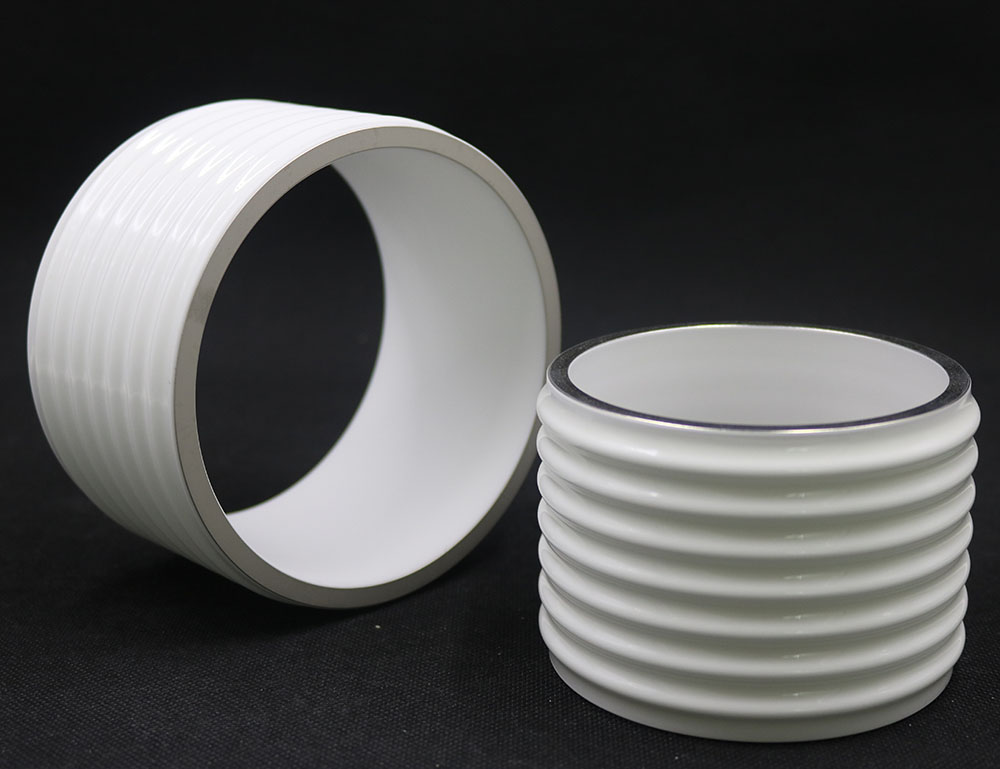
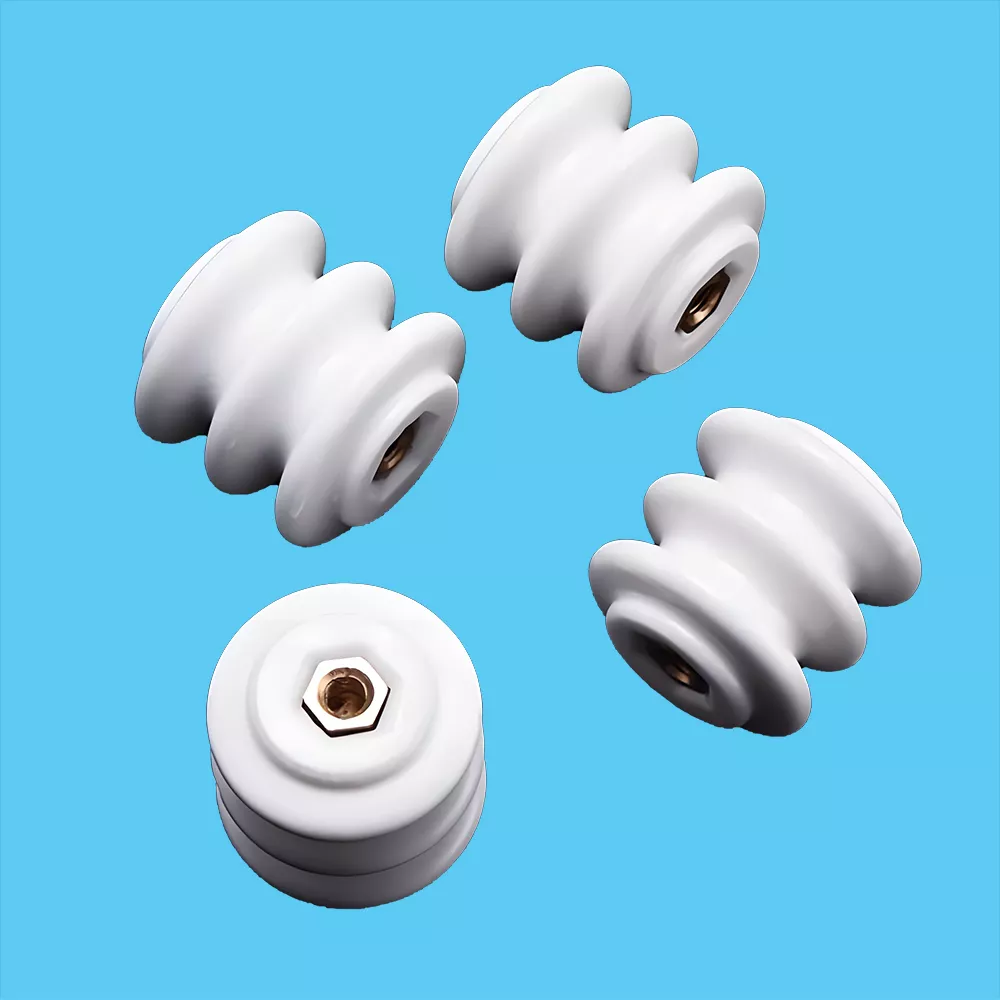
Ceramic Insulators
Ceramic insulators separate conductive parts in electrical, thermal or high-voltage assemblies. Provide voltage, frequency, temperature, creepage and clearance distances, mounting geometry, material designation, surface condition and relevant test or documentation requirements for review.
Discuss Your Ceramic Part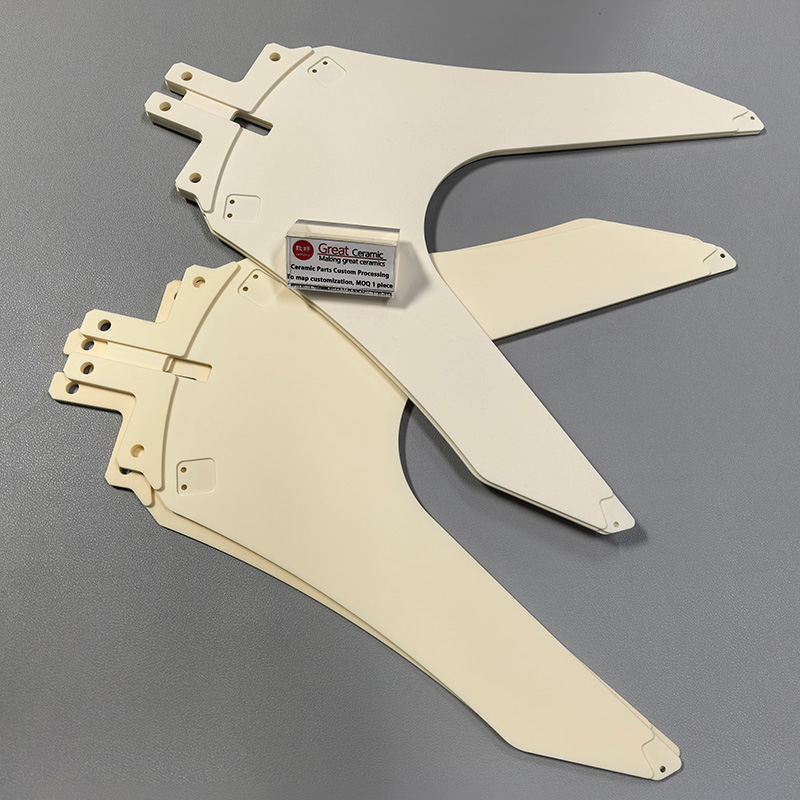
Ceramic Feedthrough Components
Ceramic feedthrough components pass electrical conductors, sensors or fluids through a barrier while maintaining insulation and environmental separation. Define conductor layout, sealing method, pressure, temperature, voltage, flange or mounting details and required leak or dielectric testing.
Discuss Your Ceramic Part
Ceramic Spacers and Standoffs
Ceramic spacers and standoffs establish controlled separation between parts and provide electrical or thermal isolation. Confirm height, diameter, holes, compression load, flatness, material, temperature and assembly method so dimensions support the intended stack-up.
Discuss Your Ceramic Part
Ceramic Fasteners
Ceramic fasteners can be considered for electrical isolation, corrosion resistance or high-temperature assembly. State thread size, length, preload, tightening method, service temperature, chemical exposure and mating hardware because ceramic fasteners require careful handling and load definition.
Discuss Your Ceramic Part
Ceramic Screws and Nuts
Ceramic screws and nuts are used where nonconductive, chemically resistant or temperature-stable threaded hardware is needed. Provide thread standard, fit, length, tightening torque, preload, environment and quantity to confirm whether the geometry and material are appropriate.
Discuss Your Ceramic Part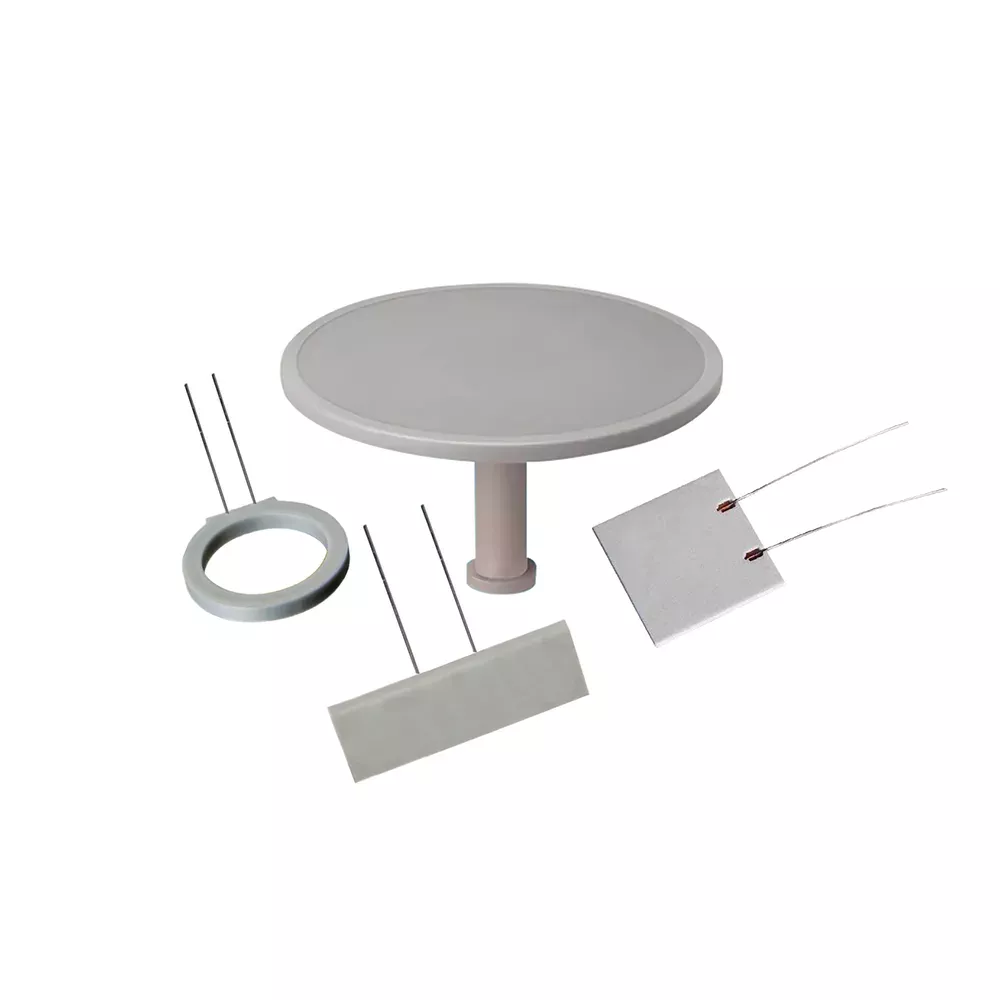
Ceramic Heater Components
Ceramic heater components may include insulating supports, heater carriers, terminals or shaped ceramic bodies. Describe heater type, temperature, electrical rating, mounting geometry, thermal cycling, atmosphere and required holes or slots so the component integrates with the heating assembly.
Discuss Your Ceramic Part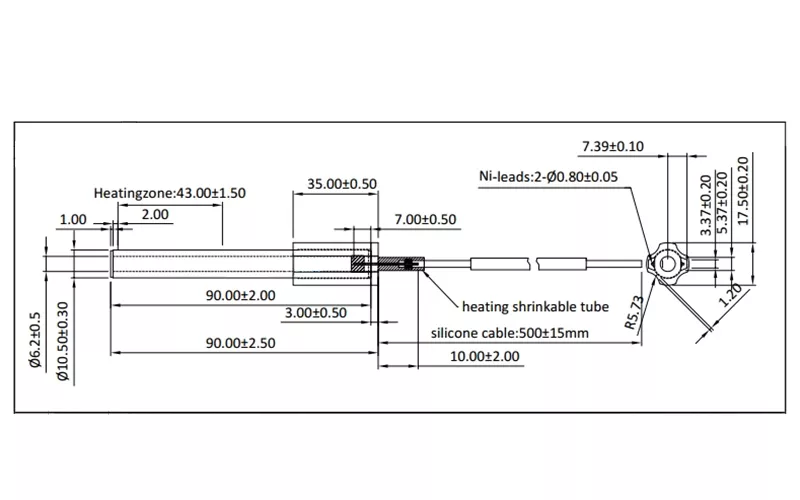
Ceramic Igniters
Ceramic igniters support ignition in burners, appliances or industrial heating equipment. Define electrical input, operating temperature, tip geometry, mounting dimensions, duty cycle, atmosphere and expected service life requirements to evaluate a suitable ceramic body and connection arrangement.
Discuss Your Ceramic Part
Thermocouple Protection Tubes
Thermocouple protection tubes shield sensing elements from mechanical, chemical and thermal exposure. Specify thermocouple size, immersion length, closed-end geometry, outer diameter, mounting, atmosphere, temperature range and response expectations when selecting material and wall thickness.
Discuss Your Ceramic Part
Furnace Tubes
Furnace tubes provide a controlled enclosure for samples, heating elements or process atmospheres. Include tube dimensions, end configuration, support arrangement, temperature, atmosphere, thermal cycling, vacuum or pressure conditions and acceptable dimensional change for quotation review.
Discuss Your Ceramic Part
Refractory Ceramic Supports
Refractory ceramic supports hold elements, fixtures or workpieces through demanding thermal cycles. Identify load, span, contact geometry, temperature, atmosphere, thermal-shock exposure, required porosity and dimensional limits so the support design reflects actual furnace conditions.
Discuss Your Ceramic Part
Ceramic Setter Plates
Ceramic setter plates support parts during firing, sintering or other thermal processing while helping maintain position and surface quality. State plate size, thickness, openings, load, atmosphere, cycle profile, flatness requirement and contact restrictions before specification.
Discuss Your Ceramic Part
Laser System Ceramic Components
Laser system ceramic components may include insulating mounts, spacers, apertures, guides or alignment fixtures. Define the optical or mechanical role, dimensions, thermal load, cleanliness, surface finish, electrical isolation and alignment tolerance so the part fits the complete laser assembly.
Discuss Your Ceramic Part
Ceramic Mirror Blanks
Ceramic mirror blanks provide a stable substrate for polishing or coating in optical systems. Specify blank size, thickness, material, flatness, surface quality, coefficient of thermal expansion, mounting method and coating interface because the final optical requirement governs material selection.
Discuss Your Ceramic Part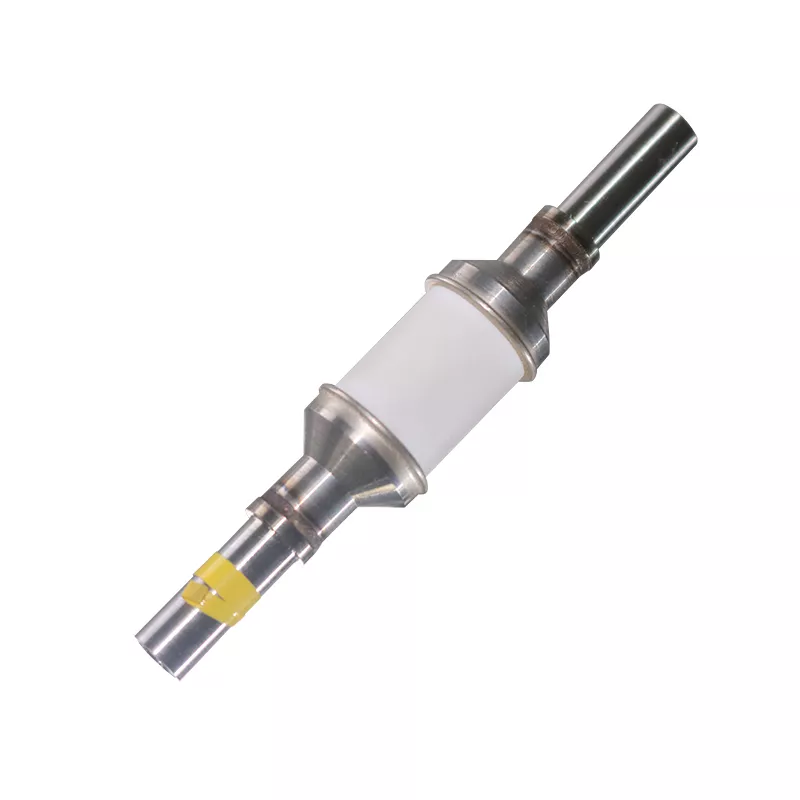
Vacuum Ceramic Components
Vacuum ceramic components support insulation, feedthroughs, spacers, fixtures or chamber interfaces under low-pressure conditions. Provide vacuum level, bakeout temperature, outgassing expectations, conductor or mounting details, dimensions and leak-test requirements to define a suitable construction.
Discuss Your Ceramic Part
Semiconductor Ceramic Components
Semiconductor ceramic components are used in process equipment where purity, thermal stability, plasma exposure and dimensional control matter. Identify the tool position, chemistry, temperature, material or grade requirement, surface finish, particle concern and cleaning or inspection expectations.
Discuss Your Ceramic Part
Wafer Handling Ceramic Components
Wafer handling ceramic components may include fingers, guides, end effectors, supports or spacers. Confirm wafer size, contact locations, geometry, flatness, surface finish, particle limits, motion cycle, temperature and cleaning process so handling performance can be assessed.
Discuss Your Ceramic Part
Electrostatic Chuck Ceramic Components
Electrostatic chuck ceramic components support wafer holding through dielectric behavior, thermal control and controlled surface geometry. State wafer format, electrode arrangement, voltage, temperature, backside gas, flatness, helium leakage or other acceptance criteria required for the assembly.
Discuss Your Ceramic Part
Ceramic Heat Sinks
Ceramic heat sinks provide electrical insulation with a path for heat removal in demanding electronic assemblies. Define thermal conductivity target, dimensions, mounting pressure, dielectric requirements, surface finish, metallization and operating temperature so the thermal interface can be evaluated.
Discuss Your Ceramic Part
Power Module Ceramic Substrates
Power module ceramic substrates commonly combine an insulating ceramic layer with conductive metallization for switching devices. Provide substrate size, ceramic material, copper configuration, thickness, thermal cycling, dielectric testing and assembly constraints to support a project-specific design review.
Discuss Your Ceramic Part
Ceramic Electronic Packages
Ceramic electronic packages protect or electrically isolate components while supporting thermal and environmental requirements. Identify package outline, cavity, leads, metallization, sealing method, operating temperature, hermeticity expectations and assembly process so the package can be specified accurately.
Discuss Your Ceramic Part
Ceramic Sensor Components
Ceramic sensor components may include housings, carriers, insulators or sensing substrates exposed to heat, chemicals or electrical fields. Describe the sensor type, dimensions, media, temperature, electrical interfaces, mounting details and calibration or inspection needs for a relevant proposal.
Discuss Your Ceramic Part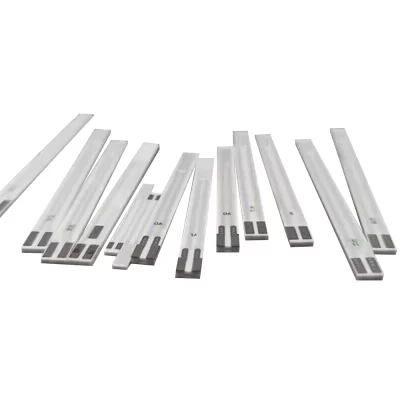
Oxygen Sensor Ceramic Elements
Oxygen sensor ceramic elements are used in exhaust, combustion and process monitoring assemblies where gas exposure and temperature are central. State element geometry, zirconia or other material requirement, electrode arrangement, heater interface, operating temperature and connector constraints.
Discuss Your Ceramic Part
Ceramic Wear Liners
Ceramic wear liners protect chutes, pipes, valves or process surfaces from abrasion and impact. Define liner shape, thickness, fastening method, particle characteristics, impact level, temperature, chemical exposure and replacement dimensions to identify a practical material and layout.
Discuss Your Ceramic Part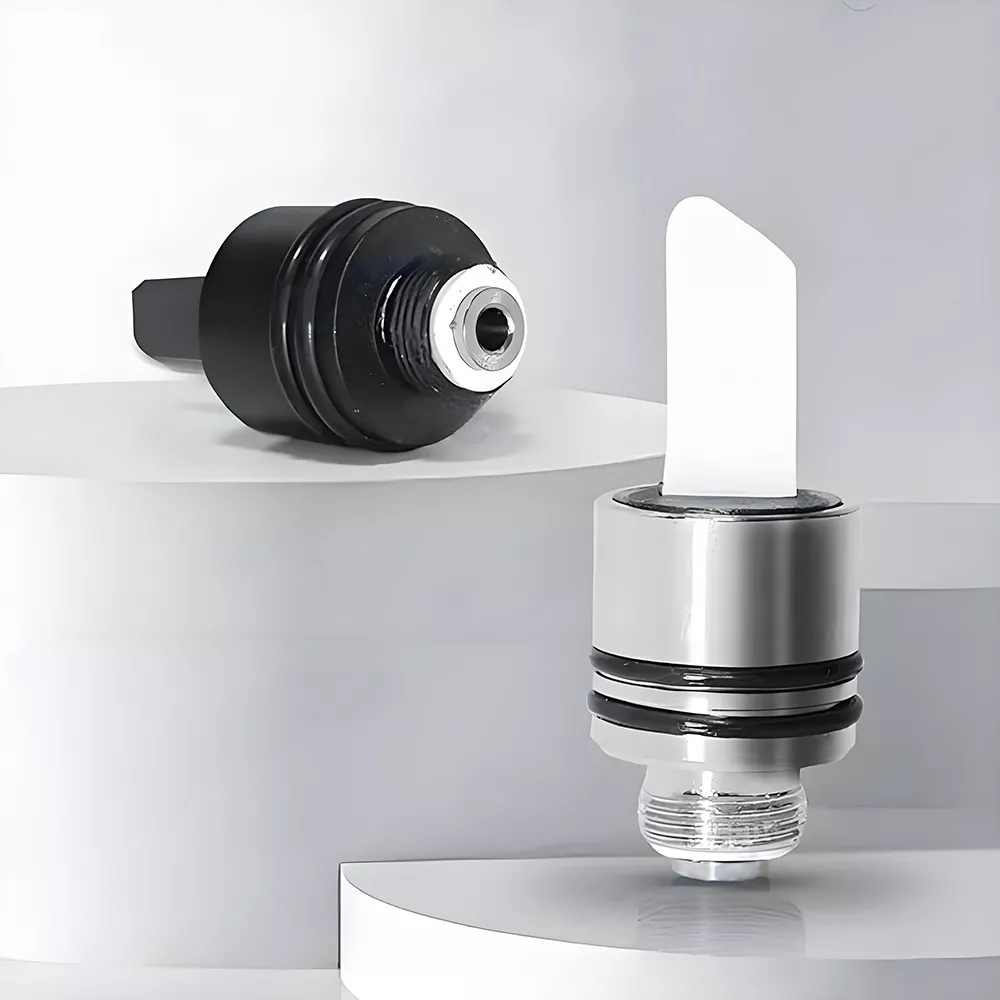
Ceramic Cutting Blades
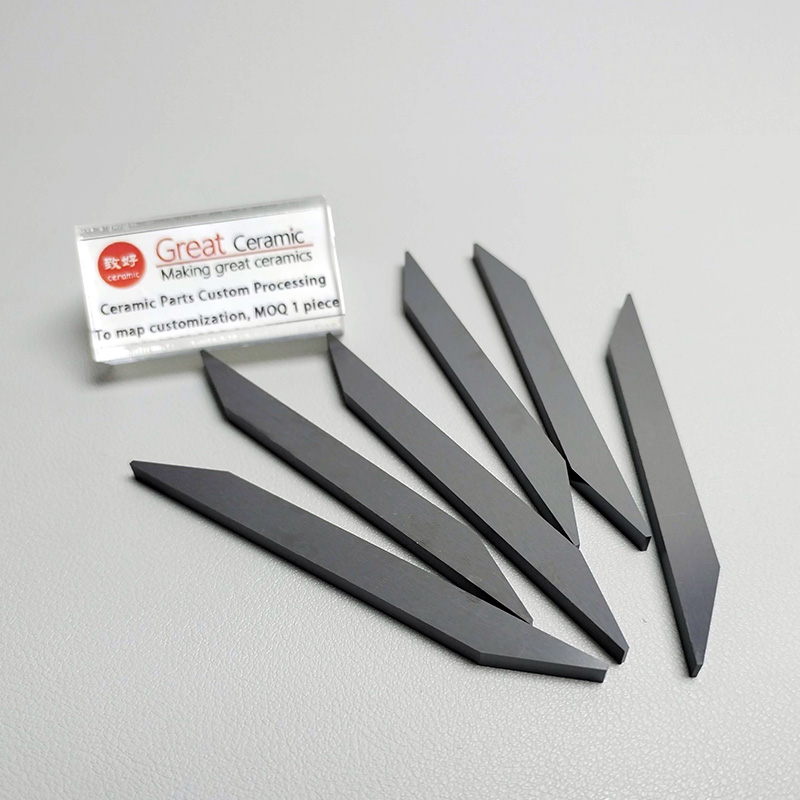
Ceramic cutting blades require controlled edge geometry, hardness and dimensional stability for a defined cutting task. Specify material, blade profile, thickness, edge angle, sharpness, substrate or holder interface, cutting medium, speed and expected wear criteria.
Discuss Your Ceramic Part
Ceramic Textile Guides
Ceramic textile guides contact moving yarn or fiber where surface finish, groove geometry and wear resistance affect production. Provide yarn type, path, groove dimensions, contact radius, speed, tension, finish and replacement reference so the guide can be matched to the line.
Discuss Your Ceramic Part
Ceramic Welding Pins
Ceramic welding pins are used as locating, insulating or wear-resistant elements in welding fixtures and processes. State pin dimensions, fit, welding method, heat exposure, contact conditions, replacement frequency and required alignment tolerance to define the application.
Discuss Your Ceramic Part
Ceramic Dosing Pistons
Ceramic dosing pistons support repeatable fluid delivery where corrosion, wear and dimensional stability influence accuracy. Include bore, stroke, diameter, surface finish, seal arrangement, fluid chemistry, pressure, cycle rate and target dosing tolerance for evaluation.
Discuss Your Ceramic Part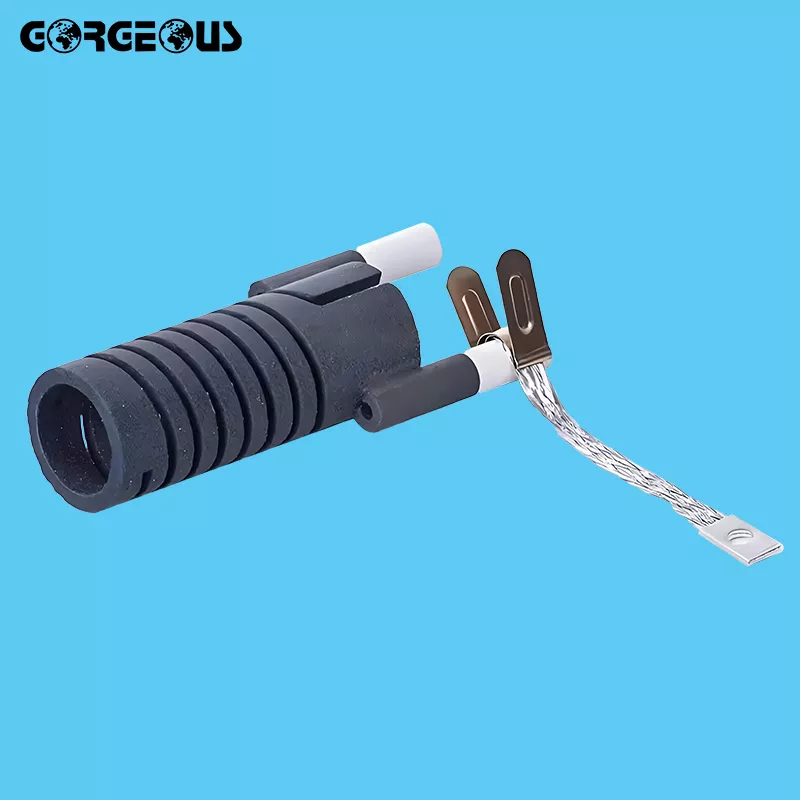
Ceramic Fluid Handling Parts
Ceramic fluid handling parts include plungers, liners, seats, tubes and other wetted components. Describe the fluid, pressure, temperature, flow behavior, wear or corrosion concern, connection geometry and acceptance requirements so the proposed part is tied to the actual system.
Discuss Your Ceramic Part
Ceramic Spray Nozzles
Ceramic spray nozzles control atomization, coating, cooling or cleaning flow. Define spray pattern, orifice geometry, flow rate, pressure, medium, temperature, mounting thread or flange and wear conditions to establish whether the nozzle meets the process requirement.
Discuss Your Ceramic Part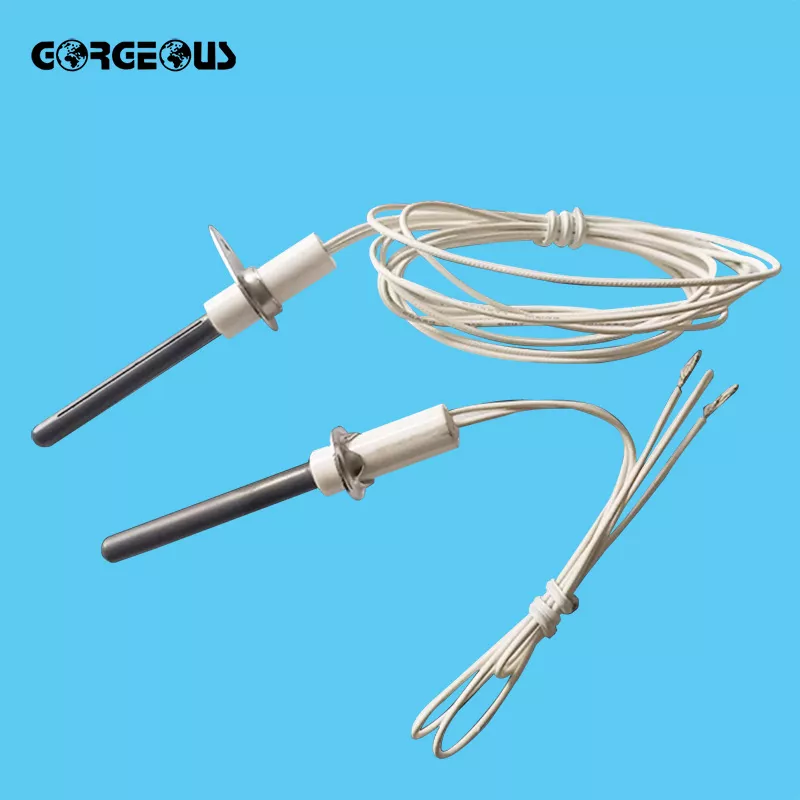
Sandblasting Ceramic Nozzles
Sandblasting ceramic nozzles are used for abrasive media delivery where bore wear and service life are key concerns. Specify abrasive type, pressure, flow, bore size, outlet profile, mounting interface, working distance and replacement criteria for a meaningful comparison.
Discuss Your Ceramic Part
Ceramic Seal Faces
Ceramic seal faces form the controlled sliding interface in mechanical sealing systems. Provide face dimensions, flatness, surface finish, pressure, speed, fluid, temperature, lubrication and mating material so compatibility and leakage expectations can be reviewed together.
Discuss Your Ceramic Part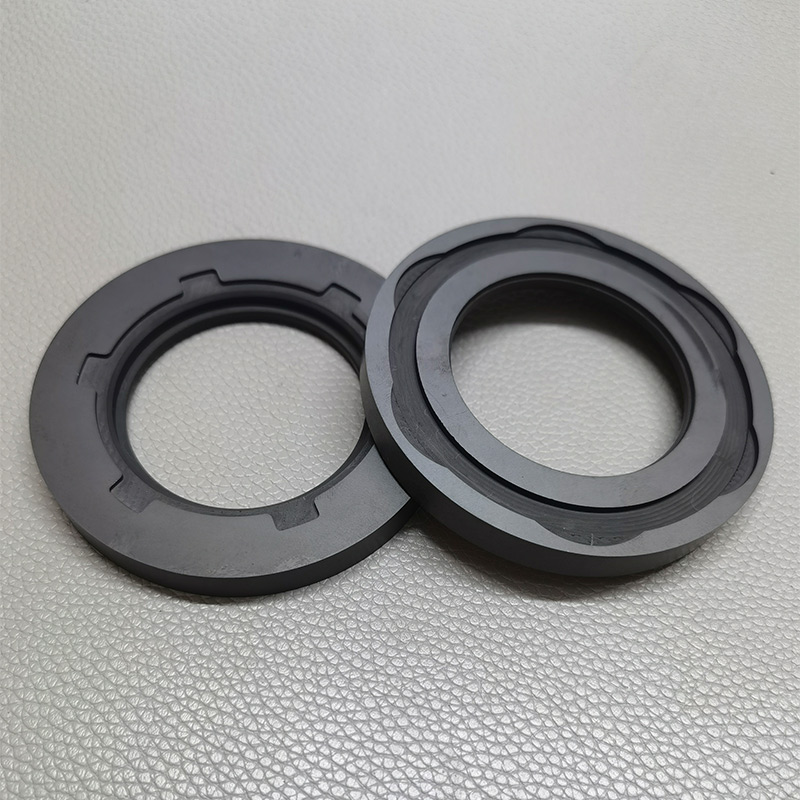
Mechanical Seal Ceramic Rings
Mechanical seal ceramic rings require accurate geometry and face quality for rotating equipment. Identify ring type, inner and outer diameters, thickness, face width, running conditions, pressure, fluid, speed and installation reference to clarify the replacement or custom requirement.
Discuss Your Ceramic Part
Ceramic Bearing Races
Ceramic bearing races provide hard, wear-resistant tracks for rolling elements in specialized bearing assemblies. State race geometry, diameter, roundness, raceway profile, load, speed, lubrication, temperature and mating material because race performance depends on the complete bearing design.
Discuss Your Ceramic Part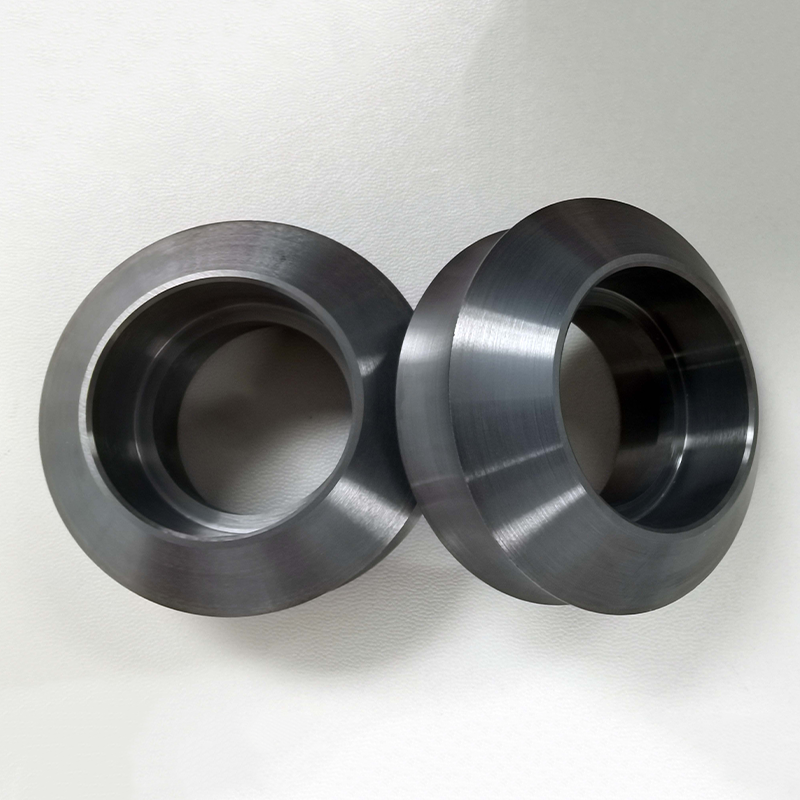
Ceramic Rollers
Ceramic rollers can guide, transport, tension or process wire, film, textile and other materials. Define roller diameter, length, groove or surface profile, runout, load, speed, surface finish, temperature and shaft interface to support correct component selection.
Discuss Your Ceramic Part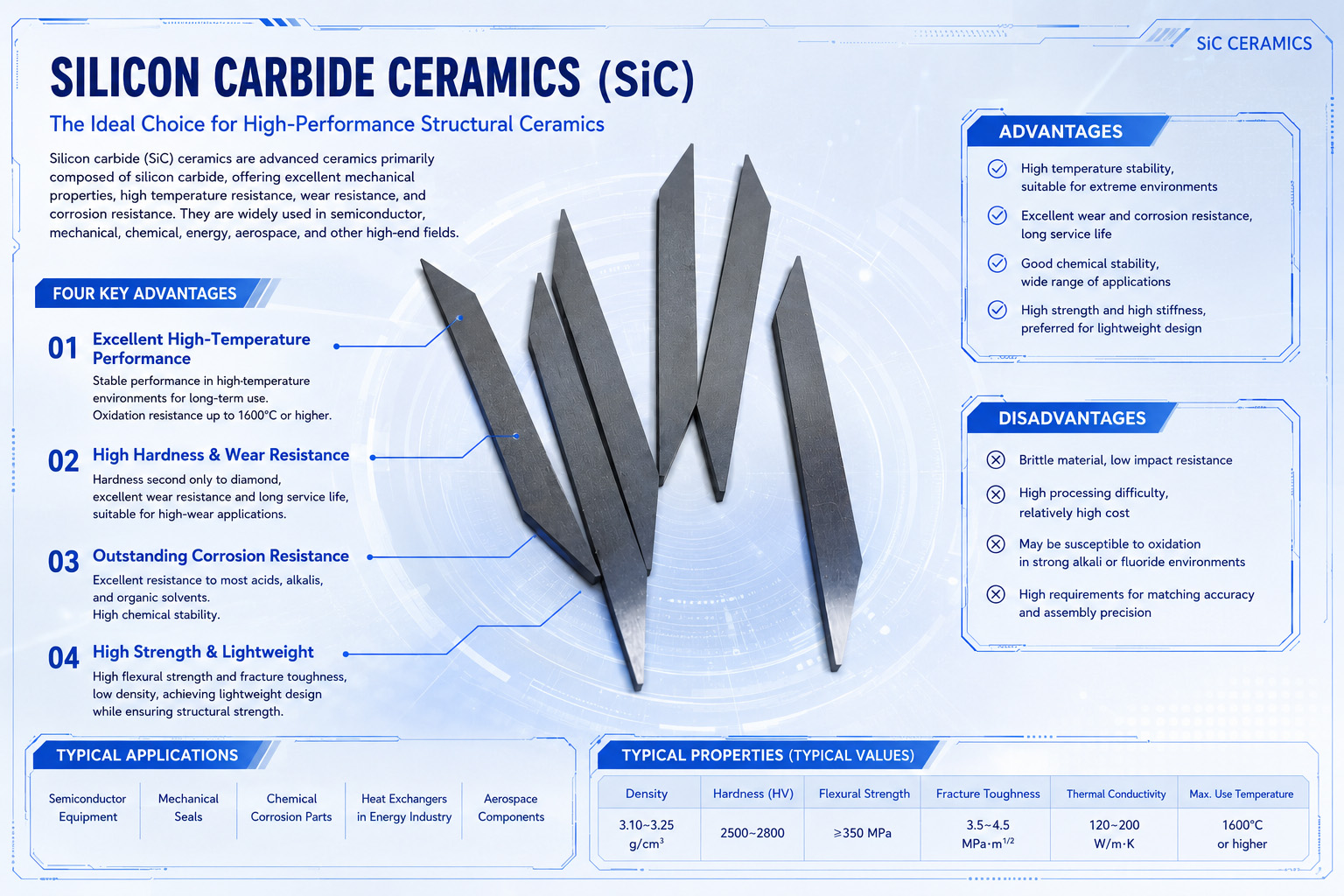
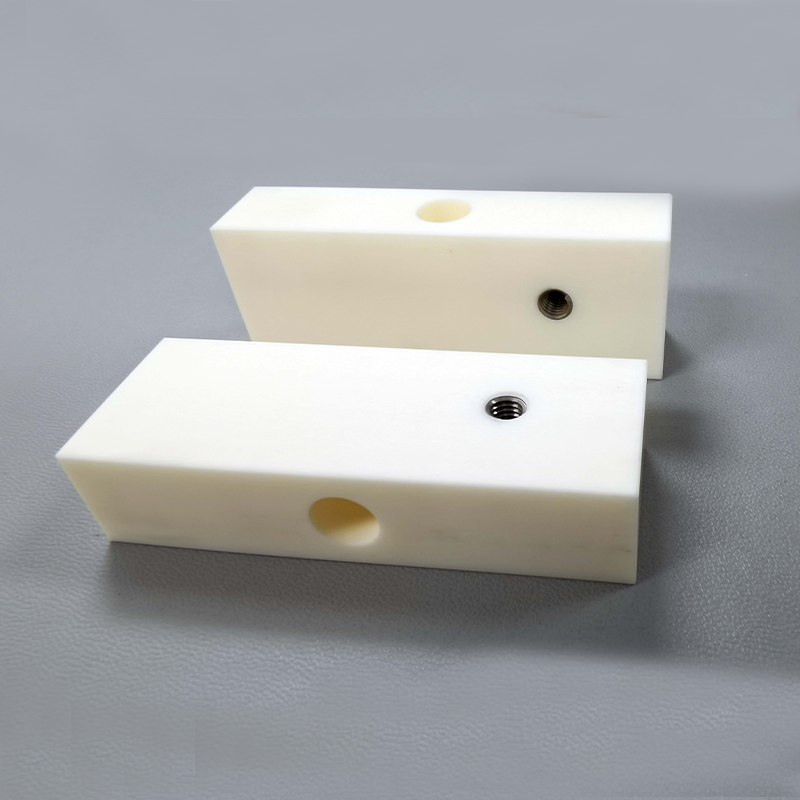
Custom Ceramic Blocks
Custom ceramic blocks are useful when a project needs a nonstandard insulating, wear-resistant or heat-stable geometry. Send the current drawing revision, material or grade if known, quantities, operating conditions, tolerances and acceptance criteria to establish a quotation basis.
Discuss Your Ceramic Part
Custom Structural Ceramic Parts
Custom structural ceramic parts may serve as brackets, supports, fixtures or load-bearing insulators. Describe the applied loads, mounting points, dimensions, thermal and chemical environment, material preference, tolerances and inspection requirements so design feasibility and manufacturing constraints can be discussed.
Discuss Your Ceramic Part
Micro Ceramic Components
Micro ceramic components require careful control of small features, handling and inspection. Provide complete dimensions, minimum feature sizes, hole or slot details, material, surface finish, quantity, tolerance priorities and the measurement method expected for acceptance.
Discuss Your Ceramic Part
Large Ceramic Components
Large ceramic components introduce challenges in warpage, handling, furnace capacity, machining and dimensional stability. Include maximum envelope, wall thickness, support points, material, thermal cycle, flatness, tolerance, quantity and logistics constraints before requesting a quotation.
Discuss Your Ceramic Part
Porous Ceramic Filters
Porous ceramic filters are selected for controlled permeability, particle retention and temperature or chemical resistance. State pore-size range, permeability, filtration direction, medium, pressure, temperature, shape, cleaning method and required flow or retention performance.
Discuss Your Ceramic Part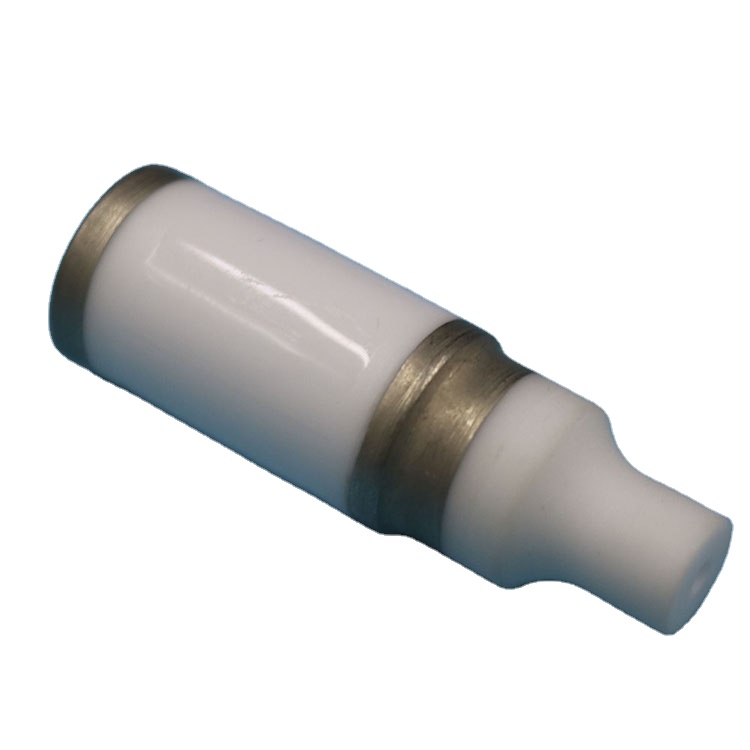
Ceramic Membrane Supports
Ceramic membrane supports provide mechanical backing for separation membranes while maintaining flow and chemical stability. Define support geometry, pore structure, membrane process, operating pressure, temperature, fluid chemistry, sealing arrangement and dimensional requirements for a useful assessment.
Discuss Your Ceramic Part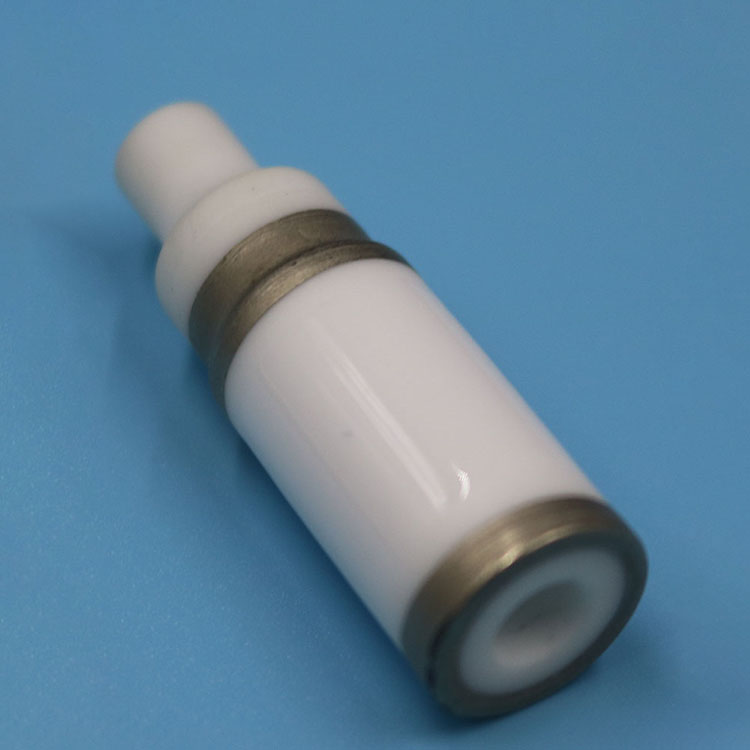
Ceramic Catalyst Supports
Ceramic catalyst supports provide surface area and mechanical structure for catalytic coatings or active materials. Identify shape, cell or pore geometry, substrate material, temperature, gas composition, pressure drop, coating process and inspection criteria relevant to the reactor.
Discuss Your Ceramic Part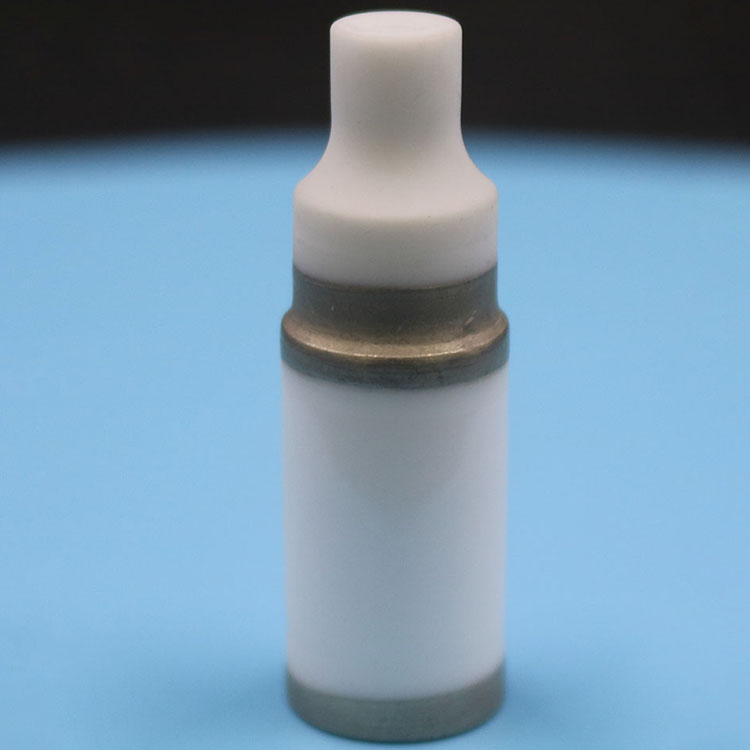
Ceramic Honeycomb Components
Ceramic honeycomb components are used where many parallel channels must provide flow, filtration, heating or catalytic surface area. Specify cell density, wall thickness, dimensions, material, coating, pressure drop, thermal cycle and end-sealing requirements for the intended application.
Discuss Your Ceramic Part
Ceramic-to-Metal Assemblies
Ceramic-to-metal assemblies combine ceramic insulation or protection with metallic conductors, housings or mounting elements. Define joining method, metal type, thermal expansion conditions, sealing requirement, electrical performance, dimensions and leak or strength testing needed for approval.
Discuss Your Ceramic Part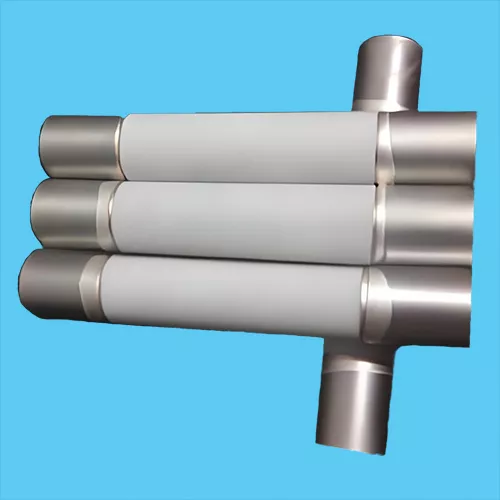
Metallized Ceramic Parts
Metallized ceramic parts use conductive coatings or layers for soldering, brazing, electrical connection or heat spreading. State ceramic material, metallization system, pattern, thickness, adhesion, solder or braze process, temperature and electrical acceptance requirements.
Discuss Your Ceramic Part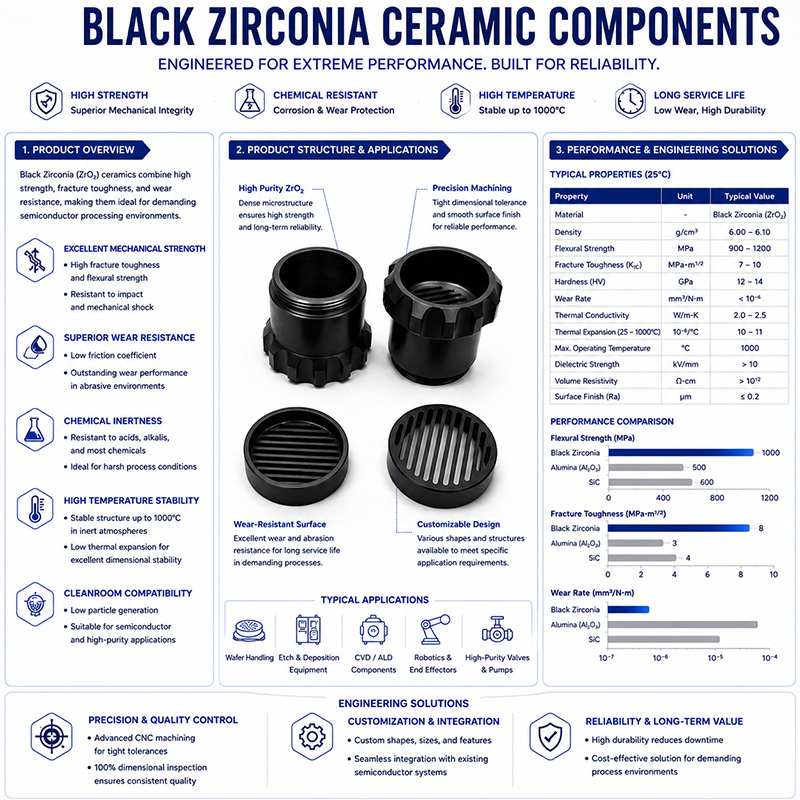
Threaded Ceramic Components
Threaded ceramic components include inserts, bushings, fasteners and custom bodies with internal or external threads. Specify thread standard, pitch, length, fit, material, tightening or assembly method, load and service environment because threads need controlled handling and tolerance.
Discuss Your Ceramic Part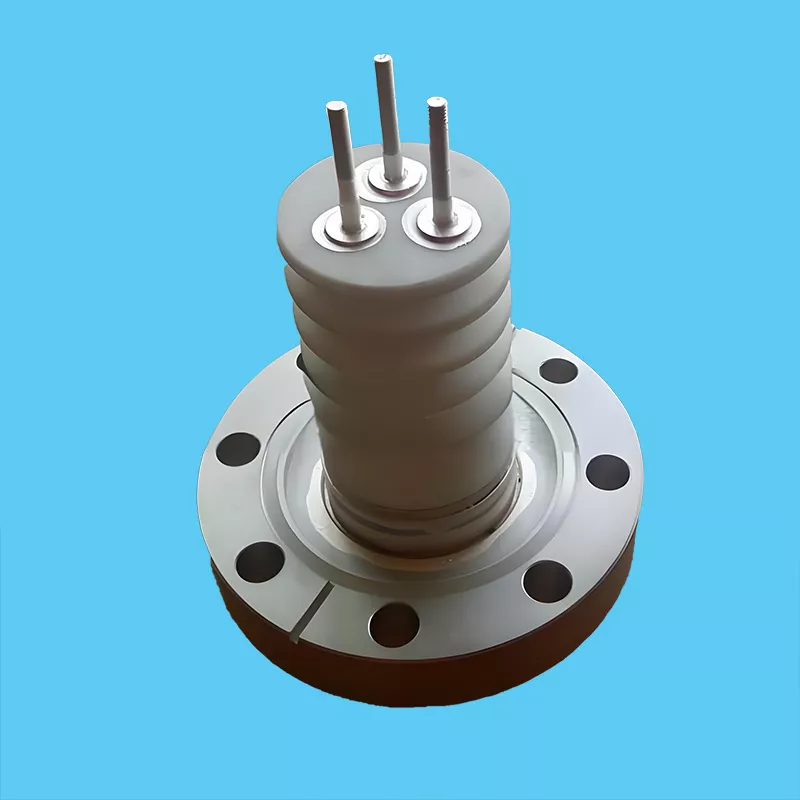
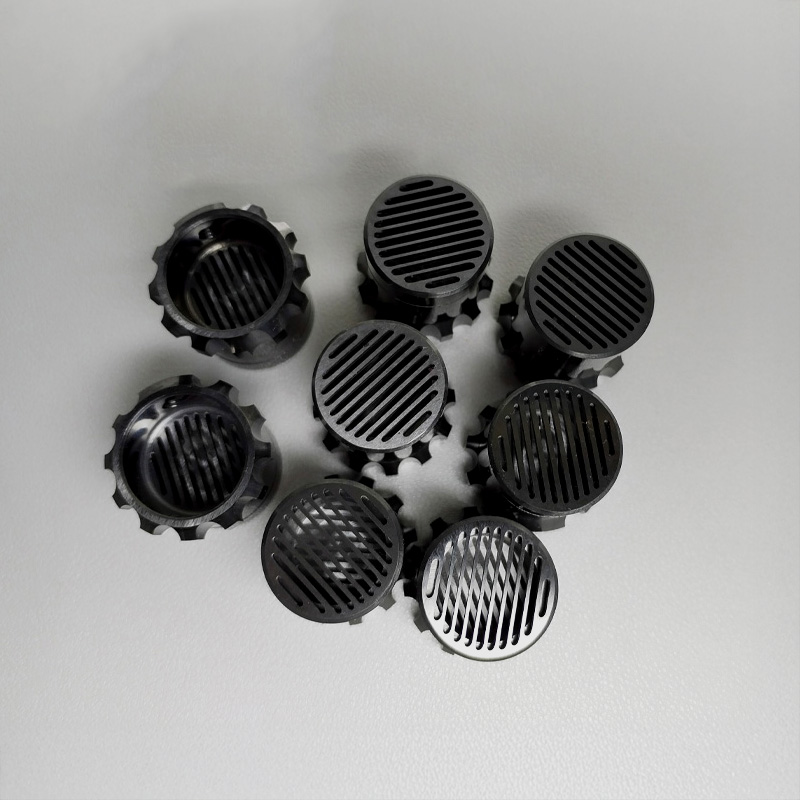
Slotted Ceramic Components
Slotted ceramic components may provide adjustment, routing, compliance, ventilation or reduced mass. Define slot width, length, position, edge radii, wall thickness, material, load and machining limits so the feature supports assembly without creating an unintended stress concentration.
Discuss Your Ceramic Part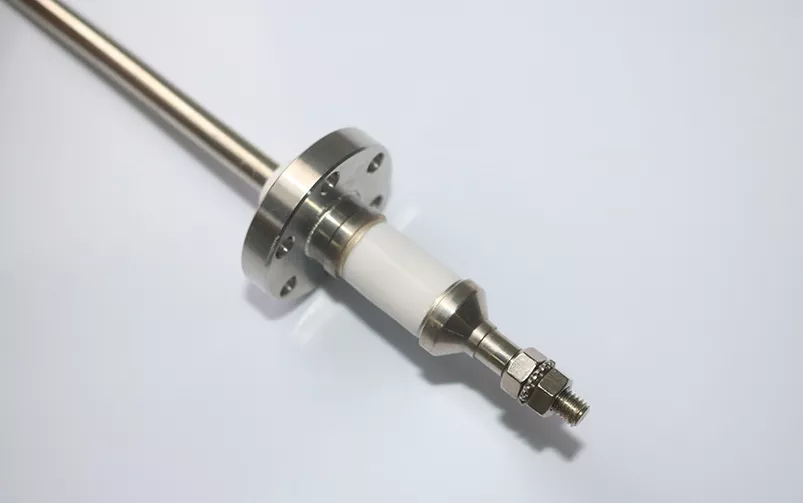
Flanged Ceramic Tubes
Flanged ceramic tubes provide a tube function with an integrated mounting or sealing interface. Include tube and flange dimensions, flatness, hole pattern, wall thickness, material, temperature, pressure or vacuum conditions and mating gasket or hardware requirements.
Discuss Your Ceramic Part
Stepped Ceramic Rods
Stepped ceramic rods accommodate multiple diameters, shoulders or locating functions in one component. Provide each diameter and length, transition geometry, concentricity, straightness, surface finish, load, temperature and mating fits so the step arrangement is accurately interpreted.
Discuss Your Ceramic Part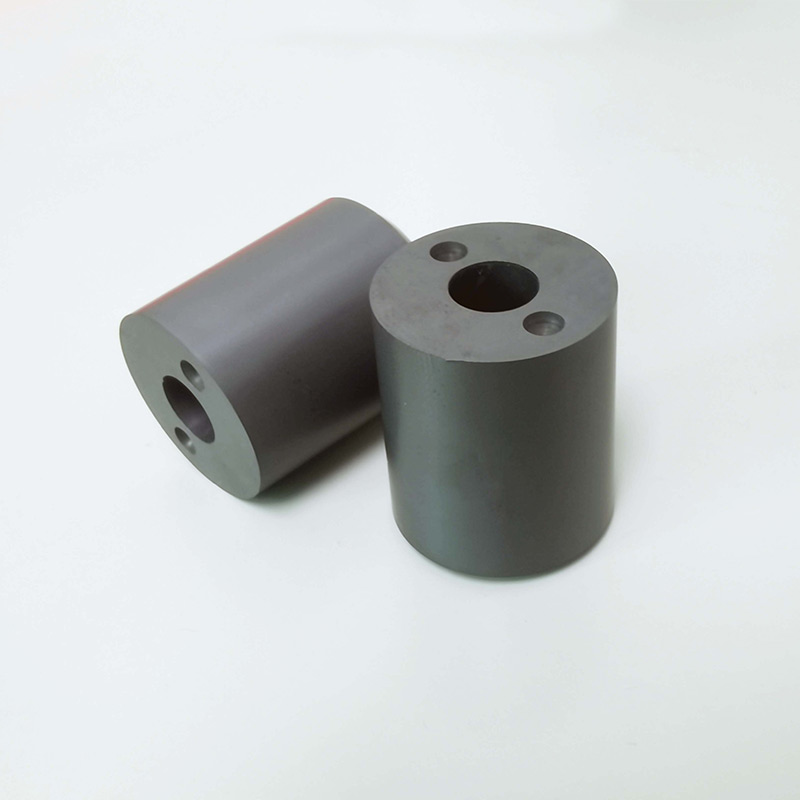
Ceramic Components with Precision Holes
Ceramic components with precision holes may serve as guides, insulators, nozzles, fixtures or feedthrough elements. Identify hole diameter and tolerance, depth, position, straightness, edge condition, material, inspection method and the part or fluid passing through each opening.
Discuss Your Ceramic Part
Thin-Wall Ceramic Tubes
Thin-wall ceramic tubes are considered where limited space, low mass or fast thermal response matters, but handling and distortion become important. State inner and outer diameters, wall thickness, length, support method, material, temperature and dimensional tolerance.
Discuss Your Ceramic Part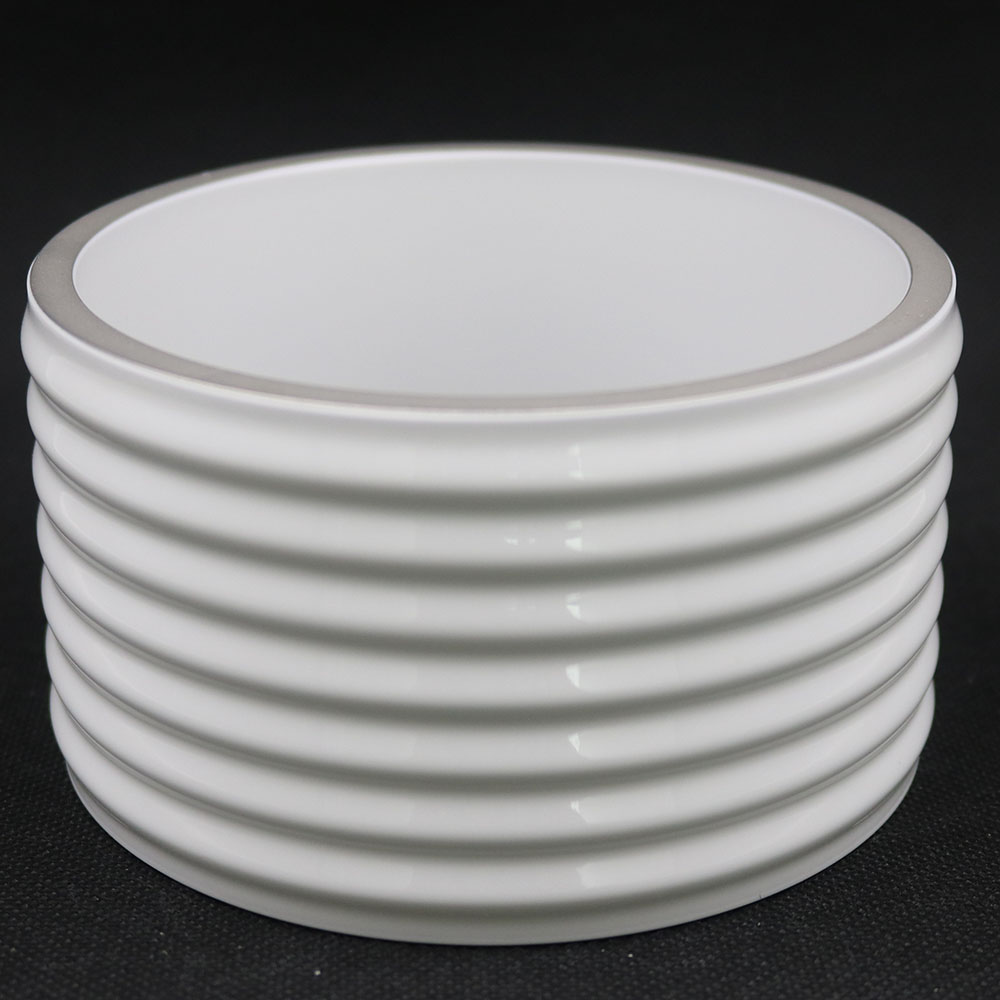
Optical Ceramic Windows
Optical ceramic windows provide transmission, protection or environmental separation in optical and sensing systems. Define wavelength range, aperture, thickness, flatness, parallelism, surface quality, coating, sealing method and temperature or pressure conditions before material selection.
Discuss Your Ceramic Part
Ceramic Heating Plates
Ceramic heating plates distribute heat across a defined surface while providing electrical insulation and thermal stability. Specify plate dimensions, heater layout, power density, temperature uniformity, ramp rate, mounting, sensor openings and thermal cycling requirements for integration.
Discuss Your Ceramic Part
Ceramic Heating Cores
Ceramic heating cores support resistive heating elements or compact thermal assemblies. Describe core geometry, heater placement, electrical insulation, operating temperature, atmosphere, power, thermal expansion allowance and connection details so the component can be designed around the complete heater.
Discuss Your Ceramic Part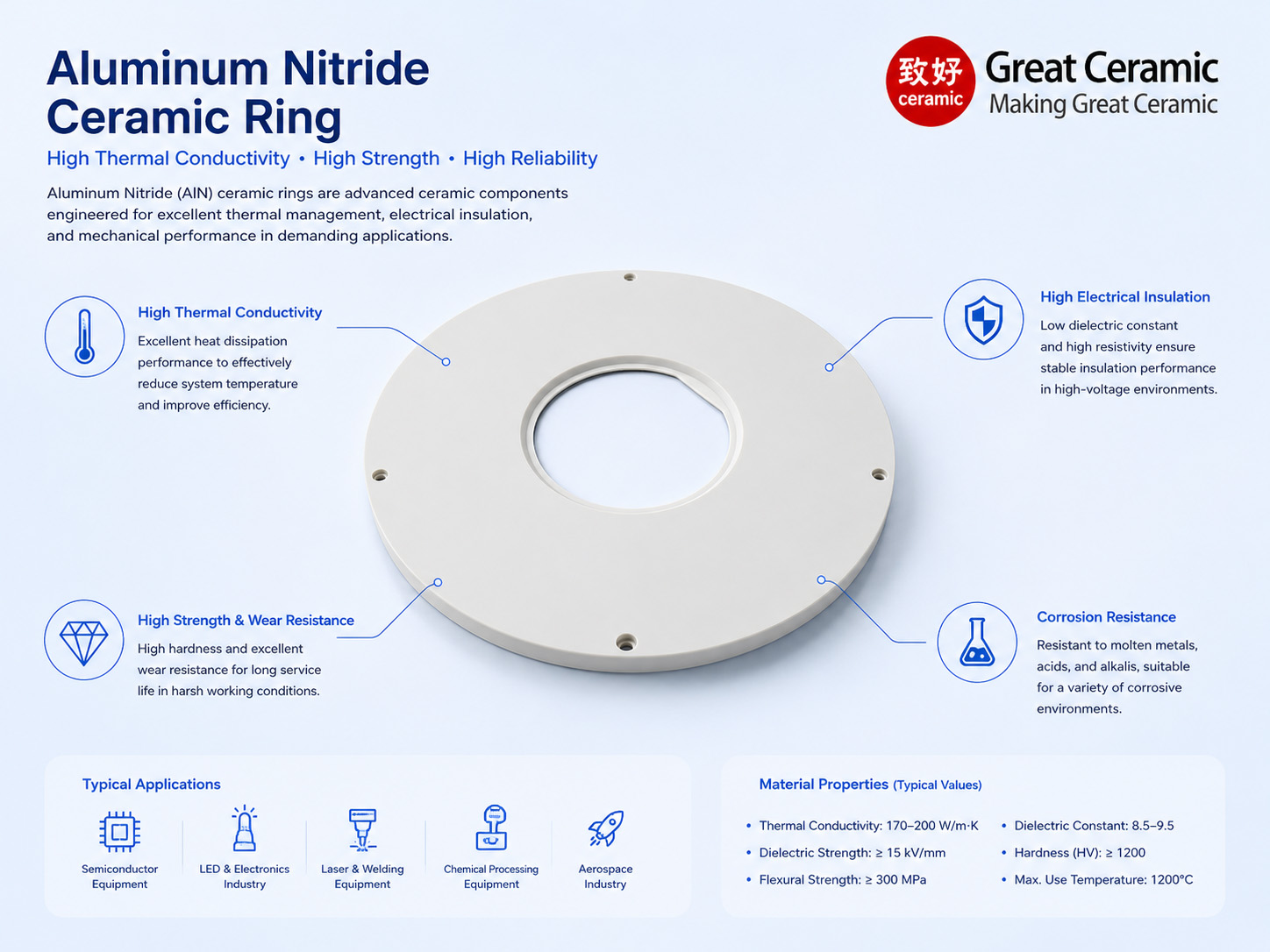
Custom Drawing Ceramic Parts
Custom drawing ceramic parts are quoted from the controlled engineering definition rather than a category name alone. Send the latest drawing revision, material or grade, quantity, service conditions, critical dimensions, documentation needs and acceptance criteria to begin a focused project discussion.
Discuss Your Ceramic PartSupported Materials for Technical Ceramic Products
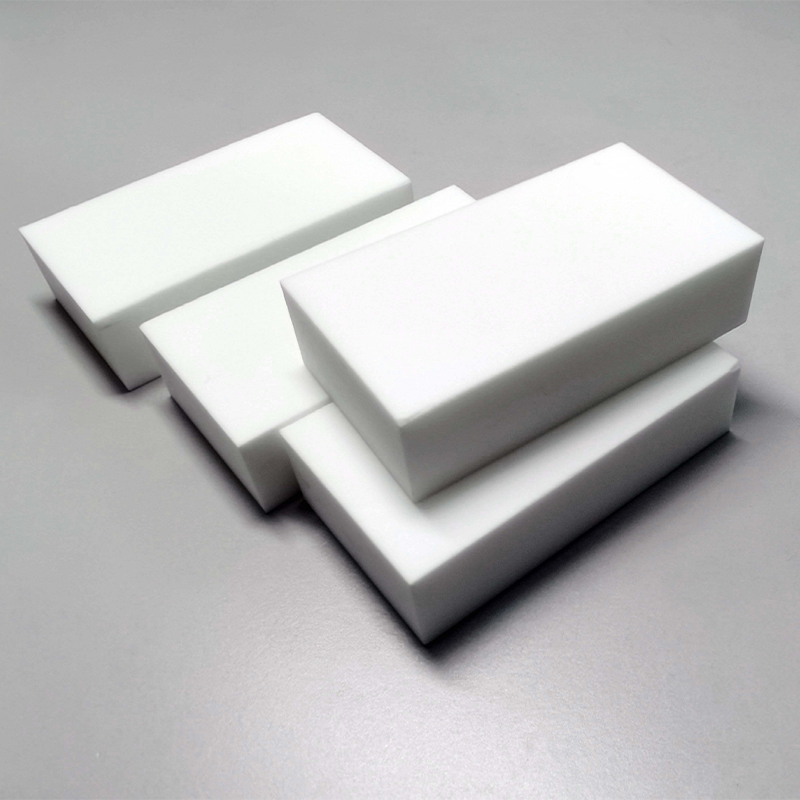
Alumina Ceramics
Alumina is a widely used oxide ceramic for electrically insulating, wear-conscious, and dimensionally stable component designs. Confirm grade, purity, geometry, surface finish, tolerances, and operating conditions before selecting it for a project.

Zirconia Ceramics
Zirconia is an oxide ceramic considered when toughness, hardness, wear resistance, or a refined surface is important. Project suitability depends on grade, stabilization, dimensions, mating surfaces, service environment, and acceptance criteria.

Silicon Nitride
Silicon nitride is a nitride ceramic option for demanding mechanical and thermal applications. Buyers should confirm grade-specific properties, geometry, joining or mating requirements, operating temperature, loading, and inspection expectations for each component.

Silicon Carbide
Silicon carbide is a carbide ceramic family considered for applications involving high wear, heat, or chemical exposure. Final selection should be based on grade, shape, surface requirements, service conditions, and drawing-defined acceptance criteria.
Specialty Ceramics
Specialty ceramics can include aluminum nitride, boron nitride, steatite, and other project-specific materials. Availability and suitability vary by grade and form, so share the drawing, quantity, service conditions, and documentation needs.
Technical Ceramic Products: Manufacturing and Finishing Processes

Forming and Pressing
Powder-based forming methods may support tubes, rods, rings, substrates and other component geometries. The suitable approach depends on material behavior, dimensions, production volume and the dimensional requirements defined on the drawing.

Extrusion Shaping
Extrusion may be considered for ceramic components with continuous profiles or consistent cross-sections. Final suitability depends on the material, profile complexity, length, tolerances and any subsequent machining or finishing requirements.

Controlled Sintering
Sintering develops the ceramic body through a controlled firing cycle after forming. Temperature profile and material grade influence the resulting structure, shrinkage and dimensional outcome, so process details require project-specific confirmation.

Precision Machining
Grinding, turning, milling or cutting may support tighter dimensions, mating surfaces and functional features after firing. The practical method depends on ceramic hardness, geometry, tolerance strategy and the surfaces identified in your drawing.
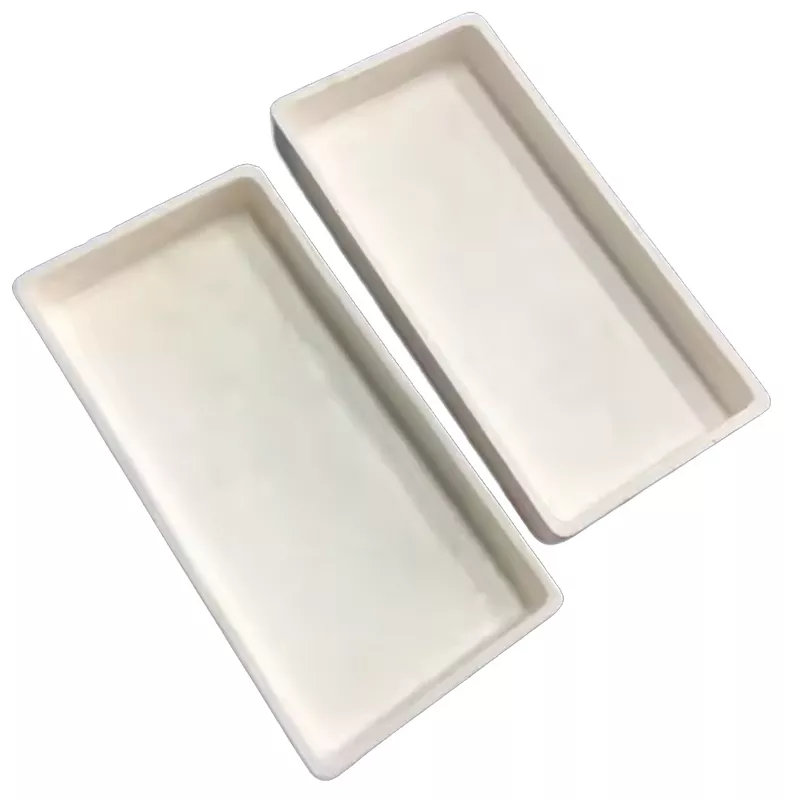
Surface Finishing
Polishing, lapping, metallizing, brazing or joining may be relevant where surface condition, assembly or electrical integration matters. Availability and suitability vary by material, geometry and acceptance requirements and should be confirmed for each quotation.
Technical Ceramic Products: Component Accessories and Supporting Features
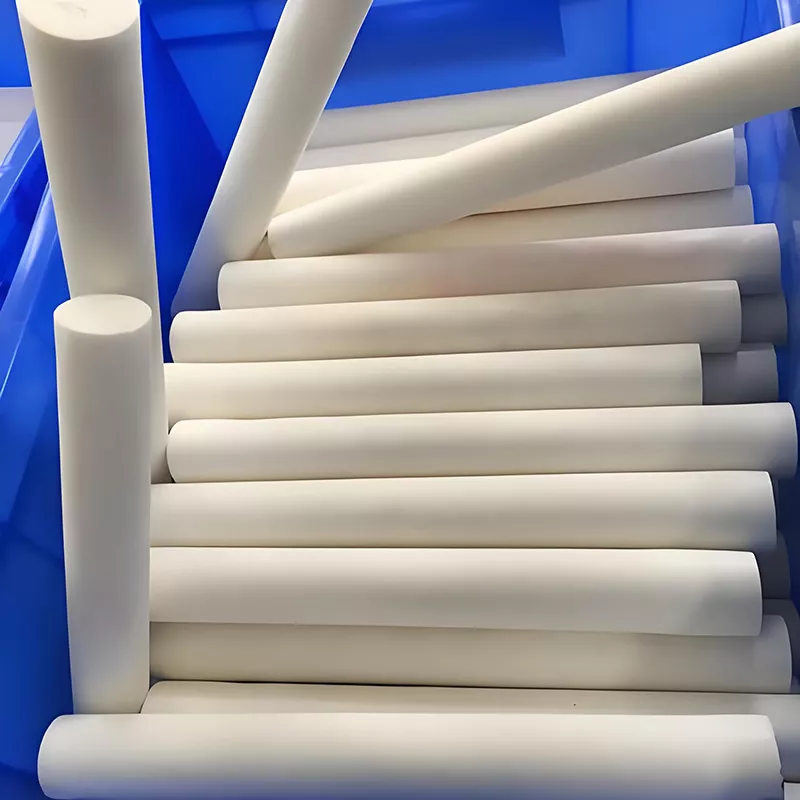
Mating Surfaces
Identify the ceramic surfaces that contact, locate or seal against another part. Sharing these interface details helps clarify assembly requirements, critical dimensions and the areas that need particular attention during quotation review.

Assembly Dimensions
Call out the dimensions that determine fit, alignment or installation. For technical ceramic products, these measurements may be more important than overall size when confirming how a tube, rod, ring or substrate works within equipment.
Interface Features
Describe openings, bores, steps, slots or other features that connect the ceramic component to surrounding hardware. These details help separate essential geometry from preferred design choices during a drawing-led inquiry.

Surface Requirements
Note any required surface condition, finish or preparation associated with the working interface. Project-specific expectations should be reviewed with the drawing, operating environment, material designation and acceptance criteria before commitment.
Inspection Criteria
Specify the measurements, tolerances and acceptance checks needed for approval. Clear inspection criteria give procurement and engineering teams a shared reference when evaluating technical ceramic products for a particular project.

Project Documentation
Include the current drawing revision, known material grade, quantity, service conditions and documentation needs. This information creates a practical starting point for discussing component requirements, quotation scope and open questions.
Our Project Flow for Technical Ceramic Products
Founded by Andy Yuan, Porcecore helps industrial procurement teams, engineers, equipment builders and ceramic distributors connect material choices with clearly defined part requirements. Our scope covers oxide, nitride, carbide and specialty ceramics, with product discussions organized around familiar material families and component forms such as tubes, rods, rings and substrates.
Porcecore’s difference is a practical sourcing approach: application-first thinking, drawing-led communication and clarity before commitment. For technical ceramic products, geometry, mating surfaces, operating conditions, grade, quantity and acceptance criteria all matter. Share a drawing revision or describe the component and service environment so we can identify open questions and build a more useful quotation discussion.

Core Capabilities Behind Technical Ceramic Products
Define the Part Requirement
Technical ceramic products are easier to quote when the component’s job is clear. Start with the current drawing revision, quantity, service conditions and the surfaces or dimensions that control fit, assembly and performance.
- Current drawing revision and quantity
- Operating temperature, load and environment
- Critical mating surfaces and dimensions
- Required documentation and inspection records

Discuss Material Families
Porcecore helps frame a practical material discussion across oxide, nitride, carbide and specialty ceramics. A material family is a starting point for review; the selected grade must be confirmed against the project’s geometry, operating conditions and acceptance requirements.
- Alumina, zirconia and other oxide ceramics
- Silicon carbide and silicon nitride options
- Aluminum nitride, boron nitride and specialty materials
- Grade-specific properties confirmed for the project

Review Geometry and Interfaces
A component form alone does not define a production-ready part. Tubes, rods, rings, substrates and custom shapes should be reviewed alongside tolerances, wall sections, holes, edges, mating features and any details that affect manufacturing or installation.
- Geometry reviewed against the application
- Tolerances identified by functional importance
- Mating surfaces separated from non-critical features
- Replacement parts checked against available references

Align Acceptance Criteria
Clear acceptance criteria give a quotation a useful technical basis. Confirm dimensions, tolerances, material designation, inspection expectations, documentation, delivery and commercial terms before treating a proposal as an agreed production requirement.
- Dimensional and visual inspection expectations
- Material designation or approval route
- Documentation required for buyer approval
- Delivery and commercial terms for confirmation
Why Choose Porcecore for Technical Ceramic Products
Compare a clearer, drawing-led approach to sourcing technical ceramic products for industrial projects.
← Swipe left or right to view →
Certificates and Quality Documentation for Technical Ceramic Products
Move from a defined component requirement to a project-specific quotation, production plan and shipment with key details confirmed at each stage.
Requirement and Material Review
Share the component purpose, operating conditions, quantity and known material preference so Porcecore can frame the technical ceramic products discussion clearly.
Drawing Review and Clarification
Review the current drawing revision, geometry, mating surfaces, critical dimensions and tolerances, identifying open questions before quotation details are finalized.
Project Quote and Confirmation
Align on grade, quantity, acceptance criteria, documentation, delivery expectations and commercial terms before issuing a quotation for the specific ceramic component.
Production Coordination and Control
Coordinate the agreed geometry, material and finishing requirements through production, keeping project-specific instructions visible as the order progresses.
Inspection and Documentation
Check the agreed dimensions and acceptance requirements, then prepare the requested inspection records or documentation needed for your internal approval process.
Packing and Shipment
Confirm packing and delivery details, protect the finished components for transit and provide shipment information for the next step in your project.
Verified Customer Feedback and Project Examples
Move from an initial requirement to a clearer quotation discussion through drawing-led communication, application context and project-specific acceptance criteria.
Send Your Requirements
Share a current drawing or application brief, including quantity, known material designation, critical dimensions, mating surfaces and intended component function.
Clarify Service Conditions
Discuss operating temperature, loads, chemical exposure, electrical needs, geometry, grade preferences and documentation expectations so essential requirements are clearly identified.
Review the Quotation
Evaluate the proposed material, geometry, tolerances, quantity, documentation, delivery assumptions and commercial terms against your project’s defined sourcing requirements.
Align and Proceed
Confirm acceptance criteria and open questions, then decide whether the next step is sampling, replacement-part review or progression toward production.
Certificates and Quality Documentation for technical ceramic products
Technical Ceramic Products: Customer Feedback and Project Examples
Placeholder for a verified procurement customer quote describing how a drawing-led inquiry clarified the required material grade, geometry, inspection criteria and quotation basis for a ceramic component.
Placeholder for a permitted engineering customer quote documenting a measurable project outcome, such as reduced assembly adjustments, improved service life or a confirmed delivery milestone, with supporting records.
Placeholder for a verified equipment-builder or distributor quote explaining how Porcecore supported a replacement or custom technical ceramic products inquiry, including approved specifications and any documented result.
Technical Ceramic Products FAQ
Clear answers for buyers evaluating ceramic materials, custom components and drawing-led quotations.
What information is needed to quote technical ceramic products?
Is there a minimum order quantity for technical ceramic products?
How is the material grade selected for technical ceramic products?
Can Porcecore confirm tolerances and functional surfaces from a drawing?
What should I expect regarding samples, lead time and shipping?
How are payment terms handled for technical ceramic products?
What inspection evidence can accompany technical ceramic products?
How is intellectual property protected when sharing a ceramic component drawing?
The Complete Buyer’s Guide to technical ceramic products
Use this decision framework to compare technical ceramic products, evaluate materials and manufacturing partners, estimate total cost, and avoid specification, quality, sourcing, and launch mistakes that delay production.
1. What Are Technical Ceramic Products?
Five requirement groups—mechanical, thermal, electrical, chemical, and wear—define technical ceramic products more accurately than appearance alone. They are engineered, non-metallic components such as tubes, rods, rings, substrates, or insulators, specified for a job within equipment or a process. One key distinction separates them from traditional ceramics: the buyer evaluates grade, geometry, mating surfaces, tolerances, operating conditions, and inspection expectations together. Traditional ceramics are commonly selected for domestic, decorative, or general refractory use; technical ceramics are selected when repeatable function and lifecycle performance govern the decision. Three questions indicate a credible use case: will the component face heat, corrosion, abrasion, electrical isolation, or dimensional instability that another material cannot manage reliably?
2. Evolution and History of Technical Ceramics
Traditional kiln firing established ceramics as durable inorganic materials, but modern technical ceramic products emerged when engineered compositions reduced dependence on clay and enabled controlled properties. com/categories/101751). Powder processing, pressing, extrusion, injection forming, and controlled sintering progressively improved density, repeatability, and geometric capability. com/products). Five linked controls—material designation, forming route, sintering profile, machining method, and inspection plan—now shape credible supplier capability. Historical development therefore raises buyer expectations: a material name alone is insufficient; quotations should connect the grade and geometry to operating conditions, mating surfaces, tolerances, and acceptance criteria.
3. Types of Technical Ceramic Products
Four practical formats cover much of the technical ceramic products landscape: flat parts, cylindrical parts, wear components, and engineered assemblies.
Plates And Substrates

Flat plates, discs, and patterned substrates suit electrical insulation, thermal management, sensor packaging, and semiconductor equipment. Thickness, flatness, surface finish, holes, and metallization often determine suitability. Specify active area, mounting method, thermal or electrical duty, edge condition, and inspection criteria.
Tubes And Rods

Tubular and cylindrical forms serve as liners, spacers, guides, shafts, feedthroughs, and furnace components in chemical, electrical, laboratory, and high-temperature equipment. Bore size, concentricity, length, and end geometry control fit. State the mating parts, pressure or temperature exposure, fluid contact, and handling loads.
Bushings And Insulators

Bushings, washers, sleeves, standoffs, and insulator rings separate moving, energized, or chemically exposed parts. Common buying concerns include creepage distance, dielectric duty, sliding contact, wear, and dimensional repeatability. Provide voltage, frequency, temperature, mating material, load, and installation method.
Wear Parts And Assemblies
Nozzles, guides, seals, liners, rollers, and precision-machined fittings face abrasion, corrosion, thermal cycling, or particle contamination in process, mechanical, and equipment-building applications. Geometry and surface condition are application-specific. For custom assemblies, define joining, inserts, tolerances, documentation, quantity, and acceptance testing.
4. Materials for Technical Ceramic Products
Material choice for technical ceramic products follows the part’s load, temperature, atmosphere, insulation needs, and wear mechanism.
Match Material To Service
Operating temperature and atmosphere narrow the field first: silicon carbide suits heat, wear, and chemical exposure; silicon nitride suits thermal shock and mechanical loading. Alumina and steatite commonly support insulation-focused designs, while zirconia favors toughness and wear.
Compare Core Families
Strength, hardness, electrical behavior, and processing vary substantially across ceramic families. Relative cost depends on grade, geometry, tolerances, yield, and finishing requirements.
| Material | Mechanical / Wear | Thermal / Electrical | Cost / Workability |
|---|---|---|---|
| Alumina | Hard; strong; wear-resistant | Stable; excellent insulation | Low–medium; grind |
| Zirconia | Tough; high wear resistance | Lower thermal conductivity; insulating | Medium–high; grind |
| Silicon carbide | Very hard; excellent wear | Very high temperature; conductive | Medium–high; difficult grind |
| Silicon nitride | Strong; shock-resistant | Low expansion; insulating | High; grind |
| Boron nitride | Soft relative to others | High thermal performance; insulating | High; machinable |
| Steatite | Moderate strength; wear-limited | Good insulation; stable | Low; machinable |
| Other families | Grade-dependent | Grade-dependent | Confirm by drawing |
Specify The Grade
Temperature, load, atmosphere, insulation, and wear requirements should be stated with dimensions, mating surfaces, quantity, and acceptance criteria. These inputs distinguish a material family from a usable grade.
5. Customization and Finishing Options
Geometry and finishing make technical ceramic products fit a real assembly, not merely resemble a catalog part.
| Customization | Best Used For | RFQ Detail |
|---|---|---|
| Holes and grooves | Assembly, routing, retention | Location and tolerance |
| Grinding or lapping | Fit, flatness, sealing | Critical surface requirement |
| Metallization and brazing | Electrical or hermetic joining | Mating materials and service conditions |
Forming And Geometry
1 drawing revision should show outside dimensions, datum features, mating surfaces, holes, grooves, radii, and wall thickness. Forming method affects feasible geometry, shrinkage, tooling, and cost. Functional changes—clearance, insulation distance, wear allowance, or flow path—deserve engineering review.
Tolerances And Surface Finish
3 finishing routes commonly serve different needs: grinding controls dimensions, lapping improves flatness, and polishing reduces roughness or supports sealing. Specify the critical surface and its measurable requirement. A general smooth appearance is not a specification.
Metallization And Joining
2 joining paths may require metallization before brazing or another joining process, depending on the mating metal and service temperature. Joint design, thermal expansion, cleanliness, and leak requirements require engineering review.
6. Key Construction and Quality Elements
1 approved drawing should connect material grade, geometry, service conditions and acceptance criteria before production begins.
Material and Geometry Control
1 material designation is insufficient; confirm grade, density and required porosity level for the operating duty.
Defects and Thermal Risk
3 defect types—cracks, chips, inclusions and machining damage—can initiate fracture, especially where holes, sharp corners or abrupt section changes concentrate stress.
Inspection and Packaging Records
5 inspection records should define CMM or gauge checks, flatness testing, roughness measurement, visual examination and lot traceability against the drawing revision. 6 acceptance criteria should also cover certificates, marking, quantity, protective packaging and damage reporting at receipt.
7. How to Choose a Technical Ceramic Manufacturer
A capable manufacturer connects the service requirement to material, process, inspection, and delivery decisions.
Engineering And Process Fit
Three inputs should anchor the RFQ: current drawing revision, service conditions, and acceptance criteria. Ask which material grades, tooling, forming, sintering, and machining routes suit the geometry and mating surfaces. Request process limits, open assumptions, prototype support, and examples of comparable component complexity.
Inspection And Documentation
Five deliverables commonly clarify control: dimensional report, material designation, surface-finish results, traceability record, and nonconformance process. Ask which characteristics are inspected, with what equipment, sampling plan, and acceptance basis. Compare drawing control, revision handling, certificates, packaging, and change-notification practices.
Capacity Communication And Comparison
Two lead times matter: prototype and repeat production. Ask for realistic tooling, sample, and production estimates, available capacity, minimum order assumptions, escalation contacts, and how delays are communicated.
8. Common Buyer Mistakes with Technical Ceramic Products
One material name rarely defines a ceramic part’s suitability.
Specify Requirements, Not Names
One material designation without grade, density, strength, dielectric, or wear data can produce a technically unsuitable quote. Treat the material as a starting hypothesis, then state the required performance range and service conditions.
Account For Thermal And Mechanical Limits
Two temperatures at different points can create a thermal gradient that a simple maximum-temperature statement hides. State ramp rates, cycling, contact heating, and cooling conditions rather than only the nominal operating temperature. Ceramics are hard but brittle; shock loads, sharp corners, and unsupported spans can cause fracture.
Define Interfaces And Appearance
Three interface details—fit diameter, sealing surface, and datum scheme—can determine assembly success. Identify every mating surface, clearance, flatness requirement, and joining method on the drawing. A cosmetic perfection request may add cost without improving function.
Compare Scope And Validate Prototypes
Two quotes are not comparable when one includes tooling, grinding, inspection reports, or prototype sampling and the other excludes them. Request an itemized scope covering tooling ownership, gauges, documentation, yield assumptions, and packaging. One approved prototype cannot replace production validation.
9. Steps to Launch Your Ceramic Component Program
1. A disciplined launch connects the operating environment to the component requirement before supplier discussions begin.
Define The Application
2. Record temperature, load, chemicals, voltage, mating surfaces, duty cycle, failure history, quantity, and acceptance criteria. For replacement parts, attach the failed component, service evidence, and current revision. 3. Decide which conditions are essential and which are preferences.
Freeze The Specification
4. Convert the requirement into a controlled drawing showing geometry, datums, tolerances, surface finish, material designation, inspection points, and revision status. Identify fit-critical dimensions and documentation needed for approval. 5.
Validate And Release
6. Review prototype or first-article results against the drawing and agreed inspection plan, then test the part in representative service conditions. Record measurements, test evidence, nonconformances, and corrective actions. 7. Release the approved revision with purchase specifications, control samples if applicable, and change-control rules.
10. Pricing and Cost of Technical Ceramic Products
1 drawing revision should identify material grade, geometry, size, mating surfaces, tolerances and operating conditions before pricing technical ceramic products. Alumina, zirconia, silicon carbide, silicon nitride and other grades carry different raw-material costs; complexity and size also affect forming, yield and handling. 3 cost layers usually matter: tooling or setup, conversion, and inspection or fulfillment.
| Quantity Tier | Tooling or Setup | Estimated Unit-Price Structure | Lead-Time Considerations |
|---|---|---|---|
| 1–10 prototypes | Setup and tooling spread across few parts | Highest per-unit burden; machining and inspection dominate | Material availability, programming and approval matter |
| 11–100 pilot batch | Setup amortizes across batch | Moderate unit cost; scrap and finishing remain significant | Forming route and inspection plan affect timing |
| 101–1,000 production | Dedicated tooling may be justified | Lower unit cost; tooling, yield and packaging become important | Production scheduling and process stability matter |
| 1,000+ repeat order | Tooling amortized over demand | Quote depends on grade, tolerances, yield and logistics | Forecasting can support capacity and replenishment planning |
Discuss Your Technical Ceramic Products Requirement
Email a drawing or describe your component, operating environment and acceptance requirements to start a focused quotation discussion with Porcecore.