


A metallized rod must be specified as a combined ceramic-and-surface system. Define the rod geometry, metallization pattern, joining intent, electrical or mechanical interfaces and inspection evidence required for your assembly.
Key Inquiry Requirements
Describe the Rod as an Assembly Interface
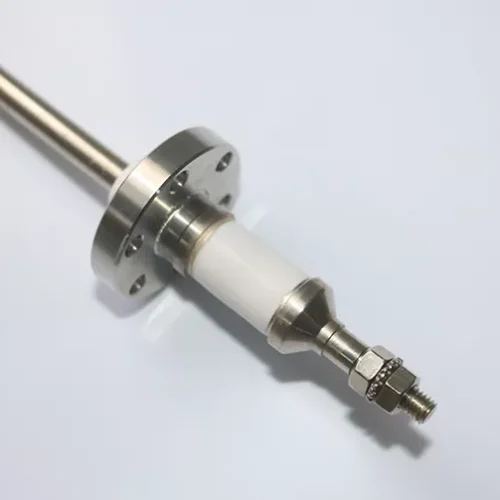
Start with the rod’s role in the assembly: pin, feedthrough element, electrode carrier, spacer, contact or another defined function. Show the ceramic body diameter or profile, length, ends, steps, grooves and reference datums on the drawing. Then map every metallized zone, including its axial limits, circumferential coverage, excluded areas and relationship to mating hardware.
Clarify how the rod is installed and what the metallized surface must contact, join or carry. Identify soldering, brazing, clamping, plating, wire attachment or encapsulation only as applicable to the design. Include assembly orientation and access constraints, because a coating that is acceptable in one location may interfere with insertion, sealing or clearance elsewhere.
Define the Ceramic Body
Specialty ceramics is a broad material family, so the RFQ should identify the approved ceramic designation or material standard. State whether the base body must meet a particular colour, density, electrical, thermal, chemical or mechanical requirement, but request supporting data rather than inventing numerical limits. Explain the service environment and any cleaning or joining exposure that could affect material selection.
The rod geometry should account for both manufacturing and downstream handling. Identify critical straightness, concentricity, end condition, surface finish and edge requirements only where they affect assembly or function. If the ceramic body is ground, lapped or otherwise finished before metallization, specify the finished interface condition and ask the supplier to distinguish body inspection from coating inspection.
Specify the Metallization System
Metallization is not a generic visual finish; it is a defined layer system with a location, purpose and acceptance basis. State the required coating family or approved process window if your engineering standard defines one, along with layer boundaries, thickness requirements, solderability or joining intent, and any permitted over-plating. If alternatives are allowed, require the supplier to identify every layer and process assumption.
Define the properties that matter to the application without assuming they are automatically delivered. These may include continuity, adhesion, coverage, resistance, wetting, bondability or compatibility with a subsequent joining step. The RFQ should state test methods, sample locations and acceptance criteria where needed. Ask for process or lot records when metallization traceability is part of release.
Inspect Coated Rods Carefully
Inspection should cover the ceramic geometry and the metallized features as one coordinated part. Identify checks for diameter, length, straightness, concentricity, coating position, gaps, exposed ceramic, edge transitions, visible damage and cleanliness. If electrical or joining tests are required, define the test configuration and contact method so results can be compared across suppliers and lots.
Small rods can be difficult to handle without damaging the coating or ends. State packaging orientation, separators, protective caps or cleanliness controls when those details are important to receiving and assembly. Request a report format that identifies the drawing revision, material designation, coating specification, inspected characteristics and any accepted deviations rather than providing only a general certificate.
Make the RFQ Clear and Comparable
Include the latest drawing, coating map, application description, mating-part information, quantity context and expected development stage. Indicate whether the requested deliverable is an unjoined metallized rod, a finished subassembly or a rod prepared for a customer joining process. Separate prototype evaluation from repeat-production requirements, and list packaging, marking and documentation expectations.
Ask each supplier to return a structured response covering ceramic material, forming or machining assumptions, metallization system, inspection scope, packaging, exclusions and technical questions. Require proposed deviations to be identified before approval. If a first article or joining trial is planned, define the evaluation sequence and acceptance basis so coating behaviour is assessed in the actual assembly context.
Questions Before You Inquire
What must be shown on a metallized ceramic rod drawing?
Show the ceramic body geometry, datums, ends, critical fits and all metallized regions with clear axial and circumferential limits. Add the coating specification, permitted layers or alternatives, joining intent, inspection characteristics, cleanliness and packaging requirements. A separate coating map can help prevent ambiguity where the drawing is crowded.
Is metallization thickness the only important coating requirement?
No. Location, coverage, continuity, adhesion, exposed-ceramic boundaries, surface condition and compatibility with the joining process may be equally important. Define the characteristics that affect your assembly and specify how they will be tested. Thickness should be included when functional or process requirements make it relevant, not used as a substitute for a complete coating specification.
Can the ceramic material and metallization be quoted separately?
They can be discussed separately for engineering comparison, but the finished RFQ should control the combined component. Ceramic geometry, surface condition and metallization often interact. Ask the supplier to identify the base material, coating system, process assumptions, inspection scope and any interfaces between stages so responsibility remains clear.
How should a first article for a metallized rod be evaluated?
Check the ceramic dimensions and reference relationships, then inspect coating location, coverage, continuity, adhesion or joining behaviour as required by the design. Use the specified test configuration and the current drawing revision. Where possible, include a controlled assembly or joining trial, and record any deviation before approving repeat manufacture.
Send a Clear Component Brief
Share your drawing, quantity and application with Porcecore. Mark the requirements that are fixed and the questions that remain open.



Reviews
There are no reviews yet.