
Ceramic Setter Plates for Drawing-Led OEM Sourcing
Define ceramic setter plates by material, geometry, service conditions, and acceptance criteria before requesting a focused OEM quotation.
Featured Ceramic Setter Plates and Related Components




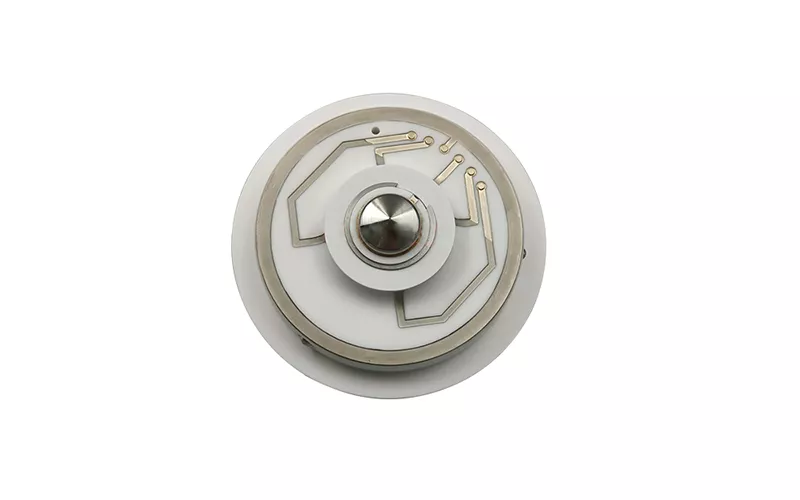
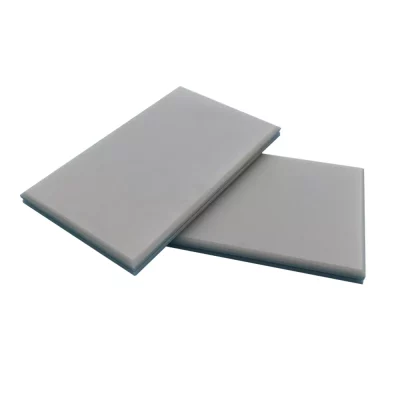



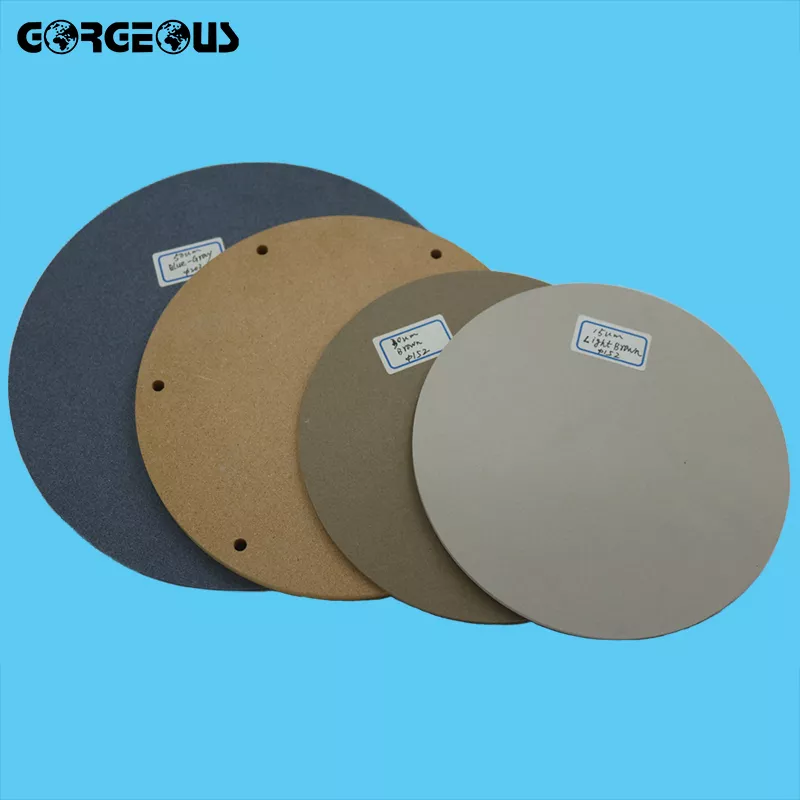





Related Ceramic Setter Plates for Review and Quotation
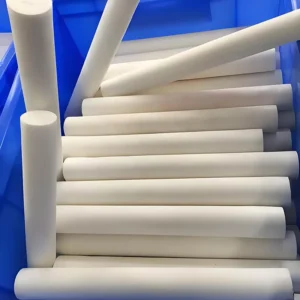

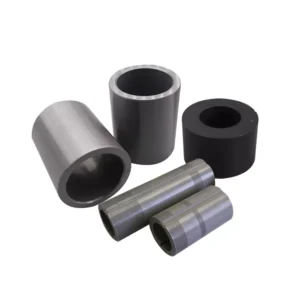
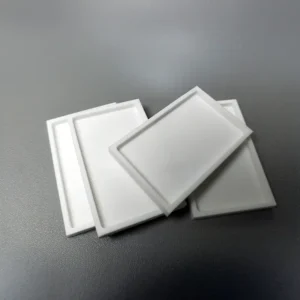


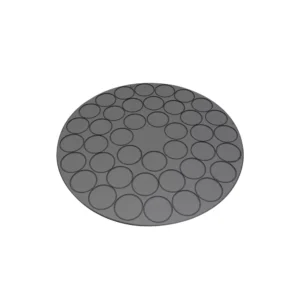
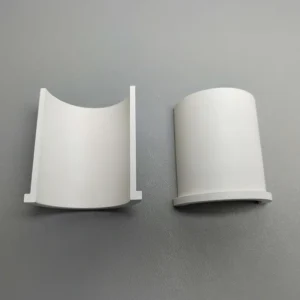


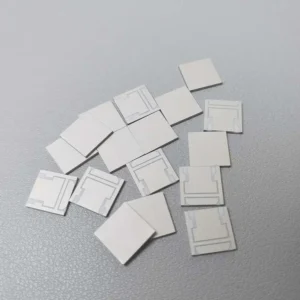
Why Buyers Specify Porcecore Ceramic Setter Plates
Evaluate ceramic setter plates through clear material, geometry, process, surface, and inspection requirements before requesting a project-specific quotation.
Drawing-Led Revision Control
Start with the current drawing revision, critical dimensions, and intended quantity so quotation questions stay tied to the part your team actually needs.
Material Grade Selection
Discuss alumina, aluminum nitride, silicon carbide, silicon nitride, or other ceramic families according to service conditions, grade requirements, and the role of the setter plate.
Geometry Built Around Fit
Confirm length, width, thickness, flatness, holes, edges, and mating features as project requirements rather than assumptions carried over from a catalog illustration.
Process Context Informs Quotation
Align the quotation with the intended firing, sintering, handling, and equipment context, including atmosphere, temperature range, loading method, and relevant application conditions.
Functional Surfaces Defined Early
Identify functional surfaces that contact parts, fixtures, or furnace hardware, then define surface expectations that support assembly, movement, separation, or process handling.
Inspection Evidence Agreed Upfront
Set acceptance criteria for dimensions, material identification, visual condition, and documentation before production, so inspection evidence matches the project approval process.
Ceramic Components by Material, Application and Requirement
Explore ceramic families, component forms and sourcing topics that help engineering and procurement teams define the next project decision.

Ceramic Manufacturing Capabilities
Ceramic manufacturing capabilities are best assessed against the part requirement. Share drawings, geometry, mating surfaces, quantity and inspection expectations so Porcecore can clarify suitable production considerations and identify which details require confirmation for quotation.
Discuss Your Ceramic Part
Ceramic Solutions by Industry
Ceramic solutions by industry begin with operating conditions and the component’s function. Describe the equipment, temperature, electrical, wear or corrosion demands, and replacement context to narrow an advanced ceramics application toward a practical sourcing discussion.
Discuss Your Ceramic Part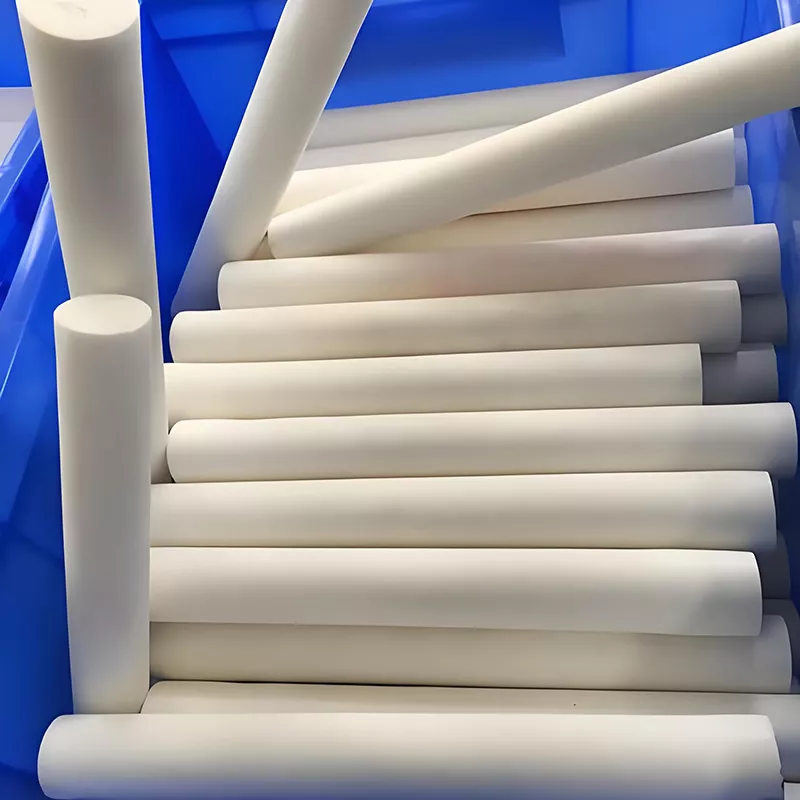
Advanced Ceramic Materials
Advanced ceramic materials include alumina ceramics, zirconia ceramics, silicon carbide ceramics, silicon nitride, aluminum nitride, boron nitride and other specialty families. Material selection should be reviewed alongside grade, geometry, service conditions and project-specific acceptance requirements.
Discuss Your Ceramic Part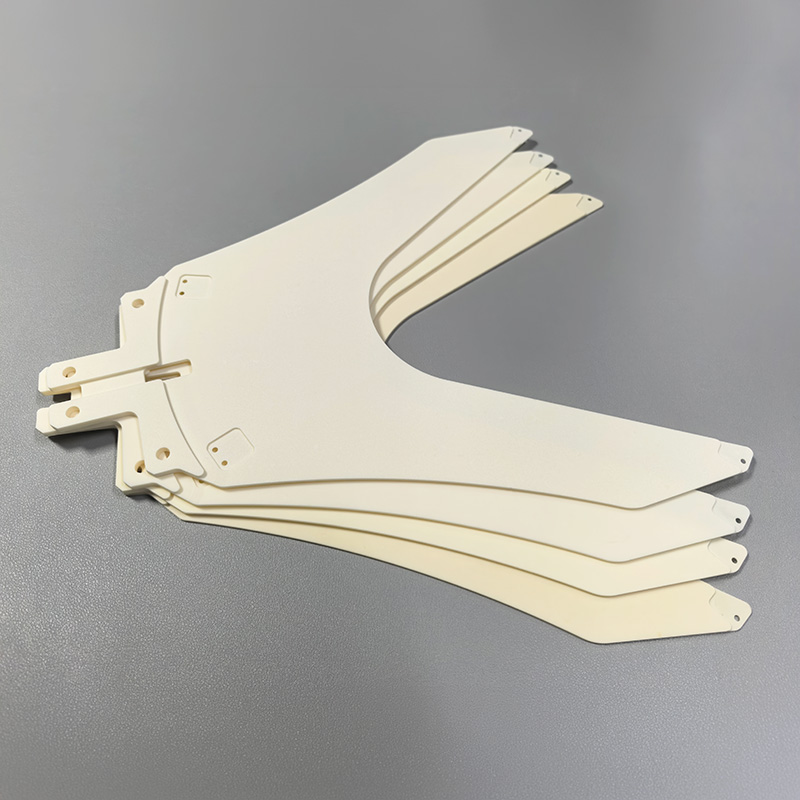
Technical Ceramic Products
Technical ceramic components include familiar forms such as tubes, rods, rings, substrates and other custom ceramic components. Industrial ceramic parts should be evaluated from the drawing and application; product illustrations support orientation, while final dimensions, tolerances, material grade, documentation and delivery terms require project confirmation.
Discuss Your Ceramic Part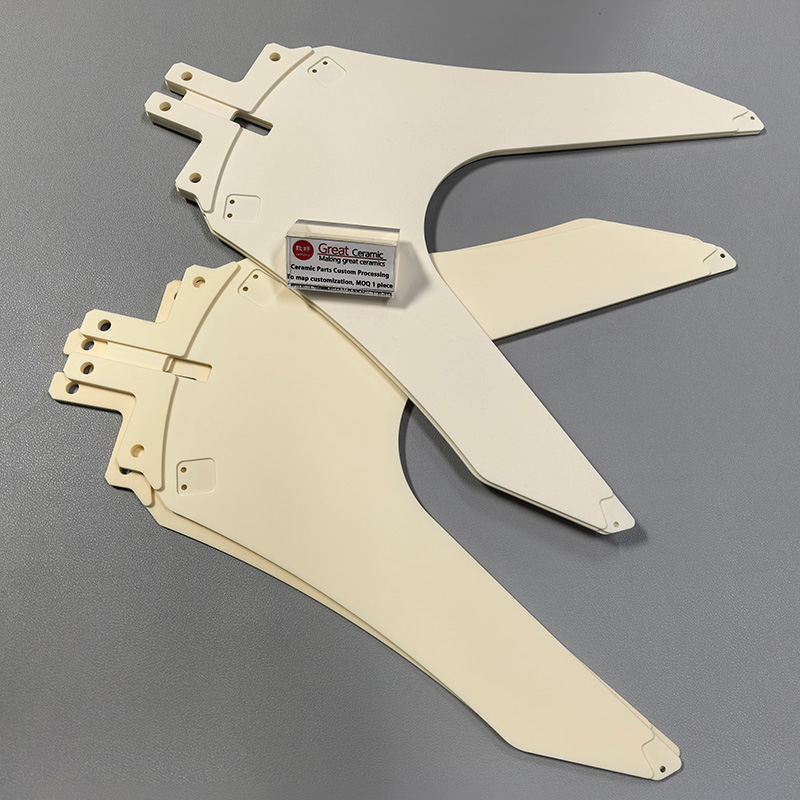
Technical Ceramic Resources
Technical ceramic resources help buyers connect material terminology with part requirements. Use a technical ceramics guide to frame questions about properties, component forms, drawings, operating conditions and acceptance criteria before requesting a quotation by email or WhatsApp.
Discuss Your Ceramic PartCeramic Materials for Setter Plates

Alumina Ceramics
A dense, smooth-feeling material family commonly considered for furnace setters and sintering support. Alumina offers electrical insulation and high-temperature capability, while grade, purity, thickness and thermal cycling requirements need project confirmation.
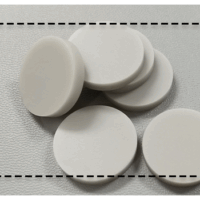
Aluminum Nitride
A technical ceramic option for setter plates where thermal conductivity and controlled heat distribution matter. Its clean, rigid surface suits demanding furnace arrangements, but grade-specific behavior, atmosphere compatibility and dimensional limits require drawing review.
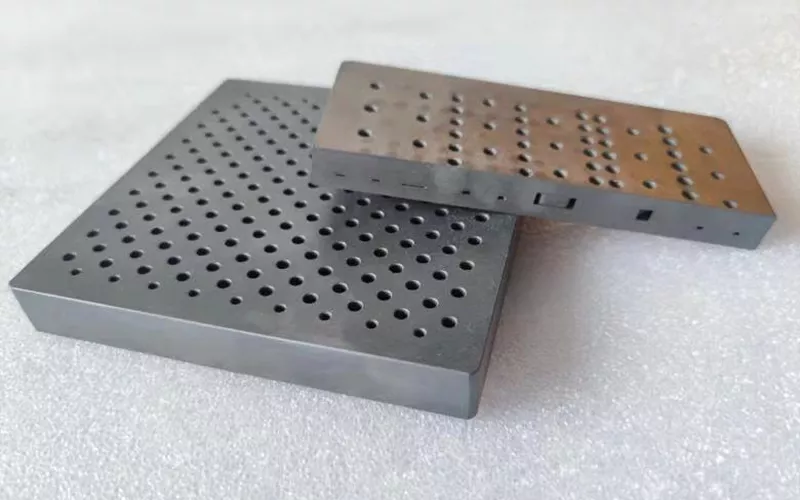
Silicon Carbide Ceramics
A hard, wear-resistant ceramic family considered for demanding thermal environments and repeated handling. Silicon carbide can support robust setter or fixture designs, while oxidation conditions, surface finish, geometry and thermal-shock requirements should be confirmed.
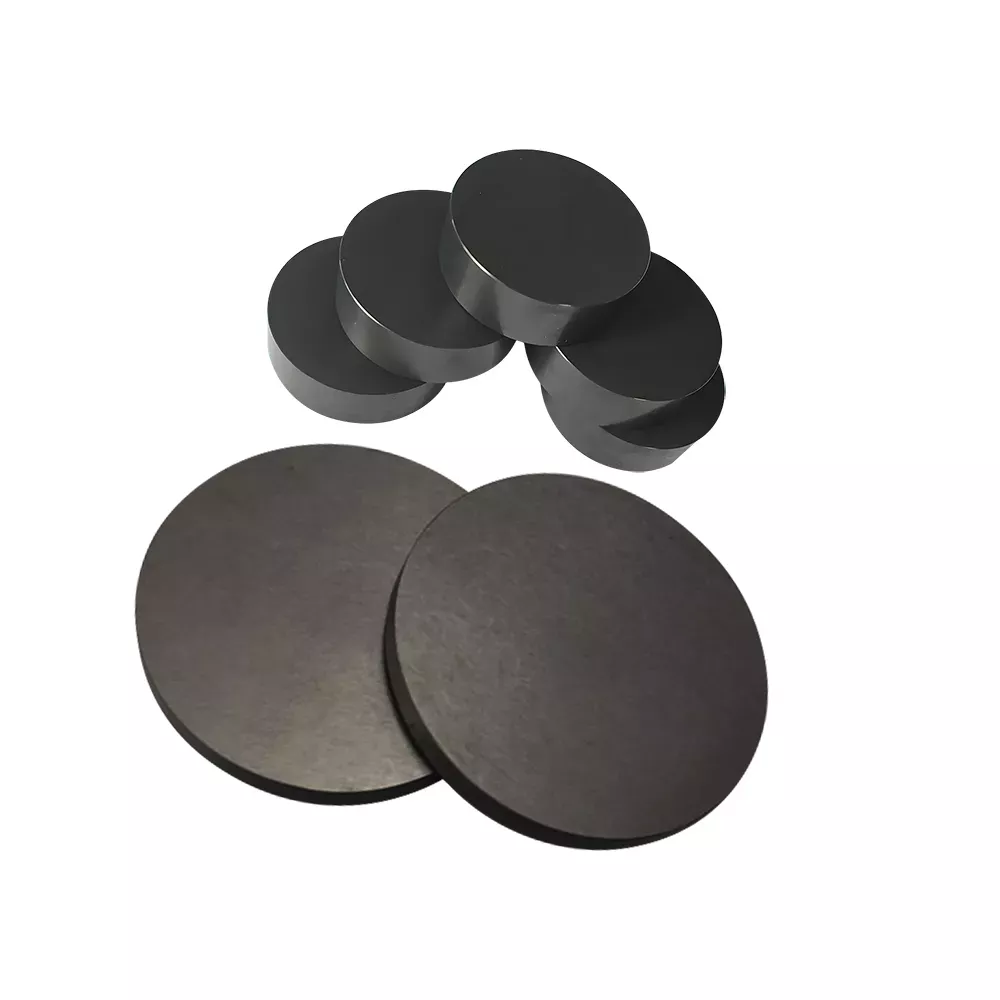
Silicon Nitride
A tough, lightweight-feeling engineering ceramic family for applications requiring thermal stability and resistance to mechanical stress. Its suitability for a setter plate depends on grade, furnace atmosphere, loading method, dimensions and acceptance criteria.

Boron Nitride
A low-wetting, machinable ceramic family often evaluated for high-temperature contact or release-related requirements. Boron nitride may suit specialized setter details, but purity, strength, atmosphere, surface condition and temperature exposure require project-specific confirmation.
Process Considerations for Ceramic Setter Plates

Forming and Shaping
Ceramic setter plate geometry is reviewed against the selected forming route, including overall dimensions, thickness, openings, cavities, and edge features. This establishes practical starting conditions before tolerances and material requirements are confirmed.

Green Machining
Green machining can be considered for holes, slots, steps, and other features before final firing. The quotation discussion should identify datum surfaces, feature locations, edge conditions, and dimensional changes expected during sintering.

High-Temperature Sintering
High-temperature sintering converts the shaped ceramic body into its functional component. Material family, atmosphere, support arrangement, shrinkage allowance, and required firing profile are project-specific points for confirmation during quotation.

Precision Grinding
Precision grinding may be evaluated where ceramic setter plates require tighter dimensions, controlled flatness, or defined mating surfaces after firing. Drawing callouts and inspection criteria clarify which surfaces are functionally critical.

Surface Inspection
Surface finishing and inspection align the delivered part with its application requirements. Specify roughness, cleanliness, visual standards, dimensional reports, and acceptance criteria so the quotation reflects the intended approval process.
Accessories and Fixtures for Ceramic Setter Plates

Support Fixtures
Ceramic support fixtures help position components during thermal processing or handling. Confirm load conditions, contact points, clearances, material grade, dimensions, and inspection requirements from the current drawing.

Spacer Components
Spacer components can maintain separation between parts, plates, or fixture elements where controlled spacing matters. Specify height, flatness, thermal environment, material designation, and quantity for quotation.

Locating Pins
Ceramic locating pins support repeatable positioning of parts or assemblies where electrical insulation, temperature resistance, or nonmetallic contact is required. Share mating dimensions, tolerances, and service conditions.

Carrier Trays
Carrier trays provide a defined handling or processing interface for ceramic and industrial components. Discuss tray geometry, load distribution, furnace constraints, access features, and acceptance criteria before production.

Custom Inserts
Custom ceramic inserts can address localized support, insulation, wear, or alignment needs within a setter plate system. Send the relevant drawing revision, fit dimensions, material preference, and application details.
About Porcecore: Making Ceramic Setter Plates Easier to Specify
Founded by Andy Yuan, Porcecore helps industrial procurement teams, engineers, equipment builders and ceramic distributors connect material choices with clearly defined component requirements. For ceramic setter plates, that means considering the part’s geometry, mating surfaces, operating conditions and inspection expectations together rather than treating a material name as a complete specification.
Porcecore’s technical ceramics scope spans oxide, nitride, carbide and specialty materials, with component discussions shaped by each project. Our approach is drawing-led and requirement-focused: buyers can share a current drawing, known material designation, quantity, service conditions and acceptance criteria to establish a practical basis for quotation.
What makes Porcecore different is the effort to make ceramic procurement more understandable before commitment. We help identify open questions, separate essential requirements from preferences and clarify what still needs confirmation, including grade, tolerances, documentation, delivery and commercial terms. The goal is a better-informed sourcing decision for every ceramic setter plate inquiry.
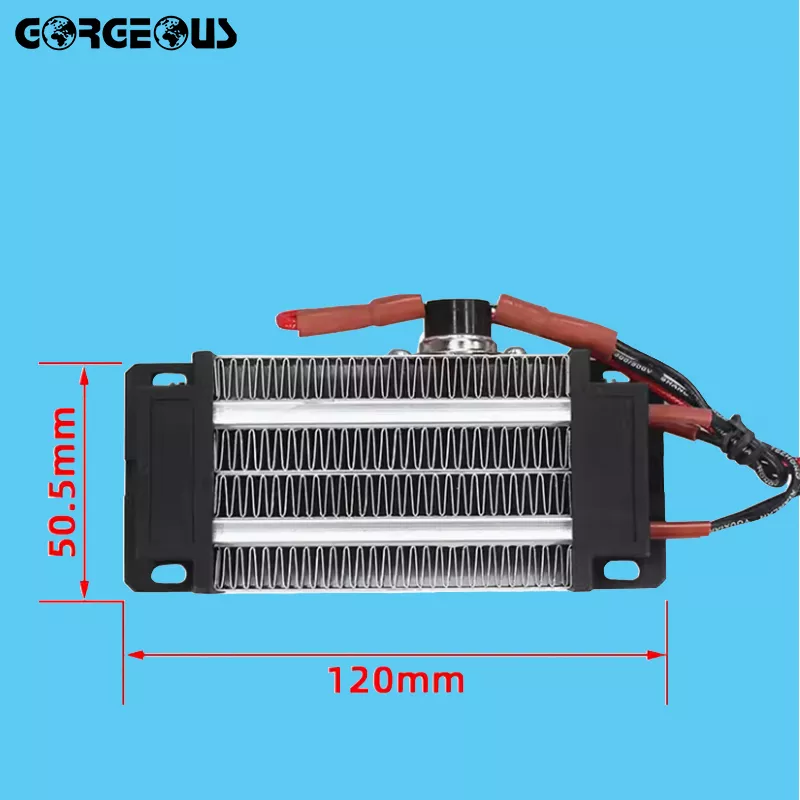
Core Capabilities Behind Ceramic Setter Plate Sourcing
Review the Current Drawing
Ceramic setter plates should be discussed against the current drawing revision, not a product image alone. Porcecore helps organize the initial quotation around dimensions, tolerances, material designation, quantity, service conditions and the details that determine whether a requirement is ready for review.
- Confirm drawing revision and critical dimensions
- Separate required specifications from preferences
- Identify quantity and intended production context
- Flag open questions before quotation

Match Material to Service
Material selection depends on the job the setter plate must perform. Porcecore can structure the conversation around operating temperature, atmosphere, thermal conditions, chemical exposure, load and other project inputs before a ceramic family or grade is treated as a suitable option.
- Compare oxide, nitride, carbide and specialty ceramics
- Relate material choice to operating conditions
- Treat listed grades as inquiry starting points
- Confirm grade-specific availability and properties

Clarify Geometry and Interfaces
A setter plate is part of an assembly and process, so overall length and width may not tell the full story. Review the supporting geometry, thickness, openings, cavities, edges, flatness and mating surfaces that influence loading, alignment and replacement fit.
- Identify surfaces that contact or locate another part
- Confirm dimensions that control assembly
- Review openings, cavities and edge conditions
- Distinguish illustration details from contractual geometry

Align Acceptance Documentation
A useful quotation also defines how the finished ceramic setter plates will be evaluated. Porcecore helps buyers identify inspection expectations, documentation needs, acceptance criteria, delivery requirements and commercial conditions so the proposed part can be reviewed on a project-specific basis.
- Define inspection and acceptance criteria
- List required material or quality documentation
- Confirm delivery and commercial requirements
- Record agreed requirements before production commitment

Why Choose Porcecore for Ceramic Setter Plates
Compare a drawing-led sourcing conversation with a typical alternative across the details that shape ceramic setter plate decisions.
← Swipe left or right to view →
Our Drawing-Led Sourcing Process for Ceramic Setter Plates
From material and geometry review to drawing confirmation, inspection, packing, and shipping, each ceramic setter plate requirement is clarified project by project.
Define the Requirement
Share the current drawing revision, target quantity, ceramic material if known, service conditions, mating surfaces, tolerances, and acceptance or documentation requirements.
Review Material and Geometry
Porcecore reviews the intended application, geometry, grade options, thermal environment, and critical interfaces to identify open questions before quotation details are confirmed.
Confirm the Drawing
Dimensions, tolerances, surface requirements, quantity, inspection expectations, and applicable material designation are aligned against the approved drawing revision before production coordination begins.
Coordinate Production
Production planning follows the confirmed requirement, including process route, project-specific specifications, delivery expectations, packing considerations, and any agreed commercial or technical documentation.
Inspect, Pack, and Ship
Before dispatch, inspection and documentation are reviewed against the agreed criteria; ceramic setter plates are packed for shipment and delivery instructions confirmed.
How to Source Ceramic Setter Plates With Porcecore
Move from an application brief to confirmed ceramic setter plates through clear requirements, drawing-led review, quotation alignment, and documented production terms.
Send Your Drawing
Share the current drawing revision, application, quantity, service conditions, and any replacement-part details needed to define the ceramic setter plate requirement.
Clarify Material Requirements
Review suitable ceramic families, grade expectations, geometry, mating surfaces, tolerances, inspection criteria, and documentation requirements with the Porcecore project team.
Review the Quotation
Assess the proposed material, dimensions, acceptance basis, sample path, lead-time assumptions, and commercial details before selecting the appropriate sourcing route.
Confirm Production Terms
Approve the defined specification, quantity, quality documentation, delivery terms, and revision status so production proceeds against a shared project understanding.
Ceramic Setter Plates Certifications and Quality Documentation
Technical Reference Points for Ceramic Setter Plates
“For setter plates, the requirement is not only material selection. Surface roughness, thermal behavior, part movement and furnace arrangement all affect the sintering discussion.” Source: https://www.ceramtec-industrial.com/en/setter-plates
“A cited reference reports Ra below 1 µm for general surface roughness, connecting smoother contact surfaces with more uniform shrinkage. Porcecore treats this as a project-specific acceptance point, not a blanket guarantee.” Source: https://www.ceramtec-industrial.com/en/setter-plates
“Published product evidence shows ceramic setter plates specified in multiple rectangular sizes, including 75 × 175 × 2 mm through 220 × 220 × 2 mm. A drawing and confirmed tolerance remain necessary for any OEM quotation.” Source: https://store.innovacera.com/product/alumina-ceramic-setter-plate
Ceramic Setter Plates FAQ for Engineering Buyers
Clear answers on drawings, materials, commercial terms and project-specific acceptance requirements.
What information should I provide when requesting ceramic setter plates?
Can Porcecore confirm MOQ, lead time and sampling cost for ceramic setter plates?
How are material grades selected for ceramic setter plates?
How does Porcecore handle drawing revisions and tolerances?
Can ceramic setter plates be supplied with project-specific inspection evidence?
How are packaging and shipping requirements handled for ceramic setter plates?
Can I request samples before placing a production order, and who owns the drawings?
What payment and quotation terms should I expect for a ceramic setter plate project?
The Complete Buyer’s Guide to ceramic setter plates
Use this decision framework to match ceramic setter plates with furnace conditions, part geometry, and production goals while evaluating supplier capability, total cost, quality controls, and common sourcing mistakes.
1. What Are Ceramic Setter Plates?
MIM, CIM and LTCC processes use ceramic setter plates as refractory supports that arrange, separate, carry and stabilize molded or printed parts during firing and sintering. They form part of the furnace-workflow interface across loading, heating, sintering, cooling and unloading. A custom design becomes useful when standard size, thickness, cavities, stacking features, surface finish, atmosphere compatibility or part spacing cannot match the equipment and component geometry.
2. Evolution and History of Ceramic Setter Plates
Ceramic setter plates evolved from basic refractory supports into more application-specific components as buyers sought repeatable support for shrinking, high-value parts. Modern designs place greater emphasis on dimensional stability, contact-surface behavior, contamination control, thermal compatibility and repeatable furnace loading. The appropriate format remains dependent on the process, material family, geometry and acceptance requirements.
3. Types of Ceramic Setter Plates
Six common configurations cover most ceramic setter plates: flat supports, guided surfaces, trays, stackable systems, pockets, and dedicated fixtures.
Open Support Plates
Flat plates suit simple, broad, stable parts loaded directly onto a continuous surface. Slotted or grooved plates guide rings, rods, or narrow components while adding vent paths and reducing contact area. Open layouts simplify inspection and unloading, but thin sections and grooves can chip during handling.
Trays And Stacked Systems
Trays contain loose, irregular, or multiple parts and can improve batch handling, while stacked systems increase furnace utilization through aligned levels. Open sides and designed spacing preserve airflow and reduce temperature differences. Stack height, support points, and lift access determine handling risk.
Pockets And Dedicated Fixtures
Cavity or pocket plates locate small, fragile, or orientation-sensitive parts with repeatable placement. Application-specific fixtures add nests, pins, barriers, or datum surfaces for complex geometries and automated loading. These designs require tighter coordination of contact zones, shrinkage clearance, heat paths, and cleaning access.
4. Materials for Ceramic Setter Plates
Material selection for ceramic setter plates starts with furnace atmosphere, cycle severity, and contamination risk—not material name alone.
| Material | Thermal / use | Compatibility / cost |
|---|---|---|
| Alumina | Moderate conductivity; high temperature; good insulation | Broad compatibility; lower cost baseline |
| AlN | High conductivity; uniform heating | Low contamination; higher cost |
| SiC / Si3N4 | Strong shock resistance options | Use when cycling or strength dominates; grade-dependent |
Compare Core Ceramic Families
Alumina is the usual cost baseline; aluminum nitride generally provides higher thermal conductivity and lower temperature gradients. Silicon carbide suits severe thermal cycling, while silicon nitride can favor shock resistance and mechanical robustness. Supplier values vary by grade, density, thickness, and finish.
Match Atmosphere And Cycle
Protective, reducing, reactive or hydrogen atmospheres can change compatibility requirements. Faster ramps and cooling demand thermal-shock margin; high-conductivity materials may improve temperature uniformity, while thickness and geometry still control cracking risk. Confirm the atmosphere, cycle profile and support arrangement against the selected grade.
Control Surface And Contamination
Electrical insulation may favor alumina, while aluminum nitride can combine insulation with efficient heat transfer. Surface finish, cleanliness and contamination limits should be specified against the process rather than inferred from a general material description.
5. Ceramic Setter Plates: Customization and Decoration Options
Customization of ceramic setter plates is primarily an engineering exercise, not a cosmetic one.
Geometry And Features
Length, width, and thickness set packing density, heat flow, mass, and handling limits. Holes, slots, pockets, and cavities can locate parts or increase furnace utilization, but they also add tooling, cleaning, and inspection requirements. Edge radii, chamfers, and stack interfaces should be dimensioned around part movement and operator handling. Customer-specific designs and integrated cavities are established setter-plate practices.
Surface And Marking Choices
Ra 1 µm is cited by CeramTec as a general low-roughness benchmark for smooth part gliding and reduced contamination risk; confirm the required value for the process. Surface finish matters more than color or decorative treatment.
Drawing Data Controls Lead Time
Five inputs should accompany an inquiry: current drawing revision, tolerances, atmosphere, loading pattern, and acceptance criteria. These determine machining, tooling, inspection, and qualification effort.
A simple flat plate may move quickly; cavities, tight tolerances, or stack features generally require more review. Porcecore treats cosmetic preferences as secondary to confirmed part requirements.
6. Key Construction Quality Elements
10 measurable checkpoints determine whether ceramic setter plates remain stable through repeated firing: material purity, density, porosity, flatness, tolerance, roughness, edges, warpage, thermal shock, and batch consistency. Acceptance limits should be agreed against the drawing and process conditions.
Material And Thermal Structure
99% alumina is one published setter reference, with reported density near 3.9 g/cm³; buyers should request grade-specific density, purity, open porosity, and thermal-shock data rather than generic material names.
Thermal-shock resistance should be verified against the planned heating and cooling cycle, atmosphere, plate thickness, and support method.
Geometry And Surface Control
The drawing should define flatness, warpage, length, width, thickness, hole locations, edge chips, cracks and dimensional tolerances. Functional surfaces and inspection methods should be identified before quotation so the acceptance basis matches the application.
Inspection And Traceability
3 evidence groups should accompany approval: dimensional inspection results, material or thermal test data, and a retained sample matched to the drawing revision.
Require lot traceability, inspection records, protective separators, moisture and impact controls, and packaging photographs before shipment. Batch consistency should be checked against agreed limits, not visual similarity alone.
7. How to Choose a Ceramic Setter Plates Manufacturer
A capable ceramic setter plates partner connects furnace conditions, part geometry, inspection, and production control before quoting.
| Evaluation Area | Capable Partner Evidence |
|---|---|
| Technical fit | Furnace review and application questions |
| Quality control | Recorded inspection and revision control |
| Supply readiness | Prototype route, MOQ, capacity, and delivery plan |
Engineering And Process Fit
1 furnace profile, atmosphere, loading method, and thermal-cycle target should be reviewed against the proposed material and geometry.
2 questions reveal competence: Who owns the tooling? What are the MOQ, prototype route, sample-validation plan, and warranty boundaries?
Inspection And Repeatability
3 inspection layers should cover dimensions, flatness, surface condition, material identification, and agreed acceptance criteria; request sample reports.
OEM Partner Or Reseller
5 useful documents include drawings, process limits, inspection records, packing standards, and a capacity statement tied to your forecast.
8. Common Ceramic Setter Plate Buying Mistakes
Eight purchasing errors can turn a workable setter design into distortion, contamination, breakage, or hidden cost.
Material And Atmosphere Mismatch
Price-first selection can cause chemical attack, contamination, or premature cracking. Ask: which grade is compatible with the actual temperature, gas chemistry, reactive species, and thermal cycle?
Alumina and aluminum nitride suitability depends on the process, not the material name alone. Ask for grade-specific evidence against the production atmosphere.
Geometry And Surface Under-Specification
Unstated flatness, roughness, or thickness can produce uneven shrinkage, sliding problems, sagging, and interference. Ask: what flatness, surface-finish, edge, and thickness limits protect part geometry?
A plate that is too thick adds thermal mass; one too thin may warp or fracture. Ask: how will the proposed thickness behave under load and cycling?
Loading And Cost Blind Spots
Unvalidated loading patterns can overload contact points or reduce furnace capacity. Ask: has the supplier reviewed part weight, support spacing, nesting, stacking, and clearance using the current drawing?
Tooling, packaging, freight, inspection, and breakage allowances can reverse a low unit price. Ask: what is the landed cost per usable firing cycle?
Skipping Pilot Validation
A production order without a pilot can expose defects only after parts, labor, and furnace time are committed. Ask: what pilot quantity and acceptance criteria will verify flatness, contamination, loading, and repeatability?
Record the drawing revision, service conditions, and inspection results before approval.
9. Steps to Launch Your Ceramic Setter Plates Program
A controlled launch links the plate to the part, furnace cycle, and acceptance criteria.
Define The Process
Step 1: Engineering records part geometry, loading pattern, furnace temperature profile, atmosphere, cycle time, support points, and failure risks. Note mating surfaces and dimensional limits that affect assembly. Step 2: Production confirms handling, stacking, cleaning, and changeover practices.
Source And Evaluate
Step 3: Procurement issues the current drawing, expected quantity, service conditions, packaging needs, and documentation request to shortlisted suppliers. Engineering compares material recommendations against the furnace requirement, not material names alone. Step 4: Request quotation samples or prototypes with stated tolerances, inspection results, and revision control.
Trial And Approve
Step 5: Production runs a controlled furnace trial using documented loading and cycle settings; engineering compares warpage, contamination, wear, and part results with the baseline. Quality records deviations and disposition. Step 6: Approve the drawing, material grade, inspection plan, packaging, and supplier records.
10. Ceramic Setter Plates Pricing and Cost
1 drawing revision should define the ceramic grade and purity, length, width, thickness, cavities, machining, mating surfaces, tolerances, inspection criteria and required documentation. These variables usually influence setter-plate cost more than the material name alone. 2 order quantities create different economics: tooling and setup are distributed across more plates, while packaging, freight and replacement frequency affect total ownership cost.
| Customization or Quantity Factor | Indicative Cost Structure | Lead-Time Implication |
|---|---|---|
| Standard grade, simple dimensions, low quantity | Quotation-dependent base piece cost; setup and packaging weigh more per unit | Quotation-dependent; drawing review and production scheduling required |
| Higher-purity grade, larger thickness or tighter tolerances | Quotation-dependent material and process premium; added inspection may apply | Quotation-dependent; process control and inspection can extend schedule |
| Machined edges, cavities or complex geometry | Quotation-dependent tooling, machining and dimensional verification costs | Quotation-dependent; tooling approval may precede production |
| Repeat or higher-volume order | Quotation-dependent unit-cost efficiency after setup; freight and protective packaging remain project-specific | Quotation-dependent; planned replenishment can reduce replacement-driven interruptions |
Discuss Your Ceramic Setter Plates Requirement
Send a drawing revision, quantity, material details, service conditions, and acceptance criteria for a focused quotation discussion with Porcecore.