

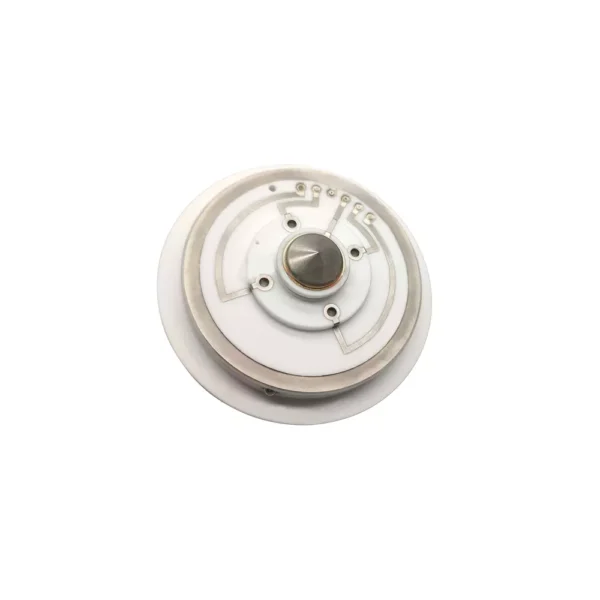

Define the plate profile, mounting features, heat-source interface and any ceramic-to-metal joining needs in the RFQ. A complete drawing and service description allow meaningful review of material selection, processing route and acceptance criteria.
Key Inquiry Requirements
Component Role and Design Definition
A ceramic heating plate base typically establishes the physical platform for a heated assembly. Its value is defined by the relationship between the plate outline, thickness, apertures, recesses, mounting points and mating surfaces. Buyers should identify which features carry loads, locate other parts, contact a heater or insulator, or participate in a sealed joint. The component should be reviewed as part of the complete assembly rather than specified as an isolated disc or plate.
Before requesting quotation, provide the latest controlled drawing, three-dimensional model if available, revision status and intended assembly orientation. Mark critical datums, functional surfaces, edge conditions, holes, grooves and any areas requiring masking or special handling. If the base interfaces with a metal frame, sensor, heater or cover, show those adjacent parts and their allowable clearances so the supplier can assess manufacturability and inspection scope.
Material and Thermal Interface Questions
Specialty ceramic selection should follow the actual thermal, mechanical, electrical and chemical environment. Alumina appears as the reference material in the supplied evidence, but the final grade and formulation should be confirmed against the application rather than assumed. Describe heat exposure, cycling pattern, atmosphere, contact media, electrical isolation needs and expected mechanical restraint. These details help distinguish a suitable ceramic body from a visually similar plate with different behavior.
The heating interface deserves separate attention. State whether the ceramic contacts a resistive element, bonded heater, metallic foil, carrier, thermocouple or another layer, and identify the desired contact condition. Explain whether flatness, surface texture, cleanliness, insulation or controlled gaps affect assembly. Where a coating, metallization or joining layer is contemplated, include its location, coverage, thickness requirement if known and compatibility constraints in the RFQ.
Joining, Sealing and Assembly Review
The supplied evidence highlights several ceramic-to-metal joining approaches, including brazing, diffusion welding, fusion welding and oxide-glass solder joining. That information should be treated as a process-selection prompt, not as a specification. Ask the supplier to review the proposed joint against the ceramic body, mating metal, atmosphere and service cycle. The assembly drawing should identify whether the joint is structural, locating, electrical, thermal or intended to provide a seal.
If metallization, brazing or a metal transition piece is required, define the joint path and inspection access clearly. Kovar or oxygen-free copper may be considered in some designs, but the appropriate mating material must be confirmed from the assembly requirements. Include weld interfaces, cleaning expectations, leak-test method if applicable and any post-joining dimensional checks. Request process assumptions and exclusions so the quotation can be compared fairly.
Manufacturing and Inspection Considerations
Plate-and-disc geometries can still present meaningful production questions when they include thin regions, steps, holes, slots, edge reliefs or localized joining areas. Ask for a manufacturability review covering shrinkage allowances, machining strategy, edge protection and handling risks. If the design contains multiple variants, separate them by drawing revision and identify interchangeable features. A clear definition helps avoid treating a conceptual image as sufficient production data.
Inspection should be tied to function. Specify which dimensions require measurement, which surfaces need visual examination, and whether cracks, chips, warpage, contamination or joint discontinuities have defined acceptance rules. Where no limits have been established, ask the supplier to identify proposed inspection methods and reporting format for approval. Sample reports, photographs or lot documentation should be requested only when they are relevant to the qualification plan.
RFQ Package and Buyer Comparison
A useful RFQ package combines the component drawing with service conditions, assembly context, material preference, joining concept and quality expectations. State the intended quantity range as a planning input without assuming a minimum order, and explain whether the request concerns prototypes, qualification pieces or repeat production. Include packaging and identification needs if the ceramic must arrive protected, traceable or separated by revision.
When comparing responses, look beyond a unit figure. Review how each proposal treats ceramic grade, forming or machining route, joining materials, tolerances, inspection evidence, change control and unresolved assumptions. Ask which items require buyer approval before production and which tests are optional or application-dependent. The strongest comparison is based on a shared technical baseline, with open questions recorded rather than silently converted into supplier promises.
Questions Before You Inquire
What information should accompany an RFQ for this ceramic base?
Provide a controlled drawing, relevant model, material preference, service environment, heating interface, mating-part details and joining concept. Identify functional surfaces, critical dimensions and inspection expectations. If the design is still developing, mark assumptions clearly and ask the supplier to separate confirmed requirements from proposed manufacturing recommendations.
Is alumina automatically the required material for this component?
No. Alumina is the reference material identified in the supplied evidence, but the final ceramic grade should follow the assembly’s thermal, mechanical, electrical and chemical requirements. Buyers should request a material review against the complete service description and approve any proposed substitution before production.
Can the ceramic base be joined to metal parts?
Potentially, depending on the ceramic body, mating metal, joint purpose and service conditions. Possible routes can include brazing or other joining methods, but none should be assumed from the component name. Include joint locations, sealing or electrical objectives, metal details and inspection requirements for technical review.
Which dimensions and defects should buyers inspect?
Inspect the features that control fit, location, contact and assembly, including critical datums, openings, thicknesses, flatness-related surfaces and joint areas where relevant. Define acceptable chips, cracks, warpage, contamination and discontinuities in the quality specification, or ask for proposed criteria and methods for approval.
Send a Clear Component Brief
Share your drawing, quantity and application with Porcecore. Mark the requirements that are fixed and the questions that remain open.


Reviews
There are no reviews yet.