
Ceramic Heat Sinks with Drawing-Led Quote Support
Define ceramic heat sinks by geometry, interfaces, operating conditions, and acceptance needs before requesting a project-specific quotation.
Featured Products for Ceramic Heat Sink Development
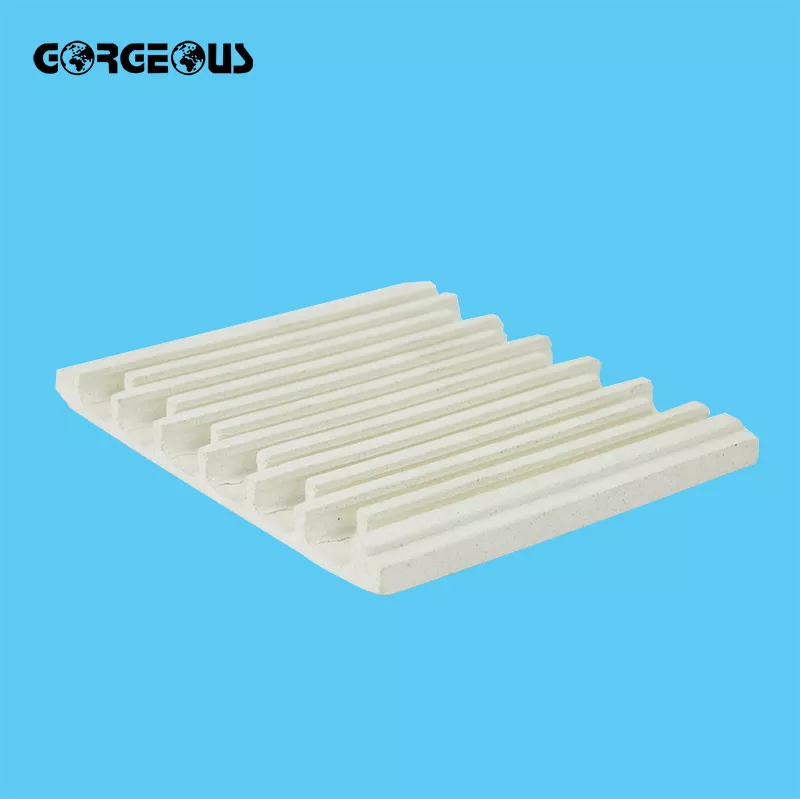

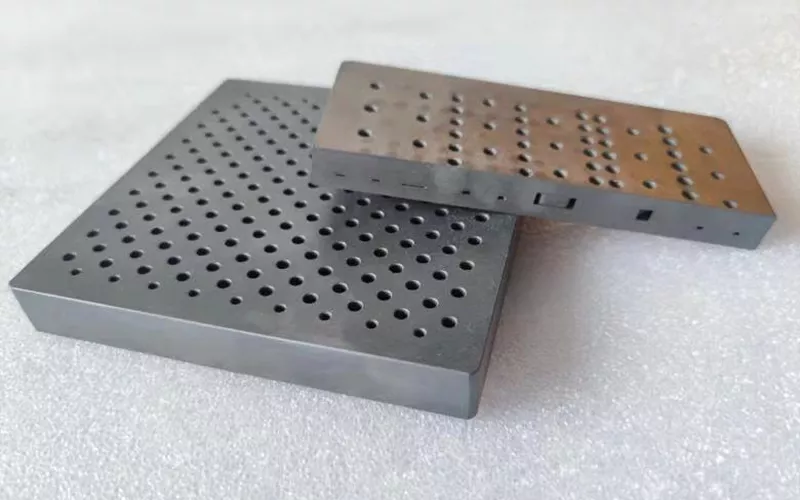


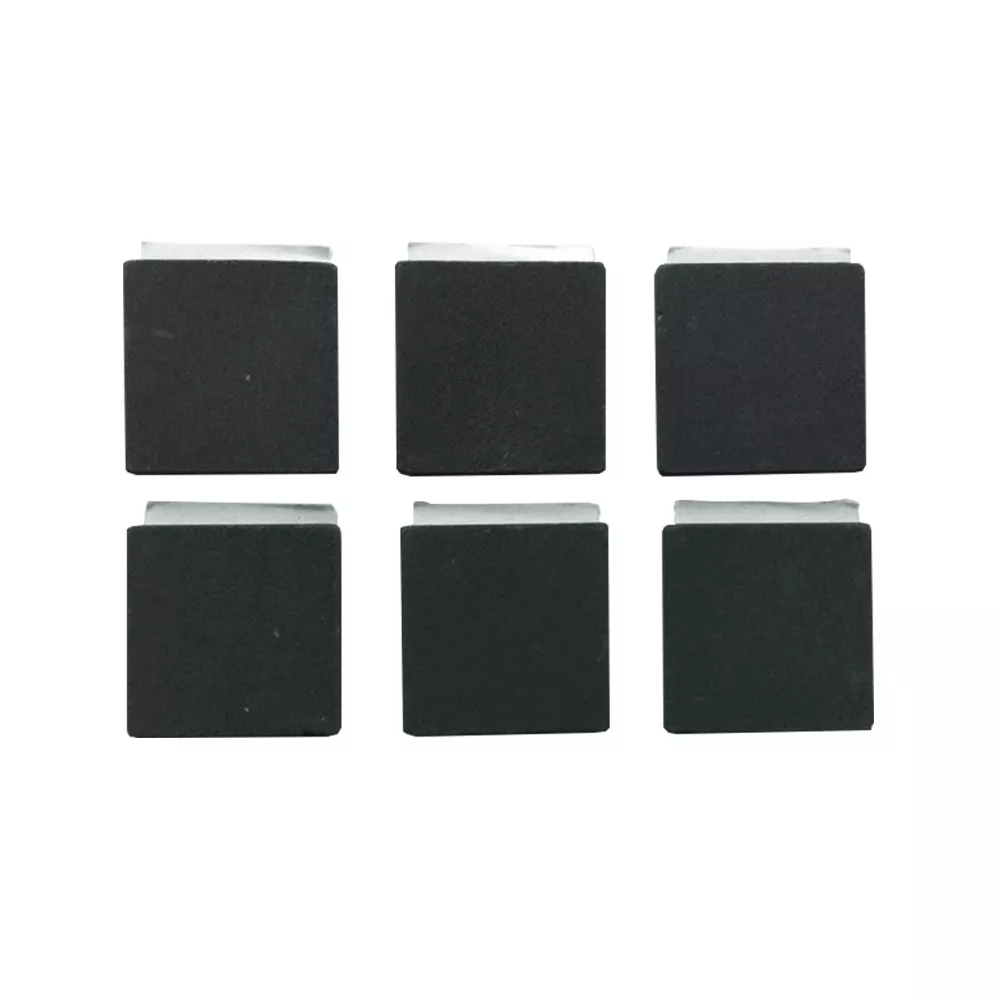




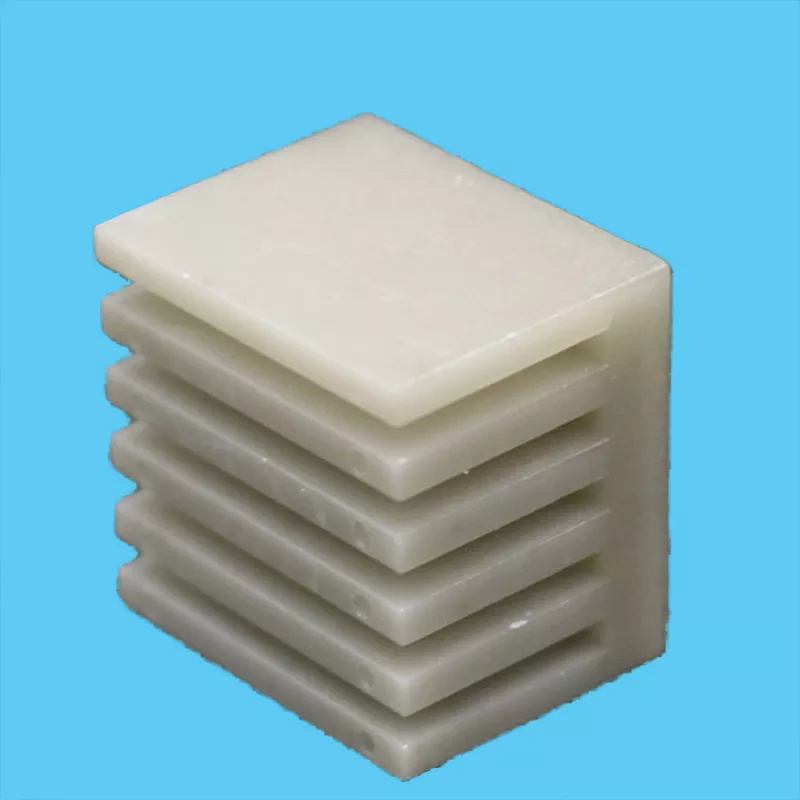



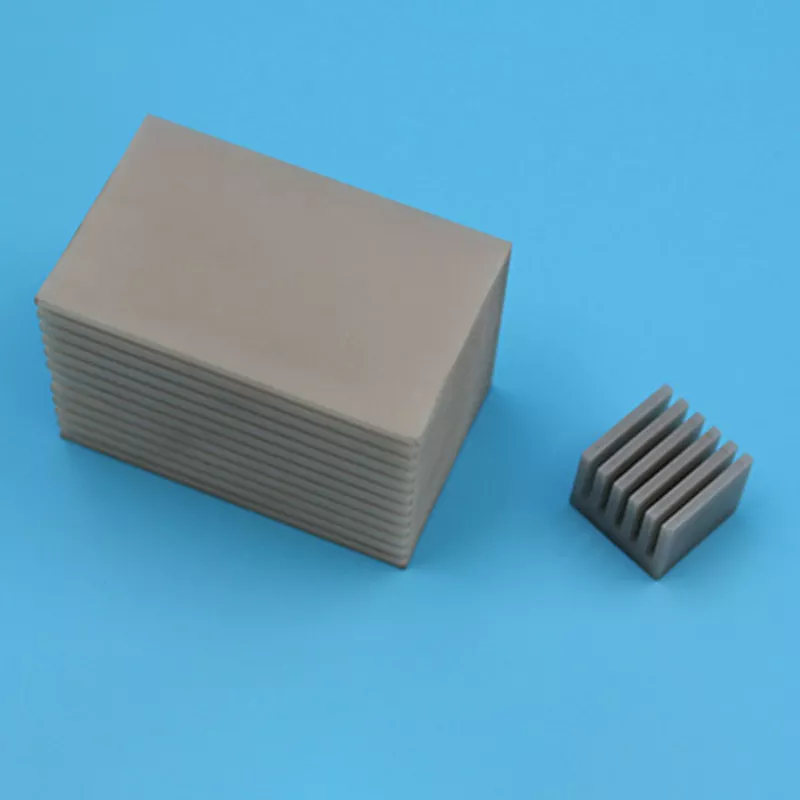
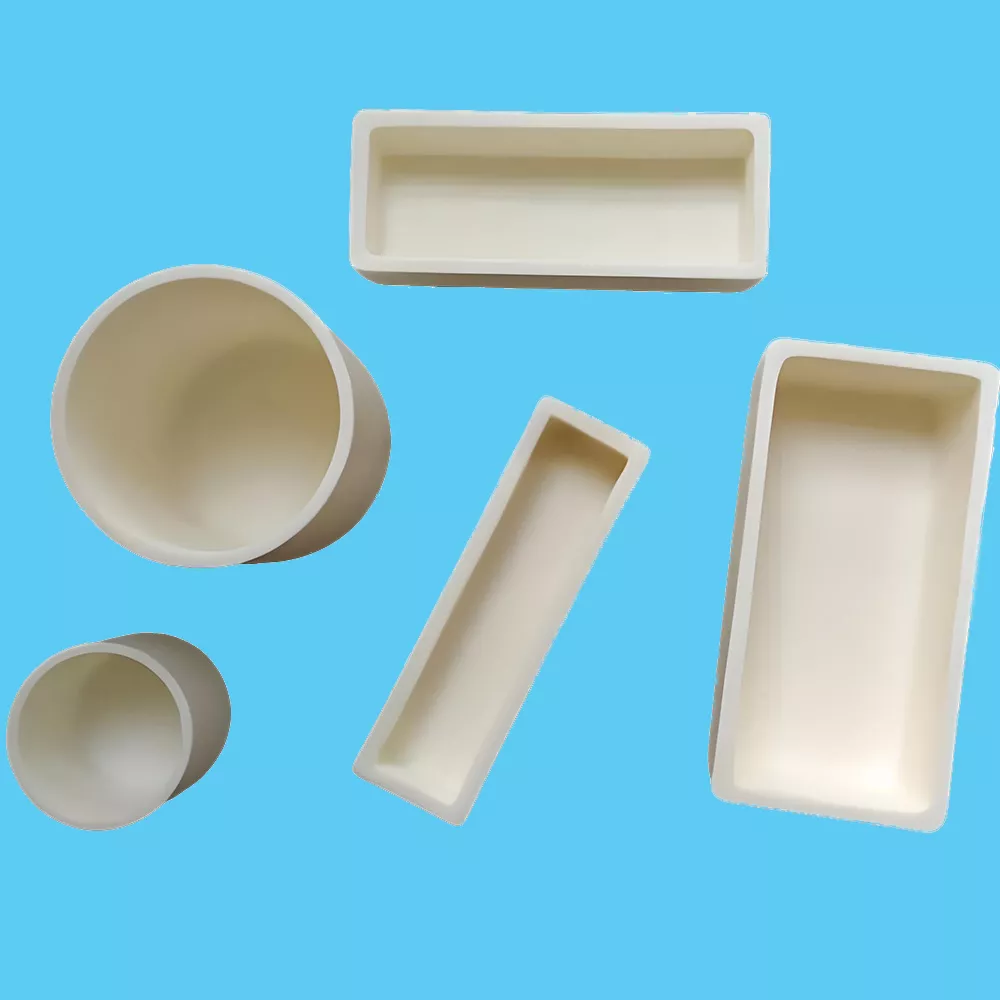
Ceramic Heat Sink Catalogue and Quotation Support


Ceramic Heat Sinks Start With Clear Requirements
Structure the technical details that make quotation and evaluation more useful.
Current Drawing Revision
Share the current drawing revision so dimensions, notes, and open questions can be reviewed against the ceramic heat sink requirement before quotation discussions begin.
Material Grade Discussion
Identify the material designation when known, then relate grade selection to electrical, thermal, mechanical, and environmental conditions specific to the intended application.
Geometry and Interfaces
Clarify overall geometry, mounting features, mating parts, and assembly-critical dimensions so the component discussion reflects how the part must fit and function.
Functional Surface Priorities
Call out surfaces that contact other parts, support thermal transfer, or require controlled finish, helping distinguish essential interface requirements from general preferences.
Process Route Considerations
Discuss shape complexity, feature relationships, and material behavior early to frame a practical process conversation around the individual part requirement.
Inspection Evidence Needed
State the acceptance criteria and documentation needed for approval, so inspection expectations are included alongside material, geometry, and commercial details.
Ceramic Heat Sinks and Component Applications
Review material, component and application pathways, then bring drawings, service conditions and acceptance requirements into the inquiry.

Ceramic Manufacturing Capabilities
Review ceramic manufacturing capabilities in relation to the component requirement: forming route, geometry, critical surfaces, dimensional tolerances and inspection needs. Share the current drawing revision and quantity so process options can be discussed against the part’s intended function.
Discuss Your Ceramic Part
Ceramic Solutions by Industry
Explore advanced ceramics applications across thermal management, electrical insulation, wear environments, high-temperature equipment and replacement-part needs. Application context helps define the relevant material family, component form, mating features and service conditions before a quotation is prepared.
Discuss Your Ceramic Part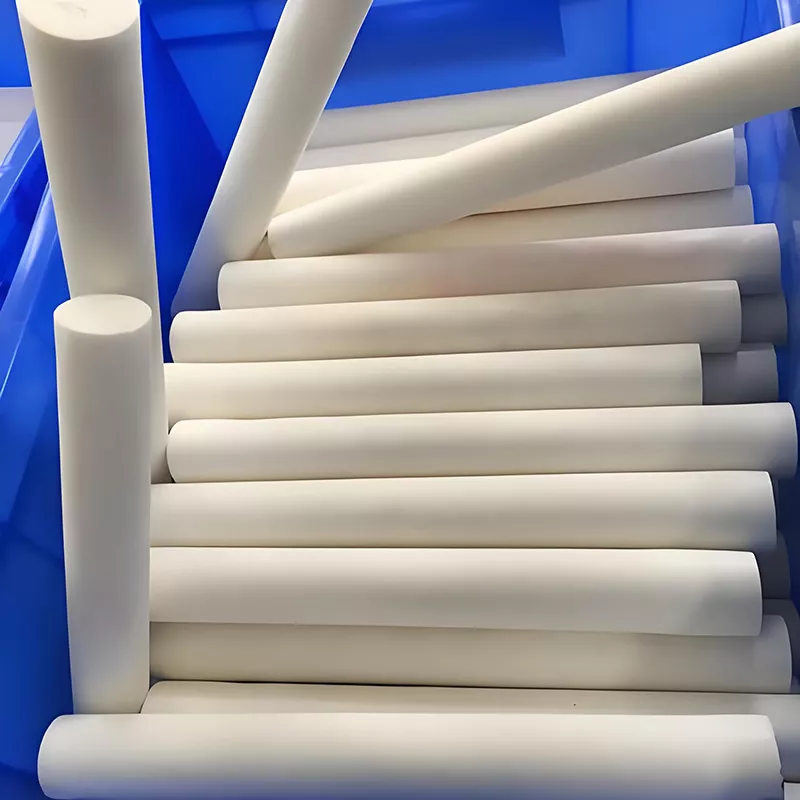
Advanced Ceramic Materials
Compare advanced ceramic materials including alumina, zirconia, silicon carbide, silicon nitride, aluminum nitride, boron nitride and specialty ceramics. General material information supports early evaluation; grade-specific properties and availability require confirmation for the individual project.
Discuss Your Ceramic Part
Technical Ceramic Products
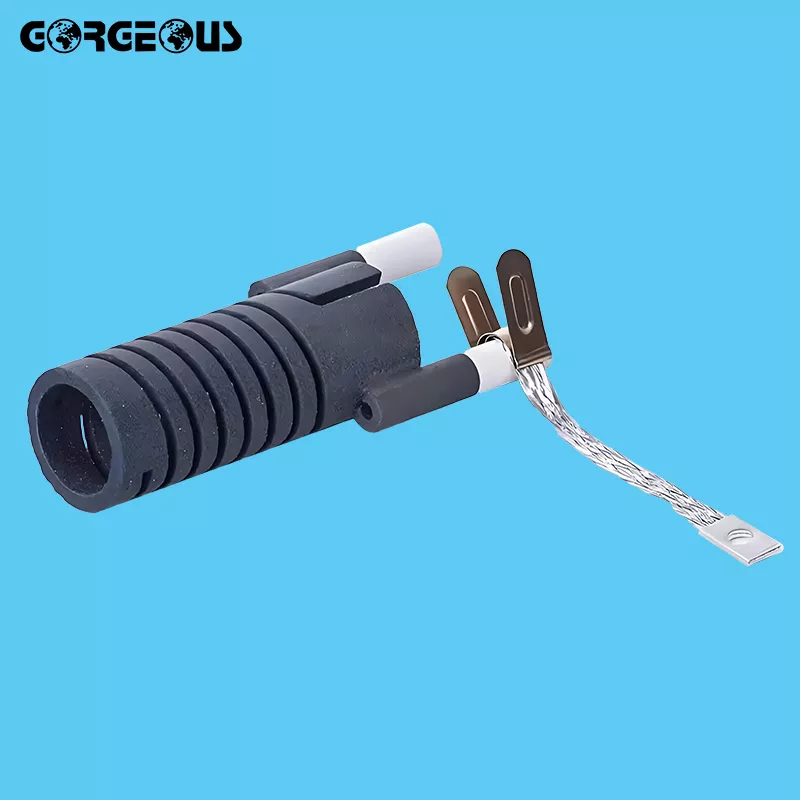
Browse technical ceramic components and industrial ceramic parts in familiar forms such as heat sinks, tubes, rods, rings, substrates, and engineered parts. Product illustrations indicate possible component categories; drawings, material designation, assembly dimensions, and acceptance criteria define the inquiry scope.
Discuss Your Ceramic Part
Technical Ceramic Resources
Use this technical ceramics guide to prepare a clearer sourcing inquiry. Identify the operating environment, critical dimensions, mating surfaces, requested documentation and acceptance criteria, then email the drawing or contact Porcecore by WhatsApp to begin the project discussion.
Discuss Your Ceramic PartCeramic Heat Sinks: Material Families to Discuss

Alumina Ceramics
A widely considered oxide ceramic for electrically insulating heat-sink parts, substrates, and shaped components. Discuss required thermal performance, geometry, mating surfaces, and inspection expectations against the specific project drawing.

Aluminum Nitride
A nitride ceramic material family often evaluated where thermal management and electrical insulation must be considered together. Confirm grade designation, component shape, metallization needs, service environment, and acceptance criteria before quotation.
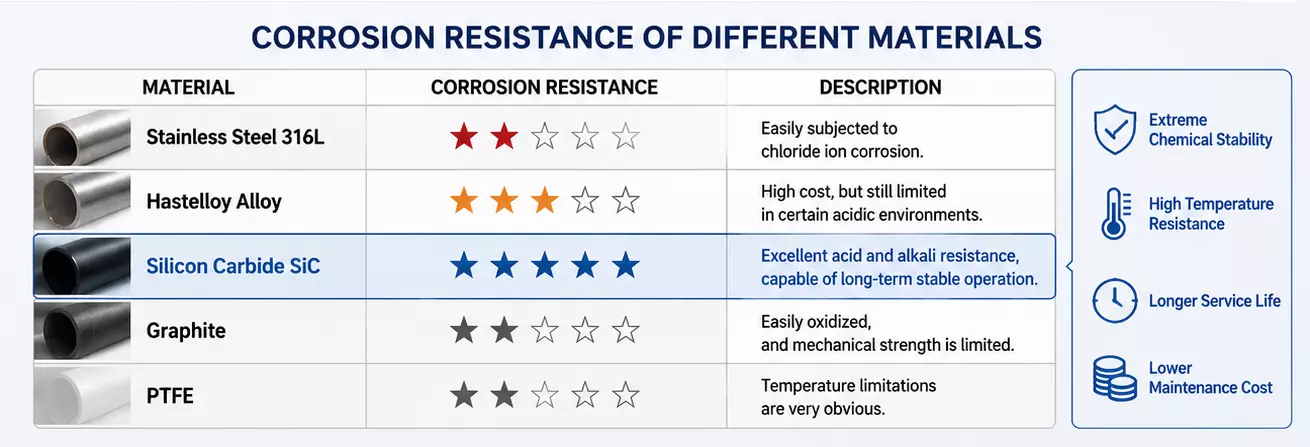
Silicon Carbide Ceramics
A carbide ceramic family for projects that may involve demanding thermal, mechanical, or chemical service conditions. Share the operating environment, critical dimensions, surface requirements, and documentation needs for a focused material discussion.

Silicon Nitride
A technical ceramic family worth reviewing when mechanical loading, thermal cycling, or complex operating conditions influence part selection. Drawing details, interfaces, tolerances, and required material grade should guide the inquiry.

Boron Nitride
A specialty ceramic family that can be considered for selected thermal-management or electrically insulating component requirements. Identify the heat path, assembly constraints, operating conditions, and any grade-specific property priorities for review.

Zirconia and Specialty Ceramic Families
Other oxide, nitride, and specialty ceramic options may suit a defined ceramic heat-sink requirement. Provide the current drawing revision, quantity, service conditions, and acceptance requirements to clarify viable material and process discussions.
Ceramic Heat Sinks: Production Requirements

Drawing Review
Review the current part revision to identify critical geometry, mounting features, interfaces, and dimensions that define how the ceramic heat sink must fit within the intended assembly.

Material Selection
Discuss the proposed ceramic family against operating conditions, electrical requirements, and thermal objectives, while confirming that final grade selection remains project-specific and subject to quotation review.

Surface Definition
Identify mating faces, contact areas, edge conditions, and any surface expectations that influence assembly. Clear surface callouts help distinguish functional requirements from general product illustration.

Tolerance Planning
Define the dimensions that control assembly and the tolerances needed for each critical feature. This creates a clearer basis for evaluating geometry, inspection expectations, and quotation scope.

Inspection Planning
Set out the acceptance criteria, documentation needs, and inspection points relevant to the order. Aligning these expectations early supports a more informed discussion before production commitment.
Ceramic Heat Sinks: Interface and Assembly Requirements

Mating Surfaces
Identify contact faces, flatness expectations, surface finish needs, and any areas that interface with housings, substrates, or thermal materials. These details help frame the functional surfaces for a ceramic heat sink inquiry.

Fit-Critical Dimensions
Call out dimensions that control location, clearance, alignment, or stack-up within the assembly. Sharing the current drawing revision helps distinguish general dimensions from features that require project-specific review.

Joining Considerations
Describe the intended mounting method, such as clamping, fastening, bonding, metallized connection, or another assembly approach. Include service conditions and adjacent materials so potential interface questions can be discussed early.
Part Identification
Specify any required labels, lot marking, packaging identification, or documentation references. Clear identification requirements can support receiving, traceability discussions, and internal approval workflows without treating illustrations as contractual specifications.

Protective Packaging
Note handling constraints, separator needs, pack quantities, or protection for edges and precision surfaces. Packaging expectations should be included with the component requirement when shipment condition matters to your receiving process.
About Porcecore Ceramic Heat Sinks
Founded by Andy Yuan, Porcecore is a B2B technical ceramics brand for industrial buyers, equipment builders, engineers, and distributors seeking custom ceramic components. We help teams begin with the part and the work it must perform, including ceramic heat sinks where thermal, electrical, assembly, and operating requirements must be considered together.
Our coverage spans oxide, nitride, carbide, and specialty ceramic materials in familiar component forms. We do not treat a material name or product illustration as a complete specification. Grade, geometry, mating surfaces, service conditions, inspection expectations, and documentation requirements all need project-specific discussion.
Porcecore is built around drawing-led communication and clarity before commitment. Send the current drawing revision, known material designation, quantity, service conditions, and acceptance criteria to give a quotation conversation a practical basis. We help identify open questions so procurement and engineering teams can make better-informed sourcing decisions.

Ceramic Heat Sinks: From Part Requirement to Quotable Solution
Review the Working Requirement
Start with the current drawing, intended application, quantity, and service conditions. Porcecore helps structure the initial conversation around the details that shape a ceramic heat sink inquiry, while identifying open questions before quotation expectations are set.
- Share the current drawing revision
- Describe the operating environment
- State quantity and target timing
- Flag required documentation

Align Material and Geometry
Material selection and component geometry should be considered together. For ceramic heat sinks, the relevant discussion may include the ceramic family, overall form, thickness, mounting arrangement, and interfaces with neighboring parts rather than relying on a material name alone.
- Identify the proposed material designation
- Define overall dimensions and form
- Note thermal and electrical considerations
- Describe adjoining components

Define Fit-Critical Surfaces
Assembly-dependent dimensions deserve clear attention early. Identify surfaces that mate with another part, dimensions that locate the component, and areas where flatness, finish, or edge condition may affect installation. This gives the quotation discussion a more practical technical basis.
- Mark mating and locating surfaces
- Identify assembly-driving dimensions
- Call out relevant surface needs
- Clarify edge and feature details

Clarify Acceptance Criteria
A quote becomes more useful when approval expectations are stated alongside the part. Discuss the required grade, tolerance expectations, inspection needs, documentation, delivery considerations, and commercial terms for the individual project before treating an inquiry as a production commitment.
- State essential tolerances
- Specify inspection expectations
- List approval documentation
- Confirm project-specific terms

Ceramic Heat Sinks Sourcing Built Around the Drawing
Porcecore helps teams define the part, open questions, and project-specific confirmations before moving toward a quotation.
← Swipe left or right to view →
Ceramic Heat Sinks: From Inquiry to Project Confirmation
A practical, drawing-led path for aligning the part, service conditions, acceptance criteria, and commercial details before an order is confirmed.
Share Part Information
Send the current drawing revision, known material designation, quantity, thermal environment, mating surfaces, and any dimensions critical to assembly.
Clarify Operating Requirements
Review electrical insulation, heat-transfer needs, temperature exposure, mechanical loading, interfaces, and documentation expectations relevant to the proposed ceramic heat sink.
Define Quotable Specification
Distinguish essential requirements from preferences, then align geometry, tolerances, grade considerations, inspection points, and acceptance criteria for quotation discussion.
Review Quote Basis
Discuss the project-specific basis for ceramic heat sinks, including the confirmed scope, requested quantity, documentation needs, and outstanding technical questions.
Confirm Order Terms
Before production commitment, confirm the agreed drawing, material grade, inspection requirements, delivery expectations, and commercial terms for the individual project.
How to Source Ceramic Heat Sinks with Porcecore
Move from a current part requirement to a clearer quotation discussion by aligning drawings, service conditions, and acceptance needs early.
Send Your Current Drawing
Share the latest drawing revision, replacement-part reference, or available dimensions so the ceramic heat sink discussion starts with the component geometry.
Define Material and Service Needs
Describe the intended material if known, operating environment, thermal and electrical considerations, mating surfaces, and conditions that influence the part selection.
Clarify Acceptance Requirements
Identify critical dimensions, tolerances, inspection expectations, documentation needs, and any features that determine assembly or approval for your project.
Confirm Project Details
Review the proposed grade, geometry, quantity, delivery needs, and commercial terms before moving from an inquiry toward a project-specific production agreement.
Ceramic Heat Sinks Documentation and Certification Requirements

Ceramic Heat Sinks: Verified Buyer Feedback and Project Cases
Approved customer testimonial pending. Publish only after the buyer confirms the project outcome, including the relevant drawing revision, component quantity, and measurable result for the ceramic heat sink requirement.
Approved case study pending. The final entry should document the application, specified material and geometry, inspection requirements, and a verified project outcome before it is presented as customer feedback.
Approved customer feedback pending. Include only a buyer-authorized account of the quotation process, part requirements, delivery scope, and confirmed outcome; do not treat general material information as a project-specific result.
Complete Buyer’s Guide to Ceramic Heat Sinks
Clarify the inputs that support a more focused quotation discussion for thermal-management components.
What should I include in a ceramic heat sinks quotation request?
How is the grade for ceramic heat sinks selected?
What tolerances and surfaces should a drawing for ceramic heat sinks show?
Can Porcecore review a sample or replacement component without a complete drawing?
Is there a fixed MOQ or lead time for custom ceramic parts?
What inspection evidence can be requested with a ceramic heat sink order?
How should ceramic heat sinks be packaged and shipped?
How are confidentiality, payment, and project documents handled?
Complete Buyer’s Guide to ceramic heat sinks
Use a practical decision framework to compare materials, cooling architectures, drawing requirements, supplier qualifications, and cost drivers while avoiding specification gaps that delay validation, quoting, and production.
1. What Are ceramic heat sinks?
Two functions define ceramic heat sinks: they conduct and spread heat from an electronic device while providing electrical isolation between live circuitry and the cooling structure. They may be configured as substrates, spreaders, or shaped cooling components rather than conventional metal fin sinks.
Aluminum oxide and aluminum nitride are established ceramic choices for combining thermal management with dielectric separation; application-specific conductivity and insulation values require grade confirmation (https://www.ceramtec-industrial.com/en/products-applications/heat-sinks). The thermal path must include the heat source, attachment interface, ceramic section, and downstream air or liquid cooling route.
One assembly constraint can justify evaluation: a metal sink would require added insulation, yet clearance, mounting load, flatness, or thermal resistance leaves little margin. Evaluate a ceramic solution when electrical isolation and heat removal must be designed together, then define mating surfaces, loads, environment, and acceptance criteria on the drawing.
2. Evolution of Ceramic Thermal Management
Ceramic substrates became important as electronic assemblies needed a thermally conductive base that also maintained electrical isolation. Their value in procurement is not a material label alone: heat path, dielectric requirement, attachment method, and mating geometry must be evaluated together.
Metallized circuit carriers extended that role by placing conductive paths on an insulating ceramic body, allowing electrical interconnection and thermal management to be considered as one assembly. Current ceramic heat sinks may likewise combine insulation and heat transfer in high-performance electronics, LEDs, and photovoltaic applications (https://www.ceramtec-industrial.com/en/products-applications/heat-sinks).
Integrated cooling solutions represent the next practical step where higher power density makes interface layers, coolant coupling, and assembly reliability purchasing concerns. Power electronics, RF equipment, and electrified systems therefore require buyers to define the operating environment, circuit or package interface, and acceptance criteria before comparing a substrate, carrier, or cooled ceramic component.
3. Types of ceramic heat sinks
Five architectures cover most ceramic heat-sink assemblies. The correct choice follows the heat path, voltage-isolation boundary, and mechanical package rather than material name alone.
| Architecture | Heat Path | Best Packaging Fit | Key Limitation |
|---|---|---|---|
| Flat spreader | Device to chassis | Compact insulated interface | Needs secondary cooler |
| Finned part | Device to air | Air-cooled enclosure | Airflow dependent |
| Circuit carrier | Die to mounting plane | Power module | Layout dependent |
| Channel-integrated | Device to coolant | High-flux module | Fluid-system complexity |
Flat Heat Spreaders
1 flat plate conducts heat from a mounted device through ceramic to a secondary chassis or cooler. It suits compact insulated interfaces, but adds little convection area.
Finned Passive Parts

3-dimensional fins move heat from the ceramic base into ambient air while retaining an electrical isolation path. They fit natural- or forced-air packages, but performance depends on airflow and available volume.
Metallized Circuit Carriers

1 metallized carrier routes current and heat from a die through ceramic into the mounting plane. It fits power-electronics packaging, but conductor layout and attachment method require project-specific review.
Direct-Bonded Assemblies

2 bonded layers couple ceramic, conductive metal, and the next thermal interface with fewer separate interfaces. They suit module construction, but bond design, flatness, and thermal cycling limits must be defined.
Channel-Integrated Designs
1 internal channel architecture transfers heat from the ceramic wall to circulating coolant while preserving substrate functions. It serves high-flux packages, but requires leak, pressure, manifold, and serviceability requirements.
4. Materials for ceramic heat sinks
Alumina, aluminum nitride, and silicon carbide solve different thermal, electrical, and mechanical constraints. Thermal conductivity is only one term in the stack: interface material, mounting pressure, heat source, coolant path, and duty cycle determine junction temperature.
| Material | Thermal Tendency | Dielectric Behavior | Cost Tendency | Typical Fit |
|---|---|---|---|---|
| Alumina | Moderate | Strong insulation | Lower | General insulated heat spreading |
| Aluminum nitride | High | Strong insulation | Higher | High-flux power electronics |
| Silicon carbide | High | Application-dependent | Mid to high | Harsh mechanical environments |
| Boron nitride | High directionally | Insulating | High | Specialized interface or fixture use |
Application-First Material Choice
Alumina is the practical baseline where electrical isolation, robust handling, and moderate heat flux matter. Aluminum nitride suits higher heat flux when dielectric isolation and a larger material budget are justified.
Stack Validation Before Selection
Silicon carbide offers mechanical and environmental robustness, but its electrical behavior can limit isolation roles. Validate metallization, attachment method, thermal interfaces, cycling, and the actual operating environment on the complete assembly.
Duty Cycle And Budget
For continuous high-power insulated assemblies, aluminum nitride may reduce thermal resistance. For cost-sensitive, moderate-duty designs, alumina is commonly the starting comparison; confirm the grade, geometry, and acceptance criteria by drawing.
5. Custom ceramic heat sink features
A current drawing revision is the starting point for custom ceramic heat sinks. Define the thermal path, electrical isolation, mating parts, inspection points, and any assembly operation before selecting optional features.
| Feature Group | Drawing Information | Functional Purpose |
|---|---|---|
| Dimensions | Nominal size and datums | Fits mating assembly |
| Openings | Holes, slots, countersinks | Mounting or routing |
| Surfaces | Flatness, finish, metallization | Thermal or electrical interface |
Geometry And Mounting
2D drawings should state length, width, thickness, hole diameters, slots, edge radii, and datum surfaces. Include fasteners, clips, housings, and clearance envelopes for every mounting interface.
- Through-holes and counterbores
- Slots and edge profiles
- Assembly locating features
Functional Surface Features
Metallized pads, conductive traces, and specified surface finishes must be located from functional datums. Identify bonding areas, soldered interfaces, contact pressure zones, and any marking needed for traceability.
Manufacturing Limits
Tolerance and flatness requirements should be assigned only where assembly or thermal contact requires them. Minimum feature sizes, edge condition, and post-processing need review against the selected ceramic grade and geometry.
6. Critical Quality and Construction Factors
Acceptance criteria should tie each ceramic heat sink to its drawing, material grade, service voltage, and thermal-cycle profile. General data sheets cannot substitute for lot-specific measurements on critical interfaces.
Material And Porosity Control
Each lot should identify material designation, firing route, density target, and allowable open porosity. Request a certificate of analysis and a sampling plan that states the test method, specimen location, and acceptance limit.
Geometry And Contact Faces
Critical dimensions should carry explicit tolerances, datum references, flatness, and surface-roughness limits. Specify the mounting face, thermal interface area, edge condition, and any warp limit after metallization or assembly.
Electrical And Thermal Reliability
100% electrical checks may be appropriate for safety-critical insulated parts; define test voltage, dwell time, leakage limit, and test environment. For metallized designs, request adhesion-test method, coverage inspection, thermal-cycle range, cycle count, and post-cycle continuity or dielectric criteria.
7. Choosing a ceramic heat sink manufacturer
Two comparable quotations start with one controlled drawing revision and the same annual volume, material grade, tolerance scheme, documentation, and delivery assumptions. Ask each supplier to identify open manufacturability risks before pricing.
Engineering And Process Fit
One engineering review should confirm critical interfaces, datum strategy, flatness, metallization needs, and the forming, machining, firing, and finishing route.
Relevant evidence includes a drawing markup, process flow, prototype plan, and stated tooling ownership.
Consistency And Control
Each production lot should be traceable to its material designation and inspection record. Require sample inspection results for critical dimensions, acceptance criteria, revision control, and documented notification before any process or material change.
Capacity And Communication
A credible supplier states prototype timing, tooling assumptions, batch capacity, and who answers technical questions. Compare quotes only after differences in scope, scrap allowance, test documentation, packaging, and change-control responsibilities are resolved.
8. Common ceramic heat sink buying mistakes
Seven recurring RFQ gaps cause avoidable redesign, qualification delay, or quote variance. Ceramic heat sinks should be purchased against a defined thermal, mechanical, and inspection requirement.
Material Name Alone
Alumina or aluminum nitride names do not define grade, geometry, or joining needs. Ask: Which grade-specific properties and part features are essential for this duty?
Missing Thermal Boundaries
Heat load, allowable temperature rise, airflow or coolant conditions, and heat-source footprint change the design basis. Ask: What power profile and boundary conditions must the part meet?
Interface And Mounting Assumptions
Mounting pressure, flatness, fastener layout, and thermal interface material affect contact resistance and fracture risk. Ask: What assembly load and interface stack will be used?
Specification And Quote Gaps
Unnecessary tight tolerances, undefined metallization, limited reliability testing, and mismatched volume assumptions distort cost and approval. Ask: Which surfaces, metallization, tests, annual quantity, and tooling assumptions are required?
9. From Drawing to Production Approval
A controlled launch begins with the operating temperature, heat load, voltage exposure, mounting method, and mating interfaces. For distributors and equipment builders, end-user requirements must be captured before any custom quotation is compared.
Build The RFQ Package
Revision-controlled drawings should identify datum surfaces, critical dimensions, tolerances, material designation, quantity, and required records.
End users should also state duty cycle, ambient conditions, assembly method, electrical isolation needs, and target thermal performance.
Review And Sample
Manufacturability review should resolve feasible geometry, inspection access, tooling assumptions, and open acceptance questions before production.
First-article samples should be checked against the approved drawing, then tested in the intended thermal and electrical operating conditions.
Release Production
Production release follows written agreement on inspection methods, sampling level, documentation, packaging, delivery, and change control.
Porcecore can begin a project discussion from the current drawing revision, service conditions, quantity, and acceptance criteria; final terms require project confirmation.
10. Ceramic Heat Sink Pricing and Lead Times
3 quantity bands are useful for framing a ceramic heat sink quotation, but they are not price brackets. Prototype, low-volume, and production demand different setup, yield, and logistics assumptions.
6 inputs usually change the final figure: material, geometry, tolerances, metallization, inspection, and order volume. A current drawing revision should identify critical interfaces, required records, and delivery target before Porcecore confirms commercial terms.
1 quotation discussion should separate recurring part cost from one-time development or tooling exposure. Lead time then depends on material route, machining complexity, surface treatment, inspection scope, capacity, and shipment requirements.
| Quantity tier | Unit-cost direction | Tooling impact | Lead-time drivers |
|---|---|---|---|
| Prototype | Highest | Setup may dominate | Material availability, machining, inspection |
| Low-volume | Usually lower | Tooling spread across parts | Process routing, surface treatment |
| Production | Potentially lowest | Tooling amortized further | Capacity, qualification, shipping schedule |
Discuss Ceramic Heat Sinks for Your Next Build
Email your drawing, operating conditions, material preference, quantity, and acceptance criteria to begin a focused quotation discussion.