
Thin-Wall Ceramic Tubes, Specified From Your Drawing
Discuss thin-wall ceramic tubes with material, geometry, service conditions, mating surfaces, and acceptance requirements aligned before quotation.
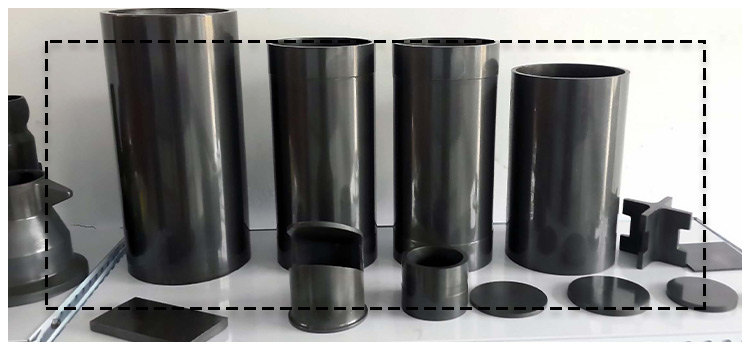
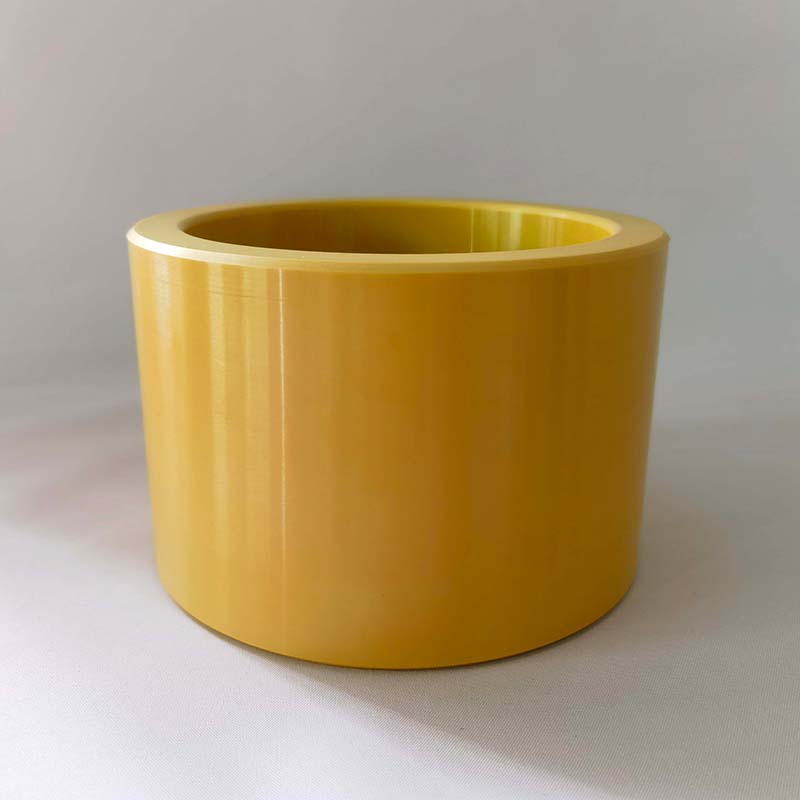
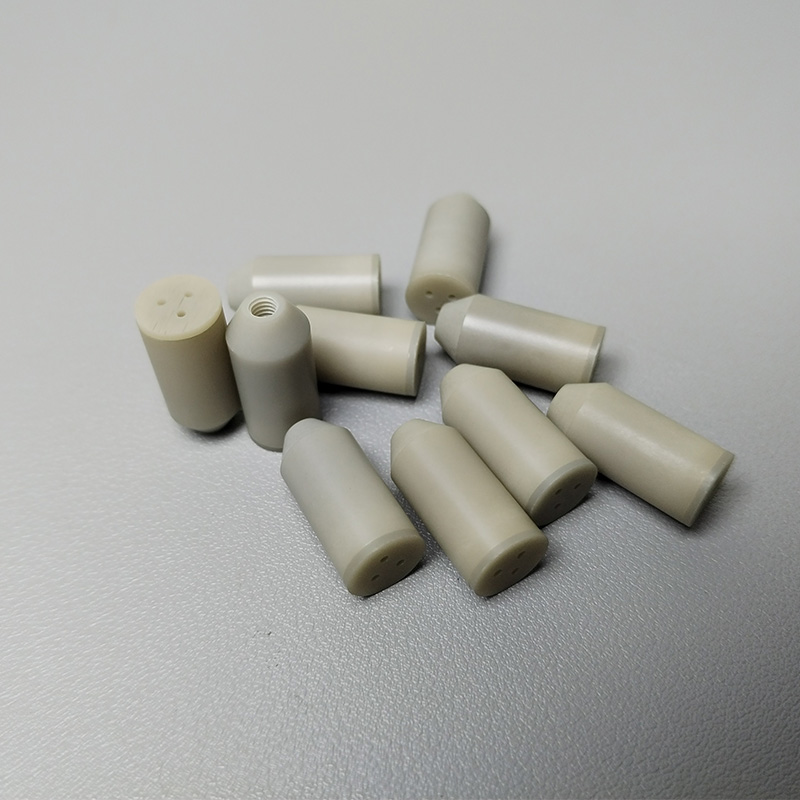
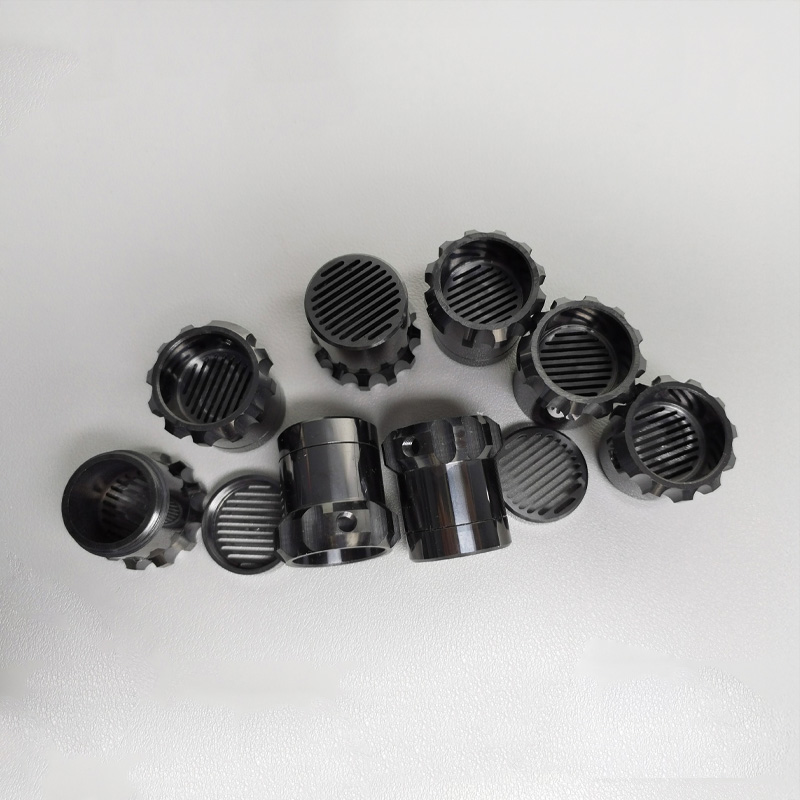
Featured Products for Thin-Wall Ceramic Tube Development






Related Product Catalogue and Quotation





Why Thin-Wall Ceramic Tubes Need a Drawing-Led Review
Define the part, operating context, and acceptance expectations before requesting a project-specific quotation.
Drawing Revision Control
Share the current revision so dimensions, notes, and change history can be reviewed against the quotation discussion, reducing uncertainty about which requirements apply.
Material Grade Context
Identify the material designation if known, then connect grade selection to electrical, thermal, wear, chemical, or mechanical conditions rather than relying on a family name alone.
Assembly-Critical Geometry
Clarify bore, wall, length, concentric features, transitions, and interfaces that govern fit. Thin-wall ceramic tubes should be discussed as assembled parts, not isolated dimensions.
Functional Surface Priorities
Mark the surfaces that mate, seal, guide, or contact media. This helps distinguish critical finishing expectations from features that do not drive the application.
Process Route Questions
Discuss forming and finishing considerations alongside geometry and material. Open questions can be identified early before a project-specific route or quotation is considered.
Inspection Evidence Requirements
State the acceptance criteria, measurements, records, and documentation needed for approval. A clear inspection conversation creates a more concrete basis for the proposed part.
Thin-Wall Ceramic Tubes and Related Forms
Explore material, component and application categories that help teams define tube requirements alongside matching rods, rings, substrates, sleeves and protective parts.

Ceramic Manufacturing Capabilities
Ceramic manufacturing capabilities are considered against the part requirement: thin-wall tube geometry, length, bore, end condition, mating surfaces, tolerance needs and inspection expectations. Drawings and acceptance criteria provide the basis for discussing feasible process and finishing options.
Discuss Your Ceramic Part
Ceramic Solutions by Industry
Advanced ceramics applications span equipment environments where tubes, sleeves, rings or protective forms must be selected around service conditions. Share the operating temperature, media, electrical or wear exposure, assembly interfaces and required documentation so the component discussion is tied to its job.
Discuss Your Ceramic Part
Advanced Ceramic Materials
Advanced ceramic materials include oxide, nitride, carbide and specialty ceramic families such as alumina, zirconia, silicon carbide, silicon nitride, aluminum nitride and boron nitride. Material selection should be confirmed with the project-specific grade, geometry, operating conditions and acceptance requirements.
Discuss Your Ceramic Part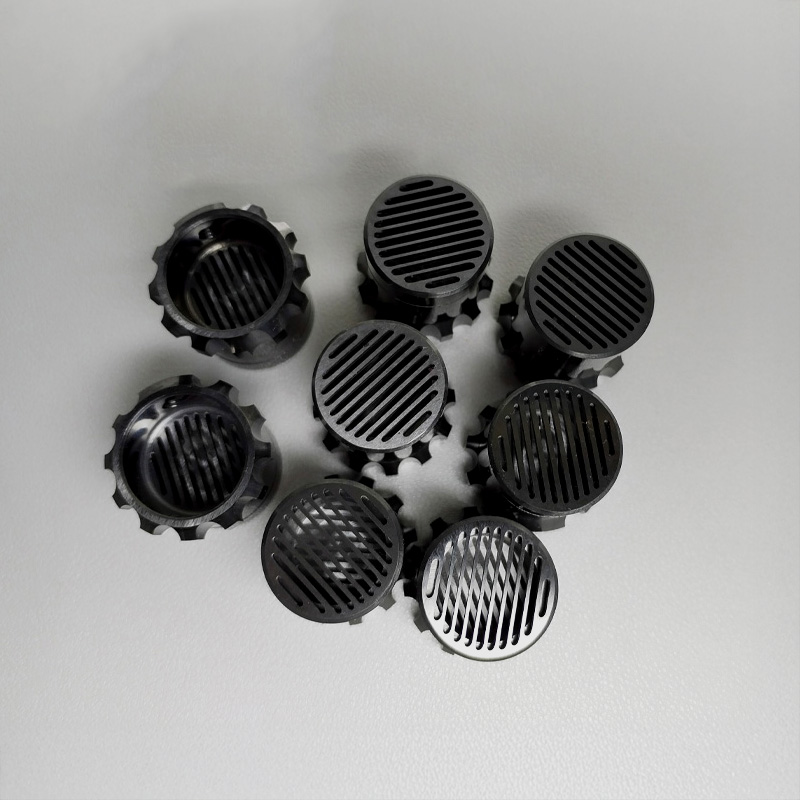
Technical Ceramic Products
Technical ceramic components include tubes and related forms such as rods, rings, substrates, sleeves, and protective pieces. A material name or product illustration does not define the finished part; send the current drawing revision, quantity, critical dimensions, and fit surfaces for quotation review.
Discuss Your Ceramic Part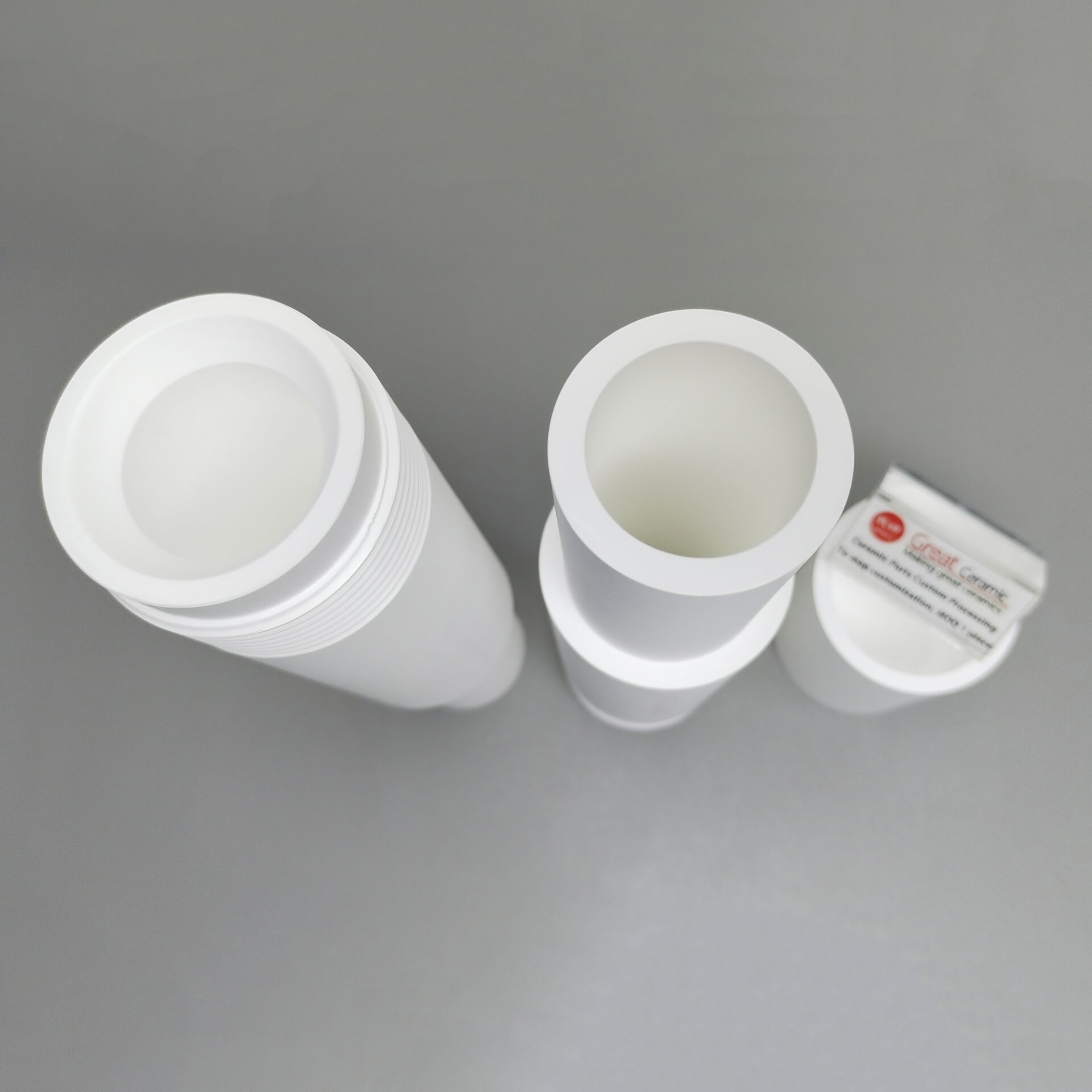
Technical Ceramic Resources
This technical ceramics guide supports clearer inquiry preparation for buyers, distributors, and engineering teams sourcing industrial ceramic parts or custom ceramic components. Identify the component form, material designation if known, assembly-critical dimensions, service environment, required tolerances, and inspection or documentation needs before requesting a project-specific quotation.
Discuss Your Ceramic PartThin-Wall Ceramic Tubes: Material Families

Alumina Ceramics
A widely considered family for electrically insulating thin-wall ceramic tubes and general industrial assemblies. Discuss the required grade, wall geometry, surface condition, and the operating environment before selecting a part specification.

Zirconia Ceramics
Consider zirconia where thin-wall ceramic tube geometry must be reviewed alongside assembly loads, interfaces, and service conditions. Material designation, dimensional priorities, and inspection expectations should be defined in the quotation inquiry.
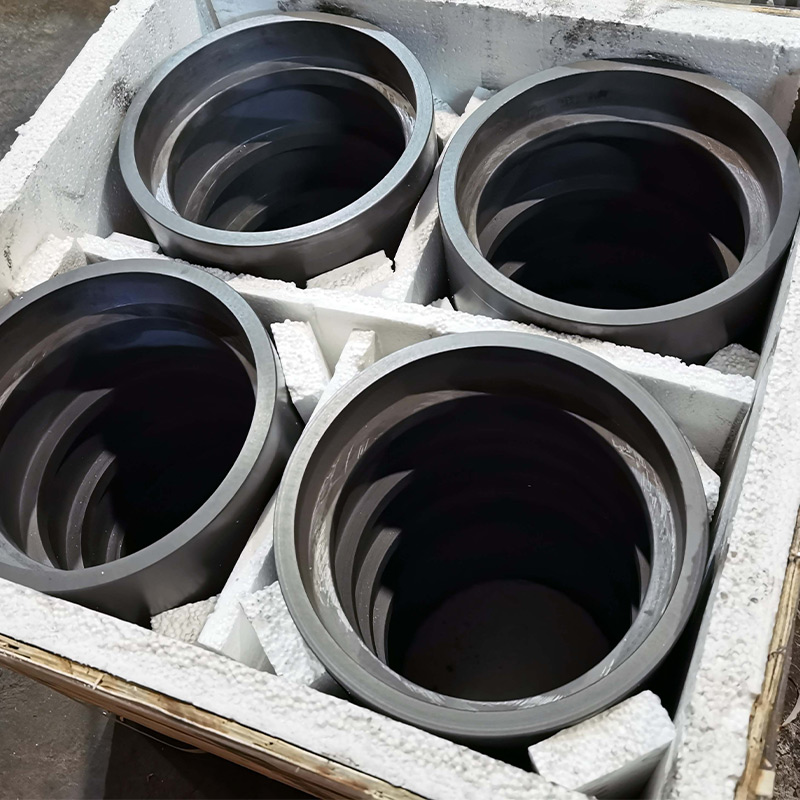
Silicon Carbide Ceramics
Silicon carbide is a material family to evaluate for demanding thermal, wear, or process environments. Share the tube drawing, exposure details, end features, and acceptance criteria so the proposed part can be assessed appropriately.

Silicon Nitride
Silicon nitride may be discussed for components where mechanical duty and operating conditions guide material evaluation. Identify critical dimensions, mating surfaces, quantity, and documentation needs to establish a clear sourcing conversation.

Aluminum Nitride
Aluminum nitride is relevant to requirement-led reviews involving thermal management and electrical considerations. For thin-wall ceramic tubes, provide the current drawing revision, application context, and the dimensions that control assembly.

Boron Nitride Specialty
Boron nitride and other specialty ceramics expand the material conversation when a standard family may not fit the application. Describe the environment, interfaces, material preference, and approval requirements for project-specific evaluation.
Production Routes for Thin-Wall Ceramic Tubes

Forming Route Review
Review candidate forming approaches against tube diameter, wall section, length, straightness needs, and feature complexity. The appropriate route depends on the individual drawing, ceramic grade, quantity, and acceptance requirements.

Controlled Sintering Discussion
Consider sintering as part of the dimensional planning conversation. Material behavior, section geometry, and critical dimensions should be evaluated together so post-process requirements and inspection priorities can be clearly identified.

Precision Grinding Planning
Identify bores, outside diameters, end faces, and other interfaces that may require precision finishing. Mark assembly-critical surfaces on the drawing to focus the quotation discussion on the dimensions that matter.

End Feature Evaluation
Discuss open ends, closed ends, grooves, steps, chamfers, or interface details in relation to the mating component. Clear feature callouts help distinguish essential functional geometry from preferences that need further review.

Surface Finish Review
Define the relevant surface condition by location and function, especially where the tube seals, slides, supports, insulates, or contacts another part. Visual expectations and measurable acceptance criteria should be stated separately.

Inspection Requirement Alignment
Align inspection expectations with the current drawing revision, critical dimensions, material designation, documentation needs, and acceptance criteria. This gives a thin-wall ceramic tube quotation a clearer technical basis before order terms are confirmed.
Thin-Wall Ceramic Tubes: End Features and Interfaces

Ground End Faces
Specify whether tube ends require grinding, squareness control, chamfers, or a defined surface condition. These details affect seating against housings, seals, fixtures, and adjacent components during assembly.

Mating Surface Zones
Mark the outside or inside surfaces that locate, seal, slide, bond, or fit another part. Include the relevant dimensions, tolerance expectations, and any surface-finish requirements on the current drawing.

Assembly-Critical Dimensions
Highlight the bore, outside diameter, wall thickness, length, concentricity, or straightness dimensions that control the assembly. Distinguish functional dimensions from reference dimensions so the quotation discussion starts with clear priorities.

Retention Features
Describe grooves, shoulders, steps, slots, threads, or other interface features needed for retention or positioning. Provide their location relative to functional datums and explain how the tube connects within the equipment.

Marking And Handling
State any identification marking, orientation reference, protective packaging, cleanliness, or handling needs. These requirements can support incoming inspection, traceability discussions, and safer treatment of thin-wall ceramic components.
Thin-Wall Ceramic Tubes, Clearly Scoped
Founded by Andy Yuan, Porcecore was created to make technical ceramic procurement more understandable for industrial buyers, equipment builders, and project teams. We help turn an application need into a focused conversation about the component, its operating conditions, and the decisions needed before a quotation can be meaningfully reviewed.
Our scope includes oxide, nitride, carbide, and specialty ceramic component discussions, from thin-wall ceramic tubes to rods, rings, and substrates. Material names alone do not define a suitable part, so we consider geometry, mating surfaces, service environment, and inspection expectations together with the application.
Porcecore works application-first, drawing-led, and with clarity before commitment. Send the current drawing revision, known material designation, quantity, service conditions, and acceptance criteria. This gives procurement and engineering teams a practical basis to identify open questions, align requirements, and discuss a project-specific quotation.

How Porcecore Clarifies Thin-Wall Ceramic Tube Requirements
Start With the Part’s Job
Thin-wall ceramic tubes should be discussed in the context of the assembly and operating environment. Porcecore helps frame the questions around function, loading, temperature exposure, electrical needs, media contact, and the interfaces that determine whether a component is suitable for review.
- Describe the operating environment and component function
- Identify loads, temperature, media, and electrical considerations
- Share the mating parts and assembly context
- Separate essential performance needs from preferences

Define Geometry That Matters
A material name alone does not define a producible ceramic tube. Bring the current drawing revision or replacement-part details so the quotation discussion can address wall thickness, diameters, length, end conditions, critical surfaces, and dimensions that influence fit and handling.
- Provide the current drawing revision when available
- Mark critical inside, outside, and end features
- Identify dimensions that control assembly fit
- Note any replacement-part constraints

Align Inspection and Documentation
Clear acceptance expectations give thin-wall ceramic tube sourcing a more practical basis. Porcecore encourages buyers to identify the dimensions, tolerances, material designation, inspection points, and documentation needed for their project before commercial terms and delivery are confirmed.
- State required tolerances and acceptance criteria
- Identify inspection points or reporting needs
- Specify the material designation if it is known
- Confirm documentation expectations for approval

Why Choose Porcecore for Thin-Wall Ceramic Tubes
Compare a drawing-led part conversation with a typical product-only sourcing approach.
← Swipe left or right to view →
Thin-Wall Ceramic Tubes: Requirement Review to Shipment
A practical, drawing-led path for defining the part, aligning quotation details, and confirming delivery expectations for your project.
Share the Part Details
Send the current drawing revision, known material designation, quantity, operating conditions, and the dimensions or surfaces that determine assembly.
Review Application Requirements
Discuss how the tube will function in its equipment, including mating interfaces, service environment, geometry priorities, and any open technical questions.
Confirm Specification Priorities
Clarify the project-specific grade, dimensional tolerances, finish expectations, and acceptance criteria before treating any product illustration as a production specification.
Develop the Quote Discussion
Use the confirmed requirement as the basis for a quotation conversation, including requested quantity, documentation needs, commercial considerations, and delivery assumptions.
Align Inspection Expectations
Identify the dimensions, surfaces, records, and approval requirements that matter for incoming inspection, so expectations are clear before an order is agreed.
Confirm Packing and Delivery
Finalize packing needs, delivery timing, shipping terms, and contact details for the individual project after technical and commercial requirements receive confirmation.
How to Source Thin-Wall Ceramic Tubes
Give the quotation discussion a clear technical basis before production terms are considered.
Send the Current Drawing
Share the latest drawing revision and identify the dimensions, wall sections, interfaces, and surfaces that determine fit, assembly, or functional performance.
Define Material and Quantity
Specify the material designation if known, required quantity, and whether the request concerns a new component, replacement part, prototype, or production requirement.
Describe Service Conditions
Explain the operating environment, including temperature, media, electrical needs, mechanical loading, thermal cycling, and any conditions relevant to the thin-wall ceramic tube.
Confirm Acceptance Requirements
List dimensional tolerances, inspection expectations, documentation needs, and other acceptance criteria so the quotation conversation distinguishes essential requirements from preferences.
Certification and Documentation Requirements
Thin-Wall Ceramic Tube Inquiry Guidance
For thin-wall ceramic tube inquiries, share the current drawing revision, key assembly dimensions, service conditions, quantity, and acceptance requirements so the quotation discussion can focus on the details that matter.
Customer feedback is not currently published. For a replacement or new-build ceramic tube, identify the mating surfaces, critical tolerances, material designation if known, and documentation needed for internal approval.
Application examples are assessed project by project rather than presented as universal performance claims. Include the operating environment, inspection expectations, and any open questions to establish a clearer basis for material and geometry discussion.
Thin-Wall Ceramic Tubes FAQ
Practical inputs for a clearer technical ceramic quotation discussion.
What should we send when requesting thin-wall ceramic tubes?
How do you select a material for thin-wall ceramic tubes?
Which tolerances matter most for thin-wall ceramic tubes?
Can Porcecore discuss a tube from a sample or replacement part?
How should functional surfaces be identified on the drawing?
What quantity information is needed for a quotation?
What inspection evidence can be requested for thin-wall ceramic tubes?
How are drawings, shipping, and sensitive project files handled?
The Complete Buyer’s Guide to thin-wall ceramic tubes
Use this decision framework to specify thin-wall ceramic tubes, compare materials and manufacturing routes, qualify suppliers, control cost and tolerances, and avoid sourcing mistakes that create fit, reliability, or lead-time problems.
1. What Are thin-wall ceramic tubes?
Thin-wall ceramic tubes have no universal thickness cutoff; wall thickness must be judged against outside diameter, unsupported length, end support, pressure, and handling loads. A wall that is thin for a 10 mm tube may be routine for a much larger, shorter component.
Lower mass can improve thermal response, and a smaller wall can preserve installation space or flow area. These gains raise sensitivity to ovality, straightness, edge damage, local clamping, and bending or impact loads. Typical roles include electrical insulating sleeves, protective sheaths, wear or corrosion liners, and passages supporting fluid, sensor, or instrumentation assemblies.
2. Evolution of Thin-Wall Ceramic Tube Manufacturing
Fired-ceramic processes require coordinated control of the green body, drying support, firing profile, and measurement plan; sintering behavior alone cannot assure final tube dimensions.
Higher-purity technical ceramic grades expanded tube selection beyond traditional pottery-derived bodies. Controlled extrusion, pressing, and sintering can support thin walls, capillaries, and multi-channel passages, but each geometry changes distortion, inspection, and yield risk.
OEM qualification depends on the manufacturing route as much as the material name. A drawing should identify critical bore and wall dimensions, straightness, end condition, mating surfaces, test method, and required records so the supplier can determine whether precision finishing and repeatable inspection are necessary.
3. Types of thin-wall ceramic tubes
Six common configurations cover most electrical, sensing, heating, fluid, and protection duties. Select geometry from the mating assembly first; thin-wall ceramic tubes need dimensions and handling limits defined together.
Open Tubes And Sheaths
Two open ends suit electrical insulation, fluid transfer, and sleeves around conductors; specify OD, ID, length, straightness, and end chamfers. Long unsupported spans risk bending or chipping during assembly.
One closed end suits thermocouple or probe protection; show closed-end radius, immersion length, pressure direction, and mounting interface. Point loading at the transition can crack a sheath.
Capillary And Multi-Bore Tubes
One small bore suits controlled fluid paths or insulated single conductors; identify bore diameter, concentricity, cleanliness, and connection method. Blockage and insertion damage rise as the bore narrows.
Two or more bores separate thermocouple or heater leads; provide bore count, center spacing, wire size, and end treatment. Thin webs can fracture during machining or wire insertion.
Grooved And Custom Profiles
One external groove can locate heating wire; define groove width, depth, pitch, and wire contact area. Sharp groove roots concentrate stress and complicate firing shrinkage control.
Two-dimensional custom profiles fit keyed insulation or mechanical protection; supply section views, datum scheme, mating-part dimensions, and inspection criteria. Nonuniform walls increase distortion and breakage risk.
4. Materials for thin-wall ceramic tubes
Four material families address different failure risks; thin-wall ceramic tubes should be selected from temperature, electrical duty, media, and assembly load. General properties require grade-specific validation.
| Material | Relative Profile | Suitable Applications | Buyer Question |
|---|---|---|---|
| Alumina | Insulating; wear resistant | Electrical sheaths | Is insulation primary? |
| Zirconia | Hard; tougher | Wear interfaces | What loads occur? |
| Silicon Carbide | Thermally conductive | Hot corrosive duty | Is conductivity acceptable? |
| Silicon Nitride | Shock resistant | Cycled loaded parts | What cycling occurs? |
Electrical And Thermal Duty
Alumina is an established electrical-insulation choice; temperature capability must be confirmed for the selected grade and application.
Silicon carbide favors heat transfer and harsh thermal duty, while zirconia and silicon nitride require application-specific temperature confirmation.
Wear And Shock Tradeoffs
Zirconia offers high hardness with comparatively tougher behavior, but thermal insulation and temperature limits depend on grade.
Silicon nitride is often considered where thermal shock and mechanical loading matter; confirm bore stresses, support points, and mating forces.
Decision Matrix
Key buyer questions should accompany every request: voltage, peak and cycling temperature, process media, and assembly load.
Porcecore should validate the selected grade, geometry, tolerances, and acceptance criteria against the operating environment.
5. Custom Thin-Wall Ceramic Tube Options
One current drawing revision should define the tube as an assembly interface, not merely a material request. Porcecore can discuss outer and inner diameter, wall, length, and application-specific features before a quotation is committed.
Define The Geometry
Two diameters, nominal wall, overall length, and bore count establish the basic envelope. Specify open, closed, radiused, chamfered, or ground end conditions.
One feature callout should locate grooves, slots, shoulders, or flanges from a stated datum. Identify any surface that mates, seals, guides, or carries load.
Control Critical Dimensions
One datum scheme prevents ambiguity when dimensions are inspected after sintering or machining. Mark the dimensions that control assembly separately from noncritical dimensions.
Two geometric controls often matter: concentricity between bore and outside diameter, and straightness over the usable length. State the measurement method, sampling basis, and acceptance limit.
Specify Finish And Traceability
One post-sinter machining note can define ground bores, end faces, reliefs, or localized finishing. Name the required finish only on functional surfaces.
One packaging or marking instruction is sufficient when lot, drawing revision, or part identification must remain traceable. Avoid decorative requirements unless they serve handling or inspection.
6. Quality Elements in Thin-Wall Ceramic Tubes
Usable quality begins after sintering, when a thin tube must still assemble without hidden damage. Acceptance criteria should connect measurable features to the actual fit, load, fluid, electrical, or thermal duty.
Material And Density
Each production lot should retain its material designation and lot identity. Request density or porosity requirements only when they are relevant to strength, leakage, insulation, or process stability.
Geometry And Edges
Wall uniformity, concentricity, and straightness govern clearance and alignment with mating parts. Specify measured datum references, allowable edge chips, chamfers, and any critical bore or outside-diameter zones on the drawing.
Inspection And Handling
Visual inspection should define acceptable surface marks, chips, pits, and suspected microcracks under agreed viewing conditions. Request dimensional reports, a sampling plan, contamination-control expectations, and traceability records appropriate to the purchase risk.
7. How to Choose a Ceramic Tube Manufacturer
Porcecore recommends qualifying the supplier against the released drawing, service environment, and annual quantity range. For thin-wall ceramic tubes, capability claims matter less than evidence tied to the proposed geometry and risk.
Verify Material And Process Fit
A material designation should be linked to the forming route, sintering plan, and any post-sinter machining. Request grade data, a feasibility review, and an explanation of how wall thickness, length, and concentricity affect yield.
Review Proof Before Ordering
One prototype lot can reveal handling damage, distortion, and inspection limitations before production. Request sample inspection records, measurement methods for critical dimensions, traceability documents, and clear acceptance criteria rather than relying on catalog claims.
Assess Production Control
Porcecore asks buyers to confirm quantity range, delivery needs, revision control, and communication owners early. Request capacity assumptions, change-notification procedures, nonconformance handling, and a documented drawing-review response for the actual application.
8. Common Thin-Wall Ceramic Tube Buying Mistakes
Two release-stage omissions cause disproportionate risk: missing service context and unclear acceptance scope. For thin-wall ceramic tubes, the purchase order must convert the drawing into inspectable, assembly-ready requirements.
Wall And Material Assumptions
First, never specify wall thickness alone; state pressure, bending load, handling method, temperature, and thermal cycling. Ask: what failure mode and safety factor govern this wall?
Second, do not select the lowest-cost material before ranking insulation, wear, corrosion, and shock needs. Use a material-selection note tied to the operating environment.
Drawing And Feature Gaps
Third, dimensions without datums, tolerances, and mating surfaces invite incompatible parts. Release a controlled drawing that identifies functional dimensions and measurement references.
Fourth, sintering shrinkage and sharp internal corners require process review. Ask the supplier to confirm achievable geometry, edge radii, and inspection method before order release.
Assembly And Quote Scope
Fifth, interference fits, clamps, and rigid mounts can introduce ceramic tensile stress. Provide the assembly stack-up, contact materials, and installation procedure.
Sixth, prototype approval and quote comparison need the same quality scope. Request a first-article plan and compare material grade, quantity, tolerances, inspection records, documentation, and delivery terms.
9. From Drawing to Production Launch
A controlled launch begins before a purchase order: operating loads, temperature, media, voltage, and assembly interfaces must be recorded. For thin-wall ceramic tubes, unresolved requirements should remain open items, not assumptions.
Define The Requirement
Step 1: The design engineer supplies the current drawing, service envelope, and critical-to-quality features. The buyer identifies forecast quantity, required documents, and approval timing; the supplier flags material or geometry questions.
Review And Sample
Step 2: The supplier reviews manufacturability, datum scheme, tolerances, and inspection access before making samples. The engineer verifies fit, functional performance, and mating surfaces; the buyer records deviations and disposition.
Pilot Into Production
Step 3: All parties approve the inspection criteria, sample results, drawing revision, and acceptance records. The buyer then places a pilot order, while the supplier establishes agreed production controls and communicates any change requiring review.
10. Thin-Wall Ceramic Tube Pricing and Cost
Compare quote scope before comparing unit cost. Prototype quantities commonly carry setup, fixturing, and first-article inspection across few parts; low-volume and production quantities distribute those costs differently.
An engineering-ready drawing revision, material designation, annual quantity, mating dimensions, and acceptance criteria give suppliers a shared basis. Request a project-specific quotation from Porcecore that separates material grade, forming, machining, inspection, packaging, and any expedited lead-time effect.
| Quantity stage | Indicative quote structure | Cost factors to confirm |
|---|---|---|
| Prototype | Setup and first-article effort are concentrated per part | Complex geometry, tight machining, inspection scope |
| Low volume | Recurring part cost plus applicable setup or tooling | Material grade, yield risk, protective packaging |
| Production quantity | Setup is distributed across the approved quantity | Tooling, batch inspection, delivery schedule |
Discuss Your Thin-Wall Ceramic Tubes Requirement
Email your drawing, operating conditions, quantity, and acceptance criteria to begin a clear, project-specific quotation conversation with Porcecore.