
Ceramic Honeycomb Components, Clearly Specified
Share your drawing, operating conditions, and acceptance requirements to begin a focused sourcing discussion for ceramic honeycomb components.
Featured Ceramic Honeycomb Components


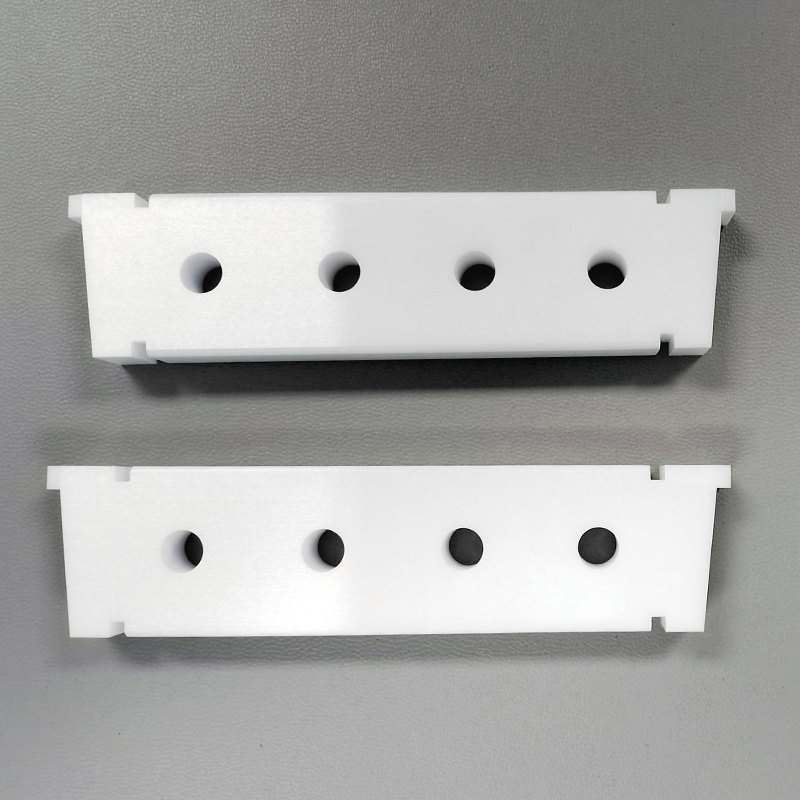




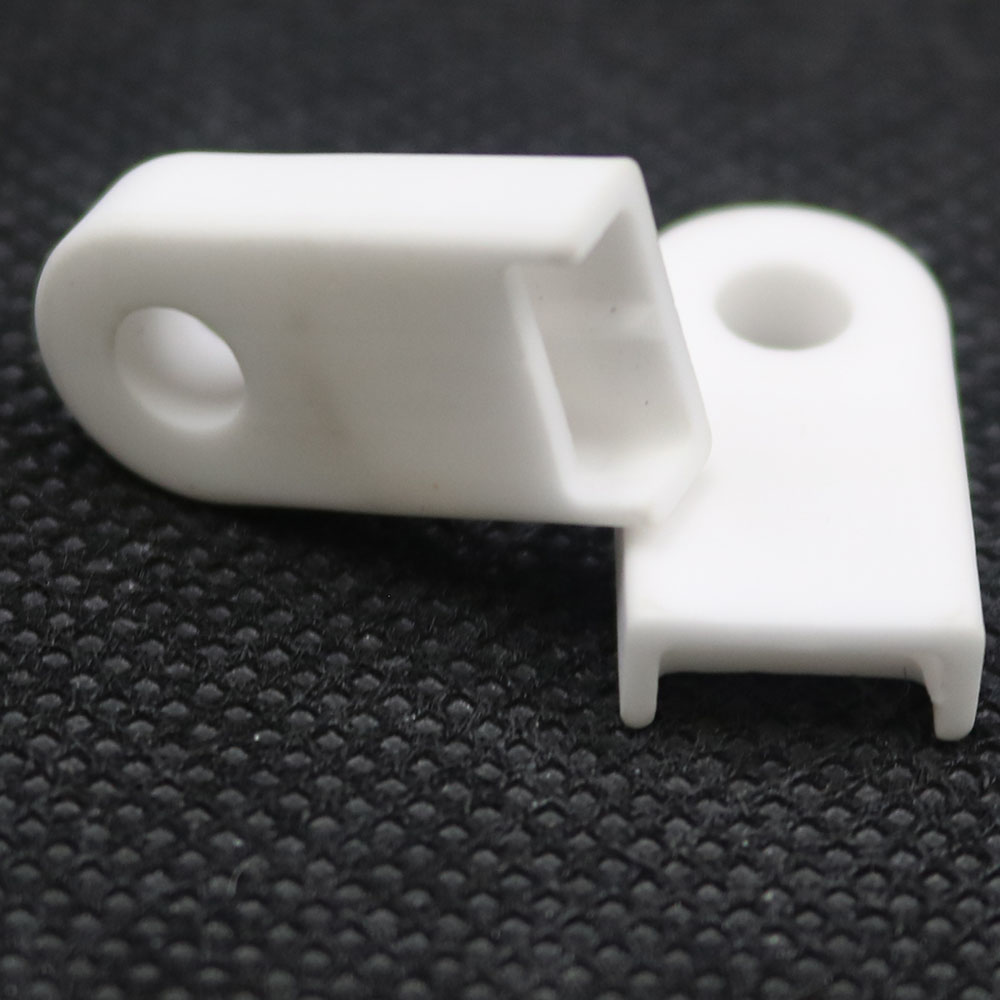

Related Product Catalogue and Quotation





Ceramic Honeycomb Components, Defined Before Quotation
A drawing-led discussion helps align material, geometry, functional needs, and acceptance expectations before a project-specific sourcing decision.
Current Drawing Revision
Share the current drawing revision so the quotation discussion begins with the intended dimensions, channel layout, tolerances, and interfaces rather than an outdated reference.
Material Grade Context
Discuss the material designation alongside temperature, media, thermal cycling, and mechanical demands, helping distinguish a general ceramic family from the grade required for the application.
Cell Geometry Review
Review outer profile, cell pattern, wall features, length, and assembly-critical dimensions together, so ceramic honeycomb components can be evaluated against the flow path and surrounding equipment.
Functional Surface Priorities
Identify surfaces that mate, seal, locate, or carry a coating, along with any finish or edge conditions that may affect installation and functional performance.
Process Route Discussion
Consider forming, machining, finishing, or other relevant process choices in relation to the requested geometry, material behavior, and features that need practical review.
Acceptance Evidence Defined
State required dimensional checks, material documentation, appearance criteria, packaging needs, and other inspection evidence early, giving the project a clearer basis for acceptance review.
Technical Ceramics by Requirement
Explore component, material and application paths, then define your project with drawings, service conditions and acceptance requirements.

Ceramic Manufacturing Capabilities
Review ceramic manufacturing capabilities in relation to the part: form, geometry, critical surfaces, tolerances and inspection needs. Share the current drawing revision and quantity so a quotation discussion can focus on requirements that affect production and approval.
Discuss Your Ceramic Part
Ceramic Solutions by Industry
Explore advanced ceramics applications by the operating problem involved, including wear, heat, electrical insulation, thermal management or chemical exposure. Application context helps identify the questions needed to assess material family, component design and project-specific acceptance criteria.
Discuss Your Ceramic Part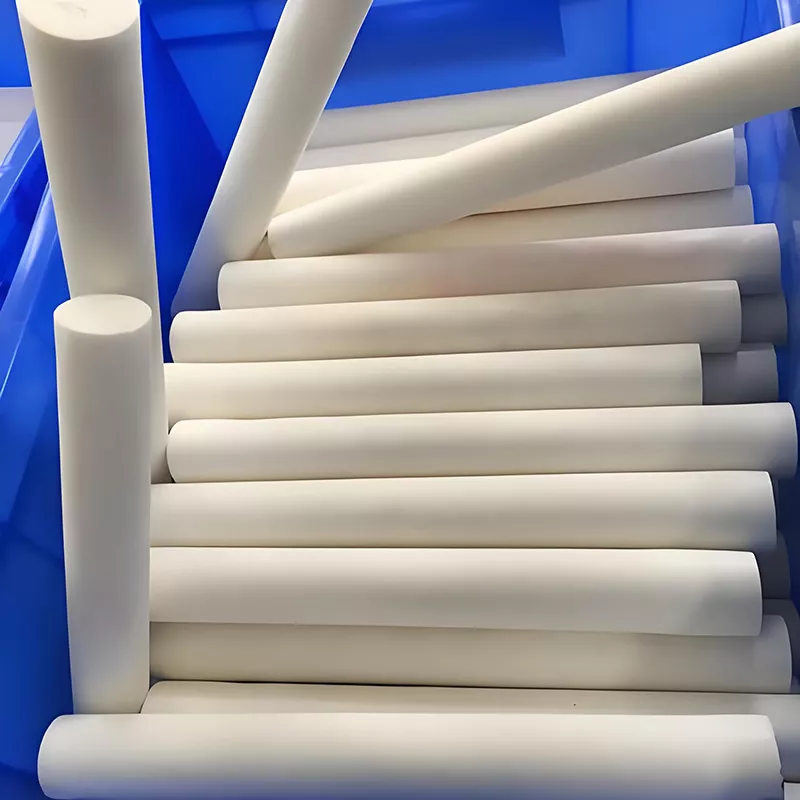
Advanced Ceramic Materials
Compare advanced ceramic materials including alumina ceramics, zirconia ceramics, silicon carbide ceramics, silicon nitride, aluminum nitride, and boron nitride. General properties provide a starting point; the proposed grade, dimensions, and performance values require confirmation for the individual component requirement.
Discuss Your Ceramic Part
Technical Ceramic Products
Browse industrial ceramic parts such as tubes, rods, rings, substrates, and replacement components. Product illustrations identify familiar component paths, while mating interfaces, assembly dimensions, material grade, and documentation requirements should be defined in the inquiry.
Discuss Your Ceramic Part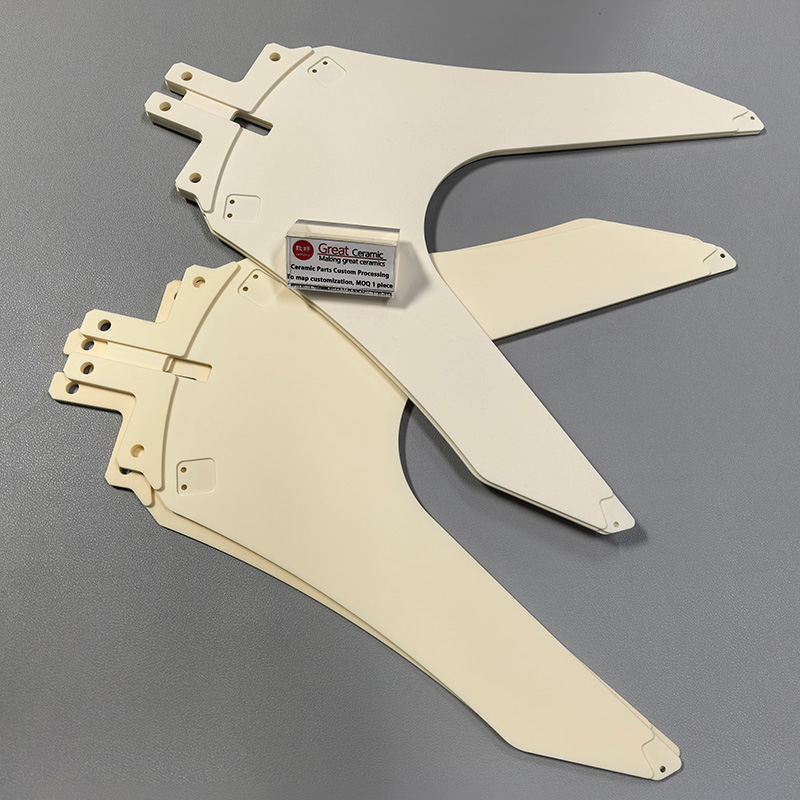
Technical Ceramic Resources
Use technical ceramics resources to prepare a clearer project inquiry. Include the drawing, known material designation, service conditions, quantity, fit-critical surfaces and acceptance criteria, then contact Porcecore by email or WhatsApp to begin the quotation discussion.
Discuss Your Ceramic PartCeramic Honeycomb Components: Materials to Discuss
Alumina Ceramics
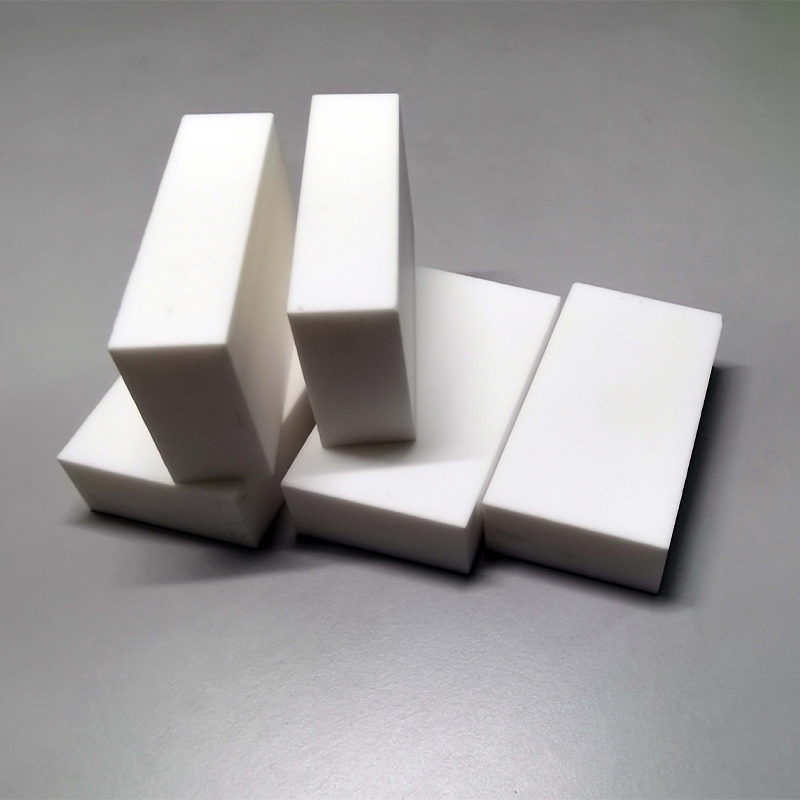
A widely considered oxide ceramic family for honeycomb components where electrical insulation, wear exposure, or elevated-temperature service may shape the discussion. Share the drawing, media, temperature range, and inspection needs for grade-specific review.
Zirconia Ceramics
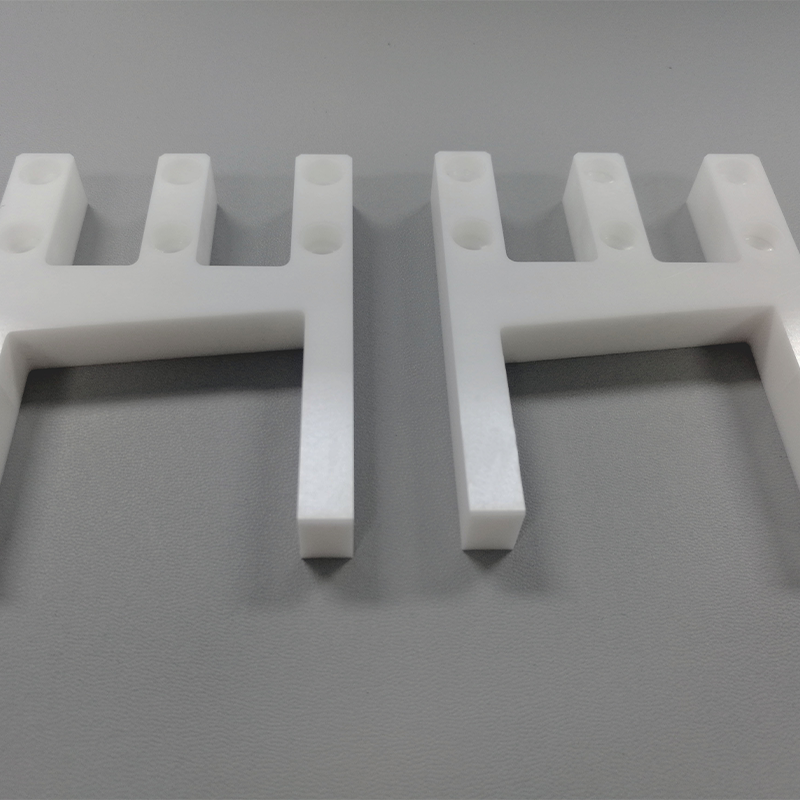
A ceramic family often explored when strength, fracture resistance, or demanding contact conditions influence the component requirement. Porcecore can discuss zirconia options against channel geometry, assembly loads, service conditions, and the dimensions that require confirmation.
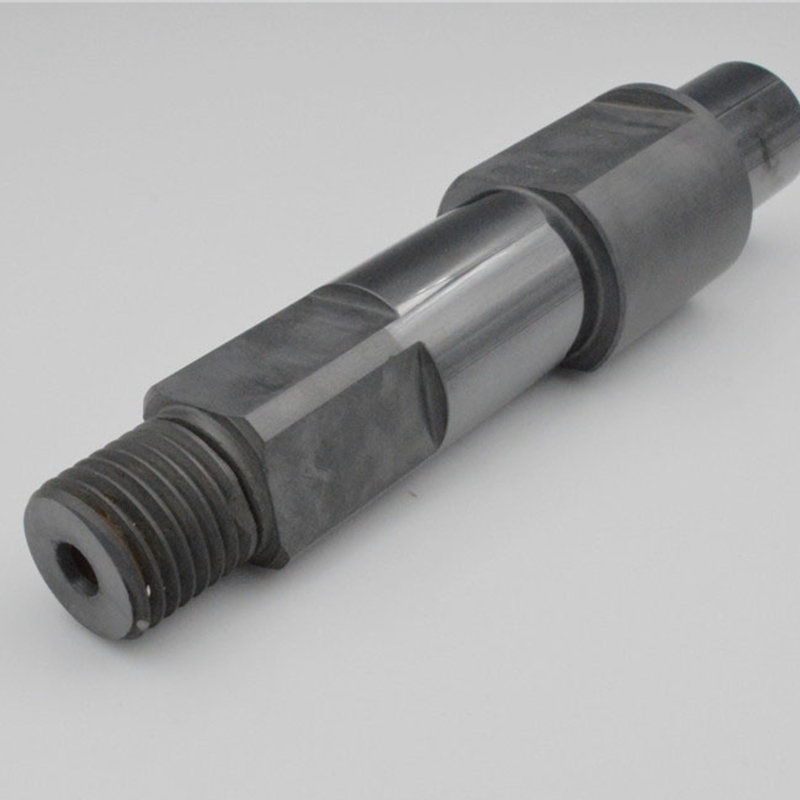
Silicon Carbide Ceramics
Silicon carbide may be relevant for ceramic honeycomb components facing thermal cycling, abrasive media, or heat-transfer considerations. Suitability depends on the selected grade, wall design, operating environment, and acceptance criteria documented for the project.
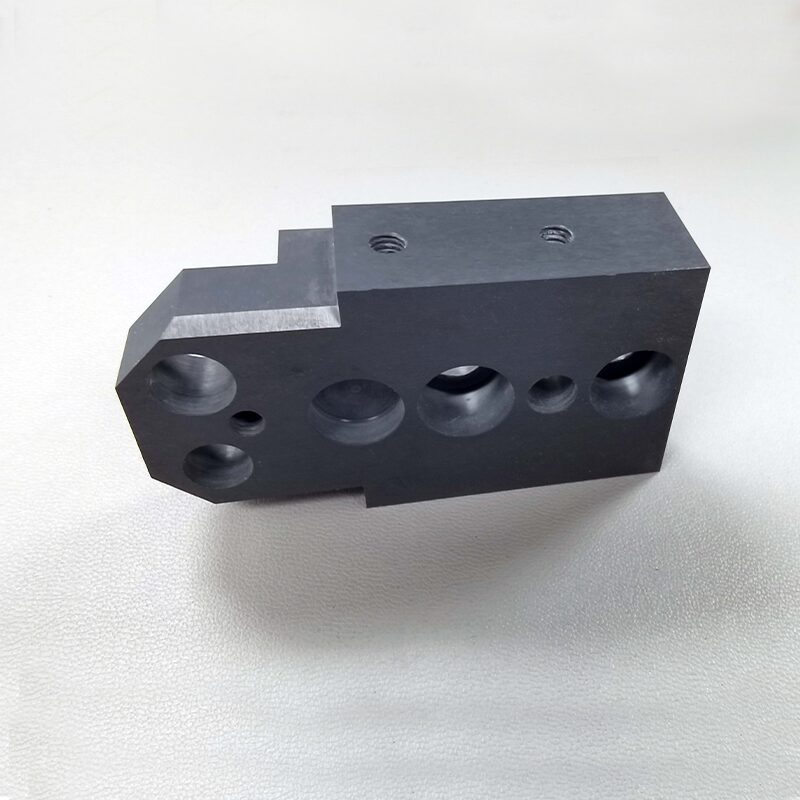
Silicon Nitride
Silicon nitride is a material family to consider where mechanical loading, thermal conditions, and component reliability are central questions. Provide the current drawing revision, application details, quantities, and critical interfaces to frame a practical review.
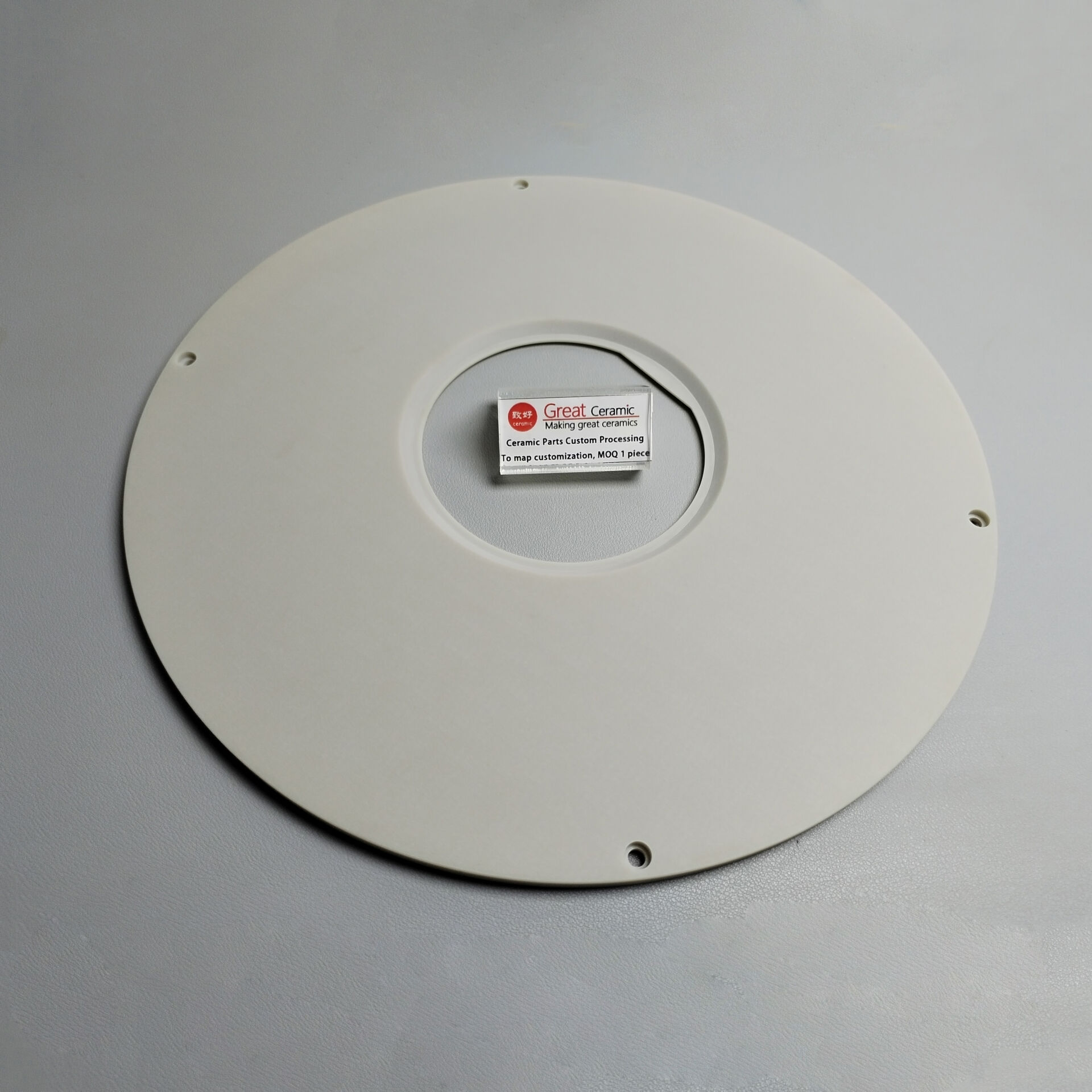
Aluminum Nitride
Aluminum nitride may enter the conversation for components where thermal management and electrical requirements need to be considered together. Material designation, geometry, mating surfaces, and required documentation should be defined before a quotation discussion proceeds.
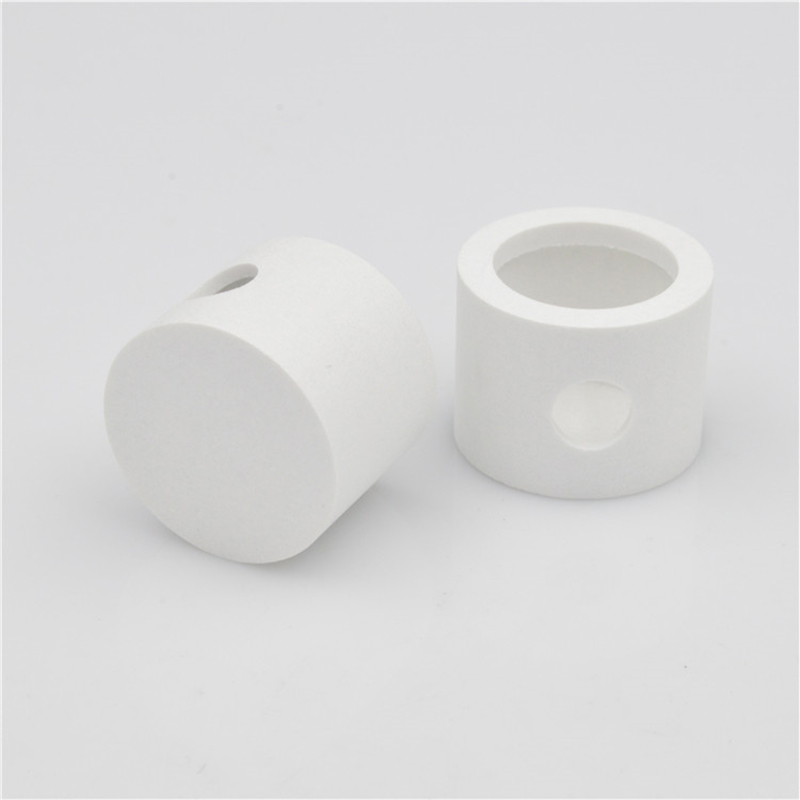
Boron Nitride
Boron nitride options can be discussed for specialized operating environments, provided the project requirement is clearly described. Identify the working atmosphere, temperature exposure, fit-critical dimensions, and any material or inspection expectations for evaluation.
Production Processes for Ceramic Honeycomb Components

Material Preparation
Powder selection, formulation review, and mixing are considered in relation to the proposed ceramic family and service environment, creating a clearer basis for discussing forming behavior, dimensional priorities, and project-specific material requirements.

Honeycomb Extrusion
Extrusion may be evaluated for cellular ceramic honeycomb components where channel pattern, wall thickness, outer contour, and length need coordinated review. The drawing helps identify geometry that governs flow paths and assembly interfaces.

Controlled Drying
Drying conditions can be considered alongside part size, wall geometry, and handling needs to support dimensional review before firing. This discussion helps identify areas where shrinkage, shape stability, or inspection expectations require attention.

Thermal Firing
Firing is assessed as part of the proposed material and performance discussion, with the final route subject to grade, geometry, operating conditions, and acceptance criteria. General material information is not a substitute for project confirmation.

Finishing Inspection
Cutting, end-face finishing, dimensional checks, and requested documentation can be discussed against the current drawing revision. Identify mating surfaces, critical dimensions, and acceptance criteria so the quotation conversation has a practical technical basis.
Functional Features for Ceramic Honeycomb Components

Mating Surfaces
Identify end faces, outer diameters, shoulders or other surfaces that locate against adjoining hardware. Note flatness, finish, datum references and any contact conditions needed to evaluate the assembly interface.

Dimensional Interfaces
Call out the dimensions that govern fit, flow-path alignment or installation clearance. A current drawing revision helps distinguish critical assembly dimensions from nominal dimensions that can be reviewed during quotation.

Part Marking
Specify any requested identification, orientation marks or traceability labels, along with their location and format. Marking requirements should be assessed against the component geometry, surface condition and intended service environment.

Protective Packaging
Describe handling, separation and packaging expectations for ceramic honeycomb components, especially where thin walls, exposed edges or inspected surfaces require protection through transit, receiving and downstream assembly.

Project Documentation
List the records needed for project review, such as material designation, dimensional inspection expectations or other agreed documentation. Confirm document content, format and acceptance criteria as part of the individual requirement discussion.
About Porcecore
Founded by Andy Yuan, Porcecore helps industrial procurement teams, engineers, equipment builders, and distributors turn material discussions into workable custom ceramic components inquiries. Our focus is technical ceramic components, including ceramic honeycomb components, considered against the job the part must perform.
We organize conversations around familiar ceramic material families and component forms, while keeping the individual project in view. A material name alone does not define a suitable part; geometry, mating surfaces, operating conditions, quantities, inspection expectations, and documentation requirements all shape the sourcing discussion.
Porcecore takes a drawing-led, application-first approach. Send a current drawing revision, known material designation, service conditions, and acceptance criteria, and we will help identify the details that need confirmation before a quotation or production commitment is made.

How Porcecore Clarifies Ceramic Honeycomb Components Requirements
Start With the Part
Porcecore begins with the ceramic honeycomb component and its working role, not a material label alone. Flow path, mounting arrangement, thermal exposure, adjacent parts, and intended function help frame the questions that matter before a sourcing discussion advances.
- Describe the operating environment and duty
- Identify mating parts and assembly-critical dimensions
- Share the intended flow, filtration, catalyst, or heat-management role
Use the Current Drawing
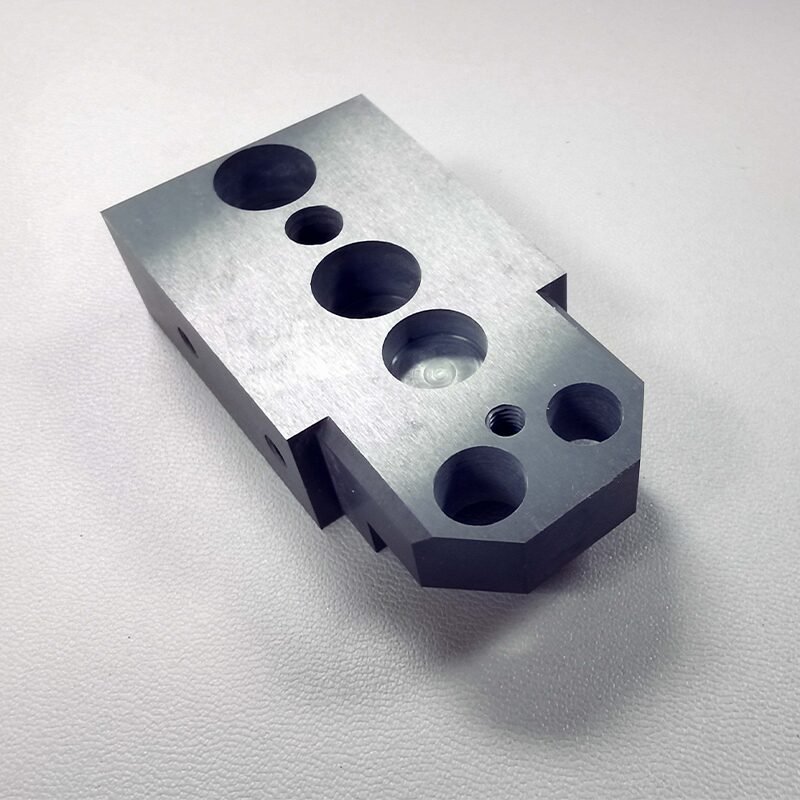
A current drawing revision gives a ceramic honeycomb components inquiry a practical reference point. It helps focus discussion on outer geometry, cell pattern, wall considerations, tolerances, datum strategy, and surfaces that affect installation or downstream assembly.
- Send the latest controlled drawing revision
- Mark critical dimensions and fitting surfaces
- Note material designation when it is known

Define Acceptance Early
Clear acceptance requirements make it easier to distinguish essential specifications from preferences. Porcecore encourages buyers to state inspection expectations, documentation needs, quantity, service conditions, and any project constraints so quotation discussions can be grounded in the actual requirement.
- Specify inspection or documentation expectations
- State quantity and delivery considerations
- Separate mandatory criteria from preferred options

Confirm Before Commitment
Product illustrations and general material information can support an early conversation, but they are not an agreed specification. For ceramic honeycomb components, final dimensions, grade, tolerances, documentation, delivery, and commercial terms require confirmation for the individual project.
- Treat catalog information as a starting point
- Review open technical questions before ordering
- Confirm project-specific terms in the agreed quotation
Ceramic Honeycomb Components: Porcecore vs. Typical Suppliers
A clearer inquiry basis for project-specific technical and commercial decisions.
← Swipe left or right to view →
Ceramic Honeycomb Components: From Review to Shipment
A practical, drawing-led path for aligning the part requirement before commercial and delivery details are confirmed.
Review the Inquiry
Share the current drawing revision, intended application, quantity, material designation if known, and operating conditions to establish the starting requirement.
Clarify Critical Details
Identify assembly dimensions, mating surfaces, channel geometry, tolerances, functional priorities, and any open questions that could affect the proposed ceramic honeycomb component.
Confirm Material Approach
Discuss the material family, grade-specific considerations, forming route, and project constraints before treating any product illustration or general property as a specification.
Align Inspection Expectations
Define the dimensions, acceptance criteria, documentation, and inspection expectations relevant to approval, so the quotation conversation has a clear technical basis.
Coordinate Packing and Shipment
After project terms are confirmed, align packing needs, delivery expectations, and shipping coordination for the agreed ceramic honeycomb components order.
Start Your Ceramic Honeycomb Components Inquiry
A drawing-led path for defining requirements, reviewing quotation details, and confirming the next project decision.
Send Current Drawing
Share the current revision for your ceramic honeycomb components, including critical dimensions, channel geometry, mating surfaces, and any replacement-part references that guide the review.
Define Service Conditions
Describe the operating environment, media, temperature exposure, pressure considerations, duty cycle, quantity, and acceptance requirements so the proposed material and geometry discussion has a practical basis.
Review Quotation Details
Review the proposed scope with Porcecore, clarifying material designation, dimensions, tolerances, documentation, delivery expectations, and commercial details before treating any quotation as an agreed commitment.
Confirm Production Order
Confirm the individual project requirements, drawing revision, quantity, commercial terms, and delivery details before production is authorized for the specified ceramic honeycomb component order.
Certificates and Documentation for Project Review
Ceramic Honeycomb Components: Project Conversations and Buyer Feedback
Customer testimonials are not currently published.
Customer case studies are not currently published.
Buyer feedback is not currently published.
Ceramic Honeycomb Components FAQ
Clarify the drawing, service conditions, inspection needs, and commercial inputs before requesting a project-specific quotation.
What should we include in an RFQ for ceramic honeycomb components?
Can Porcecore help select a material grade for ceramic honeycomb components?
How are tolerances and functional surfaces defined for a honeycomb ceramic part?
Do you have an MOQ for ceramic honeycomb components?
Can we request samples or a first article before a larger order?
How are lead time, payment, and quotation terms handled?
What inspection evidence can be discussed for ceramic honeycomb components?
How should ceramic honeycomb components be packaged and protected for shipment?
The Complete Buyer’s Guide to Ceramic Honeycomb Components
Use this practical framework to specify ceramic honeycomb components, compare materials and configurations, evaluate supplier capability, control total sourcing risk, and avoid specification, qualification, and cost mistakes before production.
1. What Are Ceramic Honeycomb Components?
325 cells per square inch is one published upper cell-density example, illustrating that ceramic honeycomb components are engineered monoliths of many parallel channels separated by thin ceramic walls. The cellular layout creates high contact area within a compact volume while keeping gas-flow resistance manageable when channel size, wall thickness, and length fit the duty.
Fraunhofer IKTS identifies catalyst carriers, filters, heat-storage media, industrial exhaust treatment, and heat-exchanger honeycombs as established uses: https://www.ikts.fraunhofer.de/en/departments/environmental_process_engineering/nanoporous_membranes/functional_carrier_systems_layers/honeycomb_ceramics.html. Open channels support coating contact and heat transfer; selectively plugged or porous walls can force gas through a filtering path.
One buyer question should lead: does the process need broad gas-solid contact, particulate capture, heat recovery, or thermal buffering without a bulky packed assembly? A honeycomb is appropriate when required flow rate, allowable pressure drop, temperature cycling, contamination load, envelope, and mating interfaces can be defined together.
2. Evolution and Industrial Applications
1980 marked one commercial manufacturing milestone for ceramic honeycomb substrates, whose early use centered on thermal processing and combustion-emissions treatment. Their thin-walled channels supplied surface area while limiting flow resistance, supporting catalyst carriers, soot filtration, and heat-storage duties. https://appliedceramics.com/product-lines/versagrid-ceramic-honeycomb
325 cells per square inch is an example of the finer cell structures now developed alongside tailored outer contours, materials, and filtration sealing. Industrial exhaust treatment, heat exchangers, and application-specific flow systems therefore require the buyer to define gas chemistry, temperature cycling, pressure loss, cell geometry, coating need, mating dimensions, and acceptance tests; ceramic honeycomb components are not a commodity selected by nominal size alone. https://www.ikts.fraunhofer.de/en/departments/environmental_process_engineering/nanoporous_membranes/functional_carrier_systems_layers/honeycomb_ceramics.html
3. Types of Ceramic Honeycomb Components
Five functional families use the same cellular concept but route gas, particles, heat, or catalyst contact differently. Select the flow path before fixing cell density and outer profile.
| Type | Channel Arrangement | Primary Buyer Need |
|---|---|---|
| Straight-flow substrate | Open inlet-to-outlet cells | Gas flow or catalyst support |
| Wall-flow filter | Alternately plugged cells | Particulate capture |
| Heat-storage media | Open thin-walled cells | Thermal cycling |
| Catalyst carrier | Open cells, often coated | Gas-to-catalyst contact |
| Custom form | Specified profile or pattern | Equipment-specific duty |
Straight-Flow Substrates
Open channels run inlet to outlet, supporting low-restriction gas distribution or coated catalytic duty. Round, square, and rectangular profiles should match the housing and sealing interface.
Wall-Flow Filters
Alternately plugged channels force gas through porous walls, retaining particulate contaminants. Specify soot or dust loading, allowable pressure rise, and regeneration conditions together.
Heat Storage Media
Thin-walled open cells repeatedly absorb and release heat in regenerative service. Thermal-cycle range, switching frequency, and flow direction determine the practical geometry.
Custom Process Forms
Application-specific forms may combine nonstandard contours, lengths, cell patterns, or end treatments. Send the housing drawing, gas conditions, and acceptance criteria for review.
4. Materials for Ceramic Honeycomb Components
Material choice for ceramic honeycomb components is a duty-condition decision, not a material-name shortcut. Temperature, startup frequency, gas chemistry, particulate loading, and oxidizing, reducing, or inert atmosphere must be evaluated together.
| Material | Temperature And Shock | Chemical Or Mechanical Fit | Cost Tendency |
|---|---|---|---|
| Cordierite | Lower expansion; strong thermal-shock option | Moderate-temperature, cleaner duties | Lower |
| Mullite | Higher-temperature capability; stable cycling | Improved creep and chemical resistance | Moderate |
| Alumina | High-temperature, strength-focused choice | Good wear and many chemical exposures | Moderate to high |
| Silicon carbide | High conductivity and thermal-shock resistance | Demanding heat transfer or abrasive duties | High |
| Mixed systems | Formulation-dependent balance | Tailored exposure or strength trade-offs | Application-dependent |
Duty Condition Review
Each proposal should state continuous and peak temperature, ramp rate, cycle count, contaminants, and atmosphere. These inputs expose whether thermal shock, corrosion, creep, or compressive loading is the controlling risk.
Data Before Commitment
Proposed formulations require grade-specific property data, including thermal expansion, strength, porosity, and chemical-resistance evidence where relevant. Request the applicable data and confirm it against the drawing and service conditions before production commitment.
5. Customization and Functional Options
Customization starts with the flow path and envelope, not a catalog material name. For ceramic honeycomb components, geometry and surface function should be specified as separate decisions.
| Change | Primary Effect | Integration Check |
|---|---|---|
| Higher cell density | More surface area; higher restriction | Available pressure drop |
| Thicker walls | Greater robustness; less open area | Seal and housing fit |
| Longer body | More contact time; higher resistance | Axial space and retention |
Geometry and Flow Tradeoffs
Cell density, wall thickness, channel shape, outer contour, and length set open area, surface area, pressure drop, and handling strength.
Round, square, or shaped sections must also match the housing, seals, retention method, and permitted assembly clearance.
Functional Surface Options
Plugging patterns convert selected channels into a wall-flow path; their layout must match inlet, outlet, and flow direction.
Washcoat-ready surfaces support later catalyst deposition, while coatings or edge finishing require defined coverage, adhesion, and masked areas.
Quotation Information
A current drawing revision should identify critical dimensions, tolerances, mating surfaces, quantity, and acceptance checks.
Service conditions should state temperature, media, flow direction, pressure limits, thermal cycling, and any required documentation.
6. Critical Construction Quality Elements
Three construction features deserve drawing-level control: cell geometry, wall continuity, and outer-wall condition. For ceramic honeycomb components, acceptance should tie each feature to the assembly, flow path, and handling risk.
Cell And Wall Consistency
100% visual checks can identify blocked cells, torn webs, and obvious nonuniform channels. Define the inspected faces, allowable defect size, and inspection magnification on the drawing.
- Cell count or pitch measurement
- Wall-thickness sampling locations
- Blocked-cell acceptance limit
Peripheral Wall Integrity
One continuous peripheral wall supports handling and protects the cell matrix. Specify chip limits, edge condition, and any mating-surface flatness or squareness requirement before quotation.
- Rim chip dimensions
- Corner condition
- Mating-face geometry
Drying, Firing, And Finish
Controlled drying and firing are necessary process disciplines because rapid moisture removal or uneven thermal exposure can create cracks or distortion. Require an agreed sampling plan, dimensional report, visual criteria, and any applicable porosity test method.
- Lot and sample quantity
- Measured dimensions and tolerances
- Crack and chip criteria
- Required test records
7. How to Choose a Manufacturer
Supplier approval should begin with the production part, not a catalog image. For ceramic honeycomb components, require evidence linking geometry, service conditions, acceptance criteria, and revision control to the quotation.
| Area | Evidence Requested |
|---|---|
| Engineering | Drawing review, prototype plan |
| Control | Lot records, inspection method |
| Change | Notice, requalification criteria |
Engineering And Tooling
First, ask who reviews wall thickness, cell geometry, thermal cycling, and load paths before tooling release. Request drawing mark-ups, material rationale, prototype plans, and dimensional-validation methods.
Process And Inspection
Second, request records for incoming material, forming, drying, firing, and final inspection. Ask how lot identity follows parts and how cracks, blocked cells, warpage, and mechanical integrity are assessed.
Supply And Changes
Third, confirm capacity against forecasts and request packaging drawings suited to fragile cells. Require written notice and requalification criteria for changes to material, tooling, process, inspection, or subcontracting.
8. Common Buyer Mistakes to Avoid
Most sourcing failures begin before a quote: an incomplete duty definition gets converted into a material name or a copied drawing. Prevent them by locking operating limits, geometry, inspection criteria, and qualification gates before production release.
Specify The Full Duty Cycle
Temperature alone does not select a ceramic honeycomb. Define gas composition, peak and continuous temperature, flow rate, allowable pressure drop, and thermal-cycle rate.
Cell density is only one variable. Confirm wall thickness, open frontal area, length, sealing pattern, and required function together.
Repair Legacy Drawings
Legacy drawings often omit datum surfaces, tolerances, material grade, or acceptance criteria. Issue a controlled revision that identifies mating dimensions and inspection methods.
Prototype qualification should test the assembled operating condition, including repeated heat-up and cool-down cycles. Record deviations before approving production.
Normalize Quote Comparisons
Quote comparisons become misleading when suppliers price different grades, dimensions, testing, packaging, or delivery terms. Send one specification package and request stated exceptions.
Porcecore can review a current drawing, service conditions, quantity, and documentation needs before a project-specific quotation discussion.
9. From Specification to Production Launch
One controlled launch sequence reduces ambiguity between design intent and released hardware. For ceramic honeycomb components, equipment builders, engineers, and distributors should close technical decisions before committing production quantities.
Define The Duty
First, record gas or liquid chemistry, temperature range, pressure drop limit, flow direction, thermal cycling, and installation constraints. Document the mating housing, handling risks, and any catalyst, coating, or sealing requirement.
Freeze The Technical Package
Second, issue the current drawing revision with outer dimensions, cell density, wall targets, orientation, allowable defects, and critical interfaces. Name the material designation, performance targets, quantity, required records, and acceptance authority.
Third, review manufacturability before sampling; confirm which requirements are essential, which are preferred, and whether tooling or process limits affect geometry.
Validate Before Release
Fourth, request representative samples or prototypes and test fit, flow, thermal response, and handling in the intended assembly. Approve an inspection plan covering dimensions, visual criteria, packaging, sampling method, and nonconformance disposition.
Fifth, place the production order only after written approval of the drawing, material, inspection criteria, delivery terms, and first-article plan. Monitor first-article results against the approved package before routine release.
10. Ceramic Honeycomb Components Pricing
1. Material system, cell density, wall thickness, dimensions, and round versus square geometry set the base manufacturing cost for ceramic honeycomb components. Custom tooling, washcoat or other coatings, tight tolerances, and defined inspection or test methods add separate cost and schedule inputs.
2. Comparable quotations require the same drawing revision, material designation, cell specification, dimensions, quantity, acceptance criteria, packaging needs, and requested delivery date. Expedited lead times can increase cost when capacity, tooling, or additional validation must be prioritized.
| Illustrative order tier | Main pricing influences | Lead-time consideration |
|---|---|---|
| Prototype: 1–20 | Tooling, setup, testing, protective packaging | Allow design review and first-article approval |
| Pilot: 21–200 | Yield, coating, tolerance, inspection level | Confirm material and process capacity |
| Production: 201+ | Volume efficiency, lot testing, freight packaging | Schedule releases against agreed demand |
Discuss Your Ceramic Honeycomb Components Requirement
Email your drawing, service conditions, quantity, and acceptance criteria to begin a focused quotation discussion with Porcecore.