
Ceramic Shafts for Drawing-Led Industrial Sourcing
Connect ceramic shafts to material, geometry, operating conditions and acceptance requirements before requesting a quotation.
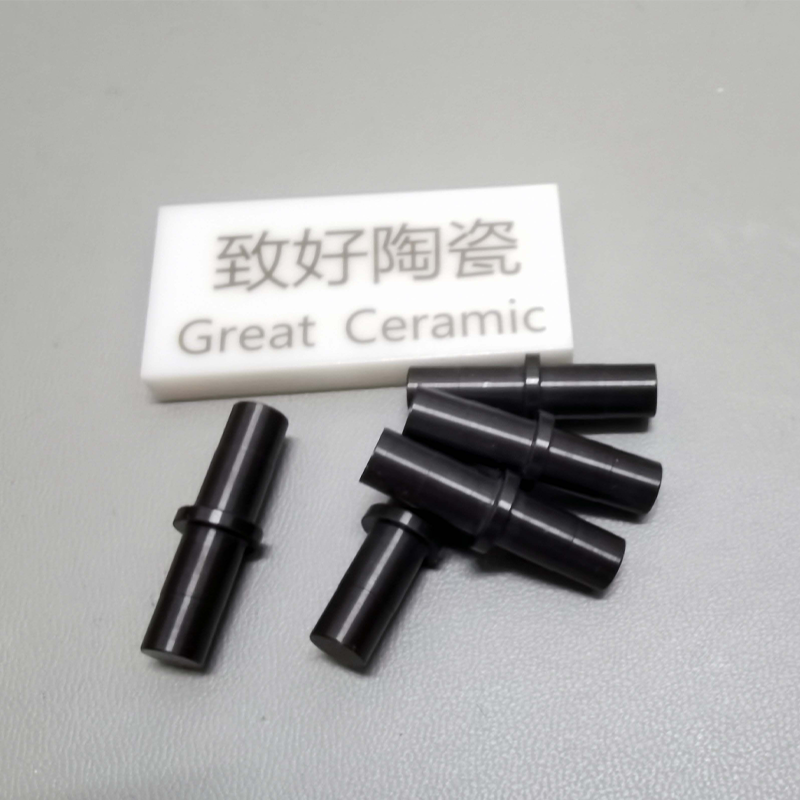
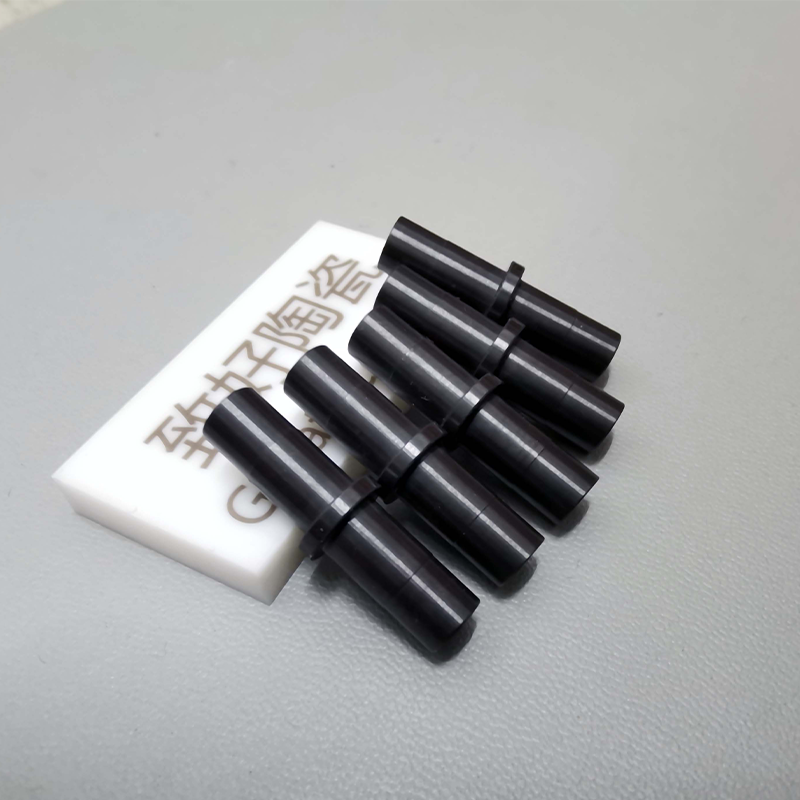
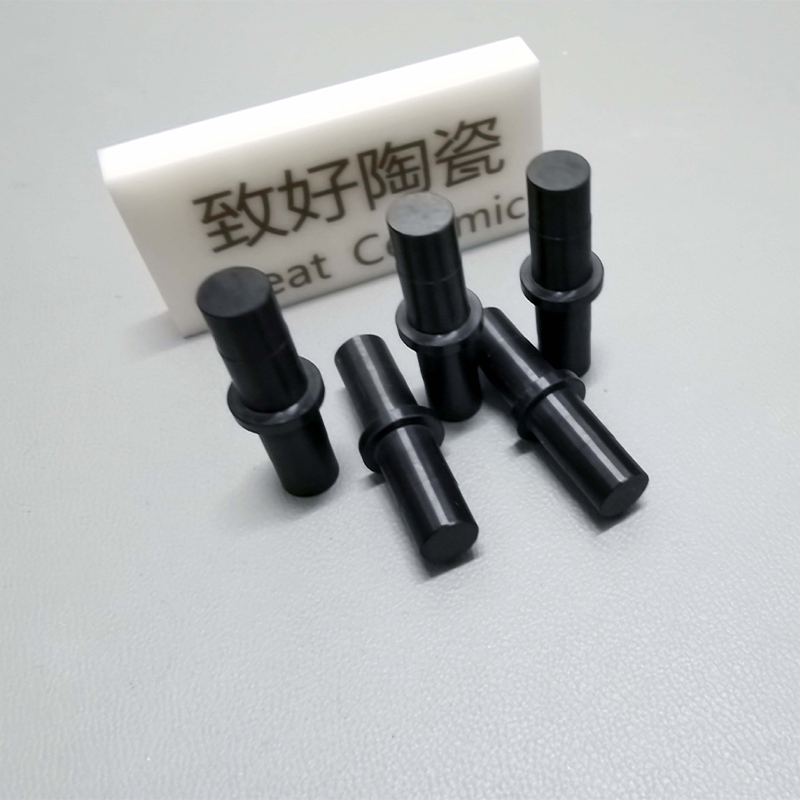
Featured Ceramic Shafts for Development and Review

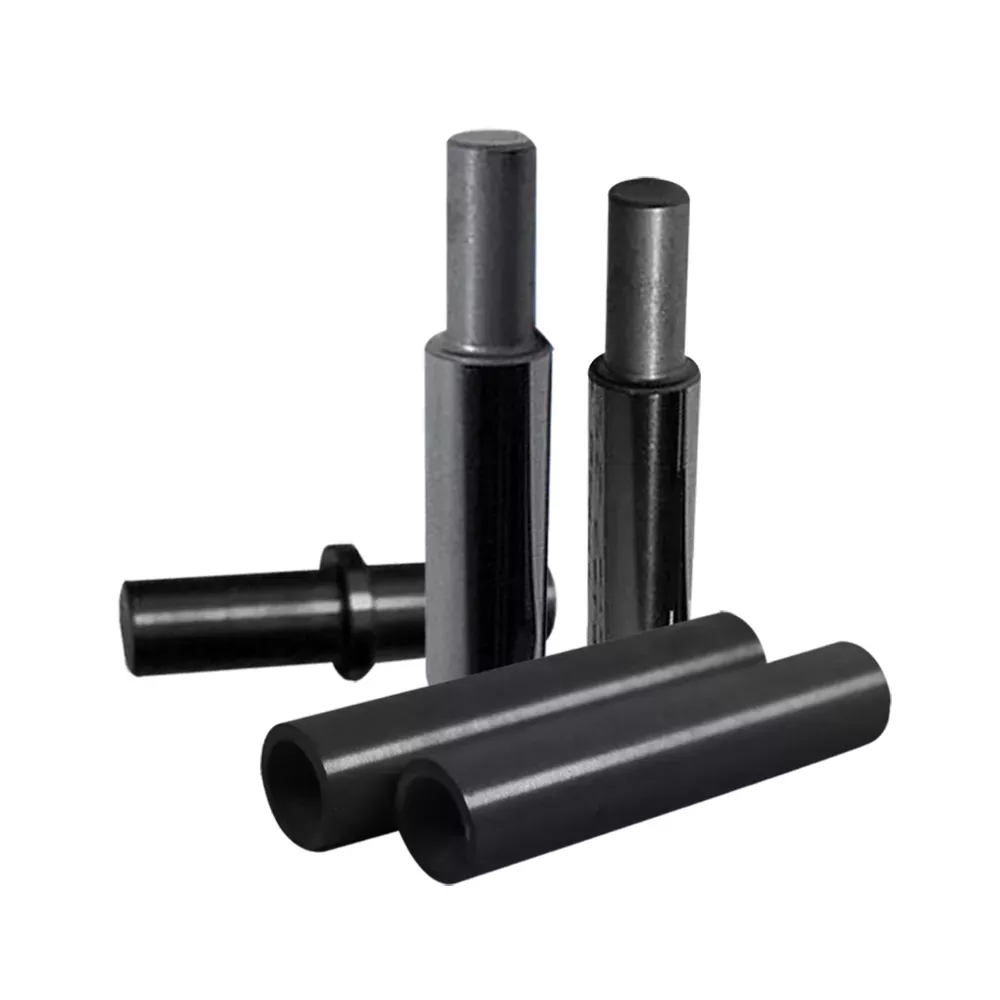
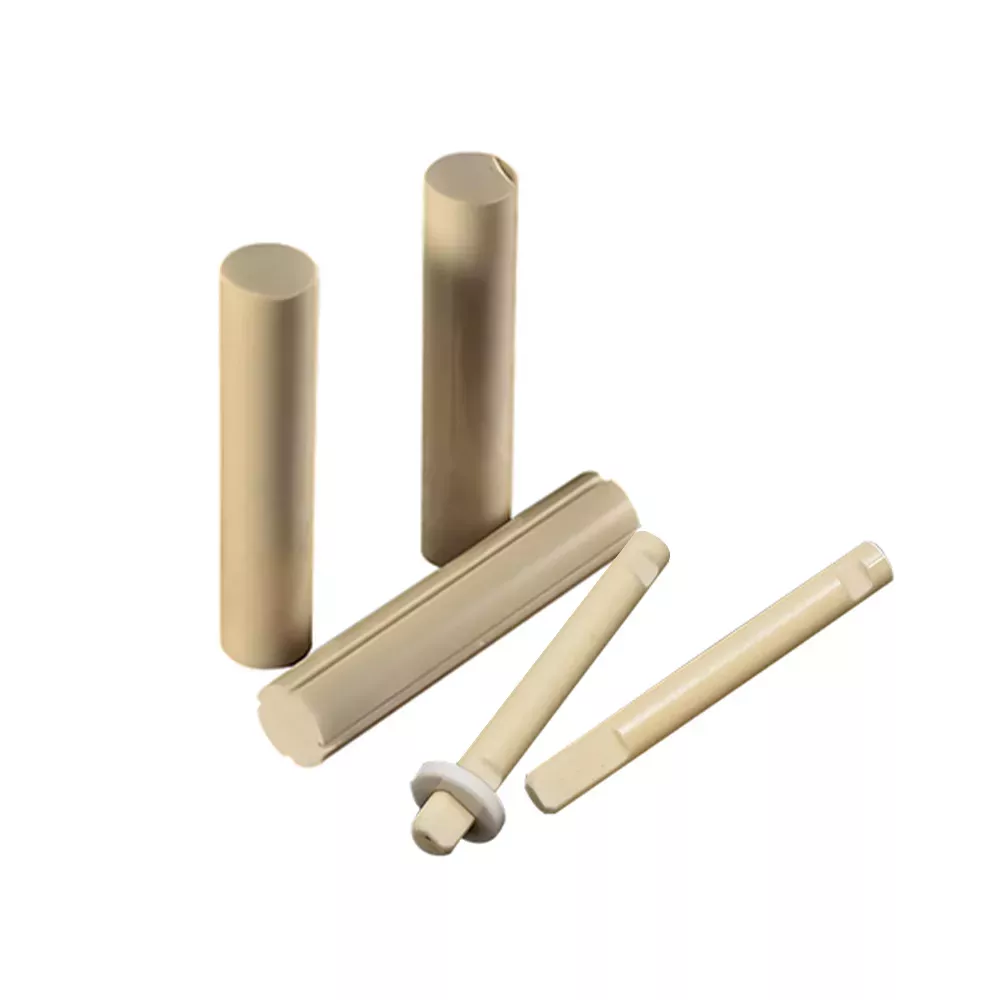
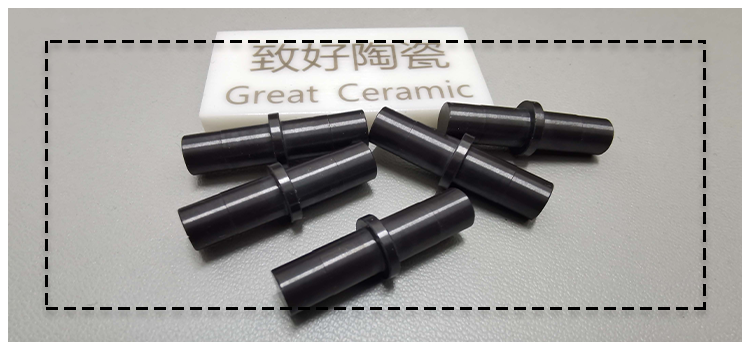
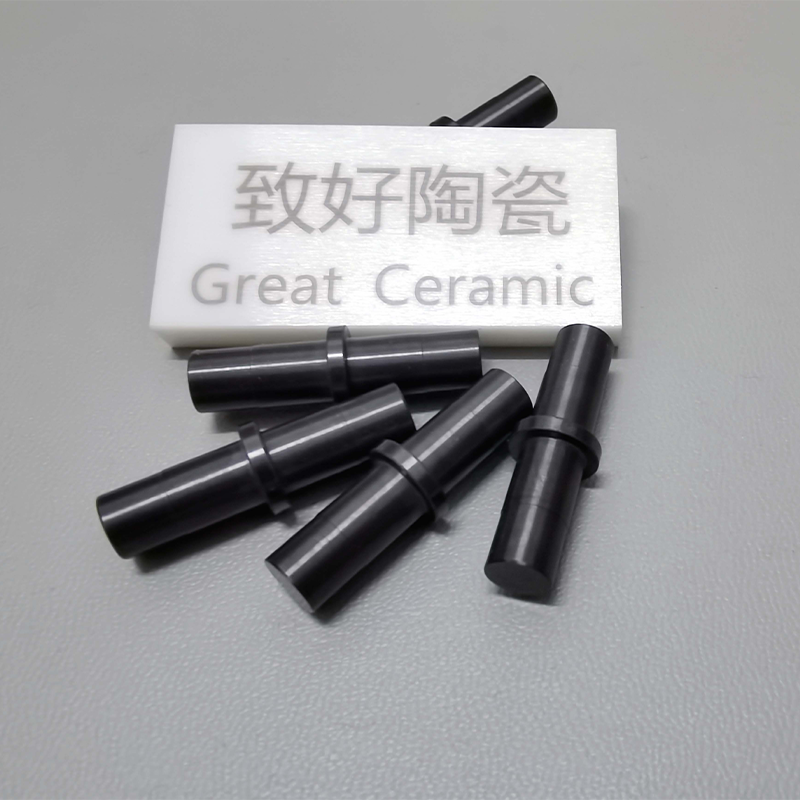





Ceramic Shafts Catalogue and Quotation




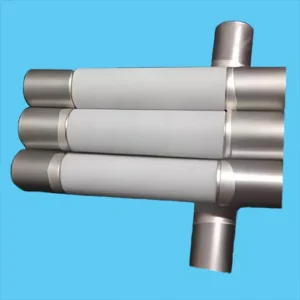
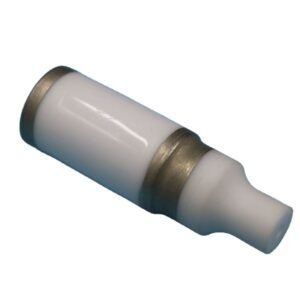

Why Buyers Specify Ceramic Shafts
A clearer evaluation path for selecting materials, defining component requirements and starting a drawing-led quotation discussion.
Drawing Revision Control
Share the current drawing revision so dimensions, interfaces, notes and open changes remain aligned throughout the ceramic shaft quotation discussion.
Material Grade Alignment
Identify the required ceramic family or grade when known, then review material selection against service conditions, geometry and project-specific acceptance requirements.
Geometry And Interfaces
Define shaft dimensions, mating surfaces and assembly-critical features together, giving Porcecore a practical basis for reviewing manufacturability and fit.
Process Route Review
Discuss the forming, machining and finishing route appropriate to the component design, material choice and required functional surfaces before commitment.
Inspection Evidence
Specify the measurements, dimensional tolerances, surface checks and documentation needed for approval, separating essential acceptance criteria from general preferences.
Application Conditions
Include operating temperature, loads, media, speed and surrounding equipment details so ceramic shaft recommendations reflect the actual job requirements.
Ceramic Components for Defined Applications
Connect geometry, material selection and service conditions to make technical ceramic sourcing clearer for industrial projects and replacement-part decisions.

Ceramic Manufacturing Capabilities
Ceramic manufacturing capabilities should be assessed against the part requirement, including forming route, machining needs, dimensions, tolerances and inspection expectations. Share the drawing revision, quantity and acceptance criteria so quotation discussions address the actual component rather than a generic process description.
Discuss Your Ceramic Part
Ceramic Solutions by Industry
Ceramic solutions by industry depend on operating environment and equipment function. Define temperature, electrical behavior, wear, corrosion, load and mating conditions for applications in manufacturing, electronics, energy, chemical processing or other industrial systems before selecting a component approach.
Discuss Your Ceramic Part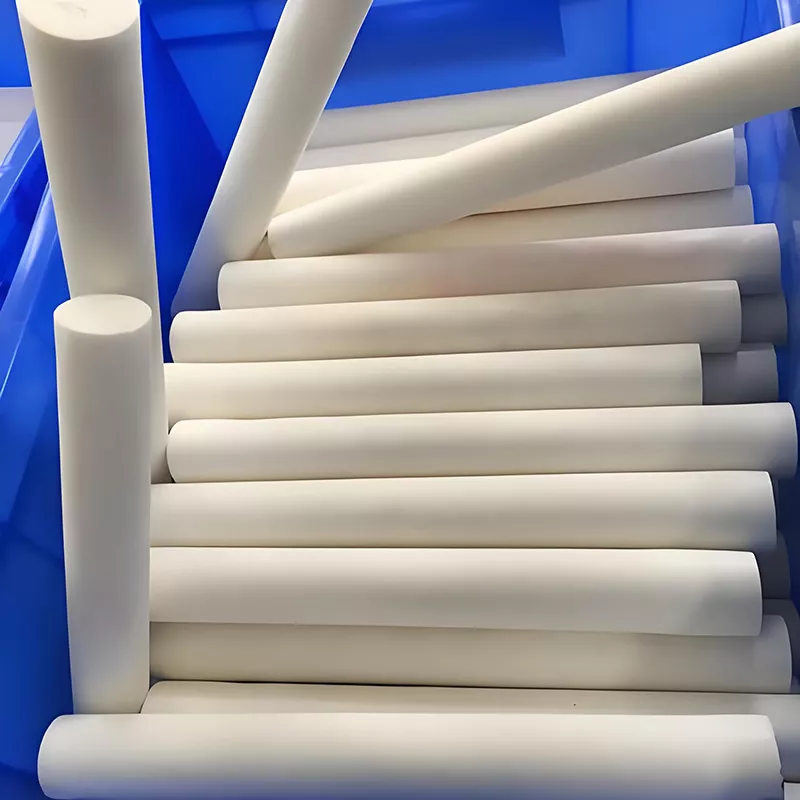
Advanced Ceramic Materials
Advanced ceramic materials include alumina, zirconia, silicon carbide, silicon nitride, aluminum nitride, boron nitride and specialty families. Compare grades by the properties relevant to the application, then confirm geometry, processing limits, service conditions and project-specific documentation requirements.
Discuss Your Ceramic Part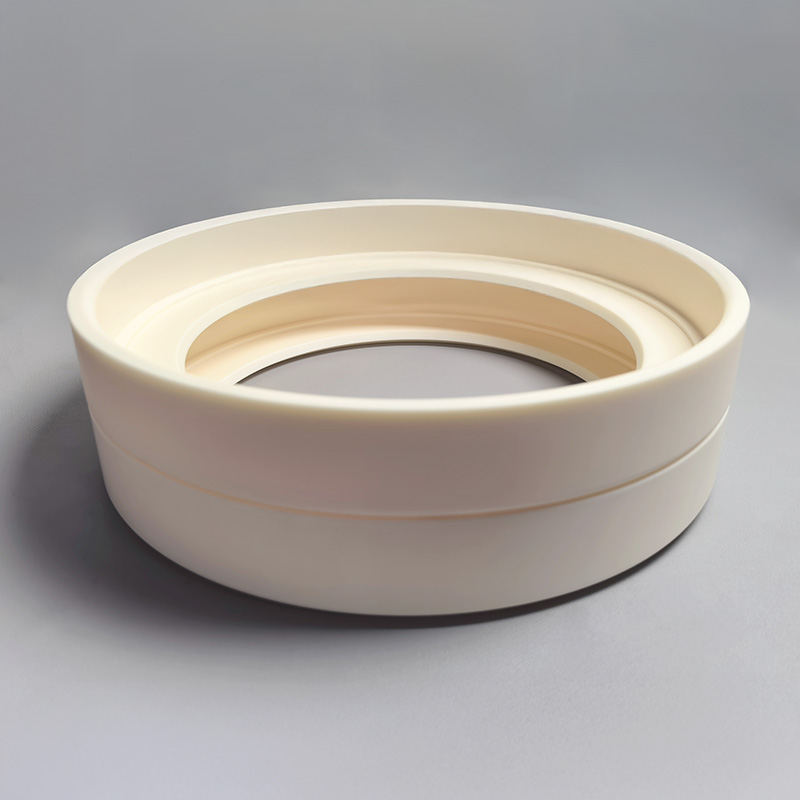
Technical Ceramic Products
Industrial ceramic parts such as tubes, rods, rings, substrates and custom ceramic components must be evaluated as assembled components. Identify mating surfaces, critical dimensions, tolerances and inspection needs alongside the material designation to establish a practical basis for quotation and approval.
Discuss Your Ceramic Part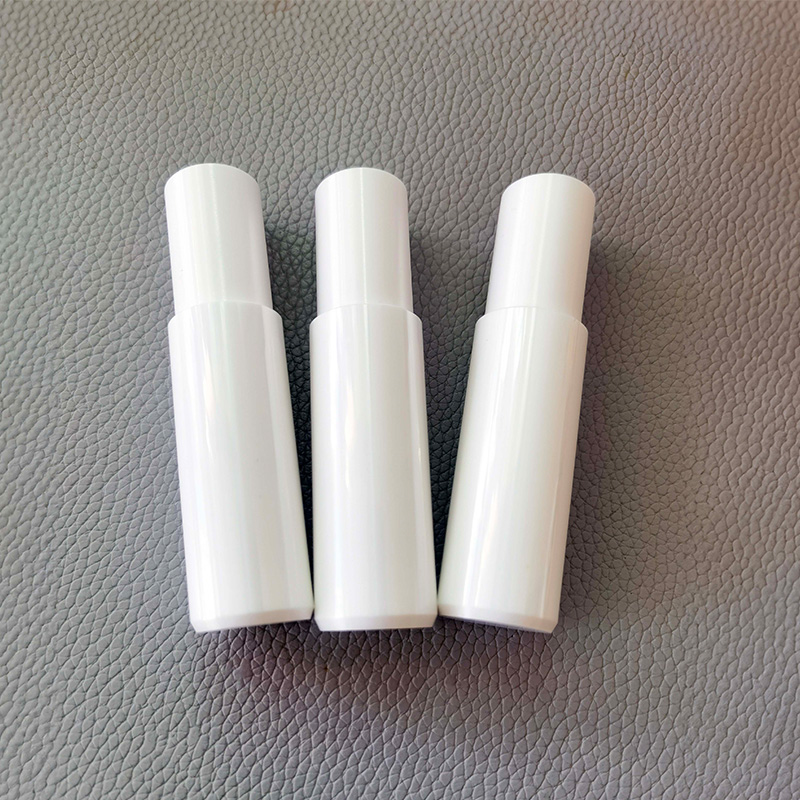
Technical Ceramic Resources
Technical ceramic resources can help buyers clarify material terminology, component forms, application considerations and open specification questions. Use a technical ceramics guide as a starting point, then move to a drawing-led inquiry with operating conditions, quantity and acceptance criteria for project confirmation.
Discuss Your Ceramic PartCeramic Shafts: Material Options for Shaft Applications
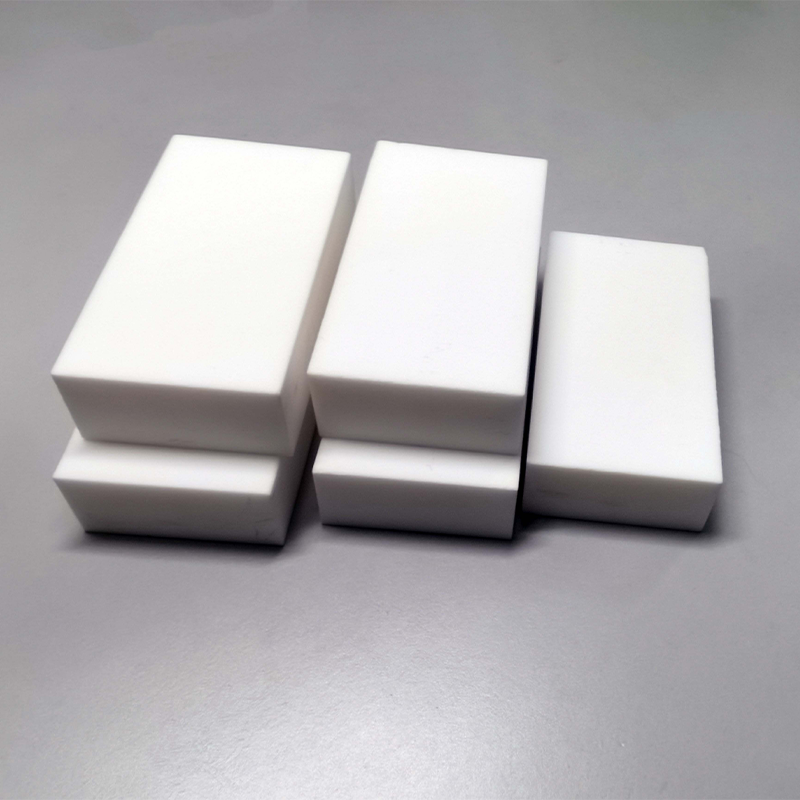
Alumina Ceramics
A hard, electrically insulating ceramic commonly considered for pump, motor and wear-component shafts where cost, insulation and general wear resistance align with the application.
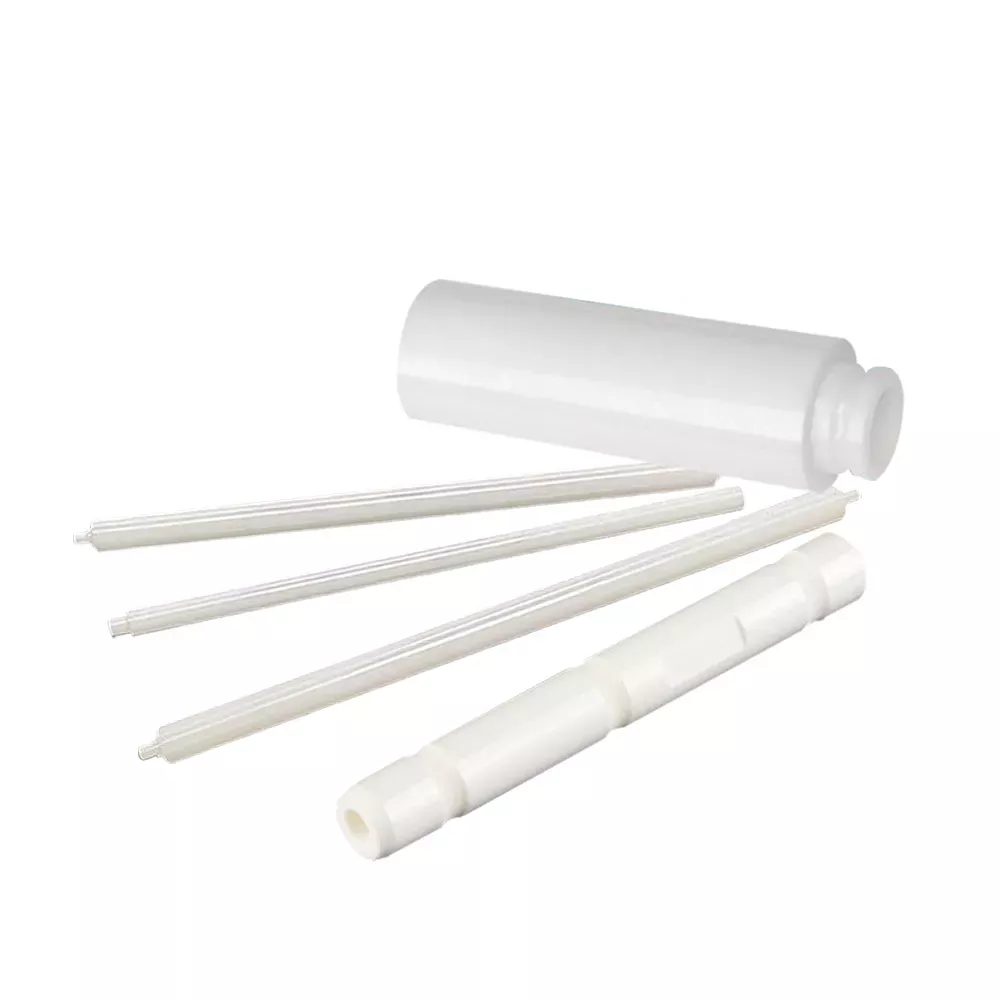
Zirconia Ceramics
A dense ceramic with higher toughness than many conventional ceramics. It is often evaluated for pump shafts, precision interfaces and wear conditions requiring careful fracture and fit considerations.
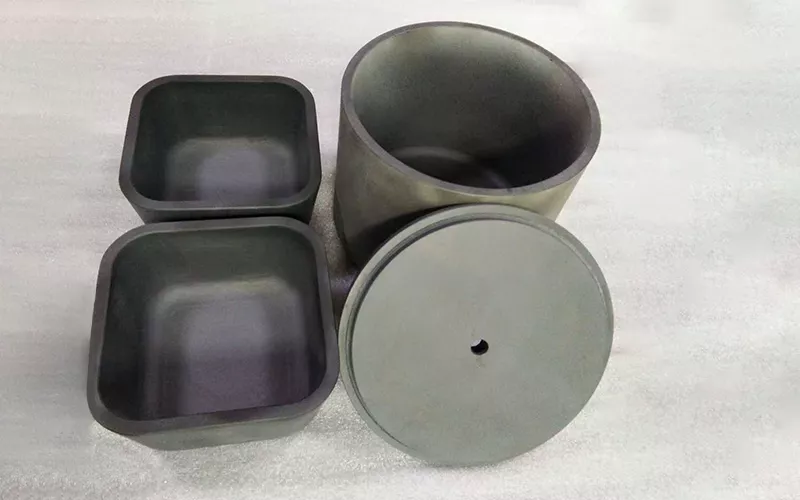
Silicon Carbide Ceramics
A rigid, highly wear-resistant ceramic suited to demanding friction, corrosion and thermal environments. Its technical profile makes it relevant for pump and equipment shafts where hardness, chemical exposure and dimensional stability matter.

Silicon Nitride
A relatively lightweight engineering ceramic with a smooth, polished surface feel when specified appropriately. It may suit high-speed rotating components and precision shaft applications where low mass, wear and thermal behavior require review.
Aluminum Nitride
A technical ceramic recognized for thermal conductivity and electrical insulation. It may be considered for specialized assemblies where heat dissipation and dielectric performance influence the component design.
Ceramic Shaft Manufacturing Route

Powder Preparation
Ceramic powders are selected and prepared for the intended material family and forming route. The resulting foundation supports consistent component development, subject to project-specific grade, geometry and production requirements.
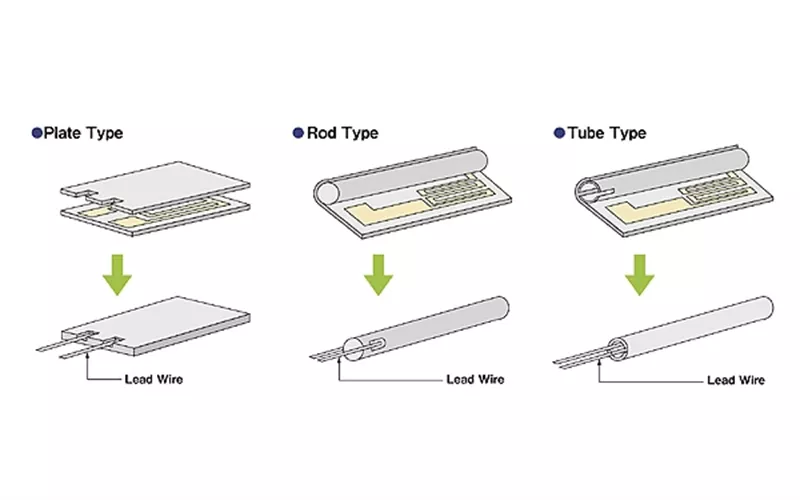
Precision Forming
Forming methods shape the ceramic body before firing, according to the shaft geometry and material system. Suitable approaches depend on dimensions, profile complexity, quantity and the requirements stated in the drawing.

Controlled Sintering
Sintering consolidates the formed ceramic body through a controlled firing cycle. Cycle selection and expected shrinkage must be considered alongside material grade, finished dimensions, tolerances and the component’s service conditions.

Precision Machining
After firing, machining may refine diameters, shoulders, grooves, bores or mating surfaces. The feasible process depends on ceramic type, geometry, tolerance targets, surface requirements and the features that determine assembly.

Finishing Inspection
Finishing and inspection address surfaces, dimensions and defined acceptance criteria. Porcecore can review the drawing revision, critical interfaces, inspection expectations and documentation needs before confirming the applicable process scope.
Ceramic Shafts: Interfaces, Finishes and Accessories

Mating Surfaces
Specify journals, shoulders, bores and contact zones that interface with bearings, seals, sleeves or adjacent components. Porcecore reviews these dimensions in the drawing-led discussion so assembly-critical surfaces are distinguished from general shaft geometry.

Sleeves and Seals
Where ceramic shafts operate with sleeves, seals or fluid-handling hardware, identify mating materials, clearances and service media. These interface details help frame the quotation around the intended assembly, operating conditions and acceptance requirements.

End Features
Threaded ends, tapped holes, retaining-ring grooves, keyways and steps can affect installation and load transfer. Show each feature on the current drawing, including locations, tolerances and inspection expectations, before production requirements are confirmed.

Surface Finish
Polished, ground or otherwise finished surfaces may be required at bearing, sealing or sliding interfaces. State the applicable finish, measurement method and critical areas so project-specific expectations can be reviewed alongside grade and geometry.

Packaging and Identification
Protective packaging, part identification and lot documentation can support receiving and approval workflows for industrial ceramic shafts. Include labeling, traceability or packing preferences in the inquiry when they form part of your acceptance criteria.
About Porcecore: A Clearer Way to Source Ceramic Shafts
Founded by Andy Yuan, Porcecore helps industrial procurement teams, engineers, equipment builders and distributors connect a ceramic material choice with a clearly defined part requirement. Our scope includes oxide, nitride, carbide and specialty ceramics, considered according to the geometry, operating conditions and interfaces of each project.
Porcecore treats drawing-led communication as the starting point for useful sourcing discussions. For ceramic shafts, that means reviewing the current drawing revision, material designation, quantity, service conditions, mating surfaces, inspection expectations and required documentation. We distinguish general material guidance from project-specific confirmation, so buyers can define open questions before production terms are agreed.
Our difference is clarity before commitment. Send a drawing or describe the shaft and its operating environment, and we will help frame the next decision around grade, geometry, acceptance requirements and documentation. This practical approach keeps technical ceramic sourcing focused on the part’s job and the requirements that determine whether it fits the application.

Core Capabilities for Ceramic Shaft Projects
Review the Complete Requirement
Porcecore begins with the component’s job, not a material label alone. Share the current drawing revision, quantity, service conditions and acceptance criteria so the quotation discussion can distinguish essential performance requirements from preferences and open technical questions.
- Review drawings, revisions and quantities
- Clarify operating conditions and service demands
- Identify required documentation and approvals
- Separate essential requirements from preferences

Select the Right Material Family
Alumina, zirconia, silicon carbide, silicon nitride, aluminum nitride, boron nitride and specialty ceramics may suit different project conditions. Porcecore helps connect the candidate material family with the required geometry, interfaces, operating environment and project expectations.
- Compare relevant technical ceramic families
- Discuss grade availability for the application
- Relate material choice to service conditions
- Confirm grade-specific values before commitment

Interpret Geometry and Interfaces
A ceramic shaft must be understood as a working part within an assembly. Dimensions, tolerances, mating surfaces, fit-critical features and finish expectations belong in the same review, helping engineers and equipment builders define what the component must reliably connect to.
- Identify surfaces that mate with other parts
- Review dimensions that determine assembly
- Clarify tolerances and finish expectations
- Flag geometry questions before quotation

Align Acceptance and Documentation
A useful quotation includes more than a part description. Porcecore works with buyers to identify inspection expectations, required records and delivery considerations, while keeping production specifications, commercial terms and final acceptance requirements clear for the individual project.
- Define inspection and acceptance criteria
- Confirm documentation needed for approval
- Record delivery and commercial requirements
- Request a clear basis for quotation

Ceramic Shafts: Porcecore vs. Typical Sourcing
Compare drawing-led communication with catalogue-led assumptions before confirming a ceramic shaft project.
← Swipe left or right to view →
Our Ceramic Shafts Production Process
Relevant documentation is discussed and confirmed for the ceramic shaft material, geometry, inspection scope and project requirements.
Define Requirements
Share the current drawing, material designation if known, quantity, service conditions, mating surfaces, tolerances, and acceptance criteria for a clear starting brief.
Review Material and Geometry
Porcecore reviews ceramic family options, geometry, interfaces, and operating conditions to identify open questions and align the quotation with the part’s intended job.
Confirm Project Scope
Before production discussion, confirm grade, dimensions, tolerances, finish, documentation, delivery expectations, and commercial terms specific to the ceramic shaft project.
Form or Machine Components
Approved requirements guide forming and any required machining, with process choices matched to the specified geometry, surfaces, quantity, and inspection expectations.
Inspect Against Requirements
Inspection checks focus on agreed dimensions, tolerances, surface conditions, material identification, and documentation, separating confirmed results from general material reference values.
Pack and Ship
After project-specific checks are complete, packing and shipping arrangements are coordinated against the confirmed order, delivery instructions, and required documentation.
How to Work With Porcecore on Ceramic Shafts
A practical path from component requirements to a clearly defined quotation, production basis, and delivery plan.
Send Your Drawing or Brief
Share the current drawing revision or component brief, including quantity, dimensions, mating surfaces, and any known material or documentation requirements.
Clarify Grade and Service Conditions
Discuss ceramic family or grade, operating temperature, media, loads, speed, electrical conditions, inspection expectations, and the interfaces that determine fit and function.
Review Quotation and Sampling
Review the project-specific quotation, open technical questions, sample needs, tolerances, acceptance criteria, and documentation before moving toward an agreed production basis.
Confirm Production and Delivery
Confirm approved geometry, material grade, quantity, inspection records, delivery timing, and commercial terms so ceramic shafts can proceed with clear expectations.
Certificates and Technical Documentation for Ceramic Shafts
Customer Feedback and Project Evidence for Ceramic Shafts
No verified customer quote or documented project outcome has been supplied for publication. Porcecore welcomes drawing-led inquiries so requirements, materials and acceptance criteria can be reviewed clearly.
No customer name, company endorsement or performance result is currently documented. Project-specific evidence should be confirmed against the drawing revision, service conditions and agreed inspection requirements.
Ceramic shafts should be evaluated against the actual geometry, mating surfaces and operating environment. Send the current requirement to establish a reviewable basis for quotation and approval.
The Complete Buyer’s Guide to Ceramic Shafts
Clear answers for drawing-led ceramic component inquiries, from material selection and acceptance criteria to commercial and logistics questions.
What information should I provide when requesting ceramic shafts?
How does Porcecore select a grade for ceramic shafts?
Can ceramic shafts be made to my drawing and tolerances?
What is the MOQ and expected lead time for ceramic shafts?
Can I request samples, and how is sampling cost handled?
How are payment and shipping arrangements confirmed?
How can I protect drawings and intellectual property when sourcing ceramic shafts?
What inspection evidence and packaging can I request for ceramic shafts?
The Complete Buyer’s Guide to ceramic shafts
Use this decision framework to match ceramic shafts with operating conditions, specify drawing-level requirements, evaluate suppliers, control total cost, and avoid common sourcing mistakes that create delays or premature component failure.
1. What Are Ceramic Shafts?
1 ceramic shaft is a precision rotational component that transfers motion, supports bearings or impellers, or positions a rotating assembly. Its role is defined by geometry and interfaces, not by the ceramic label alone. 6 common settings include pumps and motors, semiconductor equipment, textile machinery, vacuum systems, and other precision assemblies. Ceramics may outperform metal when wear, corrosion, electrical insulation, magnetic neutrality, temperature, or media compatibility governs service life—but that is performance potential, not application validation. 2 engineering records should start the discussion: the current drawing and the operating envelope.
2. Ceramic Shaft Evolution and History
Traditional technical ceramics established the basic route for ceramic components: formulate powder, shape the part, sinter it, then finish critical surfaces. As industrial requirements became more demanding, tighter control of powder purity, particle size, forming density, and firing shrinkage made shafts more repeatable. Alumina, zirconia, silicon carbide, and silicon nitride extended ceramic shafts into more specialized duties, including wear, corrosion, temperature, and low-mass applications. Material selection now depends on the shaft’s geometry, mating surfaces, load, environment, and inspection criteria—not on a material name alone. com/by-shape/ceramic-shaft
Grinding and polishing expanded practical use by improving diameter control, roundness, concentricity, and surface finish at mating interfaces.
3. Types of Ceramic Shafts for Industrial Use
Solid, hollow, stepped, and feature-rich ceramic shafts route loads differently and solve distinct assembly problems.
Solid And Hollow Shafts
Solid shafts carry torque and bending through continuous material, making them suitable where stiffness governs. Hollow shafts reduce mass or provide a passage for wiring, air, or fluid, but wall thickness and concentricity become critical. Long bores, thin walls, and internal surface inspection can increase manufacturing risk.
Stepped And Shoulder Designs
Stepped shafts place bearings, seals, impellers, or spacers against defined diameter changes. A shoulder-supported shaft transfers axial location into the housing or mating component, simplifying assembly. Each transition adds stress concentration and grinding access concerns.
Threaded Tapped And Splined Ends
Threaded ends connect nuts or threaded accessories; tapped ends accept threaded posts or fasteners. Splines transmit torque while preserving rotational engagement across repeated assembly. These features are harder to form and inspect in brittle ceramic than in simple cylinders.
Retaining Grooves And Final Selection
Retaining-ring grooves locate bearings, rings, or sprockets, while shoulders and grooves establish axial restraint. Their narrow sections can govern fracture risk, tool access, and dimensional inspection. The best geometry is the simplest form that meets the mechanism’s load path and assembly sequence.
4. Ceramic Shaft Materials and Performance Tradeoffs
Material choice for ceramic shafts is a duty-cycle decision, not a purity contest. com/by-shape/ceramic-shaft.
Compare The Main Options
Property ranges vary by grade, porosity, geometry, finish, and test method.
| Material | Hardness / Toughness | Density | Friction / Thermal | Chemical / Machining / Cost |
|---|---|---|---|---|
| Alumina | High / low-to-moderate | 3.7–3.92 g/cm³ published examples | Low friction potential; high-temperature capability, grade-dependent | Broad chemical resistance; diamond machining; lower relative cost |
| Zirconia | Moderate-to-high / highest toughness | Typically >6.0 g/cm³ published example | Low-friction potential; thermal-shock limits require review | Good chemical resistance; difficult machining; higher relative cost |
| Silicon carbide | Very high / moderate | Grade-dependent, typically low | Low friction; excellent heat and thermal conductivity | Excellent chemical exposure resistance; difficult machining; high cost |
| Silicon nitride | High / high | Lower than many oxide ceramics | Low friction; strong thermal-shock capability | Good chemical resistance; precision grinding; higher cost |
Balance Failure Risk And Budget
9% alumina can suit moderate wear, temperature, and chemical duty when fracture risk is controlled.
Qualify The Duty Cycle
Three inputs decide the shortlist: speed and load, thermal cycling, and chemical exposure.
5. Ceramic Shafts: Customization and Surface Options
One current drawing should define ceramic shafts by function, not material name alone.
| Feature | Primary Impact | Drawing Detail |
|---|---|---|
| Grooves or threads | Tolerance and inspection | Profile, pitch, datum |
| Polished or lapped fit | Finish and measurement | Ra, fit, method |
| Marking | Traceability only | Location, content, process |
Define The Geometry
A single revision should state diameter, length, shoulders, grooves, threads, bores, chamfers, and radii.
Specify Functional Surfaces
Ra, polishing, lapping, and fit-related finishing belong on the surfaces that contact bearings, seals, sleeves, or other parts.
Control Marking And Risk
Each feature should be reviewed against handling and inspection access before quotation. Tight fits and sharp transitions may require controlled radii, added checks, or revised packaging.
6. Key Ceramic Shaft Construction Quality Elements
A drawing-controlled specification should connect each ceramic shaft characteristic to assembly, operating load, and failure risk.
Material And Process Control
Material grade and purity should be stated by designation, with any required chemistry or density evidence tied to the drawing revision.
Geometry And Surface Integrity
Critical dimensions should define tolerances, concentricity, straightness, and runout at the surfaces that mate with bearings, seals, or rotors. Edge condition and surface finish need specified measurement locations.
Verification And Traceability
Strength testing should reflect the shaft’s loading mode rather than rely on an unrelated generic value. Cleanliness criteria, protective packaging, and handling controls should address contamination and impact risk.
7. How to Choose a Ceramic Shaft Manufacturer
A complete RFQ should connect the ceramic shaft’s drawing, service conditions, mating surfaces, inspection criteria, and documentation needs.
Before The RFQ
Five inputs establish a useful review: current drawing revision, known material, quantity, operating environment, and acceptance criteria. Ask how the supplier interprets critical dimensions, fits, surface requirements, and unresolved design assumptions.
Verify Manufacturing Control
Three proof points matter: relevant process capability, suitable tooling, and calibrated inspection equipment. Ask how ceramic shafts are formed, machined, finished, measured, packaged, and protected against handling damage. Require sample approval criteria and evidence that production parts can repeat those results.
Compare Total Risk
Two quotations with different unit prices may carry different tooling, inspection, packaging, freight, breakage, or rework exposure. Compare total landed cost, lead time, documentation completeness, and the consequences of nonconformance.
Before release, define drawing revision control, material substitutions, process changes, packaging standards, deviation approval, and notification obligations. Porcecore can review these requirements from the drawing and project conditions.
8. Common Ceramic Shaft Buying Mistakes
Eight avoidable errors routinely turn a workable ceramic shaft requirement into rework, delays, or premature failure.
Material And Tolerance Shortcuts
A low quoted price can hide unsuitable toughness, wear, or chemical performance; select the material against load, temperature, media, and failure risk, then compare total cost.
Generic tolerances copied from a catalog may cause scrap or assembly problems. Set each tolerance from function, process capability, and drawing-critical dimensions.
Fit, Finish, And Environment
A misaligned mating bore or bearing can concentrate stress and fracture the shaft. Control coaxiality, runout, shoulders, and datum relationships across the complete assembly.
An unspecified surface finish leaves friction and sealing uncertain; define finish by interface. Check thermal shock, temperature cycling, and chemical media before approving the grade.
Inspection And Validation Gaps
An undefined inspection plan makes acceptance subjective. List dimensional reports, material verification, surface-finish measurement, visual criteria, and any functional test required for approval. A production order without sample validation can expose fit or breakage issues too late.
9. Steps to Launch Your Ceramic Shaft Program
Eight controlled gates can move ceramic shafts from requirement to repeatable supply.
Define And Shortlist
1. Engineering issues the application brief and controlled drawing, including loads, speed, temperature, media, mating surfaces, critical dimensions, quantity, and acceptance criteria. The material shortlist should match the duty, not a material name alone.
2. Procurement sends the revision-controlled RFQ; suppliers return proposed material, process assumptions, tolerances, inspection scope, lead time, and open questions. Engineering and quality record the technical basis for comparison.
Review And Validate
3. Engineering leads design review with procurement and quality before prototype or first article release. Required evidence includes drawing approval, material designation, inspection plan, sample identification, and agreed deviation handling.
4. Quality verifies dimensions and surface requirements; engineering confirms fit and functional performance under representative conditions. Operations confirms assembly and handling practicality before a pilot lot is authorized.
Approve And Control
5. The pilot lot must demonstrate repeatability across agreed measurements and functional checks, with quality records linked to lot and drawing revision. Procurement consolidates cost and delivery evidence while operations confirms incoming and production workflows. 6. Production approval requires signed engineering, quality, procurement, and operations disposition.
10. Ceramic Shafts Pricing and Total Cost
1 drawing revision should define material grade, geometry, mating surfaces, tolerances and acceptance criteria before quotation. Grade selection, complex features, tight fits, polished surfaces and expected scrap can change conversion effort and inspection scope. 2 logistics variables—quantity, packaging, freight and qualification testing—can outweigh piece price on small ceramic shafts programs.
| Quantity Tier | Indicative Quote Basis | Setup or Tooling Treatment | Lead-Time Factor | Total-Cost Considerations |
|---|---|---|---|---|
| Prototype or 1–10 | Drawing review plus sample processing | Engineering and tooling quoted separately if required | Longest per-unit cycle | Qualification, inspection and scrap risk dominate |
| 11–100 | Part price plus defined process assumptions | Tooling amortized or itemized by agreement | Moderate; depends on geometry | Packaging and freight affect landed cost |
| 101–1,000 | Repeatable production specification | Setup spread across units | Shorter after approval | Tolerance capability and inspection plan matter |
| 1,000+ | Forecast-backed production quote | Dedicated tooling may reduce unit cost | Capacity and raw-material planning apply | Inventory, revisions and logistics should be modeled |
Discuss Your Ceramic Shafts Requirement With Porcecore
Email a drawing, material brief, operating conditions and acceptance criteria to clarify your requirement and begin a focused quotation conversation.