
Micro Ceramic Components for Clearer Part Decisions
Source technical ceramic components for industrial ceramic parts through clear requirements, project-specific specifications and direct quotation support from Porcecore.
Featured Products for Micro Ceramic Components
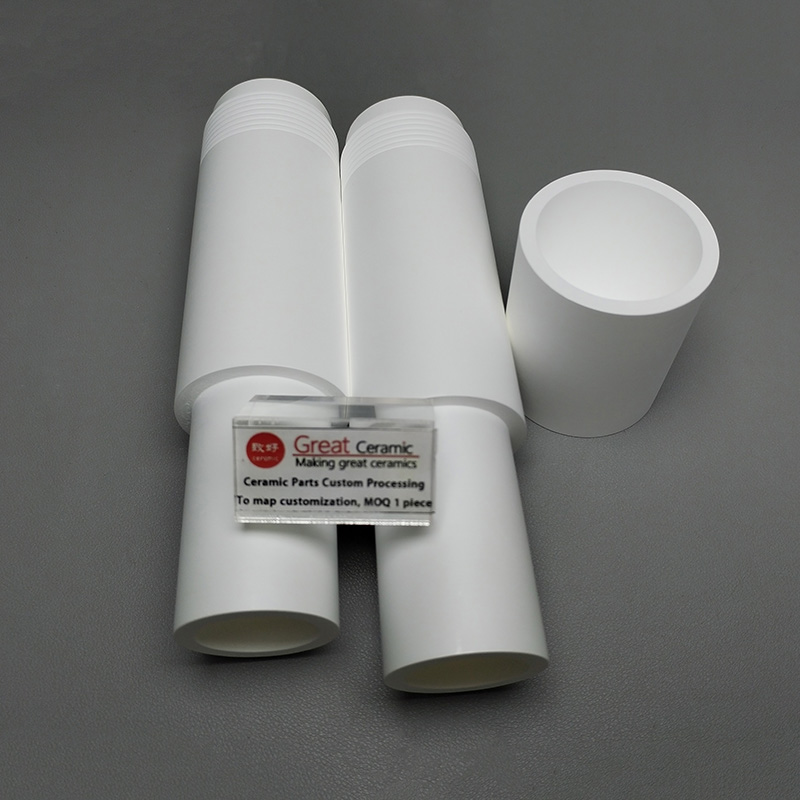

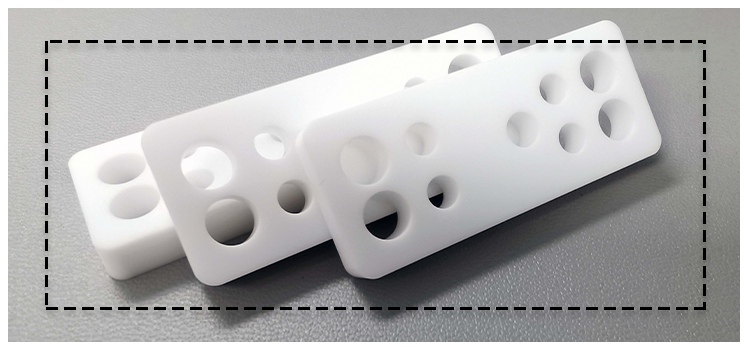

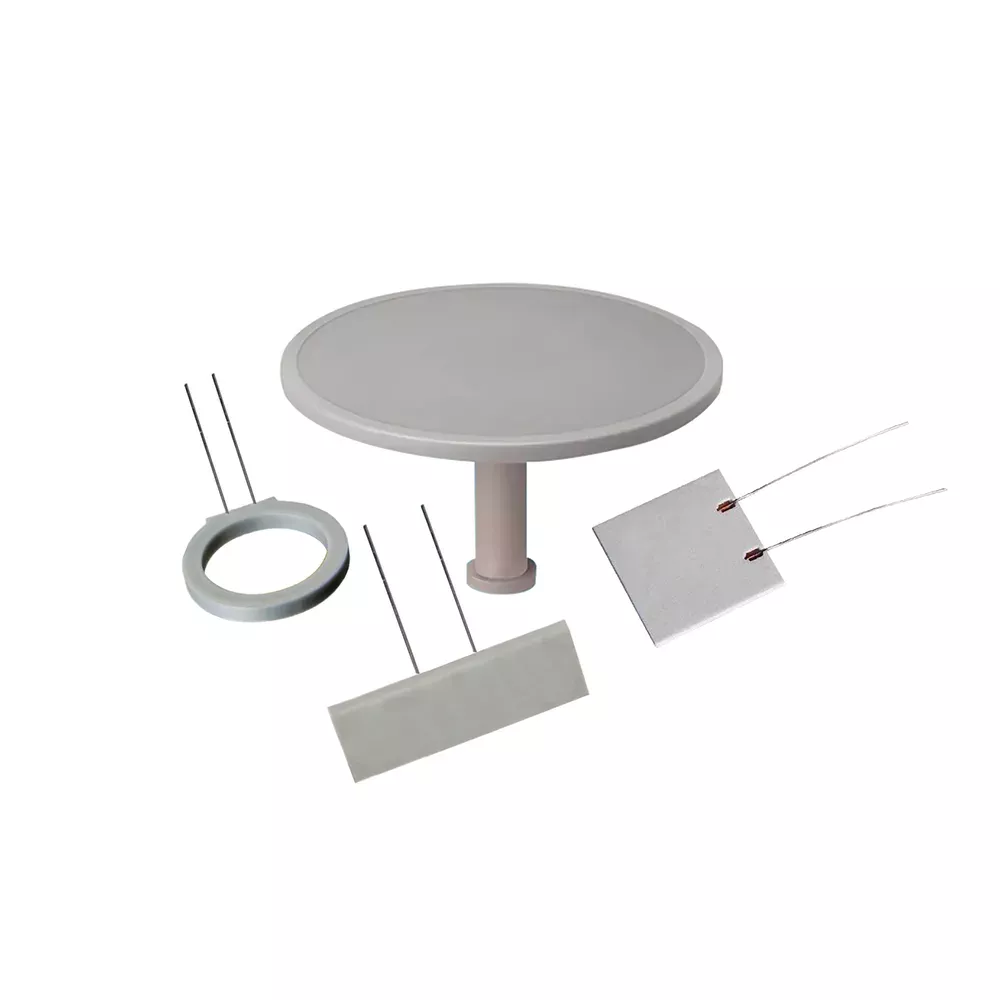
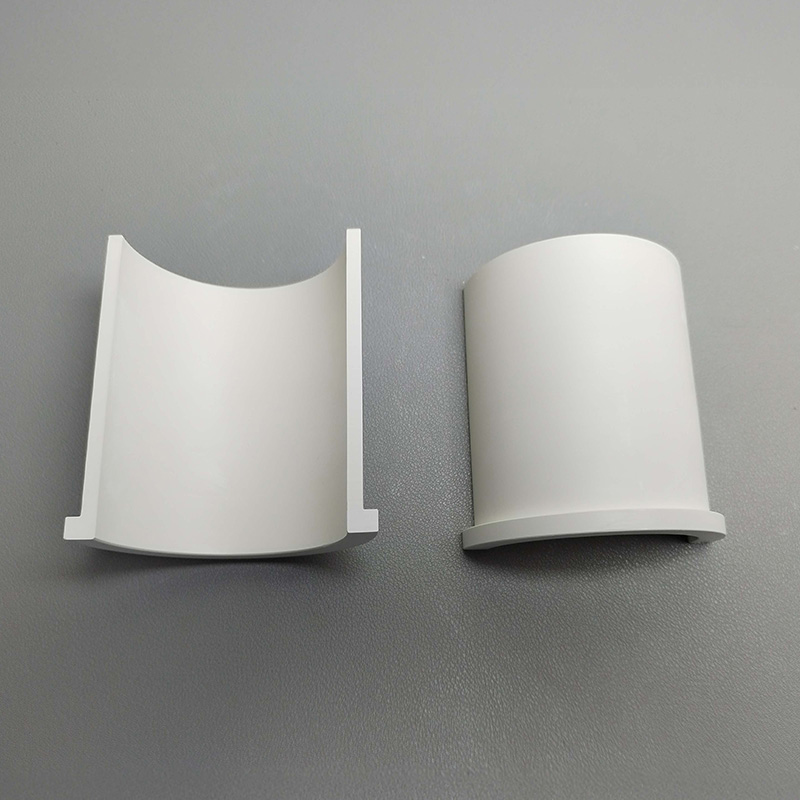

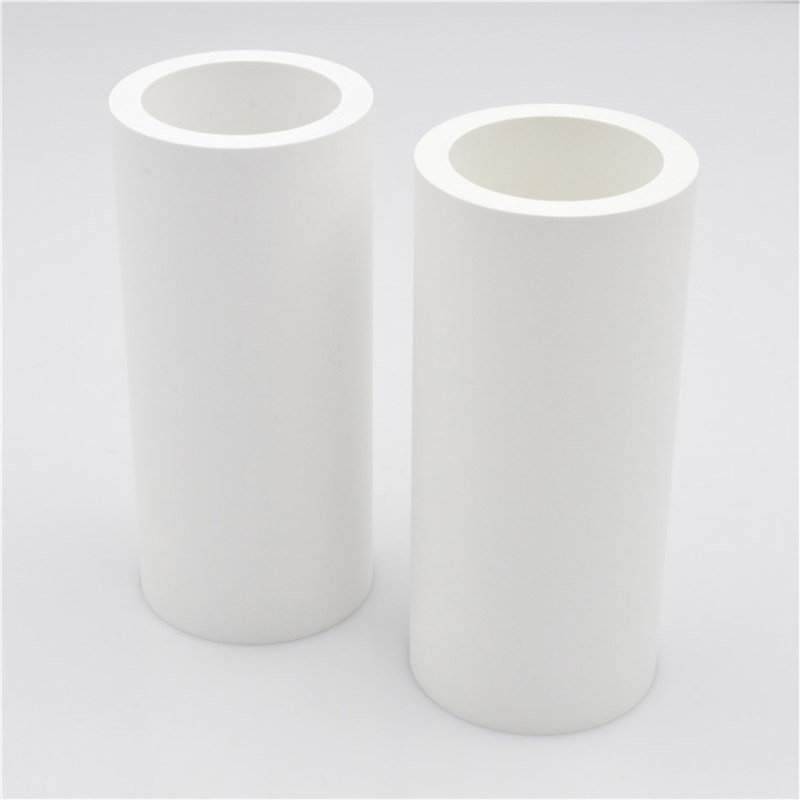

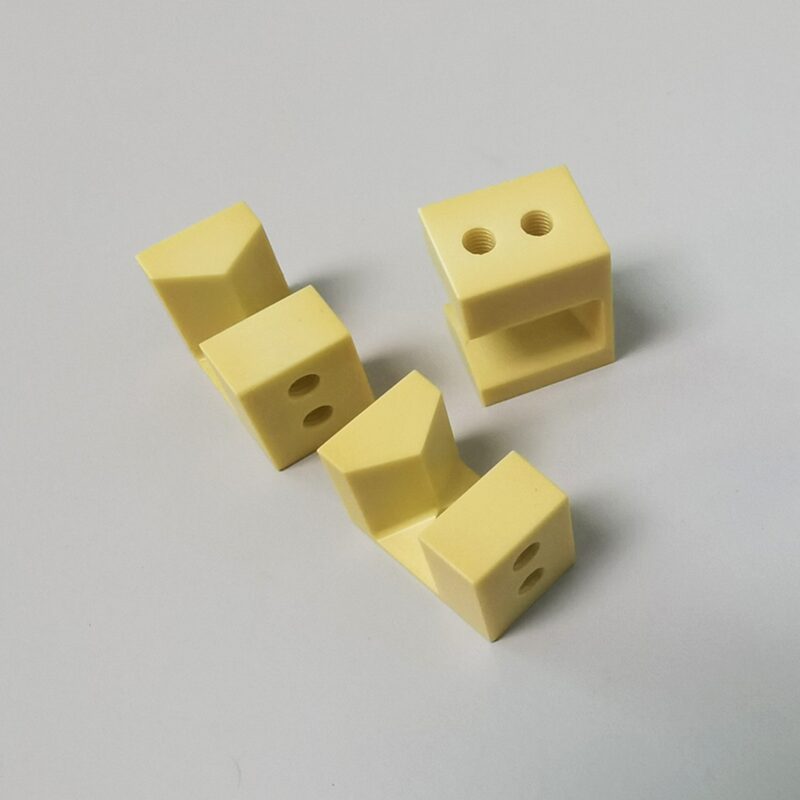

Related Product Catalogue and Quotation




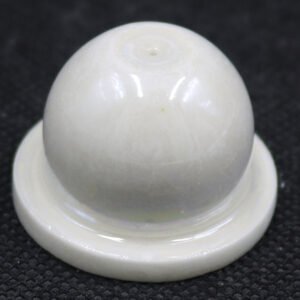


Why Buyers Specify Our Micro Ceramic Components
Micro ceramic components are easier to evaluate when drawings, materials, interfaces, operating conditions and acceptance expectations are considered together.
Control Drawing Revisions
Start with the current drawing revision, critical dimensions and intended quantity so micro ceramic components are reviewed against the requirement you actually need quoted.
Confirm Material Grade
Select alumina ceramics, zirconia ceramics, silicon carbide ceramics, silicon nitride, aluminum nitride, boron nitride or another ceramic family according to application demands and confirmed grade availability.
Define Geometry Precisely
Define tubes, rods, rings, substrates or other forms with dimensions, tolerances and assembly interfaces that connect the component to the surrounding equipment.
Specify Functional Surfaces
Identify mating surfaces, holes, seats, threads or finishing expectations that influence fit, sealing, electrical contact, thermal transfer or downstream assembly.
Clarify Inspection Evidence
State inspection points, acceptance criteria and documentation needs early, helping separate essential verification requirements from preferences before quotation and project review.
Describe Service Conditions
Share operating temperature, chemical exposure, electrical role, load conditions and service environment so the proposed material and process route can be discussed in context.
Direct Technical Inquiry
Email a drawing or component description to begin a focused discussion with Porcecore about project-specific geometry, materials, evidence and sourcing requirements.
Ceramic Components, Materials and Sourcing Support
Explore material families, component forms, application contexts and practical resources for defining clearer technical ceramic requirements.

Ceramic Manufacturing Capabilities
Ceramic manufacturing capabilities support buyers specifying tubes, rods, rings, substrates and other custom forms. Start with the drawing, required geometry, mating surfaces, tolerances, quantity and service conditions so quotation discussions can address the actual component challenge and applicable production requirements.
Discuss Your Ceramic Part
Ceramic Solutions by Industry
Ceramic solutions by industry connect advanced ceramics applications with the conditions equipment and systems must withstand. Describe the operating environment, electrical, thermal, chemical or wear-related demands, and the component’s role to identify relevant material and geometry considerations for project review.
Discuss Your Ceramic Part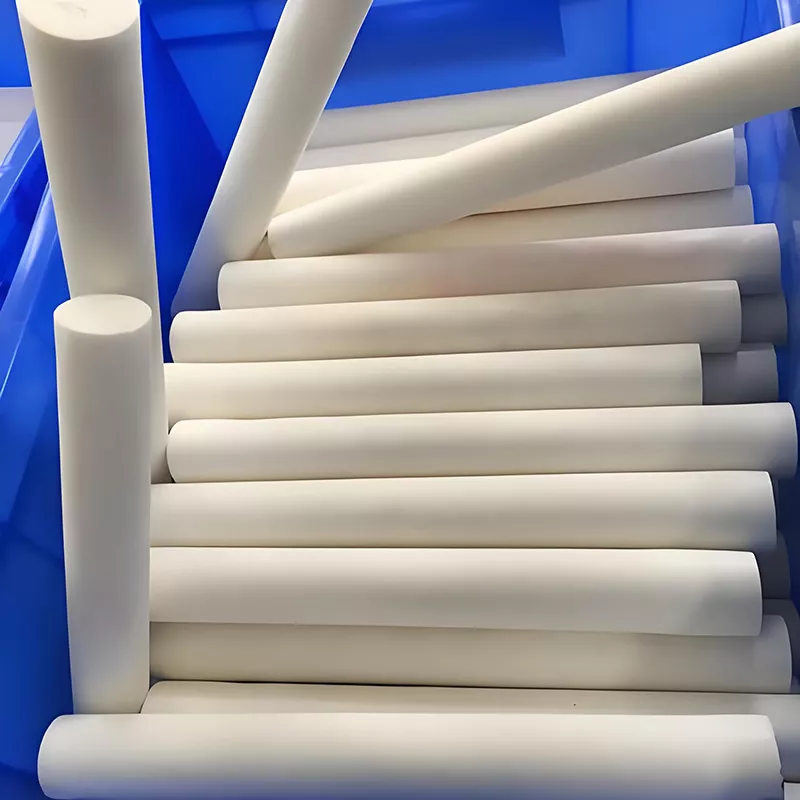
Advanced Ceramic Materials
Advanced ceramic materials include alumina ceramics, zirconia ceramics, silicon carbide ceramics, silicon nitride, aluminum nitride, boron nitride and other specialty families. Material selection should follow the required grade, operating conditions and component function rather than a material name alone, with project-specific values confirmed before commitment.
Discuss Your Ceramic Part
Technical Ceramic Products
Technical ceramic products cover familiar component forms and custom ceramic components for industrial equipment, assemblies and replacement needs. Share the current drawing revision, material designation if known, critical dimensions, fitting surfaces, quantity and acceptance criteria to support a more concrete sourcing discussion.
Discuss Your Ceramic Part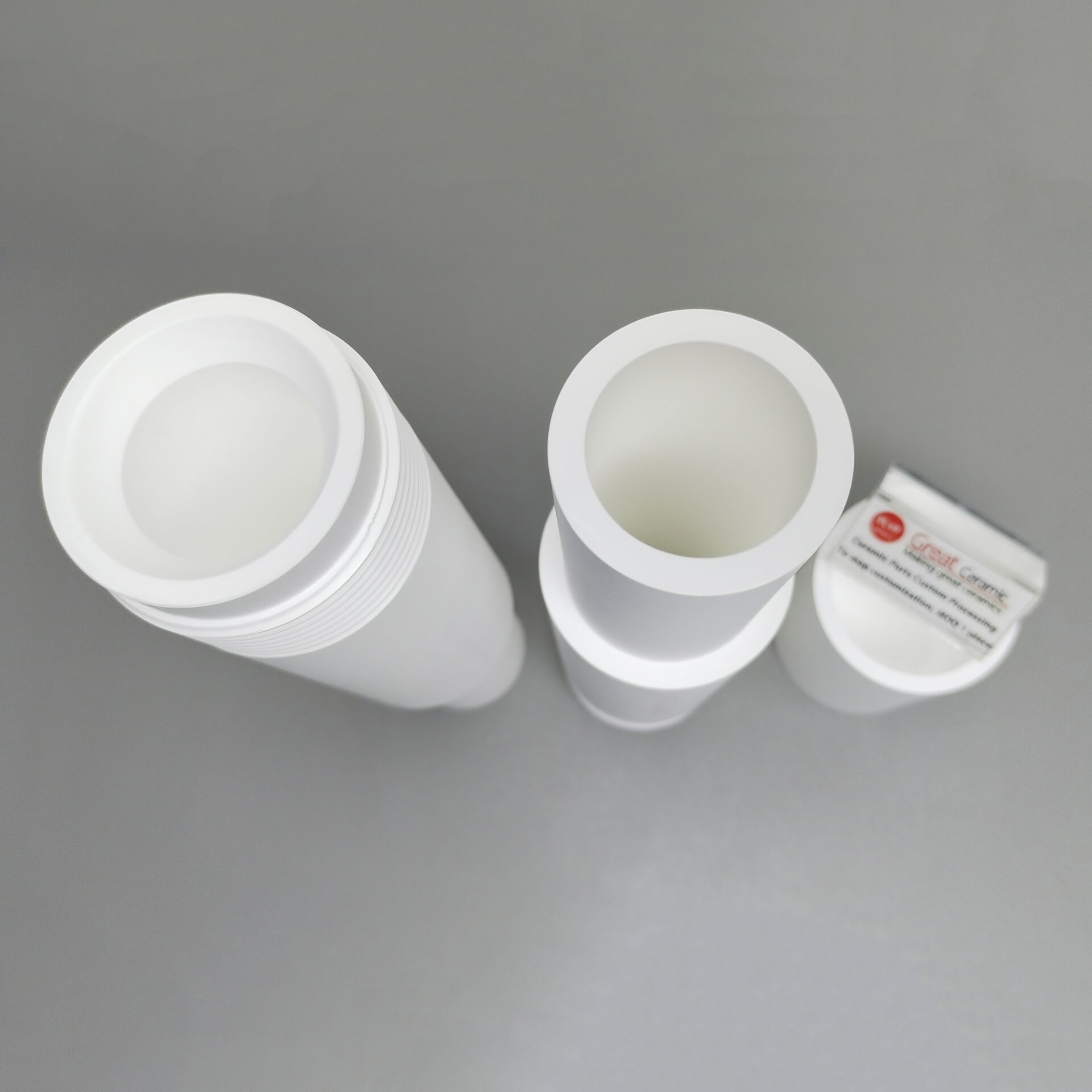
Technical Ceramic Resources
Technical ceramic resources provide practical guidance for comparing material families, component forms and inquiry requirements. Use a technical ceramics guide to clarify open questions, distinguish general properties from grade-specific data, and prepare the drawings, service conditions and documentation needed for quotation review.
Discuss Your Ceramic PartSupported Ceramic Materials for Micro Ceramic Components
Alumina Ceramic
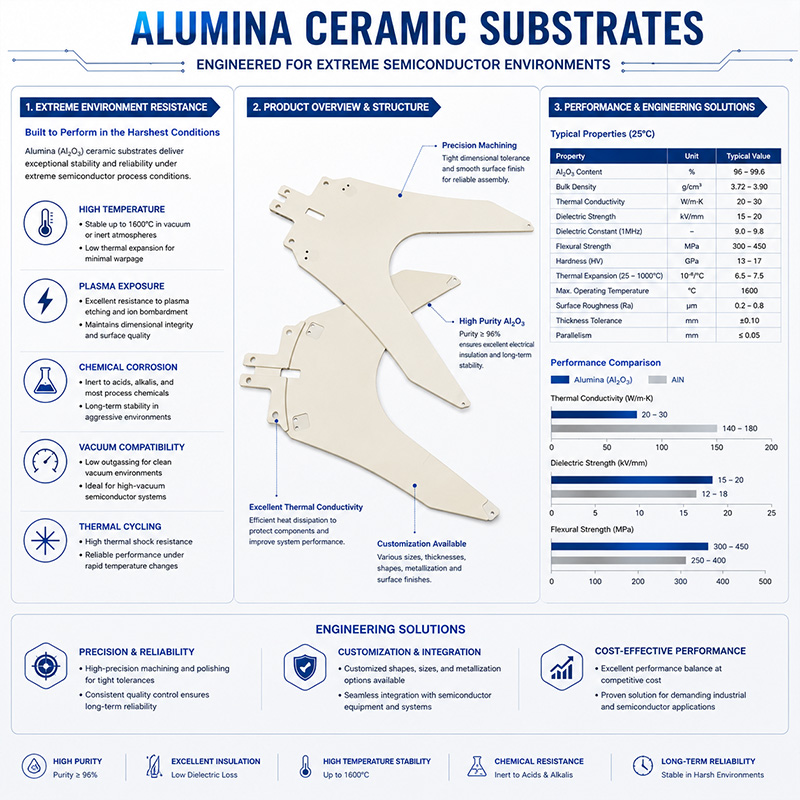
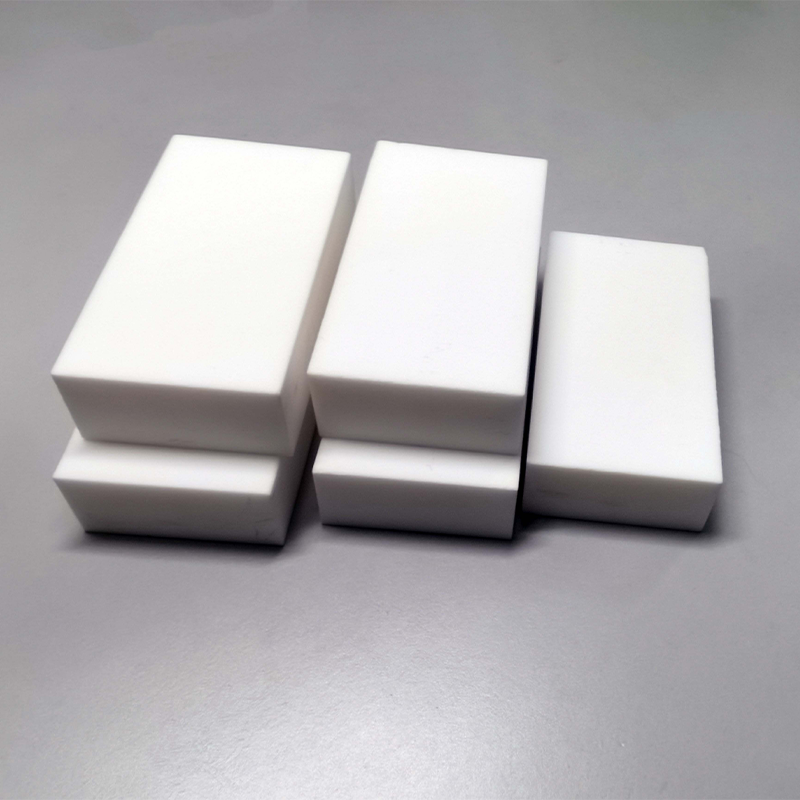
A hard, electrically insulating oxide ceramic with a stable, practical character. Alumina is commonly considered for insulators, tubes, substrates and wear parts where geometry, purity, finish and operating temperature must match the application.

Zirconia Ceramic
A dense oxide ceramic with a tough, smooth character and useful wear resistance. Zirconia may suit precision rings, guides, seals and small mechanical parts, subject to grade, stabilization method, dimensions and service conditions.
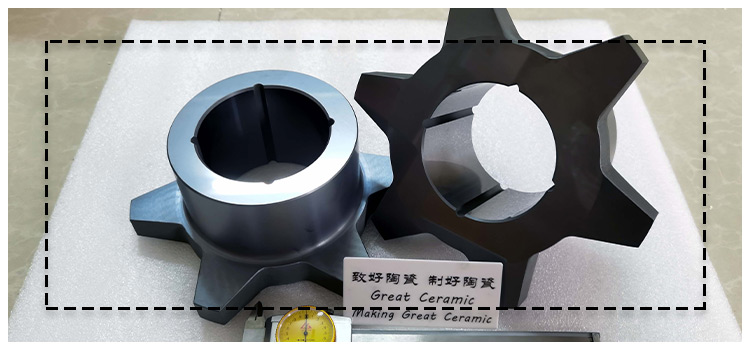
Silicon Carbide
A hard, wear- and temperature-resistant carbide ceramic suited to demanding environments. Silicon carbide may be evaluated for guides, tubes, fixtures and protective parts where abrasion, heat, chemical exposure and dimensional requirements shape the specification.

Silicon Nitride
A strong, relatively lightweight nitride ceramic with a robust engineering character. Silicon nitride may fit bearings, rollers, insulators and high-temperature components when fracture behavior, thermal cycling, mating surfaces and inspection criteria are defined.

Aluminum Nitride
A thermally conductive nitride ceramic often considered for substrates, heat-spreading parts and electrical insulation. Aluminum nitride selection depends on grade, interface needs, geometry, thermal conditions and the required acceptance documentation.
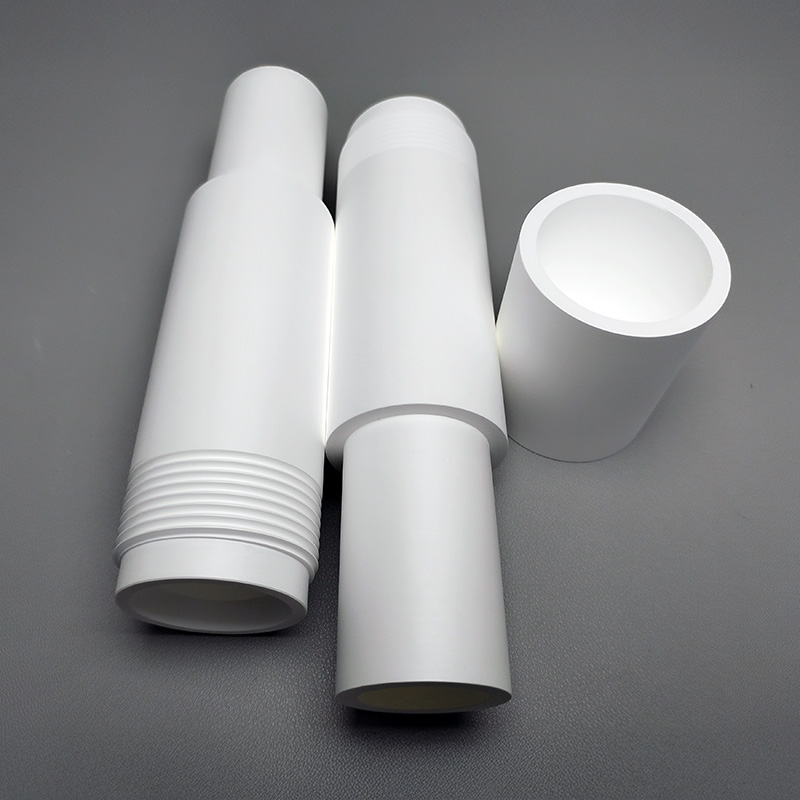
Boron Nitride
An electrically insulating specialty ceramic with a smooth, low-wetting character in suitable forms. Boron nitride may support fixtures, insulators and high-temperature interfaces, with grade, density, geometry and environment requiring project-specific review.
Supported Processes for Micro Ceramic Components

Precision Grinding
Precision grinding brings ceramic surfaces toward required dimensions, flatness and fit. It may support interface control for rings, rods, substrates and other micro ceramic components when confirmed against material grade, geometry and inspection criteria.

Diamond Machining
Diamond machining can shape and finish hard ceramic materials where geometry, openings or mating surfaces require controlled material removal. The suitable approach depends on the component design, tolerance strategy, quantity and approved drawing.

Laser Processing
Laser processing may support small features, slots or localized material removal in selected ceramic materials. Feasibility, edge condition and dimensional results require review of the drawing, thickness, application environment and inspection expectations.

CNC Shaping
CNC shaping can support repeatable profiles and component forms before final finishing, depending on the ceramic and feature requirements. Porcecore confirms suitable equipment, tooling approach and achievable tolerances for each project inquiry.

Metallization Joining
Metallization and joining may support ceramic-to-metal interfaces or assembled parts when the application requires an electrical, mechanical or sealing connection. Material compatibility, joint design, service conditions and acceptance criteria must be confirmed project by project.
Interfaces and Accessories for Micro Ceramic Components

Mating Features
Specify shoulders, steps, threads, slots or locating features that connect the ceramic part to adjacent hardware. Final geometry, tolerances and surface requirements depend on the drawing and assembly conditions.

Metal Inserts
Metal inserts may support fastening, electrical connection or hybrid assemblies. Insert material, joining method, placement and inspection criteria must be reviewed against temperature, load, corrosion exposure and the project’s interface design.

Sealing Interfaces
Grooves, seats and contact surfaces can be considered for gaskets, O-rings or other sealing arrangements. Seal compatibility, compression, leakage expectations and finish requirements require project-specific confirmation before quotation.

Identification Elements
Marking, orientation features or identification elements can help control handling and assembly of small parts. Available methods, legibility, location and permanence should be defined with the drawing and documentation needs.

Washers And Spacers
Ceramic washers and spacers can help manage electrical isolation, clearance or controlled positioning within an assembly. Required dimensions, material grade, edge condition and mating loads should be confirmed for the application.
About Porcecore: Technical Ceramic Components
Founded by Andy Yuan, Porcecore is built around a practical mission: make technical ceramic sourcing easier to understand and more useful for industrial buyers. Our scope covers oxide, nitride, carbide and specialty ceramics in familiar forms such as tubes, rods, rings and substrates, with each inquiry considered according to the component’s intended job.
What distinguishes Porcecore is the way we begin with the part and its requirements. Geometry, mating surfaces, operating conditions, material grade, inspection expectations and documentation belong in the same conversation. For micro ceramic components, buyers can share a current drawing revision, quantity and service conditions so the quotation discussion has a clear project-specific foundation.
Porcecore supports procurement teams, engineers, equipment builders and distributors who need to move from a general material idea toward a defined component decision. Email info@zlrsmaterials.com or connect by WhatsApp at +86 130 6482 5920 to discuss a drawing, replacement part or new application.
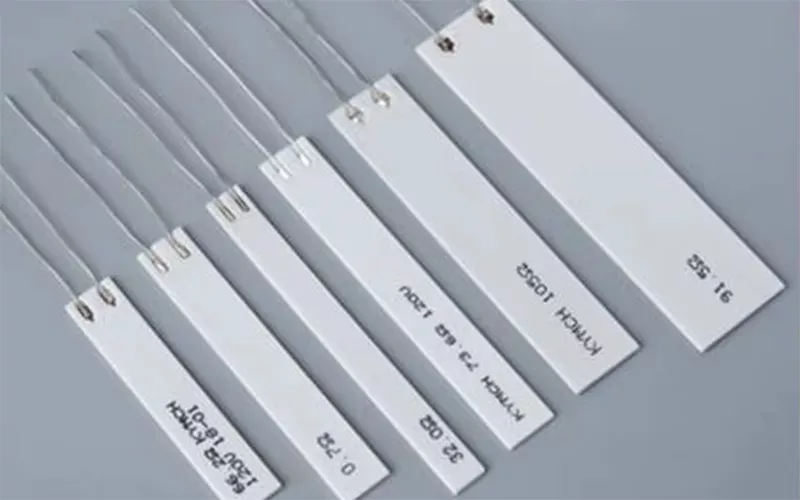
Core Capabilities for Micro Ceramic Components
Translate Requirements Into Scope
Porcecore helps industrial buyers turn an initial part description into a clearer sourcing brief. We review the component’s function, operating environment and project context so the quotation discussion starts with defined questions rather than assumptions about material or availability.
- Clarify the component’s job and service conditions
- Separate essential requirements from preferences
- Identify missing drawing or application details
- Create a practical basis for quotation
Discuss The Right Material Family
Material selection begins with the application, not a catalogue label alone. Porcecore can discuss oxide, nitride, carbide and specialty ceramic families in relation to the component’s geometry, thermal, electrical and mechanical requirements, with grade confirmation kept specific to each project.
- Review alumina, zirconia, silicon carbide and more
- Connect material behavior to operating conditions
- Treat listed materials as starting points for discussion
- Confirm grade-specific values before commitment

Review Geometry And Interfaces
Micro ceramic components often depend on dimensions that affect assembly, alignment and function. Share the current drawing revision, including critical features and mating surfaces, so the inquiry can focus on the tolerances, finishes and interfaces that determine whether the part fits the system.
- Examine dimensions that control assembly
- Identify surfaces mating with other parts
- Highlight critical tolerances and finishes
- Distinguish illustration details from specifications

Clarify Acceptance Criteria
A useful quotation also defines how the finished component will be evaluated. Porcecore welcomes discussion of inspection expectations, documentation, quantity and delivery requirements, helping procurement and engineering teams align project criteria before production details are finalized.
- Define inspection and acceptance expectations
- Record required documentation for approval
- Confirm quantity and delivery considerations
- Resolve open questions before order agreement

Micro Ceramic Components: Porcecore Compared With a Typical Alternative Supplier
Compare the requirement-handling approach behind clearer ceramic component sourcing decisions.
← Swipe left or right to view →
Our Micro Ceramic Components Production Process
A drawing-led path from material review to shipment, with grade, geometry, inspection and acceptance details confirmed for each quotation.
Define Part Requirements
Share the drawing revision, quantity, service conditions, mating surfaces and acceptance criteria so the component requirement has a clear starting point.
Review Materials and Geometry
Porcecore reviews the proposed ceramic family, grade, dimensions and interfaces, identifying open questions before confirming a practical sourcing direction.
Confirm Production Route
Forming, machining or another suitable process is considered against geometry, quantity, tolerance and finish requirements, then documented within the quotation discussion.
Inspect Against Requirements
Inspection expectations are aligned to the approved drawing and project criteria, distinguishing confirmed measurements from general material or process information.
Pack and Ship
After commercial and technical details are confirmed, completed components are prepared for shipment according to the agreed packing, documentation and delivery requirements.
How to Source Micro Ceramic Components
A clear, drawing-led path from initial requirement to confirmed production and delivery terms.
Send Your Current Requirements
Share the current drawing revision, component quantity, operating conditions, and critical interfaces so Porcecore can understand the part and its intended service.
Clarify Grade and Acceptance
Confirm the ceramic family or grade, geometry, tolerances, mating surfaces, inspection expectations, and documentation needed for project approval.
Review the Sourcing Plan
Evaluate the quotation, technical questions, sample approach, and proposed verification points before deciding how the component should move toward production.
Confirm Production and Delivery
Align on approved requirements, production quantity, acceptance criteria, documentation, delivery timing, and commercial terms for the individual ceramic component project.
Micro Ceramic Components: Certifications and Technical Documentation
Project Considerations for Micro Ceramic Components
Verified customer testimonials are not published here. Porcecore begins with the current drawing revision, material designation, quantity, service conditions and acceptance criteria to create a clearer quotation brief.
For replacement micro ceramic components, the useful starting point is the part interface: dimensions, mating surfaces, operating environment and inspection expectations should be reviewed together before material and grade decisions are confirmed.
Project-specific outcomes depend on the confirmed grade, geometry, tolerances, documentation and delivery terms. Emailing a drawing or component description gives the quotation discussion a concrete basis for the next decision.
Micro Ceramic Components FAQ
Clear answers for drawing-led inquiries, material selection and project-specific ceramic sourcing decisions.
What information should I provide when requesting micro ceramic components?
Is there a minimum order quantity for micro ceramic components?
How are material grade and ceramic family selected?
Can Porcecore confirm tolerances and functional surfaces from my drawing?
Can I request samples, and how are sampling cost and lead time handled?
How are payment terms and shipping arranged for micro ceramic components?
What happens if my drawing is revised during the quotation or production process?
How can I protect design information and request inspection evidence?
The Complete Buyer’s Guide to micro ceramic components
Use this decision framework to match micro ceramic components to performance requirements, compare supplier capabilities and costs, and avoid common specification, quality, sourcing, and production-launch mistakes.
1. What Are micro ceramic components?
1 millimeter is not a universal boundary for micro ceramic components; the term describes compact ceramic parts whose small scale affects handling, inspection, assembly, or system performance. They may function as insulators, substrates, spacers, seals, guides, sensor elements, or wear-resistant interfaces in electronics, instrumentation, medical equipment, and industrial machinery. 2 dimensions can separate a micro component from a standard ceramic part, but geometry and function matter equally. Compared with larger tubes, rods, rings, or assembled modules, micro parts usually demand closer control of features, mating surfaces, edge condition, flatness, and dimensional tolerances because small deviations can affect fit or yield. 7 questions should anchor sourcing: What geometry and tolerance are required, what environment will the part face, and what electrical behavior, thermal load, and mechanical stresses apply?
2. Evolution and History of micro ceramic components
Three recurring pressures shaped the evolution of micro ceramic components: tighter system integration, concentrated heat loads, and shrinking electrical clearances. Traditional technical ceramics offered insulation, wear resistance, and dimensional stability; miniaturization made those properties necessary in smaller, more closely packed geometries. Four application groups accelerated precision development: electronics, medical equipment, sensors, and wearables. Ceramic substrates, insulating features, sensing elements, and compact diagnostic parts increasingly required controlled shrinkage, stable behavior across temperature changes, and repeatable interfaces rather than material selection alone. Two production capabilities became especially important: precision forming for near-net geometries and secondary operations such as laser machining or grinding for critical dimensions.
3. Types of micro ceramic components
Substrates, insulators, feedthroughs, sensor parts, nozzles, wear parts, housings, and miniature assemblies cover distinct mechanical and electrical roles. Each quotation should connect geometry, service conditions, interfaces, and inspection requirements.
Electrical And Thermal Parts
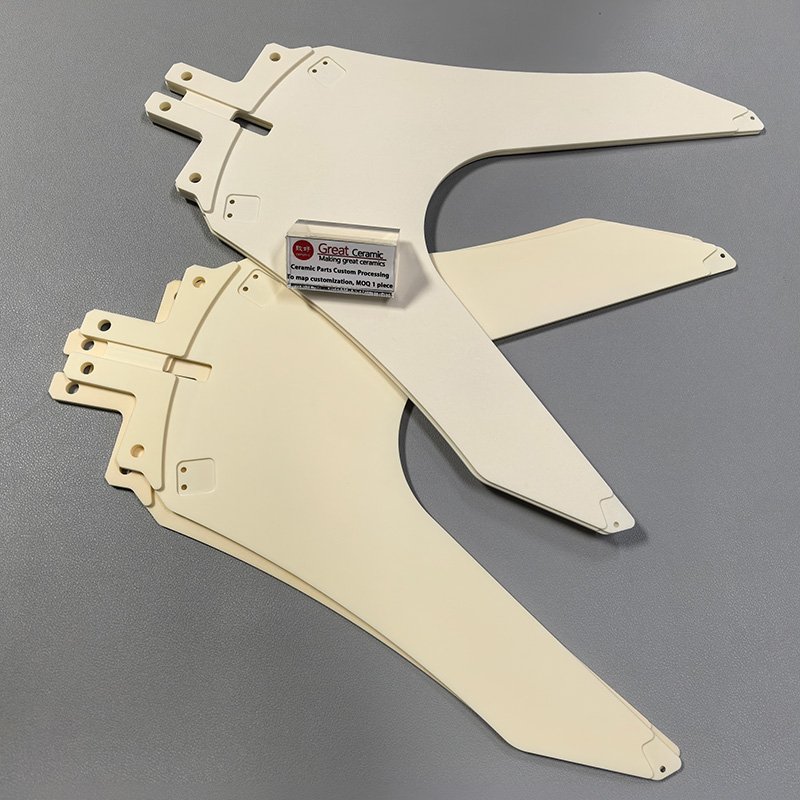
Substrates and insulators are typically flat plates, rings, tubes, or patterned bases; priorities include dielectric behavior, thermal stability, flatness, and controlled interfaces.
A quotation needs material family, thickness, metallization or joining method, mating features, quantity, operating temperature, voltage, and inspection criteria. See https://www.advaluetech.com/how-advanced-ceramics-are-powering-the-next-generation-of-electronics.
Sealing And Connection Parts

Feedthroughs and housings commonly combine ceramic bodies with metal pins, sleeves, or flanges; hermeticity, alignment, insulation, and joint compatibility are central priorities.
Fluid And Wear Parts

Nozzles, spacers, and wear parts range from miniature orifices to rings and precision washers; flow path, clearance, abrasion, erosion, and edge integrity determine suitability.
Sensor And Miniature Assemblies
Sensor parts and miniature assemblies may use sleeves, caps, beads, or complex molded geometries; response stability, dimensional repeatability, cleanliness, and assembly stress matter.
Send the current drawing revision, component interfaces, joining sequence, service environment, batch size, and acceptance tests. Custom ceramic micro-components are also discussed at https://www.micro-ceramics.com.
4. Materials for micro ceramic components
Six material families—alumina, aluminum nitride, zirconia, sapphire, quartz, and silicon carbide—cover common miniature ceramic requirements. Compare heat flow, insulation, wear, chemistry, purity, tolerances, CTE, and total cost.
| Material | Strengths | Limitations | Typical Uses | Selection Questions |
|---|---|---|---|---|
| Alumina | Insulating, hard, economical | Lower heat transfer | Insulators, substrates | Heat load, purity, cost? |
| Aluminum nitride | Insulating, high conductivity | Higher cost; CTE matching | Thermal substrates | Heat flux, joining? |
| Zirconia | Tough, wear resistant | Low conductivity | Wear parts, seals | Impact, wear, fit? |
| Sapphire/quartz | Pure, chemical stable | Hard processing; quartz softer | Optics, tubes | Purity, expansion, finish? |
| Silicon carbide | Heat, wear, chemical resistance | Difficult machining | Harsh-environment parts | Service life versus cost? |
Electrical And Thermal Balance
Alumina is hard, insulating, chemically resistant, and economical, but transfers heat modestly.
Hardness, Purity, And Wear
Zirconia provides toughness and wear resistance with low thermal conductivity.
Selection Questions
Silicon carbide suits severe wear, heat, and chemical exposure, but its hardness raises machining cost. Confirm CTE compatibility, mating surfaces, feature tolerances, grade purity, and inspection.
5. Customization and finishing options
A current drawing should define geometry, holes, slots, mating surfaces, and operating conditions together.
Design Customization
A drawing revision should identify dimensions, datums, holes, slots, edge conditions, and assembly interfaces. These features influence forming yield, inspection scope, lead time, and cost.
Precision Machining
Grinding, drilling, lapping, and laser machining can refine micro ceramic components after forming. Specify critical tolerances, surface finish, and inspection method only where assembly or performance requires them.
Surface Treatment
Metallization, coatings, and laser marking serve different purposes: electrical connection, environmental protection, identification, or appearance. State the coating system, marked location, adhesion expectation, and functional test. Surface treatment can add masking, handling, inspection, and lead-time requirements.
Joining And Integration
Brazing, bonding, and ceramic-to-metal integration require defined mating materials, joint location, clearance, service temperature, and leak or strength criteria. These inputs determine process selection and validation. Identify whether the joint is structural, hermetic, electrical, or positioning-related.
6. Key construction and quality elements
One controlled drawing revision should define the part before quality is judged.
Drawing And Dimensional Control
One current drawing revision should state tolerances, flatness, concentricity, edge condition, mating surfaces, and assembly alignment.
Defects And Surface Acceptance
Five common rejection risks are porosity, cracks, contamination, excessive surface roughness, and damaged edges; metallization also requires adhesion and coverage checks.
Inspection And Delivery Evidence
Three evidence layers are typical: dimensional inspection, visual or magnified examination, and application-specific testing. Define sampling, traceability, inspection records, and protective packaging in the RFQ.
7. How to choose a micro ceramic components manufacturer
Ten checks should connect the supplier’s technical process to your part’s actual risks.
Engineering And Process Fit
A drawing review should address material grade, shrinkage, forming route, machining allowances, mating surfaces, and achievable tolerances. Ask which features require green, fired, diamond-ground, or lapped processing.
- Request sample parts against the current drawing revision.
- Ask for process-capability data on critical dimensions.
- Confirm forming, machining, and finishing routes.
Inspection And Documentation
A supplier should name the inspection equipment used for dimensions, surface condition, and material verification, then provide a sample inspection report. Confirm calibration status and whether results are traceable to defined acceptance criteria.
Request material certificates, drawing-controlled specifications, nonconformance handling, and change-control procedures before approval.
- Request a dimensional inspection report.
- Define documentation required for lot release.
- Ask how supplier or process changes are notified.
Capacity And Scale-Up Readiness
A quoted lead time should separate engineering review, tooling, prototype, production, and inspection; avoid accepting a single optimistic date. Ask for capacity assumptions, minimum order quantities, backup plans, and constraints affecting repeat supply.
- Request milestone-based lead times.
- Confirm pilot-to-production capacity.
- Record commercial and technical assumptions.
8. Common mistakes buyers make
Eight recurring errors turn technically suitable micro ceramic components into costly delays: unclear function, incomplete specifications, late process decisions, and weak receiving controls. Each is preventable when the inquiry links requirements to verification.
Define Function Before Dimensions
A drawing dimension without load, temperature, mating surface, or electrical duty cannot establish whether the part is fit for service. Corrective action: state the job each critical feature performs.
Control Material And Process Risks
Shrinkage, machining allowance, tolerances, joining, and finish limits must be discussed before quotation; material price alone is not a valid selection method. Corrective action: identify grade, forming route, joining concept, and achievable surfaces.
Make Quotes And Acceptance Comparable
A quotation without inspection criteria, prototype expectations, packaging, or documentation hides commercial risk. Corrective action: request the same revision, quantity, acceptance criteria, inspection records, and packing requirements from each source.
9. Steps to launch micro ceramic components into production
1. A production launch should move from the application and mating interfaces to a controlled drawing, evidence package, and approved supply plan.
Define The Requirement
1. Begin with the operating environment, mating surfaces, critical dimensions, quantity, and inspection expectations. Engineering and the manufacturer then review design-for-manufacturing risks before material and process options are narrowed.
2. Release one drawing revision with the material designation, tolerances, surface requirements, test conditions, and required documentation. Keep preferences separate from characteristics that determine fit or performance.
Sample And Verify
3. Prototype samples should be inspected against the released drawing, with results linked to part identification and revision status. Quality and engineering compare dimensional, thermal, electrical, or mechanical evidence with the application criteria. 4. Record deviations, test failures, and proposed design changes in a controlled review.
Approve Recurring Supply
5. Pilot production verifies repeatability, packaging, traceability, and the agreed inspection plan before procurement issues a production order. Quality closes open corrective actions, while engineering approves the final technical configuration.
6. The approval package should include the signed drawing, material and process confirmation, inspection results, test evidence, deviation disposition, quantity basis, and delivery terms. Recurring supply begins only after responsibilities and change-control rules are documented.
10. Pricing and cost of micro ceramic components
1 firm quotation for micro ceramic components depends on material grade, part volume, geometry, tolerances, forming method, machining and finishing. Smaller features, tighter fits and more post-form grinding generally increase process time and inspection effort.
2 commercial variables also affect landed cost: metallization, joining, inspection level, tooling, protective packaging, order quantity and shipping method. Porcecore separates product assumptions from confirmed project terms before commitment.
| Quantity tier | Indicative cost drivers | Setup/tooling impact | Lead-time implication | Information for firm quotation |
|---|---|---|---|---|
| Prototype or sample | Complex geometry, machining, inspection | Higher unit allocation; tooling may be avoidable | Engineering and process review required | Drawing revision, grade, quantity, service conditions |
| Low-volume order | Forming route, tolerances, finishing, packaging | Initial tooling and fixtures spread across fewer parts | Material and tooling availability can govern schedule | Critical dimensions, mating surfaces, acceptance criteria |
| Production order | Material yield, cycle time, inspection, shipping | Tooling amortization lowers unit-cost pressure | Planned forming and finishing capacity improves predictability | Annual demand, batch size, documentation needs |
| Repeat order | Confirmed process, quantity, logistics | Existing tooling may reduce setup work | Lead time depends on stock and shipping lane | Approved revision, reorder quantity, delivery destination |
Discuss Your Micro Ceramic Components Requirement
Email a drawing or describe your component and operating environment to begin a clear, project-specific quote discussion with Porcecore.