
Ceramic Heating Plates for Clearer Technical Sourcing
Define technical ceramic components—whether industrial ceramic parts or custom ceramic components—by material, geometry, service conditions, and acceptance requirements before requesting a quotation.
Featured Ceramic Heating Plate Components

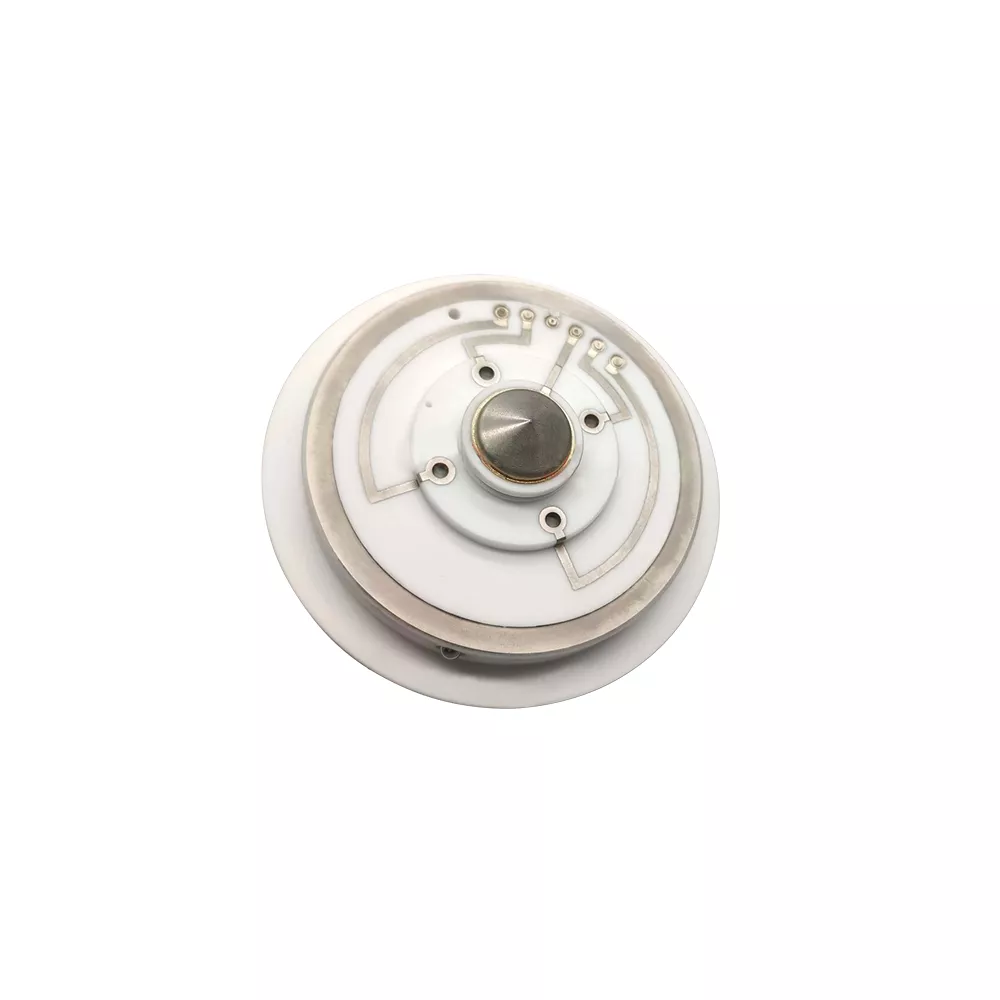




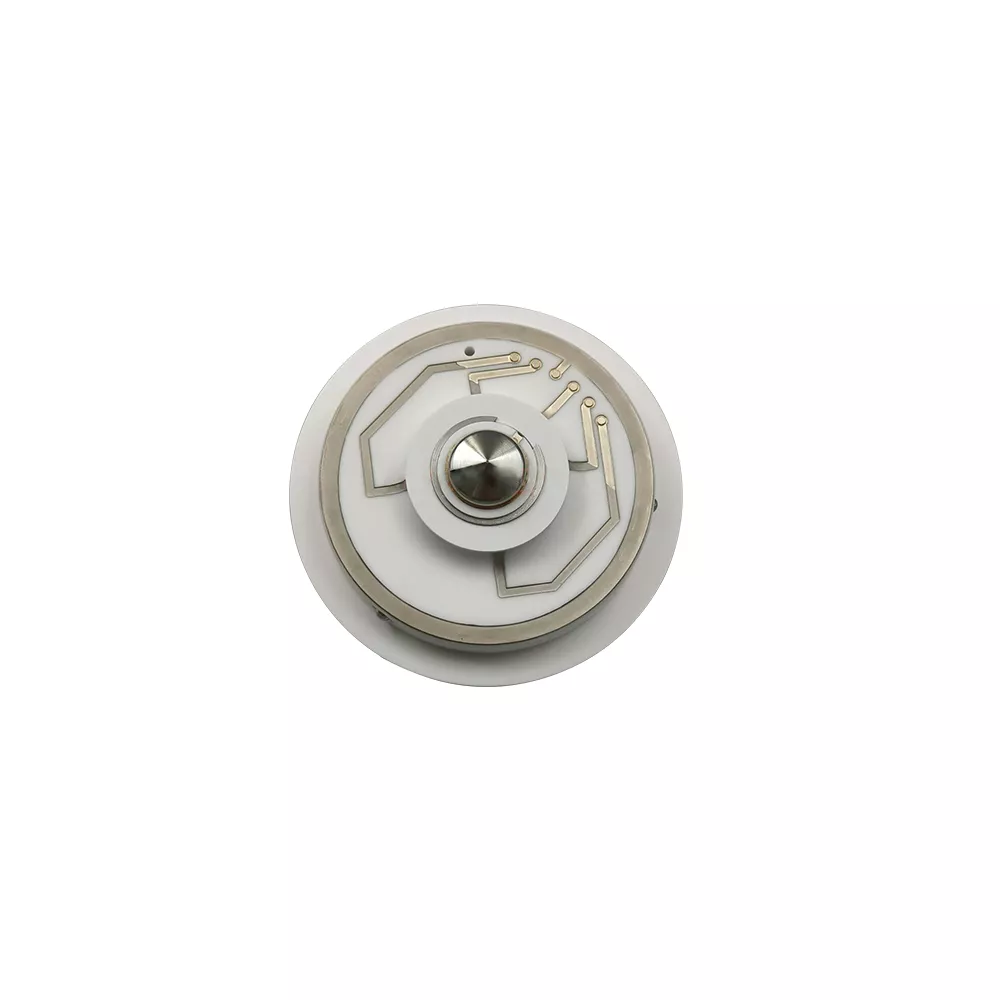
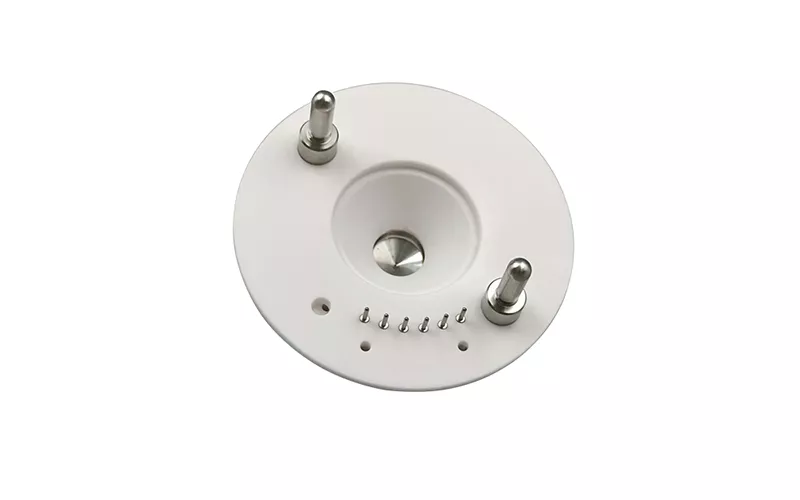

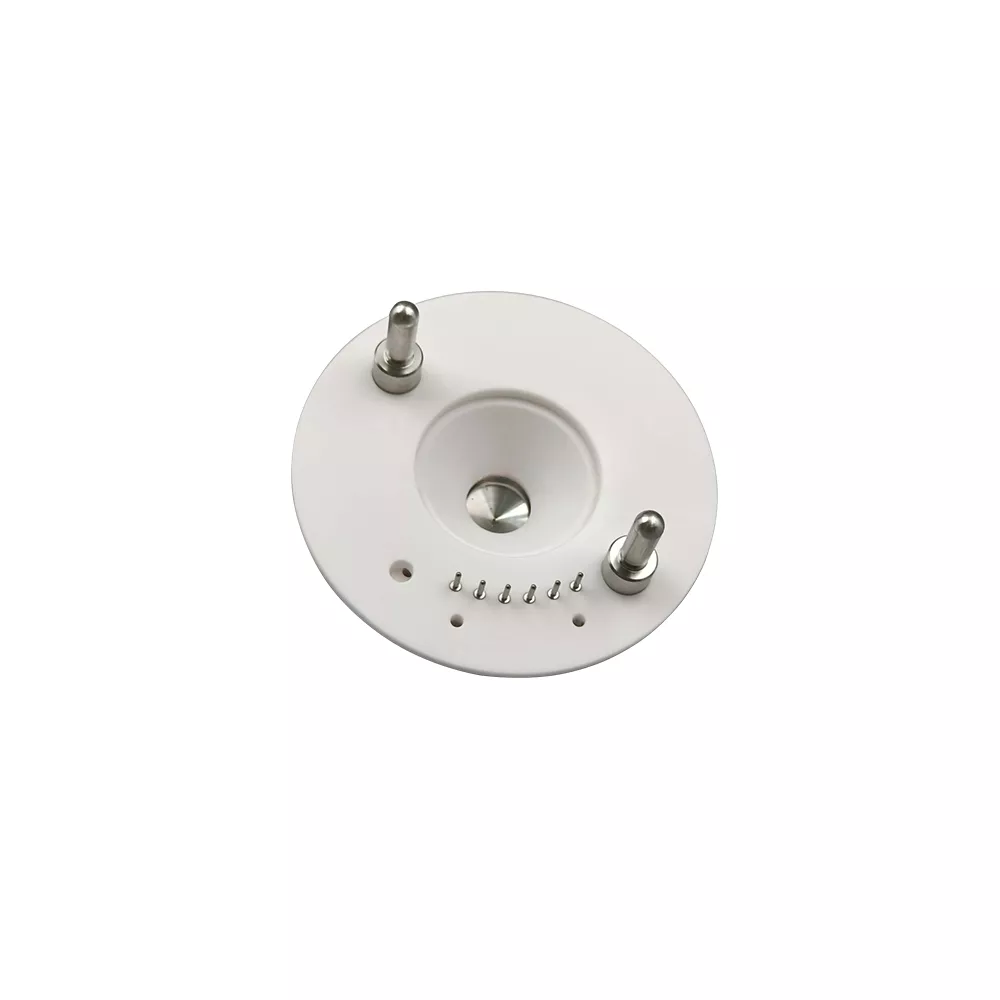
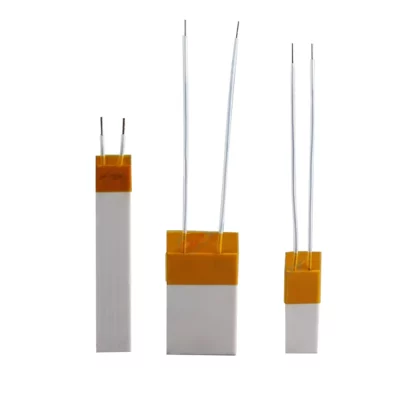
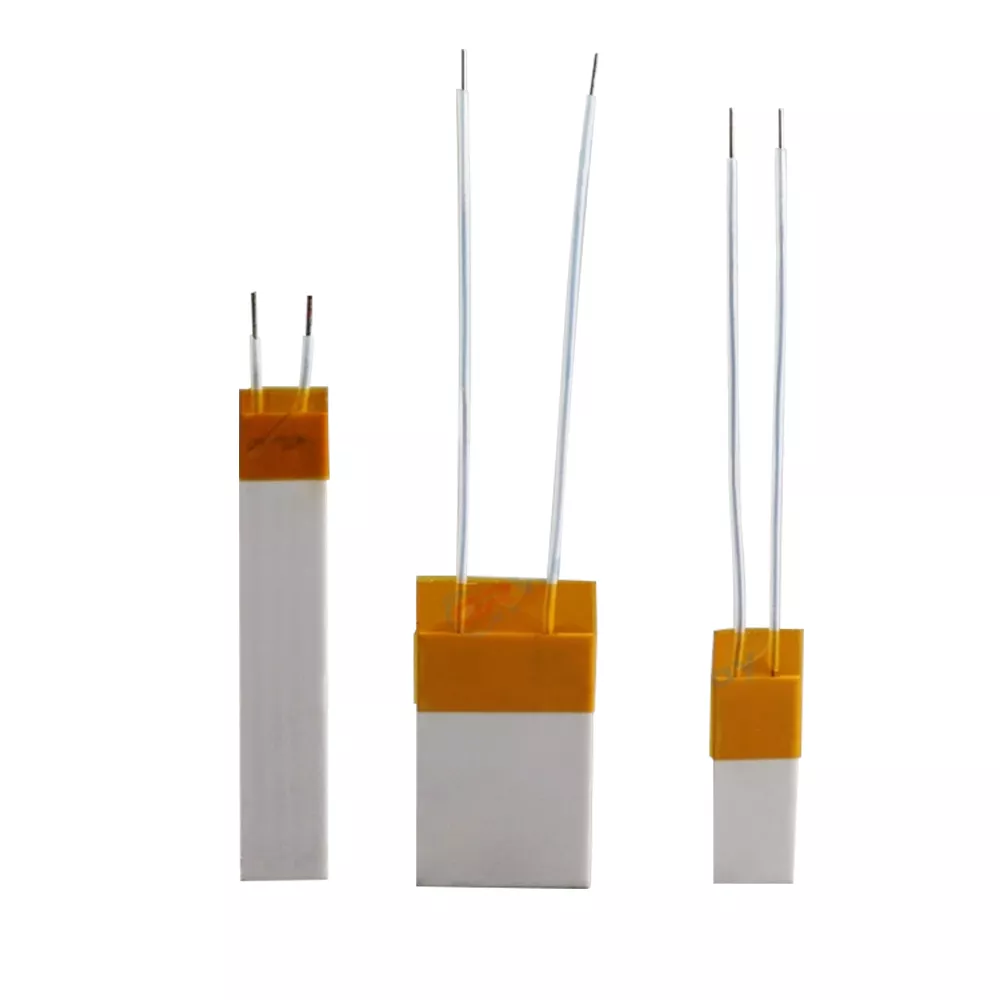


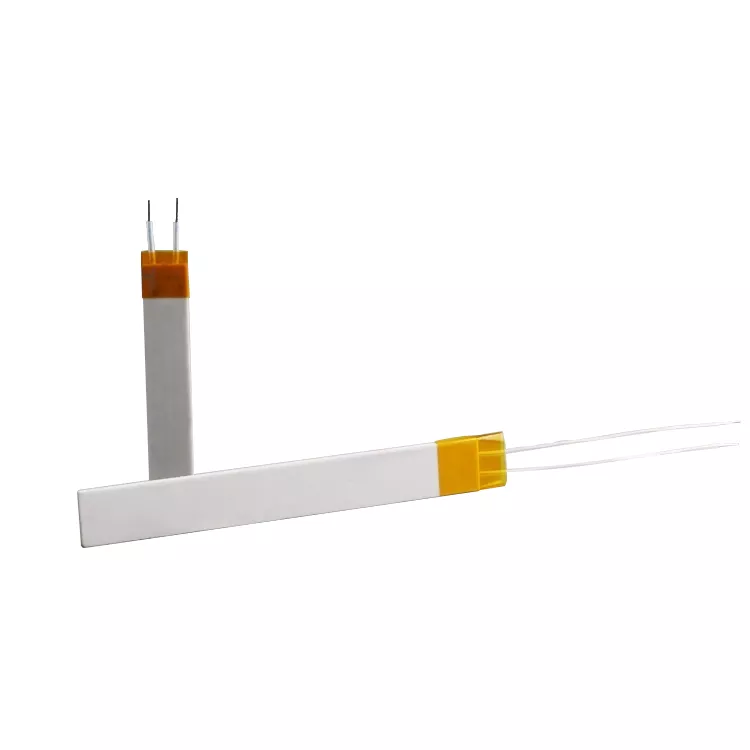

Ceramic Heating Plates for Review and Quotation




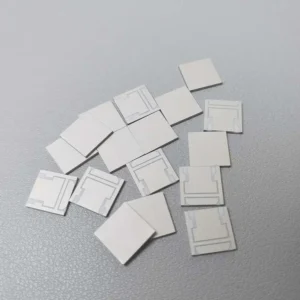
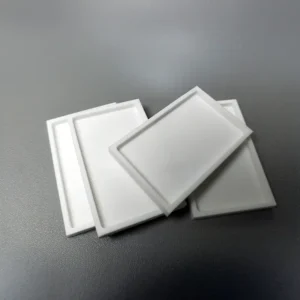


Why Source Ceramic Heating Plates Through Porcecore?
Evaluate ceramic heating plates through clear drawings, project-specific requirements, and evidence that supports a better-informed sourcing decision.
Quote From the Current Drawing
Share the current drawing revision so dimensions, tolerances, interfaces, and open questions form a concrete basis for discussing ceramic heating plates.
Confirm the Material Grade
Identify the preferred ceramic family or grade when known, while confirming that material selection fits the required thermal, electrical, mechanical, and chemical conditions.
Match Geometry to Assembly
Review plate size, thickness, openings, edges, and mounting features against the surrounding equipment so the component supports practical assembly requirements.
Define Functional Mating Surfaces
Call out surfaces that contact heaters, fixtures, insulation, sensors, or adjacent parts; these interfaces often determine finish, flatness, and dimensional priorities.
Connect Design to Service Conditions
Describe operating temperature, heating cycle, atmosphere, electrical environment, and loading so the ceramic component discussion reflects the part’s actual working conditions.
Align Inspection Evidence Early
Set acceptance criteria and documentation expectations before quotation, helping distinguish essential inspection evidence from preferred reporting details for the individual project.
Ceramic Heating Components for Defined Applications
Review material, component and application groupings before narrowing a heating assembly inquiry to drawings, operating conditions and acceptance requirements.
Ceramic Manufacturing Capabilities
Define the manufacturing route around heating assembly requirements, including geometry, flatness, tolerances, mating surfaces and inspection needs. A drawing-led inquiry helps clarify whether machining, forming, metallization or finishing steps are relevant to the requested ceramic component.
Discuss Your Ceramic Part
Ceramic Solutions by Industry
Connect advanced ceramics applications with practical equipment needs such as insulation, electrical isolation and temperature exposure in heating assemblies. Share the operating environment and assembly interfaces so the quotation can address the actual service conditions rather than a generic application label.
Discuss Your Ceramic Part
Advanced Ceramic Materials
Compare advanced ceramic materials by the properties that affect heating components, including thermal conductivity, dielectric behavior, temperature resistance and chemical stability. Material selection remains project-specific and should be confirmed against the required grade, geometry, processing route and acceptance criteria.
Discuss Your Ceramic Part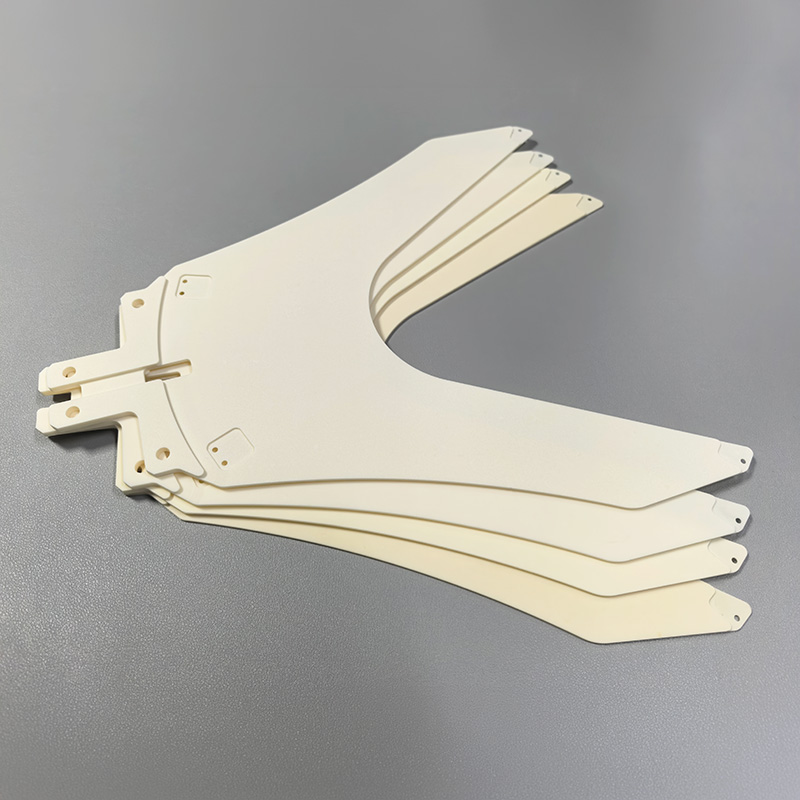
Technical Ceramic Products
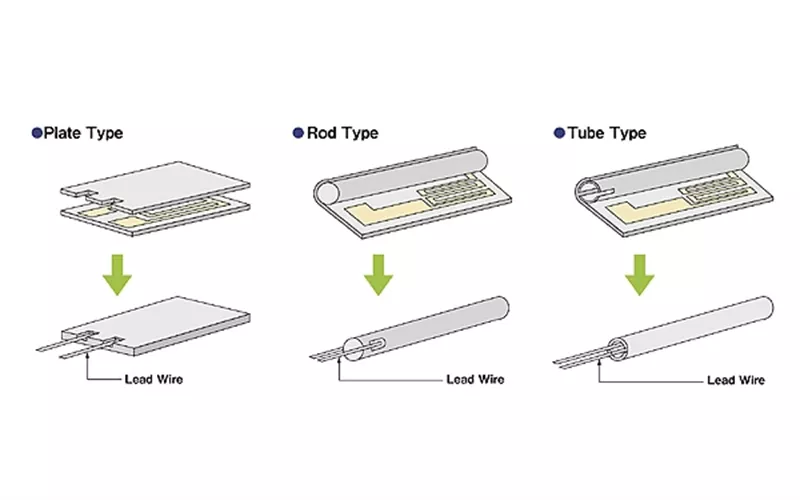
Review technical ceramic products by familiar forms such as plates, tubes, rods, rings and substrates. Product illustrations indicate possible component types; dimensions, tolerances, surface requirements, quantity and documentation must be confirmed for the individual sourcing request.
Discuss Your Ceramic Part
Technical Ceramic Resources
Use technical ceramics resources to prepare a more complete inquiry. Include the current drawing revision, known material designation, quantity, service conditions, critical dimensions and acceptance criteria, then contact Porcecore by email or WhatsApp to identify open requirements and next decisions.
Discuss Your Ceramic PartCeramic Heating Plates: Supported Ceramic Materials
Alumina Ceramic
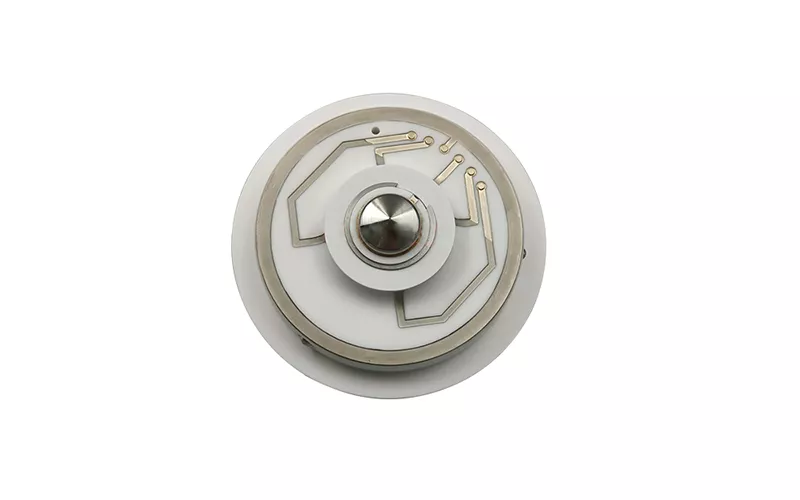
A rigid, smooth-feeling ceramic commonly considered for electrically insulated heating plates and structural supports. Alumina offers strong dielectric behavior, wear resistance and dependable high-temperature stability, subject to the specified grade and geometry.

Aluminum Nitride
A dense, finely finished ceramic with strong thermal-transfer potential for heating plates, substrates and thermal management parts. Its combination of electrical insulation and thermal conductivity can suit designs where heat spreading matters.

Silicon Carbide
A hard, robust ceramic with a distinctive dense surface feel, often considered for demanding thermal environments, radiant heating structures and wear-exposed components. High-temperature capability and thermal behavior depend on grade and processing route.
Silicon Nitride
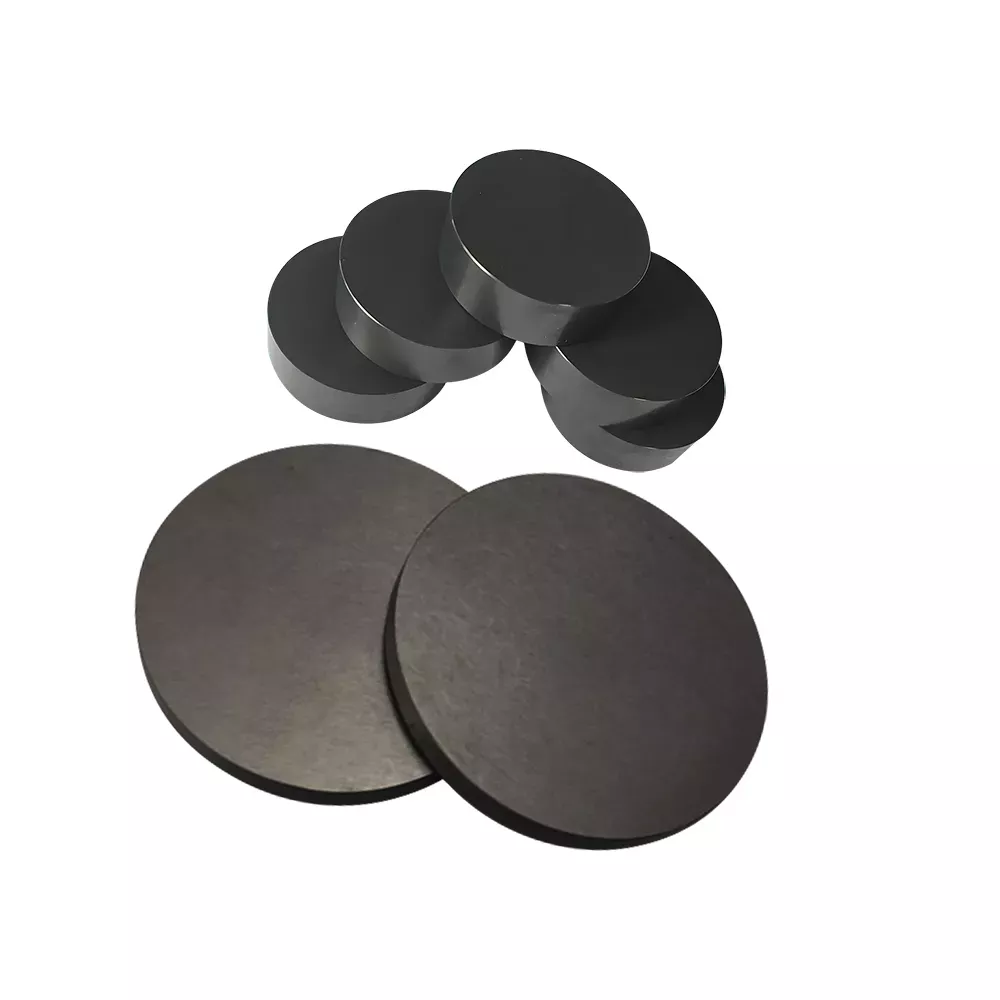
A tough, engineering-grade ceramic with a smooth, durable surface character, considered for thermal components exposed to mechanical stress or thermal cycling. Its suitability depends on the required geometry, joining method and acceptance criteria.

Boron Nitride
A machinable, low-friction ceramic with a comparatively soft handling feel, often discussed for electrically insulating, non-wetting or release-oriented heating applications. Material grade, atmosphere and temperature range should be confirmed for each design.

Zirconia Ceramic
A dense, refined ceramic with a smooth surface character and high fracture toughness relative to many technical ceramics. It may be considered for wear-resistant fixtures or insulating features where strength and dimensional fit are priorities.
Supported Manufacturing Processes for Ceramic Heating Plates

Material Preparation
Ceramic powders and material systems are selected around the component requirement, including thermal, electrical, mechanical and dimensional considerations. Final grade suitability remains subject to drawing review and project-specific confirmation.

Powder Forming
Forming methods create the initial plate, ring, tube or other component geometry before firing. The appropriate approach depends on shape, dimensions, quantity, material system and the tolerances required for assembly.

Precision Machining
Machining can refine fired ceramic components to defined dimensions, mating surfaces, holes or edge details. Requirements should identify critical assembly features, tolerance zones and any surfaces that must be inspected.

Surface Finishing
Finishing operations may address surface condition, flatness, edge treatment or functional interfaces. The required result should be stated with the drawing, service conditions and acceptance criteria so preferences remain distinct from essential requirements.

Inspection Documentation
Inspection planning connects measurable characteristics with the project requirement, covering dimensions, tolerances, material designation and requested records. Documentation scope and acceptance criteria are confirmed for the individual ceramic heating plate inquiry.
Ceramic Heating Plates: Supported Hardware and Component Features

Mating Surfaces
Define the surfaces that contact adjacent parts, including fit, flatness and dimensional requirements. These details help align the ceramic heating plate with the intended assembly and should be confirmed from the current drawing revision.

Electrical Terminals
Terminal arrangements can be reviewed as part of the component interface, based on the assembly layout and electrical requirements. Specify connection location, clearance, insulation expectations and acceptance criteria for project-specific quotation.

Protective Coatings
Where environmental exposure or handling requirements call for additional protection, coating options may be discussed for the specified ceramic component. Confirm compatibility, coverage, thickness and service conditions before treating any coating as a requirement.

Mounting Features
Holes, slots, recesses and other mounting features can be evaluated against the equipment design. Provide the relevant dimensions, tolerances and mating-part information so the proposed geometry supports assembly without assuming standard configurations.
Custom Interfaces
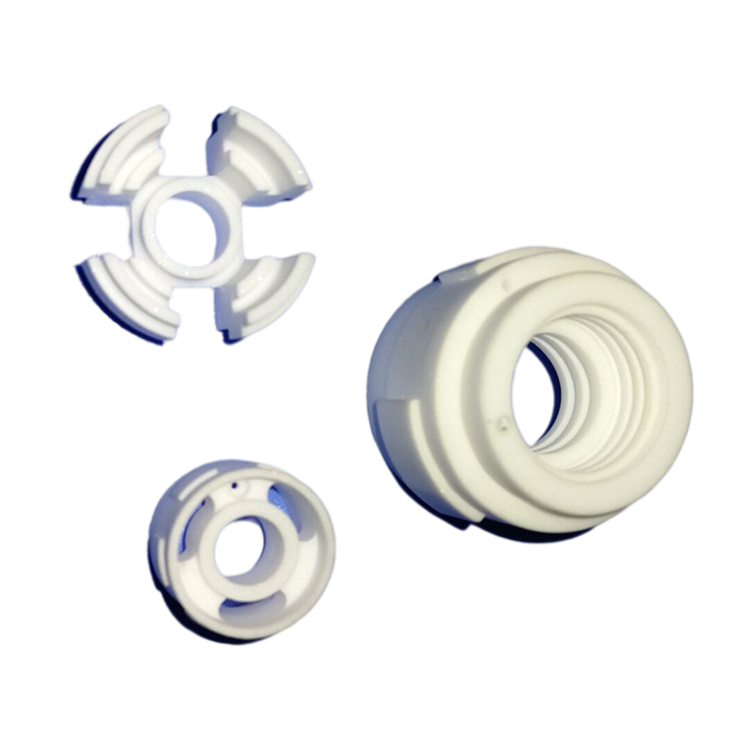
Related hardware or component interfaces can be considered when they are part of the defined assembly. Share drawings, quantities, operating conditions and documentation needs to separate essential interface requirements from optional preferences.
Our Ceramic Heating Plates Approach
Founded by Andy Yuan, Porcecore helps industrial procurement teams, engineers, equipment builders and ceramic component distributors connect material choices with clearly defined part requirements. Our approach begins with the component and the job it must perform, whether that means a ceramic heating plate, substrate, tube, rod or custom replacement part.
Ceramic heating plates cannot be specified by material name alone. Geometry, mating surfaces, operating conditions, grade, quantity and acceptance criteria all shape a useful quotation. Porcecore encourages drawing-led inquiries so project teams can identify open questions, separate essential requirements from preferences and make better-informed sourcing decisions.
Our difference is clarity before commitment. We discuss technical ceramic materials and component coverage in the context of each project, while keeping product illustrations, general material properties and confirmed specifications distinct. Send a drawing revision or describe the operating environment by email or WhatsApp to begin a focused project conversation.

Core Capabilities for Ceramic Heating Plate Projects
Review the Working Requirement
Ceramic heating plates should be discussed in relation to the job they perform. Porcecore helps organize the initial requirement around thermal conditions, electrical context, geometry, mating surfaces and documentation needs before a quotation becomes specific.
- Operating temperature and service environment
- Heating, insulation and thermal-management objectives
- Assembly interfaces and critical dimensions
- Quantity, revision status and approval documents

Compare Material Families Carefully
Material selection depends on the balance of thermal, electrical, mechanical and chemical requirements. Porcecore can frame a practical discussion around alumina, aluminum nitride, silicon nitride, silicon carbide, zirconia and other ceramic families without treating a material name as a complete specification.
- Thermal conductivity and temperature requirements
- Electrical insulation or dielectric considerations
- Mechanical strength and thermal-shock exposure
- Grade-specific properties requiring confirmation

Interpret Drawings for Quotation
A current drawing gives the sourcing discussion a shared technical reference. Porcecore reviews the stated geometry, tolerances, surfaces and notes so open questions can be identified early and the proposed ceramic component can be evaluated against the intended assembly.
- Drawing revision and dimensional callouts
- Flatness, parallelism and positional requirements
- Surface features that mate with other parts
- Unclear notes or missing specification details

Align Acceptance Criteria
A useful quotation should make expectations visible before production begins. Porcecore works with project teams to distinguish essential acceptance requirements from preferences, including inspection records, documentation, packaging, delivery expectations and the conditions needed for final approval.
- Inspection points and measurement methods
- Material designation and required documentation
- Visual, dimensional or functional acceptance criteria
- Delivery and commercial details for confirmation

Porcecore vs. Typical Ceramic Heating Plate Suppliers
A clearer comparison for teams sourcing ceramic heating plates by drawing, application and acceptance requirements.
← Swipe left or right to view →
Our Ceramic Heating Plates Sourcing Process
Move from a defined ceramic heating plate requirement to a clearer quotation, inspection basis, packing plan and delivery discussion.
Define the Requirement
Share the drawing revision, part geometry, material designation if known, quantity, service conditions, mating surfaces and acceptance criteria for an informed review.
Review Materials and Geometry
Porcecore discusses alumina, zirconia, silicon carbide, silicon nitride, aluminum nitride, boron nitride or specialty ceramic options against the component’s operating demands.
Build the Quotation Basis
Open questions around grade, dimensions, tolerances, process route, documentation and commercial terms are identified before a project-specific quotation is prepared.
Confirm Inspection Expectations
Inspection points, critical dimensions and required records are aligned with the drawing and approval process, separating essential acceptance requirements from preferred documentation.
Coordinate Packing and Delivery
Packing, quantity, delivery timing and dispatch details are coordinated against the confirmed order, keeping production handoff and receiving expectations clear for all parties.
How to Source Ceramic Heating Plates
A drawing-led path from technical requirements to a clearly defined production order.
Send Your Drawing
Share the current drawing revision, quantity, operating conditions, mating surfaces, and any known material or documentation requirements.
Clarify Project Requirements
Work with Porcecore to confirm ceramic grade, geometry, tolerances, inspection expectations, acceptance criteria, and requirements that remain open.
Review the Quotation
Evaluate the proposed material, dimensions, process assumptions, documentation, delivery details, and commercial terms against your project requirements.
Confirm Production Details
Approve the agreed specification and quotation so the production order reflects the confirmed ceramic heating plates, quantity, and acceptance requirements.
Ceramic Heating Plates Certifications and Technical Documentation
Ceramic Heating Plates: Customer Feedback and Project Examples
No verified customer quote for ceramic heating plates has been approved for publication yet. Porcecore will add an attributed or anonymized project example once the customer, outcome, and supporting evidence are confirmed.
Project-specific results depend on the confirmed material grade, geometry, operating conditions, quantity, and acceptance criteria. This example slot should remain unpublished until those details and the resulting outcome are documented.
For an approved ceramic heating plates case study, Porcecore can document the original requirement, drawing-led quotation process, confirmed component details, and measurable production outcome without presenting general capability as a guaranteed result.
Ceramic Heating Plates FAQ
Practical answers for defining ceramic heating plates, preparing an RFQ and confirming project-specific commercial and technical requirements.
Can Porcecore quote ceramic heating plates from our drawing?
What quantity is required for a ceramic heating plates inquiry?
Can ceramic heating plates be sampled before production?
How should we select the ceramic grade for a heating plate?
What tolerances and functional surfaces should be specified?
How are packaging and shipping handled for ceramic heating plates?
Can Porcecore protect our design information and intellectual property?
What payment, lead-time and technical documentation details should we expect?
The Complete Buyer’s Guide to ceramic heating plates
Use this decision framework to compare ceramic heating plates by material, construction, customization, supplier capability, and total cost while avoiding common sourcing mistakes that compromise performance, integration, lead time, or lifecycle value.
1. What Are Ceramic Heating Plates?
One ceramic heating plate is a flat electrical heater in which current passes through a resistive element, while the ceramic body provides electrical insulation and transfers heat to a target surface. The assembly may connect to a power supply, temperature sensor, controller, heat sink, clamp, or mounting frame. Four common applications are semiconductor processing, laboratory equipment, material processing, and built-in industrial machines. com/product/heating-plates). Six quotation inputs should be clarified: plate length and width, thickness, voltage, wattage, target temperature range, and required response time. Also define heat-distribution uniformity, insulation requirements, sensor position, mounting interfaces, mating surfaces, operating atmosphere, quantity, drawing revision, and acceptance criteria so Porcecore can distinguish essential requirements from preferences.
2. Evolution and History of Ceramic Heating Plates
Mica heating plates, typically used around 500°C, offered rapid response but could face outgassing and weaker temperature uniformity. com/product/heating-plates). Alumina, aluminum nitride, silicon nitride, and quartz expanded the material choices for higher-temperature heating. com/product/heating-plates). Embedded resistive elements and CNC-based machining then made plate geometry, mounting features, and heated-area definition more controllable. For buyers, that evolution means temperature-control hardware can be integrated around defined interfaces, while uniformity, insulation, durability, and inspection requirements are specified together rather than treated as afterthoughts.
3. Types of Ceramic Heating Plates
Material choice sets the plate’s thermal response, electrical insulation, and mechanical margin.
| Requirement | Shortlist | Primary reason |
|---|---|---|
| Fast heat spreading | Aluminum nitride | High thermal conductivity and uniformity |
| Thermal shock | Silicon nitride | Mechanical toughness and shock resistance |
| Electrical insulation | Alumina | Established insulating ceramic option |
| High-purity service | Quartz-based | Purity and chemical compatibility |
| Integrated heating | Embedded element | Protected, distributed heat source |
| Direct surface response | Surface-heating | Heat concentrated near interface |
Material-Based Plates
Alumina suits insulated, cost-sensitive heating; aluminum nitride suits rapid heat spreading and temperature uniformity. Silicon nitride is preferable where thermal shock and mechanical durability matter.
Element Integration

Embedded-element plates protect the heater and support controlled, distributed heating within a ceramic body. Surface-heating plates place heat closer to the working interface, useful where response and contact uniformity dominate.
Geometry And Fit
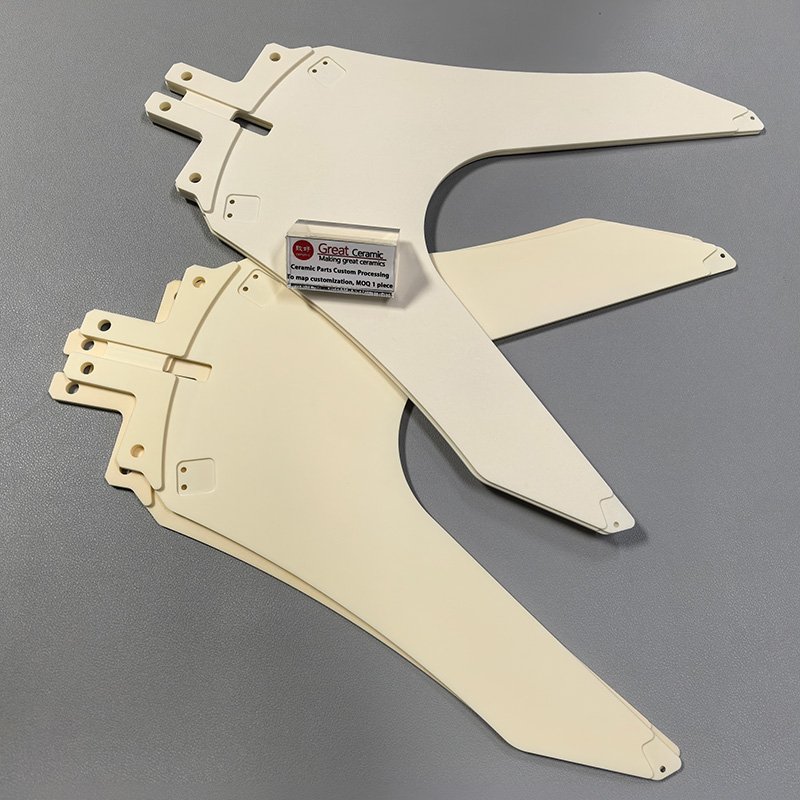
Custom-shaped plates should be shortlisted when a standard rectangle cannot match the work zone, mounting pattern, clearance, or thermal footprint.
4. Materials and Construction of Ceramic Heating Plates
Material selection links thermal response, insulation, mechanical durability, and chemical compatibility.
Substrate Trade-Offs
Alumina is typically the economical baseline, with strong electrical insulation and broad process familiarity. AlN favors rapid heat spreading and uniformity, while silicon nitride prioritizes strength and thermal-shock resistance.
Heating And Insulation Layers
Conductive tracks or embedded elements determine power distribution, ramp behavior, and hot-spot risk. Insulation layers, terminal design, and protective coatings must withstand the specified voltage, temperature, atmosphere, and cleaning method.
Application-Based Selection
Choose AlN when heat spreading dominates, silicon nitride when shock or mechanical loading matters, alumina when cost and insulation lead, and quartz when purity or chemical resistance governs.
Confirm grade, geometry, mating surfaces, inspection criteria, and service conditions before comparing quotations. Source context: https://kamet-trading.com/product/heating-plates
| Material | Primary advantage | Cost direction |
|---|---|---|
| Alumina | Insulation; economical baseline | Lower |
| AlN | High heat spreading | Higher |
| Silicon nitride | Strength; thermal shock resistance | Higher |
| Quartz | Purity; chemical resistance | Application-dependent |
5. Customization Options for Ceramic Heating Plates
A complete ceramic heating plates specification links geometry, electrical performance, interfaces, and delivery requirements.
Geometry And Interfaces
12 core details may be customized: length, width, thickness, holes, slots, curved or irregular profiles, terminal position, and surface finish. Identify datum references, mating surfaces, edge radii, tolerances, and flatness requirements.
Tooling needs depend on geometry and process; unusual profiles may increase setup cost, MOQ, lead time, and unit price. Confirm whether prototype quantities use soft tooling or production tooling.
Electrical And Heating Layout
5 electrical values belong together: wattage, voltage, resistance, allowable tolerance, and insulation requirements. Specify heating-zone count, zone boundaries, target uniformity, ramp expectations, and sensor type or sensor location. Terminal orientation and lead attachment affect assembly clearance and testing.
Drawing, Packaging, And Quote Data
1 complete RFQ should include the current drawing revision, material designation, quantity, service conditions, acceptance criteria, inspection plan, and documentation requirements. Mark critical dimensions and surfaces that determine assembly. Packaging should define separators, moisture protection, labeling, lot traceability, and shipping configuration.
6. Key Construction and Quality Elements
Three checkpoints turn dependable service into an inspectable requirement: geometry, electrical performance, and thermal behavior.
Geometry And Ceramic Finish
A released drawing should define dimensional tolerances, flatness, density, surface finish, edge condition, cleanliness, and every mating surface. Record measurement method, datum scheme, and inspection frequency.
- Dimensional tolerance and flatness
- Density, finish, and defect limits
- Cleanliness and mating-surface criteria
Electrical And Thermal Verification
A design validation build should confirm element placement, resistance consistency, dielectric insulation, temperature uniformity, terminal security, and thermal-cycling performance under defined voltage, load, temperature, and fixture conditions.
- Validate the design under worst-case conditions
- Define resistance and insulation limits
- Measure thermal uniformity across the working area
Production Control And Traceability
A production control plan verifies each released requirement through incoming checks, in-process controls, final inspection, and calibrated equipment. It confirms repeatability; it does not replace design validation. Each lot should link to material identity, process records, inspection results, nonconformance disposition, and drawing revision.
- Separate validation tests from lot release checks
- Identify lot, revision, and calibration status
- Require actual results, not unqualified conformity wording
7. How to Choose a Ceramic Heating Plate Manufacturer
A single drawing revision and specification should anchor every supplier comparison.
Engineering And Prototype Fit
Start with engineering support: confirm material sourcing, mating surfaces, operating conditions, inspection criteria, and customization limits against the same drawing.
Process And OEM Evidence
Request process controls, dimensional records, thermal or electrical test reports, packaging details, stated capacity, and realistic lead-time ranges.
OEM readiness means evidence tied to your part—not borrowed certifications, undocumented equipment, or competitor policies. Confirm which reports are project-specific.
Communication And After-Sales
Compare response quality, quotation clarity, open-question tracking, and change-control discipline from the same requirement package.
8. Common Ceramic Heating Plate Buying Mistakes
One drawing rarely defines a workable heater.
Define The Complete Requirement
One dimension set can still produce the wrong part if voltage, resistance, power, operating temperature, and fit are absent. Consequence: overheating, slow ramping, or electrical redesign. Ask: what are the required V, Ω, W, temperature, and interfaces?
Two mismatched materials can share the same size but behave differently as temperature changes. Consequence: distortion, cracking, or loss of contact. Ask: what thermal-expansion range and mating clearances must the assembly accommodate?
Design For Assembly And Validation
Four mounting details—flatness, clamping force, fastener locations, and thermal contact—can determine service life. Consequence: hot spots, stress concentration, or field failure. Ask: how is the plate supported, loaded, insulated, and replaced?
One prototype cycle can expose resistance drift, temperature nonuniformity, and installation problems before production. Consequence: expensive rework. Ask: which prototype tests and acceptance limits must be completed?
Control Commercial Comparisons
One low unit price may exclude tighter tolerances, documentation, testing, packaging, or the required material grade. Consequence: apparent savings become qualification and downtime costs. Ask: what exactly is included in each quote? One unclear tolerance or missing inspection document weakens incoming acceptance. Consequence: disputes over fit and performance.
9. Steps to Launch Your Ceramic Heating Plate Program
Start with the application envelope: target temperature, ramp time, wattage, voltage, duty cycle, atmosphere, contact surfaces, and allowable temperature variation.
Define Requirements And Calculations
Procurement records quantity, schedule, commercial terms, and documentation needs. Mechanical engineering defines envelope, mounting, mating surfaces, tolerances, and thermal interfaces; electrical engineering calculates resistance, voltage, power, control method, insulation, and wiring requirements. A first-pass thermal model should state assumptions and acceptance limits.
Screen Suppliers And Approve Samples
Three evidence groups support screening: relevant drawings or sample history, process capability discussion, and documented inspection methods. Porcecore treats material families as a starting point; grade, size, process combination, and availability require project confirmation. Quality defines sample checks for dimensions, resistance, insulation, flatness, appearance, and traceability.
Freeze, Pilot, And Replenish
Design freeze requires an approved drawing, sample report, test data, deviation disposition, and signed acceptance criteria. Procurement releases the pilot only after mechanical, electrical, and quality owners agree that remaining risks are controlled. Pilot inspection confirms production consistency, packaging protection, labeling, and records.
10. Ceramic Heating Plates Pricing and Cost Factors
10 cost variables typically move a ceramic heating plates quotation: ceramic family and grade, length and width, thickness, wattage pattern, terminals, tolerances, testing, packaging, and logistics. Element geometry, insulation details, and revision complexity can also change process time and inspection scope. 3 purchasing inputs make comparison more reliable: quantity tier, current drawing revision, and acceptance criteria.
| Quantity Tier | Indicative Cost Category | Setup or Tooling Implication | Lead-Time Consideration |
|---|---|---|---|
| Prototype / 1–10 | Highest unit-cost exposure; quotation-dependent | New fixtures, element layout, terminals, and inspection may be charged | Engineering review and sample approval can extend schedule |
| Small batch / 11–100 | Moderate unit cost; quotation-dependent | Tooling amortization begins; revisions remain material | Production slot and testing plan require confirmation |
| Production / 101+ | Lower unit-cost potential; quotation-dependent | Stable tooling and approved drawing reduce setup impact | Packaging, logistics, and replenishment timing should be agreed |
Discuss Your Ceramic Heating Plates Project
Email a drawing or describe the component, operating environment, grade, geometry, and acceptance requirements for a project-specific quotation.