
Stepped Ceramic Rods for Drawing-Led OEM Sourcing
Connect stepped ceramic rods to material, geometry, operating conditions, and acceptance requirements before requesting a quote.
Featured Products for Stepped Ceramic Rod Development


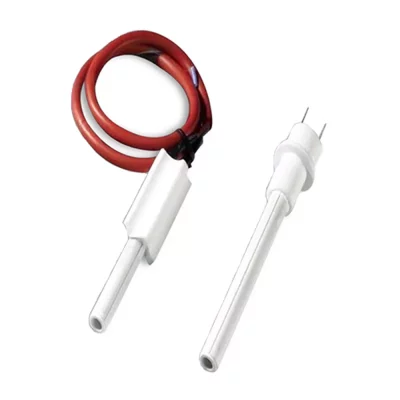


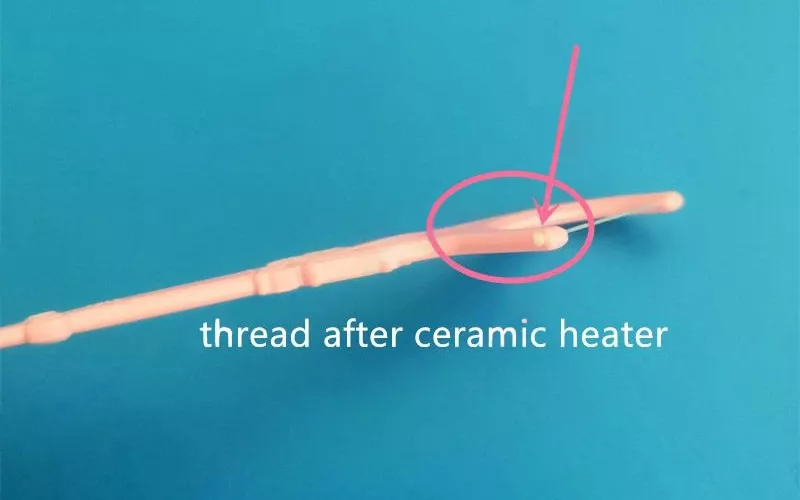

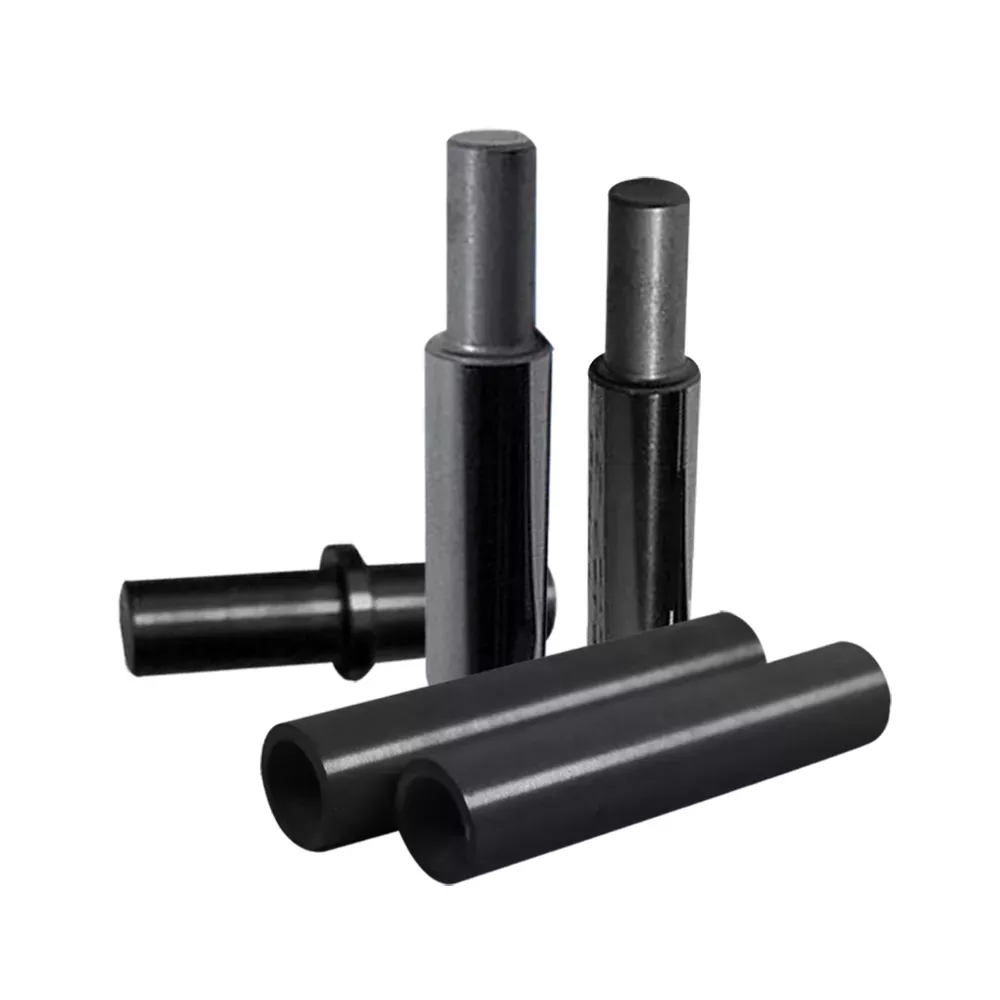

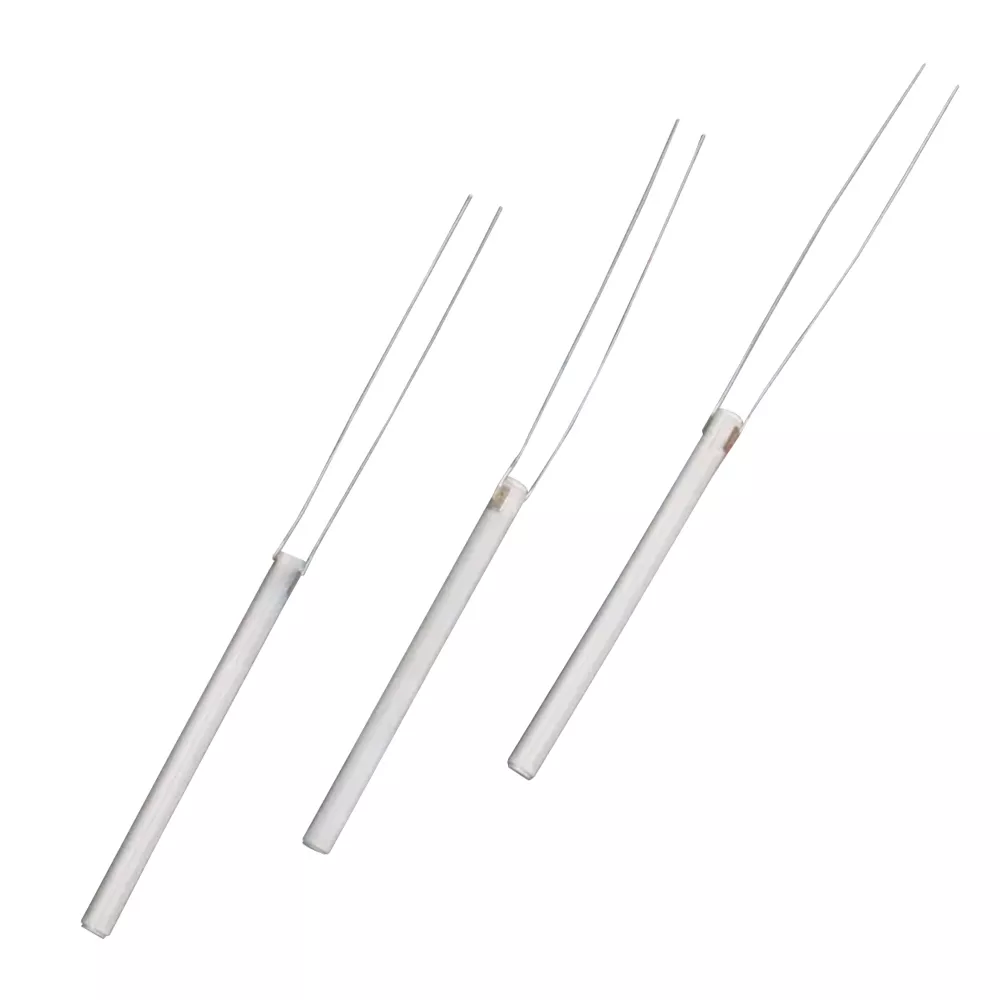


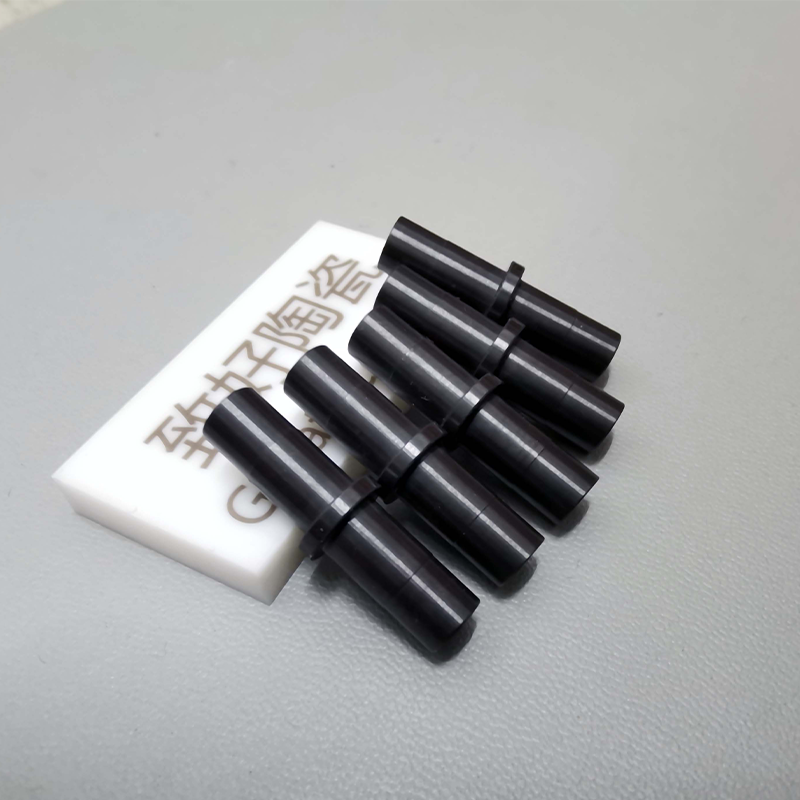
Related Ceramic Components Catalogue and Quotation


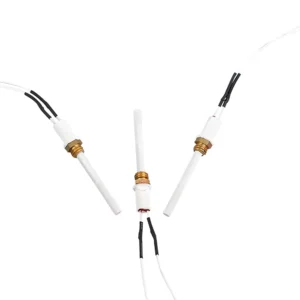


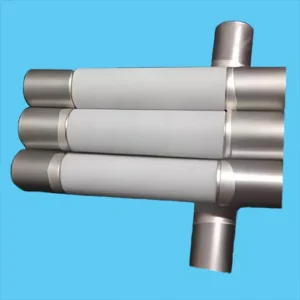

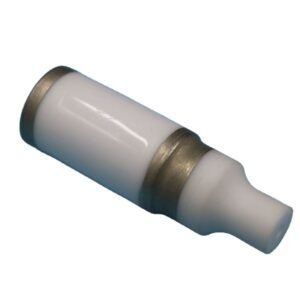
Stepped Ceramic Rods: Technical Advantages
For stepped ceramic rods, clearer requirements connect material selection, geometry review, quotation discussions and project-specific acceptance criteria.
Drawing Revision Clarity
Share the current drawing revision, quantity, service conditions and acceptance criteria so quotation discussions start from the same technical reference.
Material Grade Confirmation
Identify the ceramic family and grade when known; grade-specific properties, availability and suitability remain subject to project review and confirmation.
Step Geometry Definition
Define each diameter, length, transition, datum and tolerance that affects assembly, handling or mating with adjacent components in the equipment.
Fit-Critical Surface Review
Flag locating surfaces, shoulders, bores, grooves or contact areas that determine fit, alignment, sealing interfaces or replacement-part compatibility during assembly.
Process Route Discussion
Discuss pre-sinter shaping, grinding or other process considerations against the required geometry, tolerance, feature complexity and material choice for review.
Inspection Evidence Alignment
Agree which dimensions, surfaces and records require inspection evidence, helping distinguish essential acceptance requirements from preferences before production terms are confirmed.
Ceramic Categories for Defined Requirements
Review materials, applications, products, capabilities and technical resources before moving from an initial requirement to a drawing-led sourcing discussion.

Ceramic Manufacturing Capabilities
Ceramic manufacturing capabilities cover forming, machining and finishing considerations for tubes, rods, rings, substrates and other components. Share the current drawing, quantity, service conditions and inspection expectations so production discussions focus on achievable geometry, tolerances and project-specific acceptance requirements.
Discuss Your Ceramic Part
Ceramic Solutions by Industry
Ceramic solutions by industry connect advanced ceramics applications with operating conditions, assembly needs and replacement-part requirements. Describe the equipment, process environment and component function to identify relevant material families, geometry questions and documentation needs for a more focused sourcing conversation.
Discuss Your Ceramic Part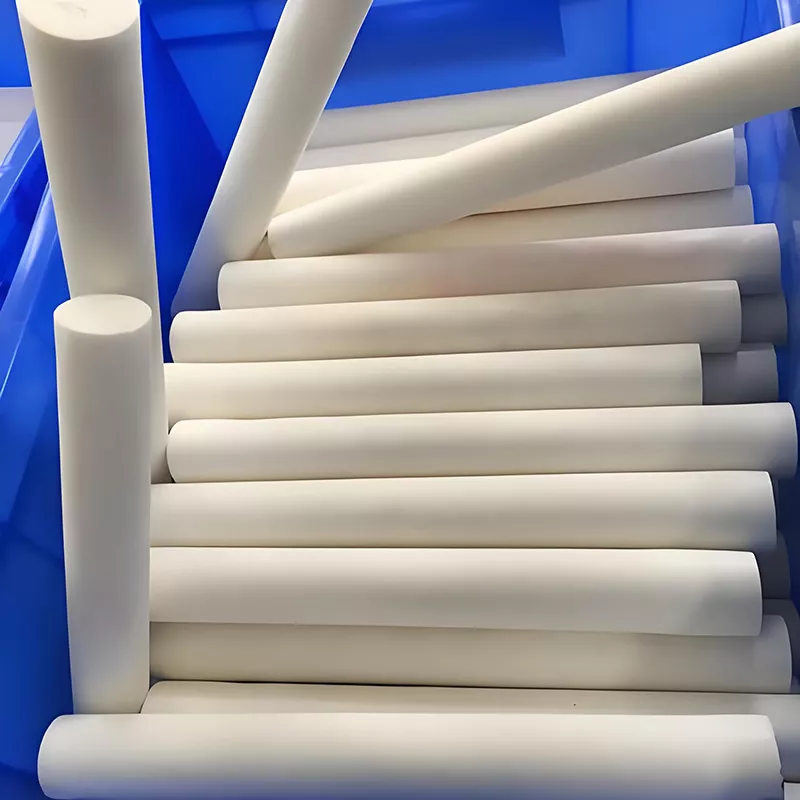
Advanced Ceramic Materials
Advanced ceramic materials include alumina, zirconia, silicon carbide, silicon nitride, aluminum nitride, boron nitride and other specialty families. Material selection should follow the required properties, grade, geometry, mating surfaces and service conditions rather than relying on a material name alone.
Discuss Your Ceramic Part
Technical Ceramic Products
Technical ceramic products include standard and custom component forms such as tubes, rods, rings, plates and substrates. Product illustrations indicate a category or starting point; dimensions, tolerances, material grade, documentation and commercial terms require confirmation for each project.
Discuss Your Ceramic Part
Technical Ceramic Resources
Technical ceramic resources help buyers compare general material information with project-specific requirements. Use guides to frame questions about properties, grades, applications, tolerances and inspection, then email a drawing or inquiry to info@zlrsmaterials.com or contact Porcecore by WhatsApp.
Discuss Your Ceramic PartCeramic Materials for Stepped Rod Applications

Alumina Ceramic
Alumina offers electrical insulation, hardness and broad industrial utility for stepped rods used in fixtures, guides and wear-related assemblies. Grade, purity, dimensions and mating-surface requirements should be confirmed for each project.

Zirconia Ceramic
Zirconia is considered where toughness, wear resistance and dimensional stability are important in stepped rods, pins or locating features. Final grade selection depends on loading, temperature, geometry, surface finish and assembly requirements.
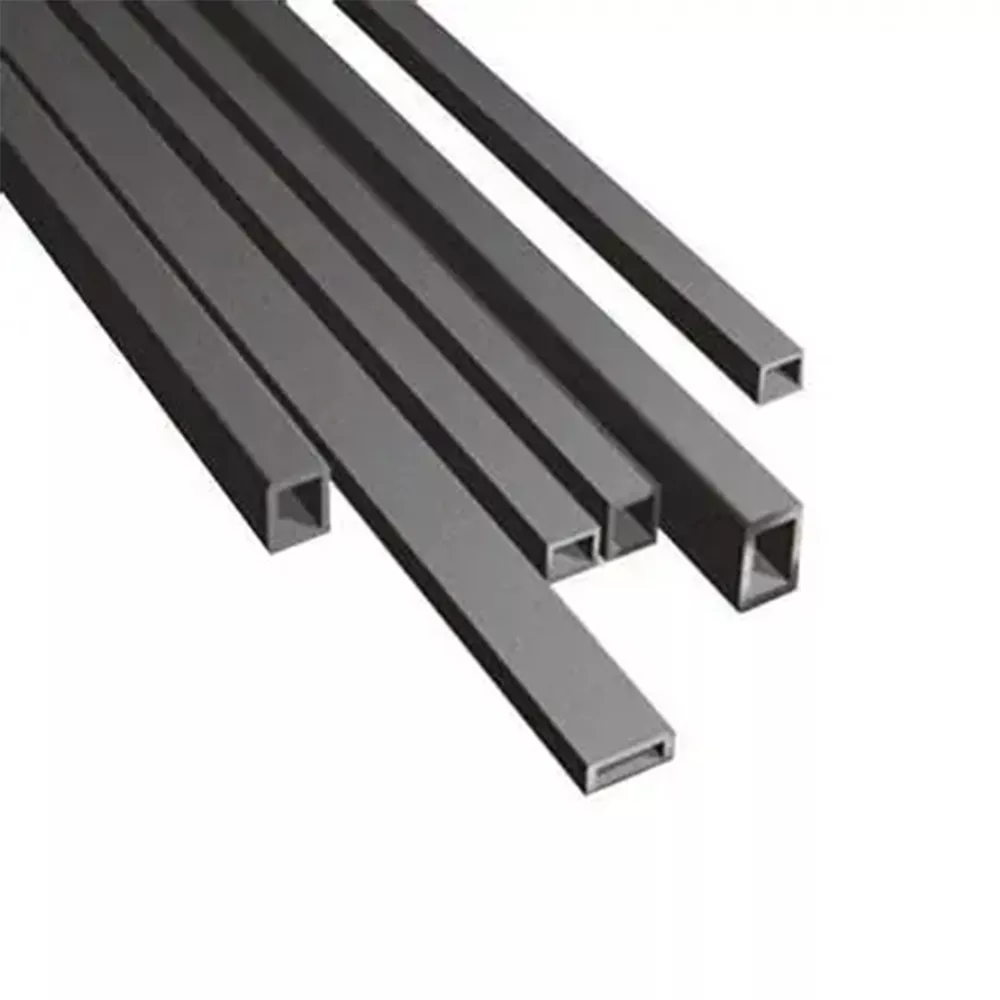
Silicon Carbide
Advanced ceramic materials include alumina, zirconia, silicon carbide, silicon nitride, aluminum nitride, boron nitride and other specialty families. Material selection should follow the required properties, grade, geometry, mating surfaces and service conditions rather than relying on a material name alone.
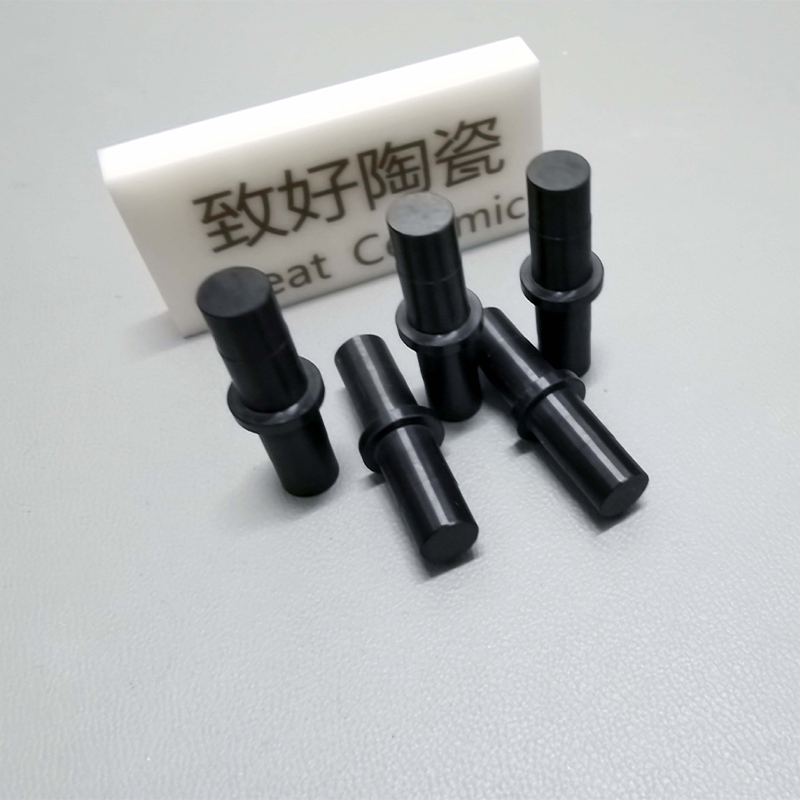
Silicon Nitride
Silicon nitride can be evaluated for stepped rods requiring a combination of thermal performance, strength and wear resistance. Porcecore reviews the component drawing, service conditions and critical interfaces before discussing a project-specific grade.

Aluminum Nitride
Aluminum nitride is considered for ceramic components where electrical insulation and thermal conductivity are relevant to the design. Stepped rod suitability depends on geometry, dimensional control, mounting surfaces and the confirmed operating requirements.

Boron Nitride
Boron nitride may be explored for stepped rod concepts involving electrical insulation, thermal handling or release-related requirements. Material choice must be matched to the application, geometry, processing expectations and documented acceptance criteria.
Manufacturing Processes for Stepped Ceramic Rods

Green Body Machining
Machining a ceramic body before final firing can support stepped profiles, holes and other defined features. The practical route depends on material, geometry, shrinkage planning and the dimensional requirements stated in the drawing.

Precision Sintering
Controlled sintering develops the ceramic’s final structure after forming and green machining. Material behavior, part geometry and firing conditions influence shrinkage, distortion risk and the allowance needed for subsequent finishing operations.

Diamond Grinding
Diamond grinding can refine stepped diameters, shoulders and mating surfaces after sintering. It is considered when the drawing identifies functional dimensions, surface relationships or tighter requirements that need review against the selected ceramic grade.

Surface Finishing
Lapping, polishing or edge finishing may be considered for surfaces that seal, locate, slide or mate with another component. The required finish and feature treatment remain subject to application conditions and project acceptance criteria.

Dimensional Inspection
Inspection compares critical dimensions, steps, concentricity and relevant surface features with the approved drawing revision. Documentation expectations, sampling approach and acceptance limits should be defined during quotation and confirmed before production.
Stepped Ceramic Rod Accessories and Supporting Features

Mating Surfaces
Specify shoulders, end faces and locating surfaces that connect the rod to another component. These interface details help clarify assembly position, contact conditions and inspection requirements for the quoted stepped ceramic rod.

Seal Grooves
Add circumferential grooves where seals, rings or retention elements require a defined interface. Groove location, width, depth and edge condition should be reviewed with operating conditions and the buyer’s drawing.

Drilled Holes
Include axial or cross-drilled holes for fastening, alignment, fluid passage or weight reduction. Hole diameter, depth, position and breakout expectations should be identified before feasibility and quotation review.

Threaded Ends
Threaded ends can support fastening or connection requirements when the ceramic design and service conditions allow. Confirm thread form, size, engagement length, fit, protection and inspection criteria against the assembly drawing.

Key Flats
Key flats or anti-rotation features may help control orientation within an assembly. Define their width, clocking, length and transition geometry so the interface can be evaluated with the complete component requirement.
About Porcecore: Drawing-Led Ceramic Component Sourcing
Founded by Andy Yuan, Porcecore helps industrial buyers, engineers, equipment builders and ceramic distributors connect a component with the job it must perform. Our focus is technical ceramic sourcing grounded in clear requirements, from stepped ceramic rods and other component forms to the material families suited to each project.
Porcecore takes an application-first, drawing-led approach. Geometry, mating surfaces, operating conditions, material grade, tolerances and acceptance criteria belong in the same quotation conversation. This helps buyers distinguish a product illustration from a confirmed specification and identify the open questions that matter before commitment.
Our difference is clarity before commitment. Send a current drawing revision, known material designation, quantity, service conditions and documentation needs to info@zlrsmaterials.com, or start the discussion by WhatsApp at +86 130 6482 5920. Porcecore will help turn the requirement for stepped ceramic rods into a more concrete project conversation.
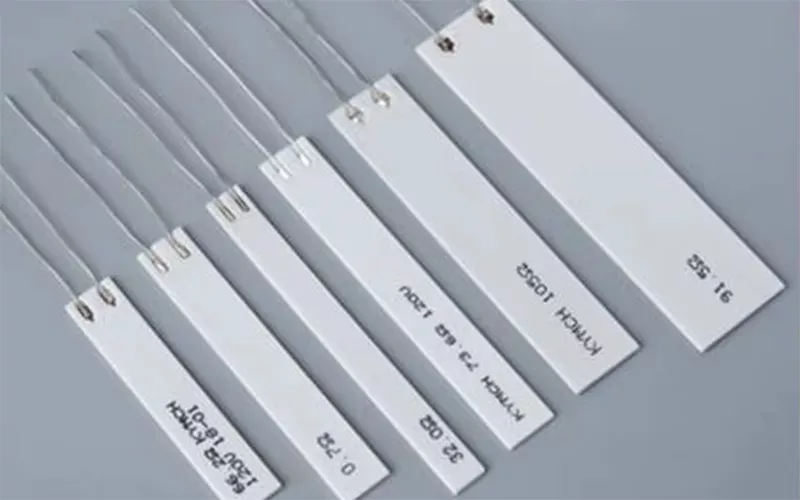
Stepped Ceramic Rods: Core Technical Capabilities
Clarify the Part Requirement
Stepped ceramic rods are easier to quote when the working requirement is defined first. Porcecore helps organize the drawing, application, operating environment and assembly interfaces so essential dimensions and open questions are visible before commercial discussion.
- Review the current drawing revision
- Identify mating surfaces and critical dimensions
- Record quantity and service conditions
- Separate essential requirements from preferences

Match Material to Application
Material selection should follow the job, not stand alone as a catalogue label. Porcecore can discuss ceramic families such as alumina, zirconia, silicon carbide and other technical materials against the project’s geometry and service requirements.
- Connect material choice with operating conditions
- Discuss grade designation when known
- Consider geometry, interfaces and environment together
- Treat listed materials as a starting point for inquiry
Align Geometry and Acceptance
A stepped profile can influence assembly, fit and inspection expectations. Drawing-led communication keeps diameter transitions, lengths, tolerances and functional surfaces in the same conversation, supporting a clearer quotation basis for custom ceramic component projects.
- Review step diameters and transition features
- Identify dimensions that determine assembly
- Define tolerance and inspection expectations
- Confirm documentation needed for approval

Why Choose Porcecore for Drawing-Led Ceramic Sourcing
Compare the requirement clarity, communication, and project confirmation that support better-informed ceramic component decisions.
← Swipe left or right to view →
Our Drawing-Led Sourcing Process
A clear path from part requirements to shipment, with project-specific materials, geometry, inspection and documentation confirmed at each stage.
Define Part Requirements
Share the current drawing, quantity, service conditions, mating surfaces and acceptance criteria so the quotation discussion starts with a clearly defined stepped ceramic rod requirement.
Review Materials And Geometry
Discuss oxide, nitride, carbide or specialty ceramic options alongside step dimensions, interfaces and operating conditions; material grade and availability remain subject to project confirmation.
Coordinate Production Details
Align the approved drawing revision with process considerations, quantity, tolerances, inspection expectations and documentation needs before production timing and commercial terms are confirmed.
Inspect And Prepare
Review inspection results against agreed requirements, then confirm packing details and shipment readiness for the specific geometry, surfaces and documentation package.
Ship With Clear Records
Coordinate shipping information and provide the confirmed project records available for release, while keeping delivery details and outstanding requirements visible to the buyer.
How to Source Stepped Ceramic Rods
Follow a clear path from current drawing and service conditions to confirmed specifications, quotation, sampling, production, and delivery terms.
Send the Current Drawing
Share the current drawing revision, known material designation, quantity, service conditions, mating surfaces, critical dimensions, and acceptance criteria for an informed starting point.
Clarify Open Requirements
Review geometry, grade, tolerances, operating environment, inspection expectations, documentation, and delivery needs with Porcecore to distinguish essential requirements from preferences.
Review the Quotation Plan
Assess the project-specific quotation, proposed sampling approach, technical assumptions, and unresolved questions before approving the next stage of component development.
Confirm Production Terms
Confirm approved specifications, quantities, documentation, delivery timing, and commercial terms so production and shipment align with the agreed project requirements.
Certificates and Technical Documentation for Stepped Ceramic Rods
Customer Reviews and Stepped Ceramic Rod Cases
Approved customer evidence for a stepped ceramic rod project will be added when documented and authorized for publication.
An approved project case covering requirements, inspection and outcome will be added when documented and authorized for publication.
Approved customer evidence covering material grade, stepped geometry and sourcing outcome will be added when documented and authorized for publication.
Stepped Ceramic Rods: Buyer FAQs
Clear answers for drawing-led sourcing, project-specific material selection and quotation discussions.
What information should I provide when requesting stepped ceramic rods?
How is the material grade selected for stepped ceramic rods?
Can stepped ceramic rods include different diameters and functional surfaces?
What should I specify about tolerances and acceptance criteria?
Is there a minimum order quantity for these ceramic components?
How are sampling cost, lead time, payment and shipping terms handled?
What inspection and packaging evidence can accompany stepped ceramic rods?
How can I protect drawings and intellectual property during an inquiry?
The Complete Buyer’s Guide to stepped ceramic rods
Use a practical decision framework to evaluate stepped ceramic rods, compare materials and manufacturing options, set supplier criteria, control total cost, and avoid common specification, quality, and sourcing mistakes.
1. What Are Stepped Ceramic Rods?
2 or more diameter transitions define stepped ceramic rods as precision components with distinct cylindrical sections along one axis. The changes in diameter can create locating shoulders, controlled stand-offs, mating surfaces, or load-transfer points within an assembly. 6 common functions include alignment, electrical insulation, wear resistance, spacing, sealing support, and isolation between conductive parts. A stepped design is usually preferable to a uniform rod when one component must locate in a bore while another section maintains clearance, seats against a shoulder, or passes through a seal. 5 related geometries should be distinguished: stepped means abrupt diameter changes; tapered means a gradual change; grooved means recessed channels; hollow means an internal bore; and threaded means helical external or internal engagement.
2. Evolution and History of Ceramic Rods
Alumina was among the early engineering ceramics used for insulating rods, pins, spacers, and wear-resistant supports because it combined electrical insulation with useful hardness. CNC shaping improved repeatability for complex green bodies, while controlled sintering reduced variation during densification. Post-sinter diamond grinding then enabled tighter control of mating diameters and shoulders, particularly where a step locates against a seal, bearing, electrode, or fixture. Alumina, zirconia, silicon carbide, and newer specialty ceramics have expanded the design space from basic pins to application-specific components for thermal, electrical, chemical, and wear environments. Today, specifying stepped ceramic rods means coordinating grade, shrinkage behavior, datum strategy, surface finish, inspection, and service conditions rather than selecting a material name alone.
3. Types of Stepped Ceramic Rods
Several purchasing configurations cover stepped ceramic rods, from one diameter change to combined bores, grooves, flats, and pin features.
| Configuration | Engineering purpose | Inspection focus |
|---|---|---|
| Single-step | Two OD levels; seating or spacing | ODs, shoulder location, runout |
| Multi-step | Several seats or staged guidance | All axial locations and transitions |
| Stepped ID | Bore clearance or flow path | Bore sizes, concentricity, finish |
| Grooves or flats | Sealing, retention, orientation | Width, depth, position, edges |
| Hybrid features | Integrated alignment and retention | Feature interaction and datum control |
Diameter-Step Configurations
Single-step rods use two outside diameters; multi-step rods add three or more axial sections.
Bores And Surface Features
Stepped OD rods suit spacers, guides, and locating parts.
Hybrid Designs And Inspection
Hybrid rods combine steps with bores, grooves, flats, tapers, or holes.
4. Materials for Stepped Ceramic Rods
Four material families cover most stepped ceramic rod decisions: alumina, zirconia, silicon carbide, and specialty grades.
Material Tradeoffs
Alumina is hard, electrically insulating, chemically resistant, and cost-favorable, but relatively brittle. Zirconia offers higher fracture toughness and shock tolerance, while silicon carbide favors extreme hardness, thermal conductivity, temperature capability, and chemical durability.
Geometry And Service Conditions
Step shoulders concentrate stress, so zirconia or silicon nitride may better tolerate shock loading than standard alumina. Silicon carbide suits high-temperature exposure, while alumina remains practical where insulation and moderate thermal duty dominate.
Buyer Comparison Matrix
Final selection requires application validation using the actual step geometry, load cycle, temperature range, dielectric requirement, chemical media, finish, and acceptance criteria.
| Material | Strengths | Machinability | Cost Direction |
|---|---|---|---|
| Alumina | Hard, insulating, chemical-resistant | Moderate before sintering; grind after | Lower |
| Zirconia | Tougher; shock-resistant | More demanding after sintering | Higher |
| Silicon carbide | Very hard; thermal and chemical stability | Difficult after sintering | Higher |
| Silicon nitride | Tough; thermal-shock capable | Difficult after sintering | Higher |
5. Customization Options for Stepped Ceramic Rods
A current drawing should define stepped ceramic rods by geometry and service need, not material name alone.
Geometry And Features
1 drawing should state overall length, each step diameter, transition radius, bore, groove, flat, thread, chamfer, and end geometry. Specify critical dimensions numerically, including thread form, bore diameter, groove width, and usable mating length. 2D or 3D files should identify datums and surfaces that fit other parts.
- State dimensions, radii, angles, and thread details numerically.
- Identify mating surfaces, datums, and functional end faces.
Tolerance And Finish
± tolerances should be assigned by function rather than applied uniformly. Step diameters, concentricity, straightness, surface finish, and edge condition may require tighter control than non-mating areas. Ra values, chamfer size, color reference, inspection method, and acceptance criteria belong on the drawing or specification.
- Separate performance-critical features from appearance preferences.
- Define surface finish and inspection expectations numerically.
Sampling And Revision Control
1 prototype round can expose manufacturability issues before production, including fragile transitions, difficult grinding access, or impractical tolerance combinations. Porcecore can provide drawing-led feedback before sample approval. Each quote should identify the drawing revision, sample quantity, packaging method, and change status.
- Send the current drawing revision and service conditions.
- Record sample findings and approve revisions explicitly.
6. Key Construction Quality Elements
Every stepped ceramic rod should be judged at each diameter, shoulder, and mating surface—not by overall length alone.
Geometry And Edge Control
Green machining defines near-net geometry, while sintering shrinkage can shift diameters and step locations; post-sinter grinding may recover tighter dimensions but can introduce edge damage if poorly controlled.
Material And Surface Condition
Material traceability should connect the approved grade and batch to the rod lot.
Approval Evidence
Before approval, request the current drawing revision, material certificate, process route, dimensional inspection report, and representative photographs.
7. How to Choose a Stepped Ceramic Rod Manufacturer
A complete RFQ should test whether a supplier can translate stepped ceramic rods from drawing to controlled production.
Technical Capability
Start with material expertise, drawing interpretation, datum control, stepped diameters, mating surfaces, and achievable tolerances. Ask which features require green machining, sintering allowance, or post-sinter grinding.
- Which ceramic grades and size ranges are routinely supported?
- How are shrinkage, concentricity, and edge defects controlled?
- What sample quantity and approval criteria are proposed?
Evidence And Inspection
Request inspection methods, calibrated equipment, dimensional reports, material certificates, and a clear nonconformance process. Treat certifications, equipment lists, and performance claims as unverified until documented for the quoted project.
- Can you provide a first-article inspection report?
- Which dimensions and surfaces receive 100% inspection?
- How are rods protected against chipping in transit?
Compare The Quote
Compare quotes line by line for grade, drawing revision, tolerances, tooling, inspection, packaging, MOQ, sample timing, production lead time, and exclusions. A lower unit price may omit grinding, documentation, or protective packaging.
- Record confirmed facts separately from assumptions.
- Require written lead times for prototype and production.
- Approve samples against the same revision quoted.
8. Common Buyer Mistakes with Stepped Ceramic Rods
Nominal dimensions rarely define a production-ready part: stepped ceramic rods require tolerances, mating details, and service conditions.
Define Geometry And Brittleness
A drawing without tolerances, transition radii, or edge requirements leaves assembly and stress behavior ambiguous. Add fit-critical tolerances, corner radii, chamfers, and handling limits; ask, ‘Which dimensions and transitions control assembly or fracture risk?’ Ceramic brittleness makes impact, clamping, and point loading consequential.
Match Material To Service
Price-only selection can ignore wear, insulation, corrosion, strength, or grade-specific behavior. Compare qualified material options against the duty cycle; ask, ‘Which failure mode matters most, and what evidence supports this grade?’ Thermal expansion mismatch can shift fits during heating and cooling.
Control Approval And Delivery
Inspection terms, sample representativeness, and packaging are frequent gaps. Define measurement methods, sampling, certificates, and acceptance limits; ask, ‘Does the sample match production material, geometry, process, and inspection?’ Fragile steps need packaging designed for shock and contact protection.
9. Steps to Launch a Stepped Ceramic Rod Program
Six checkpoints turn a stepped ceramic rod concept into a repeatable purchasing program.
Define And Freeze Requirements
1. Record temperature, load, atmosphere, electrical duty, mating surfaces, quantity and acceptance criteria. OEMs and equipment builders should identify assembly-critical dimensions and the failure mode being controlled. 2. Finalize the drawing revision, tolerances, material designation if known, surface finish and inspection notes before requesting prices.
Compare And Prove Manufacturability
3. Request comparable quotations using the same drawing, quantity, material alternatives and documentation scope. Ask distributors to preserve revision control; private-label programs should define packaging and identification requirements without assuming certifications. 4. Review green-forming, sintering, grinding, step transitions and handling risks with the supplier.
Validate And Plan Repeat Orders
5. Validate prototype fit, alignment, electrical behavior and relevant service performance in the intended assembly. Record results against drawing requirements, then lock dimensional, visual and functional inspection criteria. 6. Establish protective packaging, labeling, lot traceability and replenishment triggers.
10. Stepped Ceramic Rod Pricing and Cost Factors
1 drawing revision should define material grade, blank size, step count, critical tolerances, mating surfaces, and inspection criteria before pricing. Ceramic choice, green versus post-sinter machining, grinding allowance, tooling, expected yield, and inspection scope can shift the total substantially. 3 commercial variables also affect landed cost: order quantity, protective packaging, and logistics.
| Quantity Tier | Likely Cost Drivers | Setup Implications | Lead-Time Considerations |
|---|---|---|---|
| Prototype or low volume | Material, oversized blank, complex steps, tight tolerances, grinding, inspection | Dedicated tooling and first-article review may dominate | Longest per-part cycle; confirm material and process availability |
| Small production batch | Machining route, yield, inspection, packaging, logistics | Setup amortizes across fewer parts | Planning required for tooling, sintering, and dimensional verification |
| Repeat production | Material utilization, cycle time, yield, packaging, freight | Tooling and inspection plans can be standardized | More predictable scheduling after drawing and acceptance criteria are approved |
Discuss Your Stepped Ceramic Rod Requirement
Email a drawing or describe quantity, operating environment, geometry and acceptance criteria for a clearer project-specific quotation discussion.