
Furnace Tubes for Drawing-Led Ceramic Sourcing
Define geometry, material, interfaces and service conditions for furnace tubes and custom ceramic components, with a clearer path from inquiry to quotation.
Featured Furnace Tube Products for Development

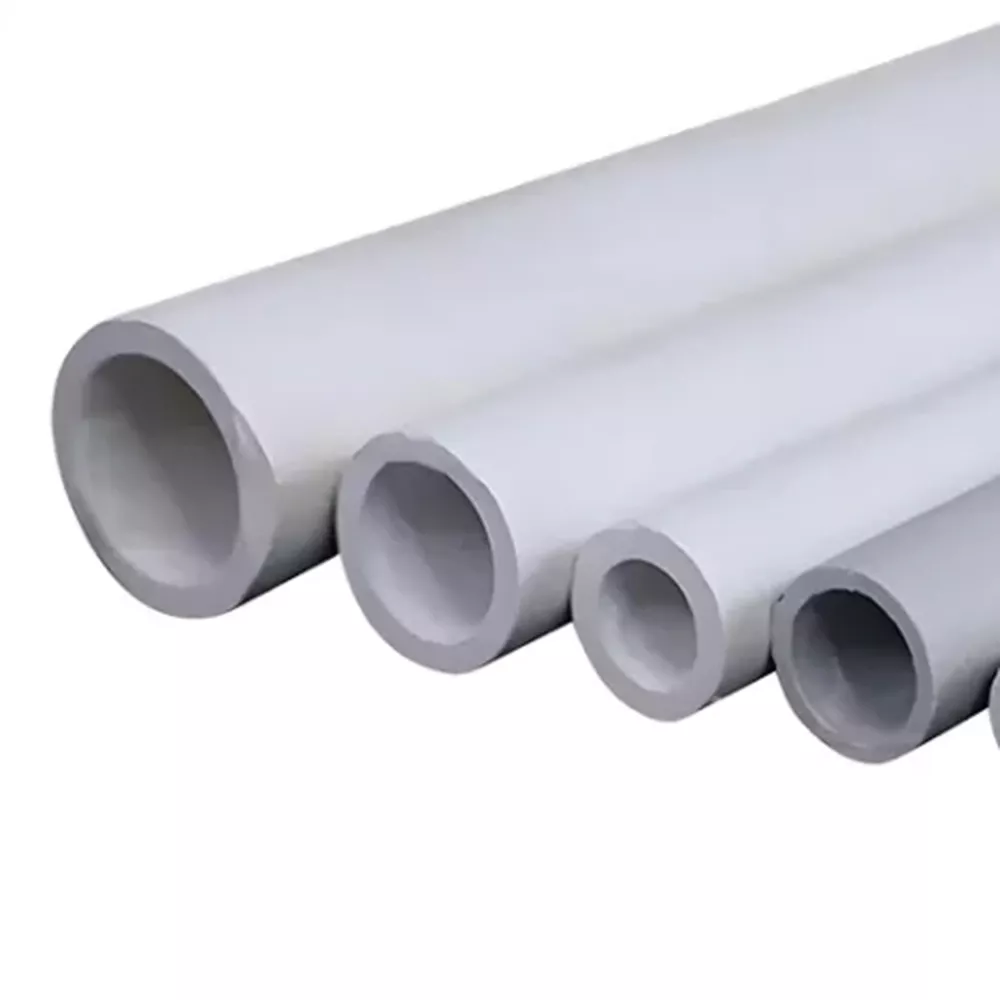


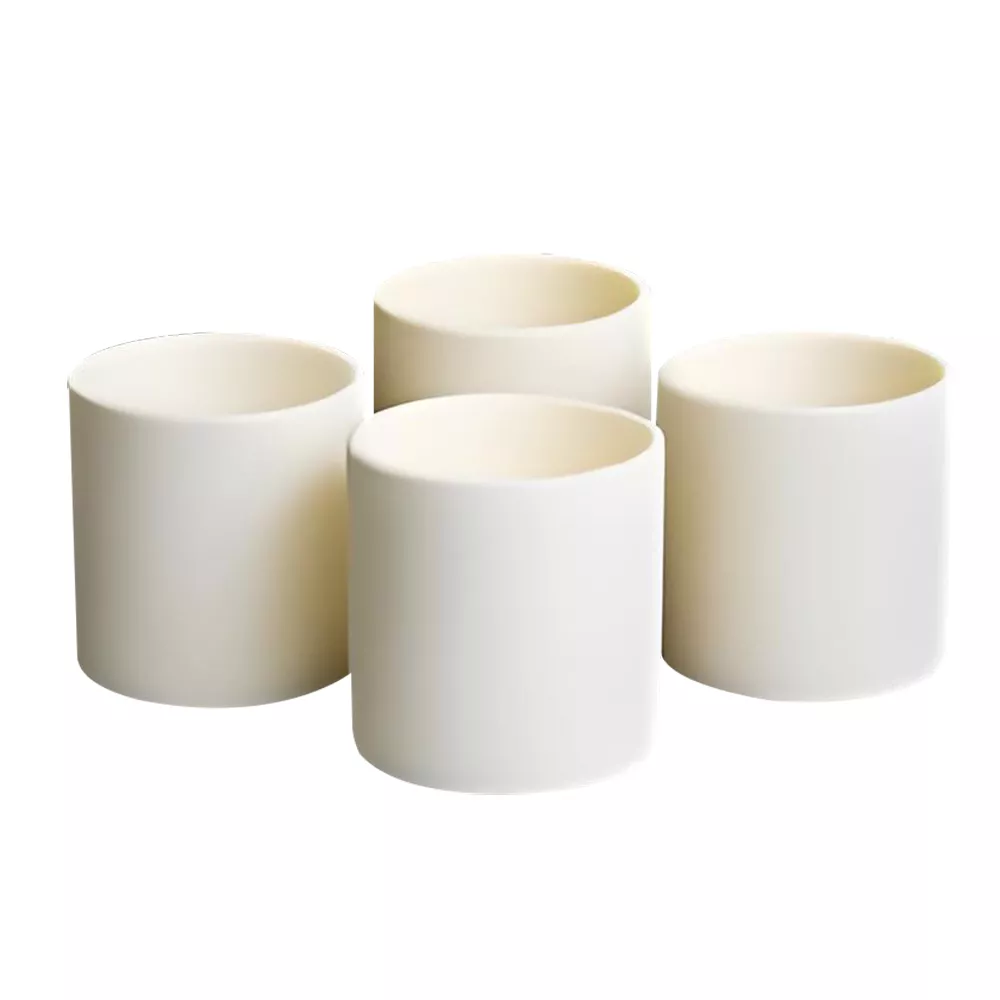
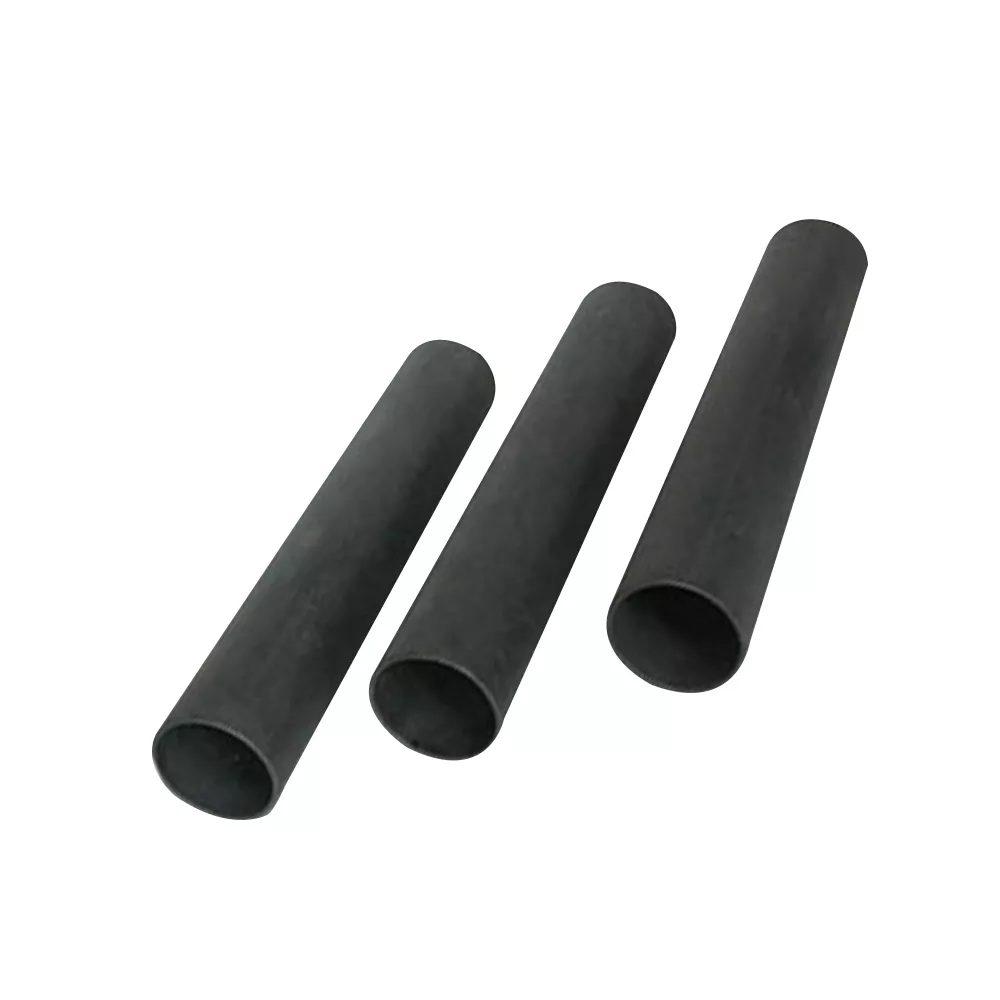


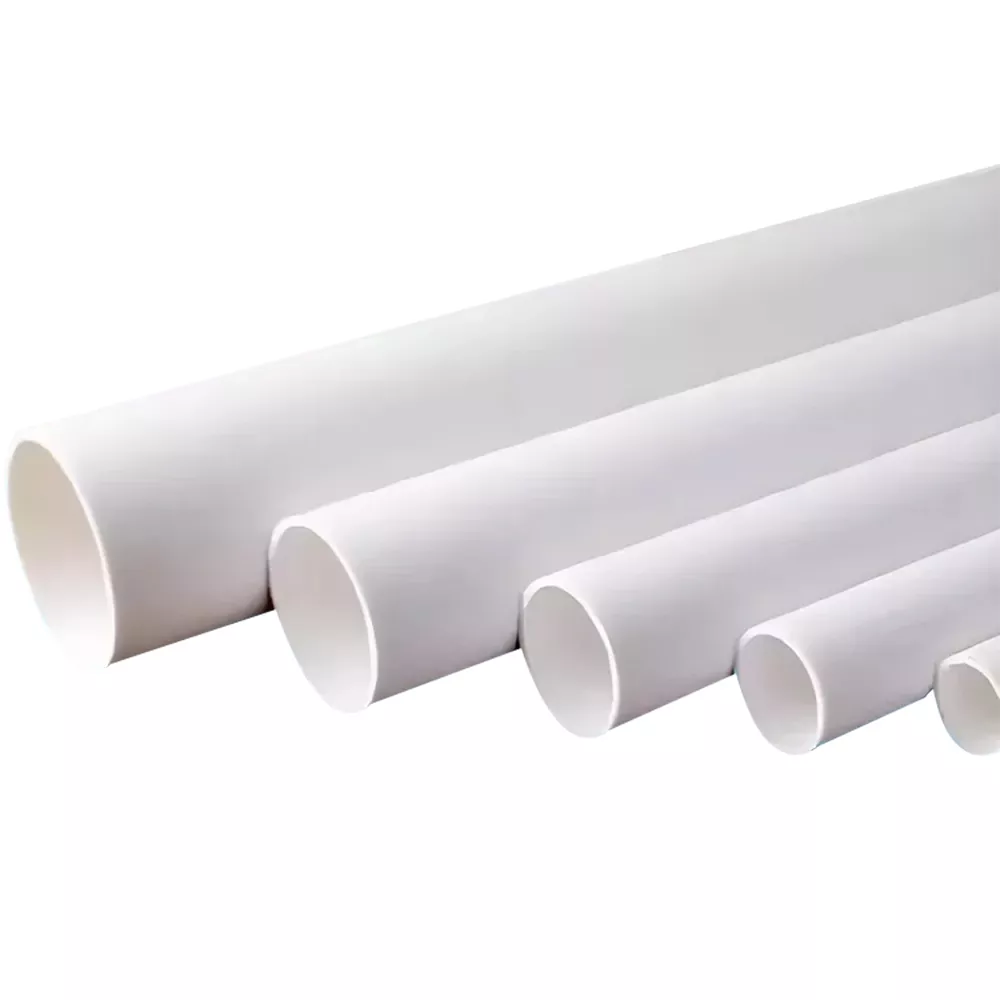

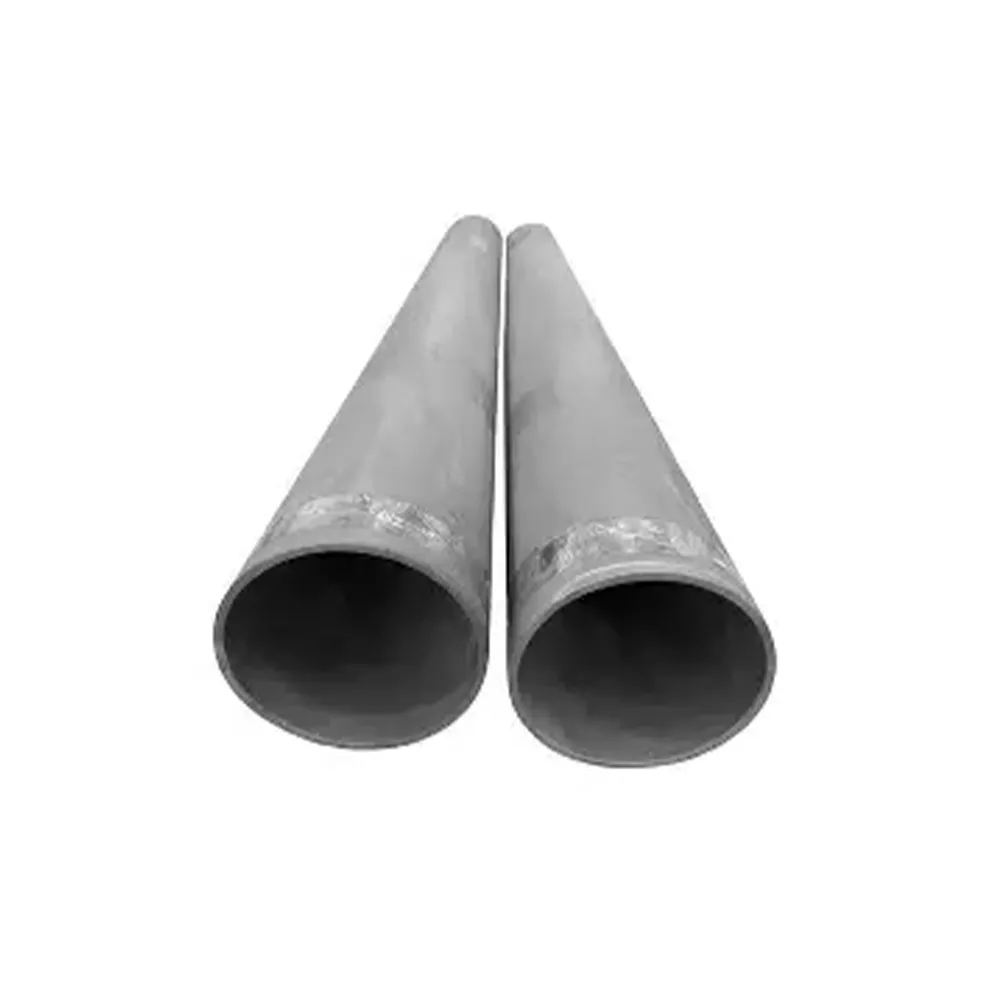
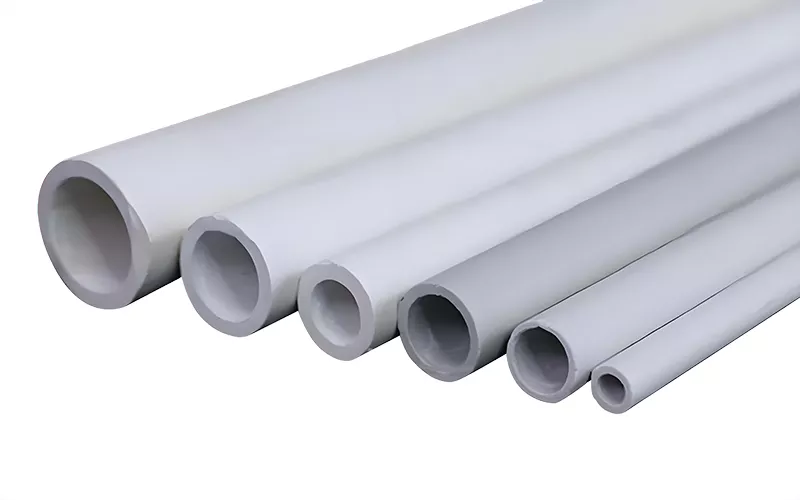

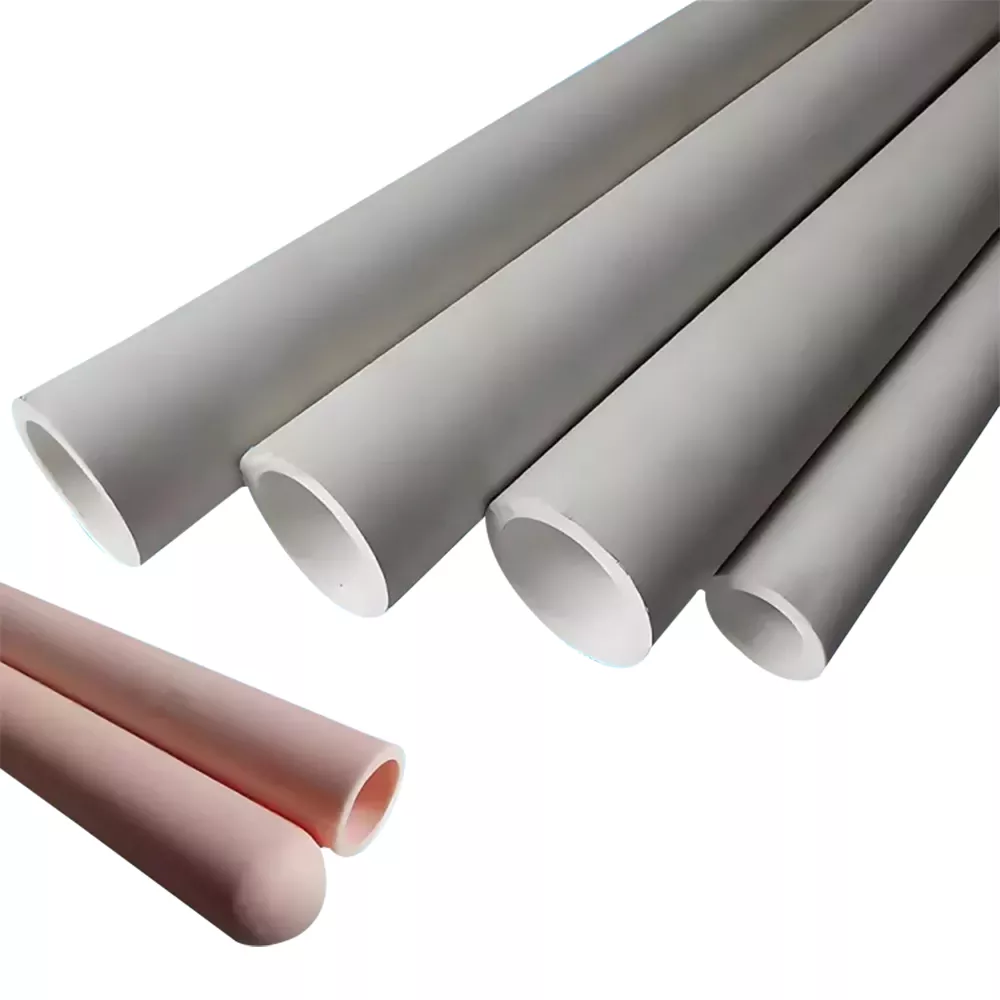
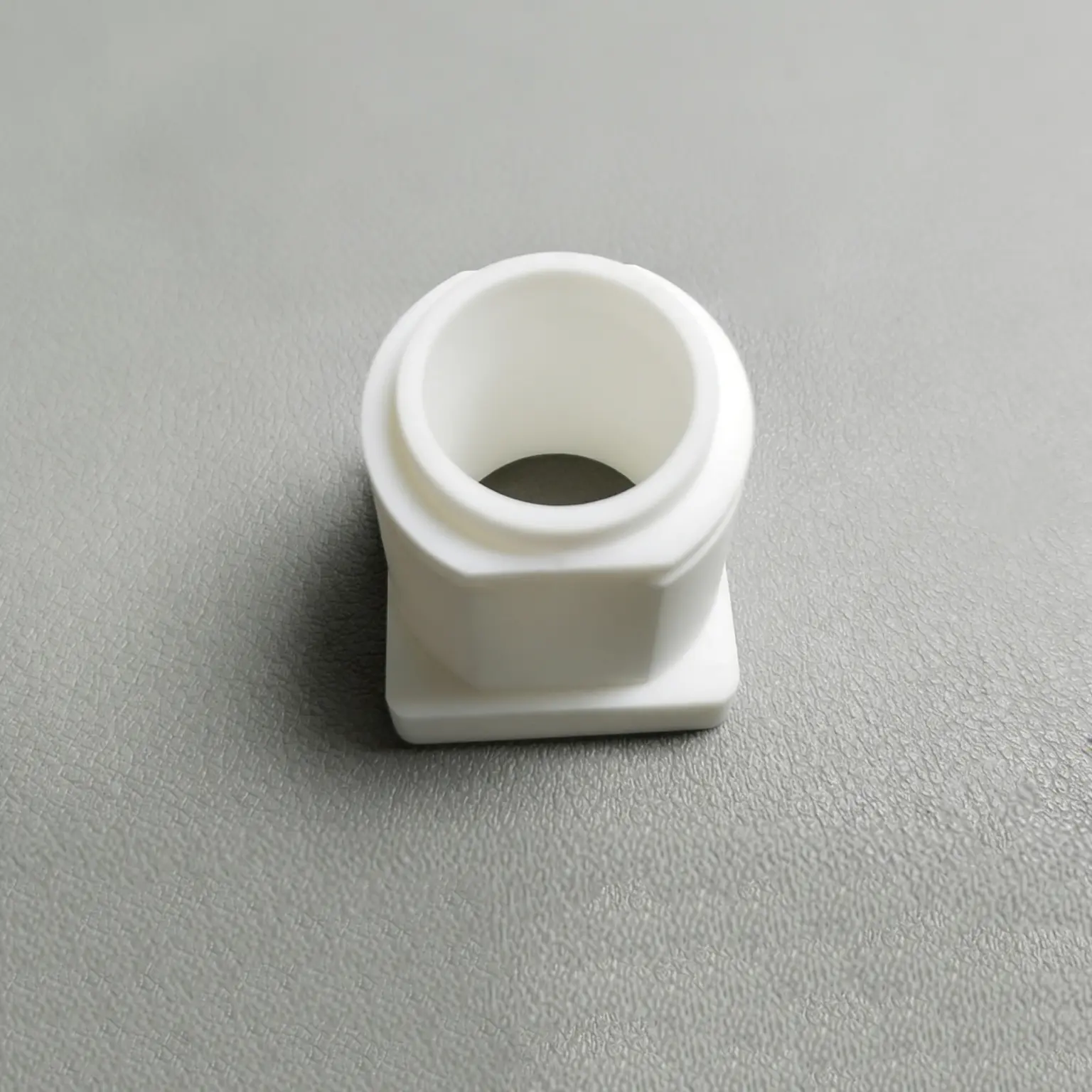
Related Furnace Tubes Catalogue & Quotation

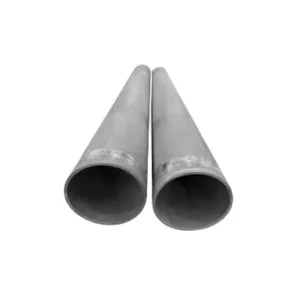


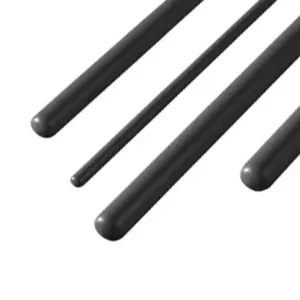


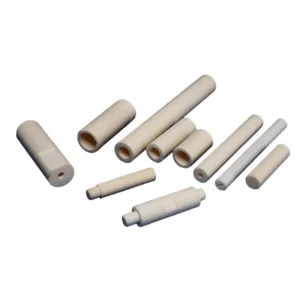

Why Source Furnace Tubes Through Porcecore?
Evaluate furnace tubes through material, geometry, interfaces and project evidence—so your quotation discussion begins with a clearer engineering requirement.
Drawing Revision Control
Share the current drawing revision so dimensions, notes, interfaces and open changes remain aligned throughout quotation review and project communication.
Project-Specific Material Grade
Identify the required ceramic family or known grade, then confirm suitability against service conditions instead of treating material names as complete specifications.
Geometry That Fits
Review tube diameter, length, wall features, openings and mating dimensions together to clarify assembly requirements and distinguish essential geometry from preferences.
Process Route Discussion
Discuss the manufacturing route in relation to ceramic choice, geometry and quantity, helping define which process considerations require confirmation before commitment.
Functional Surface Requirements
Call out sealing, mating, sliding, insulating or exposed surfaces so critical interfaces receive focused attention during technical review and quotation preparation.
Inspection Evidence Defined
Specify acceptance criteria, inspection expectations and required documentation early, giving both sides a practical basis for evaluating conformity and project readiness.
Furnace Tube Materials and Component Categories
Compare ceramic materials, component forms and application requirements before preparing a drawing-led furnace tube or replacement-part inquiry.

Ceramic Manufacturing Capabilities
Ceramic manufacturing capabilities cover forming, machining and finishing ceramic components to defined geometries. For furnace tubes, specify dimensions, wall thickness, openings, mating surfaces, tolerances, quantity and inspection expectations so the quotation reflects the actual component requirement.
Discuss Your Ceramic Part
Ceramic Solutions by Industry
Ceramic solutions by industry connect advanced ceramics applications with operating conditions such as temperature, atmosphere, electrical behavior, chemical exposure and mechanical loading. This context helps equipment builders and procurement teams assess whether a furnace tube or related component fits the intended service.
Discuss Your Ceramic Part
Advanced Ceramic Materials
Advanced ceramic materials include alumina, zirconia, silicon carbide, silicon nitride, aluminum nitride, boron nitride and other specialty families. Material selection should be confirmed against grade-specific properties, geometry, temperature, atmosphere, thermal cycling and acceptance requirements for each project.
Discuss Your Ceramic Part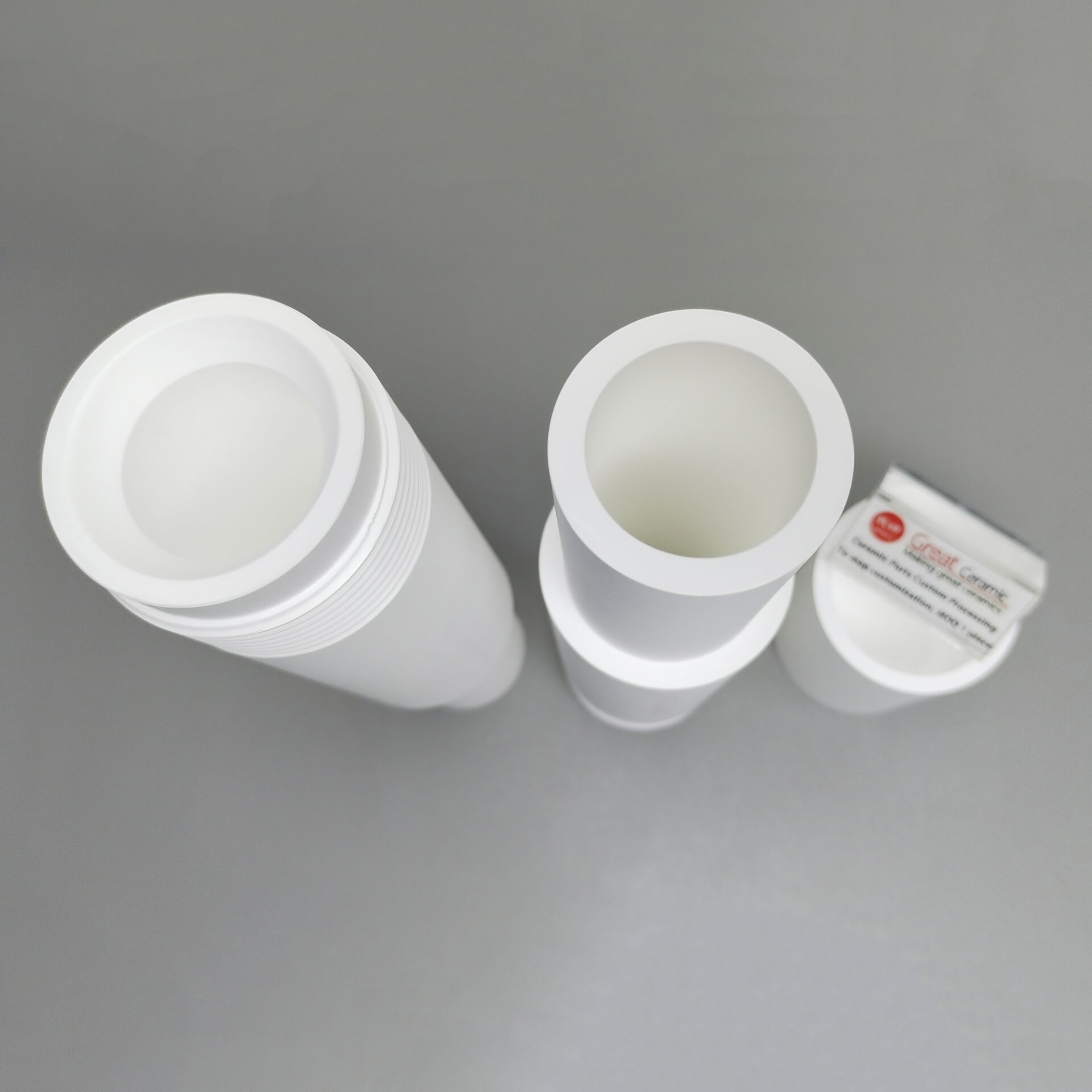
Technical Ceramic Products
Technical ceramic products include tubes, rods, rings, substrates and other engineered components used in industrial equipment. Product illustrations indicate possible forms; final suitability depends on drawing dimensions, interfaces, material designation, tolerances, quantity and replacement-fit requirements.
Discuss Your Ceramic Part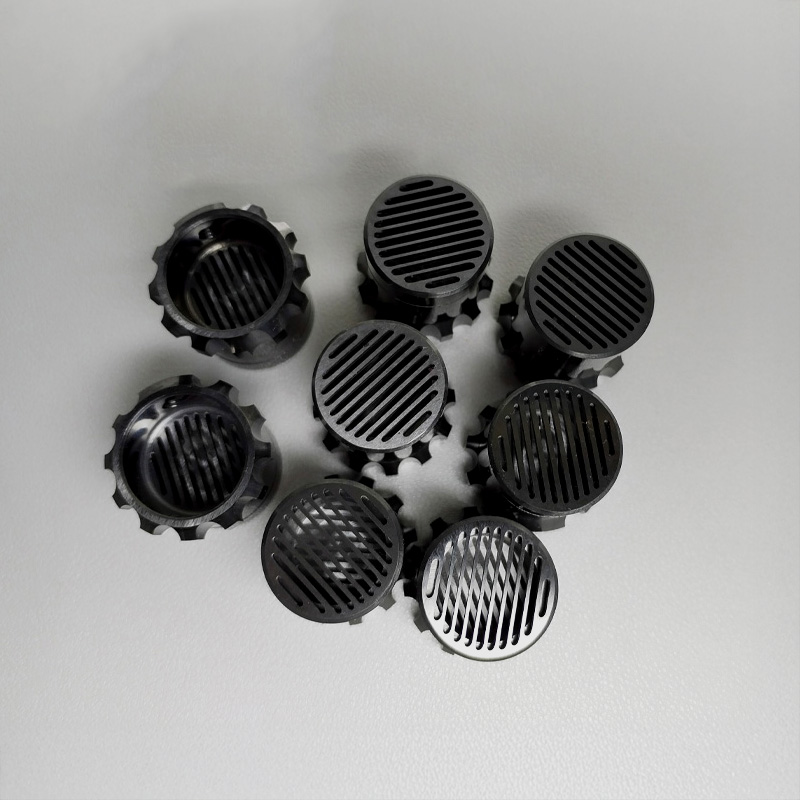
Technical Ceramic Resources
Technical ceramic resources provide practical guidance for comparing material families, component geometries and quotation inputs. A useful inquiry can include the current drawing revision, operating environment, quantity, required documentation and acceptance criteria, then be continued directly by email or WhatsApp.
Discuss Your Ceramic PartSupported Ceramic Materials for Furnace Tubes

Alumina Ceramic
Ceramic manufacturing capabilities cover forming, machining and finishing technical ceramic components to defined geometries. For furnace tubes, specify dimensions, wall thickness, openings, mating surfaces, tolerances, quantity and inspection expectations so the quotation reflects the actual component requirement.
Silicon Carbide
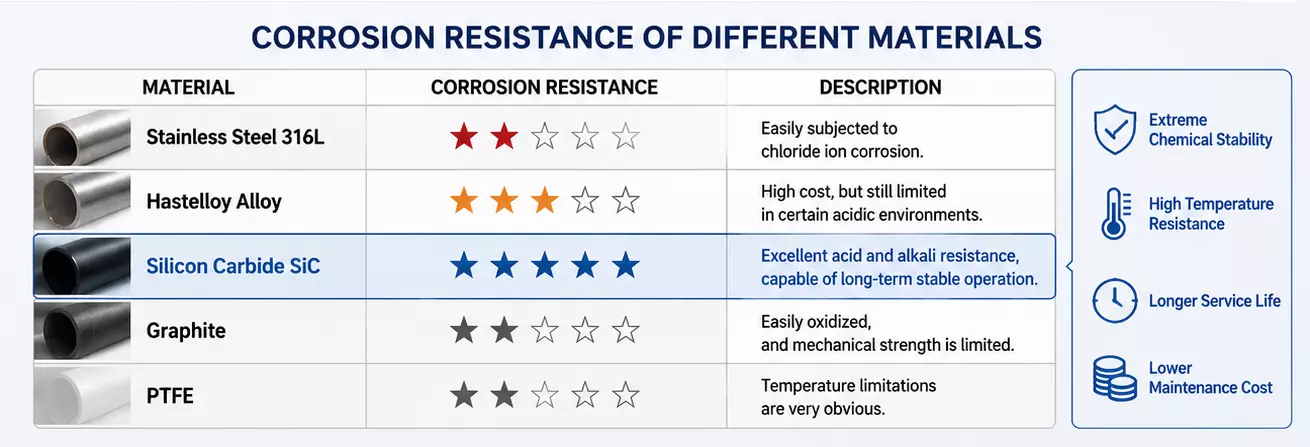
Hard, thermally conductive ceramic suited to demanding furnace fixtures, tubes and radiant-heating environments. Its rigid feel and resistance to high-temperature wear can support specialized designs, subject to geometry, atmosphere and grade selection.

Silicon Nitride
Tough, fine-grained ceramic with a smooth technical feel, considered for thermal components, supports and parts exposed to mechanical or thermal cycling. Final suitability depends on composition, dimensions, joining surfaces and service conditions.

Aluminum Nitride
Thermally conductive, electrically insulating ceramic commonly considered for heat-management components and specialized furnace assemblies. Its dense surface and controlled geometry can suit precision interfaces, with material grade and inspection criteria confirmed during quotation.
Boron Nitride
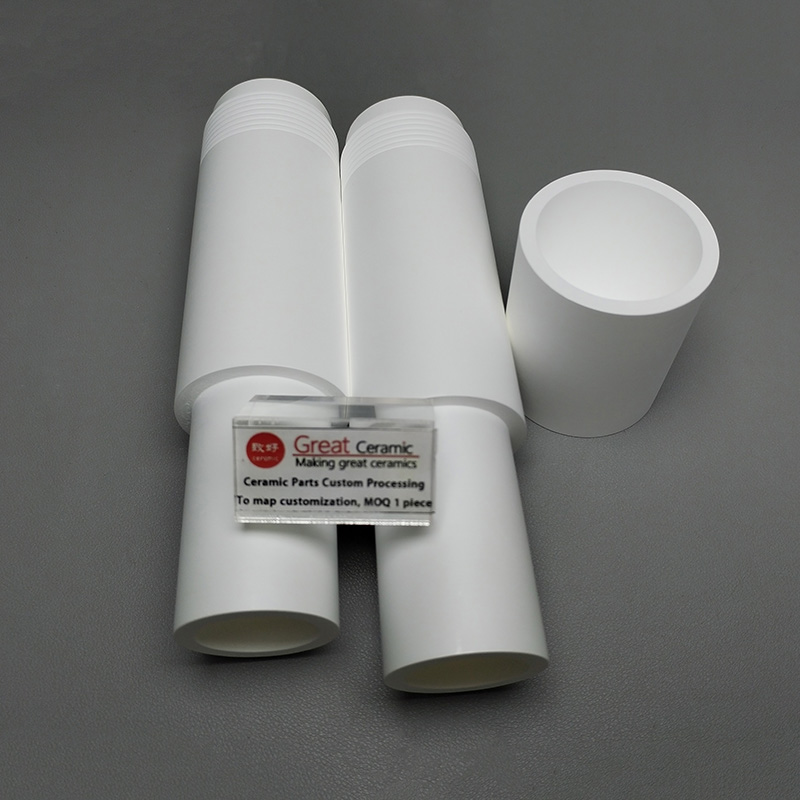
Low-wetting, electrically insulating ceramic with a distinctive smooth, dry feel, used in selected high-temperature fixtures and separation applications. Tube design requires review of atmosphere, loading, dimensions, handling and project-specific acceptance requirements.
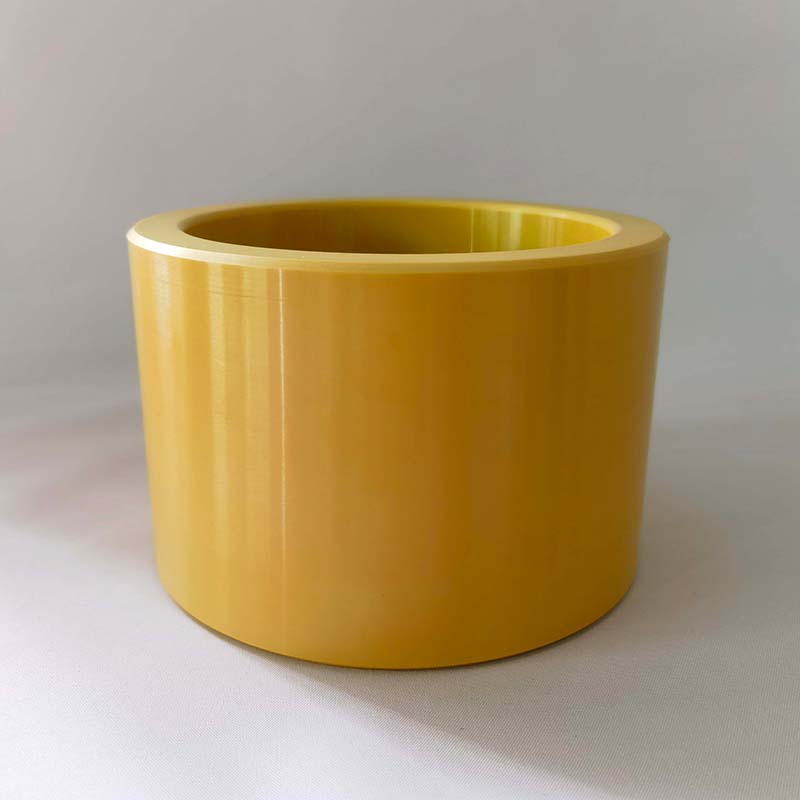
Zirconia Ceramic
Dense ceramic with a refined surface feel and high fracture toughness relative to many oxide ceramics, considered for specialized supports, insulators and wear interfaces. Confirm grade, thermal exposure, tolerances and mating surfaces before specification.
Supported Manufacturing Processes for Furnace Tubes

Alumina Ceramics
Powder preparation and forming methods may support furnace tubes in different geometries and sizes. The suitable route depends on the ceramic family, wall thickness, dimensional targets and required consistency across the production batch.
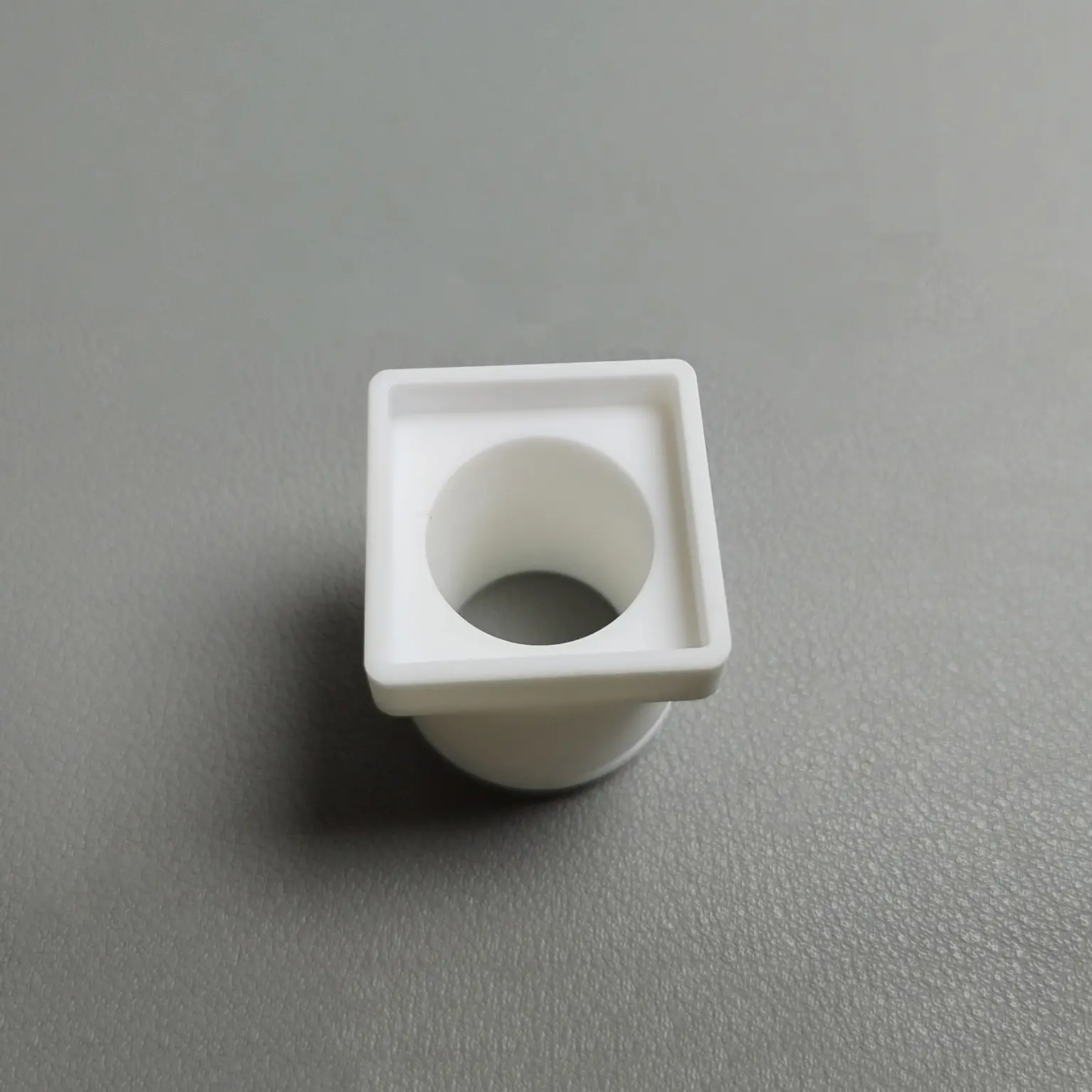
Silicon Carbide Ceramics
Isostatic pressing may be considered for furnace tubes requiring controlled density and robust green-body formation. Final feasibility depends on tube dimensions, length-to-diameter ratio, material grade, tooling approach and production quantity.
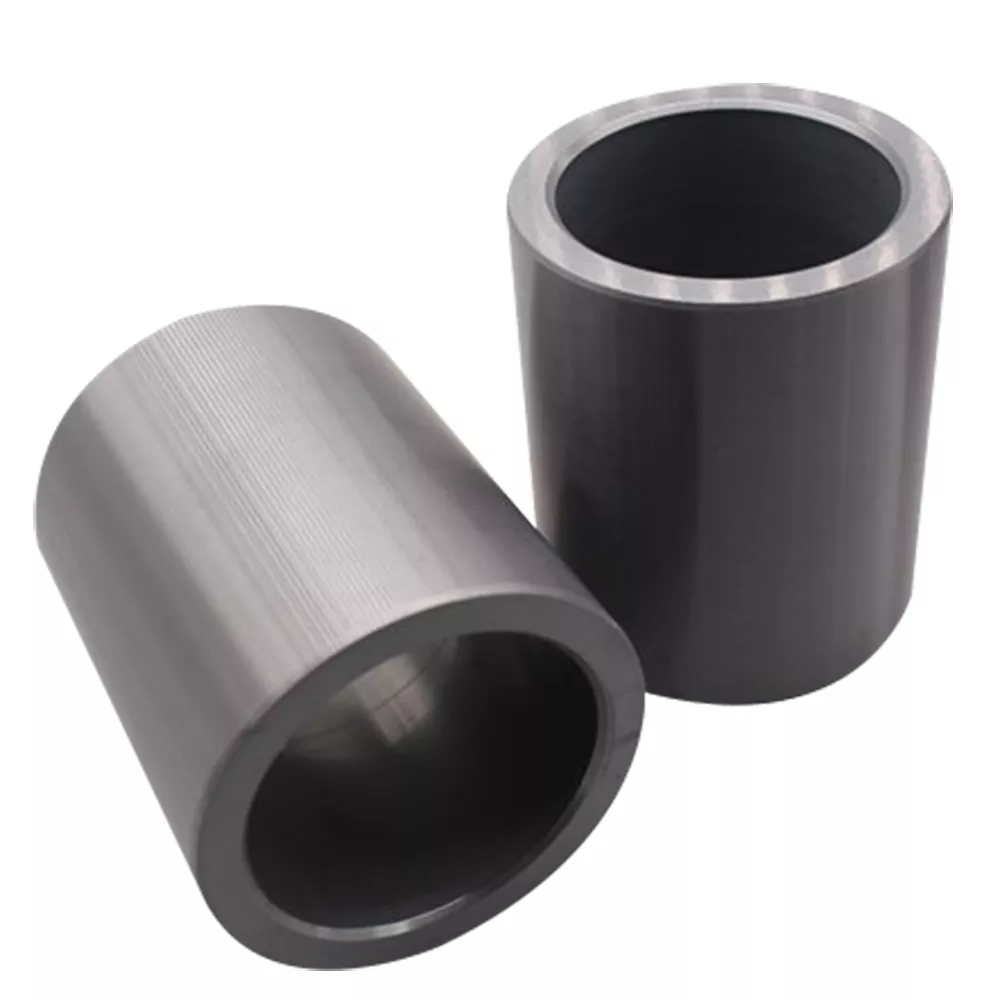
Ceramic Extrusion
Extrusion may support selected furnace tubes with continuous profiles and repeatable cross-sections. Porcecore reviews the material behavior, bore geometry, wall profile, length requirements and post-sintering dimensional allowance before confirming applicability.

High-Temperature Sintering
Controlled sintering develops the ceramic body and determines important dimensional and material outcomes. Furnace tubes require a reviewed firing schedule, grade-specific expectations and allowance for shrinkage before final dimensions can be confirmed.
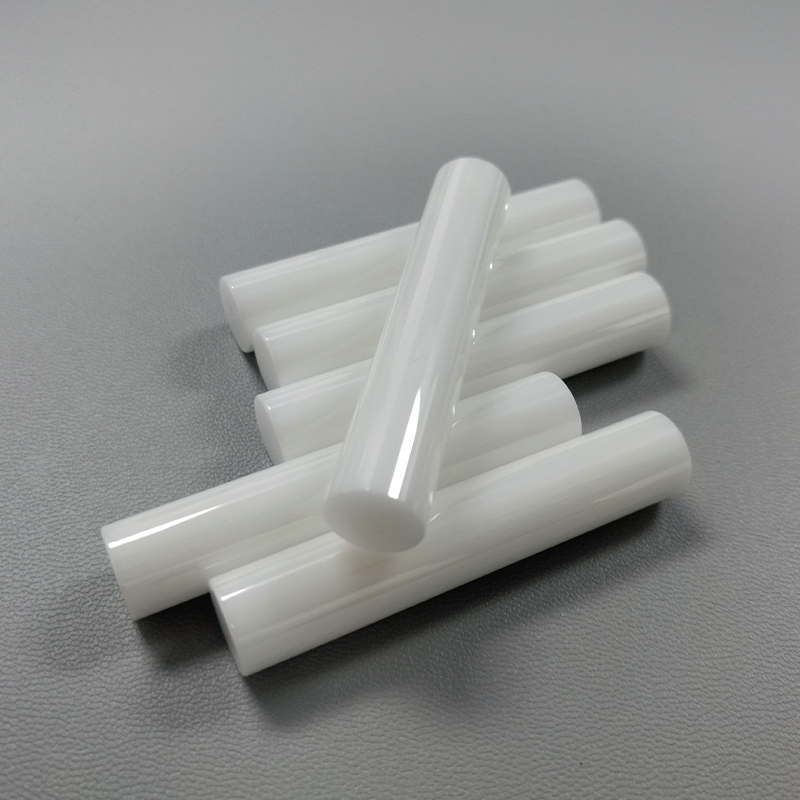
Precision Machining
Green or fired machining may be used for furnace tubes requiring defined interfaces, end features, holes or tighter dimensions. Machining scope, achievable tolerances and inspection requirements remain subject to drawing review.
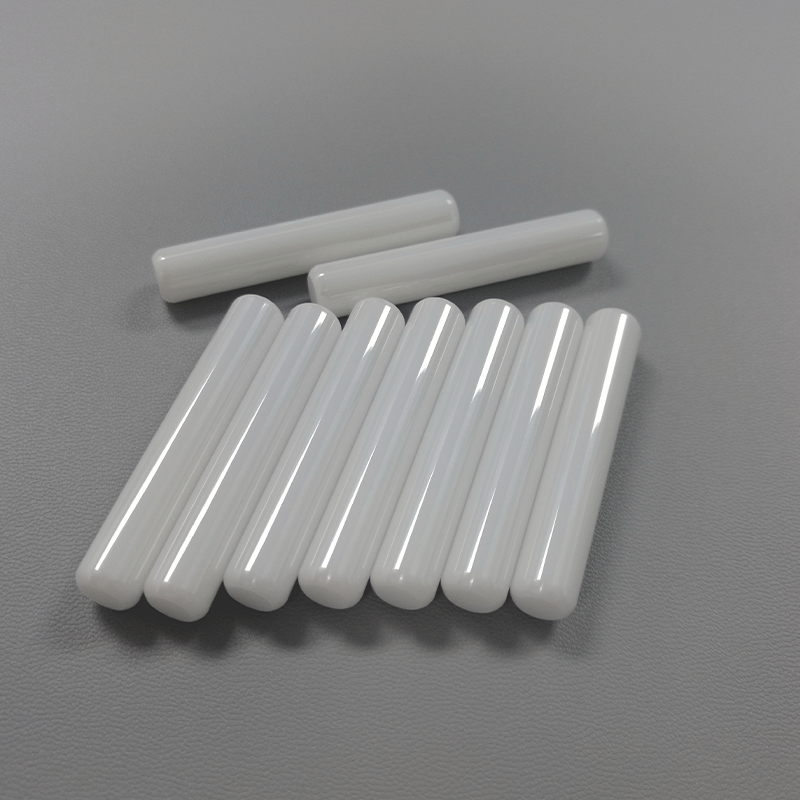
Zirconia Ceramics
Selected finishing operations may refine furnace tube ends, mating surfaces or functional interfaces after forming and firing. The appropriate finish depends on assembly requirements, surface condition, contamination limits and documented acceptance criteria.
Supported Manufacturing Processes for Furnace Tubes

Mating Surfaces
Specify the surfaces that connect with holders, flanges, supports or adjacent components. Include critical diameters, flatness, finish expectations and assembly clearances so the furnace tubes interface can be reviewed accurately.
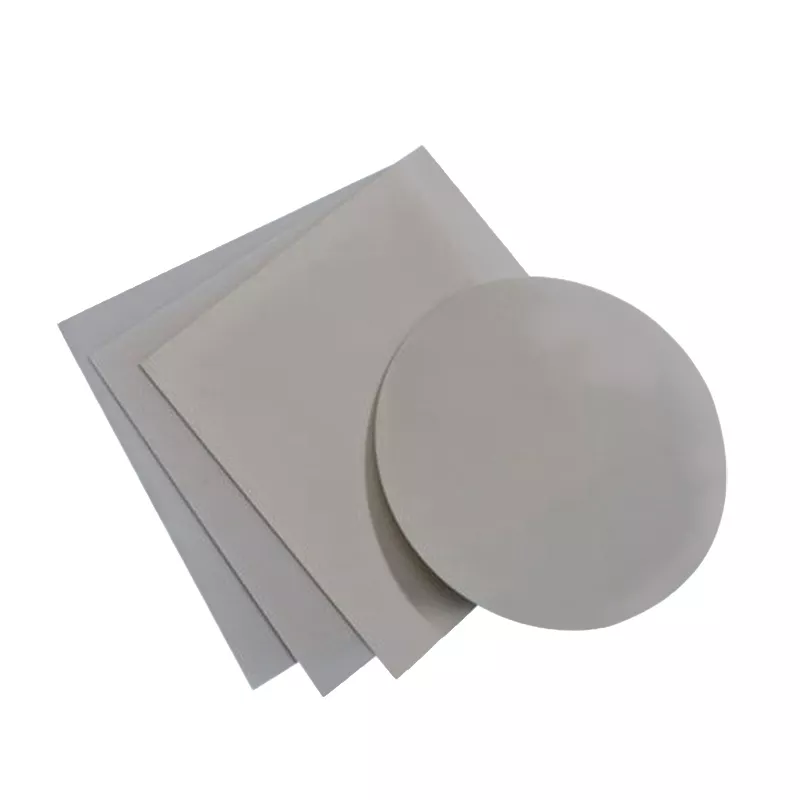
Sealing Components
Identify sealing locations and the required interface concept for controlled environments. Share seal material preferences, compression details, temperature exposure and leakage expectations where these factors affect the furnace tubes design.
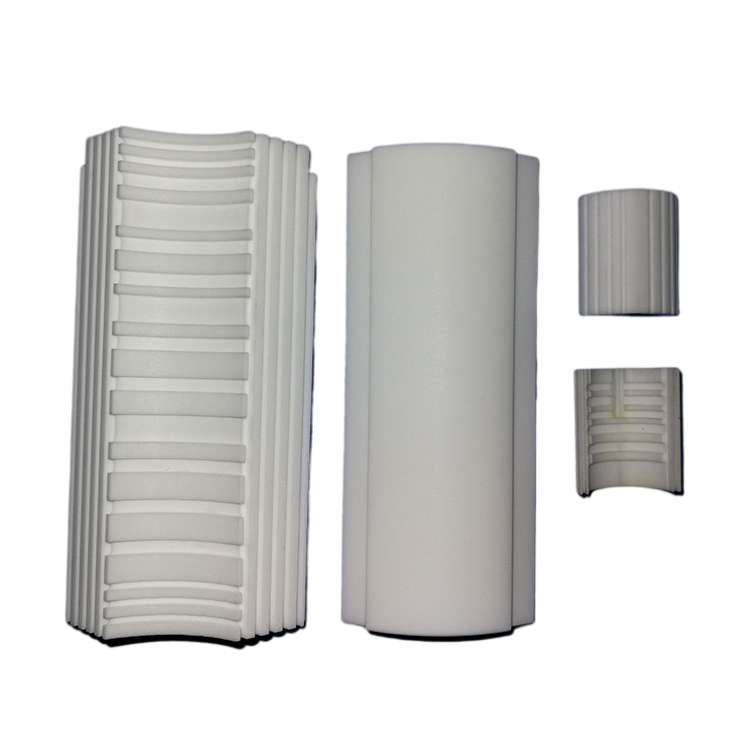
End Fittings
End fittings may support installation, gas connections or mechanical retention around the ceramic tube. Provide the fitting layout, thread or flange requirements, joining method and service conditions for project-specific review.

Support Hardware
Clarify how the furnace tubes will be held, aligned and protected during operation. Support rings, collars, spacers or retainers can be considered when their geometry, contact areas and thermal environment are defined.
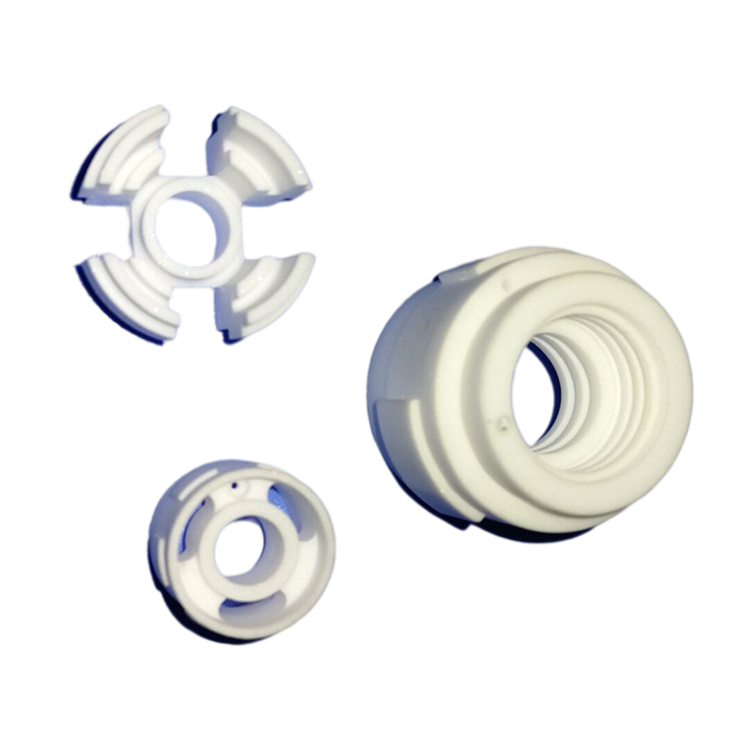
Identification Marking
Add identification requirements for traceability, orientation or installation control. Marking location, method, permanence and readability should be confirmed with the drawing revision and documentation expectations for the individual order.
Supported Furnace Tube Accessories and Interfaces
Founded by Andy Yuan, Porcecore helps industrial procurement teams, engineers, equipment builders and distributors begin with the component and the job it must perform. Our focus is to make furnace tubes and other technical ceramic parts easier to discuss by connecting material choice with geometry, interfaces, operating conditions and inspection expectations.
Porcecore’s scope spans oxide, nitride, carbide and specialty ceramics, including alumina, zirconia, silicon carbide, silicon nitride, aluminum nitride and boron nitride. A quotation discussion starts with the project details: current drawing revision, known material designation, quantity, service conditions, acceptance criteria and any required documentation. These inputs create a clearer basis for evaluating the right furnace tubes for the application.

Core Capabilities for Furnace Tube Projects
Review Requirements Before Quotation
Porcecore starts with the component and its operating job. A drawing, replacement reference, application description, or project brief helps clarify the essential requirements before material, geometry, quantity, and production assumptions are discussed.
- Current drawing revision or reference part
- Quantity and expected production scope
- Operating temperature, atmosphere, and load conditions
- Required inspection or approval information

Guide Material-Family Selection
Furnace tubes may involve alumina, zirconia, silicon carbide, silicon nitride, aluminum nitride, boron nitride, or other ceramic families. Porcecore uses the application requirements to frame material options without treating a family name as a final grade specification.
- Oxide, nitride, carbide, and specialty ceramics
- Grade suitability reviewed against service conditions
- Material properties separated from grade-specific values
- Open questions identified before commitment

Clarify Geometry And Interfaces
A furnace tube must work with the surrounding equipment, not only meet a nominal diameter. Porcecore discusses lengths, wall dimensions, openings, end features, mating surfaces, support points, and dimensional tolerances that influence assembly and reliable use.
- Inside and outside dimensions
- Mating surfaces and end configurations
- Support, sealing, and installation interfaces
- Critical dimensions and tolerance priorities

Align Acceptance And Documentation
A useful quotation also defines how the finished part will be reviewed. Porcecore helps organize acceptance criteria, inspection expectations, documentation needs, packaging considerations, delivery requirements, and commercial details for the individual furnace tube project.
- Inspection points and acceptance criteria
- Material designation and dimensional records
- Drawings, reports, and approval documentation
- Delivery and commercial requirements for confirmation
Furnace Tubes: Porcecore Compared
See how a clearer requirement conversation supports better-informed ceramic sourcing decisions.
← Swipe left or right to view →
Our Furnace Tubes Sourcing and Production Process
From the current drawing and service conditions to quotation, production coordination, inspection, packing and shipping, each project detail is confirmed before commitment.
Define the Requirement
Share the drawing revision, quantity, material designation if known, operating environment, mating surfaces, critical dimensions and acceptance criteria for review.
Review Material and Geometry
Porcecore reviews the requested ceramic family, tube geometry, interfaces and open questions, distinguishing general material guidance from project-specific grade requirements.
Build the Quotation Basis
We align quantity, tolerances, documentation, delivery expectations and commercial details so the quotation reflects the defined furnace tubes requirement for review.
Coordinate Production
After project details are agreed, production coordination follows the confirmed material grade, geometry, interfaces and timing, with unresolved requirements kept visible.
Inspect, Pack and Ship
Inspection, packing and shipping arrangements are coordinated against the agreed acceptance criteria, protection needs and delivery information before the ceramic components leave the project workflow.
How to Source Furnace Tubes With Porcecore
Move from a defined component requirement to a clear quotation, approved sample basis, and aligned production plan.
Send Your Current Drawing
Share the current drawing revision or describe the component, quantity, mating surfaces, and dimensions that determine assembly and quotation scope.
Confirm Material and Conditions
Identify the ceramic family or grade if known, operating temperature, atmosphere, loads, interfaces, and acceptance requirements for a project-specific review.
Review Quotation and Samples
Review the proposed material, geometry, tolerances, documentation, and sample expectations, then clarify open questions before approving the production basis for your team.
Align Production and Delivery
Confirm bulk quantity, inspection criteria, packaging, delivery schedule, and commercial terms so the agreed furnace tubes requirement is ready for execution.
Furnace Tubes Certificates and Documentation for Review
Furnace Tubes: Customer Feedback and Project Examples
Illustrative project example, not a verified endorsement: A drawing-led inquiry should identify the furnace tube material, dimensions, mating surfaces, operating atmosphere, quantity, and inspection criteria before quotation review begins.
Illustrative project example, not a verified endorsement: Confirming the grade and geometry together helps an equipment builder separate essential assembly dimensions from preferences before discussing manufacturing routes, documentation, and delivery expectations.
Illustrative project example, not a verified endorsement: A useful furnace tube discussion starts with the current drawing revision, service conditions, quantity, and acceptance requirements, giving both sides a clearer basis for technical and commercial review.
Furnace Tubes FAQ for Industrial Buyers
Clear answers on requirements, quotation inputs, commercial terms and project-specific ceramic feasibility.
What information should I provide when requesting a quotation for furnace tubes?
Can Porcecore recommend a ceramic material or grade for my furnace tubes?
Are furnace tubes available in custom sizes, tolerances and interface details?
What is the minimum order quantity for a custom ceramic tube?
How are sampling cost and lead time determined for furnace tubes?
What inspection evidence can accompany a furnace tube quotation or shipment?
How does Porcecore handle packaging and shipping for ceramic components?
Can I protect my drawing and revise requirements during the inquiry?
The Complete Buyer’s Guide to furnace tubes
Use this decision framework to match furnace tube designs and materials to process demands, evaluate OEM supplier capabilities, control total cost, and avoid specification, quality, and purchasing mistakes.
1. What Are Furnace Tubes?
Ceramic work tubes contain samples and process gases inside a heated chamber, while metallic radiant tubes transfer heat from an internal element to the furnace load. The work tube also shields heating elements and provides a controlled path for air, inert gas, vacuum or reactive atmospheres. One sealed tube can therefore influence temperature uniformity, gas composition, pressure control and contamination risk. Alumina ceramics, quartz or other materials are selected for the process environment; metallic radiant tubes are specified around heat-transfer duty, furnace geometry and installation design. Three purchasing situations are common: a replacement tube restores an existing furnace, an OEM component must match the equipment drawing and interfaces, and a custom assembly is needed when dimensions, end fittings, seals, supports or atmosphere connections are project-specific.
2. Furnace Tubes: Evolution and History
Early systems emphasized a heated chamber and work tube; later designs added better temperature measurement and programmable control. Two developments reshaped furnace tubes: controlled-atmosphere operation and independently regulated heating zones. Modern systems extend that progression across higher temperatures, longer heated lengths and varied diameters, with horizontal, vertical, split and other geometries integrated into laboratory or industrial equipment.
3. Types of Furnace Tubes
Furnace tubes are specified by geometry, access, orientation, and process movement—not material name alone.
Containment And Access
Straight tubes suit continuous open-through processing; closed-end tubes answer whether one side must remain sealed for a batch or controlled-atmosphere load.
Split tubes answer whether operators need faster loading and inspection without removing the work tube, a practical maintenance advantage for frequent changeovers. Source: https://www.deltechfurnaces.com/tube-furnace/
Radiant Tube Geometry
Radiant tubes answer whether indirect heat must reach a process chamber while heating elements remain separated from the load.
U-shaped and W-shaped designs answer installation-space and heat-distribution constraints; their bends, supports, and access points must match the furnace layout. Source: https://www.kanthal.com/en/products/furnace-products/furnace-tubes/u-and-w-tubes/
Orientation And Loading
Horizontal tubes answer whether long samples, boats, or wires can be loaded from the side; vertical tubes suit gravity-assisted loading and powder or crucible arrangements.
Rotary And Controlled Processing
Rotary tubes answer whether powders or granules require continuous movement, mixing, or calcination rather than static batch heating.
Controlled-atmosphere work adds gas-tight end connections and flow paths; continuous processing may favor open-through or rotary arrangements over closed-end batch tubes. Source: https://en.wikipedia.org/wiki/Tube_furnace
4. Furnace Tube Materials and Selection
Five material families cover most furnace-tube decisions, but no material wins every service condition.
| Material | Typical selection profile | Relative cost |
|---|---|---|
| Alumina | High temperature; strong, tight, clean | Medium |
| Mullite | Good shock tolerance; moderate load | Low–medium |
| Quartz / fused silica | Excellent shock resistance; lower load limit | Medium |
| Silicon carbide | Very high heat and load capability; grade-sensitive | High |
| Metal alloys | Fast response; atmosphere- and alloy-dependent | Medium–high |
Ceramic Material Tradeoffs
Alumina offers high-temperature stability, strength, gas tightness, and broad chemical compatibility; mullite usually trades some temperature and strength for lower cost and better thermal-shock tolerance. Quartz or fused silica gives excellent thermal-shock resistance and cleanliness, but lower high-temperature load capability. Silicon carbide handles severe heat transfer and load, yet oxidation, porosity, sealing, and contamination risks require grade-specific review.
Metals And Operating Limits
Alloy tubes can provide strong hot-load performance and rapid response, but maximum temperature and oxidation or carburization resistance depend on alloy family and atmosphere. com/en/products/furnace-products/furnace-tubes
Porcecore confirms a scope spanning oxide, nitride, carbide, and specialty ceramics; final grade, dimensions, tolerances, and documentation remain project-specific.
Match Material To Duty
A short, rapid cycle favors thermal-shock resistance; continuous high-temperature service favors creep strength and dimensional stability. Vacuum or reactive gas service makes gas tightness, seals, and chemical compatibility as important as nominal temperature.
5. Furnace Tubes: Customization and Inspection Options
Outer diameter, inner diameter, length, and wall thickness establish furnace tubes’ fit, strength, heated volume, and thermal response.
Geometry And Interfaces
OD, ID, length, and wall thickness affect forming, machining, shrinkage control, heat transfer, and clearance inside the furnace.
Finish And Inspection
Surface finish and dimensional tolerances should be assigned by function: sealing faces and assembly interfaces normally need clearer limits than non-mating surfaces.
| Feature | Primary Effect | Buyer Control |
|---|---|---|
| Flanges and grooves | Sealing and assembly | Interface drawing |
| Thin walls | Thermal response and strength | Wall tolerance |
| Holes and closed ends | Gas flow and containment | Location inspection |
Marking And Packaging
Part labels, orientation marks, and packaging identifiers should preserve traceability without entering sealing zones, creating stress risers, or contaminating the process surface.
6. Key Furnace Tube Construction Quality Elements
Key quality checks turn furnace tubes from a drawing into a serviceable component.
Geometry And Surface Control
Dimensional consistency, concentricity, wall uniformity, end geometry, and straightness govern clearance, flow, heating, and sealing. Inspect bore, OD, wall thickness, ends, chips, cracks, scratches, and visible porosity against drawing tolerances.
Material And Service Criteria
Temperature, ramp rate, quench exposure, gas chemistry, vacuum, pressure, and contamination sensitivity should become measurable limits for thermal-shock resistance, chemical purity, open porosity, and seal compatibility.
Traceability And Receiving
Each lot should connect the part marking or packing record to material designation, drawing revision, inspection results, quantity, and agreed acceptance criteria. Incoming inspection should verify identity, dimensions, surface condition, ends, and mating fit.
7. How to Choose a Furnace Tube Manufacturer
A sound supplier review connects furnace tubes to service conditions, drawing requirements, and approval evidence. Compare total risk—not unit price—before selecting a manufacturer.
Technical And Process Review
Before RFQ, ask for material grade data, temperature, atmosphere, pressure, geometry, mating surfaces, tolerances, and inspection criteria.
Commercial And Delivery Fit
Confirm MOQ, production capacity, realistic lead time, packaging method, replacement policy, and after-sales support before comparing quotations.
Compare Evidence, Not Promises
Use the same drawing revision and acceptance criteria for every supplier. Record deviations, open questions, sample results, and approval status.
| Evaluation area | Evidence to request |
|---|---|
| Technical fit | Grade data, drawing review, service limits |
| Quality control | Inspection report, sample results, traceability |
| Commercial risk | MOQ, lead time, packaging, support terms |
8. Common Furnace Tube Buying Mistakes
Recurring specification errors can turn a workable furnace-tube requirement into leakage, distortion, premature cracking or assembly delay.
Define The Real Service Envelope
1,200°C maximum is incomplete: record operating temperature, dwell time, ramp rate, cycle count, atmosphere chemistry, pressure, and reactive vapors. Atmosphere compatibility can matter as much as temperature. Nominal diameter alone can misfit the furnace.
Control Interfaces And Acceptance
0.1 mm can matter at a mating surface, yet many inquiries omit tolerances. Define critical dimensions, flatness, concentricity, surface finish, visual limits, and inspection records.
Seal materials must match temperature, gas, pressure, and tube material. Confirm end-cap geometry, gasket compatibility, compression method, and whether supports accommodate expansion.
Validate Before Comparing Quotes
3-cycle sample validation can reveal cracking, leakage, sag, or contamination before production quantity. Provide the actual thermal profile and test acceptance criteria rather than requesting a generic sample.
Compare quotations line by line: grade, dimensions, tolerances, testing, documentation, packaging, quantity, lead time, and commercial terms. Ask Porcecore to confirm open requirements against the drawing revision.
9. Steps to Launch Your Furnace Tube Program
Begin with the part’s duty, mating interfaces, atmosphere, temperature cycle, load, and replacement context.
Define And Document The Requirement
Step 1 starts with the current drawing revision, quantity, service conditions, dimensions, tolerances, and acceptance criteria. Record fit-critical surfaces and installation orientation.
Step 2 separates validated requirements from optional enhancements such as private-label marking, special packaging, or added documentation. Porcecore can then base material discussions on the actual job.
RFQ, Samples, And Validation
Step 3 should shortlist ceramic families against atmosphere, thermal cycling, geometry, and contamination limits; issue an RFQ with drawings, grade preferences, inspection needs, and delivery targets.
Step 4 uses samples to confirm fit, sealing, handling, and thermal behavior in the intended furnace. Record deviations before approving a production specification.
Approve And Plan Repeat Supply
Step 5 freezes the approved revision, material designation, inspection records, packaging method, and required certificates or reports. Brand or private-label details belong in the same controlled specification.
Step 6 defines reorder quantities, forecast signals, replacement identification, and change-control rules. Keep preferences visibly separate from requirements so repeat orders remain consistent.
10. Furnace Tubes Pricing and Total Cost
A quote should separate the ceramic grade from the part specification. Dimensions, wall thickness, geometry, machining, mating surfaces, tolerances and required inspection can materially change furnace tube cost. Commercial variables such as tooling or setup, testing, protective packaging, order quantity and shipping destination also affect total cost.
| Cost-driver scenario | Setup or lead-time impact | Total-cost implication |
|---|---|---|
| Standard geometry, known grade | Lower setup burden | Best fit for repeat orders |
| Thin wall or complex geometry | More process review and tooling | Higher manufacturing risk |
| Tight tolerances or testing | Additional inspection planning | Higher verification cost |
| Small quantity or urgent shipment | Less quantity leverage; expedited freight | Higher unit and delivered cost |
Discuss Your Ceramic Furnace Tubes Requirement
Email your drawing or describe the component and operating environment to start a quote and specification conversation.