
Ceramic Seal Faces for Drawing-Led Industrial Sourcing
Turn ceramic seal faces requirements into a clearer quotation discussion with project-specific material, geometry, and acceptance details.
Ceramic Seal Face Components for Industrial Applications



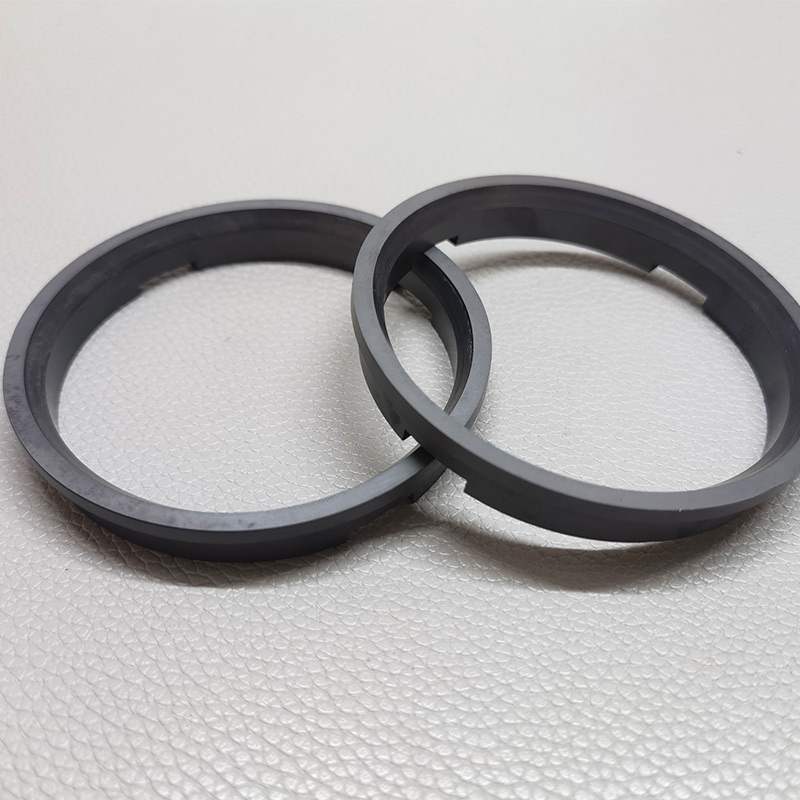
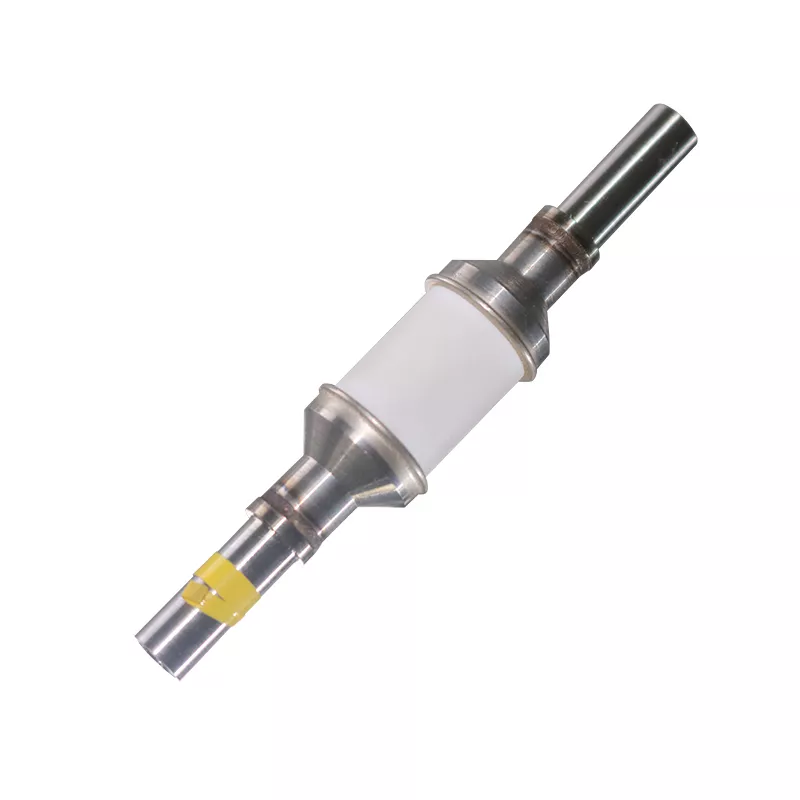
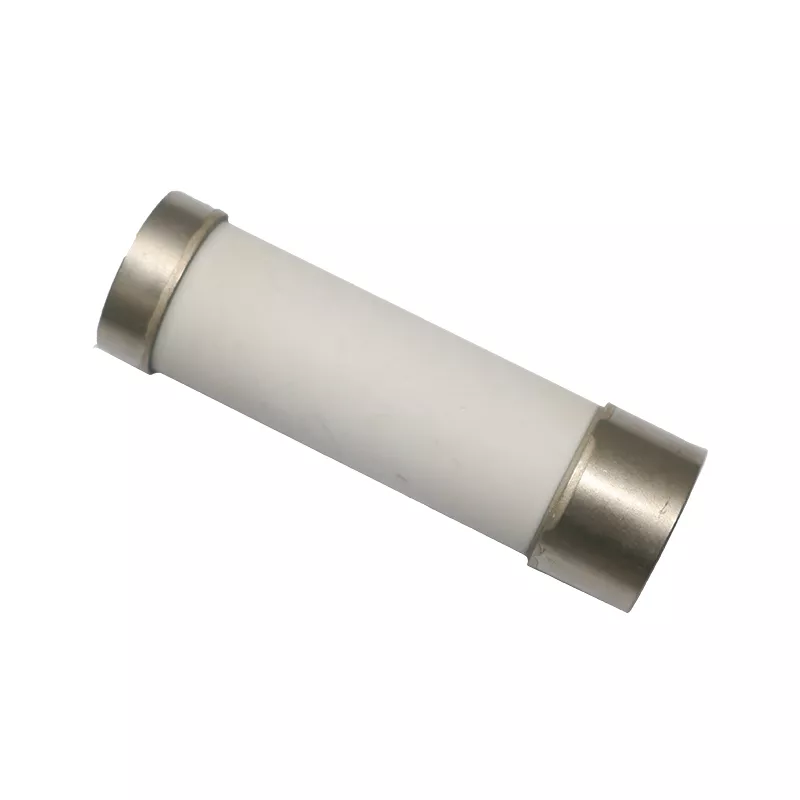

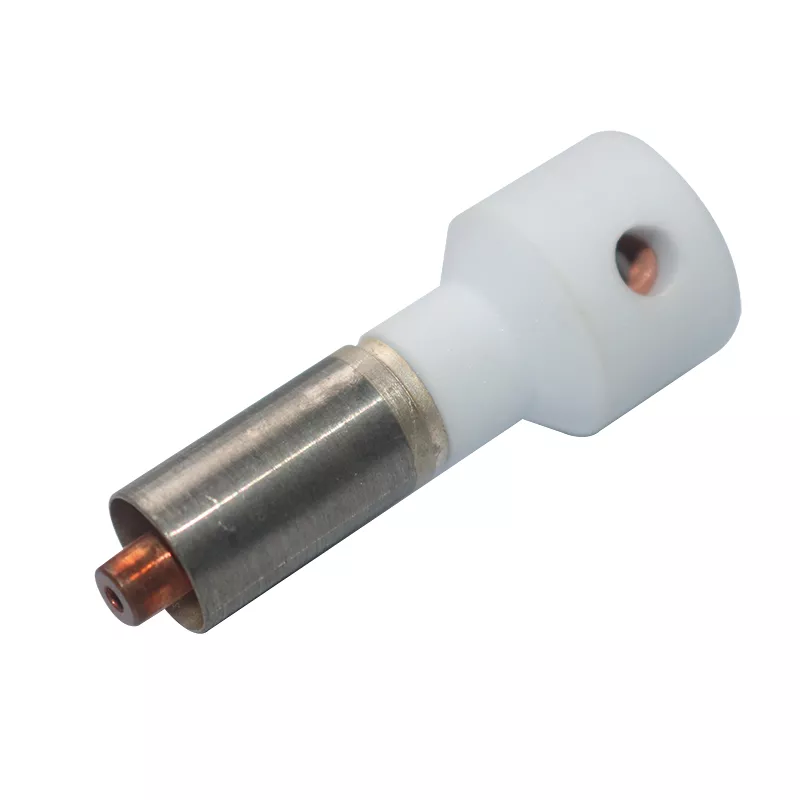
Related Product Catalogue and Quotation



Ceramic Seal Faces: Evaluate Material and Part Fit
Evaluate material, geometry, mating surfaces and application conditions together, then request a drawing-led quotation grounded in project requirements.
Start With Drawing Revision
Share the current drawing revision, marked critical dimensions and intended changes so a ceramic seal faces quotation reflects the part under review.
Confirm the Material Grade
Identify the preferred ceramic family and grade when known; otherwise, describe the duty so Porcecore can separate material assumptions from confirmed project requirements.
Define Geometry for Assembly
Specify outside and inside dimensions, thickness, chamfers, bores and other geometry that determines fit, alignment or replacement compatibility in the equipment.
Describe Critical Mating Surfaces
Identify sealing, sliding, lapped or mating surfaces, including the contact relationship with the counterpart, because surface function belongs in the ceramic component discussion.
Record Application Conditions
Include media, temperature, pressure, speed, lubrication and operating environment details to help connect ceramic seal faces with the conditions the part must address.
Set Inspection Evidence Expectations
State required measurements, tolerances, surface criteria, records or approval documents before quotation, distinguishing essential acceptance requirements from preferred documentation.
Ceramic Components by Material and Application
Explore ceramic manufacturing capabilities, material families, component forms and practical sourcing guidance for defined industrial requirements.
Ceramic Manufacturing Capabilities
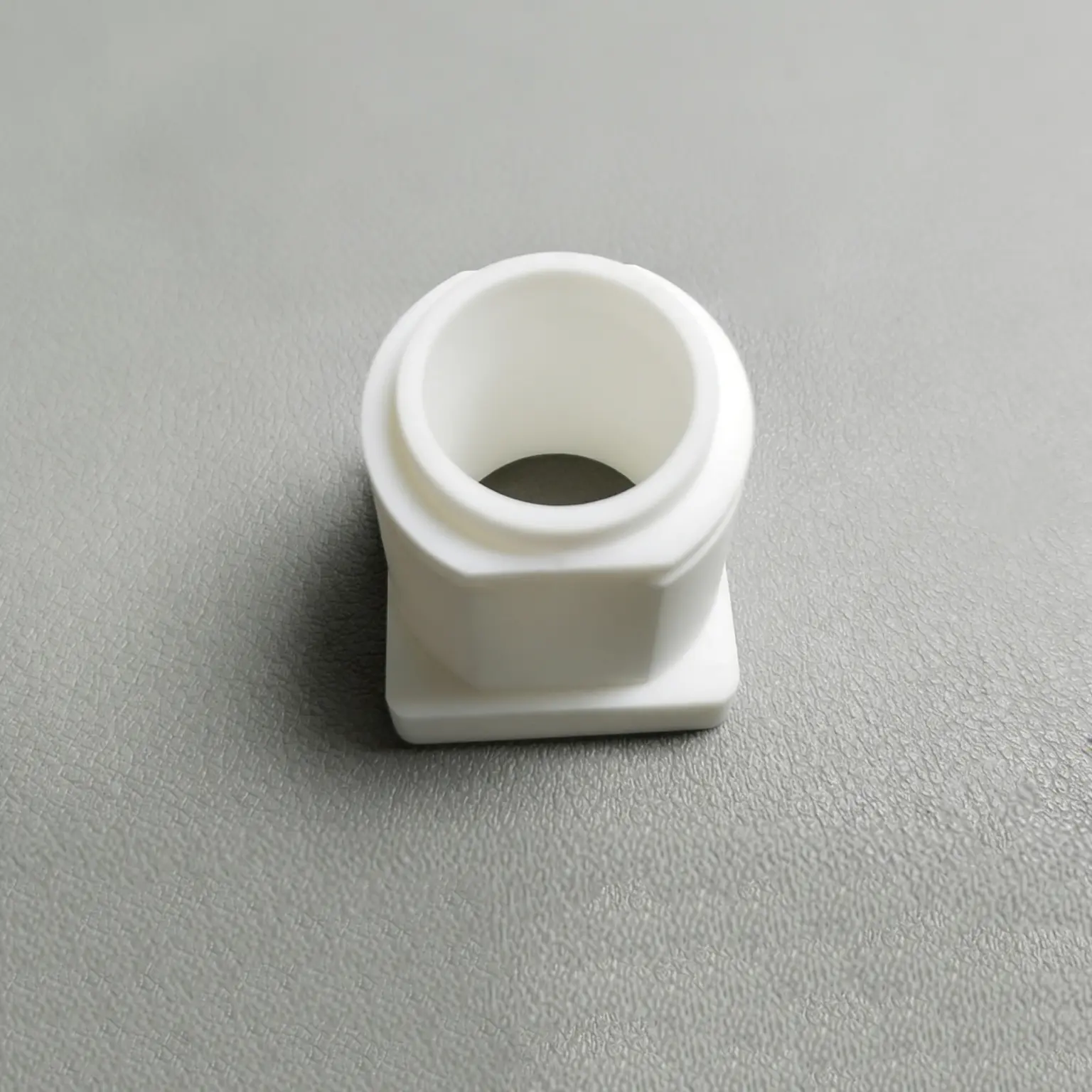
Ceramic manufacturing capabilities support custom ceramic components, including tubes, rods, rings, substrates and seal-related parts. Share the drawing revision, quantity, operating conditions and acceptance criteria so geometry, tolerances, mating surfaces and inspection expectations can be reviewed before quotation.
Discuss Your Ceramic Part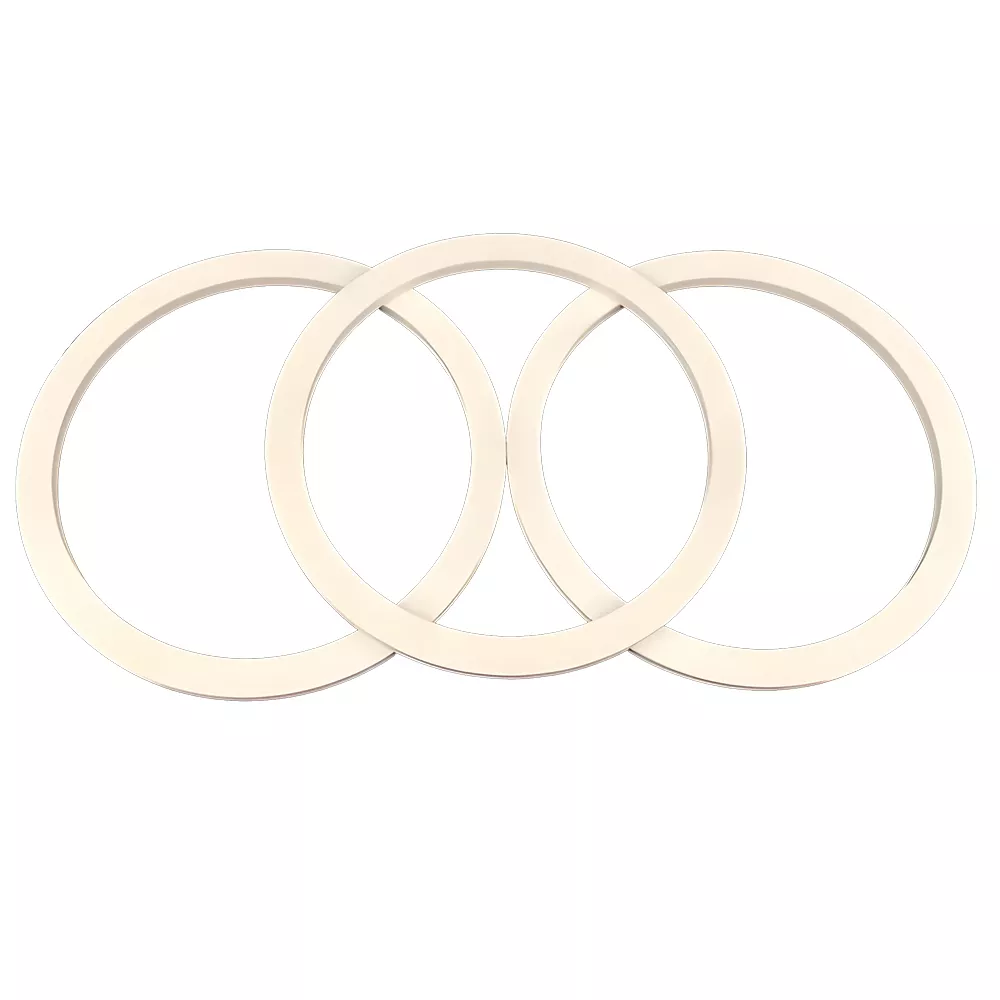
Ceramic Solutions by Industry
Advanced ceramics applications vary across industrial equipment, electrical systems, thermal management and wear-sensitive assemblies. Connecting the application to service temperature, chemical exposure, electrical behavior, loading and assembly conditions helps identify a practical component approach for the project.
Discuss Your Ceramic Part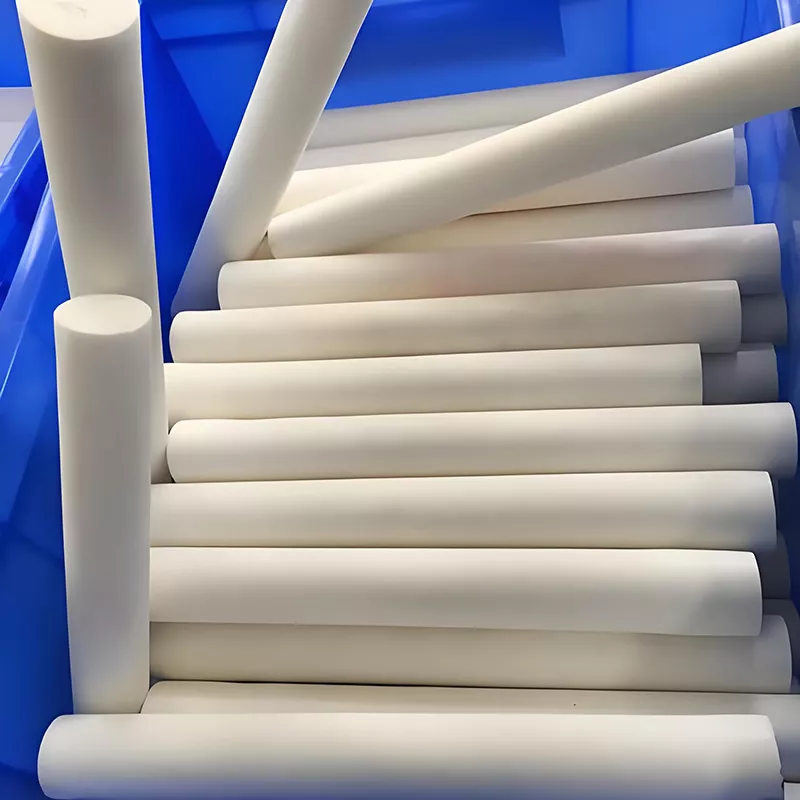
Advanced Ceramic Materials
Advanced ceramic materials include oxide, nitride, carbide and specialty families such as alumina ceramics, zirconia ceramics, silicon carbide ceramics, silicon nitride, aluminum nitride and boron nitride. Material selection should be confirmed against the required grade, geometry, operating environment and project acceptance criteria.
Discuss Your Ceramic Part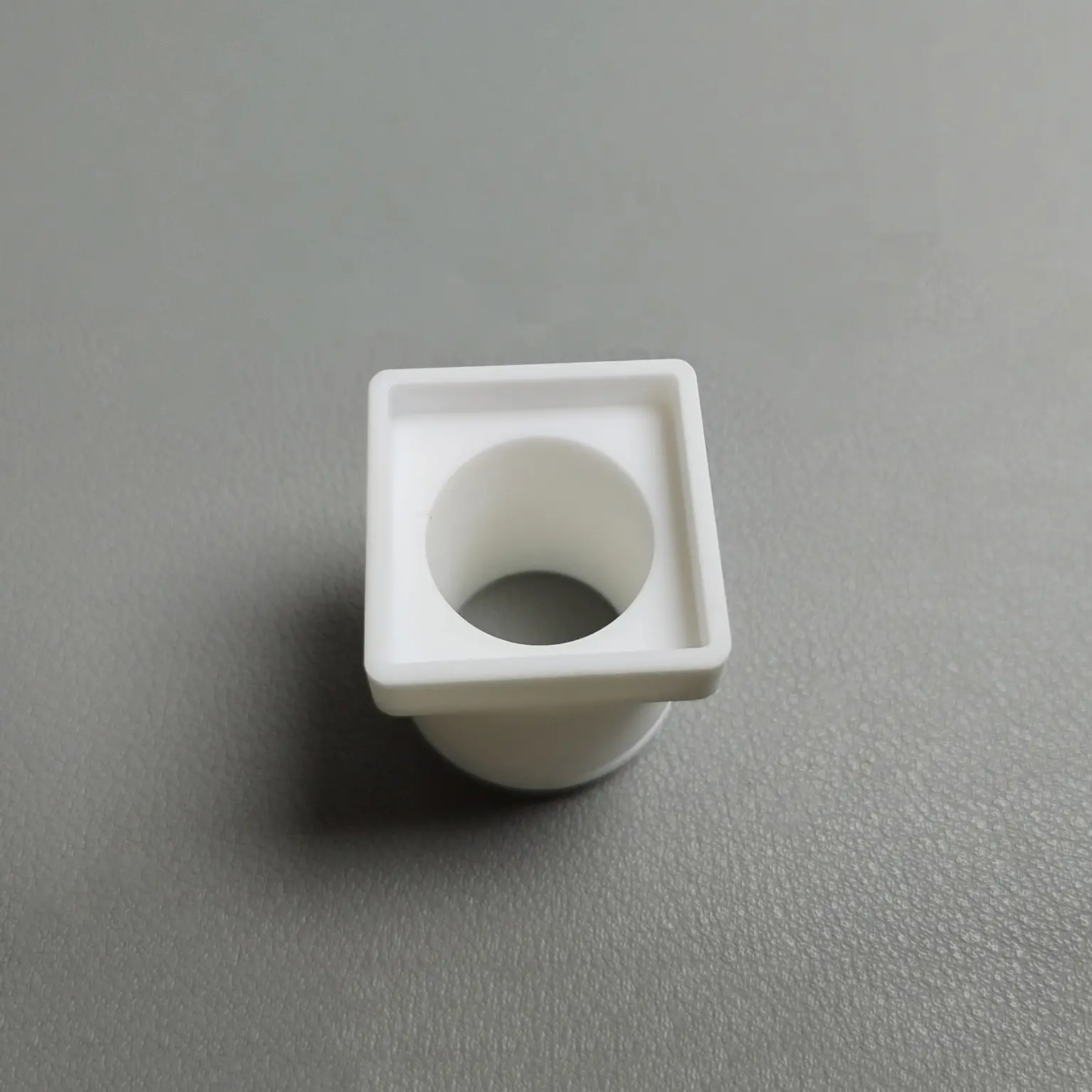
Technical Ceramic Products
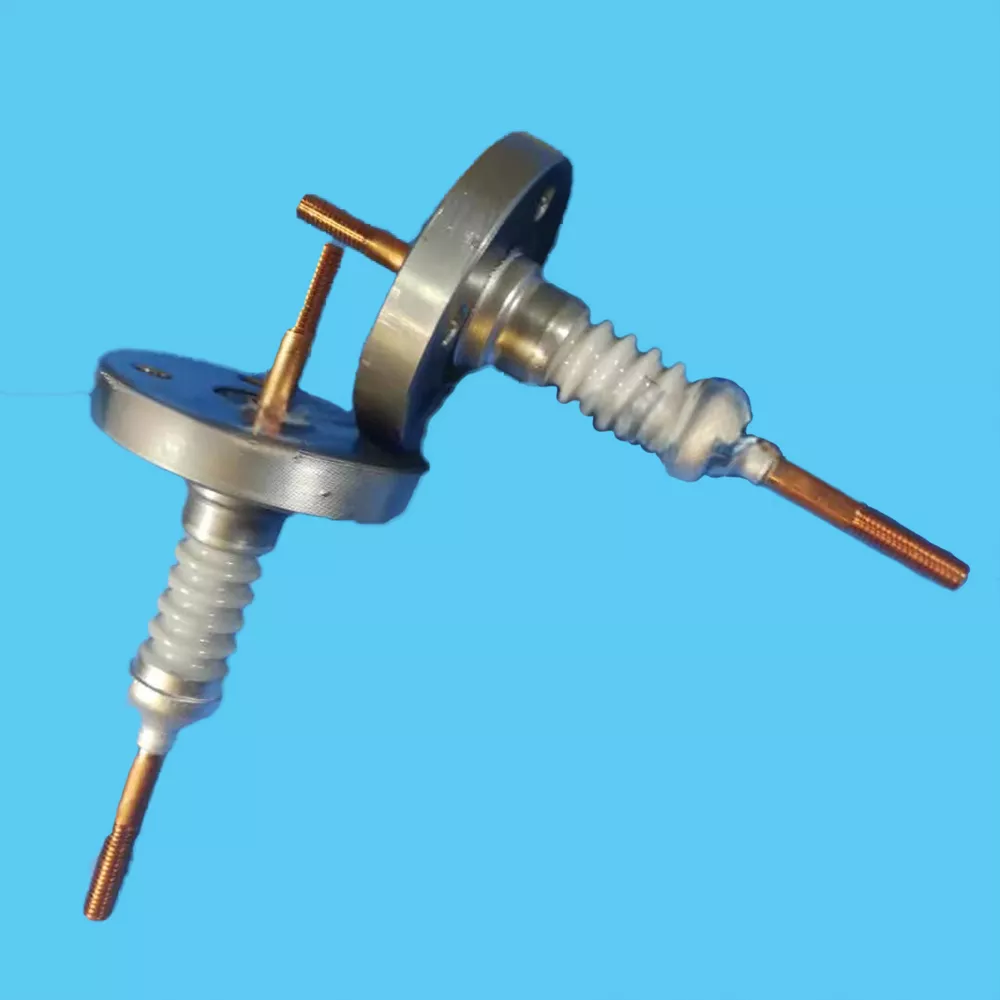
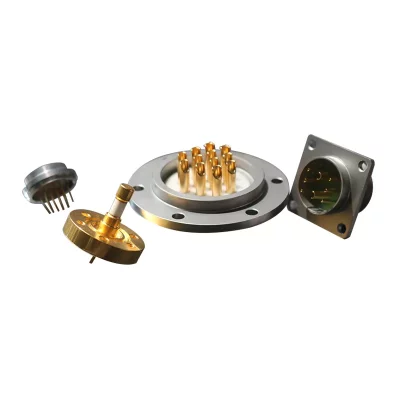
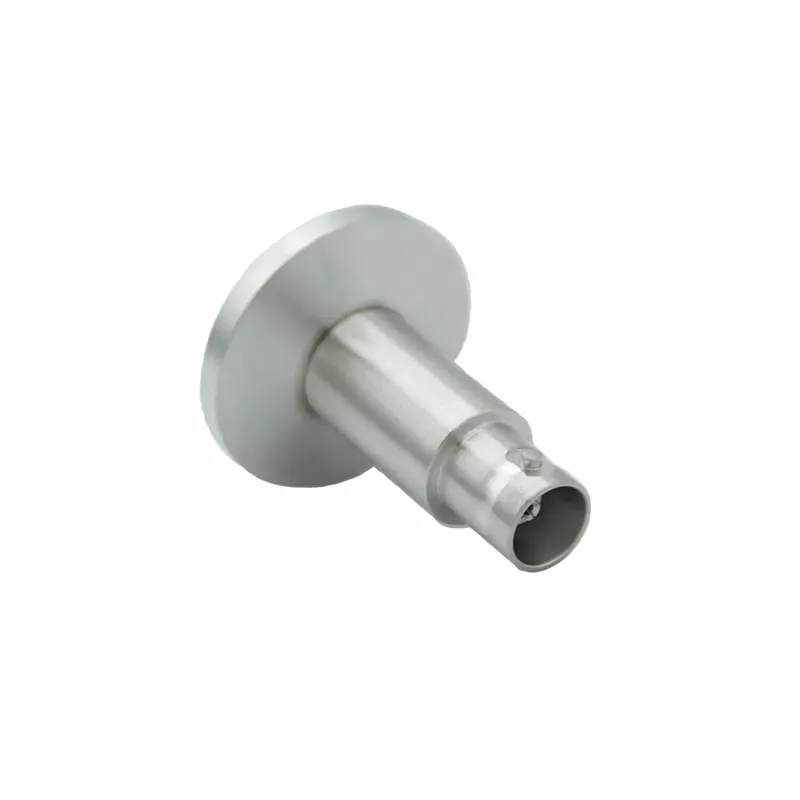
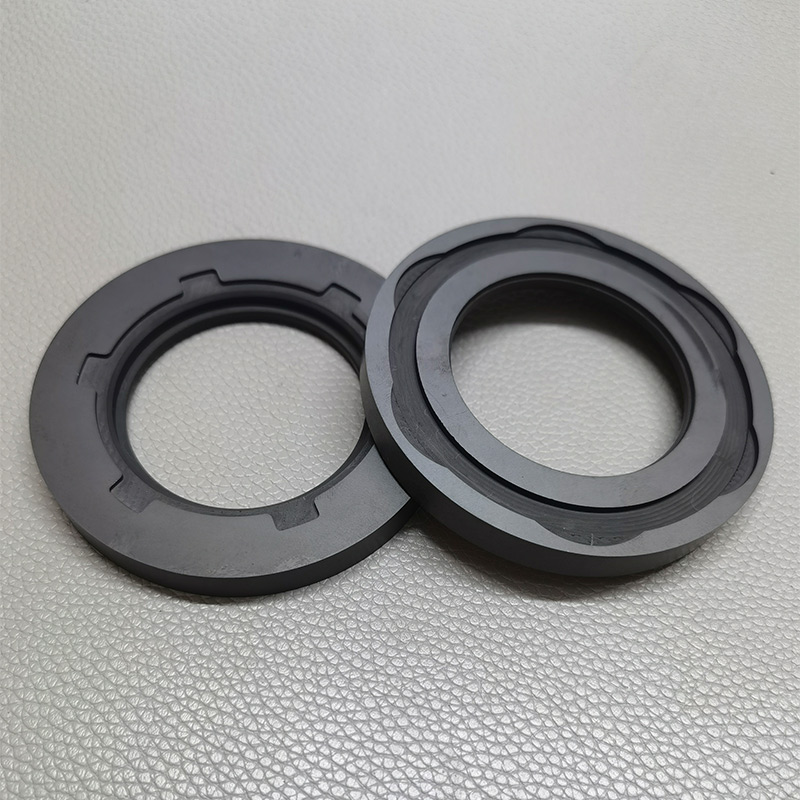
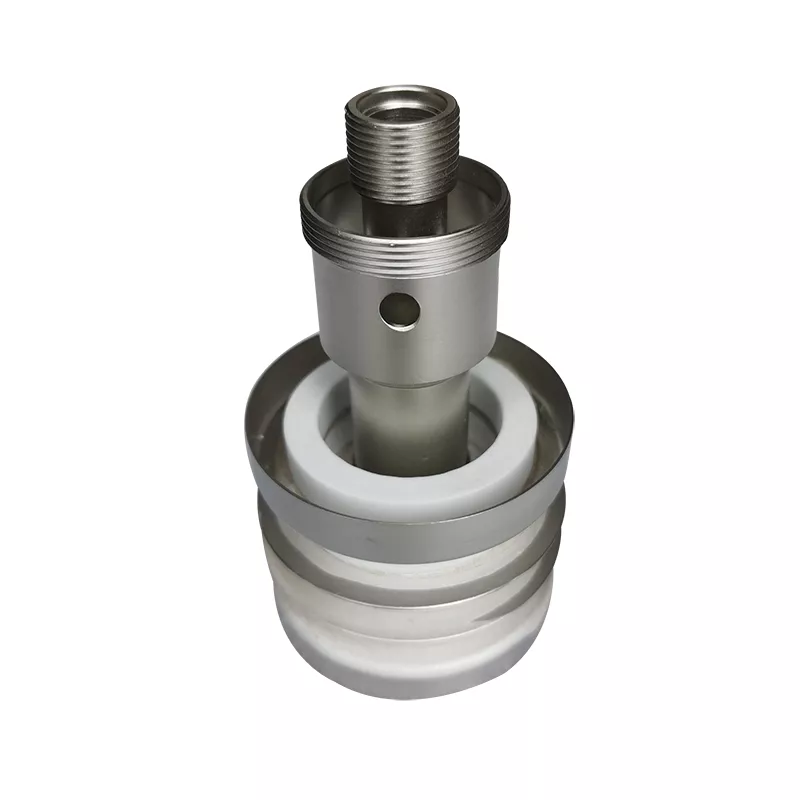
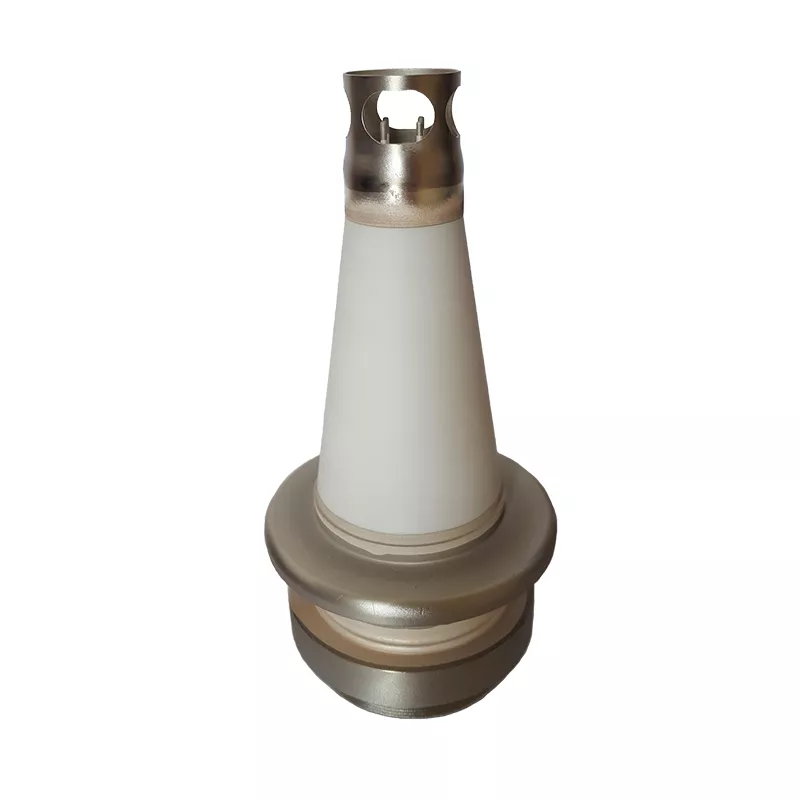
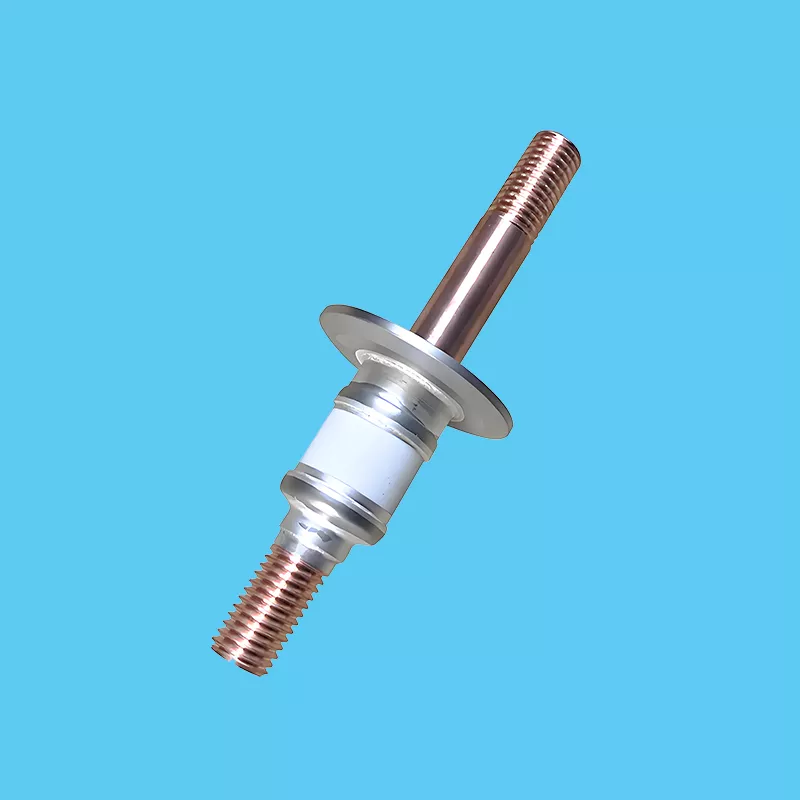
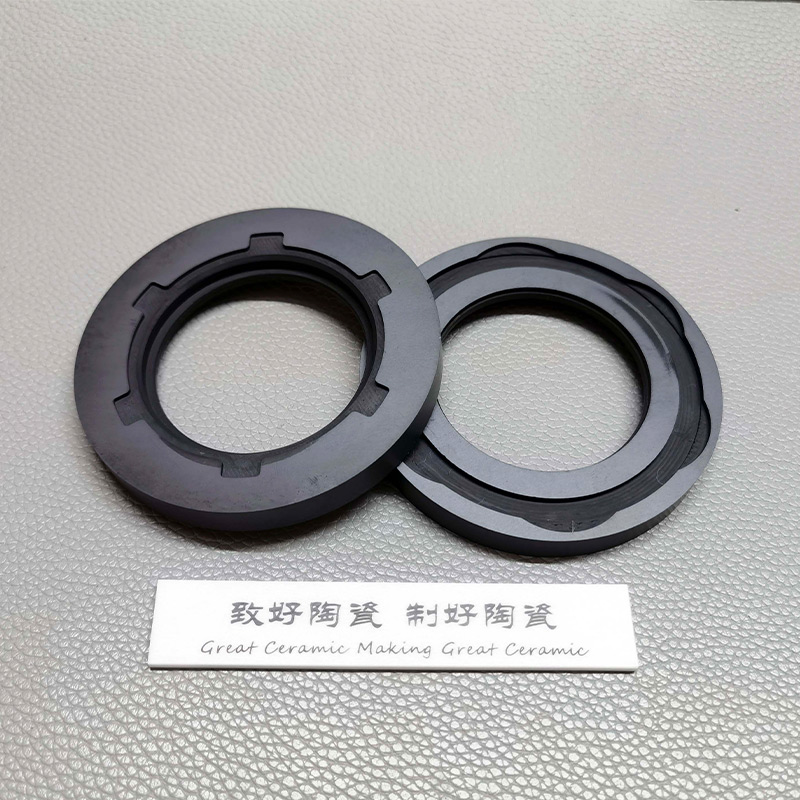
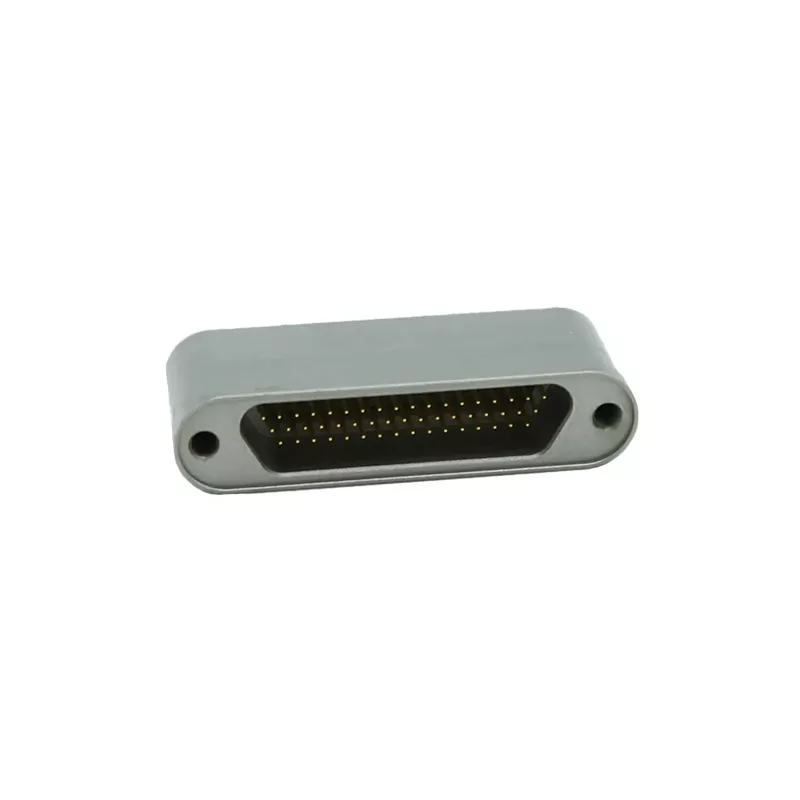
Technical ceramic products include tubes, rods, rings, substrates, insulators and seal-related forms. Product illustrations indicate possible component types, while dimensions, tolerances, surface requirements, material designation and documentation must be confirmed for the individual drawing or replacement-part inquiry.
Discuss Your Ceramic Part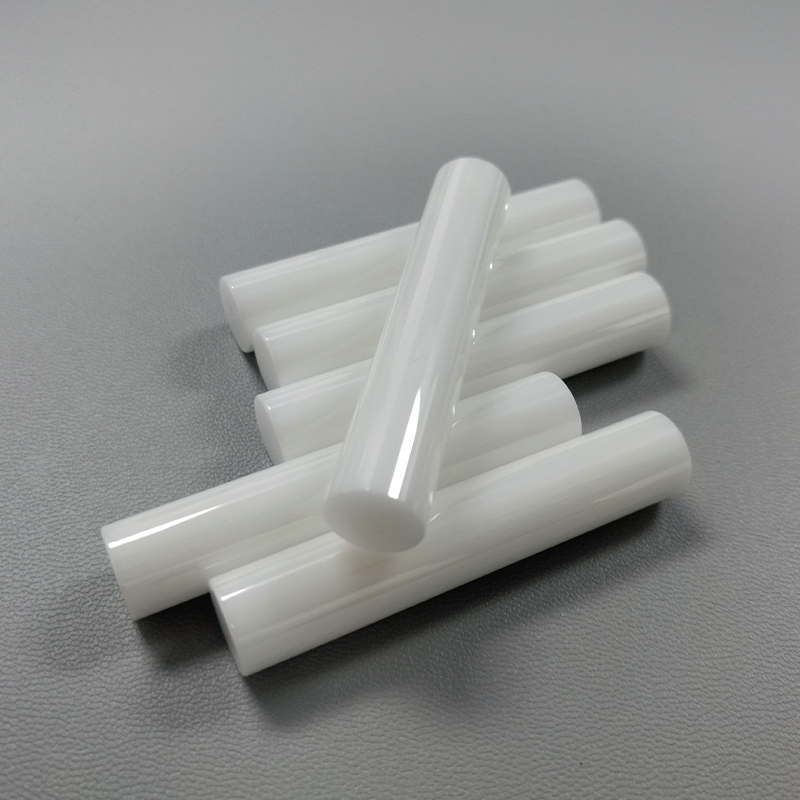
Technical Ceramic Resources
A technical ceramics guide helps buyers frame a clearer inquiry by separating material properties from grade-specific values and preferences from essential requirements. Use it to organize drawings, service conditions, quantities and documentation needs before contacting Porcecore by email or WhatsApp.
Discuss Your Ceramic PartCeramic Materials for Seal Face Applications
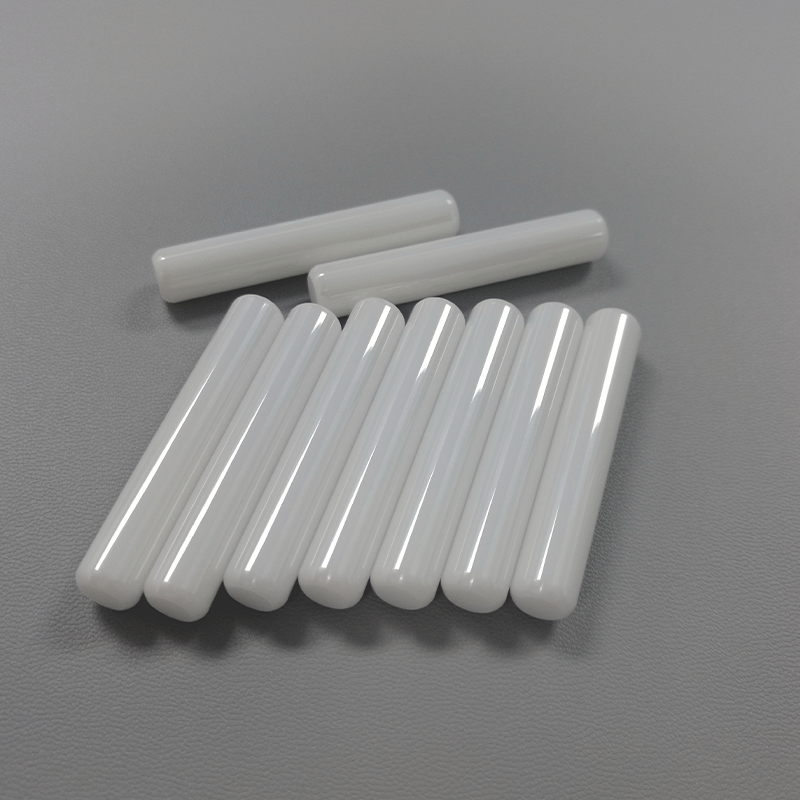
Alumina Ceramics
A hard, electrically insulating ceramic suited to general seal rings, spacers and wear-related components. Its smooth, stable surface can support cost-conscious designs, subject to grade, porosity, finish and mating-face requirements.
Zirconia Ceramics
A denser, tougher-feeling ceramic option for compact rings, sleeves and sliding interfaces where edge loading or handling durability matters. Review grade, temperature, surface finish, dimensional tolerances and counterface conditions before specification.
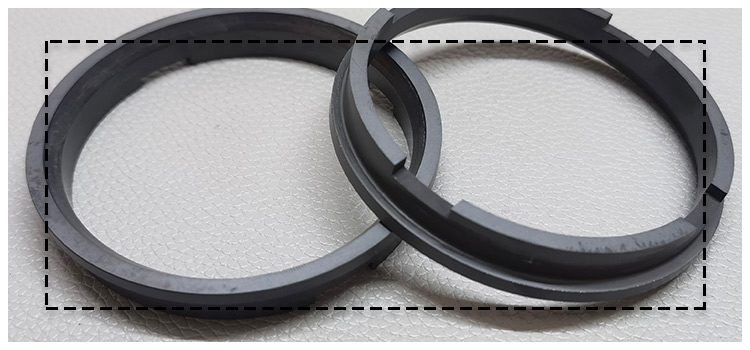
Silicon Carbide Ceramics
A hard, wear-focused ceramic considered for demanding seal faces, pumps and corrosive service environments. Its suitability depends on grade, thermal conditions, surface pairing, geometry, finish and the specific media encountered in operation.
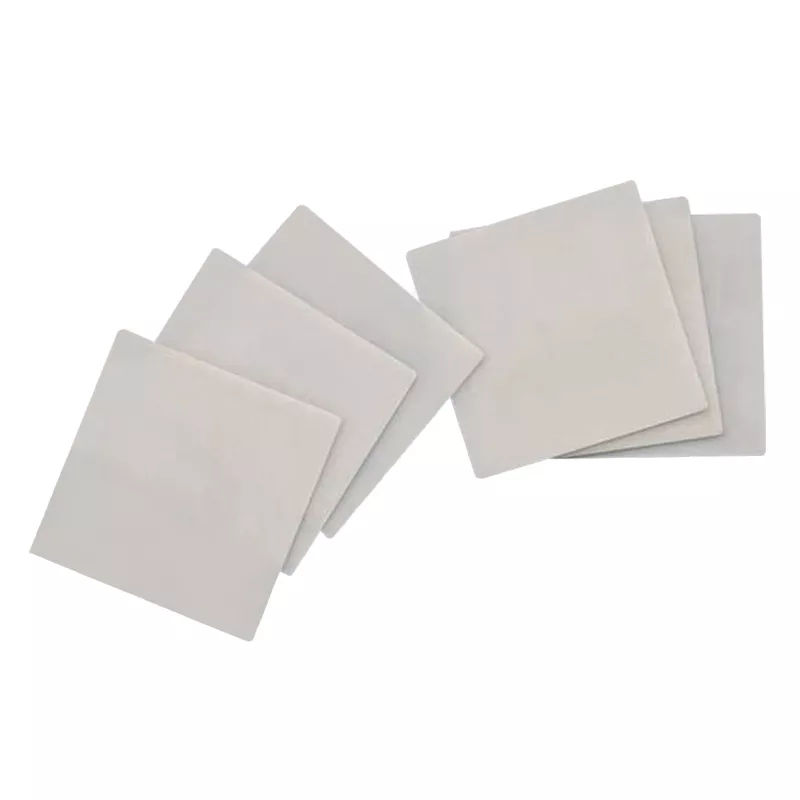
Silicon Nitride
A lightweight, engineering ceramic considered for rotating or wear-related components where thermal and mechanical conditions require careful review. Confirm grade-specific properties, face finish, dimensional control, mating materials and operating limits for each design.
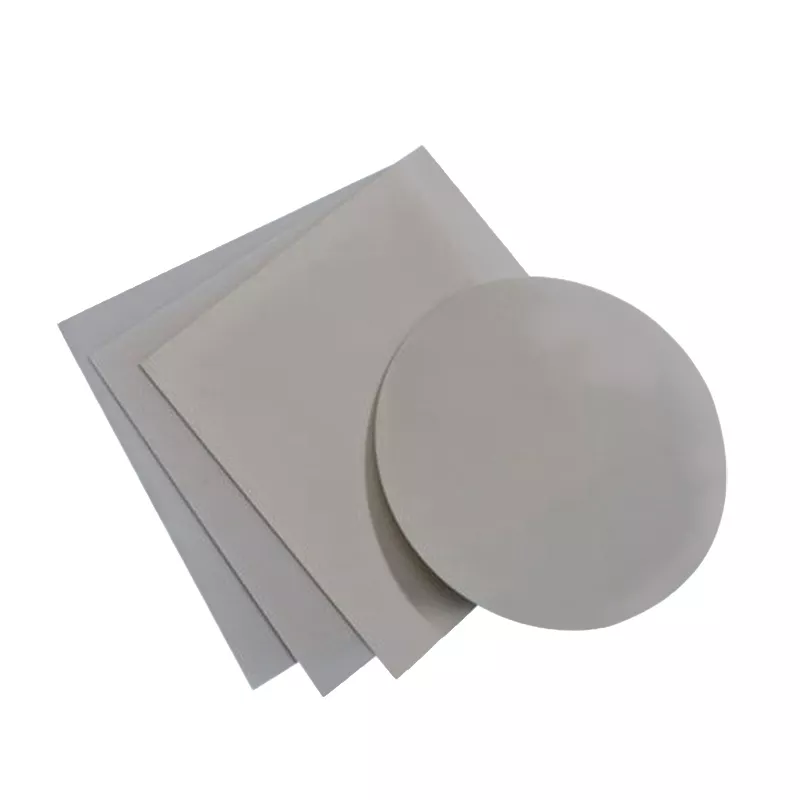
Aluminum Nitride
A thermally conductive ceramic with electrical insulation potential for specialized component designs. It may be relevant where heat management and isolation intersect, but seal-face suitability requires project-specific review of media, finish, strength and geometry.
Ceramic Seal Face Manufacturing and Finishing Considerations
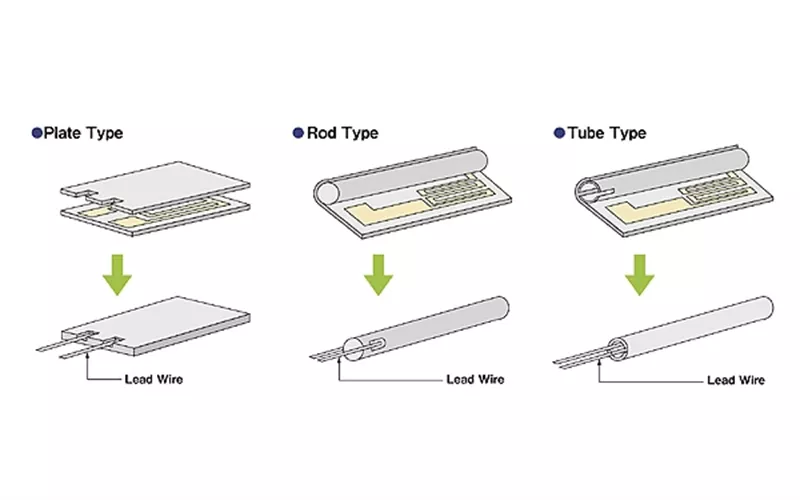
Ceramic Forming
Forming establishes the initial geometry for rings, faces and related components. The suitable method depends on material family, dimensions, section thickness, production volume and the requirements defined in the drawing.
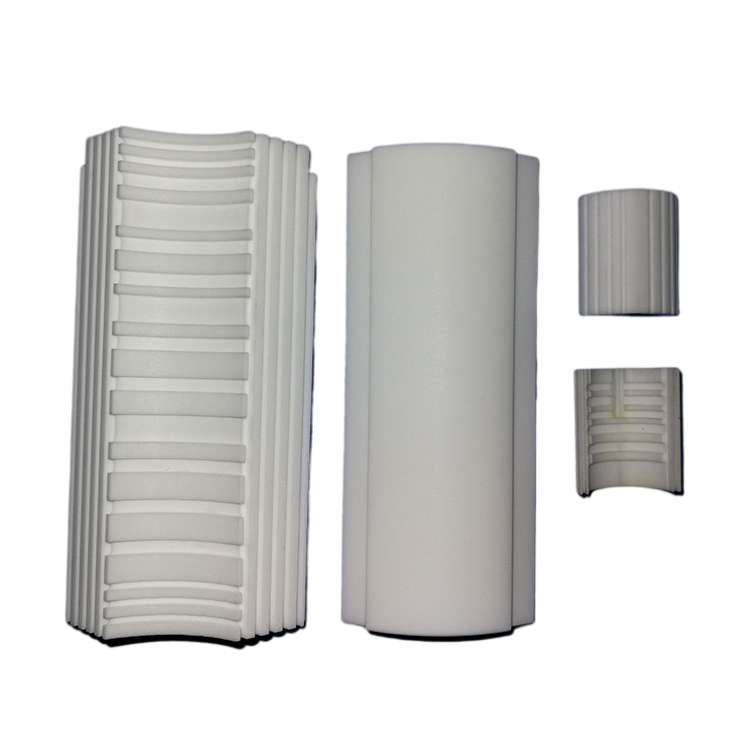
Controlled Sintering
Sintering develops the ceramic body through a controlled thermal cycle. Shrinkage, material behavior and dimensional targets must be considered together when reviewing ceramic seal faces or other precision components.
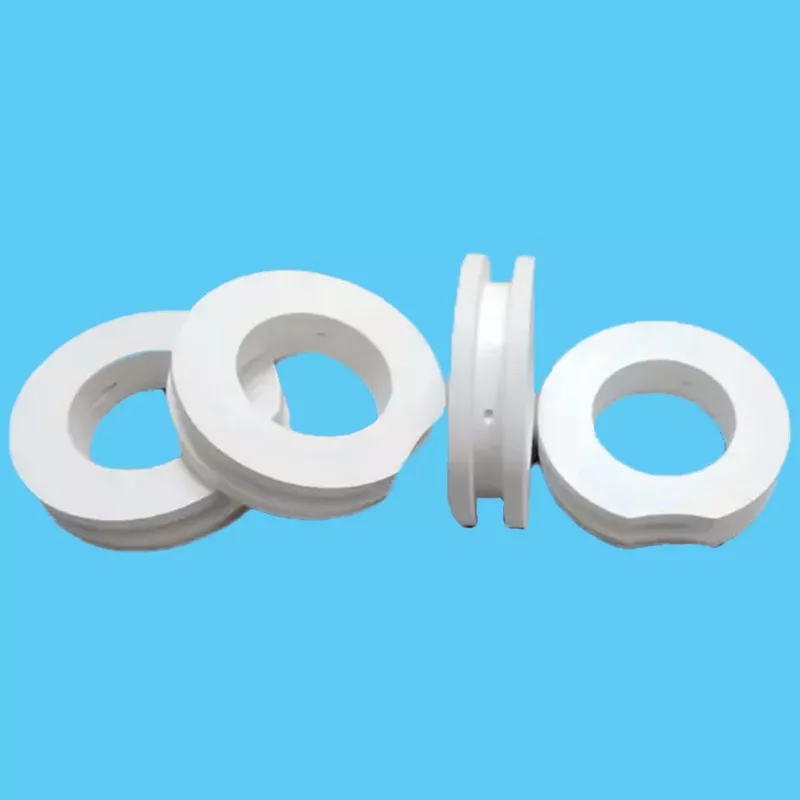
Precision Grinding
Grinding refines critical dimensions, bores, outside diameters and mating features after firing. Availability of specific tolerances depends on geometry, material, drawing requirements and the selected production route.
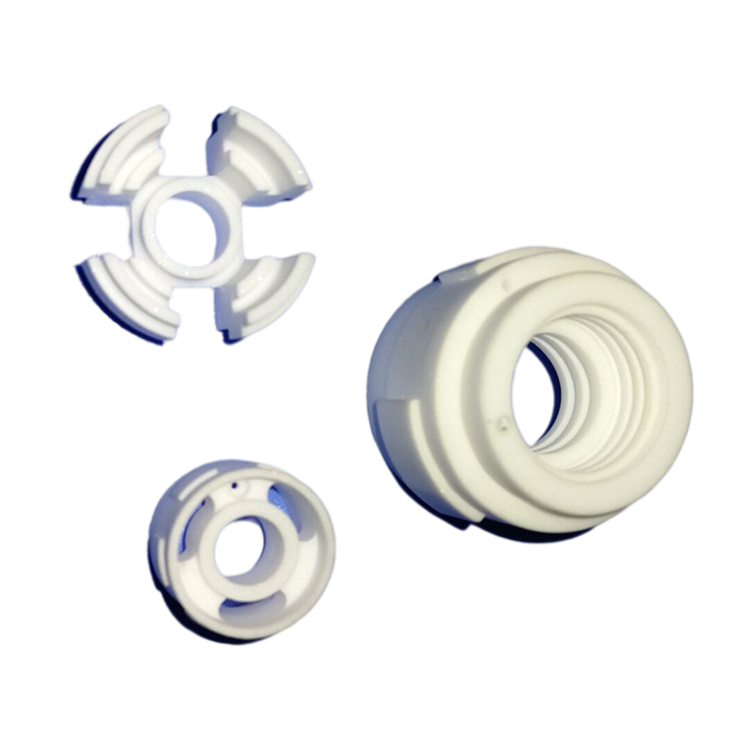
Lapping and Polishing
Lapping or polishing may support working faces where surface finish, flatness and contact conditions matter. The required finish and inspection method should be confirmed against the mating component and application.
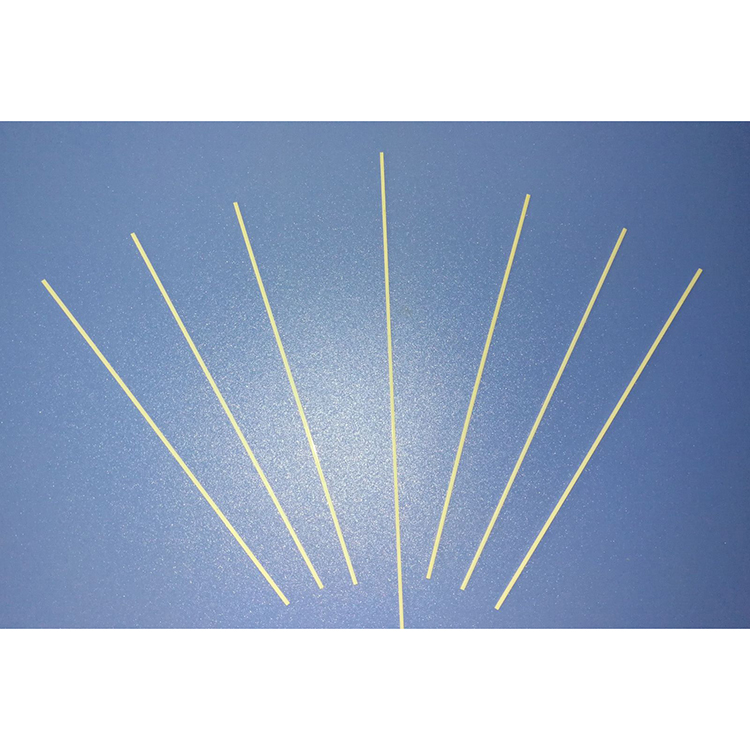
Dimensional Inspection
Inspection reviews can address dimensions, tolerances and defined acceptance criteria before shipment. Required records, measurement points and documentation are project-specific and should be identified with the quotation inquiry.
Ceramic Seal Face Accessories and Component Details

Mating Surfaces
Define the ceramic seal face alongside its counterface, fit and surface requirements. This helps clarify contact conditions for pumps, valves and rotating equipment before material, geometry and inspection details are confirmed.

Lubrication Grooves
Grooves may be required when the assembly depends on controlled lubrication or fluid movement. Their location, profile and dimensional limits should be specified on the drawing and reviewed with the mating component.
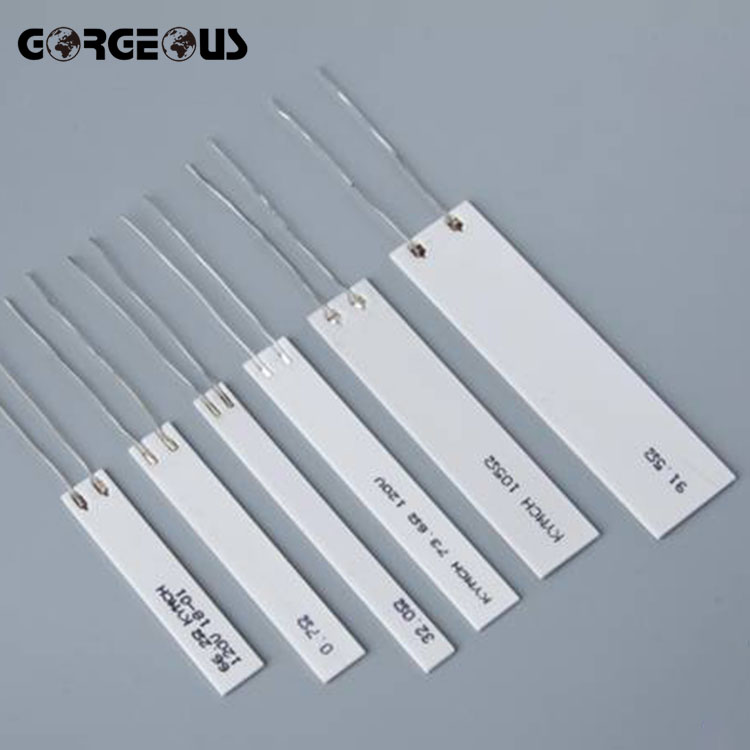
Ceramic Sleeves
Ceramic sleeves can support rotating assemblies, guide shafts or protect contact areas where a wear-resistant component is needed. Bore, outside diameter, length, clearance and operating conditions determine the suitable configuration.
Retaining Features
Steps, shoulders, chamfers and other retaining features help a ceramic component locate within its assembly. These details should be coordinated with the housing, preload, installation method and dimensional acceptance criteria.
Inspection Documents
Quotation discussions may include dimensional reports, material information, surface requirements and other approval documents. Identify the required records with the drawing revision, quantity and acceptance criteria so expectations are clear before production.
About Porcecore: Ceramic Seal Faces
Founded by Andy Yuan, Porcecore helps industrial procurement teams, engineers, equipment builders and ceramic distributors connect a material choice with a clearly defined part requirement. Our work begins with the component and its job: geometry, mating surfaces, operating conditions, inspection expectations and documentation all belong in the same sourcing conversation.
Porcecore’s difference is a practical, drawing-led approach to technical ceramic components. For ceramic seal faces and related parts, buyers can discuss oxide, nitride, carbide and specialty ceramic options against project-specific requirements. A current drawing, known material designation, quantity, service conditions and acceptance criteria give quotation discussions a useful foundation without implying unsupported factory, certification or performance claims.

Ceramic Seal Faces: Drawing-Led Technical Capability
Start With the Sealing Requirement
Porcecore helps teams define ceramic seal faces around the job they must perform. Share the component role, mating surfaces and operating environment so material discussions stay connected to geometry, assembly and the decisions that affect quotation accuracy.
- Identify the sealing function and component form
- Describe mating surfaces, fits and critical dimensions
- Review temperature, pressure, speed and service media
- Separate essential requirements from design preferences

Match Material to the Application
Material selection should reflect the complete project requirement, not a material name in isolation. Porcecore can discuss oxide, nitride, carbide and specialty ceramic options alongside wear, corrosion, thermal and electrical considerations relevant to the intended assembly.
- Compare suitable ceramic families for the application
- Confirm the known grade or identify open material questions
- Consider service conditions and expected contact behavior
- Request project-specific values before final approval

Quote From Current Drawing Data
A current drawing gives a ceramic seal face inquiry a concrete basis. Include dimensions, tolerances, surface requirements, quantity and revision details so Porcecore can clarify feasibility, identify missing information and prepare a more useful OEM quotation discussion.
- Send the current drawing revision or replacement-part data
- Mark sealing faces, bores, fits and inspection points
- State quantity, acceptance criteria and documentation needs
- Use email or WhatsApp to begin the review

Align Inspection With Acceptance
Production expectations become clearer when acceptance criteria are discussed early. Porcecore encourages buyers to define the dimensions, surface conditions, material designation and records required for project approval before commercial and delivery terms are confirmed.
- Define critical dimensions and tolerance expectations
- Specify flatness, finish or mating-surface requirements when relevant
- Identify inspection reports or documentation needed for approval
- Confirm grade, delivery and commercial terms for the project

Our Drawing-Led Ceramic Seal Face Process
Compare the requirement-led details that shape a clearer ceramic component quotation.
← Swipe left or right to view →
Our Ceramic Seal Faces Production Process
From initial requirements to shipment, Porcecore aligns material, geometry, inspection expectations and commercial details around your project-specific ceramic component needs.
Define Part Requirements
Share the component drawing, application, service conditions, quantity and known material designation so essential ceramic seal face requirements are clearly identified.
Review Material Options
Porcecore reviews ceramic material families, mating surfaces, geometry and operating conditions to identify open questions and suitable starting points for quotation.
Confirm Drawing Details
Align dimensions, tolerances, surface requirements, acceptance criteria and documentation expectations before confirming the project basis, quotation scope and production assumptions.
Coordinate Manufacturing
Manufacturing proceeds against the confirmed project details, with production coordination focused on the agreed ceramic grade, geometry, quantity and required delivery information.
Inspect, Pack, Ship
Inspection records and packing expectations are reviewed against the project requirements before shipment, supporting a clear handoff for procurement, assembly or distribution.
How to Source Ceramic Seal Faces
A clear, drawing-led path from initial component requirements to quotation, approval, production planning, and delivery alignment.
Submit Your Drawing
Send a current drawing or describe the ceramic seal faces, component geometry, mating surfaces, and application so Porcecore can understand the requirement.
Share Service Conditions
Share expected quantity, operating media, temperature, pressure, speed, and other service conditions that may influence material selection, geometry, and acceptance requirements.
Review Open Questions
Review material, grade, mating-face, tolerance, inspection, and quotation questions together, distinguishing general guidance from project-specific requirements before commercial assumptions are made.
Confirm Production Requirements
Confirm sampling, testing, drawing revision, documentation, and production requirements so the approved ceramic seal faces specification supports the intended equipment or replacement part.
Align Delivery Terms
Align delivery timing, packaging, commercial terms, and communication contacts before order confirmation, keeping the project record clear for procurement, engineering, and production teams.
Certifications and Quality Documentation

Customer Feedback on Ceramic Seal Faces
Approved customer wording is pending. Add a verified quotation describing the drawing review, confirmed ceramic grade and geometry, inspection expectations, and a measurable sourcing or production outcome before publication.
Approved customer wording is pending. Add a verified project example explaining the component requirement, operating conditions, communication process and measurable result, such as reduced review time or successful replacement fit.
Approved customer wording is pending. Add a verified buyer statement covering ceramic seal face selection, drawing-led quotation, acceptance criteria and the confirmed result. Do not publish names, ratings or company details without approval.
Project Quality Documentation for Ceramic Seal Faces
Clear answers for drawing-led ceramic component inquiries, from material selection and inspection requirements to quantity, logistics and commercial review.
Can Porcecore quote ceramic seal faces without a fixed MOQ?
How are lead time and shipping handled for ceramic seal faces?
Can I request ceramic seal face samples before production?
How should I communicate drawing revisions for a ceramic seal face quote?
How is material selected for ceramic seal faces?
Which tolerance and surface details matter for ceramic seal faces?
What inspection evidence can be included with a ceramic seal face order?
Can payment terms, shipping, and IP protection be agreed for my project?
The Complete Buyer’s Guide to ceramic seal faces
Use this decision framework to match ceramic seal faces to operating conditions, evaluate drawing-led OEM suppliers, compare material and quality criteria, and avoid costly specification, inspection, and sourcing mistakes.
1. What Are Ceramic Seal Faces?
1 ceramic seal face is a precision ring or surface that forms one half of a mechanical seal; it runs against a mating face to control leakage around a rotating shaft or stationary joint. These components appear in pumps, valves, mixers and other rotating equipment handling water, chemicals, slurries or process fluids.
7 factors shape the sealing interface: material pairing, flatness, surface finish, media compatibility, pressure, speed and temperature. The pair must maintain controlled contact without excessive wear, leakage, thermal distortion or chemical attack; a suitable ceramic grade alone does not define performance.
2 inputs should anchor a quote: the current drawing revision and the service conditions. Include critical dimensions, mating material, face geometry, flatness or lapping requirements, fluid composition, operating pressure, shaft speed, temperature, quantity and inspection criteria so Porcecore can distinguish essential requirements from preferences.
2. Evolution and History of Ceramic Seal Faces
1900s industrial ceramics first served broad wear, insulation and chemical-resistance needs; later processing control made ceramic seal faces practical as precision sliding components. Engineered alumina, zirconia and silicon carbide expanded the design range beyond conventional ceramic bodies, with material selection tied to load, media and mating-surface requirements.
1970s–1990s advances in sintering reduced dimensional variation, while diamond grinding and lapping made flatter, smoother sealing surfaces repeatable. Coordinate measurement and documented inspection then supported tighter control of flatness, parallelism, concentricity and critical dimensions in production.
Today, drawing-led OEM production connects those historical gains to availability, performance and cost. Standard material families can support repeatable sourcing, but complex geometry, low quantities, demanding inspection or specialized finishing add process steps and quotation risk; manufacturers therefore need the drawing revision, service conditions and acceptance criteria before confirming a solution. See https://www.stb-mechanical-seal.com/products/mechanical-seal/seal-rings-counter-rings and https://www.herunceramic.com/ceramic-seal-rings.html.
3. Types of Ceramic Seal Faces
Three practical classifications organize ceramic seal faces: component form, mating role, and geometry. The correct choice depends on assembly dimensions, operating loads, counterface pairing, and inspection requirements.
| Type | Best Fit | Key Information |
|---|---|---|
| Flat face | Mechanical seals | Flatness, parallelism, finish |
| Ring | Pumps and rotating equipment | OD, ID, thickness, chamfers |
| Sleeve | Shaft and wear assemblies | Length, fit, concentricity |
Flat Faces And Rings
Two-dimensional flat faces suit mechanical seals; ring forms add defined OD, ID, thickness, chamfers, and bore requirements. Flatness, parallelism, and face finish directly affect contact stability.
Sleeves And Integrated Components
Sleeves, bushings, and integrated wear components combine sealing or guiding surfaces with assembly geometry. Specify length, concentricity, interference or clearance fits, shoulders, grooves, and mating hardware.
Stationary And Rotating Faces
Stationary faces remain fixed against a rotating mating face; rotating faces follow shaft or cartridge motion. Speed, pressure, lubrication, runout, balance, and counterface compatibility govern reliability.
Standard And Custom Geometries
Standard geometries can simplify replacement purchasing when dimensions and mating details match. Custom geometries require a current drawing, material designation if known, tolerances, surface requirements, quantity, and acceptance criteria.
4. Materials for Ceramic Seal Faces
Alumina, zirconia, silicon carbide and specialty ceramics solve different seal-face risks. Selection must connect the material to media, heat, load, speed, mating material and failure consequences.
Material Trade-Offs
Alumina is typically hard, chemically resistant and comparatively economical, but less damage-tolerant. Zirconia offers higher toughness and smooth sliding behavior, while SiC prioritizes severe wear, corrosion resistance and thermal stability.
Purity, thermal-shock sensitivity and grade-specific properties vary by formulation and process; request datasheets rather than relying on generic material labels.
| Material | Strengths | Watchpoints / Cost |
|---|---|---|
| Alumina | Hardness, purity, corrosion resistance | Lower toughness; lower relative cost |
| Zirconia | Higher toughness, smooth finish | Thermal and grade limits; medium-high cost |
| Silicon carbide | Wear, corrosion and thermal performance | Brittleness, mating compatibility; higher cost |
| Other engineered ceramics | Niche purity, insulation or thermal needs | Machinability, availability and qualification vary |
Match The Service
Media determines chemical compatibility; temperature determines thermal behavior, while pressure and speed expose wear, lubrication and fracture risks. The counterface matters because hardness and tribology depend on the pair, not one ring alone.
High-consequence failures justify testing the proposed grade, finish and mating material under representative conditions.
Machining And Economics
Diamond grinding and lapping commonly shape finished ceramic faces; machinability, geometry and inspection requirements influence cost and lead time. Complex features may narrow feasible material choices.
A quotation should confirm grade, dimensions, tolerances, surface requirements and acceptance criteria. See https://www.stb-mechanical-seal.com/products/mechanical-seal/seal-rings-counter-rings for industry context, not a Porcecore specification.
5. Customization and Surface-Finish Options
A current drawing converts ceramic seal faces from a general request into a priceable component. Geometry, mating surfaces, finish requirements, service conditions, and inspection evidence should be aligned before quotation.
Define Geometry And Features
OD, ID, thickness, chamfers, grooves, bores, mounting features, and mating-face geometry should be dimensioned on the drawing.
Sample-based development can support obsolete or undocumented parts, but measured samples require confirmation before production release.
Specify Finish And Tolerances
Flatness, parallelism, roughness, lapped or polished faces, concentricity, and edge treatment affect fit and sealing behavior.
State datum references, critical tolerances, surface pairings, and any groove or face-geometry limits before pricing.
Control The Release Workflow
Prototype approval should precede production quantities, with revision-controlled drawings and agreed acceptance criteria.
Request dimensional reports, flatness and parallelism results, roughness records, material identification, and visual inspection evidence when required.
6. Key Construction Quality Elements
Stable sealing begins with consistent ceramic structure and controlled geometry. Installation depends on the relationship between the seal face, mating component, assembly dimensions, and handling condition.
Material And Geometry
Material grade, density, and batch consistency affect shrinkage, strength, and predictable machining response. Request the designation, lot identification, density evidence, and agreed acceptance limits.
OD, ID, thickness, concentricity, face flatness, and parallelism should be tied to the current drawing revision. Identify datum references and critical-to-function tolerances explicitly.
Face And Edge Condition
Surface finish and lapping quality control the sealing interface; specify the measurement method, direction, and permissible roughness where applicable. Face damage can invalidate otherwise compliant dimensions.
Chamfers, radii, and edge integrity deserve separate inspection criteria because chips or cracks may begin during insertion. Cleanliness should cover particles, residues, and handling controls.
Records And Packaging
Inspection reports should link results to the drawing revision, material lot, operator or equipment record, and nonconformance disposition. Request representative dimensional data rather than an unsupported pass statement.
Packaging must protect lapped faces and edges from impact, abrasion, moisture, and contamination. Confirm identification labels, protective separators, quantity, and preservation requirements before shipment.
7. How to Choose a Ceramic Seal Faces Manufacturer
A capable manufacturer connects ceramic seal faces to the drawing, mating surface, service conditions and acceptance criteria. Compare documented evidence—review records, inspection methods, samples and delivery plans—rather than broad capability claims.
Review Technical Fit
A current drawing should identify dimensions, tolerances, sealing faces, chamfers, material designation and mating component. Ask how the supplier recommends material, tooling and process routes for the actual media, temperature, pressure and speed.
Verify Production Control
Inspection equipment, sample approval and quality documentation reveal more than a capability list. Request evidence of dimensional checks, surface inspection, traceability and the agreed acceptance criteria before approving serial production.
Confirm Commercial Readiness
Quantity, forecast, packaging, delivery destination and required date should be reviewed with prototype and production scalability. For an OEM quotation, send the drawing revision, material preference, service conditions, quantities, inspection requirements and documentation needs.
8. Common Ceramic Seal Faces Buying Mistakes
Eight recurring errors turn ceramic seal faces into avoidable fit, leakage, and approval problems. Prevent them by defining the part, service conditions, mating surface, verification method, and packing expectations together.
Define Service Conditions First
1 drawing with only OD, ID, and thickness is incomplete. Record media, temperature, pressure, speed, lubrication, and corrosion conditions before selecting material or approving a quote.
2 material options may differ in cost and suitability. Compare grade-specific data against the duty, then confirm the choice on the drawing and quotation.
Control The Working Interface
1 mating face must be specified with the ceramic face. State counterface material, hardness, finish, contact geometry, and running direction where relevant.
2 surface requirements are functional characteristics, not cosmetic preferences. Define flatness, parallelism, surface finish, chamfers, and critical tolerances using measurable acceptance criteria.
Validate Replacements Before Production
1 worn sample is not automatically a suitable replacement. Check whether its dimensions, material, and wear pattern match the current equipment duty and assembly clearances.
1 prototype or first-article batch should be reviewed in the actual assembly where practical. Record fit, leakage behavior, and inspection results before releasing volume production.
Make Acceptance Explicit
1 unclear tolerance statement creates disputes at inspection. Mark critical dimensions, datum references, test methods, sampling level, and required documentation on the purchase package.
1 packaging requirement should protect lapped faces from impact, contamination, and mix-ups. Specify individual protection, identification, quantity per pack, and revision traceability.
9. Steps to Launch a Ceramic Seal Faces Program
Seven launch stages turn ceramic seal faces from a drawing request into a repeatable supply program. Engineering defines the duty, procurement controls records and gates, and the supplier confirms manufacturability before commercial commitment.
Define The Requirement
Stage 1 captures media, temperature, pressure, speed, lubrication, mating face, geometry, tolerances and acceptance criteria. Engineering owns the application data and current drawing revision.
Stage 2 is the drawing review gate. The supplier flags unclear fits, sealing surfaces, inspection points and material assumptions before procurement requests a firm quotation.
Approve And Qualify
Stage 3 selects the ceramic family against duty and mating conditions, then records the agreed grade and open questions. Prototype or sample approval confirms fit, assembly and functional evidence.
Stage 4 requires first-article inspection against the released drawing. Retain the inspection report, material documentation, approved sample status and any deviation disposition.
Release And Review
Stage 5 uses a pilot batch to verify repeatability, packaging and incoming inspection workload before production release. Procurement should confirm quantity, delivery, revision control and change-notification expectations.
For repeat orders, ask what changed, which dimensions are critical and which records accompany each shipment. Engineering reviews nonconformities; procurement tracks supplier actions and periodic quality trends.
10. Ceramic Seal Faces Pricing and Cost Factors
9 cost factors shape a ceramic seal faces quote: ceramic grade, blank size, geometry, tooling, grinding and lapping, tolerances, inspection, packaging, and freight. Larger blanks, complex profiles, tighter flatness or parallelism, and added documentation generally increase processing effort, but Porcecore confirms project-specific requirements before pricing.
1 current drawing revision should accompany service conditions, quantity, and acceptance criteria. Media, temperature, pressure, speed, mating surfaces, inspection points, packaging needs, and delivery destination are required for a defensible quotation and realistic lead-time discussion.
| Quantity Tier | Likely Cost Drivers | Lead-Time Considerations | Quotation Inputs |
|---|---|---|---|
| Prototype or small batch | Tooling, setup, machining, lapping, inspection | First-article review may extend timing | Drawing, grade, service conditions, acceptance criteria |
| Small production batch | Blank yield, tooling allocation, tolerances, inspection | Batch scheduling and approval requirements | Quantity, revision, critical dimensions, reports |
| Repeat production | Unit processing, tooling amortization, packaging | Forecasting can support planning | Annual volume, release pattern, packaging standard |
| High-volume program | Process capability, dedicated tooling, freight | Capacity reservation and logistics planning | Demand forecast, delivery schedule, inspection plan |
Discuss Your Ceramic Seal Faces Requirement
Send your drawing, material designation, quantity, service conditions and acceptance criteria for a clearer, project-specific quotation discussion.