

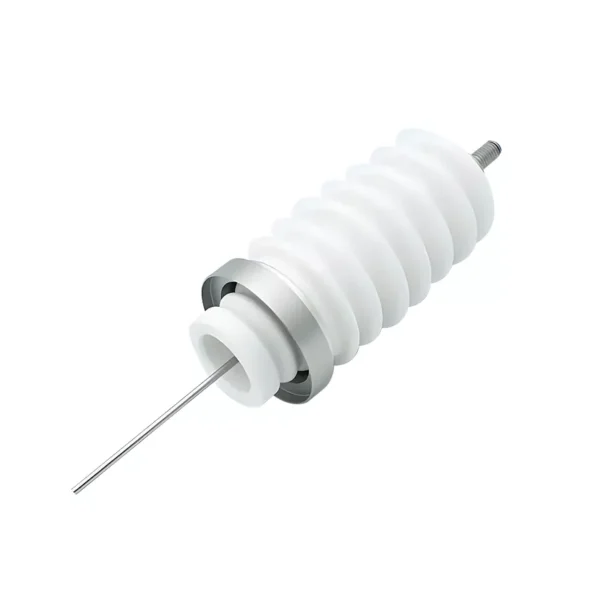
Use this page to define the feedthrough architecture, electrical interfaces, vacuum boundary, installation method, and acceptance evidence before requesting a quotation. The pictured or referenced component should be treated as a design example only, not as a claim about Porcecore manufacture.
Key Inquiry Requirements
Define the Feedthrough Around the Assembly
A power feedthrough is best specified as an interface component rather than an isolated ceramic shape. The RFQ should show the chamber wall, flange or mounting feature, conductor entry points, mating hardware, and available installation space. Identify whether the design is a single conductor, multi-conductor, coaxial, or another arrangement, and mark every surface that must remain accessible after installation.
Describe the electrical path and the vacuum boundary separately. State the intended voltage and current categories, polarity or isolation expectations, switching conditions, and whether the feedthrough operates continuously or intermittently. For the vacuum side, explain the chamber environment, pumping arrangement, cleaning process, and leak-test method so the supplier can review sealing and joining details against the complete system.
Material and Joining Choices
Specialty ceramic selection should follow the required electrical insulation, mechanical fit, thermal exposure, chemical contact, and cleaning conditions. If alumina is being considered, name it as a starting material family rather than an assumed final grade. The buyer should request confirmation of the proposed ceramic grade, conductor materials, contact metals, and any interface layers shown on the quotation.
Joining details often control practical feedthrough performance. Clarify whether the design uses brazing, compression, glazing, sealing rings, or another assembly method, and identify which joints are inside the vacuum boundary. Ask how dimensional relationships, surface preparation, metallization, and joining sequence will be controlled, inspected, and documented for the exact drawing revision.
Drawing Package and Critical Features
A useful RFQ drawing should identify datum structure, mounting faces, hole patterns, conductor locations, thread or flange details, sealing lands, and all critical dimensions. Separate functional requirements from reference dimensions, and flag surfaces that contact seals, conductors, insulators, or chamber hardware. Include section views where hidden joints or internal clearances cannot be understood from the outside profile.
Also provide the mating-part drawings or interface envelopes where practical. A feedthrough can be geometrically correct yet unusable if the chamber opening, connector clearance, torque access, or cable bend space is misunderstood. Note revision status, units, drawing scale, material callouts, finish requirements, and any controlled changes that require written approval before production or inspection.
Inspection and Documentation
Inspection should be matched to the risks identified in the drawing. Buyers may request dimensional reports for critical interfaces, visual checks of ceramic surfaces, verification of conductor position, and examination of accessible joints. If vacuum integrity is important, define the test method, equipment configuration, test conditions, and reporting format in the RFQ rather than relying on a general phrase such as vacuum tight.
Ask which records accompany the shipment and which characteristics are verified on every piece or by sampling. Depending on the program, documentation may include material identification, joining records, inspection results, nonconformance handling, and packing controls. These are quotation requirements to be agreed in advance, not assumed capabilities or guaranteed deliverables.
How to Build a Comparable RFQ
For comparable quotations, send one controlled drawing package and a short application brief. Include quantities for quotation planning without implying stock or a minimum order, target delivery expectations only when commercially relevant, and the approval path for prototypes or design changes. Clarify whether the supplier is expected to manufacture from a complete drawing or provide design-for-manufacture feedback.
Request a response that distinguishes confirmed requirements, proposed assumptions, open questions, tooling or setup considerations, inspection scope, and exclusions. Ask suppliers to identify any feature that cannot be verified without destructive examination or special test access. This structure makes technical and commercial comparisons clearer while keeping the inquiry focused on a custom component rather than an inventory item.
Questions Before You Inquire
What information should accompany a power feedthrough RFQ?
Provide the controlled drawing, mating interface details, electrical operating categories, vacuum boundary description, environment, cleaning method, quantities for quotation planning, inspection expectations, and documentation needs. Section views and assembly context are especially useful when the ceramic body, conductor joints, and seals cannot be interpreted from a single external view.
Can the feedthrough material be selected from the name alone?
No. Specialty ceramics should be evaluated against insulation, mechanical, thermal, chemical, joining, and cleaning requirements. If alumina or another family is preferred, identify it as a design input and ask the supplier to confirm the proposed grade and compatible conductor or joining system against the drawing.
How should vacuum requirements be specified?
Describe the vacuum boundary, chamber interface, cleaning and bake or conditioning process if applicable, and the exact leak-test method expected. Include test conditions, reporting requirements, and acceptance criteria in the RFQ. Avoid relying on broad terms such as vacuum tightness without defining how the finished assembly will be evaluated.
Does a customized feedthrough imply a standard configuration?
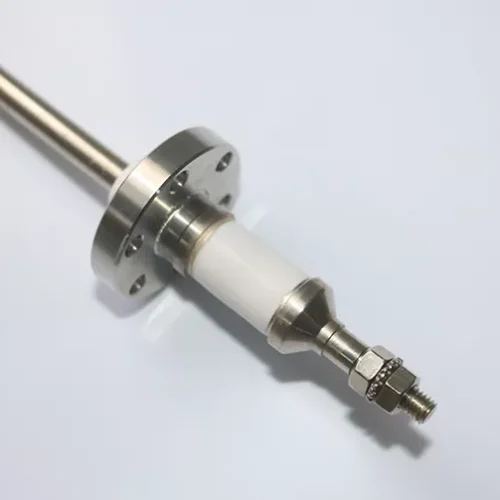
No. Power feedthroughs can differ in conductor count, arrangement, mounting geometry, seals, joints, and electrical interfaces. Treat the referenced form as topic evidence only. A supplier should quote against the buyer’s controlled drawing, stated assumptions, and agreed inspection plan rather than an assumed standard catalog configuration.
Send a Clear Component Brief
Share your drawing, quantity and application with Porcecore. Mark the requirements that are fixed and the questions that remain open.



Reviews
There are no reviews yet.