
Ceramic Catalyst Supports for Clearer Technical Sourcing
Define ceramic catalyst supports by geometry, material, service conditions and acceptance criteria, then start a drawing-led quotation with Porcecore.
Featured Technical Ceramic Components for Catalyst Support Projects

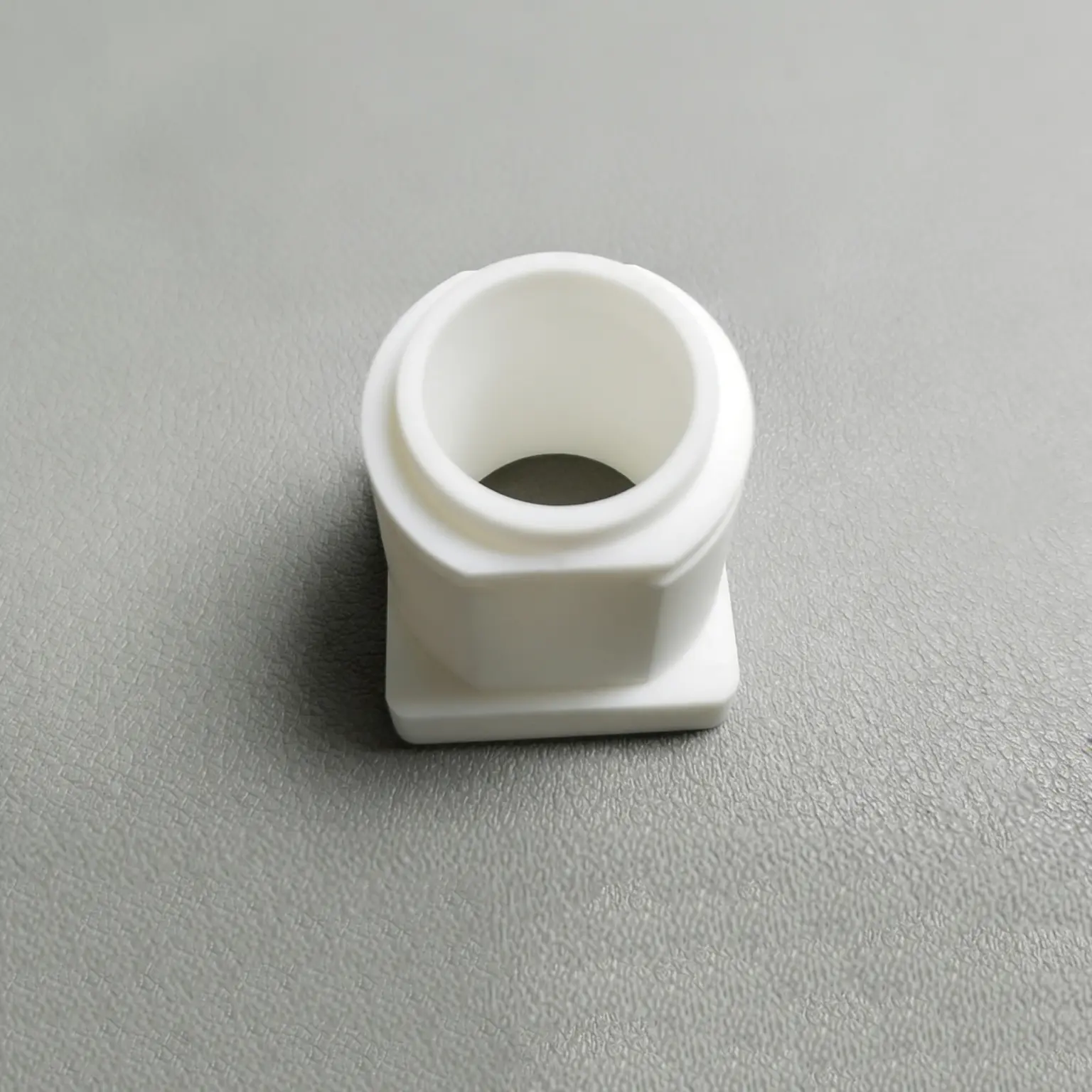
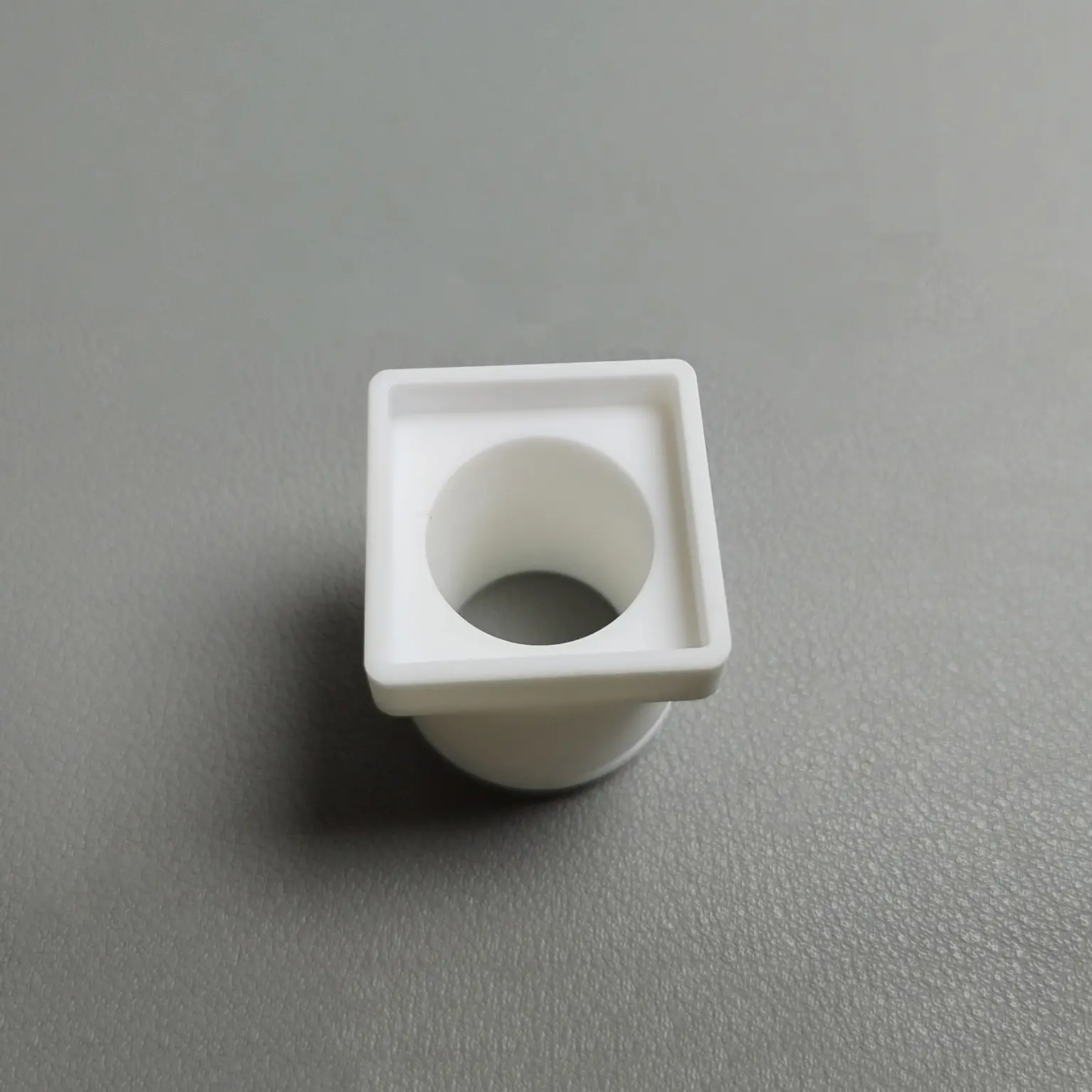
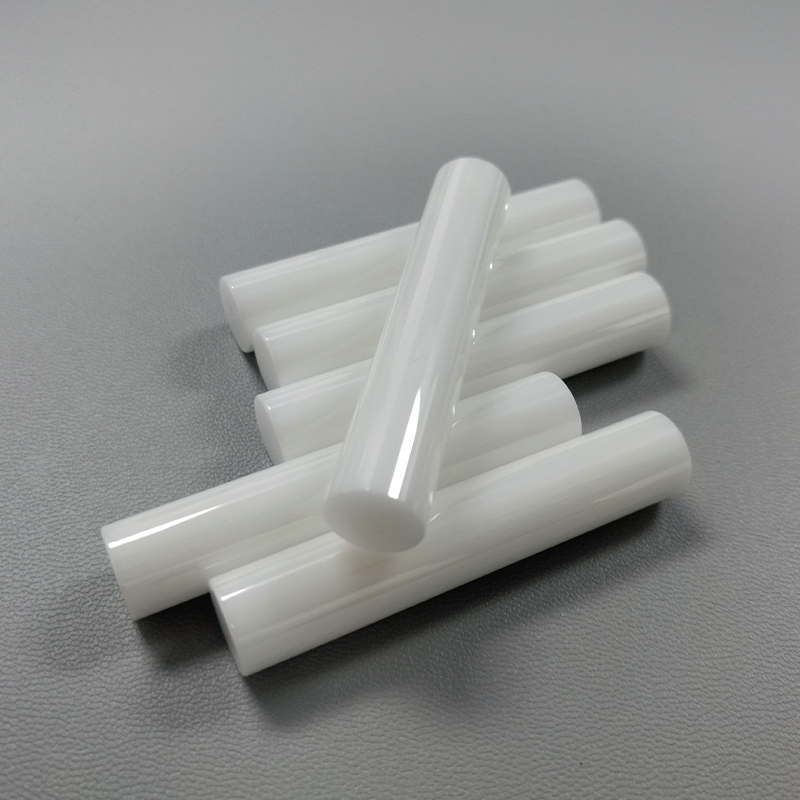
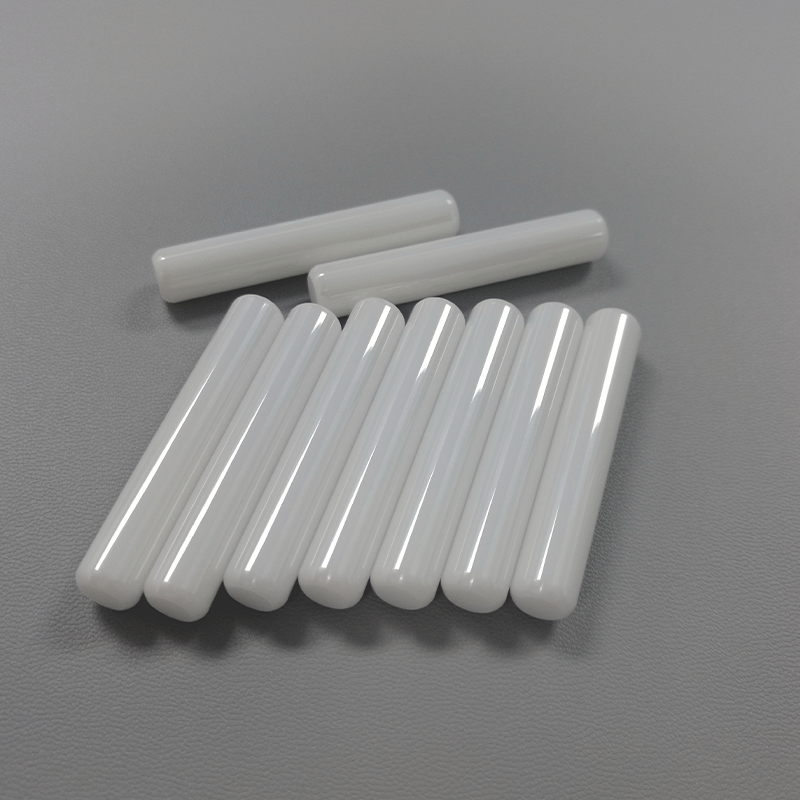

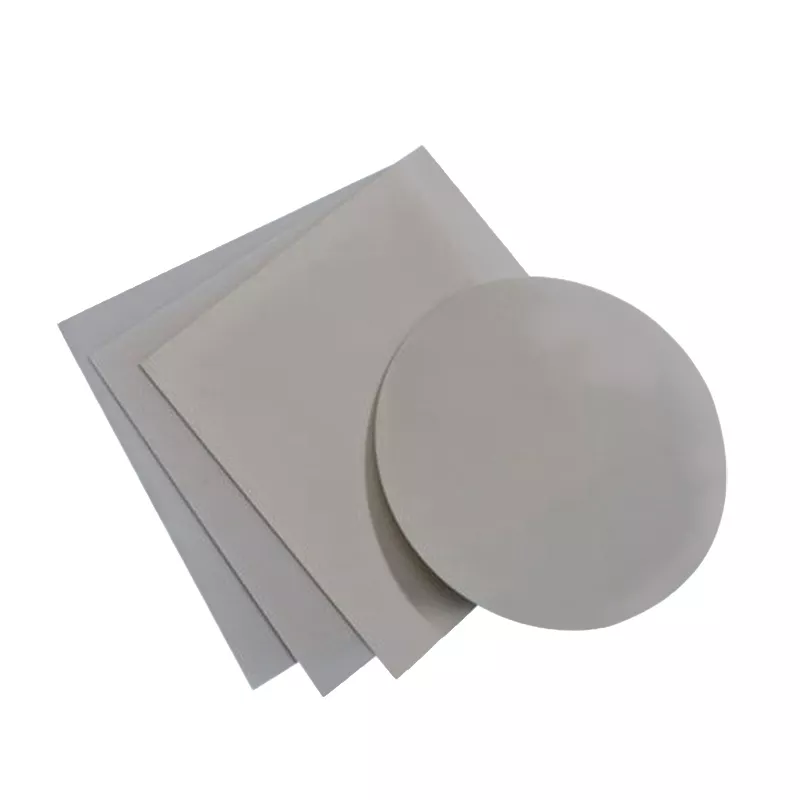
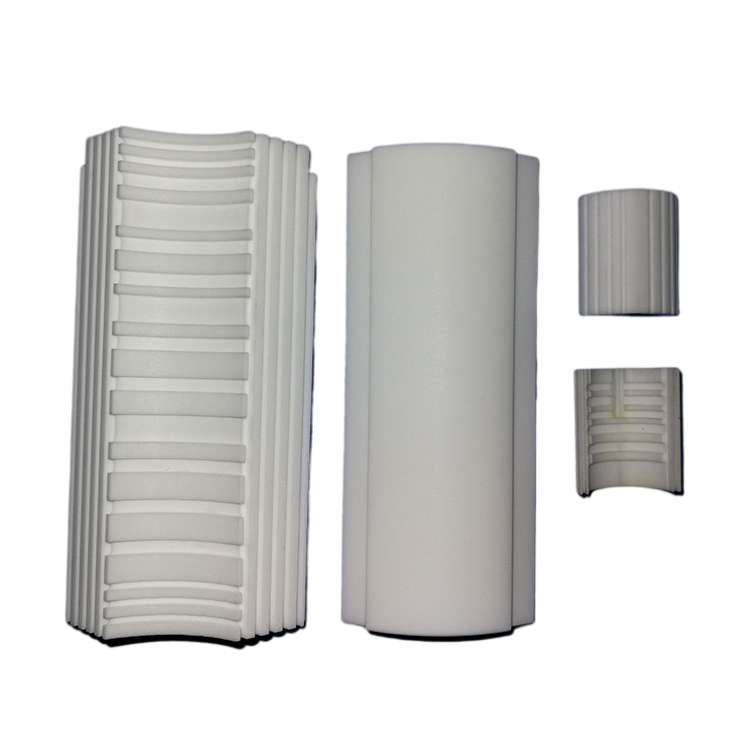

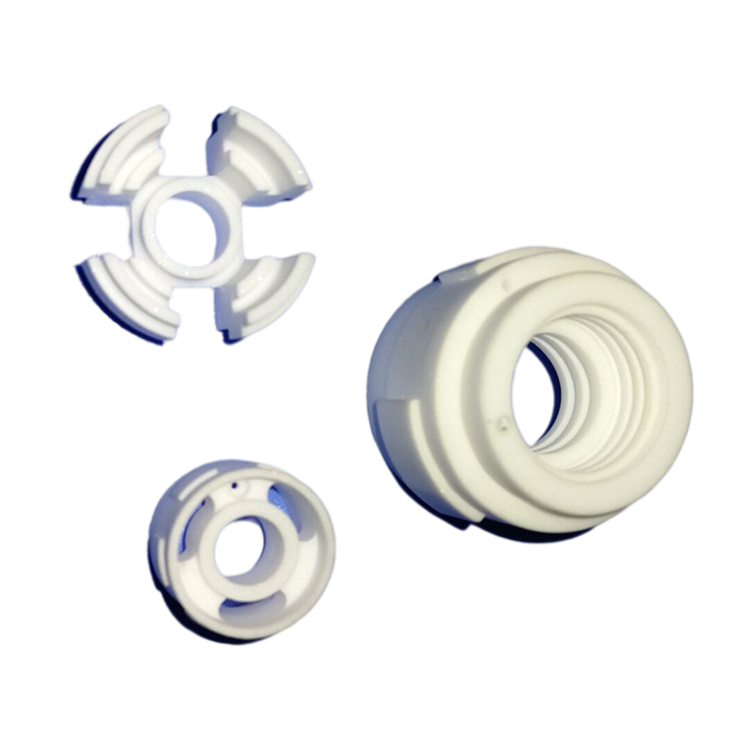



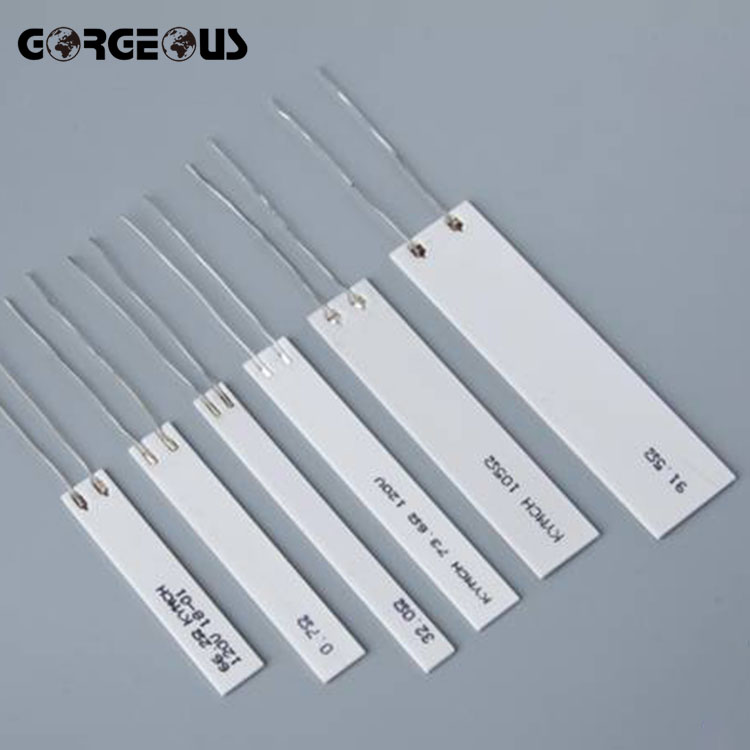
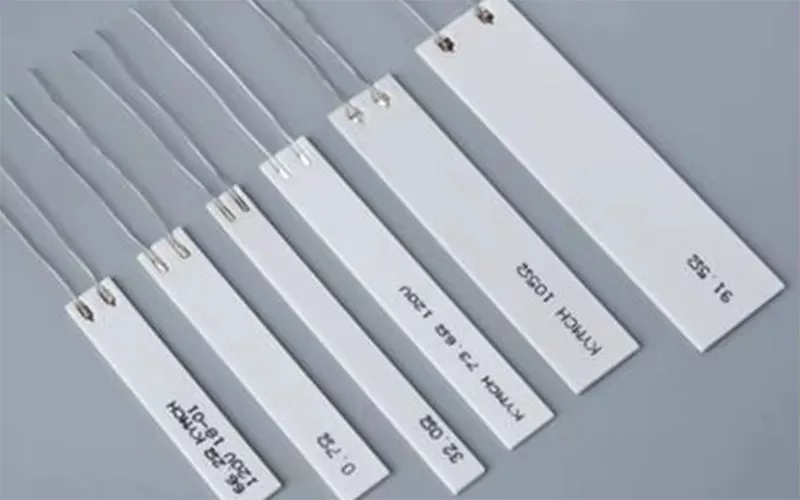
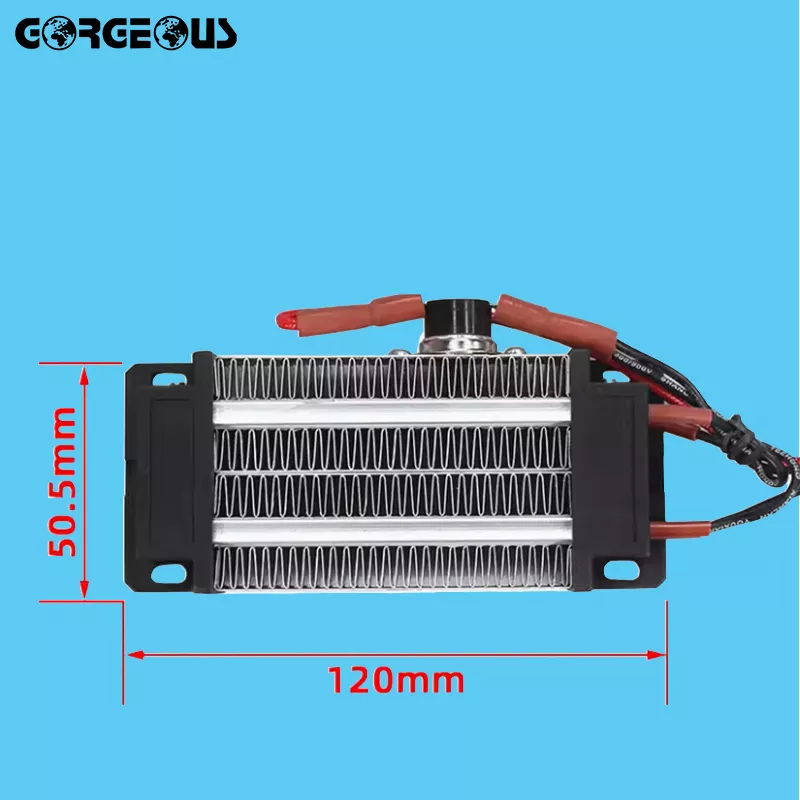
Related Product Catalogue and Quotation





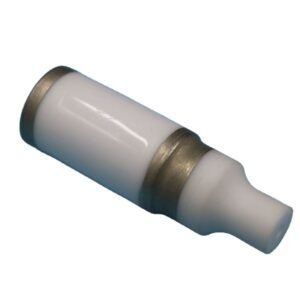

Why Choose Our Ceramic Catalyst Supports
Evaluate material and component requirements together for clearer, drawing-led sourcing decisions.
Drawing-Led Revision Control
Start with the current drawing revision, critical dimensions and quantity so quotation discussions address the intended ceramic catalyst supports configuration from the beginning.
Material Grade Alignment
Confirm the ceramic family and project-specific grade against temperature, chemical exposure, dielectric, wear or other service requirements before treating material names as specifications.
Geometry and Assembly Fit
Review tube, rod, ring, substrate or custom geometry alongside mating dimensions, tolerances and assembly constraints that determine fit within your equipment.
Functional Surface Requirements
Identify sealing, mating, coating or contact surfaces early, including finish and interface expectations, so component details align with the surrounding assembly.
Inspection Evidence for Approval
Define inspection evidence, dimensional checks and acceptance criteria required for approval, separating essential verification from preferences that can remain open during inquiry.
Application Conditions in Context
Describe operating environment, load, thermal cycling, atmosphere and handling context to help evaluate ceramic catalyst supports against the job they must perform.
Ceramic Capabilities, Materials and Products
Review ceramic families, component forms, and application guidance before preparing a drawing-led inquiry with project-specific requirements.

Ceramic Manufacturing Capabilities
Review ceramic manufacturing capabilities across forming, machining, finishing, and inspection considerations. Use the category to frame requirements for geometry, tolerances, mating surfaces, quantity, and documentation before requesting a quotation for a production or replacement component.
Discuss Your Ceramic Part
Ceramic Solutions by Industry
Explore advanced ceramics applications by industry and operating environment. Connect component selection with temperature, wear, electrical, chemical, or mechanical demands, then identify the service conditions and acceptance criteria that should be addressed in a project-specific quotation.
Discuss Your Ceramic Part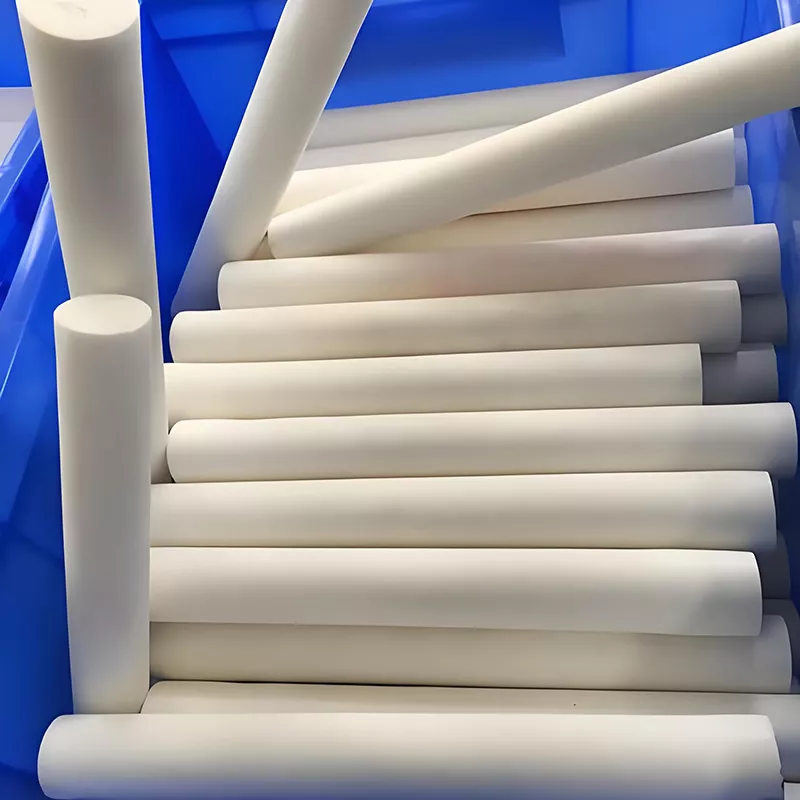
Advanced Ceramic Materials
Compare advanced ceramic materials, including oxide, nitride, carbide, and specialty ceramic families. Material selection should be confirmed against the required grade, geometry, operating conditions, dimensional tolerances, and documentation rather than based on a material name alone.
Discuss Your Ceramic Part
Industrial Ceramic Parts and Components
Browse technical ceramic products by familiar component forms such as tubes, rods, rings, substrates, and related parts. Product illustrations support initial orientation; final suitability depends on the drawing revision, dimensions, interfaces, material grade, quantity, and inspection requirements.
Discuss Your Ceramic Part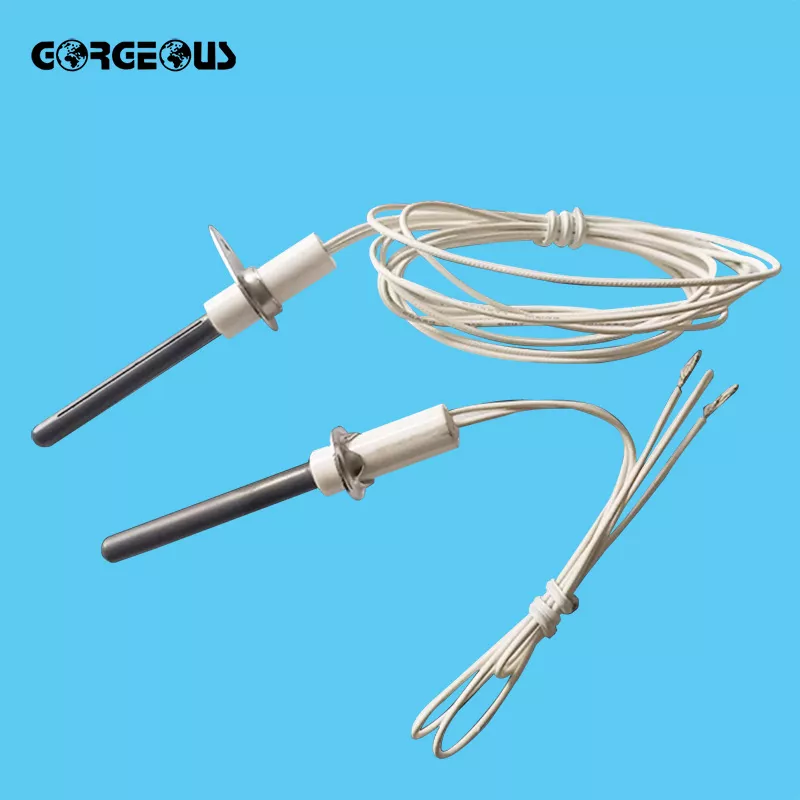
Technical Ceramic Resources
Use technical ceramic guides to clarify material terminology, component requirements, and quotation inputs. A useful starting package includes the current drawing, known material designation, quantity, service conditions, critical dimensions, acceptance criteria, and documentation needs. Email info@zlrsmaterials.com or contact Porcecore on WhatsApp at +86 130 6482 5920 to begin.
Discuss Your Ceramic PartSupported Ceramic Materials for Ceramic Catalyst Supports
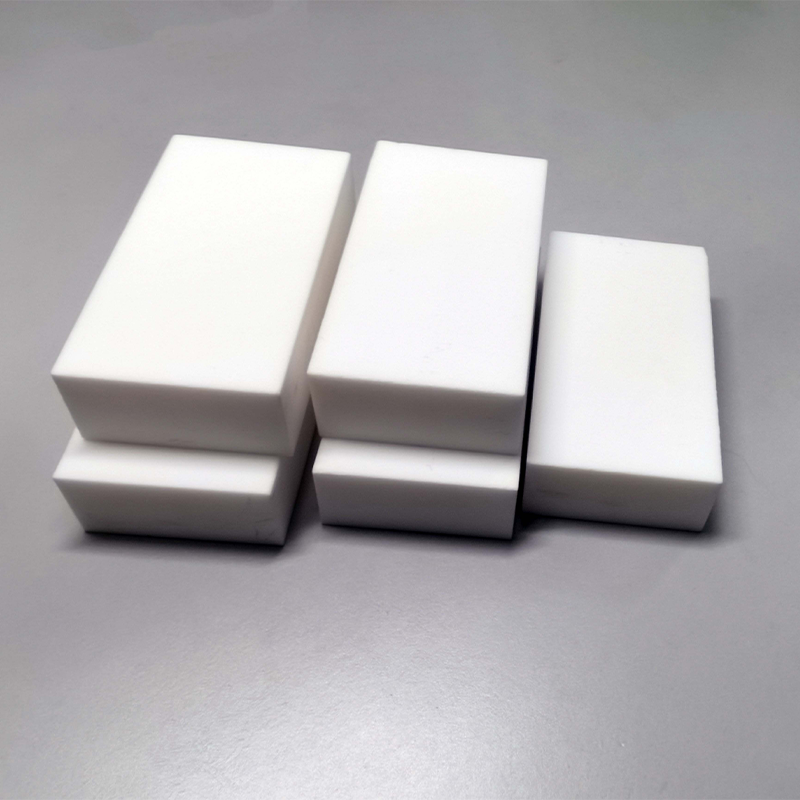
Alumina Ceramics
A widely used technical ceramic family for electrically insulating and wear-conscious components. Alumina offers a hard, stable platform for catalyst support parts, with grade, porosity, geometry and inspection requirements confirmed project by project.

Zirconia Ceramics
Zirconia is considered when toughness, strength or a specific surface requirement matters alongside ceramic performance. Porcecore reviews the intended service conditions, component geometry and required grade before confirming suitability and availability.

Silicon Carbide Ceramics
Silicon carbide is a candidate for demanding thermal, chemical or wear-related environments. Component form, surface finish, dimensional tolerance and operating conditions all influence the appropriate specification for ceramic catalyst support applications.

Silicon Nitride
Silicon nitride can support projects requiring a combination of mechanical performance and thermal considerations. Porcecore evaluates the drawing, loading, temperature, mating interfaces and documentation expectations before discussing a project-specific material route.

Aluminum Nitride
Aluminum nitride is explored where ceramic insulation and thermal management requirements need to be considered together. Availability depends on the requested grade, dimensions, surface requirements, quantity and acceptance criteria for the component.
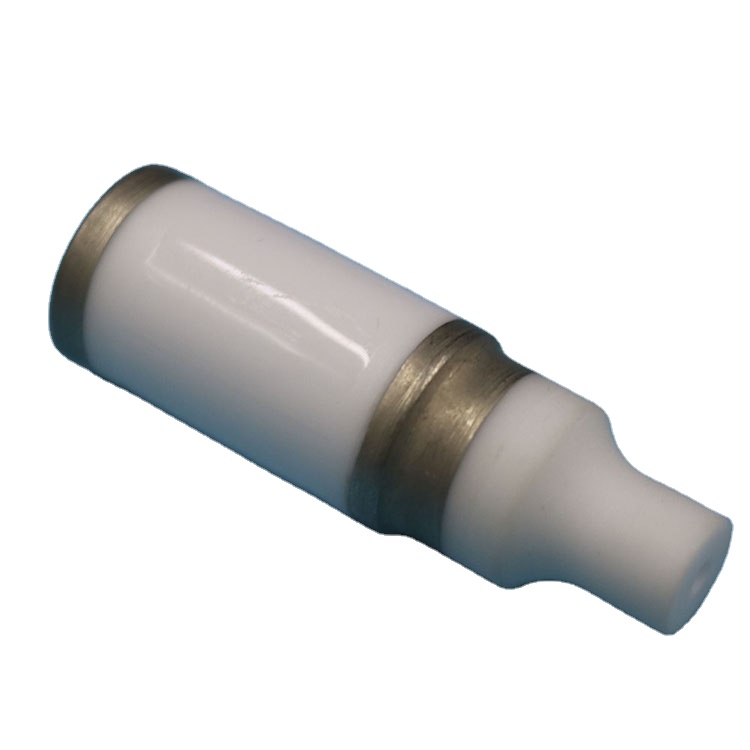
Boron Nitride
Boron nitride is a specialty ceramic option for applications with particular electrical, thermal or release-related requirements. Porcecore uses the drawing and service environment to clarify whether the material family fits the intended part.
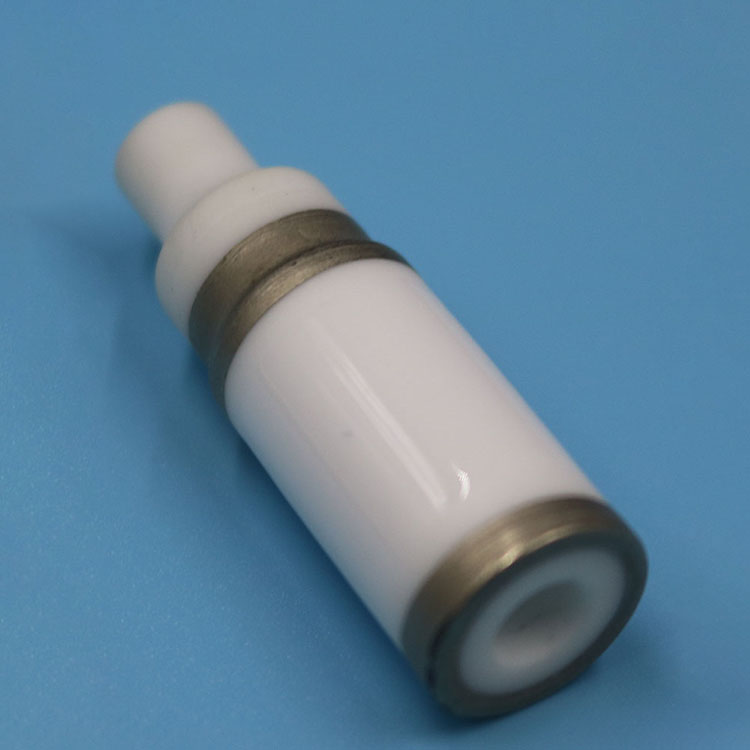
Specialty Ceramics
Other oxide, nitride, carbide and specialty ceramics may be relevant when standard families do not fully address the requirement. Send the current drawing, known material designation, quantity and service conditions for a focused review.
Supported Manufacturing Processes for Ceramic Catalyst Supports
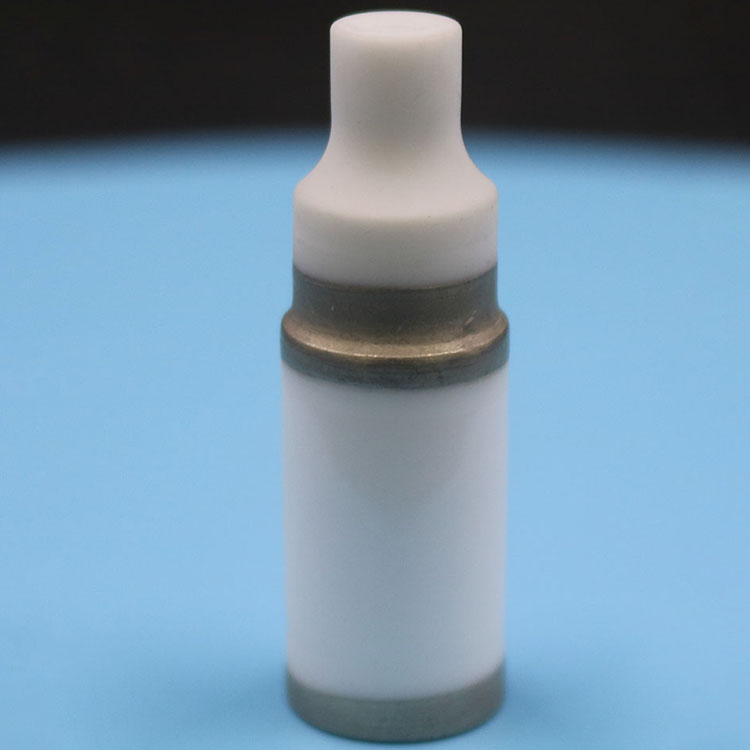
Powder Preparation
Ceramic powders and formulation requirements are reviewed for the specified support geometry and service conditions. The selected route is confirmed during drawing review to establish a consistent foundation for the intended component result.
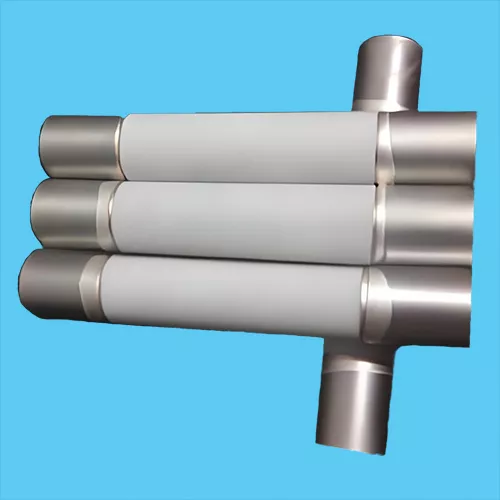
Forming & Shaping
Forming converts the approved ceramic formulation into the required support or component geometry. The method is selected around dimensions, wall features, interfaces and production quantity, with feasibility confirmed for the individual drawing.
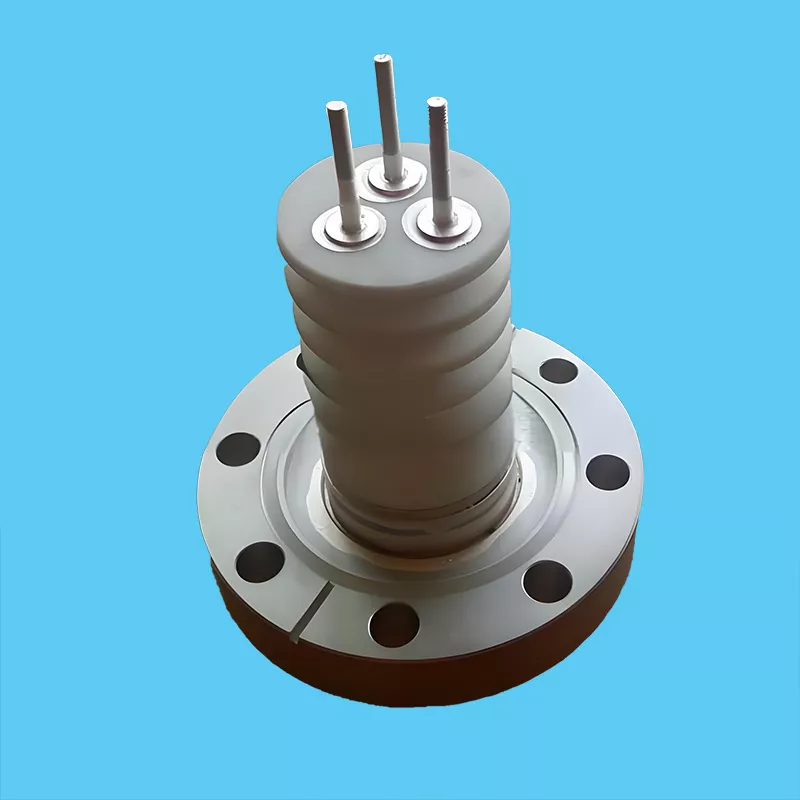
Green Machining
Where the design requires it, machining before firing can help define holes, profiles, mating surfaces or other features. Any green-machining route is evaluated against dimensional priorities and the final acceptance criteria.
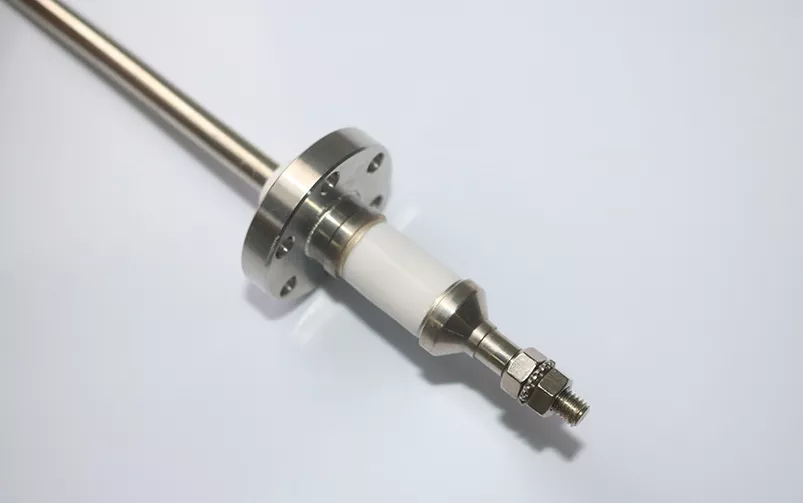
Sintering & Firing
Firing develops the ceramic body’s final structure and dimensional behavior. The applicable cycle and expected change are treated as project-specific considerations, then reviewed against material grade, geometry and required inspection points.

Precision Finishing
Post-fire finishing may be considered for critical dimensions, contact surfaces or assembly interfaces. Grinding, lapping or related work is included only when supported by the drawing and confirmed as necessary for the application.
Interfaces and Accessories for Ceramic Catalyst Supports
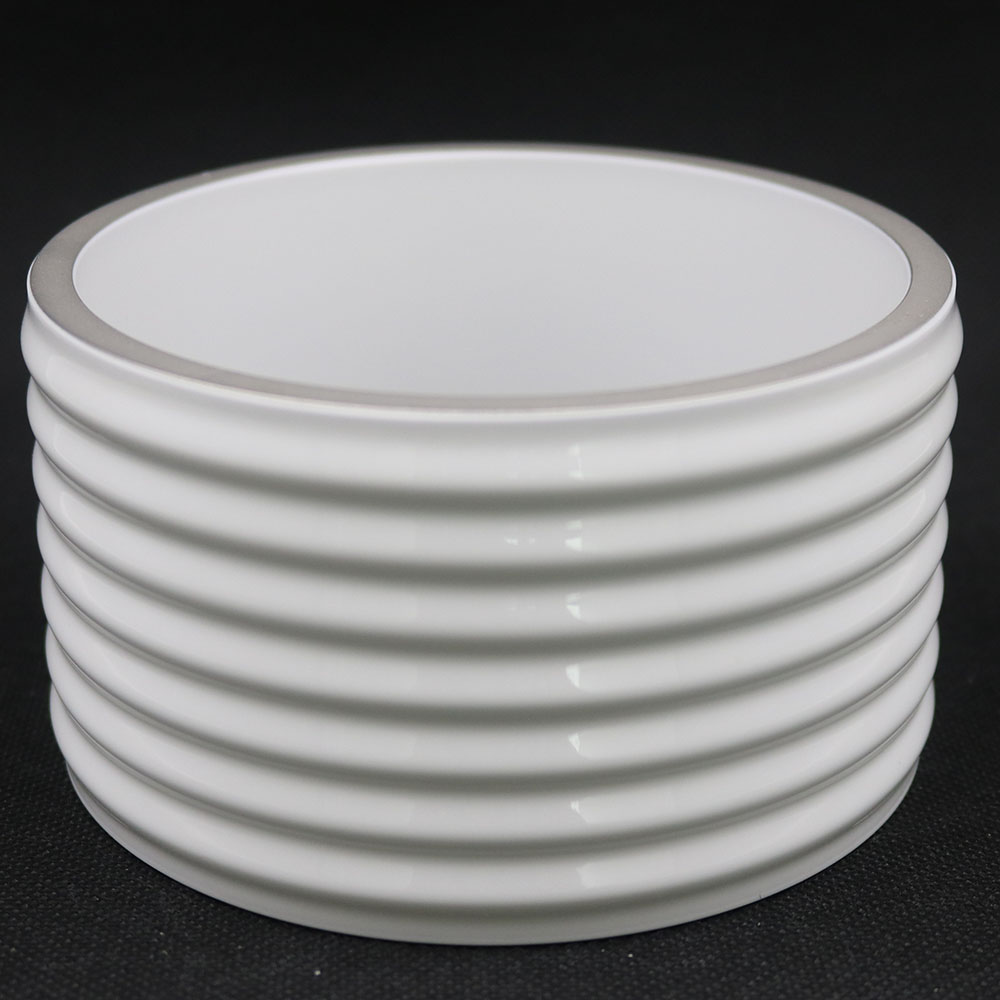
Mating Surfaces
Define ceramic-to-metal or ceramic-to-ceramic contact areas that govern fit, sealing, or load transfer. Surface finish, flatness, edge condition, and inspection expectations should be confirmed against the assembly drawing.

Assembly Dimensions
Capture critical diameters, lengths, clearances, and reference datums for installation. These details help align ceramic catalyst supports with housings, retainers, tubing, or adjacent components during quotation and production review.

Joining Features
Specify holes, grooves, shoulders, threads, or bonding zones when the component must be retained or connected. Joining method, mating material, service temperature, and allowable stresses require project-level confirmation.

Identification Labels
Add part identification, revision references, or traceability markings where procurement and assembly teams need clearer control. Marking method, location, legibility, and compatibility with the ceramic surface should be agreed before manufacture.

Protective Packaging
Plan separators, protective wrapping, orientation, and pack quantities for fragile technical ceramic parts. Packaging expectations should reflect geometry, shipping route, handling risk, and the acceptance condition required at receipt.
About Porcecore’s Ceramic Catalyst Supports Approach
Founded by Andy Yuan, Porcecore helps industrial procurement teams, engineers, equipment builders and distributors connect ceramic material choices with clearly defined component requirements. Our mission is to make technical sourcing more understandable by starting with the part, its geometry, mating surfaces, operating conditions and inspection expectations.
Porcecore’s scope covers oxide, nitride, carbide and specialty ceramics across familiar component forms and project needs. For ceramic catalyst supports, we encourage drawing-led inquiries that identify the required grade, geometry, quantity, service conditions and acceptance criteria, creating a practical basis for quotation, review and next-step decisions.

Core Capabilities Behind Ceramic Catalyst Supports Sourcing
Clarify the Part Requirement
Porcecore begins with the component and the job it must perform. A focused inquiry connects the catalyst support form with operating conditions, quantity, service environment and the decisions that still need confirmation before quotation.
- Describe the application and service conditions
- Share the current drawing revision
- Identify quantity and replacement-part context
- Separate essential requirements from preferences

Select the Material Family
Material selection is considered against the project requirement rather than treated as a stand-alone product label. Oxide, nitride, carbide and specialty ceramic families can be discussed according to the intended application, grade expectations and available evidence.
- Review the known material designation
- Consider alumina, zirconia and other ceramic families
- Confirm grade-specific requirements before commitment
- Distinguish general properties from confirmed values

Review Geometry and Interfaces
Dimensions, tolerances and mating surfaces often determine whether a ceramic catalyst support can be integrated into equipment. Drawing-led review helps identify assembly-critical features, interface risks and the geometry details that should shape the quotation discussion.
- Mark surfaces that fit another part
- Identify dimensions controlling assembly
- Review tolerances and critical features
- Clarify tube, rod, ring or substrate geometry

Align Acceptance Criteria
A useful sourcing discussion includes how the finished component will be evaluated. Porcecore helps organize documentation needs, inspection expectations, delivery requirements and commercial terms so project teams can define what must be confirmed for the individual order.
- State inspection and acceptance expectations
- List required documentation for approval
- Confirm delivery and commercial requirements
- Define open questions before production commitment

Porcecore Compared With Typical Ceramic Catalyst Supports Suppliers
Compare the sourcing questions, technical clarity and project definition that help industrial teams move from a ceramic component concept to a confirmable quotation.
← Swipe left or right to view →
Our Ceramic Catalyst Supports Sourcing Workflow
From requirement definition through shipment, each phase connects the ceramic component to confirmed geometry, material, inspection and documentation needs.
Define the Requirement
Share the drawing revision, material designation if known, quantity, service conditions, mating surfaces and acceptance criteria so the quotation starts with clear inputs.
Review Geometry and Materials
We review component geometry, interfaces, tolerances and candidate ceramic families, identifying open questions before discussing project-specific grades, processing expectations or commercial scope.
Plan the Production Route
Once requirements are understood, production planning aligns the agreed geometry, material route, quantity, timing and inspection priorities for the individual project.
Inspect Against Requirements
Inspection focuses on confirmed dimensions, tolerances, surfaces and other acceptance points defined for the part, with findings reviewed against the approved requirement.
Prepare Documentation
Documentation is assembled around the project’s confirmed needs, helping procurement and engineering teams distinguish agreed specifications from general material or product information.
Pack and Ship
After final confirmation, the component is packed for shipment and dispatch details are coordinated with the buyer, keeping delivery communication tied to the project record.
How to Source Ceramic Catalyst Supports With Porcecore
Move from an application need to a clearer quotation by aligning drawings, materials, interfaces, acceptance criteria and delivery expectations.
Send Your Current Drawing
Share the current drawing revision, quantity, operating environment and component function so Porcecore can understand the ceramic catalyst supports requirement.
Define Critical Requirements
Review material grade, geometry, mating surfaces, tolerances, service conditions, inspection expectations and documentation needs for the project-specific component.
Review the Quotation
Receive a quotation based on the defined requirement, including proposed material, manufacturing considerations, commercial scope and open questions requiring confirmation.
Confirm Samples or Production
Align sample approval or production release after confirming dimensions, acceptance criteria, documentation and any remaining technical or commercial requirements.
Align Delivery Terms
Confirm quantity, packaging, delivery timing and agreed terms so the ceramic component order has a clear basis for execution and follow-up.
Certifications and Technical Documentation for Ceramic Catalyst Supports
Ceramic Catalyst Supports: Customer Feedback and Project Examples
No approved customer testimonial has been supplied for publication. Porcecore will add buyer feedback after source approval confirms the ceramic catalyst supports requirement, project context, measurable outcome, and attribution.
No verified project case is currently available for this section. A documented example should identify the drawing revision, material grade, geometry, acceptance criteria, and confirmed result before publication.
Porcecore invites buyers to share approved evidence from ceramic catalyst supports projects, including the original requirement, supplied component, inspection basis, and outcome. Attribution will be added only after confirmation.
Buyer’s Guide to Ceramic Catalyst Supports
Practical answers for drawings, material selection, quotation inputs and project-specific confirmation points.
What information is needed to quote ceramic catalyst supports?
Can Porcecore help select a grade for ceramic catalyst supports?
What tolerances and functional surfaces should be identified for ceramic catalyst supports?
Is a minimum order quantity required for a ceramic catalyst support project?
How are samples, sampling costs and lead times confirmed?
What inspection evidence and acceptance criteria can accompany ceramic catalyst supports?
How are packaging and shipping handled for ceramic catalyst supports?
Can drawings and intellectual property remain protected during quotation?
The Complete Buyer’s Guide to ceramic catalyst supports
Use this decision framework to compare ceramic catalyst supports, evaluate materials and manufacturing criteria, qualify suppliers, control lifecycle costs, and avoid common specification, testing, and procurement mistakes.
1. What Are Ceramic Catalyst Supports?
One primary function of ceramic catalyst supports is to provide a porous or structured carrier for the active catalytic material. In heterogeneous catalysis, the support helps present reactive surface area while maintaining a defined flow path; CeramTec describes ceramic supports as important components in heterogeneous catalysis: https://www.ceramtec-industrial.com/en/catalyst-carriers.
Two design variables—geometry and porosity—directly influence contact area, residence time, mass transfer and pressure drop. A honeycomb, ring, pellet or other form therefore cannot be selected by material name alone; pore structure and dimensions must suit the reactor and process.
Five buyer checks should come first: application chemistry, operating temperature, pressure drop, thermal-cycling exposure and compatibility with the active catalyst. These requirements determine whether a proposed carrier is technically relevant, and why drawings, grade details, operating conditions and acceptance criteria matter before quotation or production.
2. Evolution and History of Ceramic Catalyst Supports
Early heterogeneous-catalysis systems used inert ceramic carriers to disperse active materials and provide thermal and chemical stability. As catalyst science advanced, engineered porous oxides such as alumina, silica, and zeolite-based materials increased usable surface area and enabled more controlled interactions between the carrier and catalytic phase (https://www.sciencedirect.com/science/article/abs/pii/B9780323857468000084).
The 20th century brought structured monoliths and honeycomb geometries, especially where emissions-control systems required high gas throughput with limited pressure drop. Their development shifted priorities toward channel uniformity, washcoat adhesion, thermal-shock resistance, and repeatable cell geometry rather than surface area alone.
Petrochemical processing and specialty chemicals later encouraged tailored porosity, purity, and formulation chemistry for selective oxidation and related reactions (https://www.ceramtec-industrial.com/en/catalyst-carriers). Continuous-flow systems further emphasized compact reactor integration, heat management, residence-time control, and consistent catalyst loading, while newer specialty formulations broadened the available balance among strength, permeability, and chemical compatibility.
3. Types of Ceramic Catalyst Supports
Seven common geometries match different reactor constraints. Select by pressure drop, coating access, crush resistance, packing behavior, and replacement method—not shape alone.
| Format | Flow / Packing | Best Fit |
|---|---|---|
| Pellets, spheres | Moderate resistance; simple packing | Replaceable packed beds |
| Extrudates, rings | Lower resistance; defined voids | Higher-flow packed reactors |
| Honeycombs, monoliths | Very low resistance; fixed channels | Continuous gas streams |
| Foams | Open flow; strong coating access | High-contact specialty zones |
Packed-Bed Formats
Pellets, spheres, extrudates, and rings suit packed beds. Rings and extrudates can reduce flow resistance; spheres pack predictably, while pellets simplify routine replacement.
Structured Supports
Monoliths and honeycombs provide low resistance and consistent channels, but require compatible coating access and careful handling during installation.
Open-Cell Foams
Foams expose catalyst surfaces to high gas contact and turbulent flow. Their open structure can improve access, but handling and replacement require defined supports.
Custom-Shaped Parts
Custom rings, blocks, or substrates fit unusual vessels, seals, or heat zones. Send the drawing, operating conditions, and acceptance criteria before selecting geometry.
4. Materials Used in Ceramic Catalyst Supports
Alumina, silica-alumina, cordierite, zirconia, zeolite-containing ceramics, and silicon carbide serve different pore, thermal, chemical, and mechanical requirements. Select the family against catalyst adhesion, contamination limits, and qualification evidence.
| Material family | Useful properties | Decision factors | Qualification question |
|---|---|---|---|
| Alumina | Purity, strength | Pores, adhesion | Which grade and trace limits? |
| Silica-alumina | Acidity, porosity | Leaching, moisture | How is surface chemistry verified? |
| Cordierite | Low expansion | Thermal cycling | What CTE and shock test? |
| Zirconia | Toughness, stability | Phase, purity | Which stabilizer and temperature? |
| Zeolite ceramics | Micropores, selectivity | Binder, access | What loading and binder? |
| Silicon carbide | Strength, conductivity | Oxidation, purity | What atmosphere and joining method? |
| Specialty ceramics | Tailored chemistry | Compatibility, impurities | What phase and test plan? |
Selection Criteria
Purity controls contamination; pore structure controls loading and transport. Thermal expansion, chemical resistance, strength, and washcoat adhesion must match the operating cycle.
Material Tradeoffs
Oxide families often prioritize surface chemistry and stability. Non-oxide options can add strength or thermal conductivity but require atmosphere and oxidation review.
Qualification Questions
Confirm grade-specific data, not generic material labels. Request phase, impurity, pore, strength, thermal-expansion, adhesion, and compatibility evidence.
5. Ceramic Catalyst Supports: Customization and Surface Options
A drawing turns ceramic catalyst supports from a general material request into a reviewable part definition. Customization should connect geometry, surface function, inspection criteria, and packing configuration to the operating duty.
Geometry And Flow
Four variables—diameter, length, wall thickness, and channel geometry—set fit, pressure drop, and usable catalyst area. Provide the current drawing revision and identify all mating surfaces.
Pilot quantities and representative samples help confirm forming limits before production tooling or larger commitments.
| Option | Primary Control | Typical Use |
|---|---|---|
| Thin wall | Low mass, higher handling sensitivity | Flow-through modules |
| Thick wall | Greater stiffness | Mechanical support |
| Custom channels | Flow distribution | Process-specific reactors |
Surface Engineering
Two surface targets—porosity and surface area—must be evaluated with the catalyst washcoat and application chemistry. Surface roughness, open porosity, and pore distribution can affect coating adhesion and active-site loading.
Washcoat compatibility should be checked through samples and process validation, not inferred from a material family name alone.
Tolerances And Edges
Three tolerance groups matter: assembly dimensions, functional channels, and edge condition. Specify datums, critical dimensions, allowable variation, chamfers or radii, and whether edge chips are rejectable.
A controlled edge finish can reduce handling damage and installation interference, but the required condition should remain drawing-defined.
Documentation And Packing
Five inputs—drawing, grade, quantity, service conditions, and acceptance criteria—give a quotation technical basis. Add inspection records, sample approval requirements, labeling, separators, and packaging configuration when parts are fragile or nested.
Process validation against pilot samples reduces risk before release of a repeat order.
6. Key Construction and Quality Elements
Three control stages make ceramic catalyst supports auditable: incoming material checks, process monitoring, and final validation. Define measurable limits before production so quality decisions follow the drawing and application.
Geometry And Porosity
Dimensional inspection should verify critical diameters, lengths, mating surfaces, and consistency across samples. Record the measurement method, sampling plan, and tolerance for each assembly-driving feature.
Pore-size distribution, apparent density, and open porosity should use agreed test methods and acceptance ranges, because general material values do not define a project grade.
Mechanical And Chemical Performance
Crush strength and thermal-shock behavior require application-specific test conditions, specimen orientation, cycle definition, and pass/fail criteria. Agree these details before production rather than relying on informal comparisons.
Chemical stability should be assessed against the actual feed, temperature, atmosphere, and exposure duration. Acceptance criteria must distinguish mass change, structural damage, and functional loss.
Inspection And Traceability
Incoming inspection confirms raw-material identity and supplied dimensions; process controls monitor forming, drying, firing, and finishing variables; final validation confirms the released lot.
Surface defects, cleanliness, packaging condition, and batch traceability should be documented through agreed visual standards, sampling rules, records, and retained reference samples.
7. How to Choose a Ceramic Catalyst Supports Manufacturer
Four evidence groups—technical fit, process control, quality records, and delivery discipline—make manufacturers comparable. For ceramic catalyst supports, require documented answers tied to your drawing, service conditions, and acceptance criteria.
RFQ Preparation
One RFQ should state material, geometry, mating surfaces, quantity, service conditions, tolerances, inspection criteria, packaging, and required documentation.
Attach the current drawing revision and identify prototype, annual-volume, lead-time, and change-notification expectations.
Technical Review
A technical review should test material and geometry capability against temperature, chemistry, porosity, strength, and assembly requirements—not catalogue language.
Compare written feasibility comments, open questions, prototype-to-production controls, capacity evidence, and realistic lead times.
Sample Approval
Approve samples against the drawing revision, measured dimensions, surface condition, material identification, inspection report, and packaging condition.
Record deviations and approval limits before production; require traceability from sample lot through subsequent orders and formal change management.
Supplier Audits
An audit should verify process records, calibration, lot traceability, nonconformance handling, capacity planning, packing methods, and communication ownership.
Request representative quality documentation and escalation contacts. Rank suppliers by verifiable records, response quality, and controlled commitments rather than certifications or capability claims alone.
8. Common Ceramic Catalyst Supports Buying Mistakes
Dimensions alone do not define a reliable ceramic catalyst supports order. Procurement and engineering teams should connect geometry, process duty, compatibility, validation and inspection evidence before approving production.
Define The Working Requirement
A drawing without catalyst chemistry, gas or liquid conditions, temperature range and flow target can produce a part that fits but performs poorly. Record process compatibility and pressure-drop limits before quoting.
Unit price can hide shorter life, higher energy demand or costly rework. Compare total operating risk, not piece price alone.
- State catalyst, process media and operating envelope.
- Set pressure-drop and thermal-cycling requirements.
- Evaluate delivered cost and service risk.
Validate Before Full Release
Skipping samples leaves fit, loading, flow distribution and thermal-shock behavior unverified. Approve a representative sample under relevant conditions before committing to volume.
Vague tolerances create disputes at assembly and inspection. Define critical dimensions, surface conditions and acceptance limits on the drawing.
- Test representative samples in the intended setup.
- Mark critical-to-function dimensions.
- Separate preferences from contractual requirements.
Control Changes And Evidence
A material substitution can alter porosity, strength, compatibility or heat-up behavior; changing it without requalification creates an untraceable process risk. Require engineering review before any change.
Inspection data should be agreed before production, including dimensions, material identification and applicable test records. This makes acceptance objective and supports replacement-part control.
- Require written change approval and requalification.
- Define inspection reports with the purchase order.
- Match records to drawing revision and lot.
9. Steps to Launch Your Ceramic Catalyst Supports Program
A four-stage launch converts the application brief into a controlled sourcing program. Each gate should end with a documented decision, owner, and next requirement.
Internal Alignment
Step 1 records process chemistry, temperature, pressure, flow, duty cycle, geometry, quantity, and acceptance criteria in one application brief.
Step 2 confirms the current drawing revision, interfaces, inspection needs, and decision owners before supplier discussions begin.
Technical Validation
Step 3 screens candidate ceramic catalyst supports against operating conditions, porosity, strength, thermal behavior, and contamination limits.
Step 4 issues an RFQ, reviews preliminary designs, and samples prototypes for laboratory or pilot testing against agreed methods.
Commercial Approval
Step 5 compares quotations using the same drawing, material designation, quantity, lead time, documentation, and commercial assumptions.
Step 6 freezes the approved design and records deviations, revision control, inspection criteria, and production-approval responsibility.
Scale-Up
Step 7 approves the first production lot after incoming inspection confirms dimensions, appearance, material, and required records.
Step 8 establishes replenishment quantities, forecast signals, reorder points, packaging, and change-notification rules for ongoing supply.
10. Ceramic Catalyst Supports Pricing and Cost Factors
1 accurate quote starts with the current drawing revision, ceramic material or grade, dimensions, tolerances, quantity, testing requirements, and delivery location. Ceramic material, formulation complexity, geometry, tooling, machining or finishing, inspection, packaging, logistics, and lead time can each affect the final cost.
10-unit prototypes often carry higher setup and tooling costs per part than repeat production. Confirm mating surfaces, acceptance criteria, documentation, packaging, and shipping terms before comparing quotations; Porcecore treats material listings as a starting point, not a fixed price.
| Quantity Tier | Likely Cost Driver | Setup Implications | Lead-Time Considerations |
|---|---|---|---|
| Prototype or small batch | Geometry, formulation, tooling, machining, testing | Tooling and inspection costs spread across few parts | Engineering review and trial production may extend schedule |
| Pilot or mid-volume | Tolerances, finishing, testing, packaging | Process setup and first-article checks remain material | Confirm test plan and production sequence |
| Repeat production | Material yield, cycle efficiency, logistics | Amortized tooling; stable specifications reduce variation | Forecasting and release timing can improve planning |
Discuss Your Ceramic Catalyst Supports Requirement
Email a drawing or describe the component, operating environment, quantity and acceptance criteria to begin a project-specific quotation discussion.