
Ceramic Substrates and Sheets for Clearer Sourcing
Define ceramic substrates and sheets by drawing, service conditions, mating surfaces, and acceptance requirements before requesting a quote.
Featured Ceramic Substrates and Sheets








Related Product Catalogue and Quotation







Why Ceramic Substrates and Sheets Need Defined Requirements
A material name starts the conversation. Drawing details, operating conditions, and acceptance expectations give a ceramic part requirement a practical basis.
Current Drawing Revision
Use the current drawing revision to identify dimensions, tolerances, hole patterns, edge details, and referenced standards before a quotation discussion begins.
Grade Beyond Material Name
Treat alumina, aluminum nitride, silicon carbide, or another material family as a starting point, then confirm the grade against service conditions and acceptance needs.
Geometry That Supports Assembly
Identify thickness, flatness, cutouts, radii, and dimensions that govern fit with mating parts, so the ceramic substrate or sheet is considered in its assembly context.
Process Route Considerations
Discuss the intended forming, machining, surface preparation, or metallization route when it affects the requested geometry, finish, or downstream application.
Functional Surface Priorities
Call out surfaces used for bonding, coating, sealing, electrical contact, or mechanical fit, including the finish expectations that matter for the component function.
Inspection Evidence Needed
State the dimensions, material information, visual criteria, or documentation required for approval, helping distinguish essential acceptance requirements from preferences before commitment.
Ceramic Requirements by Application
Start with the component’s electrical, mechanical, thermal, or replacement requirement, then define the drawing, material, and acceptance details needed for quotation.

Ceramic Manufacturing Capabilities
Review ceramic manufacturing capabilities against the part requirement: forming route, achievable geometry, critical surfaces, tolerance needs, inspection expectations, and quantity. Share the current drawing revision so the quotation discussion can focus on the details that affect production and assembly.
Discuss Your Ceramic Part
Ceramic Solutions by Industry
Explore advanced ceramics applications by service environment and equipment function. Electrical insulation, wear resistance, thermal management, sealing, and structural support each place different demands on material selection, geometry, mating features, and project-specific acceptance criteria.
Discuss Your Ceramic Part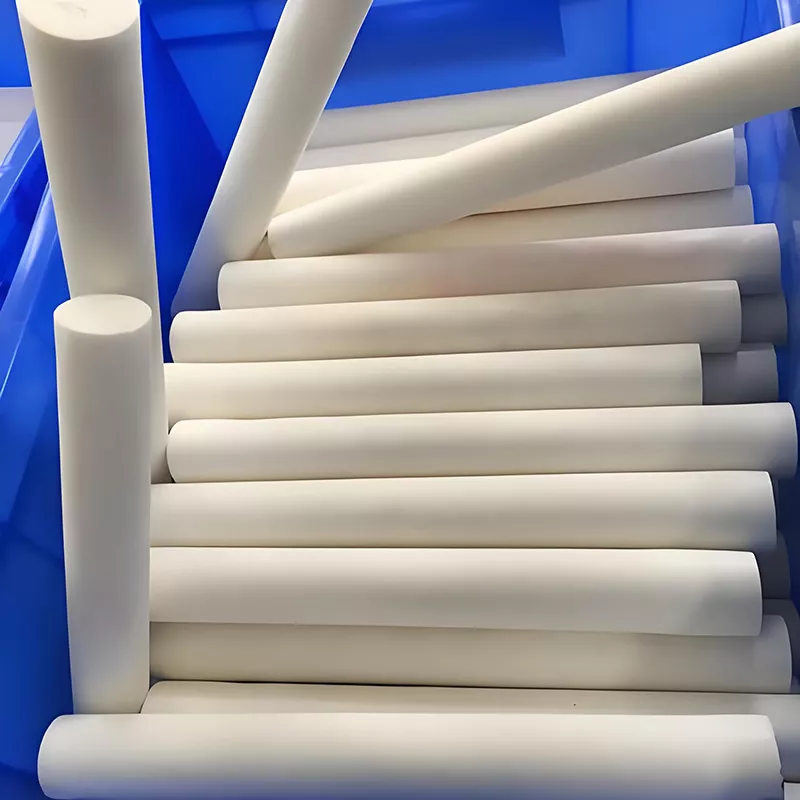
Advanced Ceramic Materials
Compare advanced ceramic materials including alumina, zirconia, silicon carbide, silicon nitride, aluminum nitride, boron nitride, and specialty families. General material properties provide a starting point; grade, dimensions, processing route, and suitability require confirmation for the individual component.
Discuss Your Ceramic Part
Technical Ceramic Products
Identify technical ceramic products by familiar forms such as tubes, rods, rings, substrates, sheets, and replacement components. Provide assembly-critical dimensions, mating surfaces, operating conditions, quantity, and documentation requirements to turn a product inquiry into a defined sourcing discussion.
Discuss Your Ceramic Part
Technical Ceramic Resources
Use this technical ceramics guide to prepare a clearer inquiry. Include the drawing, known material designation, service conditions, tolerance and inspection needs, and any approval documents. Contact info@zlrsmaterials.com or WhatsApp +86 130 6482 5920 to discuss open requirements.
Discuss Your Ceramic PartMaterials for Ceramic Substrates and Sheets
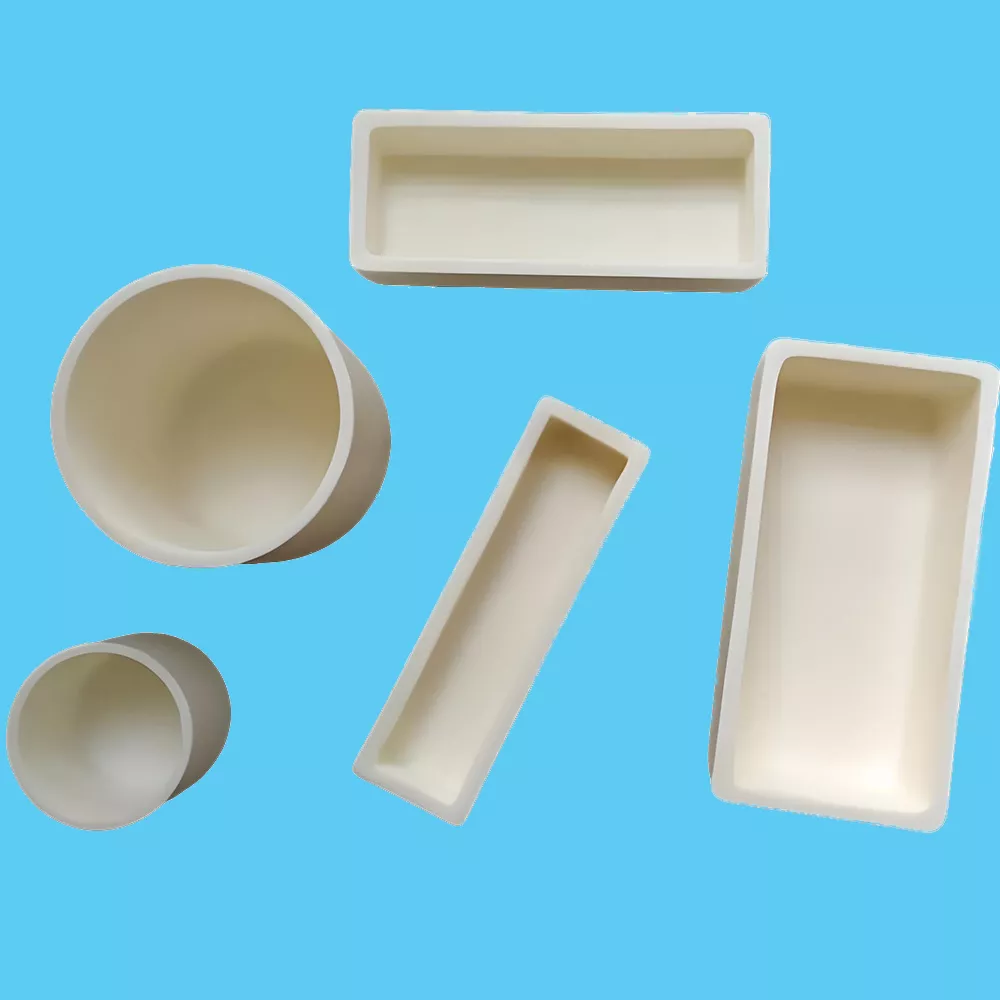
Alumina Ceramics
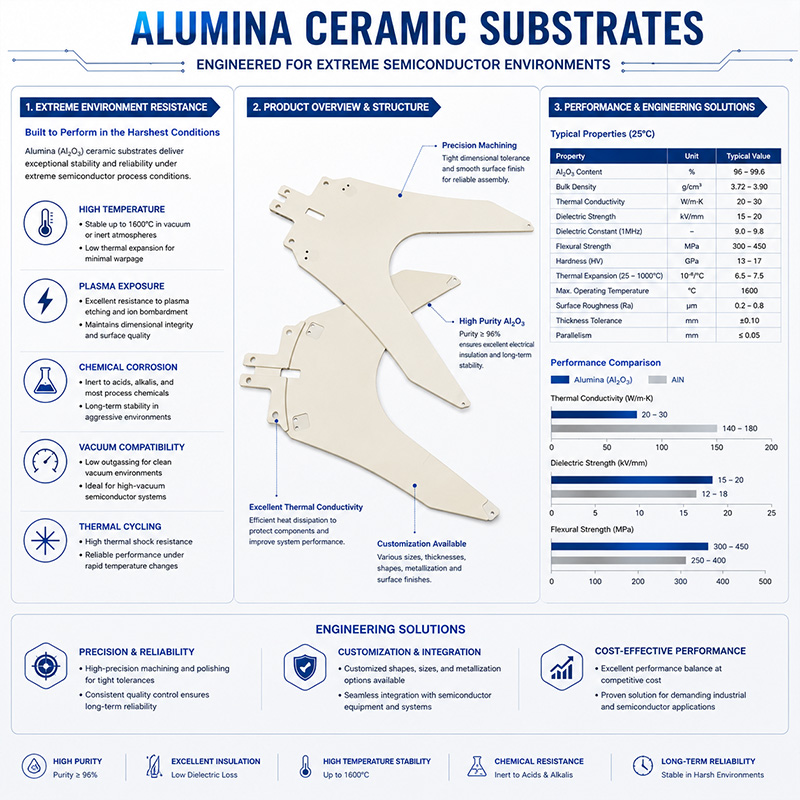
A widely considered starting point for insulating ceramic substrates and sheets, with a hard, stable surface character suited to electronic, wear, and structural component discussions. Confirm alumina content, thickness, finish, and inspection criteria per project.
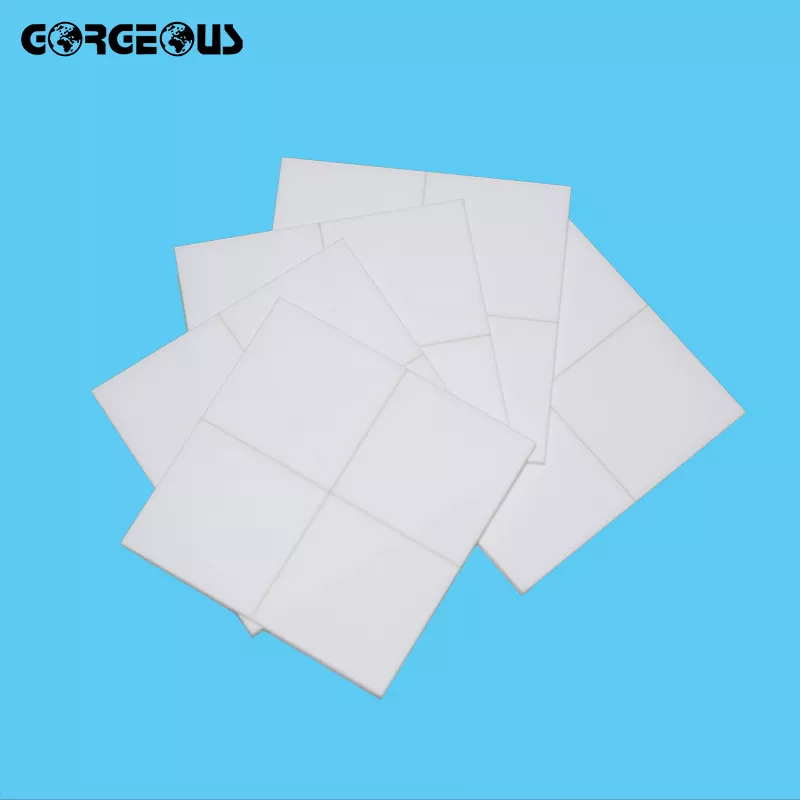
Zirconia Ceramics
A dense technical ceramic family often considered where substrate or sheet durability and assembly conditions require close review. Discuss the grade, edge geometry, mating surfaces, service environment, and dimensional acceptance requirements with the current drawing.
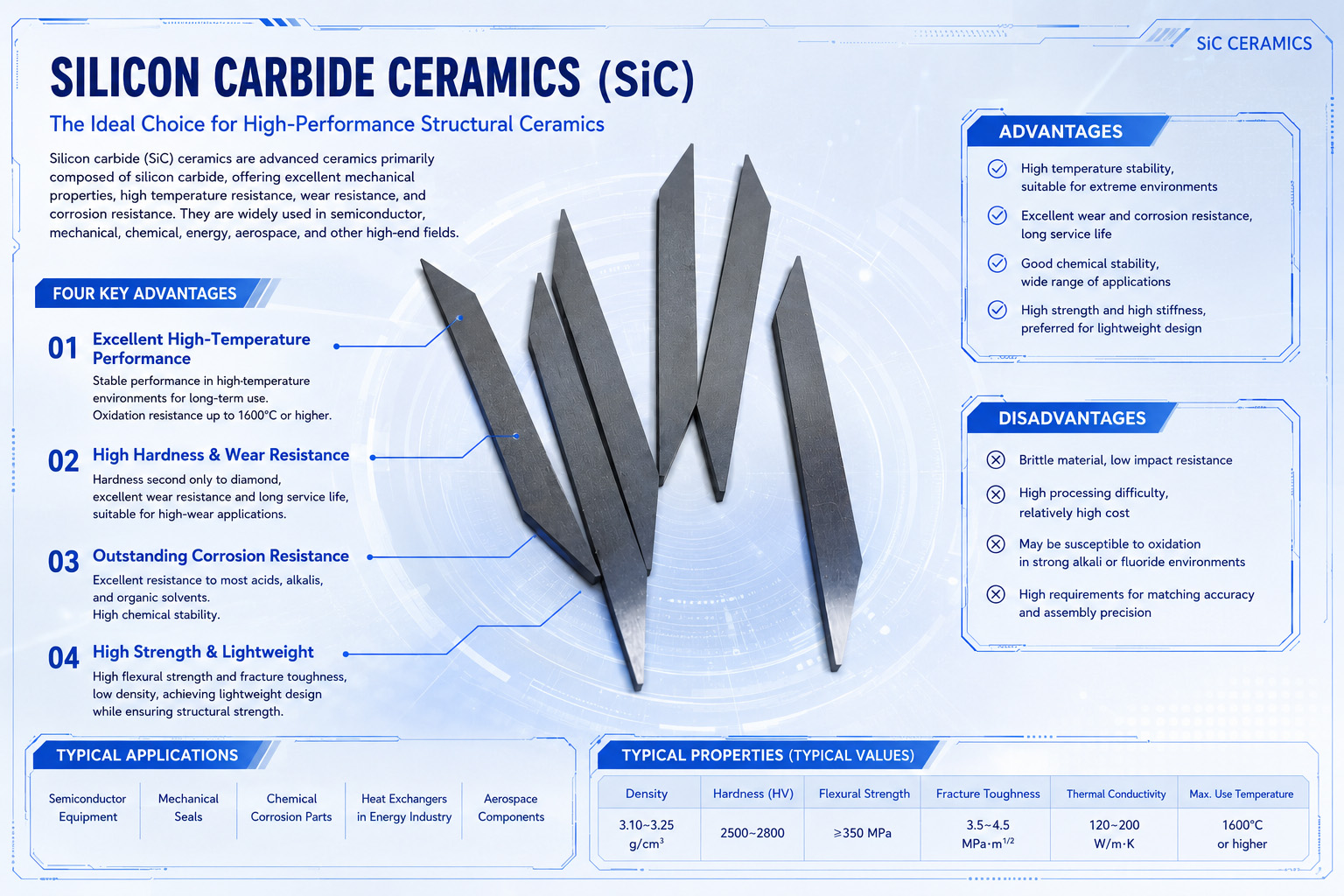
Silicon Carbide Ceramics
A technical ceramic family for projects that place heat, wear, or chemical exposure at the center of the requirement. Define the component form, operating environment, flatness needs, interfaces, and requested documentation before suitability is confirmed.

Silicon Nitride
A ceramic family worth reviewing for demanding mechanical and thermal applications involving sheets, plates, or engineered substrate forms. Provide the drawing revision, loading conditions, critical dimensions, surface requirements, quantity, and acceptance criteria for evaluation.
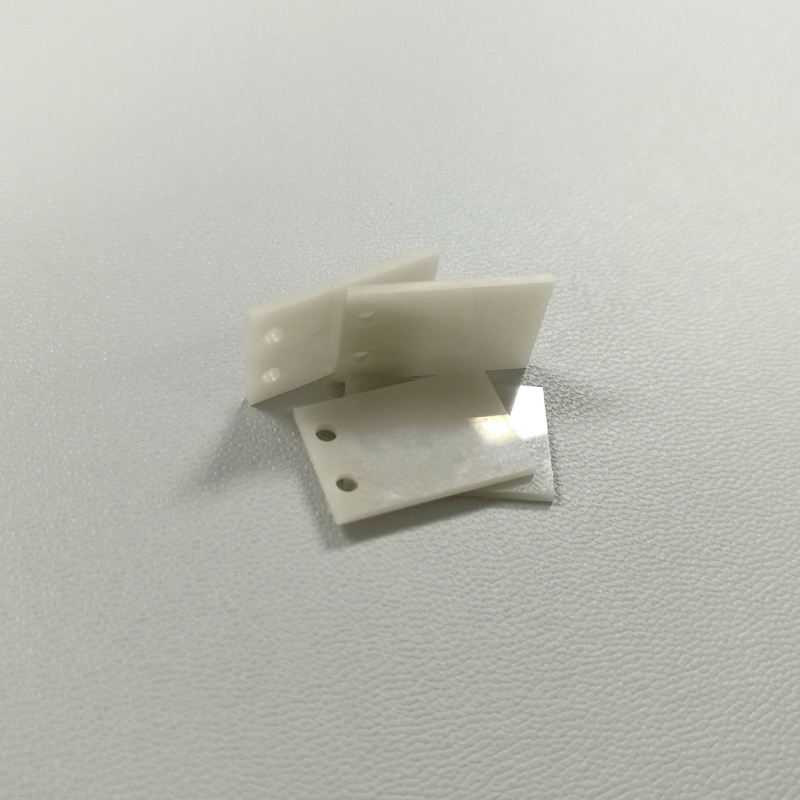
Aluminum Nitride
A material family commonly explored when thermal management and electrical insulation both shape the ceramic substrate requirement. Clarify the target grade, metallization or processing needs, geometry, handling conditions, and approval documentation before a quotation discussion.
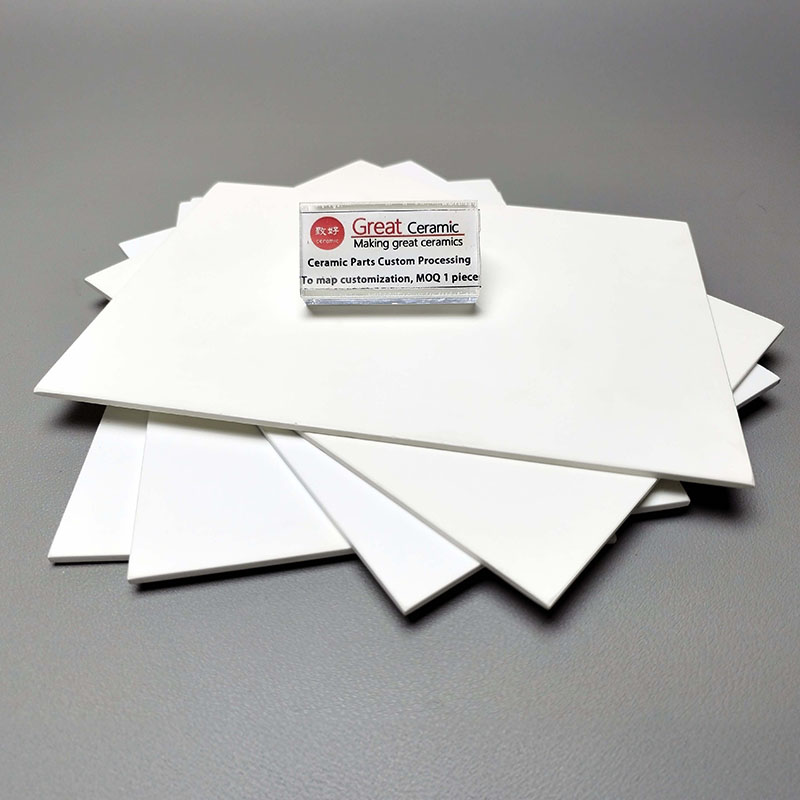
Boron Nitride
A specialty ceramic family for project conversations involving thermal conditions, electrical behavior, or nonstandard component requirements. Send the drawing and service details so Porcecore can help distinguish essential material, geometry, and inspection requirements from preferences.
Ceramic Substrates and Sheets: Routes to Confirm

Material Forming
Select a forming route appropriate to the requested ceramic grade, sheet dimensions, thickness, and geometry. The initial form should be reviewed with the drawing so later machining allowances and critical features are understood.

Green Machining
Features may be introduced before final firing where the material and geometry allow. Discuss holes, cutouts, edges, and reference dimensions early, as the proposed route must suit the part requirement and acceptance criteria.

Firing Control
Firing converts a formed ceramic body into the specified material condition. Grade, geometry, dimensional expectations, and application conditions should be confirmed because shrinkage and final characteristics are project-specific considerations.

Hard Machining
Post-fired grinding or machining can address critical dimensions, flatness, holes, and mating surfaces. Identify functional interfaces and tolerance-driving dimensions on the current drawing to focus quotation discussions on the features that matter.

Surface Finishing
Surface condition can influence assembly, coating, electrical use, or wear behavior. Specify the relevant face, edge treatment, roughness expectation, and inspection method so finishing requirements are clear rather than assumed.

Metallization Review
Where conductive patterns, bonding areas, or metallized surfaces are required, define material compatibility, layout, attachment expectations, and acceptance needs. Metallization requirements should be reviewed as part of the complete ceramic substrate specification.
Ceramic Substrates and Sheets: Features to Specify

Mating Surfaces
Identify faces that contact housings, heat sinks, seals, or circuit assemblies. Note flatness, parallelism, edge condition, and any surface that must align with another component during installation.

Dimensional Tolerances
Mark dimensions that determine assembly and distinguish critical tolerances from general dimensions. Include thickness, length, width, holes, slots, radii, and datum references on the current drawing revision.

Surface Condition
Specify the required surface state for ceramic substrates and sheets, including ground or polished areas, roughness expectations where applicable, cosmetic limits, and whether both sides require the same treatment.
Part Identification
State whether pieces need lot identification, orientation marks, labeling, or traceability information. Clarify the marking location and method so identification does not interfere with functional or mating surfaces.

Packaging Documentation
Describe handling, packing, and documentation requirements for shipment and approval. Include separation needs, quantity per pack, inspection records, material documentation, and any acceptance criteria needed for your project.
Ceramic Substrates and Sheets, Clearly Specified
Founded by Andy Yuan, Porcecore helps industrial buyers and engineering teams turn ceramic component needs into clearer project conversations. For ceramic substrates and sheets, we begin with the part’s function, the operating environment, and the decisions needed before a quotation can be meaningfully evaluated.
Our scope covers technical ceramic material families and component forms, including oxide, nitride, carbide, and specialty ceramics. We support inquiry discussions around drawings, replacement parts, and applications, while confirming the project-specific grade, geometry, surfaces, quantity, and acceptance requirements that shape a viable request.
What makes Porcecore different is a drawing-led, application-first approach. For custom ceramic components, we help distinguish general material information from a confirmed part specification, then identify open questions and the next decision. Send a current drawing revision, service conditions, and inspection expectations to begin a more concrete sourcing discussion.

Ceramic Substrates and Sheets: From Function to Inquiry
Start With Part Function
Ceramic substrates and sheets should be considered in relation to the job they perform, not material names alone. Describe the operating environment, thermal or electrical role, mechanical loading, and adjoining components so the inquiry begins with the relevant engineering questions.
- Define the component’s functional role
- Describe service temperature and exposure
- Identify electrical, thermal, or wear priorities
- Note the mating parts and assembly context

Use the Current Drawing
A current drawing gives a ceramic substrate or sheet quotation a practical starting point. It helps identify critical dimensions, thickness, holes, edges, flatness expectations, and surfaces that interact with another part, while making open points visible before commercial commitments are discussed.
- Send the latest drawing revision
- Mark assembly-critical dimensions
- Identify holes, cutouts, and edge details
- Flag surfaces with fit requirements

Separate Requirements From Preferences
Project-specific ceramic substrates and sheets require confirmation of grade, geometry, quantity, inspection needs, documentation, delivery, and commercial terms. Porcecore helps structure these inputs so essential acceptance criteria can be distinguished from preferences that may remain open for discussion.
- State the material designation if known
- Specify quantity and acceptance criteria
- List required inspection or documentation
- Confirm delivery and commercial needs
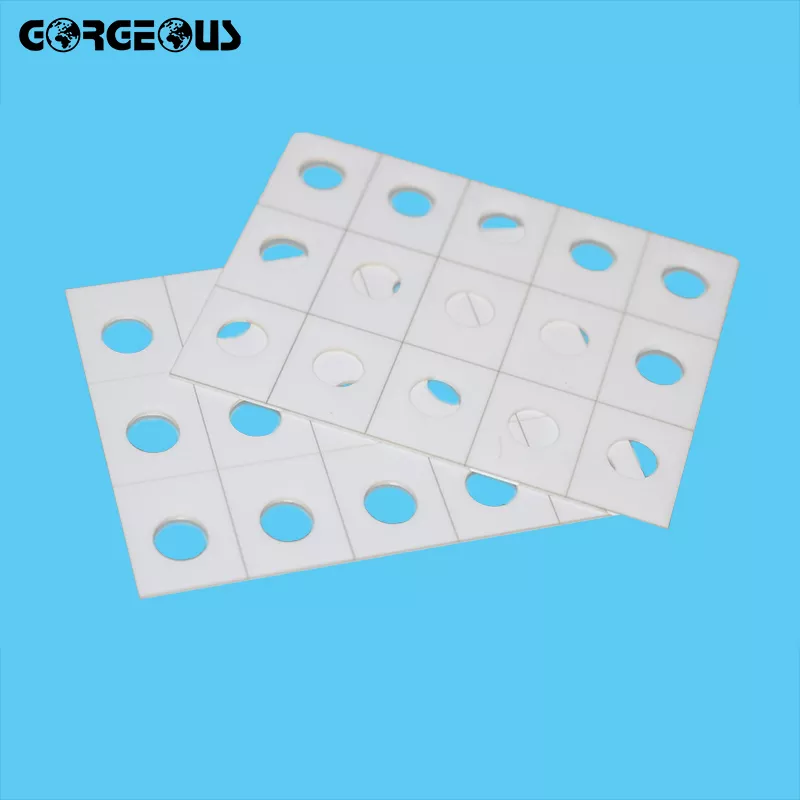
A Drawing-Led Approach to Ceramic Substrates and Sheets
Porcecore helps teams frame a drawing-led inquiry around the grade, geometry, inspection needs, and commercial terms that require project confirmation.
← Swipe left or right to view →
Ceramic Substrates and Sheets: Project Clarification Workflow
A practical sequence for turning a part requirement into a better-informed quotation discussion.
Send Drawing and Context
Share your current drawing revision, target quantity, operating conditions, mating surfaces, and known material designation so the ceramic substrates and sheets inquiry begins with practical context.
Clarify Critical Part Details
Review assembly-driving dimensions, thickness, flatness, surface finish, holes or cutouts, and tolerance priorities to distinguish essential requirements from preferences before a quotation is prepared.
Align Material and Route
Discuss candidate ceramic families, geometry considerations, and possible processing requirements in relation to the part function, rather than selecting solely from general material descriptions.
Define Inspection Expectations
Identify the dimensions, surfaces, documentation, and acceptance criteria that require confirmation, giving both teams a clearer basis for evaluating the finished component.
Confirm Packing and Terms
Confirm packaging needs, delivery expectations, commercial terms, and any remaining project details before moving from an inquiry discussion toward an agreed production order.
How to Source Ceramic Substrates and Sheets
Move from a defined part requirement to a quotation discussion with clear technical and commercial checkpoints.
Send Your Drawing
Share the current drawing revision, replacement-part details, or application description, including the dimensions and surfaces that determine assembly.
Define Operating Requirements
Identify the material designation if known, service conditions, quantity, mating interfaces, and acceptance criteria relevant to your ceramic substrate or sheet.
Clarify Open Details
Review proposed grade, geometry, tolerances, finishing needs, inspection expectations, and required documentation before treating any illustration or general property as project-specific.
Confirm Project Terms
Progress from quotation discussion to agreed material, dimensions, documentation, delivery, and commercial terms once the individual requirement has been clearly confirmed.
Documentation Requirements for Ceramic Substrates and Sheets
Customer References
Customer references will be published only with approved wording, attribution, and permission to share the applicable project context.
Porcecore does not present customer outcomes or performance claims without documented approval for publication.
Approved customer statements may be added when the customer permits attribution and project details to be published.
Ceramic Substrates and Sheets FAQ
Clarify the drawing, material, inspection, and commercial inputs before requesting a project-specific quotation.
What should we send for a ceramic substrate or sheet quotation?
Can Porcecore help select a grade for ceramic substrates and sheets?
Which tolerances and functional surfaces need to be defined?
Is there an MOQ for ceramic substrates and sheets?
Can we request samples or a first article before a larger order?
What inspection evidence can be discussed for a substrate or sheet order?
How should ceramic substrates and sheets be packaged for shipment?
How can we protect drawings and clarify payment or delivery terms?
Complete Buyer’s Guide to Ceramic Substrates and Sheets
Use a practical decision framework to compare materials, formats, processing options, and supplier qualifications for ceramic substrates and sheets—while avoiding specification, quality, and sourcing mistakes that can delay industrial production.
1. What Are Ceramic Substrates and Sheets?
Two core jobs define ceramic substrates and sheets: electrically isolate circuits while moving heat or supporting a mechanically stable assembly in demanding-temperature service. Unlike glass-reinforced epoxy PCB laminates, they are fired ceramic bases; their insulation, strength, and heat resistance make them relevant to power electronics, sensors, and high-frequency assemblies (https://orbray.com/magazine_en/archives/4442).
Five purchasing terms prevent a vague request: a substrate is a finished, dimensioned ceramic base; a thin sheet is a thin flat ceramic blank; a plate is a thicker, rigid blank; green tape is an unfired cast layer for lamination; and a metallized substrate has conductive layers prepared for attachment. Request the finished form, material, thickness, drawing, surface requirements, and whether metallization is required.
2. Evolution of Ceramic Substrates and Sheets
1 µm is a typical thin-film conductor-track thickness, while thicker printed pastes established ceramic substrates as electrically insulating circuit carriers. Early thick-film assemblies made surface condition, adhesion, firing compatibility, and dimensional stability procurement concerns. Source: https://www.kerafol.com/en/technical-ceramics/ceramic-tapes-substrates
900°C is a typical LTCC co-firing temperature, allowing multilayer circuits with silver or copper conductors; HTCC firing can reach 1,600–1,700°C and uses refractory metallization. Co-fired construction enabled denser sensor and RF layouts, so layer registration, via design, and metallization stack now belong on the drawing. Source: https://orbray.com/magazine_en/archives/4442
Power semiconductors, LED packages, and electrified equipment increased heat flux and reliability demands. For ceramic substrates and sheets, buyers must therefore match the material, thickness, surface finish, metallization process, and thermal-mechanical interfaces to the actual duty cycle rather than selecting by material name alone.
3. Types of Ceramic Substrates and Sheets
Six formats place ceramic substrates and sheets at different manufacturing stages. Select the state that matches circuit formation, assembly sequence, and the drawing’s acceptance requirements.
Fired Bare And Green Tape
1. Fired bare substrates are sintered plates, then cut or machined for insulating bases and fixtures; procure finished dimensions and surface requirements.
2. Green tapes are cast, unfired sheets for punching, printing, and lamination; procure shrinkage data and the firing route.
Thick Film And Thin Film
3. Thick-film substrates receive screen-printed paste and firing for hybrid circuits; procure conductor pattern, paste system, and test requirements.
4. Thin-film substrates receive deposited, patterned layers for precision sensors and fine circuits; procure surface finish, feature rules, and metallization compatibility.
Co-Fired And Circuit-Ready
5. Co-fired multilayer ceramics stack patterned green layers before firing for dense interconnects; procure the layer stack, vias, shrinkage, and inspection plan.
6. Metallized substrates arrive with conductive areas for direct assembly; procure pad geometry, adhesion expectations, soldering process, and documentation.
4. Ceramic Substrates and Sheets Material Comparison
Six material families cover different heat, voltage, strength, geometry, and budget priorities. Use this relative matrix for ceramic substrates and sheets; confirm grade-specific properties and process limits against the drawing.
| Material | Thermal Behavior | Robustness/Temperature | Machinability/Cost | Typical Use |
|---|---|---|---|---|
| Alumina | Moderate | Good | Established/low | General electronics |
| Aluminum nitride | High | Good | Specialized/high | Power modules |
| Zirconia | Low | Very high | Difficult/high | Wear-resistant supports |
| Silicon nitride | Moderate | High | Difficult/high | Shock-loaded insulation |
| Silicon carbide | High | High | Difficult/high | Harsh-temperature hardware |
| Glass-ceramic/co-fired | Low-moderate | Moderate | Layerable/mid | Multilayer circuits |
Heat And Voltage
AlN favors heat removal, while alumina commonly balances electrical insulation and cost.
Strength And Temperature
Zirconia and silicon nitride favor robust duty; silicon carbide suits demanding thermal environments.
Geometry And Integration
Glass-ceramic co-fired systems favor multilayer circuits and embedded conductors; define firing compatibility early.
5. Customizing Ceramic Substrates and Sheets
A current drawing turns ceramic substrates and sheets from a catalog item into a reviewable part. Thickness, planform, holes, cutouts, edge condition, flatness, roughness, and finishing should be defined together.
| Drawing Detail | Why It Matters | Review Input |
|---|---|---|
| Datums and tolerances | Defines functional geometry | Drawing revision |
| Metallization stack | Defines electrical interface | Layer specification |
| Panel layout | Affects utilization | Quantity and nesting |
Define The Finished Geometry
Finished dimensions should identify datum surfaces, thickness limits, hole diameters, cutout radii, and edge treatment. Laser machining, grinding, and polishing are evaluated against the material and the functional surface.
Specify Electrical Features
Metallization requires the conductor pattern, stack materials, layer order, coverage areas, adhesion expectations, and any printed circuitry requirements. Multilayer structures also need layer count, via locations, and registration requirements.
Review Yield And Tolerances
Feature tolerances must be tied to assembly function, because tighter requirements can limit feasible processes. Panel utilization, nesting, and break-off margins affect material yield and should be considered before quoting.
6. Quality Elements That Affect Reliability
Three control groups determine whether ceramic substrates and sheets survive processing and service: material uniformity, geometry, and interface integrity. Specify measurable acceptance limits rather than relying on a general material label.
Material Uniformity
Purity, bulk density, porosity, and grain structure should be grade-specific requirements. Controlled microstructure reduces dielectric weak points and helps limit cracking during thermal cycling.
Geometry And Edges
Dimensional tolerances, thickness variation, flatness, warpage, surface roughness, and edge condition should reference the drawing. Crack and chip limits protect bonding alignment and assembly yield.
Metallization And Lots
Metallization adhesion needs a defined test method, coverage area, and acceptance threshold. Lot traceability, inspection sampling, and retained records help identify variation before production assembly.
7. How to Choose a Ceramic Substrate Manufacturer
Three evidence sets reduce qualification risk: the controlled drawing, inspection plan, and representative sample. For ceramic substrates and sheets, evaluate each supplier against the part’s actual service and assembly requirements.
Verify Process Fit
One drawing review should confirm forming route, fired dimensions, machining features, and any metallization requirement.
Two open questions—material grade and mating surfaces—should be resolved before quotation.
Request Objective Evidence
Three records provide a practical baseline: sample results, dimensional inspection data, and relevant material or quality certificates.
One claimed tolerance is insufficient without its measurement method, sampling basis, and acceptance limits.
Plan Production Communication
Two checkpoints—preproduction sample approval and production-release confirmation—help expose changes before volume commitment.
One supplier should state capacity assumptions, lead-time milestones, traceability approach, and the drawing revision governing the order.
8. Common Ceramic Substrate Buying Mistakes
Avoidable delays usually begin when a ceramic part is treated as a catalog commodity. For ceramic substrates and sheets, the corrective action is to convert functional needs into drawing, inspection, and handling requirements before quotation.
Price Without Total Cost
Unit price alone can hide reject, rework, and assembly-delay costs. Compare quoted scope, yield risk, inspection, and delivery assumptions.
Undefined Service Conditions
Material names do not define temperature, electrical load, coolant exposure, mounting stress, or thermal cycling. State the duty envelope and mating materials with the inquiry.
Geometry And Finish Gaps
Flatness, thickness variation, surface finish, edge condition, and datum scheme can determine assembly success. Identify functional faces and agree measurable acceptance criteria.
Process And Assembly Omissions
Post-firing machining, metallization pattern and adhesion requirements need early review; they are not automatic add-ons. Test samples in the final assembly, then specify packaging, lot traceability, and required records.
9. From Drawing to Production Approval
One controlled workflow converts an initial application need into repeatable supply. Engineering defines service conditions; quality and purchasing convert them into measurable approval and release controls.
Define The Technical Baseline
First, engineering records temperature, electrical load, mounting stresses, environment, and the assembly-critical dimensions. A controlled drawing identifies revision, material candidates, datum scheme, tolerances, surface requirements, and required documentation.
Close Design And Quality Gaps
Next, request DFM feedback before tooling or production commitment, especially for thin sections, holes, edges, and flatness. Quality aligns inspection methods, sampling, acceptance criteria, traceability, and any certificate or first-article requirements.
Approve And Release Supply
Then, evaluate samples in the intended assembly and document fit, thermal, electrical, or mechanical performance. Purchasing approves the first article, locks the agreed revision and commercial terms, then plans releases against confirmed quantities and delivery needs.
10. Ceramic Substrates and Sheets Pricing
4 order bands show why unit pricing for ceramic substrates and sheets cannot be compared without the same scope. Material, panel size, thickness, tolerances, machining, surface finish, metallization, inspection requirements, expected yield, and quantity each change the cost base.
1 comparable quote package should state the drawing revision, material grade, finished dimensions, tolerances, feature list, surface or metallization specification, quantity by release, inspection documents, packaging, delivery destination, and requested date. Treat setup, tooling, scrap assumptions, and freight as separately identified line items.
| Order band | Unit-cost direction | Setup allocation | Lead-time driver | Negotiation focus |
|---|---|---|---|---|
| Prototype | Highest | Mostly per order | Engineering and setup | Feasibility scope |
| Low volume | High | Shared across parts | Machining capacity | Batch size |
| Mid volume | Lower | Spread across batch | Material and yield | Release schedule |
| Production volume | Lowest potential | Broadly amortized | Capacity planning | Forecast and consistency |
Discuss Ceramic Substrates and Sheets for Your Project
Email your drawing, operating conditions, quantity, material designation, and acceptance criteria to begin a focused quotation discussion.