
Ceramic Rings and Washers for Drawing-Led OEM Sourcing
Define geometry, material, operating conditions and acceptance requirements for ceramic rings and washers before a clearer quote.
Related Ceramic Components for Ring and Washer Projects


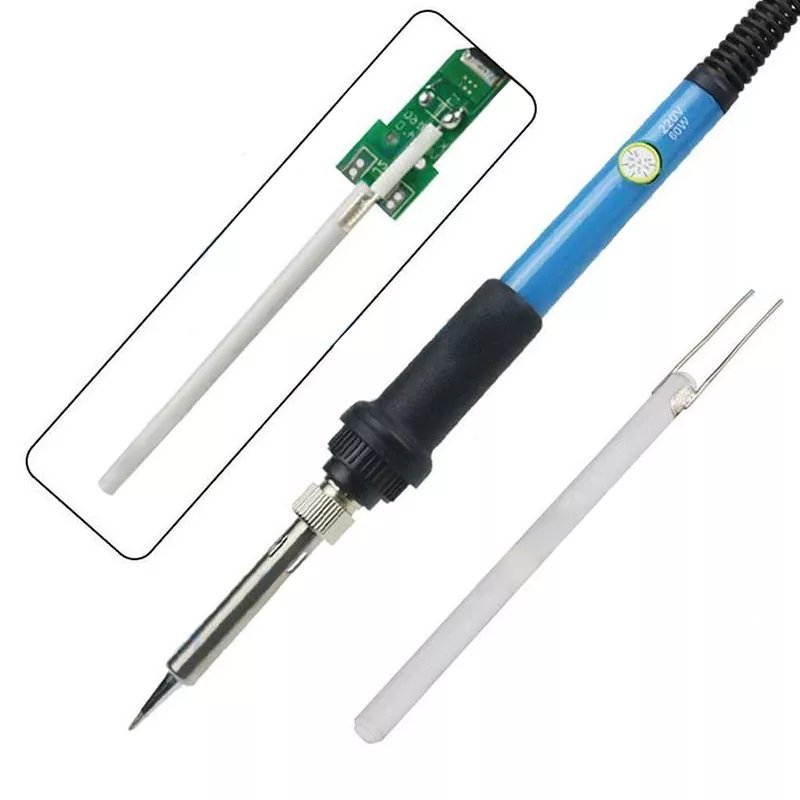

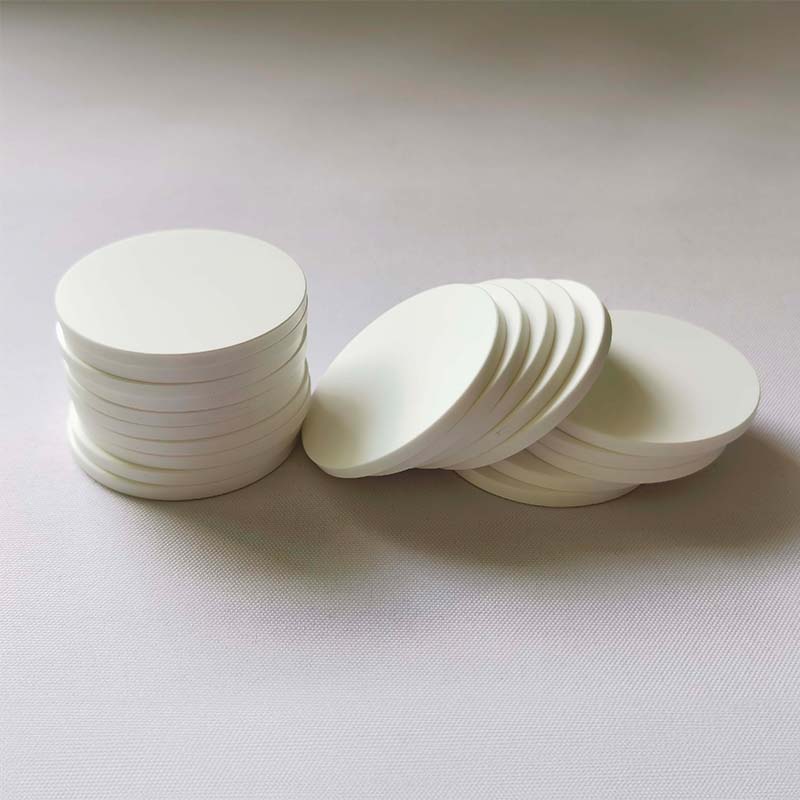
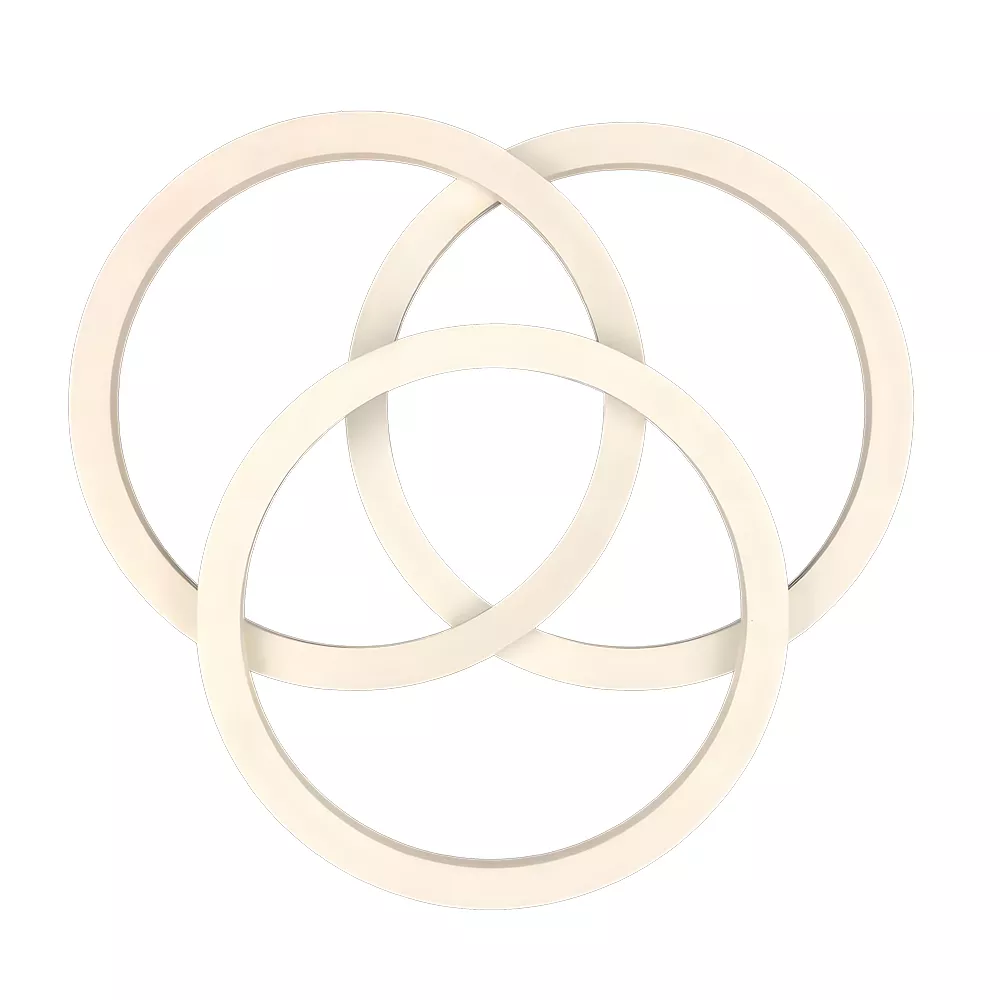
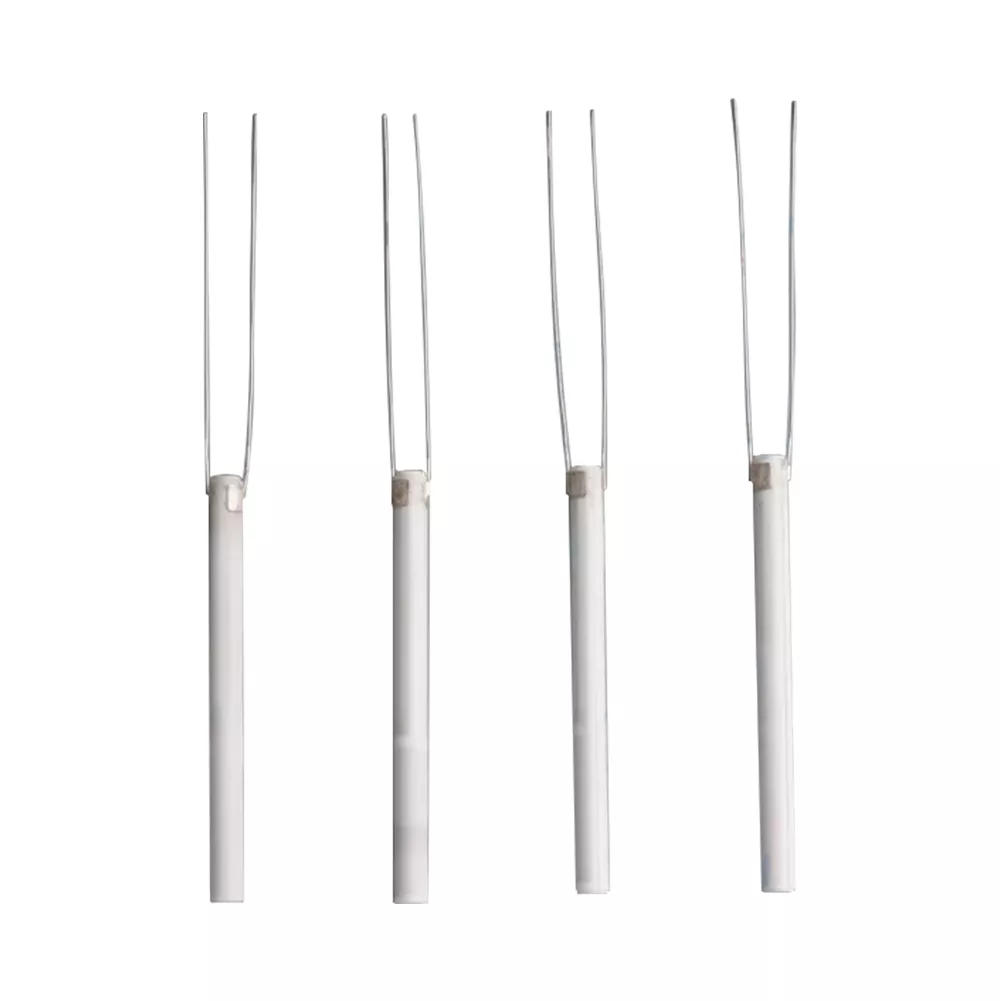


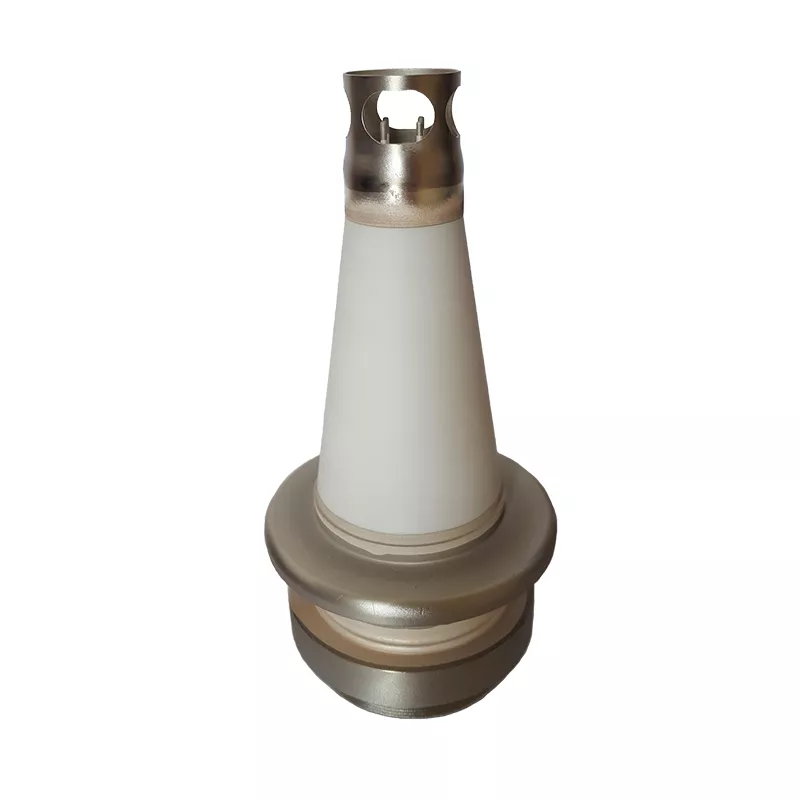

Ceramic Rings and Washers Catalogue and Quotation


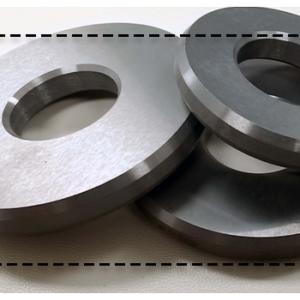


Why Source Ceramic Rings and Washers Through Porcecore
Review the details that make drawing-led inquiries clearer, from material and geometry through inspection expectations, application conditions, and direct project communication.
Drawing and Revision Control
Start with the current drawing revision, marked dimensions, and critical notes so quotation discussions stay aligned with the part your team intends to approve.
Material Grade Fit
Identify the ceramic family and grade if known, then connect that choice to insulation, wear, thermal, chemical, or structural requirements for the application.
Geometry and Mating Surfaces
Define inner and outer diameters, thickness, profiles, tolerances, chamfers, and mating surfaces that determine fit, assembly, sealing, or movement within the equipment.
Process Route and Finish
Discuss forming, sintering, machining, grinding, polishing, or other process needs according to geometry and surfaces, while separating preferred methods from essential part requirements.
Inspection Evidence
Specify dimensional checks, surface expectations, material documentation, and acceptance criteria needed for internal review, supplier comparison, or project approval before production decisions are finalized.
Application and Quantity Context
Include quantity, service conditions, operating environment, and delivery context so Porcecore can frame a more useful inquiry around the component’s actual job.
Technical Ceramic Components for Defined Requirements
Review materials, forms and application contexts before narrowing a ring, washer or custom component inquiry around fit, insulation, wear, heat and inspection needs.
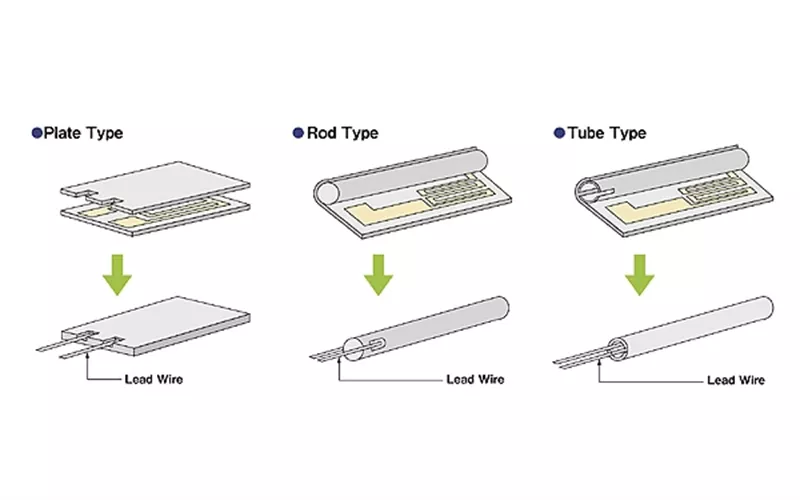
Ceramic Manufacturing Capabilities
Ceramic manufacturing capabilities for rings, washers and related components depend on the required geometry, mating surfaces, tolerances and quantity. Use a current drawing to clarify forming, machining, finishing and inspection expectations before requesting a project-specific quotation.
Discuss Your Ceramic Part
Ceramic Solutions by Industry
Industrial ceramic parts support electrical insulation, wear control, thermal exposure and demanding mechanical assemblies across industrial equipment. Identifying the industry, operating environment and failure concern helps connect a ring or washer requirement with a practical material and component discussion.
Discuss Your Ceramic Part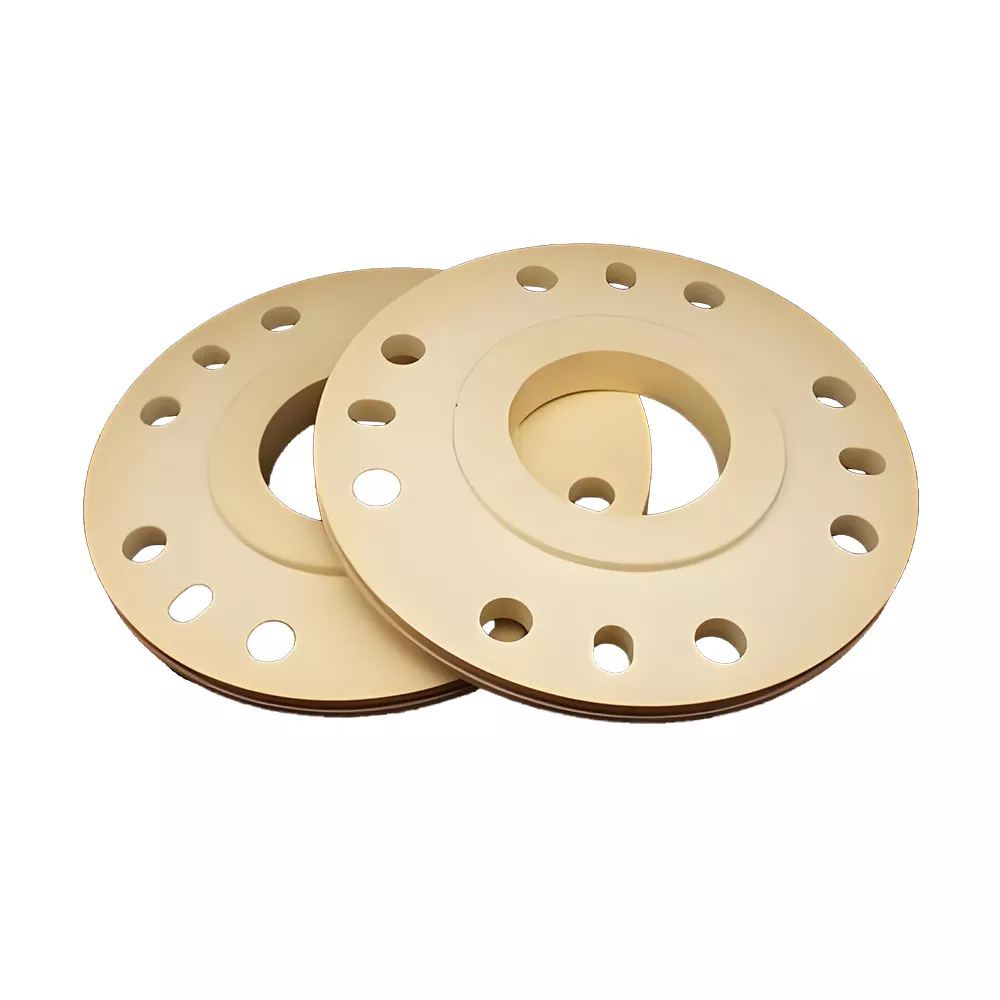
Advanced Ceramic Materials
Advanced ceramic materials include alumina ceramics, zirconia ceramics, silicon carbide ceramics, silicon nitride, aluminum nitride, boron nitride and other specialty families. Material selection should be checked against dielectric, thermal, wear, strength, chemical and dimensional requirements for the intended ring, washer or assembly.
Discuss Your Ceramic Part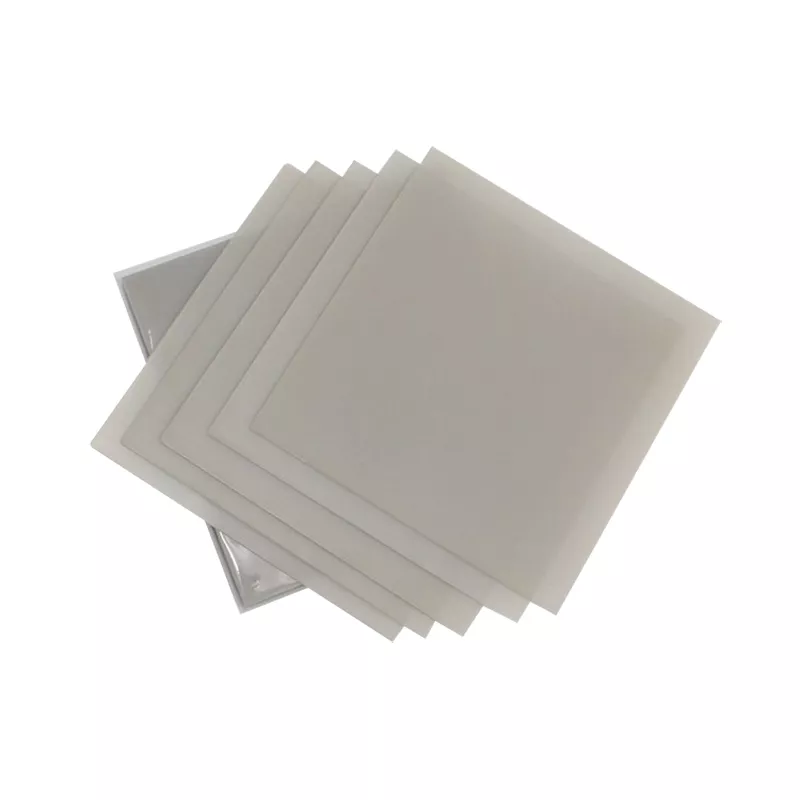
Technical Ceramic Products
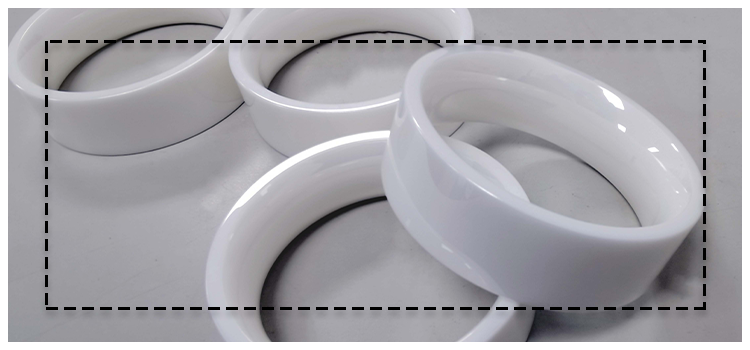
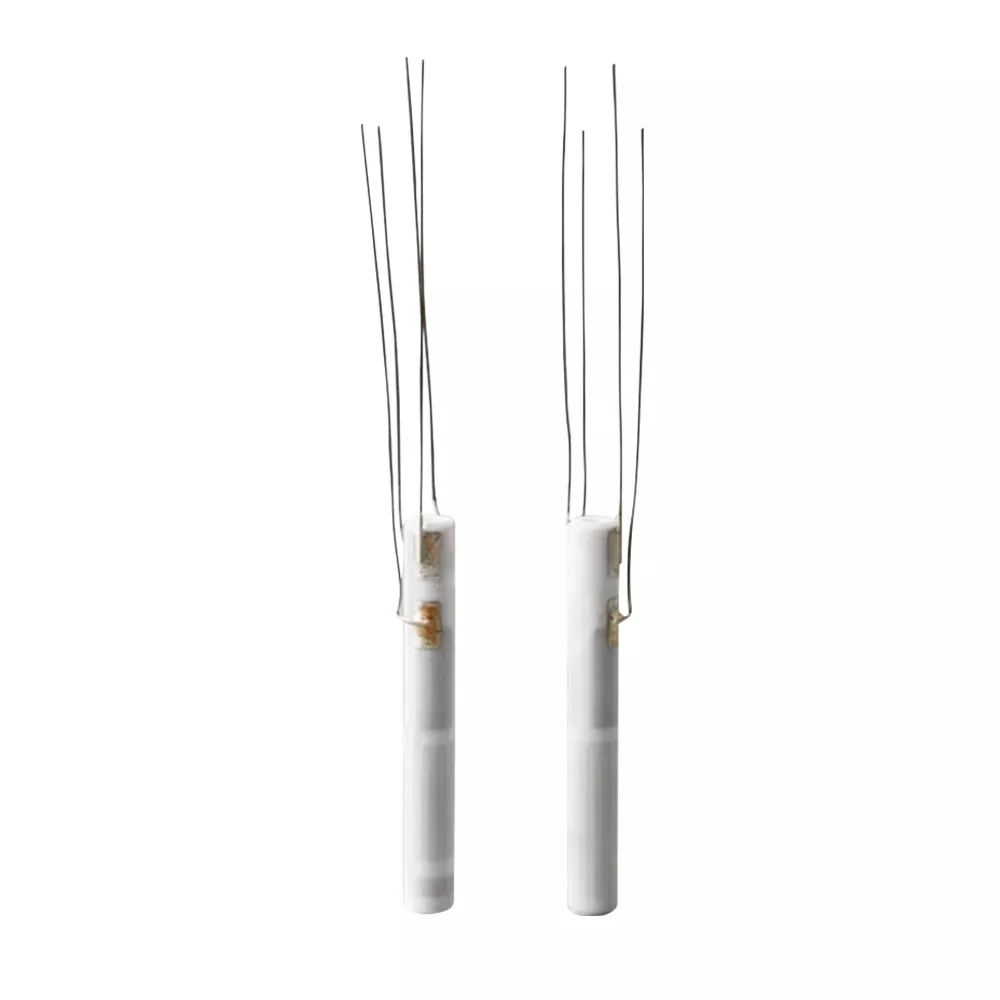
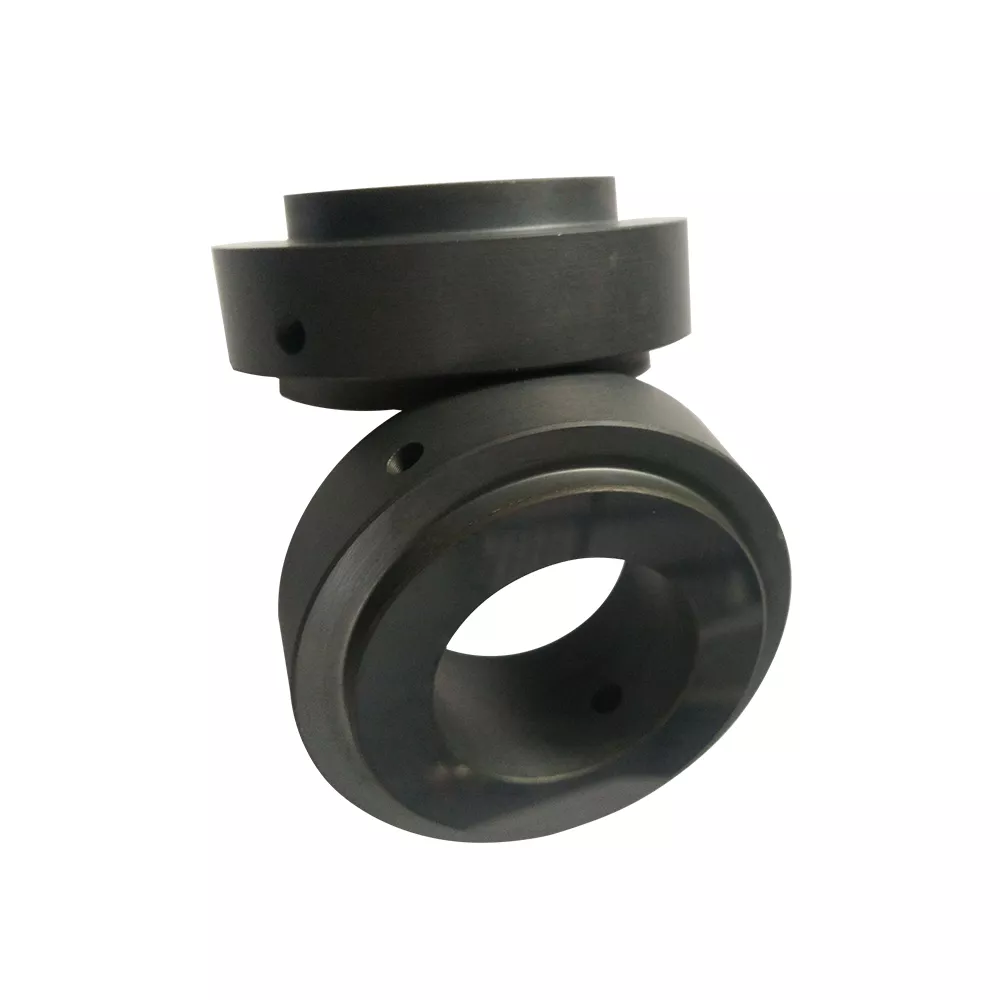
Technical ceramic products include custom ceramic components such as insulating washers, sealing or spacing rings, tubes, rods, substrates and other engineered forms. Product illustrations indicate possible component types; final suitability depends on confirmed grade, dimensions, tolerances, interfaces, service conditions and acceptance criteria.
Discuss Your Ceramic Part
Technical Ceramic Resources
A technical ceramics guide can help teams frame a clearer inquiry by separating material properties from grade-specific values and general forms from contractual specifications. Include the drawing revision, quantity, operating conditions, documentation needs and critical fit surfaces when contacting Porcecore by email or WhatsApp.
Discuss Your Ceramic PartTechnical Ceramic Materials for Ceramic Rings and Washers
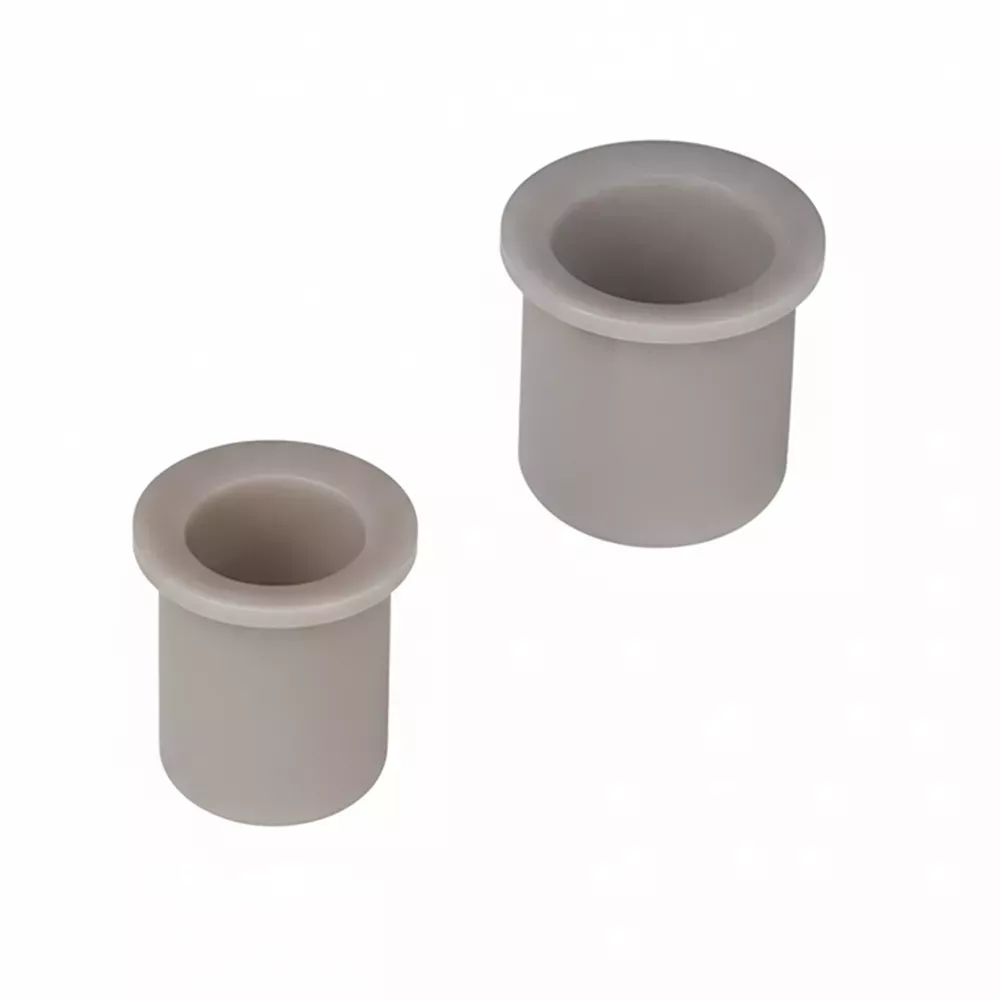
Alumina Ceramic
Dense and smooth in finished form, alumina is commonly considered for insulating rings, spacers, washers and wear-support parts. Its electrical insulation, hardness and temperature stability depend on the selected grade and design.
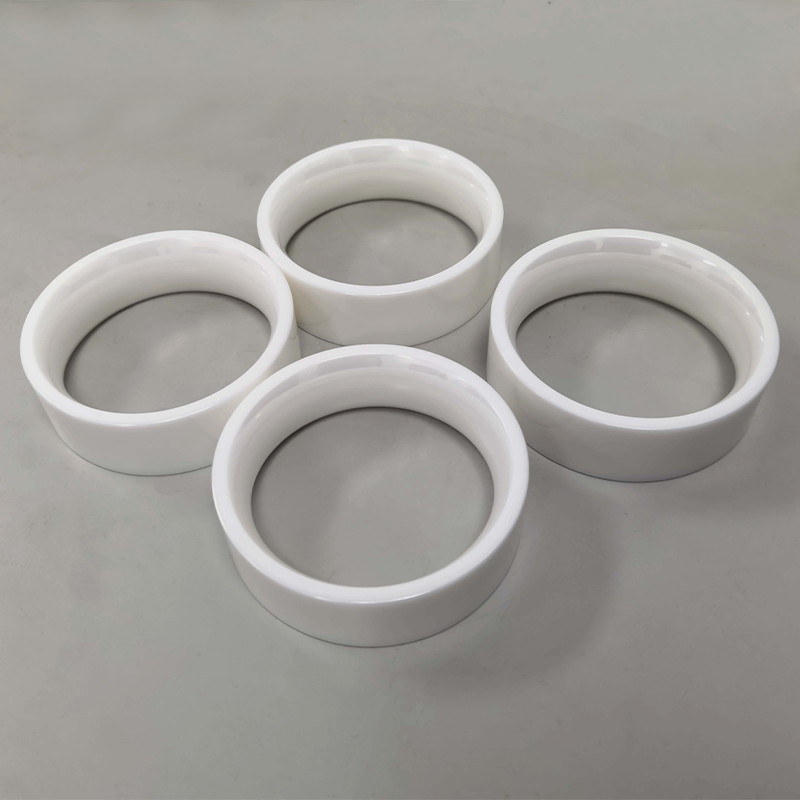
Zirconia Ceramic
Zirconia offers a refined, dense surface feel and is often evaluated for sealing, positioning and wear-related components. Its higher toughness relative to many ceramics can support demanding geometries, subject to grade and operating conditions.
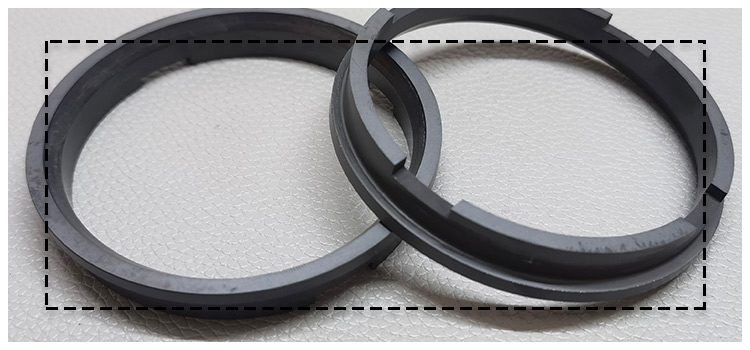
Silicon Carbide
Hard and wear-focused, silicon carbide is commonly considered for rings and washers exposed to abrasion, corrosion or elevated temperatures. Its thermal and mechanical behavior must be matched to the application, geometry and finishing requirements.

Silicon Nitride
Lightweight with a smooth engineered surface, silicon nitride is often evaluated for guides, bearing-related parts and thermally demanding assemblies. Strength, thermal shock resistance and dimensional requirements vary with grade and manufacturing route.

Aluminum Nitride
Aluminum nitride provides a dense ceramic feel and is commonly considered for electrically insulating parts where thermal management matters. Thermal conductivity, dielectric behavior and machinability should be reviewed against the project specification and grade.
Manufacturing Processes for Ceramic Rings and Washers

Ceramic Forming
Forming establishes the initial ring or washer geometry using a route selected for the material, dimensions and production requirements. Part shape, wall thickness and quantity influence the practical process discussion.

Controlled Sintering
Sintering develops the ceramic body after forming and affects dimensional change, density and material behavior. The required shrinkage allowance and final tolerance should be considered together with grade and geometry.

Diamond Grinding
Diamond grinding can refine critical inner diameters, outer diameters, faces and profiles after firing. It is relevant when assembly dimensions, fit, flatness or surface condition require closer control than the formed part provides.

Lapping And Polishing
Lapping or polishing may be considered for mating or sealing surfaces where surface finish and contact quality matter. The appropriate finish depends on the component function, material, tolerance and inspection expectations.

Edge Finishing
Chamfering and related edge finishing can help define assembly edges and reduce sensitivity to handling or installation. The drawing should identify required chamfers, radii, edge conditions and any restricted areas.

Dimensional Inspection
Inspection compares the finished ring or washer with the agreed drawing, material designation and acceptance criteria. Confirm critical dimensions, tolerances, surface requirements and documentation needs before quotation and production.
Ceramic Rings and Washers: Supporting Features for Assembly and Inspection

Precision Chamfers
Chamfered edges can help reduce chipping risk during insertion, alignment or handling. Specify which edges require treatment, along with dimensional limits, when assembly access or mating surfaces make edge condition important.

Surface Finishes
Ground, lapped or polished surfaces may support sealing, sliding, electrical contact or controlled mating conditions. Identify the functional surfaces, required finish and inspection method so the quotation reflects the actual interface.

Part Marking
Material, part number, revision or lot identification can support receiving inspection and component traceability. Marking location, method and permanence should be agreed around the ceramic geometry and any cleanliness or fit constraints.

Protective Packaging
Individual separation, protective wrapping or organized batch packaging can help prevent edge damage and simplify counting during shipment and receiving. Packaging expectations should reflect component fragility, quantity and the buyer’s handling process.

Inspection Documents
Inspection records, dimensional reports or material documentation may support internal approval and incoming quality checks. Confirm the required documents, measured characteristics, revision references and acceptance criteria before production details are finalized.
About Porcecore: Making Ceramic Sourcing Clearer
Founded by Andy Yuan, Porcecore helps industrial procurement teams, engineers, equipment builders and ceramic distributors connect a material choice with the part requirement. Our approach begins with the job a component must perform, then brings geometry, mating surfaces, operating conditions and inspection expectations into the same sourcing conversation.
Our scope covers technical ceramic materials and component forms, including rings, washers, tubes, rods and substrates across oxide, nitride, carbide and specialty ceramic families. What makes Porcecore different is a practical, application-first mindset: drawing-led inquiries, project-specific grade and geometry discussions, and clearer separation between general guidance and confirmed production requirements.
For ceramic rings and washers, buyers can start with a current drawing, replacement-part details or an application description. Share the material designation if known, quantity, service conditions and acceptance criteria by email or WhatsApp, and Porcecore can help identify the next decision in the quotation discussion.

Core Capability: Ceramic Requirements, Clearly Specified
Start With Drawing Review
A useful quotation begins with the current part definition. Porcecore reviews the available drawing, revision, quantity and service context to identify what is defined, what remains open and which details may affect material selection, processing or inspection expectations.
- Current drawing revision and part identification
- Quantity, replacement context and intended application
- Known material designation or open material choice
- Questions requiring clarification before quotation

Match Material To Requirements
Material selection should follow the job, not a generic catalogue label. Porcecore can discuss oxide, nitride, carbide and specialty ceramic families in relation to insulation, wear, temperature, chemical exposure, mechanical loading and other project-specific requirements.
- Alumina, zirconia and other oxide families
- Silicon carbide, silicon nitride and nitride options
- Aluminum nitride, boron nitride and specialty ceramics
- Grade-specific properties confirmed for the individual project

Clarify Geometry And Interfaces
For ceramic rings and washers, dimensions alone may not describe the assembly risk. Identify the surfaces that mate with other parts, the dimensions that control fit, and any chamfers, flatness, finish or edge conditions important to installation and service.
- Outer diameter, inner diameter and thickness
- Mating surfaces and assembly-critical dimensions
- Tolerances, flatness, surface finish and chamfers
- Sealing, spacing, guiding or insulating function

Align Acceptance Criteria
A clear inquiry separates essential requirements from preferences before commercial commitment. Porcecore uses the project discussion to clarify inspection expectations, documentation needs, delivery considerations and terms that must be confirmed for the quoted ceramic component.
- Inspection points and acceptance criteria
- Material grade and applicable documentation
- Required drawings, reports or approval records
- Delivery and commercial details for confirmation
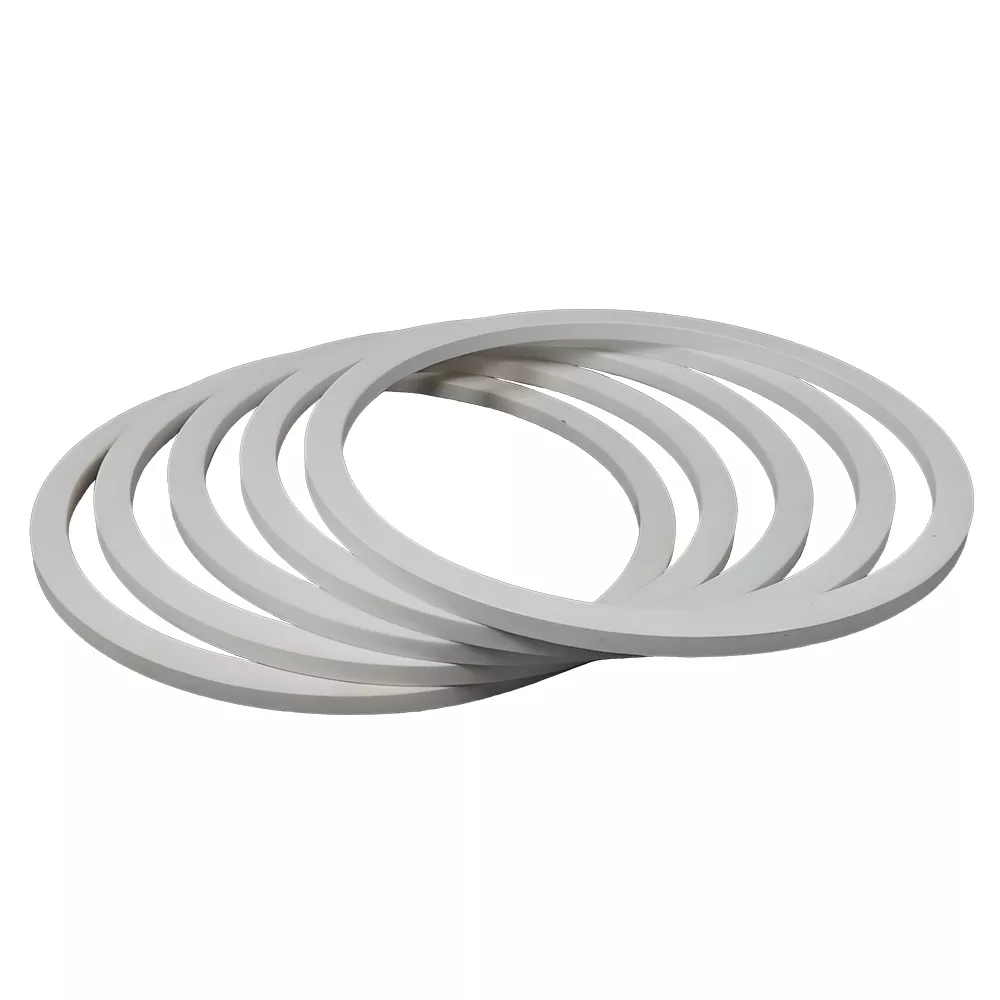
Why Choose Porcecore for ceramic rings and washers
Compare a requirement-led approach for technical ceramic rings, washers and project-specific OEM inquiries.
← Swipe left or right to view →
From Ceramic Requirement to Confirmed Delivery
Each stage follows the confirmed project specification, from drawing-led review through manufacturing, inspection, packing and shipment.
Define the Requirement
Share the current drawing revision, quantity, material designation if known, service conditions, mating surfaces and acceptance criteria for an actionable quotation discussion.
Review Materials and Geometry
Review grade, geometry, tolerances, surface requirements and documentation needs together, keeping material selection and quotation assumptions tied to the confirmed application.
Confirm the Production Route
Confirm the appropriate forming, green machining, sintering, diamond grinding or finishing route for the specified ceramic ring or washer geometry and surfaces.
Inspect Agreed Features
Inspect dimensions, critical mating features and agreed acceptance requirements; provide project documentation when included in the confirmed quotation or order.
Pack and Ship
Pack the completed parts for shipment and coordinate delivery details after specifications, inspection expectations, commercial terms and timing are confirmed for the project.
How to Source Ceramic Rings and Washers with Porcecore
A practical, drawing-led process for clarifying requirements, reviewing options, and moving from inquiry to production.
Send Your Drawing or Brief
Share the current drawing revision or application brief, including quantity, mating surfaces, operating environment, and any known acceptance criteria for ceramic rings and washers.
Clarify Material and Conditions
Discuss ceramic family, grade, geometry, tolerances, temperature, mechanical loads, chemical exposure, electrical requirements, and other service conditions that shape the part specification.
Review Quote and Samples
Review the quotation basis, open technical questions, inspection expectations, documentation needs, and whether sampling or a first-article review is appropriate for your project.
Confirm Project Requirements
Confirm material grade, dimensions, tolerances, critical surfaces, acceptance criteria, commercial terms, and delivery expectations before production authorization.
Proceed to Production and Delivery
Once requirements are agreed, Porcecore coordinates production and delivery around the confirmed specification, keeping the inquiry traceable from component definition through fulfillment.
Certifications and Technical Documentation for Ceramic Rings and Washers
Verified Project Evidence for Ceramic Rings and Washers
Verified Porcecore customer feedback is not currently available for publication. Approved project evidence should be added only when the component requirement and outcome can be substantiated.
No anonymized Porcecore case data is currently available to substantiate a numerical result. Add a documented example covering material grade, geometry, quantity, acceptance criteria, and the outcome agreed with the buyer.
Customer feedback should be added only after Porcecore confirms the wording and evidence. A suitable example would explain how a clear ring or washer requirement helped the project team define its next sourcing decision.
FAQ for Ceramic Rings and Washers Buyers
Clearer answers for drawing-led sourcing, material selection and project-specific quotation requirements.
What information should I provide to quote ceramic rings and washers?
How does Porcecore select a material grade for ceramic rings and washers?
What tolerances and functional surfaces should my drawing identify?
Is there an MOQ for ceramic rings and washers?
Can you confirm sample cost and lead time before reviewing the drawing?
What inspection evidence can accompany ceramic rings and washers?
How are payment, shipping and packaging terms handled?
How are my drawings and technical details handled during quotation?
The Buyer’s Guide to Ceramic Rings and Washers
Use a practical decision framework to compare materials, tolerances, customization, suppliers, pricing, and common purchasing mistakes before specifying ceramic rings and washers for industrial applications.
1. What Are Ceramic Rings and Washers?
Six common forms—flat washers, spacer rings, sealing rings, insulating rings, guide rings, and support rings—are engineered ceramic components, not generic discs. Their geometry, mating surfaces, tolerances, and service conditions determine whether they function as fastener interfaces, spacers, seals, guides, or structural supports. See https://www.herunceramic.com/custom-alumina-ceramic-rings.html.
Five recurring problems drive selection: electrical insulation, abrasive wear, elevated heat, corrosive media, and dimensional change. Technical ceramic rings are used where metal or polymer may lack sufficient insulation, chemical stability, hardness, thermal stability, or precision, as described at https://jhceram.com/ceramic-ring.
Two buyer questions should follow: what failure mode must the part prevent, and is ceramic preferable to metal or polymer for that duty? The answer depends on the complete requirement—load, temperature, voltage, chemistry, movement, fit, and inspection criteria—not on the material name alone.
2. Evolution and History of Ceramic Rings and Washers
Alumina (Al₂O₃) established technical ceramics as practical electrical insulators, spacers and supports where metals or polymers were unsuitable. Early ring and washer designs were consequently centered on simple round geometries and insulation duties.
95%–99.7% alumina grades later broadened the engineering envelope through greater hardness, thermal stability and chemical resistance, while engineered zirconia added higher toughness for demanding mechanical interfaces. Material selection increasingly followed the service requirement rather than shape alone.
2015 supplier documentation illustrates the next manufacturing step: near-net-shape molding expanded stock washer sizes while reducing extensive grinding (https://www.ceramcoceramics.com/assets_ceramco/images_news/New,%20Larger%20Sizes%20of%20Ceramic%20Flat%20Washers.pdf). Modern suppliers also accept drawings, samples or application details, enabling controlled dimensions, mating surfaces and post-sintering grinding for precision rings and washers.
3. Types of Ceramic Rings and Washers
Match the component to its assembly role before selecting a ceramic family. Geometry, mating surfaces, service conditions, and inspection needs should be reviewed together.
Flat Washers
OD, ID, and thickness define the load-spreading washer.
Bolted joints, electrical hardware, and corrosive assemblies require face flatness and hole clearance.
Spacer And Shoulder Rings
Axial length and stepped shoulders establish spacing or location.
Fixtures, shafts, and equipment assemblies depend on OD, ID, shoulder height, and concentricity.
Sealing Rings
Circular profiles and controlled faces support compression or containment.
Pumps, valves, and vacuum equipment require groove fit, face finish, and operating-temperature review.
Insulating Rings
Electrical clearance and creepage govern the ring geometry.
High-voltage assemblies and sensor hardware require ID, OD, thickness, and dielectric-path verification.
Wear Or Guide Rings
Sliding interfaces use rings to guide, separate, or resist abrasion.
Specify running clearance, wall thickness, surface finish, and shaft compatibility for motion.
Furnace Or Sensor Supports
Open rings, ledges, or custom profiles position parts at elevated temperature.
Furnaces and sensors require support dimensions, clearance, thermal cycling, and fixture alignment.
4. Materials for Ceramic Rings and Washers
95–99.7% alumina and zirconia cover many ceramic rings and washers requirements, but no material wins every application. Select against insulation, wear, toughness, heat flow, temperature, corrosion, and budget, then confirm the grade by supplier datasheet: https://www.herunceramic.com/custom-alumina-ceramic-rings.html.
| Material | Representative properties | Strengths | Limitations | Suitable applications |
|---|---|---|---|---|
| 95% alumina | 12–18 GPa hardness; 20–30 W/m·K | Insulation, heat, cost | Lower toughness than zirconia | Spacers, washers, supports |
| 99.5–99.7% alumina | 16–20 GPa; 25–35 W/m·K; excellent insulation | Purity, hardness, temperature | Higher cost; brittle | Furnace, electrical, sensor parts |
| Y-TZP zirconia | 11–13 GPa; 6–10 MPa·m½ toughness; 2–3 W/m·K | Strength, toughness, corrosion resistance | Higher cost; lower temperature range | Wear rings, guides, impact-prone assemblies |
Alumina Grades
95% alumina usually offers the practical cost balance for insulating spacers, supports, and wear parts.
99.5–99.7% alumina generally prioritizes purity, hardness, and temperature stability where contamination or severe service matters.
Zirconia Selection
Y-TZP zirconia provides substantially higher fracture toughness and strength than alumina, useful where impact, flexing, or edge damage is a concern.
Its lower thermal conductivity and higher cost can suit thermal isolation, but its temperature capability is typically lower than alumina.
Match The Operating Duty
Electrical insulation favors alumina; abrasive wear favors hardness; thermal management may require a different ceramic family. Corrosive media, mating surfaces, and thermal cycling must be checked together.
Values below are indicative comparisons, not guarantees. Require the supplier’s grade-specific datasheet and acceptance criteria.
5. Customization Options for Ceramic Rings and Washers
A current drawing turns ceramic rings and washers into a reviewable requirement. A clear sample can start development when dimensions or legacy geometry are unavailable, but final approval should follow the controlled drawing.
Geometry Choices
OD, ID, thickness, and wall thickness define fit, strength, and material usage. Holes, steps, and shoulders add function but increase forming and machining complexity.
A sample-led request should include photographs, critical measurements, quantity, and service conditions so Porcecore can separate observed geometry from confirmed requirements.
Tolerances And Assembly
Flatness and concentricity control seating, alignment, and sealing surfaces. Tight values can require diamond grinding and increase inspection effort.
Chamfers reduce exposed-edge chipping during handling and assembly; sharp internal corners and very thin walls generally increase manufacturing risk and price.
Finishing Requirements
Post-sinter grinding can establish critical OD, ID, thickness, or flatness; polishing is appropriate when a smoother mating or sealing surface is required. Surface finish should be assigned only to functional faces.
Finishing removes material and adds process time, so it affects cost, edge durability, and assembly behavior. Confirm whether the requirement is ground, polished, or as-fired.
Documentation For Quotation
Material purity, grade, quantity, drawing revision, acceptance criteria, and inspection documentation belong in the inquiry. Higher purity is not automatically the best choice; select it against electrical, thermal, chemical, and mechanical demands.
The supplied industry reference also identifies OD, ID, thickness, tolerance, chamfer, surface finish, and quantity as key quotation inputs: https://www.herunceramic.com/custom-alumina-ceramic-rings.html
6. Construction Quality Elements to Specify
A usable ceramic ring or washer depends on more than its nominal material. Specify the process, critical surfaces, inspection evidence, and handling controls against cracking, leakage, electrical breakdown, wear, or assembly interference.
Material And Forming Control
1 grade designation and powder consistency should be confirmed because variation can change shrinkage, density, and strength. Record forming method when it affects distortion or internal defects.
2 Sintering density and porosity limits belong in the specification; uncontrolled porosity can cause leakage, contamination, or electrical breakdown.
Geometry And Surface Integrity
3 Critical dimensions, flatness, concentricity, and edge chamfers belong on the drawing and inspection plan. Verify them after firing and grinding to prevent interference or uneven loading.
4 Surface finish and edge integrity should match the mating function; chips and roughness can accelerate wear, initiate cracks, or compromise sealing.
Records And Protection
5 Cleanliness, packaging, lot traceability, and certificate requirements belong on the purchase order. Packaging must prevent impact and particle contamination during shipment.
6 Certificates should identify the supplied grade, lot, measured results, and revision; acceptance criteria should remain tied to the approved drawing.
7. How to Choose a Ceramic Rings and Washers Manufacturer
1. A supplier review should connect the ring or washer’s drawing, material, mating surfaces, service conditions, and acceptance criteria. 2. Compare evidence against your requirement, not another company’s stated capability.
Verify Technical Capability
3. Confirm material control by grade, batch traceability, tooling and forming options, post-sintering diamond grinding, inspection equipment, and achievable tolerances. Ask which dimensions are measured and reported.
4. Before quoting, provide OD, ID, thickness, critical fits, quantity, environment, and drawing revision; these are standard inputs for custom-ring discussions (https://www.herunceramic.com/custom-alumina-ceramic-rings.html).
Approve Samples And Documents
5. Define first-article approval, sample quantity, inspection method, and rejection limits before production. Request material certificates, dimensional reports, surface-finish data, and packaging specifications where applicable.
6. Treat tolerance capability as project-specific: confirm grade, geometry, grinding allowance, inspection resolution, and the exact revision covered by any quotation.
Compare Commercial Execution
7. Ask about MOQ tiers, tooling charges, sample and production lead times, export packaging, damage controls, and escalation contacts. Record response time and unresolved technical questions.
8. Compare suppliers using the same drawing and acceptance sheet. Do not transfer another company’s certifications, prices, lead times, or capabilities to Porcecore; confirm each item for the individual project.
8. Common Buyer Mistakes with Ceramic Rings and Washers
Six preventable errors can turn a workable ceramic component into a failed fit, unclear quote or damaged shipment. Correct them before release.
Specify The Complete Geometry
1. OD, ID, thickness, mating surfaces and thermal expansion matter; ask: ‘Will nominal dimensions fit the mating material at temperature?’
2. Purity percentage alone is insufficient; match grade to media, voltage and temperature; ask: ‘What evidence supports this choice?’
Design For Manufacture And Validation
3. Sharp edges chip and extreme tolerances increase risk; specify chamfers, edge protection and inspection limits; ask: ‘What is manufacturable?’
4. Validate one assembly sample before release; ask: ‘What must pass before production?’
Make Quotes And Handling Comparable
5. Compare quotes only when grade, quantity, inspection, packaging and delivery fields match; ask: ‘What is included?’
6. State media, voltage and handling conditions; confirm breakage responsibility; ask: ‘How will parts survive service and transit?’
9. Steps to Launch Your Ceramic Component Program
A structured launch links application review to requirements capture, drawing release, material selection, approval, inspection, pilot production and supplier review. Each gate should resolve open technical questions before the next commitment.
Capture The RFQ
Eight inputs establish a workable request: OD, ID, thickness, tolerance, quantity, environment, finish, and documentation.
Porcecore can organize these fields with the current drawing revision, mating surfaces, material designation if known, and acceptance criteria.
Validate And Release
Application review and requirements capture precede drawing release and material selection; confirm that geometry, grade, operating conditions, and inspection expectations agree.
Approve a prototype or sample, then define first-article inspection criteria before placing a controlled pilot order and releasing production.
Control Ongoing Supply
Incoming inspection should check the agreed dimensions, finish, material documentation, and packaging against the released requirements.
After initial deliveries, review supplier performance using conformance, responsiveness, delivery consistency, and corrective-action records before expanding the program.
10. Ceramic Rings and Washers Pricing and Cost Factors
1 application-ready drawing should define the ceramic rings and washers before pricing: material grade, volume, geometry, mating surfaces, tolerances, inspection criteria, and packaging requirements. Final pricing requires this complete specification because a material family alone does not establish process or acceptance requirements.
2 major cost variables are forming route, tooling, diamond machining or grinding, tolerance level, inspection, quantity, and requested lead time. Thin walls, sharp features, tight flatness, critical bores, special packaging, and low volumes generally add process effort; Porcecore confirms each project individually.
| Quantity Tier | Likely Cost Drivers | Setup or Tooling Implications | Lead-Time Considerations |
|---|---|---|---|
| Prototype or low volume | Engineering review, material, machining, inspection | Dedicated tooling may be uneconomical; grinding often dominates | Scheduling depends on process availability and approval timing |
| Small production batch | Geometry, tolerances, finishing, packaging | Tooling cost distributed across limited quantity | Allow time for setup, first-article checks, and production |
| Repeat medium volume | Material volume, forming route, inspection plan | Tooling and setup amortized across units | More predictable after drawing and process approval |
| Higher volume | Grade, cycle efficiency, yield, packaging, logistics | Near-net forming may reduce unit processing cost | Forecasts and agreed specifications support capacity planning |
Ready to Quote Ceramic Rings and Washers?
Email your drawing or describe the component, operating environment, and acceptance requirements for a project-specific quotation from Porcecore.