
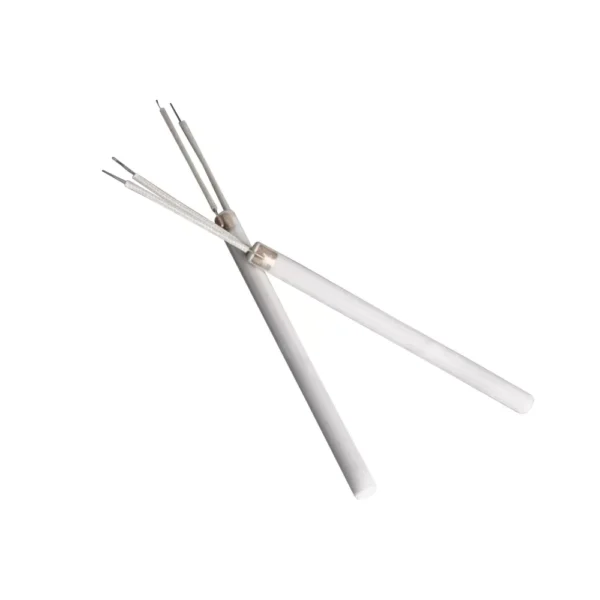
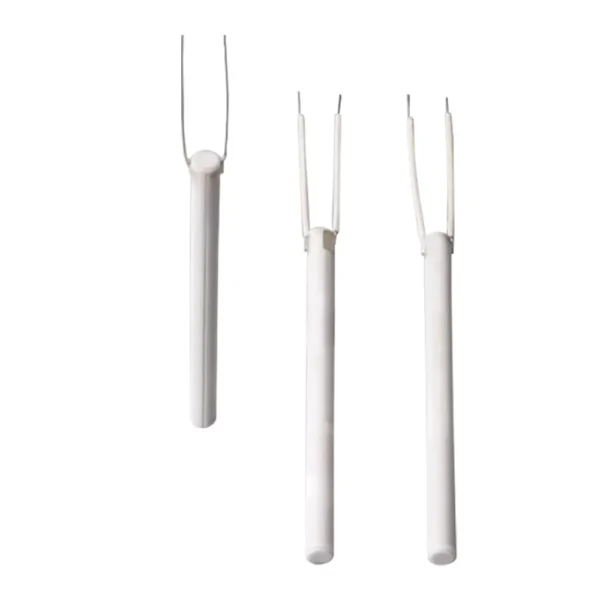

Define the heater architecture, electrical connections, mechanical envelope and test method before requesting a quotation. The 100W designation is a topic identifier, not a promise of a particular output, temperature or compatibility with any soldering iron.
Key Inquiry Requirements
Define the Heating Element Within the Tool
A soldering iron heating element should be described as part of the complete tool assembly. Show the ceramic ring or washer profile, bore, outside surfaces, conductor path, terminal locations, support points and clearances to the sleeve, tip or housing. Identify which dimensions control insertion, centering, preload and contact with adjacent thermal components.
Explain the intended heating sequence and control architecture at the level needed for quotation review. State whether the element is switched, regulated, sensor-coupled or used with another heating component. Include wiring orientation, terminal access and assembly constraints, because a geometrically similar ceramic part may still be unsuitable if its electrical or mounting interface differs.
Separate Power Rating From Operating Claims
The 100W label can identify the requested design family, but it does not establish a guaranteed temperature, warm-up time, thermal profile or service life. Provide the applicable voltage, current, control behavior, duty cycle, surrounding structure and heat-transfer path. These details allow suppliers to discuss the design without turning a nominal power value into an unsupported performance promise.
Specialty ceramic heater bodies may be selected for electrical insulation, thermal handling or dimensional stability, depending on the construction. Ask the supplier to identify the ceramic family and conductive element approach proposed for the drawing. Compare complete electrical and thermal test conditions, since results from a separate geometry or uncontrolled assembly may not represent the requested element.
Ceramic Form and Electrical Features
Ring and washer forms often include a bore, outer diameter, thickness, shoulders, slots or terminals that must remain accurately related. Mark the datums and identify surfaces that contact the tool body or thermal path. If the element has embedded or applied conductors, show their route, termination, spacing and any keep-out zones required for insulation or assembly clearance.
Request clarification on how the manufacturing route controls warpage, edge integrity, conductor placement and exposed areas. Small chips or misaligned terminals may affect insertion or electrical connection even when the main diameter appears acceptable. Include the acceptable condition of metallized, plated, wired or otherwise finished regions, but do not prescribe a process unless the design requires it.
Electrical, Dimensional and Visual Inspection
The acceptance plan should define dimensional checks for the ceramic body and terminal locations, together with electrical tests appropriate to the design. Potential checks may include resistance, insulation behavior, continuity or dielectric evaluation, but the RFQ must state the method, test points and conditions before results can be compared. Identify whether testing occurs on the element alone or in a fixture.
Visual inspection should address cracks, chips, contamination, exposed conductors, terminal damage and irregular finishing. If thermal mapping, cycling or powered testing is required, explain the decision it supports and the assembly used. Keep incoming inspection, process records and development validation distinct so the quotation does not blur routine acceptance with optional engineering work.
Build a Responsible Heating-Element RFQ
Send the controlled drawing, circuit information, assembly cross-section, operating sequence and mating hardware details. Include the nominal 100W designation with the conditions that give it meaning, such as the intended electrical supply and control approach. State sample quantity, approval stages, packaging needs and any restrictions on handling conductive or fragile surfaces.
Ask suppliers to list assumptions about ceramic grade, conductor construction, finishing, terminals and test fixtures. Request technical exceptions in a separate section so unresolved matters are visible before price comparison. A useful response should support design review and qualification planning without implying stock availability, fixed lead time, guaranteed output or compatibility beyond the defined assembly.
Questions Before You Inquire
Does “100W” guarantee a soldering iron’s heating performance?
No. It identifies a nominal power requirement, not a guaranteed temperature, warm-up time or thermal output. Performance depends on voltage, current, control method, heater construction, mechanical fit and heat transfer through the tool. Include those conditions in the RFQ and define any powered test before comparing supplier results.
What electrical information should be included with the drawing?
State the intended voltage, current or resistance basis, control behavior, duty cycle, terminal arrangement and insulation requirements. Identify test points and whether measurements are made on the loose element or installed assembly. If the circuit includes sensing or feedback, show its relationship to the ceramic heater and connected conductors.
Why are the ring and washer dimensions important?
The ceramic body may locate the heater, maintain electrical clearance, transfer heat or support a conductor. Bore, outside diameter, thickness, flatness, shoulders and terminal position can therefore affect assembly and operation. Mark functional surfaces and datums clearly, and explain any preload or insertion condition that the dimensions must support.
What should be tested before approving a heating element?
Use a defined plan covering dimensions, terminal integrity, electrical characteristics and insulation-related checks relevant to the design. Add powered or thermal testing only with specified fixture, control conditions, duration and acceptance criteria. Separate prototype validation from routine inspection, since a development test should not be mistaken for a universal guarantee.
Send a Clear Component Brief
Share your drawing, quantity and application with Porcecore. Mark the requirements that are fixed and the questions that remain open.



Reviews
There are no reviews yet.