
Ceramic-to-Metal Assemblies for Defined Part Requirements
Define geometry, material, and acceptance needs for ceramic-to-metal assemblies, then start a clearer OEM quotation with Porcecore.
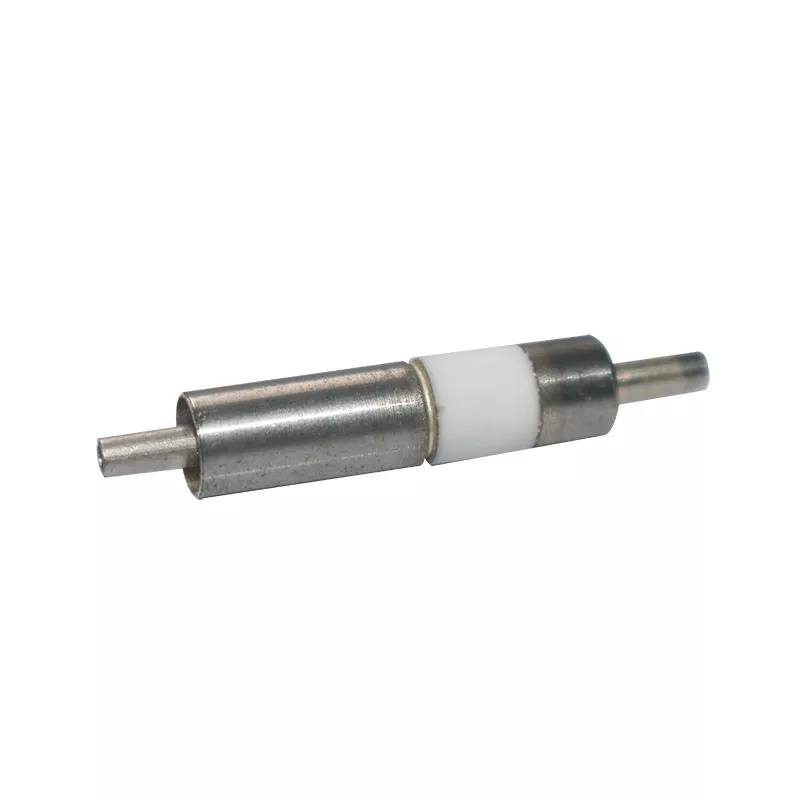
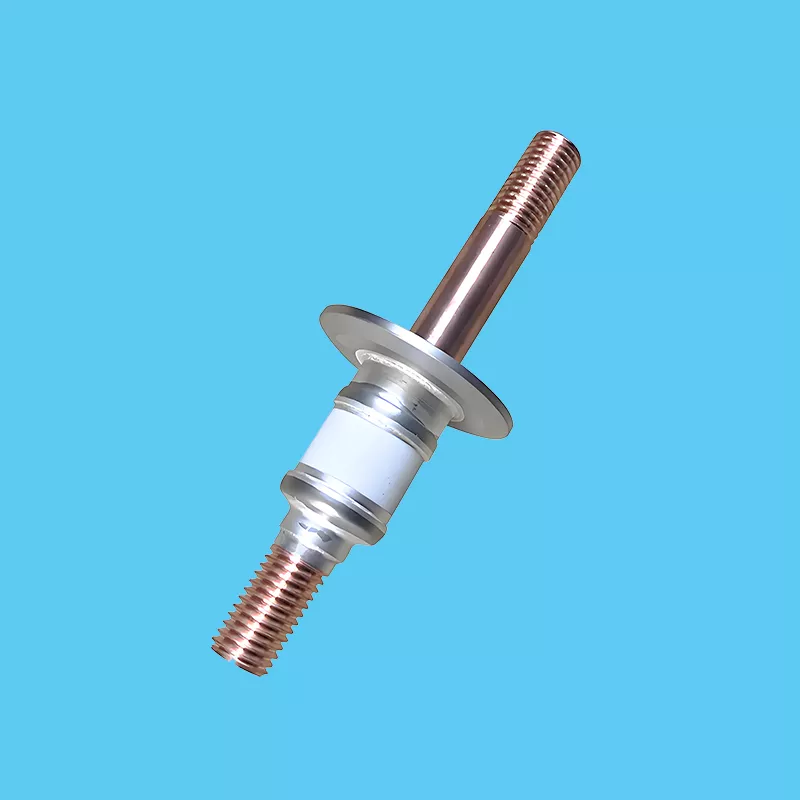
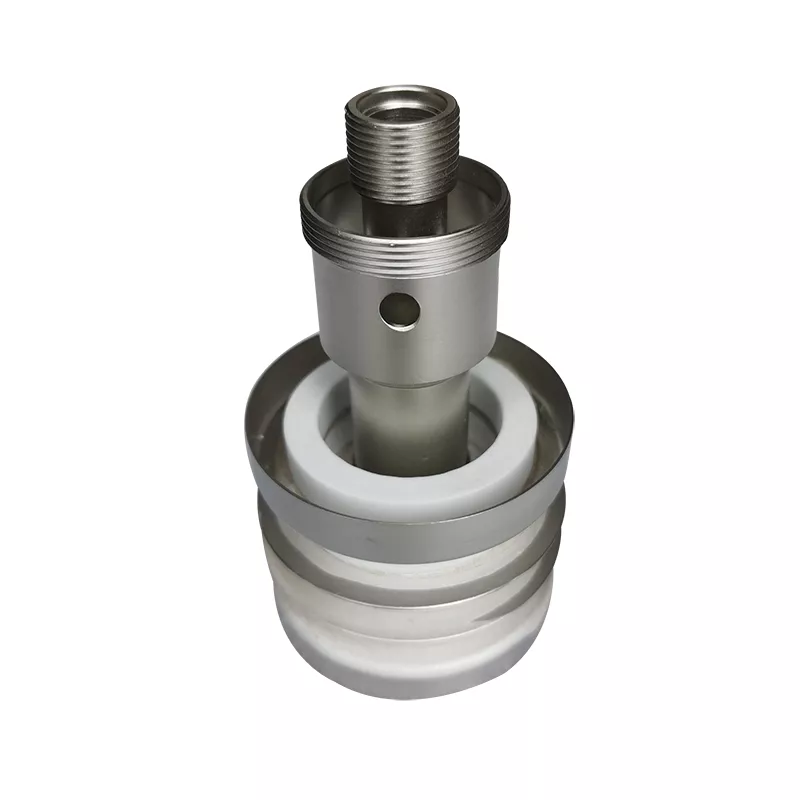
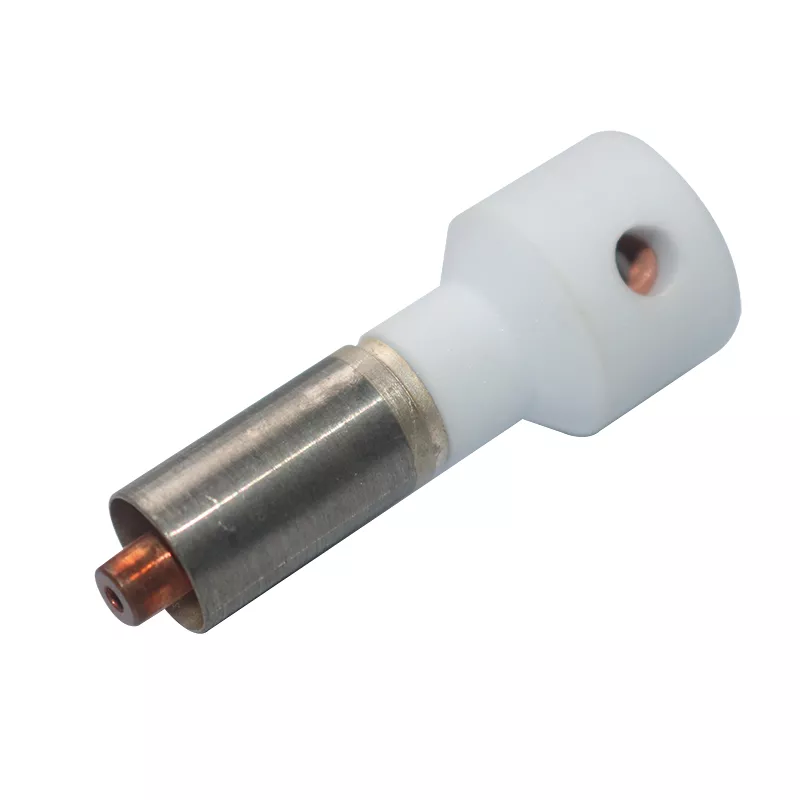
Featured Products for Ceramic-to-Metal Assembly Development


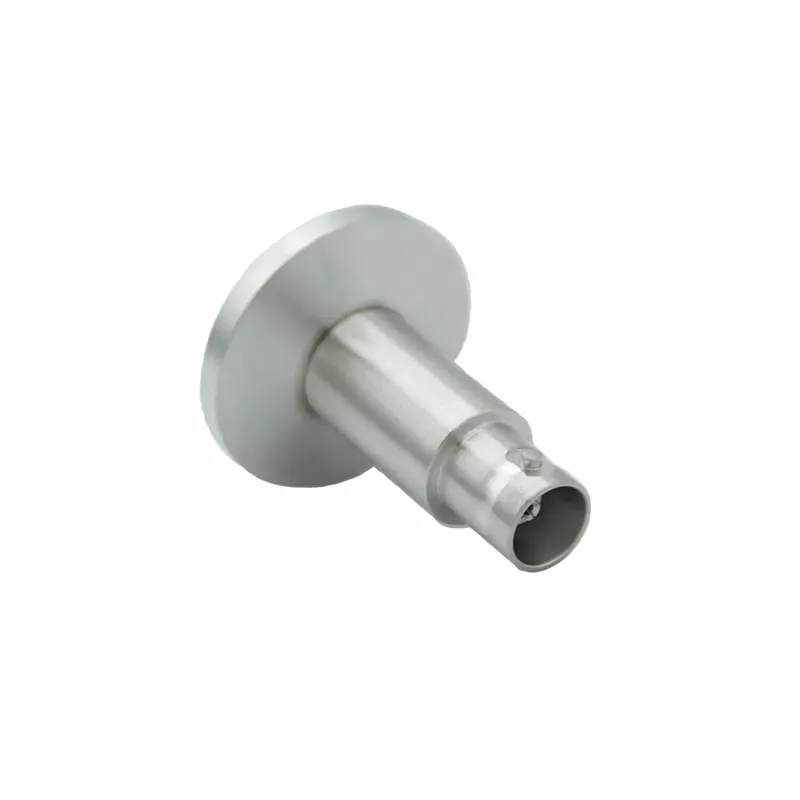

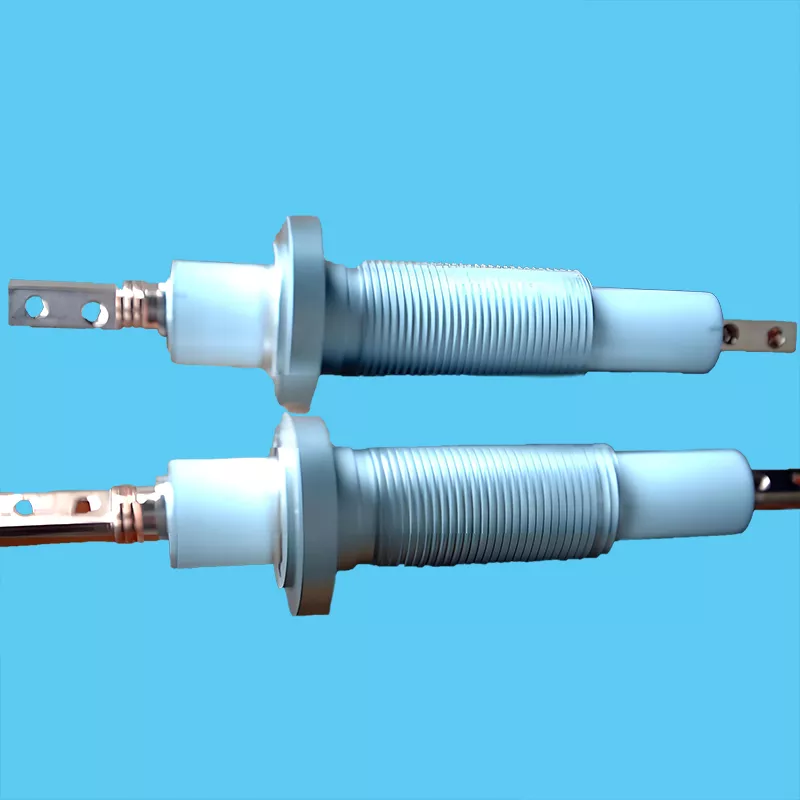
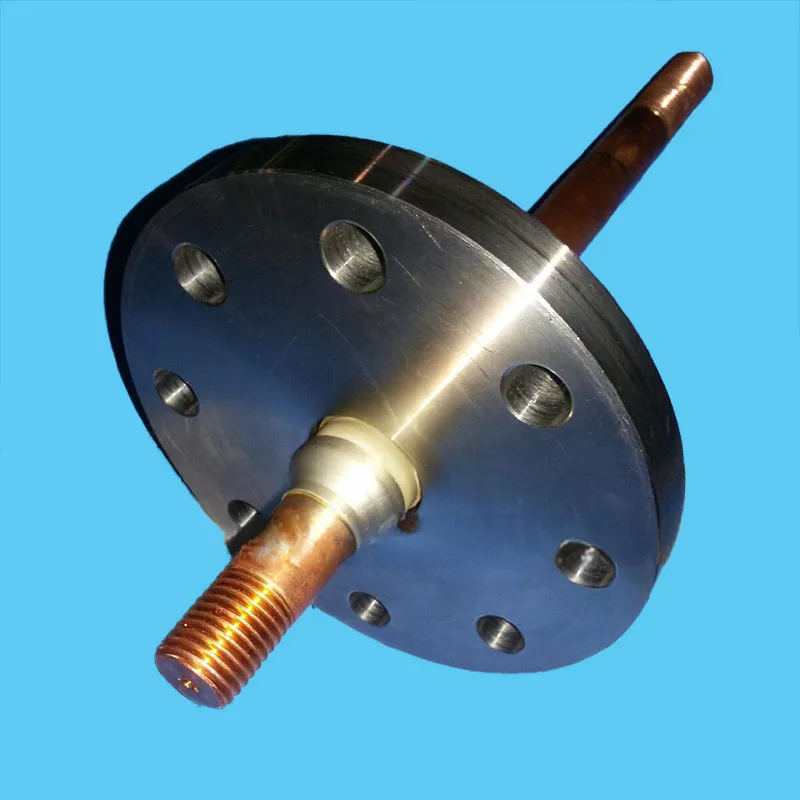
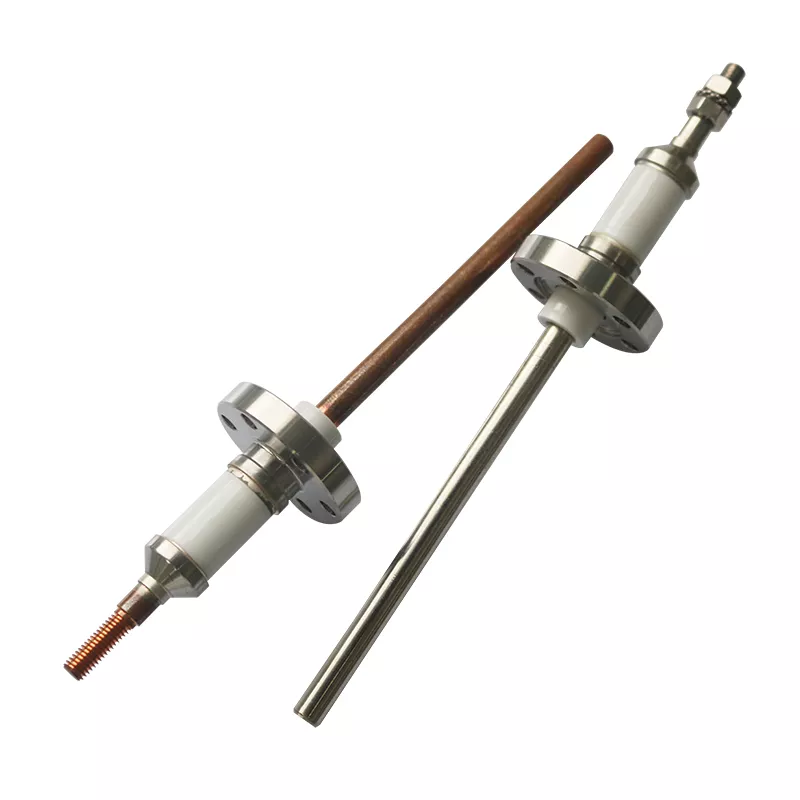
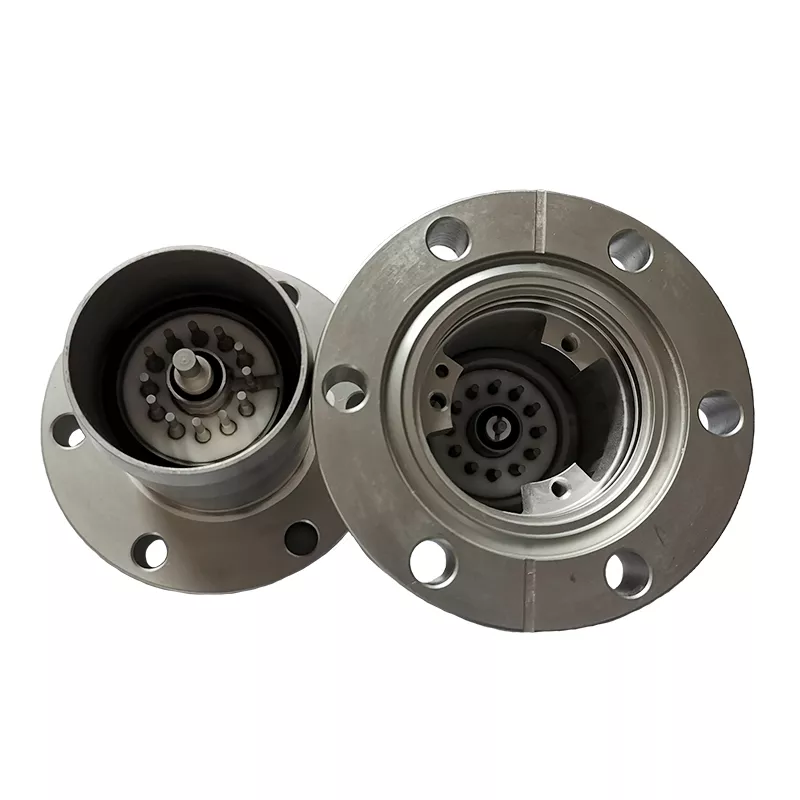


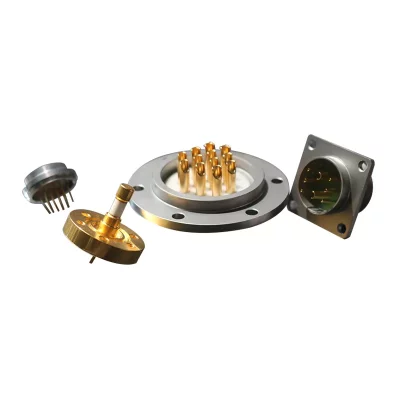
Related Product Catalogue and Quotation




Why Buyers Specify Porcecore for Ceramic-to-Metal Assemblies
Evaluate each ceramic-to-metal assembly through its drawing, material, geometry, joining route and acceptance requirements before requesting a project-specific quotation.
Control the Current Drawing
Share the current drawing revision, referenced dimensions and change status so quotation discussions begin from the part definition your team actually needs.
Match the Material Grade
Identify the ceramic family and grade when known, then review whether the selected material aligns with insulation, temperature, wear, chemical or thermal requirements.
Define Assembly Geometry
Clarify interfaces, mating features, wall sections, holes and dimensional tolerances that determine fit, alignment and integration with the surrounding equipment.
Review the Joining Route
Discuss metallization, brazing or another joining approach in relation to ceramic chemistry, metal pairing, joint design, operating conditions and project requirements.
Specify Functional Surfaces
Identify sealing, mating, conductive, insulating and finish-critical surfaces so important interfaces receive appropriate attention during quotation and technical review.
Set Inspection Evidence
Define acceptance criteria, inspection records, documentation and any testing expectations needed to support internal approval, incoming inspection and clearer sourcing decisions.
Industrial Ceramic Parts and Ceramic-to-Metal Assemblies
Explore materials, components, applications and sourcing resources organized around the requirements that shape a reliable technical ceramic decision.

Ceramic Manufacturing Capabilities
Review ceramic manufacturing capabilities in relation to geometry, mating surfaces, tolerances and inspection needs. For ceramic-to-metal assemblies, share the current drawing revision, quantity and service conditions so Porcecore can clarify feasible process routes and quotation requirements for your project.
Discuss Your Ceramic Part
Ceramic Solutions by Industry
Compare advanced ceramics applications by operating environment, component function and assembly demands. Industry-specific requirements such as temperature, electrical insulation, wear, corrosion or dimensional stability help engineers and procurement teams define a suitable inquiry and identify open technical questions.
Discuss Your Ceramic Part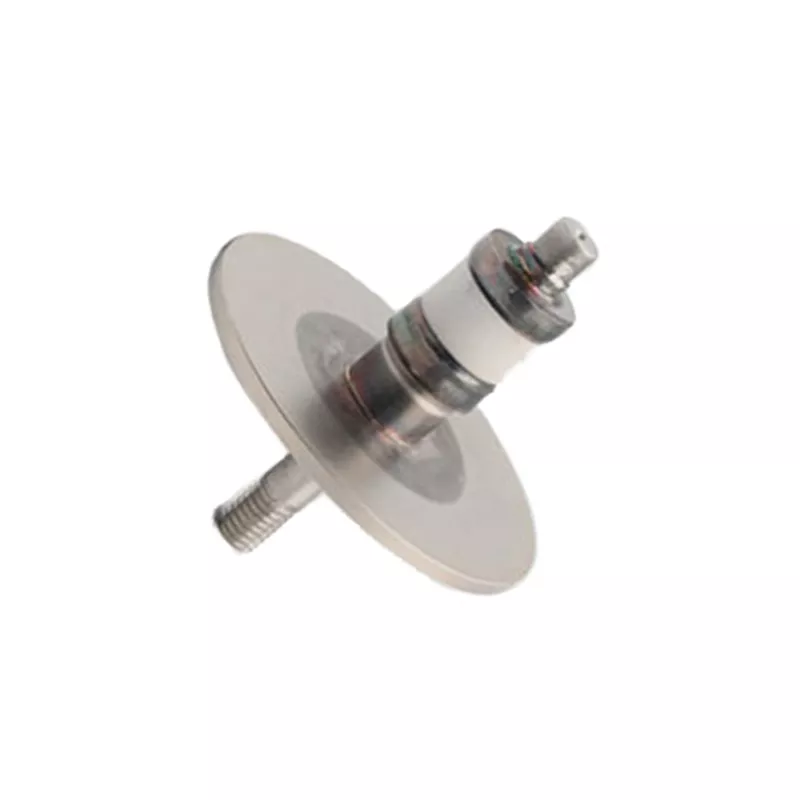
Advanced Ceramic Materials
Evaluate advanced ceramic materials including alumina ceramics, zirconia ceramics, silicon carbide ceramics, silicon nitride, aluminum nitride, boron nitride and specialty grades. Material selection should be confirmed against the required geometry, service conditions, mating surfaces, documentation and project-specific acceptance criteria.
Discuss Your Ceramic Part
Technical Ceramic Products
Find technical ceramic products such as tubes, rods, rings, substrates and other engineered components for equipment builders, industrial buyers and distributors. Product illustrations indicate a starting point; final grade, dimensions, tolerances, finish and availability require drawing-led confirmation.
Discuss Your Ceramic Part
Technical Ceramic Resources
Use technical ceramics guides to distinguish general material properties from grade-specific values and product examples from contractual specifications. These resources support better-informed sourcing decisions, while direct consultation confirms the drawing, application, documentation and acceptance requirements for an individual project.
Discuss Your Ceramic PartCeramic Materials for Ceramic-to-Metal Assemblies
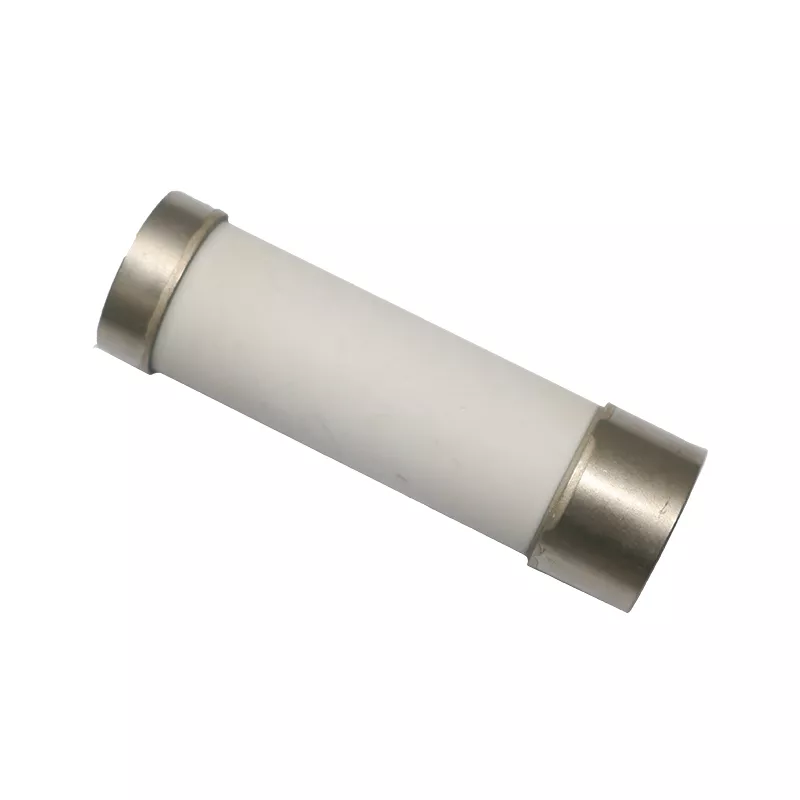
Alumina Ceramic
A hard, smooth-feeling ceramic family commonly considered for electrical insulation, terminals and general industrial assemblies. Its useful attributes include dielectric strength, wear resistance and established engineering familiarity across varied component geometries.

Zirconia Ceramic
A dense, refined ceramic with a comparatively tough handling feel, often evaluated for wear-sensitive parts, precision interfaces and mechanically demanding assemblies. Its technical considerations include fracture toughness, dimensional requirements and application-specific thermal behavior.

Aluminum Nitride
A smooth, electrically insulating ceramic family often considered for thermal-management components and power-electronics assemblies. Its key technical attribute is comparatively high thermal conductivity, with final suitability depending on grade, geometry and joining design.
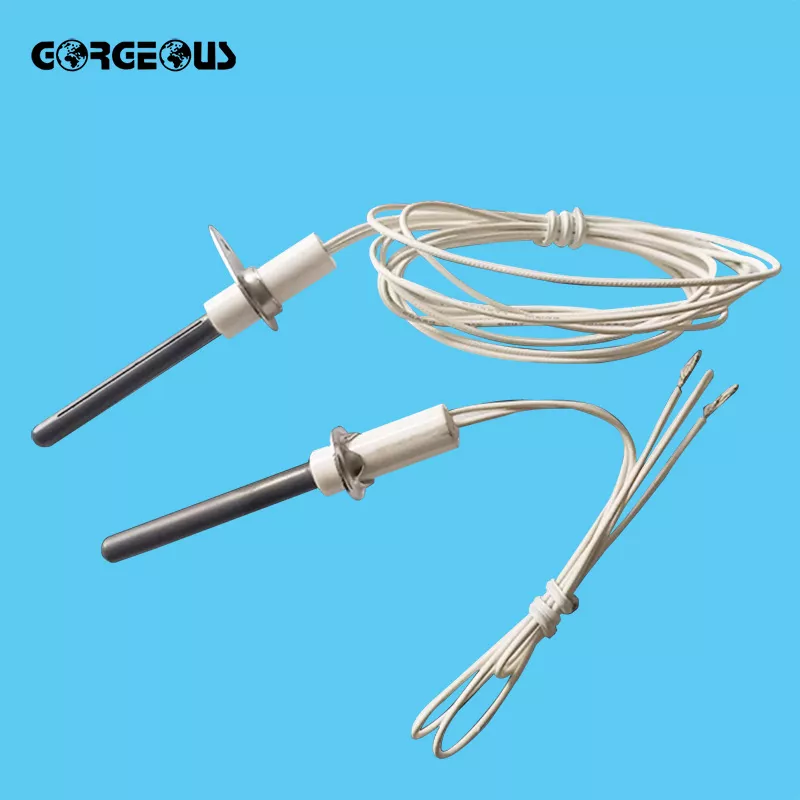
Silicon Nitride
A durable, fine-grained ceramic commonly evaluated for mechanically demanding components, thermal cycling and wear-related applications. Its technical profile can include strong mechanical performance and thermal-shock resistance, subject to grade and design requirements.

Silicon Carbide
A hard, low-friction-feeling ceramic family often considered for high-temperature, abrasive or chemically challenging environments. Relevant technical attributes may include high hardness, wear resistance and thermal stability, with machining and joining constraints reviewed early.

Boron Nitride
A smooth, low-wetting ceramic family often considered for high-temperature fixtures, insulation and specialized processing environments. Its technical attributes can include electrical insulation, thermal stability and release characteristics, depending on grade and operating conditions.
Supported Processes for Ceramic-to-Metal Assemblies
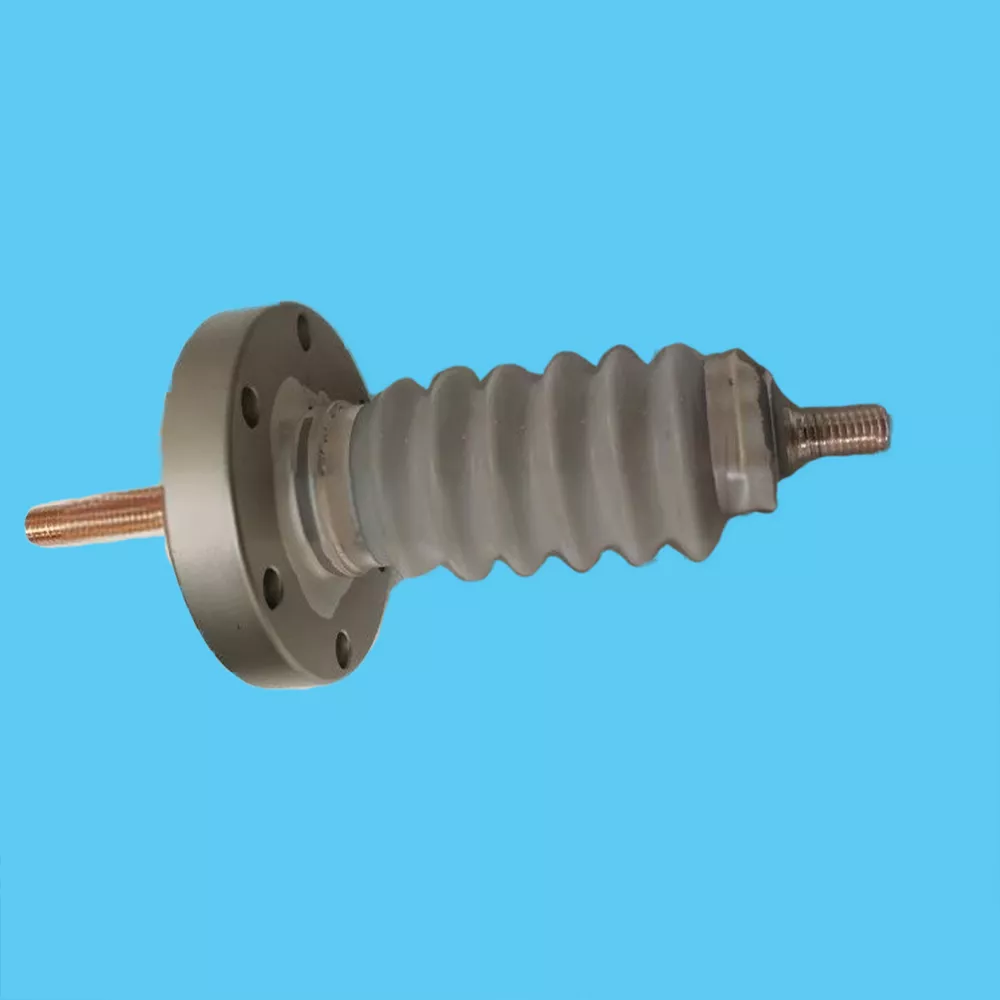
Active Brazing
Active brazing can join selected ceramics directly to compatible metals using a reactive filler alloy. Final suitability depends on material pairing, joint geometry, service conditions, thermal expansion and project-specific inspection requirements.

Metallization Brazing
Metallization prepares a ceramic surface for subsequent brazing to metal hardware or structures. This route may support hermetic or electrically functional assemblies when coating, plating, filler alloy and interface requirements are defined.

Ceramic Machining
Precision machining can refine ceramic holes, faces, slots and mating features after forming or firing. Dimensional targets, surface finish, tolerance strategy and the relationship between ceramic geometry and metal assembly must be reviewed together.

Metal Preparation
Metal components may require cutting, turning, drilling, cleaning or surface preparation before joining with ceramic parts. Material grade, thermal behavior, fit-up, accessible surfaces and downstream assembly requirements influence the appropriate preparation route.

Inspection and Testing
Inspection planning may include dimensional checks, visual review, interface evaluation, leak testing or other project-defined verification. The applicable method and acceptance criteria should be agreed from the drawing, service conditions and approval documentation.
Supported Accessories for Ceramic-to-Metal Assemblies

Metal Terminals
Metal terminals can provide electrical connection or mechanical attachment at the ceramic interface. Specify terminal geometry, alloy preference, loading and mating details from the current drawing for project-specific review.

Mounting Flanges
Mounting flanges support installation into housings, chambers or equipment structures. Their bolt pattern, sealing face, thickness and alignment features should be defined alongside the ceramic body and mating assembly.

Connector Pins
Connector pins may be integrated where an assembly requires defined electrical access through an insulating ceramic component. Pin diameter, spacing, finish, connection method and electrical requirements require drawing-led confirmation.

Sealing Interfaces
Sealing interfaces help establish how the ceramic component joins with a housing, cover or adjacent part. Identify the seal location, surface finish, pressure conditions and inspection expectations before quotation.

Backing Plates
Backing plates can distribute clamping or mounting loads around a ceramic component in a larger assembly. Confirm plate material, contact surfaces, fastener locations and allowable stresses for the intended application.
About Porcecore and Ceramic-to-Metal Assemblies
Founded by Andy Yuan, Porcecore helps industrial procurement teams, engineers, equipment builders and distributors begin with the part and the job it must do. Our mission is to make technical ceramic sourcing more understandable by connecting material choices with geometry, mating surfaces, operating conditions and inspection expectations.
Our scope covers oxide, nitride, carbide and specialty ceramics in component forms such as tubes, rods, rings and substrates. For ceramic-to-metal assemblies, the relevant conversation may include the ceramic grade, metal interface, joining route, dimensions and service environment. Availability and suitability remain project-specific and require confirmation against the current requirement.
Porcecore works through drawing-led communication and clarity before commitment. Share the current drawing revision, known material designation, quantity, service conditions and acceptance criteria so open questions can be identified early. This gives a quotation discussion a concrete basis and helps distinguish general material information from the requirements of an agreed production order.

Ceramic-to-Metal Assembly Capability in Depth
Clarify the Part Requirement
Ceramic-to-metal assemblies begin with the component’s job, not a material label alone. Porcecore helps organize the information needed for a useful quotation, so procurement and engineering teams can identify what is essential before discussing grades, processes, or commercial terms.
- Current drawing revision and component function
- Quantity, service conditions, and operating environment
- Mating surfaces and assembly-defining dimensions
- Required documentation and approval pathway

Review Materials and Geometry
Material selection and geometry should be considered together. Alumina, zirconia, silicon carbide, silicon nitride, aluminum nitride, boron nitride, and other ceramic families may suit different requirements, while interfaces and tolerances determine whether a proposed part can work in the assembly.
- Ceramic family and grade designation, if known
- Thermal, electrical, chemical, and mechanical demands
- Critical dimensions, tolerances, and surface features
- Metal interfaces, joining areas, and clearance conditions
Align Acceptance Criteria
A clear inquiry separates target performance from confirmed production requirements. Porcecore uses the quotation discussion to identify open questions around inspection, documentation, delivery, and commercial terms before ceramic-to-metal assemblies move toward an agreed order.
- Inspection points and measurable acceptance criteria
- Material certificates, test records, or traceability needs
- Packaging, delivery timing, and quantity expectations
- Open decisions requiring buyer or supplier confirmation
Why Choose Porcecore for Ceramic-to-Metal Assemblies
Compare a drawing-led sourcing approach with a typical alternative supplier across the details that shape a workable ceramic component quotation.
← Swipe left or right to view →
Our Ceramic-to-Metal Assemblies Process
From initial requirements to shipment, each ceramic-to-metal assembly project is reviewed against confirmed materials, drawings, inspection expectations and commercial details.
Define Requirements
Share your current drawing, quantity, service conditions, material designation if known, and acceptance criteria so Porcecore can frame the ceramic-to-metal assembly requirement.
Review Materials
Review ceramic families, joining routes, mating surfaces, geometry, and open technical questions before confirming a project-specific material and assembly direction.
Coordinate Production
Align production details with the approved drawing revision, agreed tolerances, quantity, documentation needs, and any special inspection or packaging expectations.
Verify Conformance
Inspect the completed components against confirmed requirements, separating general product information from project-specific acceptance evidence and documented release decisions.
Pack And Ship
Confirm packing, shipping details, and commercial terms before dispatch, then retain the agreed project record for future replacement or repeat inquiries.
How to Source Ceramic-to-Metal Assemblies with Porcecore
Project documentation and approvals are confirmed against the individual material, geometry, inspection plan and customer requirements.
Send Your Part Requirements
Email the current drawing revision or component brief, including material designation, quantity, service conditions, critical dimensions and any known acceptance criteria.
Align Essential Requirements
Align ceramic grade, geometry, mating surfaces, joining approach, documentation needs and inspection expectations so essential requirements are separated from preferences.
Review the Quotation
Review the quotation and sample plan against project quantities, tolerances, delivery expectations and approval needs before selecting the path forward.
Confirm Production Details
Confirm the agreed specification, commercial terms and production plan, then keep the approved drawing and acceptance criteria aligned through delivery.
Ceramic-to-Metal Assemblies: Certificates and Documentation
Customer Reviews and Ceramic-to-Metal Assemblies Project Cases
No verified customer quote has been supplied for publication. Replace this placeholder with an approved buyer statement covering the application, ceramic grade, assembly geometry, inspection basis, and measurable project result before publishing.
Porcecore should publish only a confirmed project case here, including the drawing revision, operating conditions, quantity, acceptance criteria, and outcome. This keeps ceramic-to-metal assemblies claims useful for engineering and procurement decisions.
A publishable testimonial should identify the relevant component and documented result without implying an unsupported capability. Please add an approved customer quote after the project requirements, inspection records, and commercial terms have been confirmed.
The Complete Buyer’s Guide to Ceramic-to-Metal Assemblies
Clear answers for defining ceramic components, requesting an OEM quotation and confirming project requirements.
What information should I provide for a ceramic-to-metal assemblies quotation?
Can Porcecore help select materials and grades for ceramic-to-metal assemblies?
Is there a minimum order quantity for ceramic-to-metal assemblies?
What lead time and sampling cost should I expect?
How are tolerances and functional surfaces defined?
What inspection evidence can be included with ceramic-to-metal assemblies?
How should assemblies be packaged and shipped?
Can Porcecore protect our drawings and support agreed payment terms?
The Complete Buyer’s Guide to ceramic-to-metal assemblies
Use this decision framework to compare assembly types, materials, joining methods, quality controls, and supplier capabilities—while avoiding common specification, cost, qualification, and production mistakes that can delay your equipment program.
1. What Are Ceramic-to-Metal Assemblies?
One engineered component can combine a ceramic insulator with metal hardware to deliver electrical isolation, mechanical load transfer, thermal resistance, and environmental stability. com/en-gb/products/ceramic-to-metal-assemblies). Four related terms describe different scopes: an assembly is the complete joined component; a seal is the interface or construction intended to prevent gas or fluid passage; a terminal provides an electrical connection; and a feedthrough carries conductors through a wall while maintaining separation or hermeticity. These functions can overlap, but they should not be treated as interchangeable in a drawing or quotation. A buyer generally favors this construction when metal is needed for strength, conductivity, fastening, or machinability while ceramic is needed for insulation, heat resistance, or chemical stability. html).
2. Evolution and History of Ceramic-Metal Joining
Early ceramic-to-metal seals relied on metallization, including molybdenum-manganese layers followed by nickel plating, so conventional brazing alloys could wet the ceramic surface. This approach established a practical route for alumina and related ceramics, while making metal selection and thermal-expansion matching central procurement decisions. html
Active brazing later introduced reactive elements such as titanium or zirconium, enabling more direct ceramic bonding and broader material compatibility. Vacuum, inert-gas, and reducing-atmosphere processing improved interface control, while tighter helium or mass-spectrometer leak testing supported hermetic service in vacuum electronics, aerospace, medical, and industrial equipment. com/capabilities/ceramic-to-metal-seals/
Modern ceramic-to-metal assemblies reflect continued gains in dimensional control, miniaturization, and joint reliability. Feedthroughs, terminals, sensors, and high-voltage components now serve demanding electronics, semiconductor, medical, and high-energy applications, where buyers should evaluate leak limits, geometry, atmosphere, and inspection criteria together.
3. Types of Ceramic-to-Metal Assemblies
Five formats recur across ceramic-to-metal assemblies, but the same label can hide different interfaces and duty cycles. Classify each assembly by what it must connect, seal, insulate, or sense.
Hermetic Feedthroughs
Pins, headers, and flanges carry power or signals through sealed walls.
Voltage, current, vacuum level, and allowable leakage determine the configuration.
Ceramic Terminals And Connectors
Studs, lugs, and connector bodies provide insulated electrical interfaces.
Standard bushings suit repeatable needs; custom shapes address mounting or clearance constraints.
Brazed Structural Assemblies
Flanges, sleeves, and ceramic bodies combine insulation with mechanical support.
Joint loads, thermal cycling, and dimensional interfaces define the design question.
Vacuum And Pressure Seals
Sealed rings and housings separate vacuum, pressure, or corrosive process zones.
Pressure range, temperature, media, and leak criteria distinguish standard from custom geometries.
Sensor And High-Voltage Assemblies
Electrodes, sensor carriers, and insulating feedthroughs manage measurement or high-voltage exposure.
Ask what signal integrity, dielectric spacing, and environmental stability the application requires.
4. Materials for Ceramic-to-Metal Assemblies
94–99% alumina, aluminum nitride, zirconia, and silicon nitride address different electrical, thermal, toughness, and wear requirements.
Ceramic Selection
Alumina is a dielectric baseline; AlN favors heat spreading, zirconia favors toughness, and silicon nitride favors strength and thermal shock resistance. Grade-specific properties still require confirmation.
CTE mismatch creates stress during brazing and thermal cycling, especially in thick or constrained sections. Dimensional stack-up and compliant geometry matter alongside material data.
| Ceramic | Primary Advantage | Typical Consideration |
|---|---|---|
| Alumina | Dielectric strength | General insulation |
| AlN | Thermal conductivity | CTE matching |
| Zirconia | Toughness | Dimensional change |
| Silicon nitride | Mechanical strength | Thermal shock |
Metal Pairing
Kovar and molybdenum can support controlled expansion; stainless steel and nickel alloys offer corrosion or temperature capability. Copper improves conductivity, while titanium may support specialized active-braze systems.
Surface finish, wall thickness, and metal grade affect distortion, stress concentration, and final dimensions. Confirm the mating surfaces and inspection tolerances on the drawing.
Joining Compatibility
Mo-Mn metallization followed by nickel plating enables conventional brazing; active fillers containing titanium or zirconium can react directly with ceramic surfaces. Filler alloy choice controls wetting and interface chemistry. Vacuum, inert, or reducing atmospheres influence oxidation, wetting, and contamination. html).
5. Customization and Joining Options
Geometry and joining route determine whether ceramic-to-metal assemblies meet the drawing, service environment, and inspection plan. Porcecore treats material, interface, and acceptance criteria as one quotation conversation.
| Route | Typical fit | Evidence to request |
|---|---|---|
| Active brazing | Direct ceramic joining | Cross-section and thermal profile; https://www.ceramic-solutions.com/Scientific-Articles/340.html |
| Metallization plus brazing | Conventional filler-metal process | Metallization and plating records; https://www.mpdcomponents.com/ceramicmetalseals.htm |
Design Customization
A drawing should define geometry, wall thickness, holes, terminals, mating surfaces, tolerances, and datums. Identify dimensions that control assembly rather than naming a material alone.
Joining Methods
Two established routes are active brazing and metallization followed by conventional brazing. Active alloys use reactive elements such as titanium; Mo-Mn metallization creates a bondable ceramic surface.
Active brazing may suit direct joining; metallization can suit controlled, conventional filler-metal processes. Request joint cross-sections, thermal profiles, and leak-test evidence.
Finishing Requirements
Nickel plating, terminal finishing, dimensional grinding, and post-braze cleaning should be specified by surface, thickness, contamination limit, and inspection method.
Qualification Documentation
Revision-controlled drawings, material designations, tolerances, process records, inspection results, and acceptance criteria should accompany approval samples. Confirm whether hermeticity, electrical testing, or cleanliness applies to the finished assembly.
6. Key Construction and Quality Elements
Thermal-expansion mismatch, interface chemistry, and inspection discipline determine whether ceramic-to-metal assemblies remain stable in service. Quote packages should define process controls and measurable acceptance criteria.
Manage Expansion And Joint Stress
CTE pairing, joint clearance, and compliant geometry limit thermal stress during cycling. Avoid sharp ceramic corners and abrupt section changes that concentrate stress at the braze line.
Control The Braze Interface
Clean, activated ceramic surfaces are essential because most ceramics wet poorly without metallization or an active element. Control surface preparation, wettability, atmosphere, and reaction-layer thickness; excessive brittle reaction products can weaken the joint. Source: https://www.ceramic-solutions.com/Scientific-Articles/340.html
Require records for metallization or activation, braze alloy, lot traceability, furnace profile, and visual or microscopic joint review.
Define Inspection And Acceptance
Specify dimensional inspection against the latest drawing, including mating surfaces, concentricity, flatness, and critical tolerances. Define electrical resistance, dielectric withstand, or insulation-resistance testing where applicable.
For hermetic assemblies, state helium leak limits or another justified method, test pressure, orientation, and reporting format. Request nonconformance records, calibration status, and certificates before production approval.
7. How to Choose a Ceramic-to-Metal Assemblies Manufacturer
Choose a supplier by verified evidence: engineering review, joining routes, inspection discipline, and communication should match the assembly’s risks.
Verify Technical Capability
Start with ceramic grades, compatible metals, metallization or brazing routes, equipment, cleanliness controls, and design-for-manufacture support.
Build A Complete RFQ
Include the current drawing, material designations, quantities, tolerances, mating surfaces, service temperature, pressure, vacuum, chemistry, and thermal cycling.
Confirm Before Commitment
A quotation should identify assumptions, open questions, process limitations, and the revision reviewed by the supplier.
8. Common Buyer Mistakes to Avoid
Small omissions can turn a workable design into a costly requalification.
Specification Errors
A material name alone does not define performance. Match ceramic, metal, joint geometry, and thermal-expansion behavior, then state leak rate, insulation, mating surfaces, tolerances, and operating conditions.
Replace vague requests such as ‘tight tolerance’ with drawing limits and acceptance criteria. Identify cleaning, handling, and packaging requirements before quotation.
Supplier Selection Gaps
Three quotations may represent three different scopes. Normalize material grades, joining route, inspection, documentation, tooling, packaging, and delivery assumptions before comparing price. Ask each supplier to identify open design risks and required inputs.
Testing Omissions
One successful visual sample does not prove hermeticity or electrical performance. Define leak testing, dielectric or insulation testing, dimensional inspection, and sample quantity before approval.
Validate representative assemblies under the actual thermal, pressure, vacuum, or chemical conditions. Record results against the released drawing and acceptance plan.
Cost Comparison Errors
The lowest unit price can exclude tooling, destructive tests, cleaning, special packaging, or engineering changes. Request a normalized cost breakdown and separate recurring from one-time charges.
Confirm whether quoted tolerances and inspection levels match the application. Otherwise, apparent savings may reappear as rework, rejects, or delayed qualification.
Production Ramp Mistakes
A prototype approval does not automatically establish a stable production process. Freeze the sample configuration, critical characteristics, inspection records, cleaning controls, packaging method, and change-notification expectations. Use a controlled pilot lot before volume release.
9. Steps to Launch Your Ceramic-to-Metal Assembly Program
Eight decisions move a ceramic-to-metal assemblies program from application need to controlled production.
Define Conditions And Interfaces
Step 1 records temperature, pressure, vacuum, voltage, atmosphere, cycling, load, service life, quantity, and acceptance criteria. Identify every ceramic and metal mating surface.
Step 2 supplies the current drawing revision, interface dimensions, tolerances, materials if known, and required documentation. Distributors should add the end-customer part number and replacement history.
Select And Review The Design
Two preliminary material-pair options should be compared against thermal expansion, electrical, chemical, and joining requirements. Treat grades and availability as items for confirmation, not assumptions.
Prototype And Qualify Samples
The prototype order should define quantity, revision, process records, dimensional inspection, leak or electrical tests, and sample retention. Test results must reference the actual assembly and agreed limits.
Qualification then covers application-specific thermal cycling, pressure, dielectric, mechanical, or environmental testing. Record deviations, corrective actions, and the approval authority before production release.
Approve And Monitor Production
First-article approval confirms drawing revision, material certificates, inspection results, packaging, and traceability. Supplier approval should name the released specification, change-notification rules, and requalification triggers. The first production lots deserve heightened review of dimensions, joints, cleanliness, and test data.
10. Ceramic-to-Metal Assemblies Pricing and Cost Factors
1 drawing revision should identify the ceramic and metal grades, mating surfaces, tolerances, joining route, inspection requirements and service conditions.
| Cost driver | Indicative relative impact | Setup implications | Lead-time considerations |
|---|---|---|---|
| Material selection | Low to high | Ceramic grade, metal alloy and availability require confirmation | Specialty materials may extend sourcing |
| Geometry and tolerances | Medium to high | Complex shapes, tight fits and tooling may require development | First-article work usually adds time |
| Metallization and brazing | Medium to high | Surface preparation, fixtures and joint design affect setup | Multiple joining steps can extend processing |
| Testing and cleanliness | Low to high | Leak, dimensional, electrical or cleanliness checks must be defined | Qualification testing can add cycles |
| Order quantity and qualification | Lower unit cost at volume; higher initial cost | Samples and approval lots carry setup and documentation effort | Provide quantity, drawing revision and acceptance criteria for an accurate Porcecore quote |
Discuss Your Ceramic-to-Metal Assemblies Project Requirements
Email a drawing or operating-environment brief to begin a project-specific quotation discussion with Porcecore’s sourcing team.