
Ceramic Heater Components for Drawing-Led OEM Sourcing
Source industrial ceramic parts and custom ceramic components with clear requirements, project-specific review, and direct quotation support from Porcecore.
Ceramic Heater Components and Related Parts
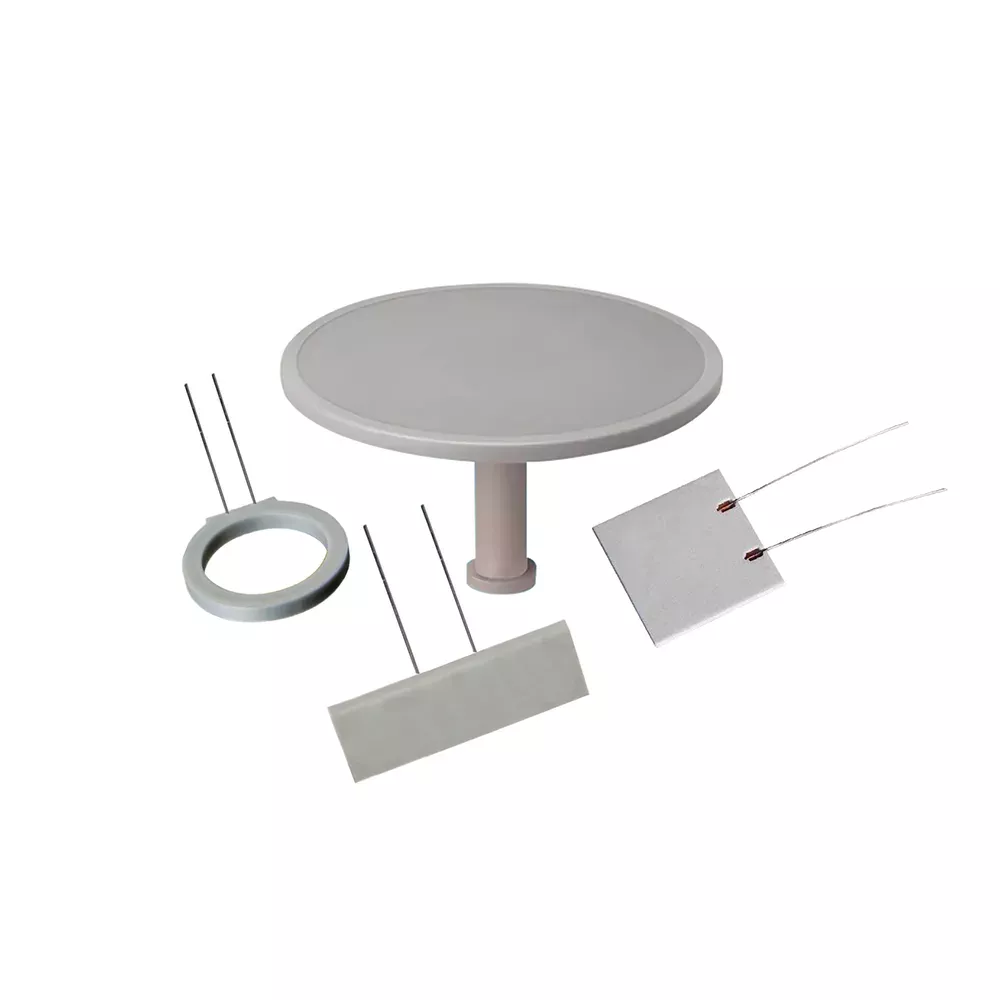


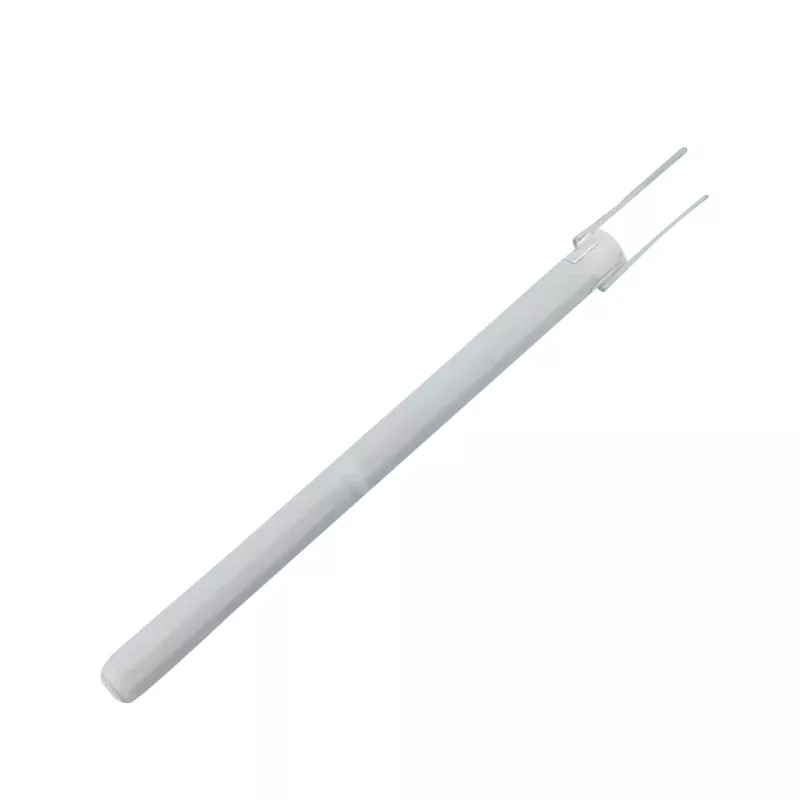
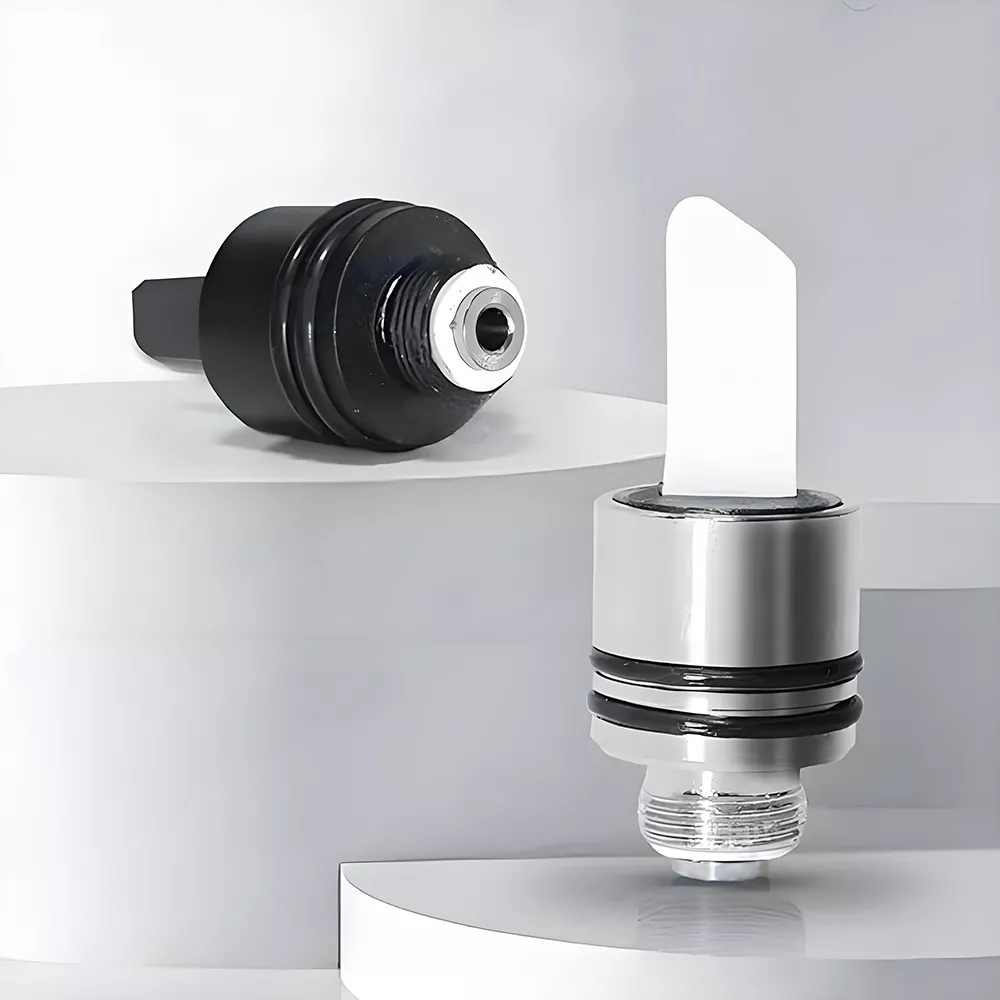

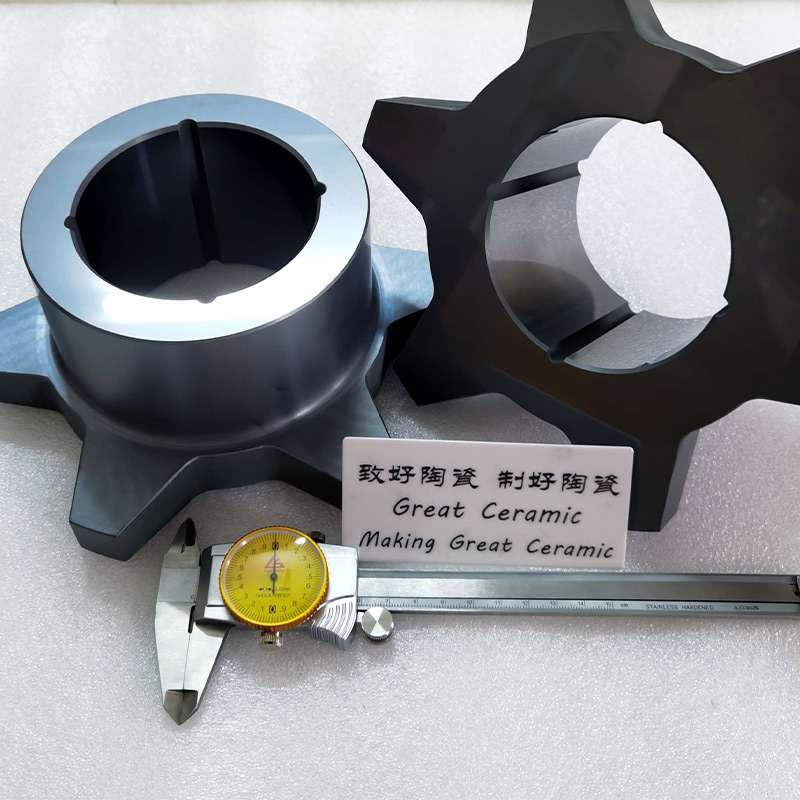



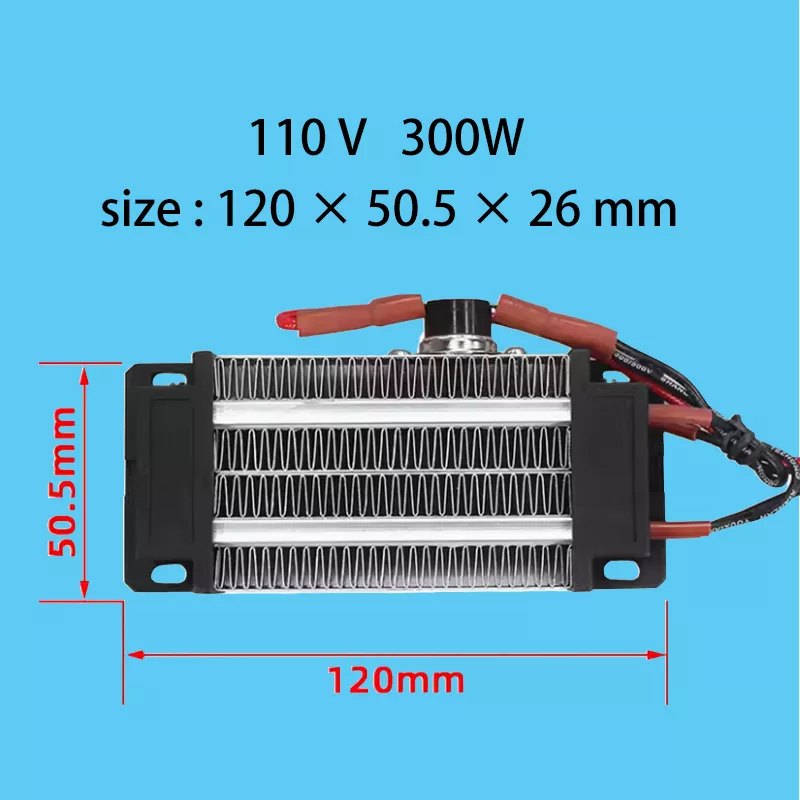
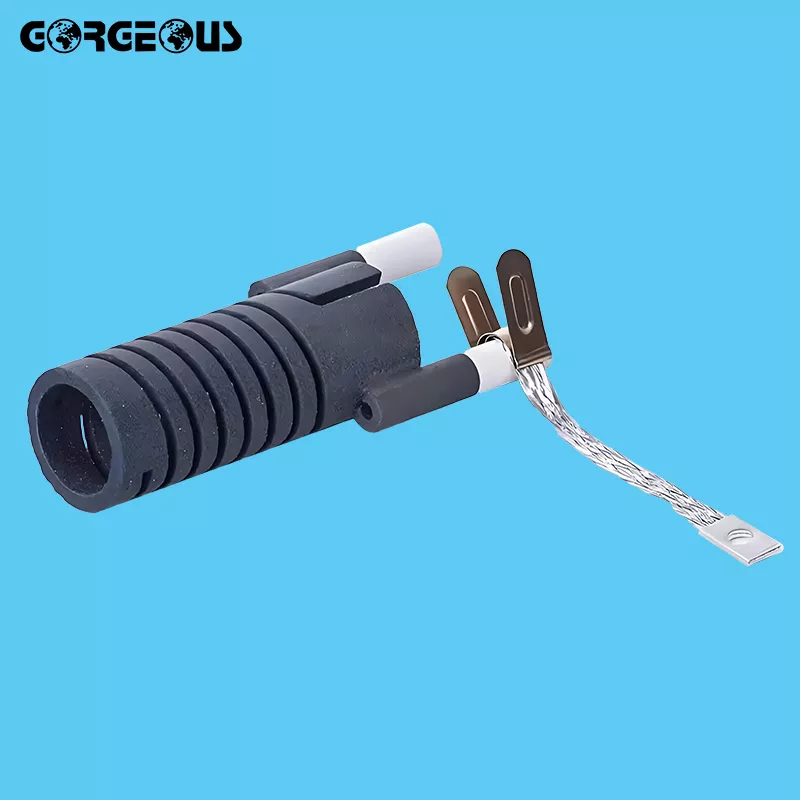

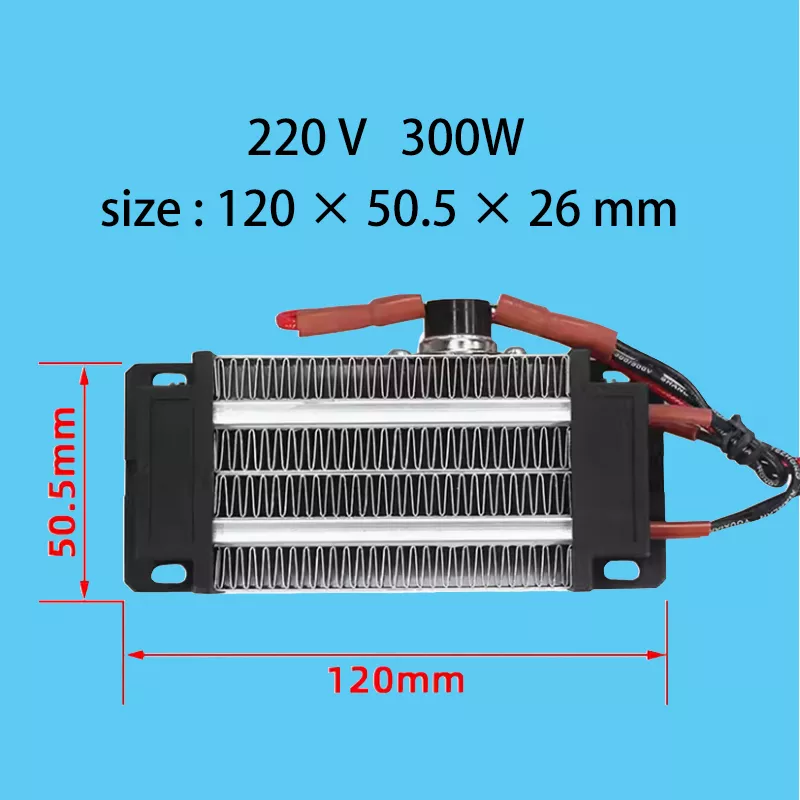

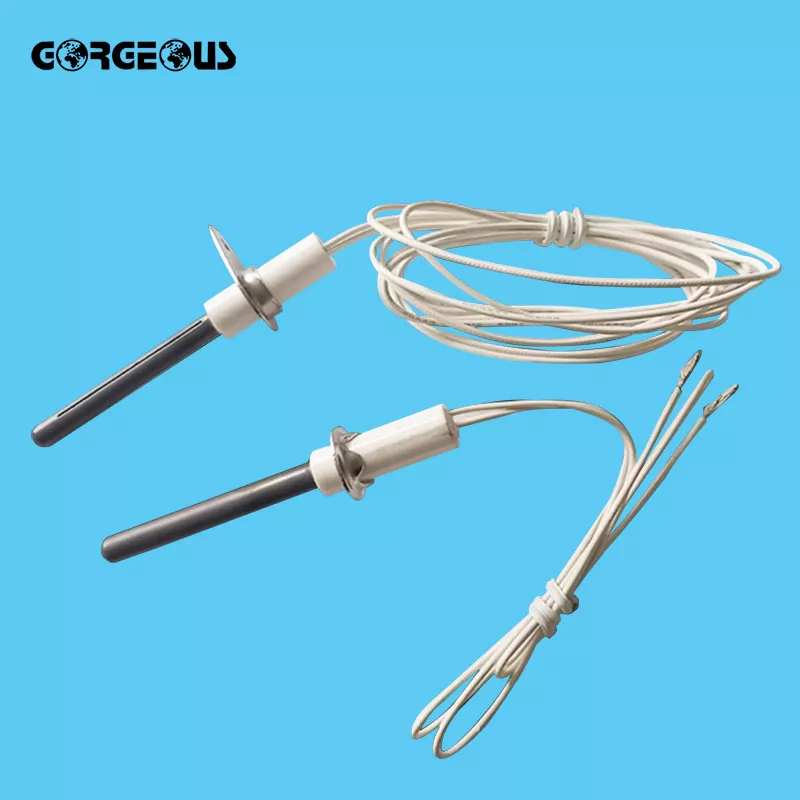
Related Ceramic Component Catalogue and Quotation






Why Source Ceramic Heater Components from Porcecore
A clearer path from material selection and part definition to a drawing-led technical inquiry.
Start with the Current Drawing
Share the current drawing revision, critical dimensions and open questions so quotation discussions stay aligned with the part being evaluated.
Confirm the Ceramic Material Grade
Review oxide, nitride, carbide and specialty ceramic options against the required grade, thermal behavior and electrical role, with availability confirmed for the individual project.
Define Geometry and Assembly Interfaces
Explain dimensions, tolerances, mating surfaces and assembly constraints that determine whether the component fits the surrounding heater design as intended.
Clarify Critical Functional Surfaces
Identify sealing, contact, mounting and mating surfaces, along with their tolerances and finish expectations, because performance depends on how the component interfaces with adjacent parts.
Describe Operating Conditions Clearly
Include temperature, electrical, thermal, mechanical and environmental conditions so Porcecore can distinguish essential service requirements from assumptions during technical review.
Set Acceptance and Inspection Expectations
Specify inspection points, documentation needs and acceptance criteria early, giving procurement and engineering teams a clearer basis for comparison and approval.
Ceramic Components by Material, Form and Application
Explore technical ceramic categories, clarify project requirements and prepare a more focused drawing-led sourcing inquiry.

Ceramic Manufacturing Capabilities
Review ceramic manufacturing capabilities in relation to geometry, tolerances, mating surfaces, quantity and inspection expectations. Share the current drawing revision and operating conditions so Porcecore can frame a quotation around the required component, process fit and acceptance criteria.
Discuss Your Ceramic Part
Ceramic Solutions by Industry
Advanced ceramics applications vary across thermal, electrical, wear, chemical and high-temperature service environments. Define the industry context, duty cycle, interfaces and failure concerns to identify a practical ceramic component direction for equipment builders, engineers and procurement teams.
Discuss Your Ceramic Part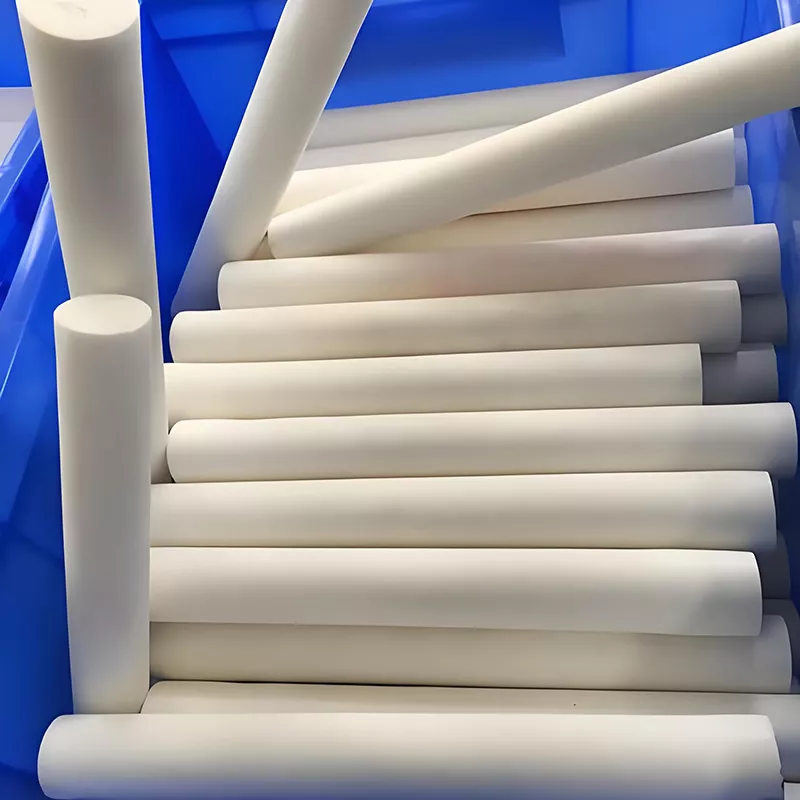
Advanced Ceramic Materials
Compare advanced ceramic materials including alumina ceramics, zirconia ceramics, silicon carbide ceramics, silicon nitride, aluminum nitride, boron nitride and specialty families. Material selection should be tied to the required grade, geometry, operating conditions and project-specific documentation rather than a material name alone.
Discuss Your Ceramic Part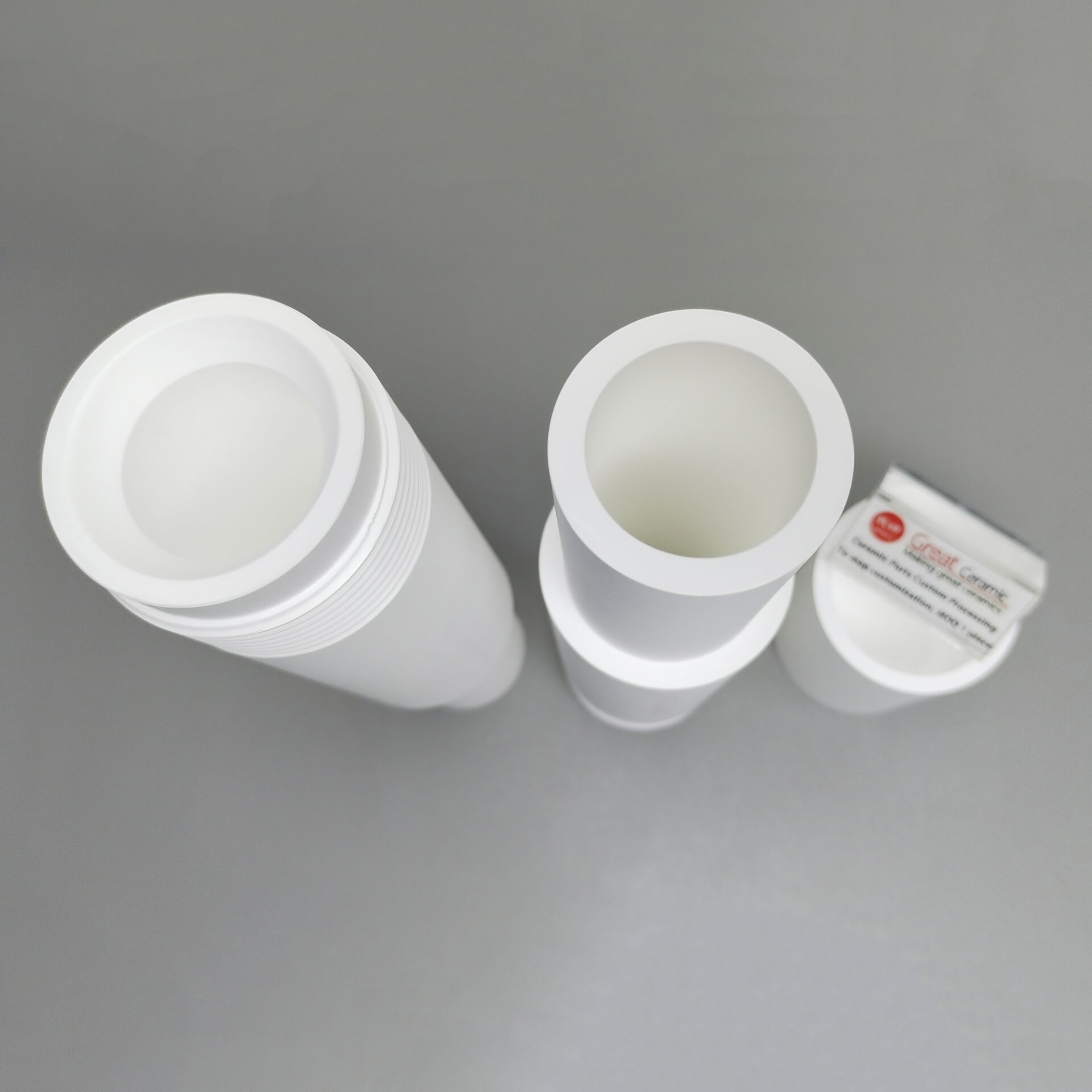
Technical Ceramic Products
Technical ceramic products may include tubes, rods, rings, substrates and other engineered components. Procurement teams can narrow an inquiry by specifying dimensions, tolerances, fitted surfaces, quantity, service conditions and inspection requirements for the intended assembly or replacement part.
Discuss Your Ceramic Part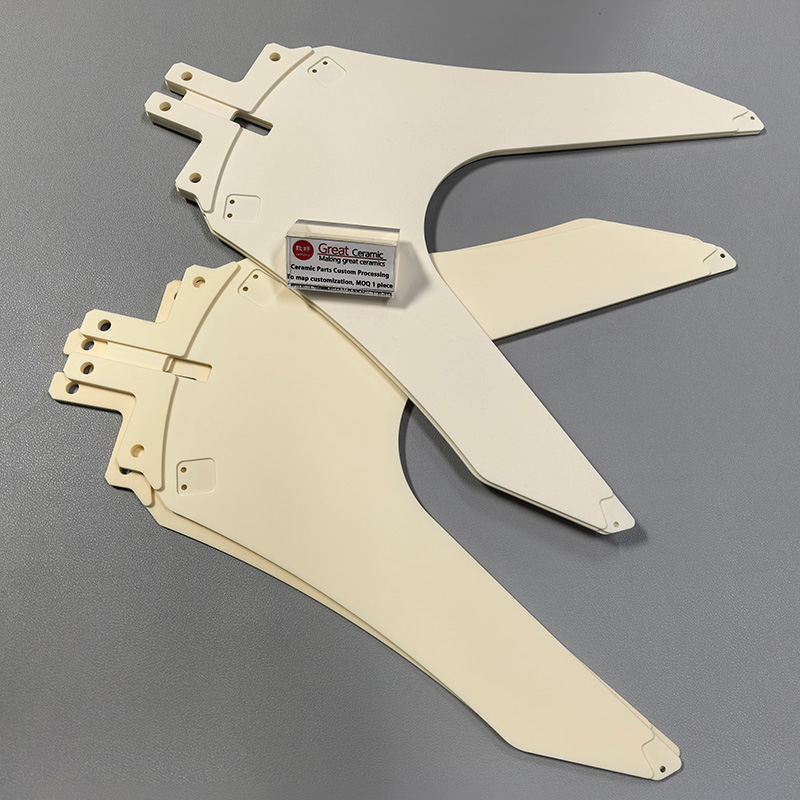
Technical Ceramic Resources
Use technical ceramics guides to distinguish general material properties from grade-specific values and product illustrations from confirmed specifications. These resources help identify open questions before contacting Porcecore by email or WhatsApp with a drawing, material designation and acceptance criteria.
Discuss Your Ceramic PartTechnical Ceramic Materials for Ceramic Heater Components
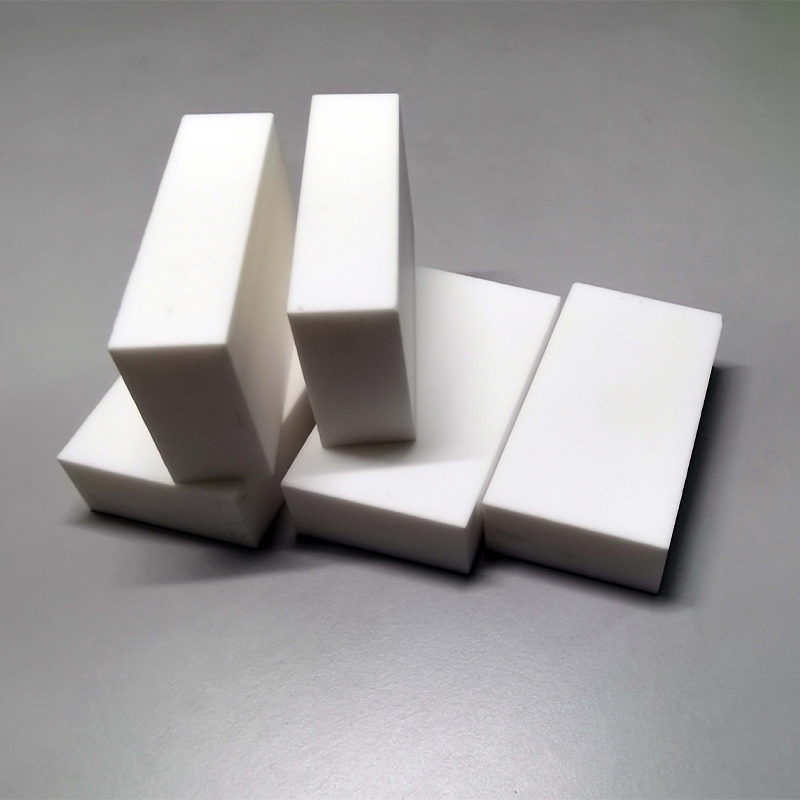
Alumina Ceramic
Alumina offers a widely used balance of electrical insulation, thermal stability and cost for ceramic heater components. Grade selection, purity, dimensions and surface requirements should be confirmed for each assembly.

Zirconia Ceramic
Zirconia is considered where toughness, wear resistance or specialized mechanical performance matters in ceramic heater components. The appropriate grade, geometry, mating surfaces and thermal conditions require project-specific review.
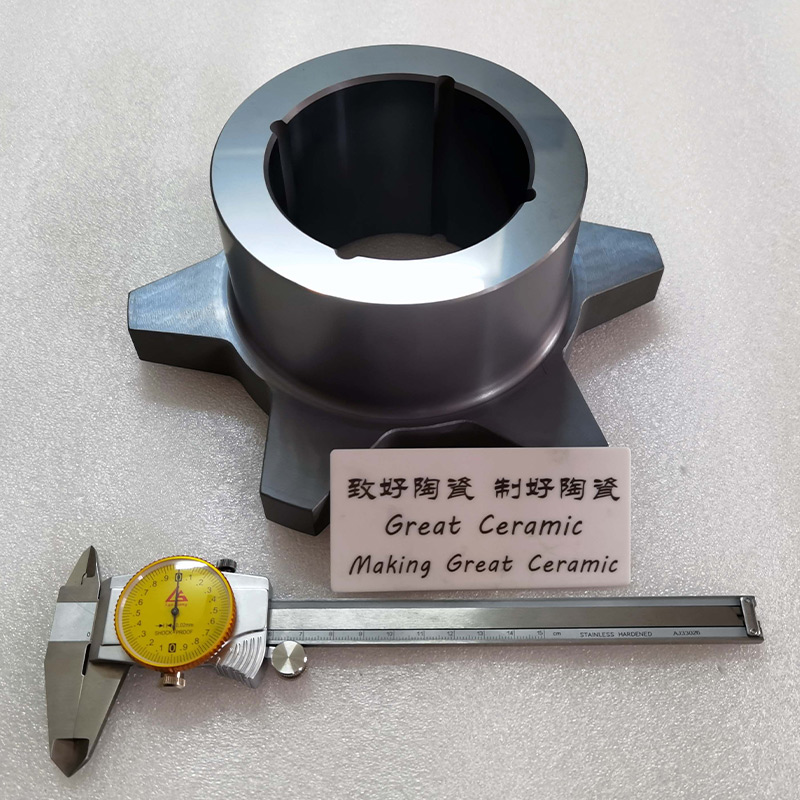
Silicon Carbide
Silicon carbide provides strong high-temperature capability, thermal conductivity and resistance to demanding environments. It may suit selected heater component applications, subject to confirmation of grade, geometry and inspection requirements.
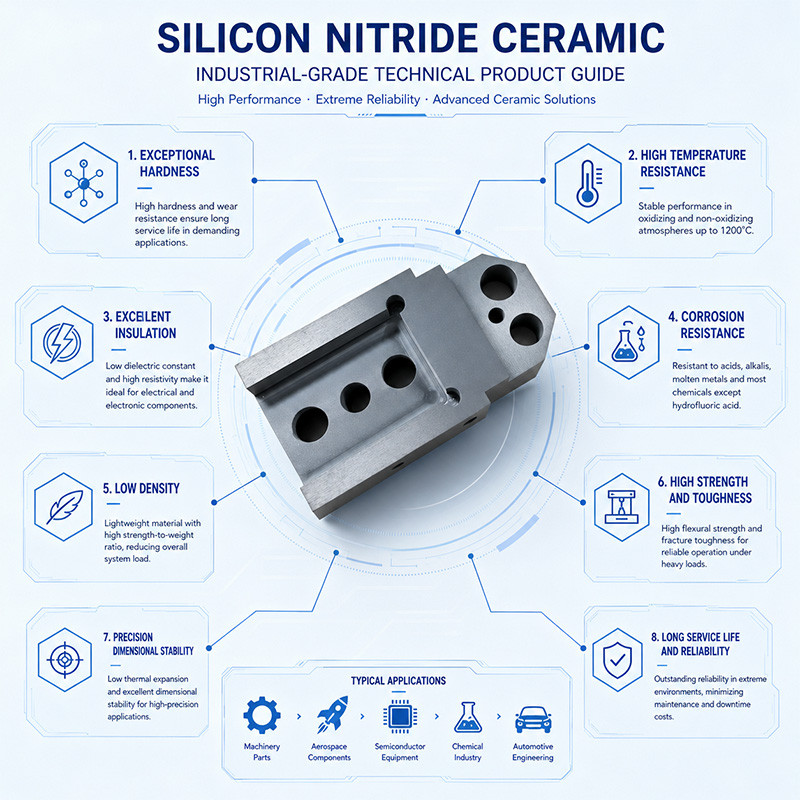
Silicon Nitride
Silicon nitride combines thermal shock resistance with useful mechanical strength for demanding ceramic heater component environments. Material grade, dimensional tolerances and service conditions should be evaluated against the current drawing.

Aluminum Nitride
Aluminum nitride is considered when electrical insulation and high thermal conductivity are important for ceramic heater components. Grade, metallization or interface details, geometry and availability need confirmation for each project.
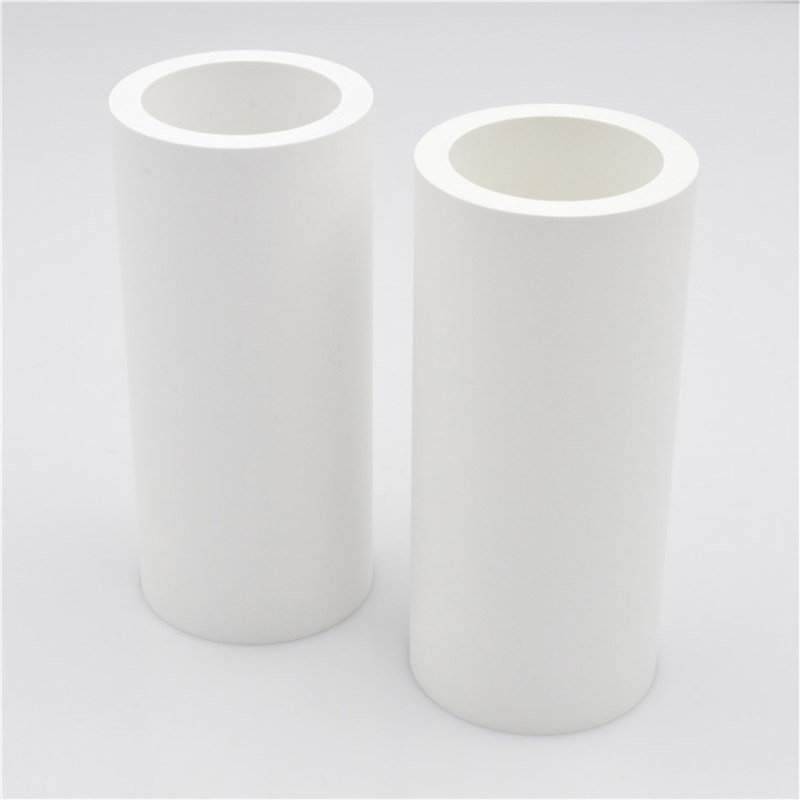
Boron Nitride
Boron nitride offers electrical insulation, lubricity and useful thermal performance in selected heater-related applications. The required grade, shape, surface condition and acceptance criteria should be defined before quotation.
Ceramic Heater Components: Forming and Finishing Processes

Dry Pressing
Dry pressing can suit repeatable ceramic shapes where powder compaction, tooling direction and dimensional allowances are understood. Review focuses on geometry, quantity, material grade, shrinkage expectations and the tolerances that matter during assembly.

Isostatic Pressing
Isostatic pressing may support ceramic geometries that require more uniform compaction or larger sections. Project discussions consider part dimensions, wall thickness, material behavior, machining allowances, production quantity and the acceptance criteria defined by the drawing.

Ceramic Injection Molding
Ceramic injection molding can be considered for complex, repeatable geometries and suitable production volumes. Feasibility depends on feature detail, tooling economics, material grade, shrinkage control, dimensional tolerances and the surfaces required for final assembly.

Diamond Grinding
Diamond grinding is used to refine ceramic dimensions, edges and functional surfaces after forming or firing. Suitability depends on material hardness, required tolerance, surface interaction, datum strategy, quantity and the areas that determine fit.

Lapping and Polishing
Lapping and polishing can improve selected ceramic surfaces where flatness, smoothness or controlled contact is important. Porcecore reviews the specified surface zones, measurement method, dimensional limits and inspection expectations rather than assuming one finish fits every application.

Metallization and Assembly
Metallization and assembly discussions address ceramic parts that interface with electrical, mechanical or joining features. Requirements may include metallized areas, mating surfaces, joining method, thermal conditions, dimensional control and project-specific inspection documentation.
Ceramic Heater Components: Accessories and Supporting Parts

Mounting Insulators
Ceramic mounting insulators separate energized heater elements from frames, brackets or adjacent hardware. Define geometry, creepage distance, temperature exposure and mating surfaces so the support performs reliably within the intended assembly.

Lead Feedthroughs
Ceramic lead feedthroughs guide and electrically isolate heater wires through housings, shields or process chambers. Confirm conductor size, sealing approach, insulation distance, operating temperature and connection geometry against the current drawing.

Support Rings
Support rings position heater elements, tubes or internal assemblies while maintaining spacing during operation. Specify inner and outer diameters, flatness, thermal exposure, contact surfaces and any retention features required for installation.

Insulating Spacers
Ceramic insulating spacers maintain controlled separation between heating elements and surrounding components. Their thickness, hole pattern, dielectric requirements and compression conditions should be reviewed together with the assembly drawing and service environment.

Protective Shields
Ceramic protective shields help isolate heater elements from radiant heat, particles or nearby conductive hardware. Discuss profile, openings, thermal cycling, surface finish and inspection criteria when the shield affects access or replacement.
About Porcecore and Our Technical Ceramic Components
Founded by Andy Yuan, Porcecore helps industrial procurement teams, engineers and equipment builders connect ceramic material choices with clearly defined component requirements. Our focus is technical ceramic components for projects where geometry, operating conditions, mating surfaces and inspection expectations all matter to the final sourcing decision.
Porcecore’s ceramic heater components scope spans oxide, nitride, carbide and specialty ceramics, including familiar forms such as tubes, rods, rings and substrates. Buyers can begin with a material family, component form, drawing or replacement requirement, then shape the inquiry around the grade, geometry and service conditions relevant to the application.
What distinguishes Porcecore is a practical, drawing-led approach to technical communication. We aim to clarify essential requirements, identify open questions and separate general material information from project-specific confirmation. Send a drawing revision, quantity, service conditions and acceptance criteria to begin a more useful quotation discussion.
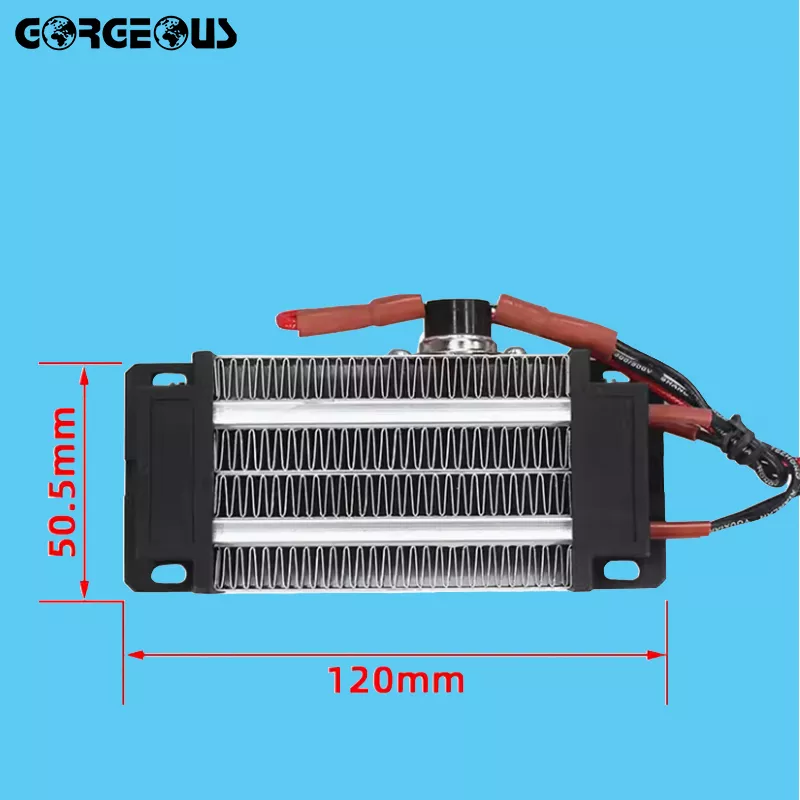
Core Capabilities for Ceramic Heater Components
Clarify the Part Requirement
Porcecore helps turn an initial heater-component need into a clearer quotation brief. We review the component’s function, operating environment and assembly role so procurement and engineering teams can distinguish essential requirements from preferences before discussing material, geometry or production options.
- Application and service-condition review
- Drawing revision and quantity confirmation
- Operating temperature and environment discussion
- Open requirements identified before quotation
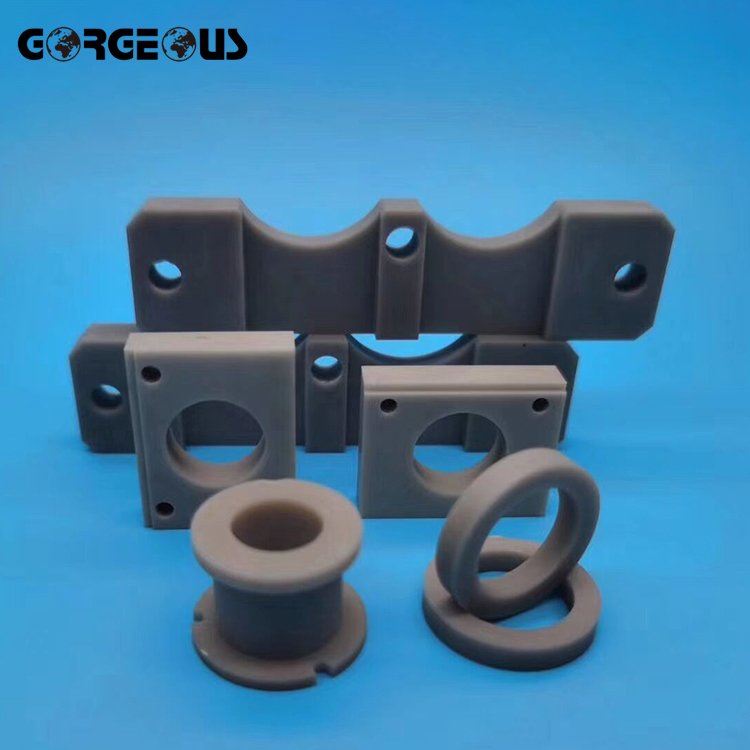
Match Material to Service
Material selection begins with the job, not a catalogue label alone. Porcecore can discuss alumina, zirconia, silicon carbide, silicon nitride, aluminum nitride, boron nitride and other technical ceramics against the project’s thermal, electrical, mechanical and chemical requirements.
- Material family reviewed against application demands
- Grade and property questions kept project-specific
- Thermal and electrical needs considered together
- General properties separated from grade-specific values

Review Geometry and Interfaces
For ceramic heater components, geometry and mating surfaces can determine whether a part assembles and performs as intended. A drawing-led review focuses on critical dimensions, fits, holes, edges, surface relationships and the features that connect the ceramic part to adjacent hardware.
- Critical dimensions and tolerances identified
- Mating surfaces and assembly fits reviewed
- Geometry discussed alongside forming and finishing limits
- Replacement-part details checked against the current revision

Align Acceptance Criteria
A useful quotation should make approval expectations visible early. Porcecore works with buyers to identify inspection points, documentation needs, material designation, delivery expectations and other acceptance criteria that require confirmation for the individual ceramic heater component project.
- Inspection and documentation requirements clarified
- Acceptance criteria linked to drawing features
- Material designation recorded when known
- Commercial and delivery terms confirmed separately

Why Choose Porcecore for Ceramic Heater Components
Compare a clearer, drawing-led approach to technical ceramic sourcing for heater components and OEM projects.
← Swipe left or right to view →
A Drawing-Led Process for Ceramic Heater Components
A clear, drawing-led workflow connects material review, manufacturing, inspection and delivery while keeping grade, geometry and acceptance requirements project-specific.
Define the Requirement
Share the current drawing revision, material designation if known, quantity, service conditions, mating surfaces and acceptance criteria so the quotation starts with a defined requirement.
Review Material and Geometry
Porcecore reviews suitable oxide, nitride, carbide or specialty ceramic options alongside geometry, tolerances, interfaces and application conditions; proposed grades require project-specific confirmation.
Form or Machine
The confirmed production route may include ceramic forming, sintering, machining or finishing according to the component design, material system, quantity and dimensional requirements.
Inspect and Document
Inspection focuses on agreed dimensions, tolerances, surfaces and acceptance criteria, with requested documentation prepared for engineering review, approval and purchasing records.
Pack and Ship
Approved ceramic heater components are prepared for shipment according to the confirmed order, packaging, delivery and commercial terms, with open details clarified before dispatch.
How to Source Ceramic Heater Components
Move from a defined part requirement to a confirmed production order through clear technical and commercial review.
Submit Your Part Requirements
Send the current drawing revision, known material designation, quantity, service conditions and critical mating surfaces so Porcecore can understand the requirement.
Review the Quotation Basis
Review the quotation basis, open technical questions, sampling expectations and documentation needs before deciding which details require clarification or confirmation.
Confirm Acceptance Criteria
Confirm project-specific grade, geometry, tolerances, inspection methods and acceptance criteria, distinguishing essential requirements from preferences before production planning begins.
Proceed with the Agreed Order
Proceed toward an agreed production order after specifications, documentation, delivery expectations and commercial terms are reviewed and confirmed for the individual project.
Project Evidence for Ceramic Heater Components
Customer Results with Ceramic Heater Components
Verified customer quote pending approval. Add a drawing-led project result describing the ceramic heater components supplied, the confirmed application requirement, and the measurable outcome supported by project records.
Verified customer quote pending approval. Add evidence covering the agreed material grade, component geometry, inspection criteria, and any documented improvement in assembly, service life, or sourcing efficiency.
Verified customer quote pending approval. Add a procurement or engineering outcome only after the customer, company, quotation basis, and supporting project documentation have been confirmed for publication.
Ceramic Heater Components FAQ
Clear answers for drawing-led sourcing, technical qualification and project-specific commercial discussions.
What information is needed to quote ceramic heater components?
Is there a minimum order quantity for ceramic heater components?
How are material grades selected for ceramic heater components?
Can Porcecore work from a drawing with tight tolerances?
What should I expect for sampling cost and lead time?
Can you support inspection evidence and acceptance criteria?
How are payment, shipping and packaging handled for ceramic heater components?
How are drawings, specifications and IP protected during an inquiry?
The Complete Buyer’s Guide to ceramic heater components
Use this decision framework to compare ceramic heater components, evaluate supplier capabilities, control customization and quality risks, estimate total cost, and avoid common sourcing mistakes before approving an OEM or replacement-component program.
1. What Are Ceramic Heater Components?
1 electrical circuit turns input power into controlled heat through a resistive element supported, insulated, or protected by a ceramic component. Ceramic heater components may include formed bodies, insulating supports, substrates, tubes, rods, rings, or integrated heating assemblies, depending on the equipment design.
5 common application areas include industrial equipment, household and laboratory appliances, process heaters, temperature sensors, and compact assemblies. Their value is not simply heat generation; geometry, insulation, thermal transfer, electrical isolation, and compatibility with mating parts determine whether the component performs reliably in service.
Before requesting a quotation, specify 6 functions: heating duty, electrical connection, temperature exposure, heat-transfer interface, mechanical fit, and insulation or sealing role. Send the current drawing revision, known material or grade, quantity, operating conditions, critical dimensions and tolerances, inspection requirements, and required documentation so Porcecore can separate essential requirements from preferences.
2. Evolution and History of Ceramic Heater Components
Early 20th-century ceramic heaters used resistance wire embedded in electrically insulating ceramic bodies, providing dependable heat but limited geometric freedom and control. Alumina later improved insulation, thermal stability, and manufacturability for industrial heater assemblies.
By the 1970s, silicon nitride and refined alumina designs supported greater thermal-shock resistance, mechanical durability, and more compact heated zones. These advances helped equipment builders reduce warm-up volume and place heat closer to the process, improving temperature uniformity when paired with suitable sensing and control.
Since the 1990s, screen-printed thick-film and deposited thin-film conductors have enabled patterned heating directly on substrates, tubes, and other engineered forms. For today’s replacement sourcing, historical design progression matters: verify geometry, resistance, voltage, electrical termination, thermal cycling, and mating surfaces rather than substituting by ceramic material name alone.
3. Types of Ceramic Heater Components
Eight common formats cover most ceramic heater component inquiries. Geometry should follow heat path, available mounting space, atmosphere, voltage, control method, and service access.
| Type | Typical Use | Key Constraint |
|---|---|---|
| Plate | Flat tooling | Clamp, expansion |
| Rod | Furnace or radiant zone | End support |
| Tube | Flow or chamber heating | Seal and clearance |
| Cartridge | Bored blocks | Hole tolerance |
| Igniter | Burner ignition | Shock protection |
| Immersion | Liquid tanks | Entry sealing |
| Thick-film | Compact surfaces | Flat contact |
| Heater-sensor | Closed-loop equipment | Sensor position |
Surface And Linear Heaters
Plates suit flat surfaces; rods and tubes suit chambers, manifolds, and radiant heating. Their advantage is direct heat transfer, while mounting depends on support, clearance, and thermal expansion.
- Plates: hotplates, sealing tools; clamp or bond.
- Rods: furnaces, sensors; supported at ends.
- Tubes: flow heating; require compression or flanges.
Compact Process Heaters
Cartridges fit drilled bores, igniters provide rapid localized ignition, and immersion heaters heat liquids. Bore fit, fluid compatibility, insertion depth, and replacement access govern selection.
- Cartridges: blocks and dies; close bore fit.
- Igniters: burners and appliances; shield from shock.
- Immersion: tanks and baths; seal electrical entry.
Integrated And Printed Designs
Thick-film heaters suit compact controlled surfaces; integrated heater-sensor assemblies reduce wiring and improve feedback. Specify sensor location, control response, insulation, and operating atmosphere.
- Thick-film: substrates and analyzers; needs flat contact.
- Assemblies: thermal stages; require matched sensor calibration.
4. Materials for Ceramic Heater Components
Alumina, aluminum nitride, silicon nitride, and zirconia provide different balances of insulation, heat transfer, shock resistance, and cost. Conductive elements and printed pastes determine heat generation, compatibility, and service temperature.
| Material | Thermal and electrical behavior | Durability and processing | Relative cost |
|---|---|---|---|
| Alumina | Low–moderate conductivity; excellent insulation | Chemically stable; machinable before firing | Low |
| Aluminum nitride / silicon nitride / zirconia | High / moderate / low conductivity; insulating | Nitride shock resistance; zirconia strength; machining varies | Moderate–high |
| Resistance alloy / MoSi2 / thick-film paste | Conductive heating; moderate to very high temperature | Alloy machinable; MoSi2 oxidation-sensitive; paste requires firing | Low–high |
Insulating Ceramic Bases
Alumina offers strong dielectric strength, broad chemical compatibility, easy sourcing, and comparatively low cost, but modest thermal conductivity and limited thermal-shock tolerance.
Aluminum nitride transfers heat rapidly while remaining electrically insulating; silicon nitride improves thermal shock and toughness, whereas zirconia favors strength but costs more and conducts heat poorly.
Conductive Heater Elements
Resistance alloys are machinable and economical for moderate temperatures, while molybdenum disilicide supports much higher operating temperatures but requires oxidation-aware design.
Printed thick-film pastes integrate resistance tracks onto ceramic substrates; paste chemistry, firing, thickness, and contact geometry control resistance and dielectric reliability.
Match Material To Service
Thermal conductivity, dielectric strength, thermal shock, operating temperature, chemical exposure, machinability, and total cost should be reviewed together against the drawing and acceptance criteria.
5. Customization Options for Ceramic Heater Components
12 variables can change how ceramic heater components fit, heat, and connect. Porcecore recommends defining the part requirement before discussing material, price, or production timing.
Geometry And Identification
Dimensions, holes, grooves, mounting features, terminal positions, surface finish, coatings, and identification marks belong on the technical drawing with tolerances and datum references.
Samples help confirm mating fit, coating coverage, marking legibility, and handling details when drawings cannot fully describe the requirement.
Electrical And Sensing Requirements
Wattage, voltage, resistance pattern, terminal design, and sensor location should be specified with operating conditions, control method, and acceptable resistance limits.
A representative sample is useful for validating heat distribution, thermal response, insulation clearances, and connection compatibility before approval.
Tooling And Validation Impact
Custom geometry or resistance layouts may require dedicated tooling, process trials, first-article inspection, and functional validation, increasing minimum order quantity and lead time.
Quantity, drawing revision, acceptance criteria, and documentation should be confirmed before quotation; branding marks may add setup or approval steps.
6. Key Construction Quality Elements
Before approving ceramic heater components, require evidence that material, geometry, electrical behavior, and attachment details remain consistent across production lots. The approval package should connect inspection results to the drawing revision and defined acceptance criteria.
Material And Geometry Checks
100% dimensional inspection should cover mating surfaces, critical tolerances, terminal location, and flatness; record actual values, not pass/fail alone. Request ceramic density results, surface-defect criteria, inspection equipment, and calibrated measurement records.
A controlled drawing revision and lot traceability link each component to its material designation, batch, operators, and inspection report.
Electrical And Attachment Validation
Resistance uniformity testing should verify value and distribution at defined temperatures, while insulation-resistance and dielectric-withstand tests confirm electrical isolation. Specify voltage, duration, leakage limit, temperature, and test method.
Terminal attachment requires pull, torque, or continuity validation appropriate to the joint design, with failure criteria documented before approval.
Thermal And Release Evidence
Thermal-cycling validation should use the intended temperature range, ramp rate, dwell time, and cycle count, followed by resistance, insulation, visual, and dimensional checks. Request first-article results, control plans, certificates of conformance, and nonconformance records.
Approve production only when repeatability across representative lots is demonstrated and every report identifies the applicable drawing and lot.
7. How to Choose a Ceramic Heater Components Manufacturer
A dependable ceramic heater components supplier connects drawings, materials, tooling, inspection, and export handling into one accountable process. Compare evidence at quotation and sample stages, not catalog breadth alone.
Screen Engineering Capability
Five quotation questions should cover material grade, tolerance capability, mating surfaces, test methods, and documentation. Ask who controls tooling revisions and whether prototypes follow production-intent processes.
Sample approval should verify dimensions, fit, electrical behavior, thermal performance, packaging, and inspection records against the approved drawing.
Compare Supplier Evidence
Three supplier profiles reveal meaningful differences: an OEM partner owns technical decisions, process control, and corrective action; a trading-only source may rely on undisclosed subcontractors.
Request evidence of customization experience, test equipment, capacity, quality systems, relevant certifications, communication ownership, export documents, and protective packaging.
| Criterion | OEM Partner | Trading-Only Risk |
|---|---|---|
| Engineering | Drawing review and DFM | Catalog matching |
| Quality | Traceable inspection records | Supplier claims |
| Delivery | Capacity and export plan | Unclear subcontracting |
Confirm Commercial Readiness
Before approval, confirm MOQ, prototype lead time, production lead time, Incoterms, payment terms, certificates, warranty scope, and change-notification rules. Record every exception in the quotation.
Two checkpoints matter: approve the first article before production, then review packed samples before shipment. Porcecore treats an inquiry as a requirement discussion until specifications and terms are confirmed.
8. Common Mistakes Buyers Make
Eight recurring errors can turn a technically suitable heater into an assembly problem or an expensive replacement. Prevent them by defining the part, interfaces, service conditions, verification evidence, and delivered cost before approval.
Specify More Than Electrical Output
Voltage and wattage alone do not define ceramic heater components. Thermal expansion, operating temperature, heat-up profile, geometry, mating surfaces, and terminal conditions can determine whether the part fits and survives.
Prevent this mistake with a requirement sheet covering service temperature, duty cycle, allowable expansion, lead or terminal arrangement, insulation expectations, and critical interfaces.
Review Evidence And Tolerances
A low-price material, unverified sample, or nominal drawing tolerance can conceal production risk. A sample may demonstrate appearance without proving grade, dimensional control, electrical behavior, or repeatability.
Prevent approval errors by reviewing critical tolerances, requesting applicable inspection records, and confirming that the sample matches the current drawing revision and intended production process.
Calculate Delivered Cost
Unit price comparisons often omit tooling, inspection, packaging, freight, duties, breakage allowance, and replacement costs. Fragile ceramic components may require protective separators and export packaging that materially affect landed cost.
Prevent surprises by comparing total landed cost and specifying packaging, labeling, quantity basis, delivery terms, and acceptance criteria in the quotation.
9. Steps to Launch Your Ceramic Heater Components Program
A complete drawing revision, service-temperature range, quantity, mating surfaces and acceptance criteria give a ceramic heater components program a usable starting brief. The first gate is agreement on what is essential, preferred or still unknown.
Define The Requirement
1. Submit the current drawing, material designation if known, electrical duty, thermal cycle, environment, annual demand and inspection requirements.
Mark datum features and assembly-critical surfaces. Gate one is a documented requirement set that procurement, engineering and the supplier interpret identically.
Screen And Prove Suppliers
3–5 shortlisted suppliers should be reviewed for relevant ceramic families, tolerances, documentation and communication fit. Request feasibility feedback before quotation, including process assumptions and open questions.
Prototype samples must be tested against defined dimensional, electrical and thermal criteria; retain results for design approval.
Approve, Pilot And Repeat
1 approved revision should govern pilot production, inspection plans, test methods, packaging and change notification. The pilot gate confirms repeatability, traceability and packing protection at the intended quantity.
Every repeat order should reference revision, quantity, delivery date and acceptance documents, with incoming checks and deviation records completed before release.
10. Ceramic Heater Components Pricing and Cost Factors
10 cost drivers usually move a ceramic heater components quotation: ceramic grade, conductive material, geometry, resistance complexity, terminals, testing, packaging, freight, and certification. Tight mating tolerances, embedded patterns, precious-metal conductors, special terminals, electrical testing, traceability, and compliance documentation generally add cost.
3 quantity tiers should be compared before approval because tooling and engineering charges may be spread across the order. The figures below are planning estimates only; Porcecore must confirm grade, dimensions, drawing revision, acceptance criteria, packaging, freight, certification scope, and delivery for each project.
| Quantity Tier | Indicative Unit-Price Band | Setup or Tooling Implication | Typical Lead-Time Range |
|---|---|---|---|
| Prototype, 1–10 | US$25–150 | Engineering review; possible one-time tooling | 4–8 weeks |
| Small batch, 11–100 | US$8–45 | Tooling amortized; resistance and terminal setup | 5–10 weeks |
| Production, 101–1,000 | US$3–20 | Dedicated tooling may reduce unit cost | 6–12 weeks |
| Volume, 1,001+ | US$1.50–12 | Process fixtures and certification spread across units | 8–16 weeks |
Discuss Your Ceramic Heater Components Project
Send a drawing or describe your ceramic heater components, operating environment, and acceptance requirements for a focused quotation discussion.