
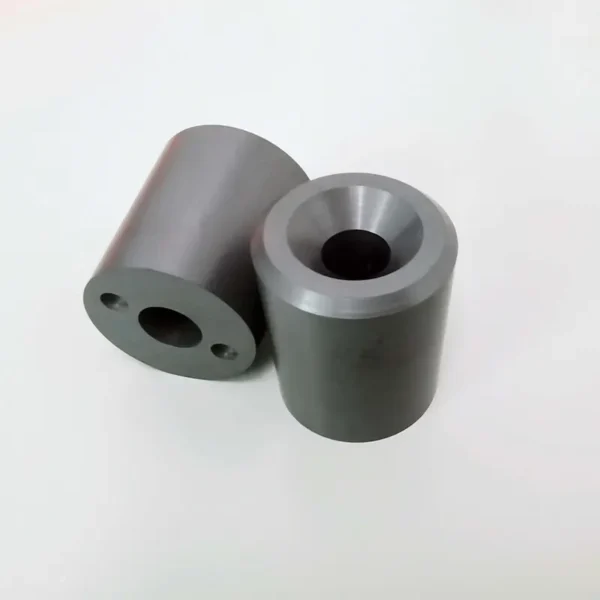
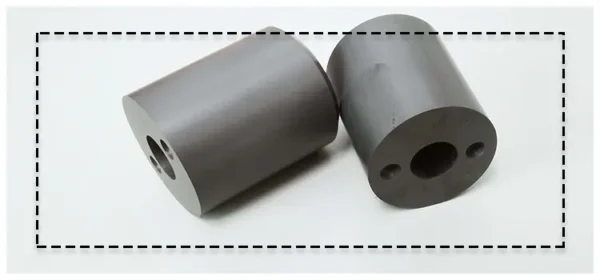

A sheath is only meaningful in relation to what it surrounds and how it is installed. Share the protected element, envelope, support points, exposure conditions, access needs and inspection expectations before requesting a custom proposal.
Key Inquiry Requirements
Describe what the sheath must do
A silicon carbide ceramic sheath may protect, separate, guide or isolate another component, but the required design depends on that role. Identify the element inside, the reason for the sheath and the consequences of contact, movement or failure. Include the protected length, access points, support locations and any zones that must remain unobstructed.
Explain whether the sheath is stationary, inserted, withdrawn, exposed to movement or installed as a permanent part. Show the complete envelope around the component, including neighboring hardware and service clearances. This lets the supplier distinguish internal functional dimensions from external mounting dimensions and review the geometry as an assembly.
Define the environment at the surface
State what the sheath encounters during use and maintenance. Relevant information can include atmosphere, process media, particles, cleaning agents, thermal exposure, pressure conditions, electrical surroundings and contact with other materials. Identify which conditions are confirmed and which require supplier feedback, rather than turning an assumed application limit into an unverified specification.
Surface exposure may differ along the length of the component. Mark immersion zones, heated regions, sealing areas, clamp locations and any section subject to abrasion or deposits. A zone-based description is often more useful than a single broad environment statement because it connects conditions to specific geometry and inspection priorities.
Resolve fit, support and insertion details
The internal bore, wall profile, end treatment and support method should be designed together. State insertion direction, allowable access, retention method, expected clearance and whether the inner surface may contact the protected component. If alignment matters, define the reference datums and identify where the sheath is supported or guided.
Call out slots, ports, windows, shoulders, flanges, tapers, closed ends and other features separately. These details affect both function and manufacturability. If the sheath must be replaced during maintenance, include removal space, handling points and the expected installation sequence so the proposal reflects service reality.
Inspect the envelope and ceramic condition
Inspection should address the internal and external envelope, wall-related features, end geometry, straightness, concentricity and mounting relationships where they control fit. Identify the surfaces that will be measured and the datums used. If the bore cannot be inspected conventionally after processing, request the proposed method before accepting the quotation.
Define visual checks for cracks, chips, edge damage, contamination and any condition that could interfere with insertion or protection. If the sheath is joined, coated, sealed or packed for a controlled environment, include those downstream conditions in the acceptance plan. The finished part should be reviewed in the state in which it enters your assembly.
Send the evidence needed for custom review
A complete RFQ should include the sheath drawing, internal component drawing or envelope, assembly section view, installation sequence, support details and environmental note. State the purpose of the part and which dimensions are critical to protection, alignment, clearance or maintenance. Include service and inspection constraints early, especially when access is limited after installation.
Ask suppliers to identify process assumptions, unsupported geometry, handling risks, inspection limitations and any recommended changes. Request a clear separation between mandatory requirements and proposed alternatives. This gives your team a practical basis for comparing custom silicon carbide sheath concepts before design release or sample evaluation.
Questions Before You Inquire
What information does a custom ceramic sheath supplier need?
Provide the sheath drawing, the protected component or envelope, installation direction, support points, clearances, service environment and inspection requirements. Include a section view and installation sequence where fit is sensitive. Explain whether the sheath protects, separates, guides or encloses the internal component.
Which dimensions are most important for a ceramic sheath?
The critical dimensions depend on the assembly, but internal envelope, wall-related geometry, straightness, end features, concentricity, support locations and external mounting surfaces commonly matter. Mark the functional datums and identify contact or clearance zones. Do not assume overall length alone defines suitability.
Should the sheath be specified by material only?
No. The material family is only one part of the design basis. Describe exposure conditions, mechanical support, internal fit, thermal or electrical context, cleaning and inspection needs. Ask for the proposed material designation and process assumptions, then evaluate them against the sheath’s actual role and interfaces.
Can a basic sleeve sketch support a quotation?
It can support an early feasibility discussion, but a dependable custom quotation usually requires the protected-component envelope, support scheme, environment and functional datums. Without those details, different suppliers may assume different clearances, wall features or installation methods. Treat an early response as provisional until the assembly context is defined.
Send a Clear Component Brief
Share your drawing, quantity and application with Porcecore. Mark the requirements that are fixed and the questions that remain open.


Reviews
There are no reviews yet.