
Wafer Handling Ceramic Components for Drawing-Led Sourcing
Start with a drawing, component requirement, or operating environment to request a project-specific quotation for wafer handling ceramic components.
Featured Ceramic Components for Wafer-Handling Applications


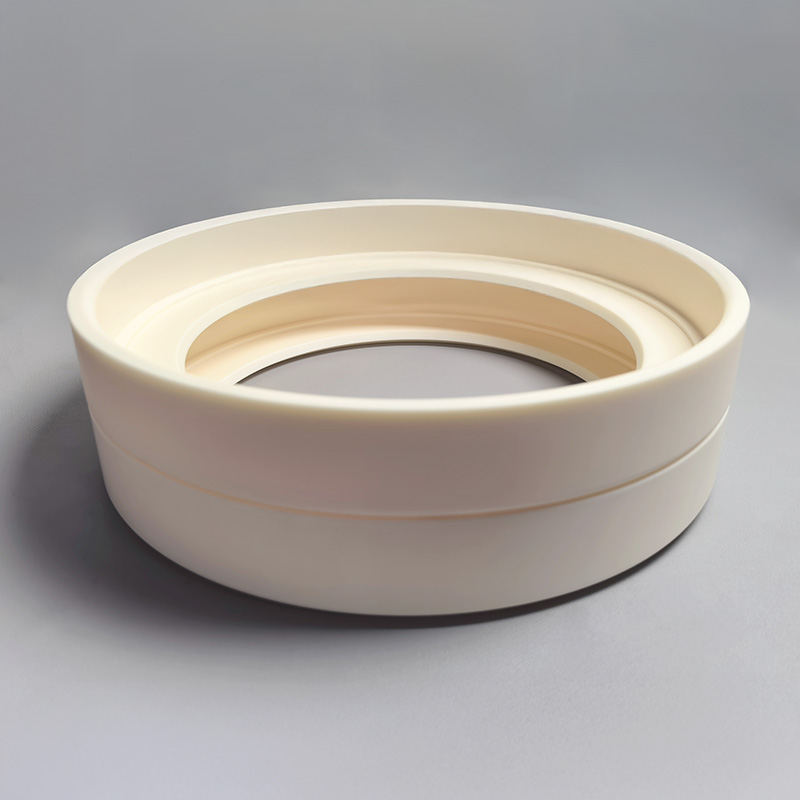

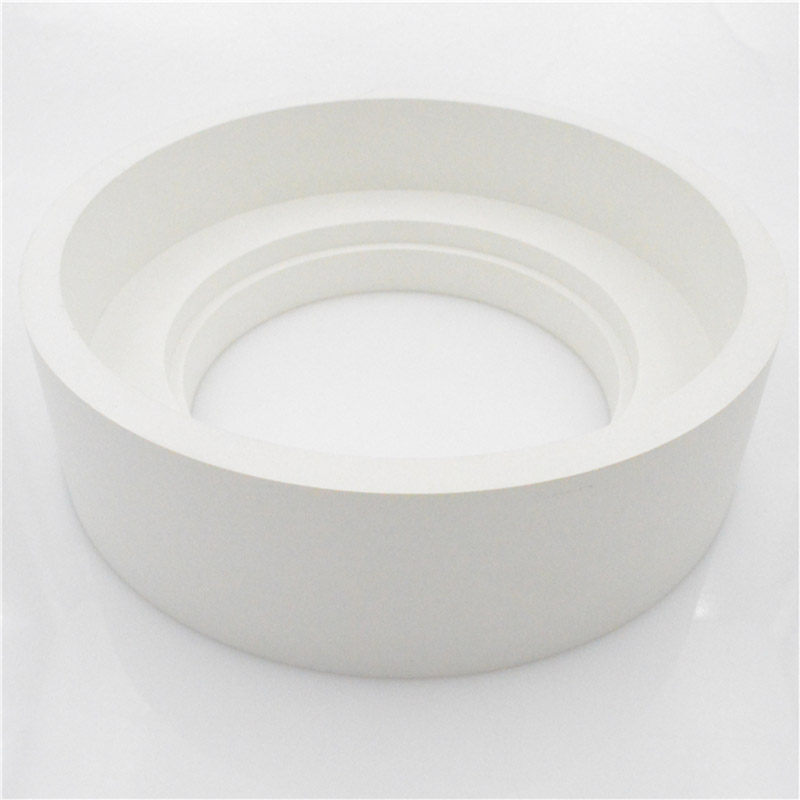
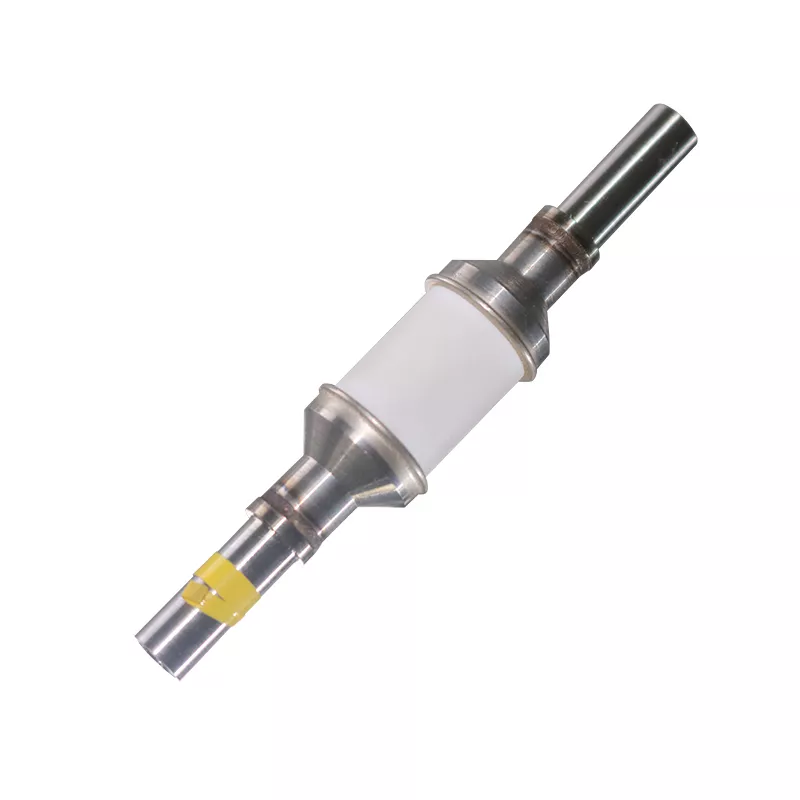

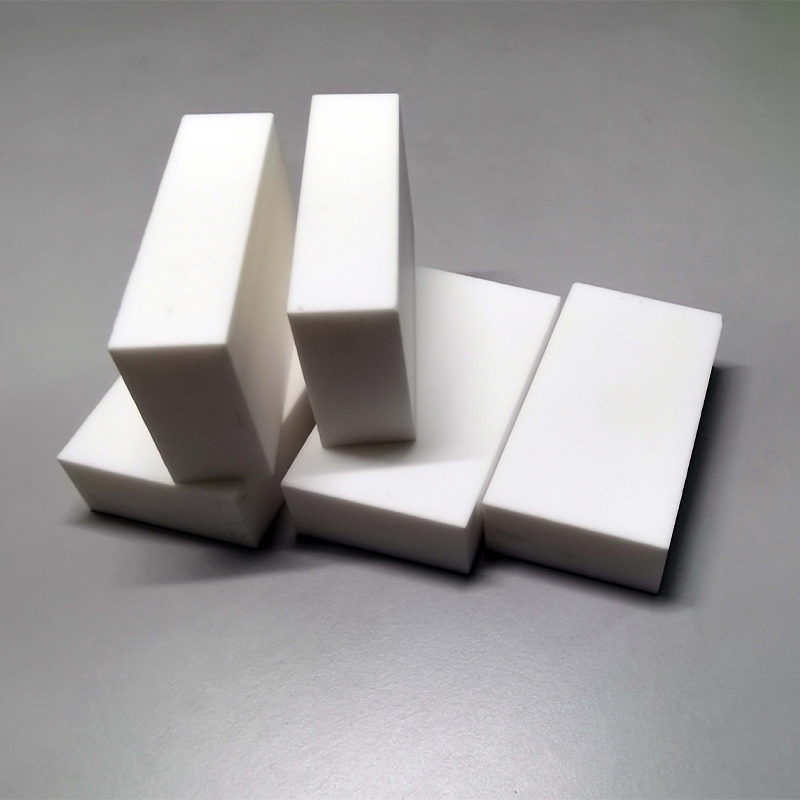

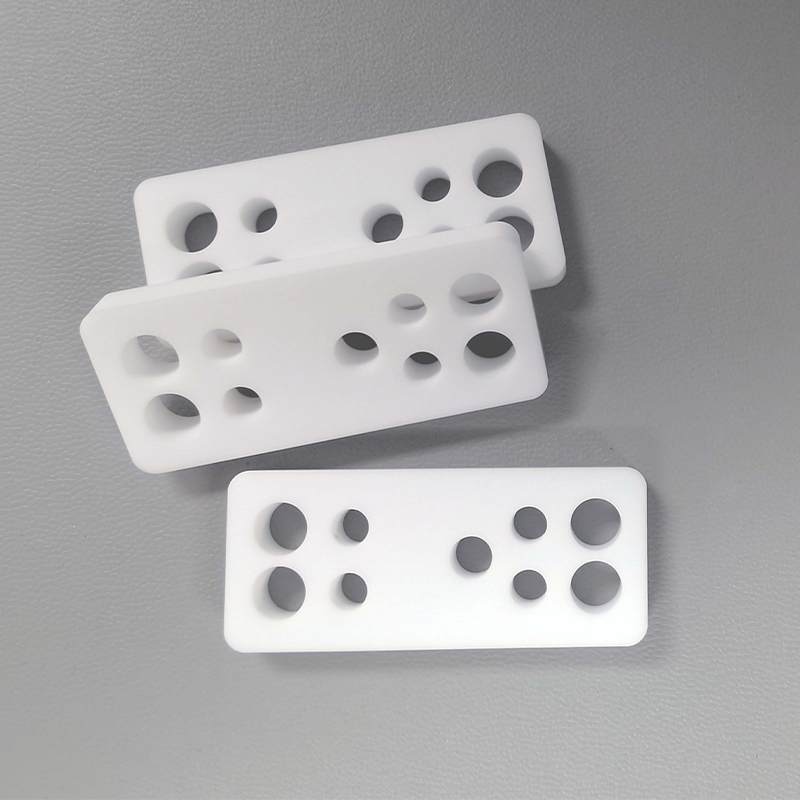


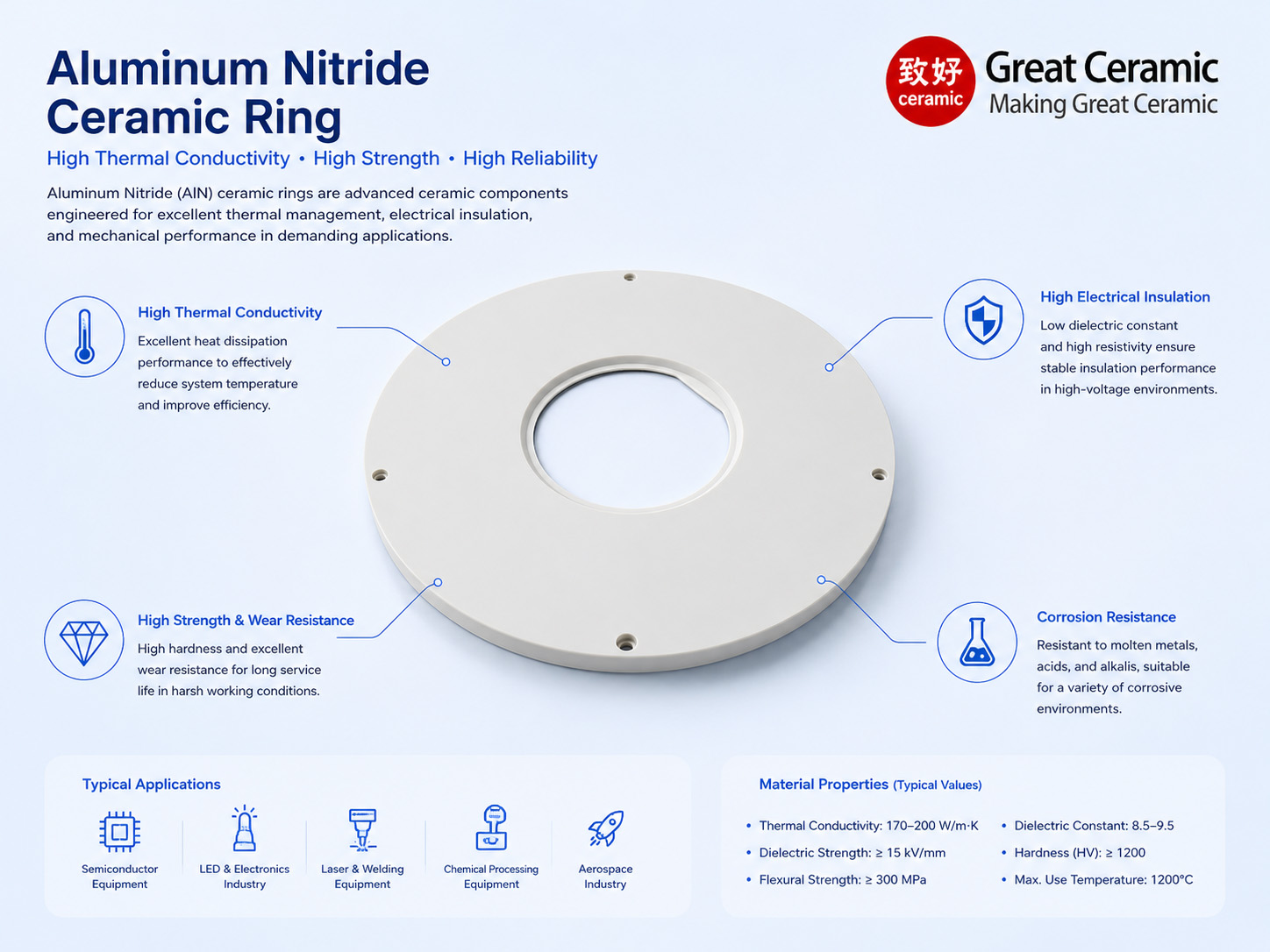
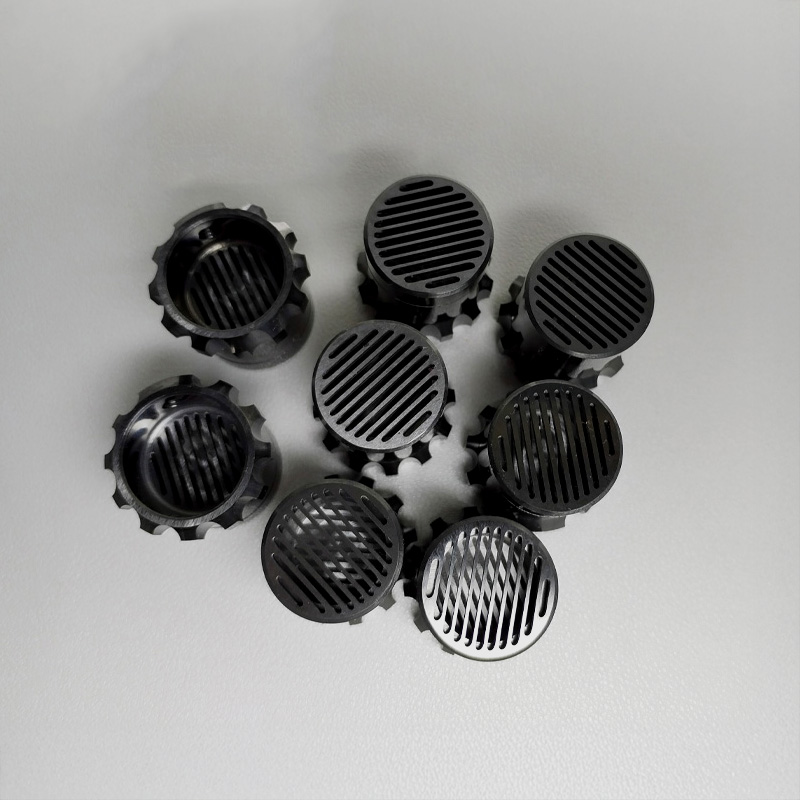
Related Industrial Ceramic Parts and Quotation

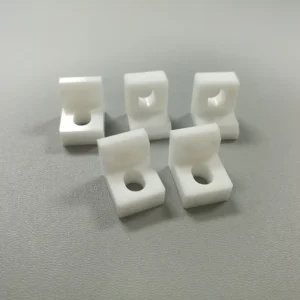
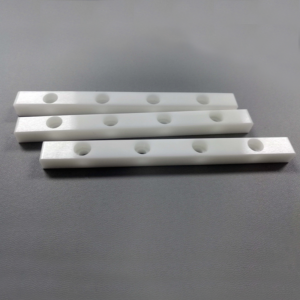


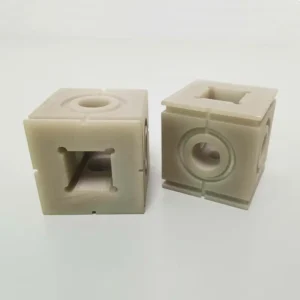

Engineering Requirements for Wafer-Handling Components
Evaluate material, geometry, interfaces and evidence together before requesting a project-specific quotation.
Drawing Revision Control
For wafer handling ceramic components, share the current drawing revision, key dimensions and open questions so quotation starts from the part definition your team is evaluating.
Material Grade Definition
Identify the requested ceramic family and grade when known; Porcecore can then separate confirmed material requirements from preferences requiring project-specific discussion.
Geometry and Interfaces
Define wafer size, interface geometry, mounting features and critical dimensions together, because component form must support the equipment’s assembly and movement requirements.
Functional Surface Requirements
Call out mating surfaces, contact areas, edge conditions and finish expectations to clarify which features affect wafer support, alignment or installation.
Application Conditions
Discuss the intended process route and service environment, including temperature, chemicals, vacuum or motion, so material and finishing choices remain tied to the application.
Inspection and Documentation
Specify inspection points, acceptance criteria and documentation needs before quotation; this helps align dimensional checks and project records with your internal approval process.
Ceramic Components by Requirement
Explore materials, forms, applications and resources to define a clearer sourcing path for your equipment, replacement-part or project requirement.

Ceramic Manufacturing Capabilities
Ceramic manufacturing capabilities cover forming, machining and finishing considerations for tubes, rods, rings, substrates and other components. Share the drawing revision, quantity, material designation and inspection criteria so quotation discussions address the geometry and acceptance requirements that affect production.
Discuss Your Ceramic Part
Ceramic Solutions by Industry
Advanced ceramics applications connect material and component choices to equipment and operating conditions across industrial sectors. Define temperature, electrical, wear, corrosion, mating-surface and load requirements to narrow the discussion toward a suitable component concept and more informed supplier inquiry.
Discuss Your Ceramic Part
Advanced Ceramic Materials
Advanced ceramic materials include alumina ceramics, zirconia ceramics, silicon carbide ceramics, silicon nitride, aluminum nitride, boron nitride and specialty ceramic families. Compare relevant material characteristics with grade-specific data, geometry, service conditions and documentation needs before treating a material name as a specification.
Discuss Your Ceramic Part
Technical Ceramic Components and Products
Technical ceramic products include standard parts and custom ceramic components such as tubes, rods, rings, substrates and other engineered forms. Product illustrations indicate possible shapes, while dimensions, tolerances, surfaces, grade, quantity and acceptance criteria require project-level confirmation before procurement or replacement-part decisions.
Discuss Your Ceramic Part
Technical Ceramic Resources
Technical ceramic resources provide practical guidance for connecting material selection with component requirements. Use a technical ceramics guide to clarify terminology, identify open questions and prepare a drawing-led inquiry with operating conditions, documentation expectations and the next decision clearly defined.
Discuss Your Ceramic PartTechnical Ceramic Materials for Wafer-Handling Requirements
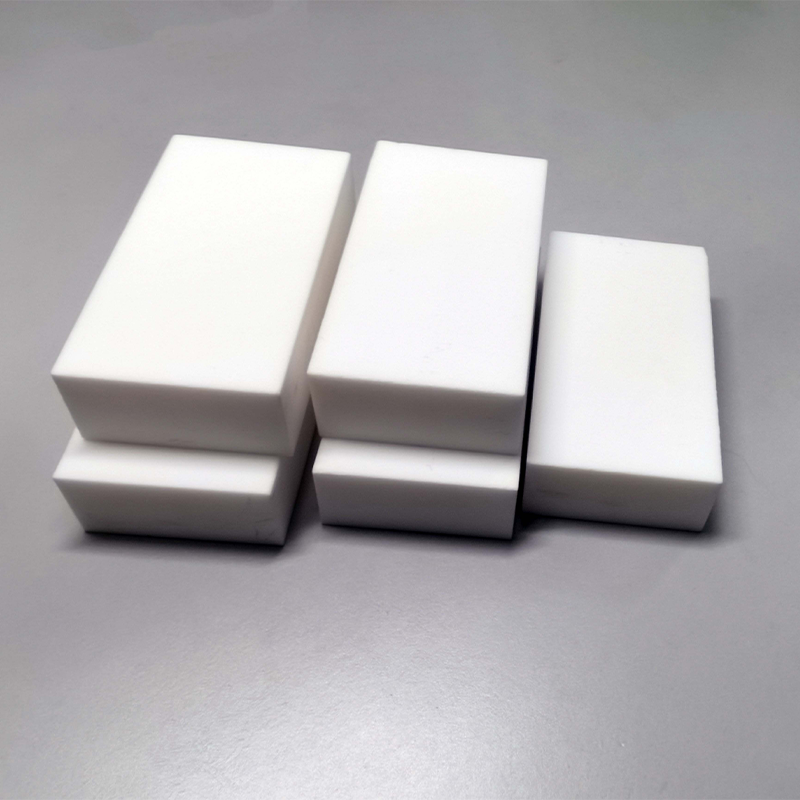
Alumina Ceramic
A rigid, electrically insulating oxide ceramic commonly considered for end effectors, arms, rings, and support parts. Its smooth, hard feel suits precision assemblies, while purity, grade, porosity, finish, and tolerances require confirmation.

Zirconia Ceramic
A dense oxide ceramic with a refined, smooth feel and useful toughness for selected wear-sensitive interfaces, guides, and precision components. Grade, stabilizer system, geometry, surface finish, and mating conditions should be confirmed.
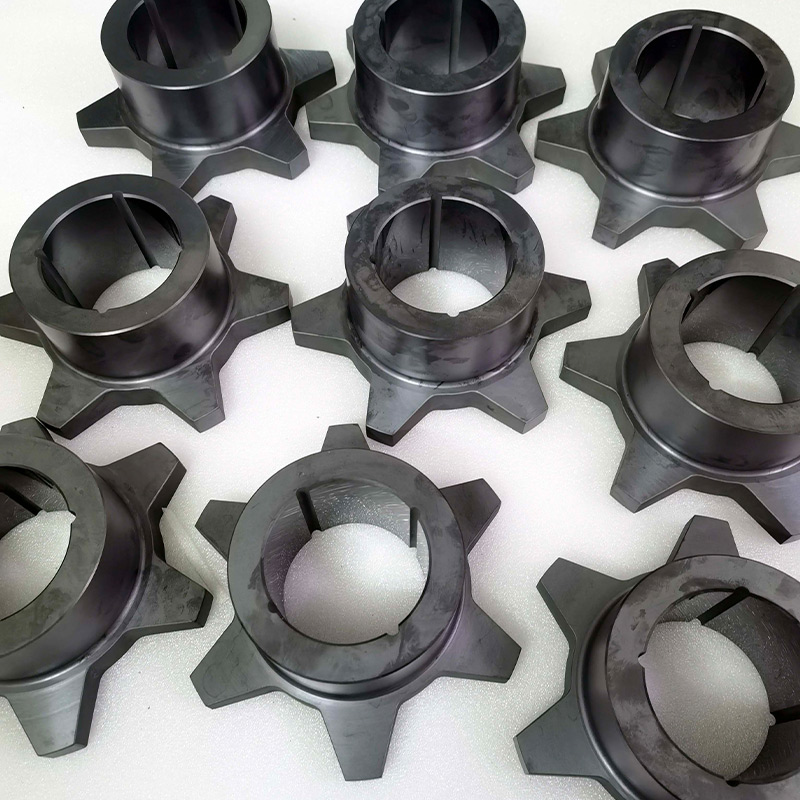
Silicon Carbide
A hard, wear-resistant carbide ceramic suited to demanding thermal, chemical, or sliding environments, including selected wafer support and handling parts. Porosity, free-silicon content, finish, flatness, and operating conditions require grade-level review.
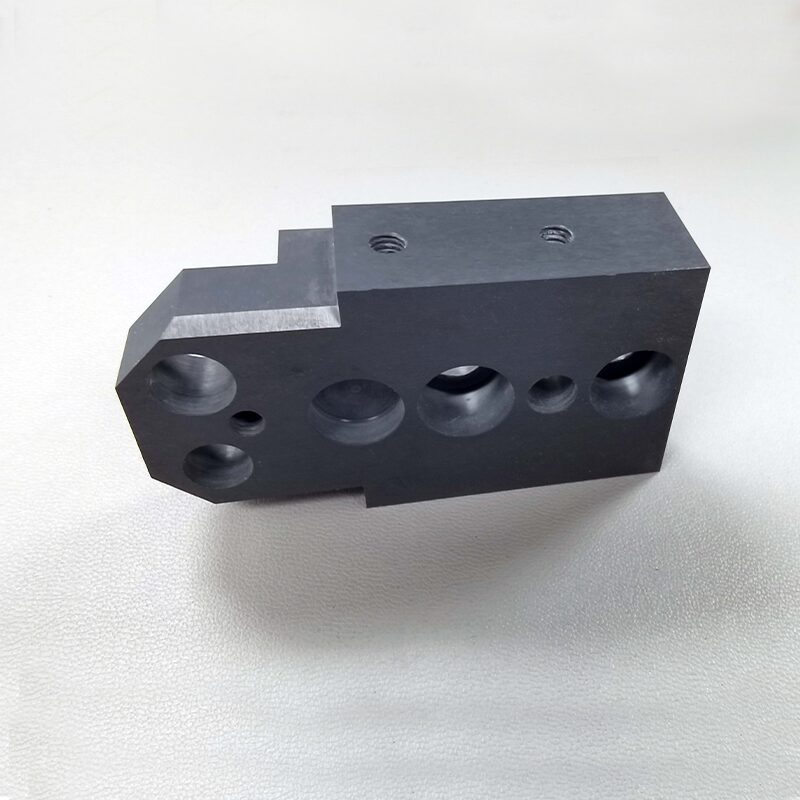
Silicon Nitride
A strong nitride ceramic with a dense, engineered feel for components exposed to mechanical loading, thermal cycling, or wear. Material grade, geometry, surface condition, dimensional stability, and process compatibility should be confirmed for each project.

Specialty Ceramics
Specialty families such as aluminum nitride, boron nitride, and other advanced compositions can address specific thermal, electrical, or chemical requirements. Selection depends on the drawing, service environment, interfaces, acceptance criteria, and required documentation.
Manufacturing and Finishing for Wafer-Handling Components

Ceramic Forming
Initial forming routes can be reviewed according to the selected ceramic family, component geometry and production volume. The appropriate method is confirmed during inquiry because material behavior and dimensional requirements vary by project.

Precision Machining
Machining discussions focus on the features that determine fit, alignment and wafer support. Porcecore can review accessible geometries, drawing tolerances and critical surfaces before confirming a suitable process route for the component.

Surface Finishing
Grinding, lapping or other finishing requirements may be considered where surface condition affects mating, handling or assembly. Final process selection depends on the ceramic grade, specified finish, geometry and inspection criteria.

Edge Preparation
Edges, slots, holes and contact areas can be assessed for handling safety and assembly fit. Any chamfering, radiusing or edge-treatment requirement should be identified on the current drawing and confirmed before quotation.

Inspection Planning
Inspection planning connects dimensional checks with the requirements that matter in service. Porcecore can review critical dimensions, tolerances, surface expectations and documentation needs so acceptance criteria are clear before production commitment.
Interfaces and Supporting Accessories for Wafer Handling

Mating Surfaces
Define the surfaces that contact wafers, carriers, fixtures or adjacent hardware. Include finish, flatness, contact geometry and functional clearances so the ceramic component supports reliable assembly and controlled operation.

Mounting Features
Identify holes, slots, threaded interfaces, locating points and datum features that determine installation. These details help align component geometry with the equipment structure and separate essential requirements from preferred design choices.

Vacuum Interfaces
For vacuum-assisted handling, describe ports, channels, sealing areas and connection constraints that affect integration. Confirm the intended interface and service conditions rather than assuming a standard configuration from a product illustration.

Edge Clearances
Review wafer edge support, access zones, travel paths and nearby hardware before finalizing geometry. Clearance information helps reduce interference risks during transfer, alignment, inspection or loading within the equipment assembly.

Inspection Documents
Specify the records needed for approval, such as dimensional reports, material information, inspection criteria or revision-controlled drawings. Documentation expectations should be agreed with the component geometry and acceptance requirements.

Drawing Revisions
Send the current drawing revision with quantity, material designation if known, service conditions and critical tolerances. A clear revision baseline gives Porcecore a concrete starting point for quotation and technical review.
About Porcecore and Wafer Handling Ceramic Components
Founded by Andy Yuan, Porcecore helps industrial procurement teams, engineers, equipment builders and distributors connect technical ceramic materials with the part requirements behind each project. Our scope includes oxide, nitride, carbide and specialty ceramics, considered through the geometry, interfaces, operating conditions and inspection expectations that shape a component’s real job.
Porcecore’s difference is a practical, drawing-led way to begin the conversation. Share the current drawing revision, known material designation, quantity, service conditions and acceptance criteria, and we can identify the open questions for a project-specific quotation. For wafer handling ceramic components, this application-first approach supports clearer decisions about grade, geometry, documentation and next steps.
Wafer Handling Ceramic Components: Capability Detail
Review the Part Requirement
Porcecore begins with the component’s role, interfaces and operating environment. A focused requirement review helps industrial buyers identify the information needed before discussing material, geometry, quantity or production feasibility.
- Component function and handling environment
- Mating surfaces and assembly dimensions
- Known material designation or replacement reference
- Quantity, service conditions and open questions

Guide Material-Family Selection
Alumina, zirconia, silicon carbide, silicon nitride, aluminum nitride, boron nitride and specialty ceramics may suit different requirements. Porcecore uses the application context to frame material discussions without treating a family name as a complete specification.
- Connect material choice to the part function
- Consider thermal, chemical, electrical and mechanical demands
- Separate general properties from grade-specific values
- Identify where material data still needs confirmation

Interpret Drawings Clearly
Drawing-led communication gives a quotation discussion a concrete basis. Porcecore reviews the dimensions, tolerances, surfaces and revision information that influence wafer handling ceramic components, while distinguishing essential requirements from preferences.
- Confirm the current drawing revision
- Identify critical dimensions and tolerances
- Review surfaces that fit another component
- Clarify quantities and requested quotation scope

Align Acceptance Criteria
A useful inquiry defines how the finished component will be evaluated. Porcecore helps organize inspection expectations, documentation needs and delivery requirements so project teams can identify approval conditions before commercial and production terms are confirmed.
- Define inspection and acceptance expectations
- List required material or quality documentation
- Confirm delivery and commercial requirements
- Record project-specific requirements for review

Why Choose Porcecore for Wafer Handling Ceramic Components
Compare the sourcing practices that help engineering and procurement teams define requirements before quotation.
← Swipe left or right to view →
Our Ceramic Component Production Process
A drawing-led production journey for wafer handling ceramic components, with material review, quotation, manufacturing coordination, inspection, packing, and shipping aligned to confirmed project requirements.
Define the Requirement
Share the current drawing revision, component function, quantity, service conditions, mating surfaces, material preferences, and acceptance criteria for an informed review.
Review Materials and Geometry
Porcecore reviews ceramic families, grade options, geometry, tolerances, interfaces, and inspection expectations while identifying open questions before quotation.
Confirm the Quotation
Receive a project-specific quotation covering agreed specifications, quantity, documentation, delivery expectations, and commercial terms for your wafer handling ceramic components.
Coordinate Manufacturing
After approval, manufacturing coordination follows the confirmed drawing, material designation, finishing requirements, inspection plan, and any agreed documentation package.
Inspect, Pack, and Ship
Completed parts are reviewed against confirmed requirements, then packed for the project and shipped according to the agreed delivery arrangements.
How to Source Wafer Handling Ceramic Components
Move from a drawing or part description to confirmed requirements, a focused quotation discussion and the right next step for sampling or production.
Send Your Drawing
Share the current drawing revision or describe the part, including material designation if known, geometry, mating surfaces and critical dimensions.
Define Service Conditions
Add quantity, operating temperature, chemical exposure, motion, vacuum or atmosphere, and any inspection, documentation or acceptance requirements relevant to the application.
Review Open Questions
Porcecore reviews the information with you, identifies unresolved grade, geometry or tolerance questions, and prepares a quotation discussion around the actual project.
Confirm Project Requirements
Align on material grade, dimensions, tolerances, surfaces, quantity, documentation, delivery expectations and commercial terms before treating the inquiry as an agreed requirement.
Proceed to Sampling
Once requirements are confirmed, decide whether the next step is a sample, replacement-part evaluation or production order based on project readiness and approval needs.
Project Evidence and Customer Feedback
Wafer Handling Ceramic Components: Customer Feedback and Project Examples
No customer endorsement is published here without verified permission. Porcecore is preparing project evidence that identifies the component requirement, drawing revision, acceptance criteria and measurable outcome before sharing it with prospective buyers.
Project results are not presented as testimonials until the customer has approved the wording and outcome. Confirmed examples will distinguish material selection, geometry, inspection requirements and delivery results for the specific wafer-handling application.
For a documented case example, send the current drawing, quantity, service conditions and acceptance criteria. Porcecore will use the confirmed project record to develop a factual summary rather than implying performance, certification or savings that have not been verified.
The Complete Buyer’s Guide to Wafer-Handling Ceramic Components
Clear answers for drawing-led inquiries, material selection and project-specific acceptance requirements.
What information should I provide when sourcing wafer handling ceramic components?
How is the material grade selected for wafer handling ceramic components?
Can you quote wafer handling ceramic components from a drawing or sample?
How are tolerances and functional surfaces handled?
What quantity, MOQ and lead-time information should buyers expect?
What inspection evidence and acceptance criteria can be included?
How should packaging and shipping be specified for ceramic components?
How can we protect drawings, IP and commercial information during an inquiry?
The Complete Buyer’s Guide to wafer handling ceramic components
Use this decision framework to compare component types, ceramic materials, customization options, supplier capabilities, quality controls, pricing factors, and common sourcing mistakes before approving an OEM-ready wafer handling program.
1. What Are wafer handling ceramic components?
Six functions—supporting, lifting, transferring, aligning, clamping, and inspecting—define wafer handling ceramic components. These precision parts form the contact points between wafers and automated equipment such as robots, aligners, inspection systems, and process-tool loading modules; see https://www.touchdown.com.tw/en/product/ceramic-arm-for-wafer-drive-of-semiconductors.html.
Three operating conditions commonly shape the specification: cleanroom contamination control, elevated temperature, and exposure to vacuum or chemically aggressive process gases. The component must preserve wafer contact, positional accuracy, mechanical stiffness, electrical behavior, and surface integrity throughout its duty cycle; silicon carbide’s chemical inertness is one documented example, https://www.ceramicsrefractories.saint-gobain.com/news-articles/using-silicon-carbide-components-wafer-handling-inspection.
Porcecore starts with the performance requirement, not a material name or catalog silhouette. Before fixing geometry or choosing a supplier, define wafer size, load and motion, temperature, atmosphere, contact limits, cleanliness, wear expectations, inspection criteria, and mating interfaces so the drawing represents the actual equipment duty.
2. Evolution of wafer handling ceramics
150 mm, 200 mm, and 300 mm wafer formats increased the need for repeatable support across larger spans and faster transfer cycles. This shift moved procurement beyond conventional contact materials toward technical ceramics selected for stiffness, wear resistance, and dimensional stability (https://www.touchdown.com.tw/en/product/ceramic-arm-for-wafer-drive-of-semiconductors.html).
Vacuum, high-temperature, and corrosive-gas processes made cleanliness and chemical compatibility central design constraints. Low particle generation, electrical insulation, thermal stability, and resistance to chemical attack became practical requirements for end effectors, carriers, and related handling parts (https://www.mrceramicpart.com/knowledge/ceramic_robotic_arms_the_ultimate_solution_for_wafer_handling.htm).
One current OEM specification should connect ceramic development with automation at the interface level. Buyers should confirm wafer diameter, robot envelope, mating surfaces, vacuum features, inspection criteria, and replacement compatibility, while treating material family names as the start of a drawing-led review rather than a complete specification.
3. Types of wafer handling ceramic components
Nine component families commonly appear in wafer handling ceramic components programs, but geometry is governed by the tool interface and wafer path. Classify the part by its handling function before comparing materials or suppliers.
Transfer End Effectors
150 mm, 200 mm, and 300 mm wafer tools commonly use ceramic end effectors, robotic arms, forks, or wafer blades to reach beneath and transfer wafers. Their interfaces may include robot mounts, slots, vacuum passages, or clamp features.
The deciding question is whether the tool needs edge support, underside clearance, suction, or a specific robot envelope; those requirements determine fork length, finger spacing, and blade profile.
Pins, Carriers, And Rings
Lift pins raise wafers through pedestals, while carriers, support rings, and paddles guide or support them during loading, heating, inspection, or process transfer. Each part interfaces with a pedestal, cassette, chamber, or handling assembly.
The key question is whether the geometry must clear a chuck, contact the wafer edge, or support the full substrate; wafer diameter and notch orientation then establish the layout.
Chucks And Custom Supports
Vacuum chucks, electrostatic chucks, wafer clamps, and custom support parts retain or locate wafers during processing and inspection. Their interfaces may require vacuum channels, electrical paths, mounting holes, seals, or controlled contact zones.
The application question is how the wafer is retained under temperature, pressure, motion, or chemical exposure. A current drawing should identify mating surfaces, usable area, and acceptance criteria.
4. Materials for wafer handling ceramic components
Four material families dominate wafer handling ceramic components, but no single choice optimizes cleanliness, thermal stability, strength, insulation, wear, and cost. Selection must follow the equipment environment and validated part requirements.
Material Tradeoffs
High-purity alumina is commonly cost-effective and electrically insulating; silicon carbide favors extreme wear, chemical resistance, and thermal stability. Zirconia adds toughness, while quartz supports cleanliness and thermal transparency but requires careful process matching.
Engineering Validation
Grade, purity, porosity, surface finish, and machinability can change contamination risk, dimensional stability, and service life. Confirm compatibility with vacuum, gases, temperature cycles, wafer contact surfaces, and cleaning chemistry before approving a material.
Comparison Matrix
Cost and processing difficulty vary by grade, geometry, finish, and inspection requirements; composites may balance properties but need application-specific qualification.
| Material | Strength / Wear | Thermal / Chemical | Insulation / Cost |
|---|---|---|---|
| High-purity alumina | Good hardness and wear | Stable; chemically resistant | Excellent insulation; lower cost |
| Silicon carbide | Very high hardness and wear | Excellent thermal and chemical stability | Insulating; higher processing cost |
| Zirconia | High toughness; moderate wear | Good stability; chemistry-dependent | Insulating; typically higher cost |
| Quartz | Moderate strength; lower wear | Good thermal and chemical cleanliness | Insulating; machinability varies |
| Ceramic composites | Tailored strength and wear | Grade-dependent stability | Property balance; qualification cost |
Source Context
Saint-Gobain identifies silicon carbide for wafer carriers, clamps, chucks, and oxidation tubes because of chemical inertness and wear resistance: https://www.ceramicsrefractories.saint-gobain.com/news-articles/using-silicon-carbide-components-wafer-handling-inspection
5. Customization options for wafer handling ceramic components
One current drawing should define geometry, mating surfaces, operating conditions, and inspection expectations together. A customization request is most useful when essential requirements are separated from preferences before quotation.
Design For Manufacture
A revised drawing should show fork or arm geometry, wafer contact features, mounting patterns, holes, slots, and thickness.
A complete request also identifies edge treatment, surface finish, coating needs, and dimensions that control assembly.
Prototype Sampling
One approved prototype or sample lot can verify fit, contact behavior, and drawing interpretation before production quantities are released.
A buyer should state quantity, service conditions, material designation if known, and acceptance criteria at inquiry stage.
Tolerance Control
Three details deserve explicit control: critical dimensions, mating surfaces, and inspection method. General material properties should not replace grade-specific confirmation.
A supplier and buyer should resolve open tolerances before manufacturing to reduce quotation and rework risk.
Cleanroom-Ready Finishing
Final requirements may include surface finish, edge condition, identification, protective packaging, and documentation needed for approval.
Each coating or cleaning expectation should be confirmed against the application, drawing revision, and agreed acceptance criteria.
6. Key construction and quality elements
Dimensional accuracy, edge condition, cleanliness, and documented inspection determine whether wafer handling ceramic components remain stable in service. Acceptance criteria should connect the drawing, material grade, process controls, and measured results.
Design And Geometry
Flatness, parallelism, rigidity, and mating dimensions should be specified at defined datums, with tolerances tied to assembly and wafer-support requirements.
300 mm handling parts, for example, need drawing-controlled contact geometry rather than material-name approval alone.
Material And Microstructure
Density, grain size, porosity, and phase condition affect rigidity, thermal behavior, wear, and particle generation. Require the applicable grade designation and certificate limits instead of generic purity language.
Machining And Edges
Surface roughness, edge radius, chips, and microcracks require measurable limits on functional surfaces. Inspection should distinguish cosmetic marks from defects that can shed particles or alter wafer contact.
Cleaning And Cleanliness
Cleanliness criteria should define residue, ionic contamination, particles, packaging, and handling controls for the intended environment. Semiconductor applications commonly prioritize low particle generation and chemical stability; acceptance must state how these are verified.
Final Inspection Records
Inspection records should identify revision, instruments, sampling plan, measured dimensions, flatness, parallelism, roughness, visual findings, and nonconformances. Porcecore recommends confirming these records with the drawing and acceptance criteria before production approval.
7. How to choose a manufacturer
A qualified partner should connect the drawing, material grade, process controls, inspection evidence, and delivery plan. Evaluate wafer handling ceramic components through staged evidence, not catalog language or unverified capability claims.
Technical And Documentation Review
Request a drawing review, material designation, sample history, and written clarification of critical fits, tolerances, surface condition, cleanliness, and acceptance criteria.
Confirm revision control, traceability records, inspection reports, and change-notification rules before approving an OEM or custom-production partner.
Process And Inspection Evidence
Ask for process-flow details covering forming, sintering, machining, cleaning, and packaging, plus evidence of calibrated inspection equipment and defined sampling plans.
For cleanroom-sensitive parts, verify cleaning method, handling environment, particle controls, packaging materials, and contamination-prevention records rather than assuming suitability.
Supply And Communication Qualification
Review demonstrated capacity, tooling ownership, realistic lead-time assumptions, safety-stock options, and contingency planning against your forecast and launch schedule.
Use a sample or pilot order to assess dimensional consistency, response speed, nonconformance handling, corrective-action discipline, and communication from quotation through shipment.
8. Common mistakes buyers make
Seven recurring failures turn a suitable part into a costly delay. For wafer handling ceramic components, connect geometry, cleanliness, evidence, packaging, and equipment validation before approval.
Define Functional Geometry
1 mm of nominal size does not define an assembled part. Request datums, tolerances, flatness, parallelism, mating surfaces, and the current drawing revision.
300 mm wafer equipment still depends on local contact geometry. Confirm edge clearance, support points, vacuum paths, and allowable contact marks against the actual tool.
Control Material And Contamination Risk
Two similarly priced materials can differ in heat, chemistry, wear, and particle behavior. Ask which service condition drives grade selection before comparing cost.
One contamination path may begin at a finish, hole, fixture, adhesive, or cleaning step. Identify wafer-contact surfaces and document cleanliness assumptions.
Require Evidence And Equipment Testing
One certificate rarely proves acceptance. Specify dimensional reports, material designation, surface data, traceability, packaging protection, and nonconformance handling in the purchase order.
One approved sample may still fail during robot motion, heating, or vacuum pickup. Test representative equipment, record the tested revision, and define reapproval triggers.
9. Steps to launch an OEM wafer handling program
A controlled OEM launch links the application brief to a drawing, material decision, inspection plan, and equipment trial. Each gate should record open risks before approval or replenishment.
Define The Requirement
Start with the current drawing revision, quantity, wafer format, service conditions, mating surfaces, and acceptance criteria. Procurement owns the commercial brief; engineering confirms functional interfaces.
Gate one is a complete requirement package, including cleanliness expectations and required documentation.
Review And Validate
Select the material against temperature, chemistry, rigidity, insulation, and contamination constraints, then complete a drawing-led design review. Record tolerances, datums, surface requirements, and unresolved assumptions.
Prototype or first article inspection should cover dimensions, surface condition, cleanliness evidence, and equipment fit before corrective actions are closed.
Approve Production
Use the equipment trial to confirm wafer support, clearance, motion, vacuum behavior, and repeatable loading. Engineering signs the fit decision; quality records deviations and corrective actions.
Production approval should identify the released drawing, material designation, inspection records, packaging requirements, and change-control owner.
Plan Replenishment
Before release, procurement should confirm forecast, order quantity, lead-time assumptions, safety stock, and approved alternates. The replenishment file should preserve the drawing revision and acceptance criteria.
A replacement component remains controlled until new-lot inspection and equipment verification meet the same gate requirements.
10. Pricing and cost factors
1 drawing should define ceramic grade and purity, part size, geometry, mating surfaces, tolerances, finish, inspection, packaging, and service conditions before quotes are compared. Material name alone is not a complete specification.
2 cost views matter: piece price and total landed cost. Include tooling, prototype charges, order quantity, shipping, duties where applicable, and lead-time exposure in the same purchasing review.
3 lifecycle checks protect the decision: compare expected service life, replacement frequency, contamination risk, and qualification delay against the initial quote. Porcecore can review the drawing revision, quantity, service conditions, and acceptance criteria before commercial terms are confirmed.
| Cost driver | Lower-cost condition | Higher-cost condition | Buyer comparison |
|---|---|---|---|
| Grade and purity | Standard grade; moderate purity | Specialty grade; high purity | Confirm grade-specific requirements |
| Size and machining | Simple geometry; accessible surfaces | Large, complex, difficult-to-machine part | Compare setup and machining scope |
| Tolerance, finish, inspection | Standard tolerance and records | Tight tolerance, finishing, traceability | Match controls to function |
| Quantity and logistics | Repeat volume; consolidated packaging | Prototype, low volume, custom tooling, urgent shipping | Compare landed and lifecycle cost |
Discuss Your Wafer Handling Ceramic Components
Email a drawing or describe the quantity, operating environment, geometry, and acceptance requirements for a clearer quotation discussion.