
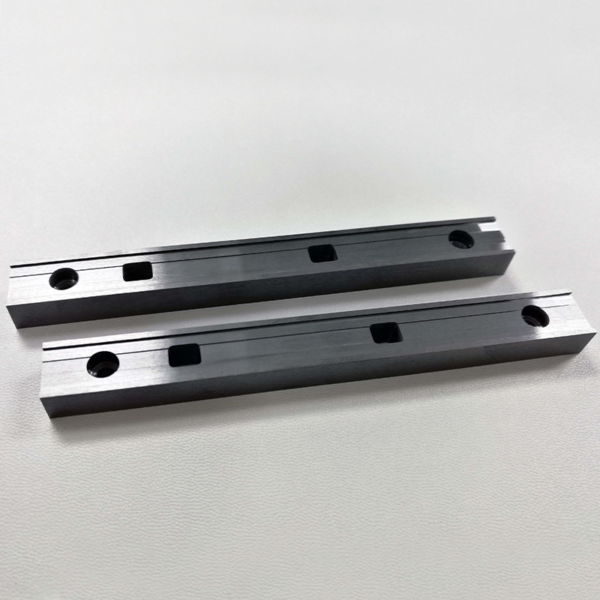
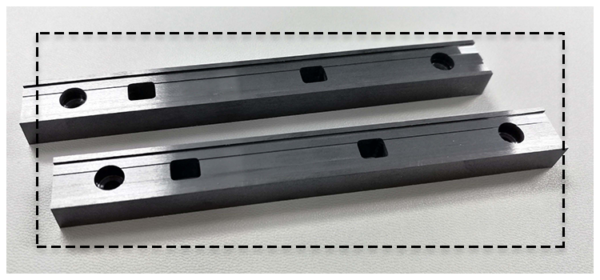


Define the guide by function, geometry and interface—not by appearance alone. A complete RFQ should show the mating parts, motion path, datum scheme, edge details, surface requirements and any visual criteria for the black ceramic finish.
Key Inquiry Requirements
Define the guiding function
Start with the movement the guide must support or constrain. Identify whether it locates, channels, separates or protects a moving element, then show the direction of travel and all contacting surfaces. The drawing should distinguish functional faces from clearance faces, identify datums and explain how the component is retained. These details help a supplier review geometry without assuming an application that has not been documented.
Describe the mating hardware around the guide, including adjoining materials, attachment method and access for installation or replacement. If the guide operates near particles, fluids, heat or electrical elements, state those conditions as application inputs rather than relying on a product name. Any intermittent impact, sliding contact or edge loading should be called out so the quotation review can focus on relevant design risks.
Specify zirconia and appearance
A black zirconia designation should be tied to the required material family, grade selection process and approved alternatives, if any. Ask the supplier to identify the proposed material designation and explain how it relates to the drawing and application. Do not leave color as the only material control: the RFQ should separately define mechanical, chemical, electrical or thermal requirements that influence material selection.
If the black appearance is important, state where it matters and how it will be judged. The buyer may need to distinguish color consistency, visible marks, edge chipping, machining traces and handling damage. Include representative acceptance photographs or a visual boundary sample when appearance affects assembly or brand presentation. This keeps aesthetic review separate from dimensional and functional inspection.
Review geometry and manufacturability
Guide features often combine narrow openings, radiused transitions, bores, slots or stepped locating surfaces. Mark every critical feature on the drawing and identify which dimensions are reference-only. A section view can clarify hidden geometry, wall relationships and tool access. Where a feature is difficult to measure directly, define the inspection method or an agreed surrogate measurement before quotation.
Invite the supplier to comment on corner conditions, minimum sections, unsupported projections and handling risks. If the design is still being developed, request a manufacturability review against the intended process without treating that review as a production guarantee. Approved changes should be recorded against drawing revision, with the reason for each change and its effect on fit or inspection.
Plan inspection and acceptance
Build the inspection plan around the guide’s interfaces. List critical dimensions, positional relationships, surface requirements and visual checks, then identify the applicable datum structure. State whether inspection is performed on the finished ceramic, after any secondary operation, or against a mating fixture. If a feature cannot be verified with ordinary gauges, ask for a proposed method before the order is released.
The RFQ should also define documentation expectations, packaging concerns and the disposition process for nonconforming parts. Include drawing revision, sample quantity, first-article expectations if applicable and the person authorized to approve deviations. Avoid vague language such as precision or high quality unless it is translated into measurable requirements that both parties can inspect.
Prepare a useful RFQ package
Send a controlled drawing, three-dimensional model where available, application description and annual or project quantity range. Include the complete interface context rather than only an isolated outline. Explain whether the guide is a replacement, a new design or a prototype, and identify any features that remain provisional. This gives the supplier a basis for reviewing production route, tooling questions and quotation assumptions.
Ask for a response that separates material proposal, process assumptions, inspection scope and commercial exclusions. Request clarification on every unresolved item, especially finish, edge condition, mating clearances and special testing. A strong quotation comparison should show what is included, what depends on drawing revision and which buyer decisions are still needed before release.
Questions Before You Inquire
What should accompany a drawing for a black zirconia guide?
Provide the mating-part layout, guide function, motion direction, critical datums, attachment method, operating environment and appearance requirements. Include sections or models for hidden features, plus any known loading, contamination or contact concerns. This context allows a supplier to review the part as an application component rather than an isolated shape.
Is black color enough to specify the ceramic?
No. Color identifies an appearance requirement, not a complete material specification. The RFQ should request a proposed zirconia designation and separately state the mechanical, chemical, electrical or thermal conditions that matter. Define how color, visible marks and machining or edge defects will be inspected if appearance is functionally or cosmetically important.
How should guide tolerances be selected?
Base tolerances on the mating clearances, alignment requirement, movement, retention method and inspection capability. Identify critical dimensions individually instead of applying unnecessarily tight values to every feature. A supplier review can then assess geometry, process assumptions and measurement method before the drawing is frozen.
What should be compared between quotations?
Compare the proposed material, interpretation of critical features, process assumptions, inspection plan, finish and edge treatment, packaging, exclusions and revision basis. Also check whether the quotation addresses unresolved interfaces or simply prices the drawing as received. The lowest figure is not directly comparable when suppliers have made different technical assumptions.
Send a Clear Component Brief
Share your drawing, quantity and application with Porcecore. Mark the requirements that are fixed and the questions that remain open.


Reviews
There are no reviews yet.