
Ceramic Pump Plungers for Clearer Technical Sourcing
Send your drawing, service conditions, and acceptance requirements to discuss ceramic pump plungers with a defined quotation basis.
Featured Products for Ceramic Pump Plunger Development
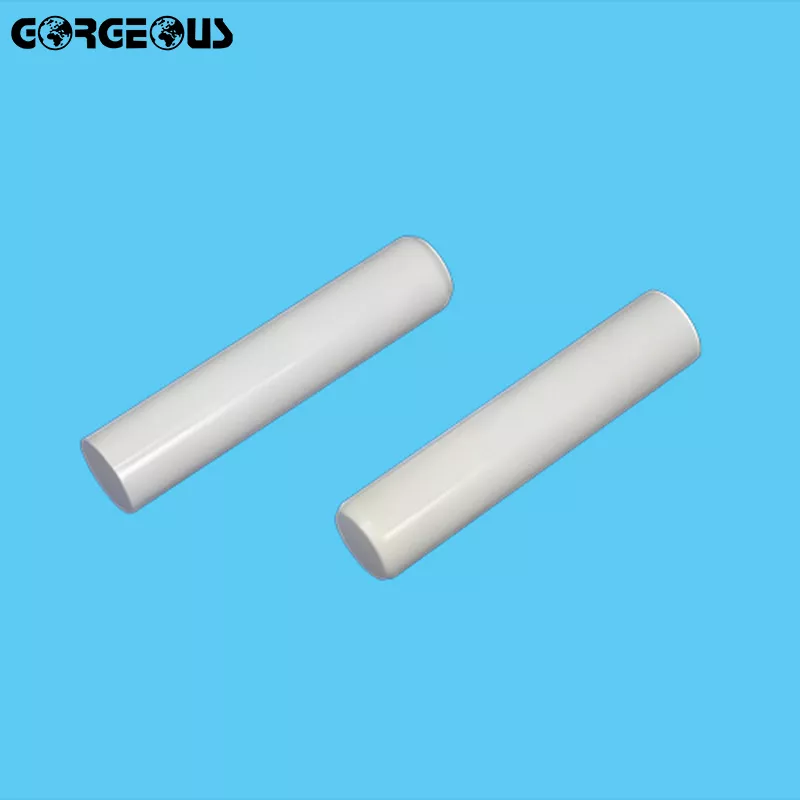
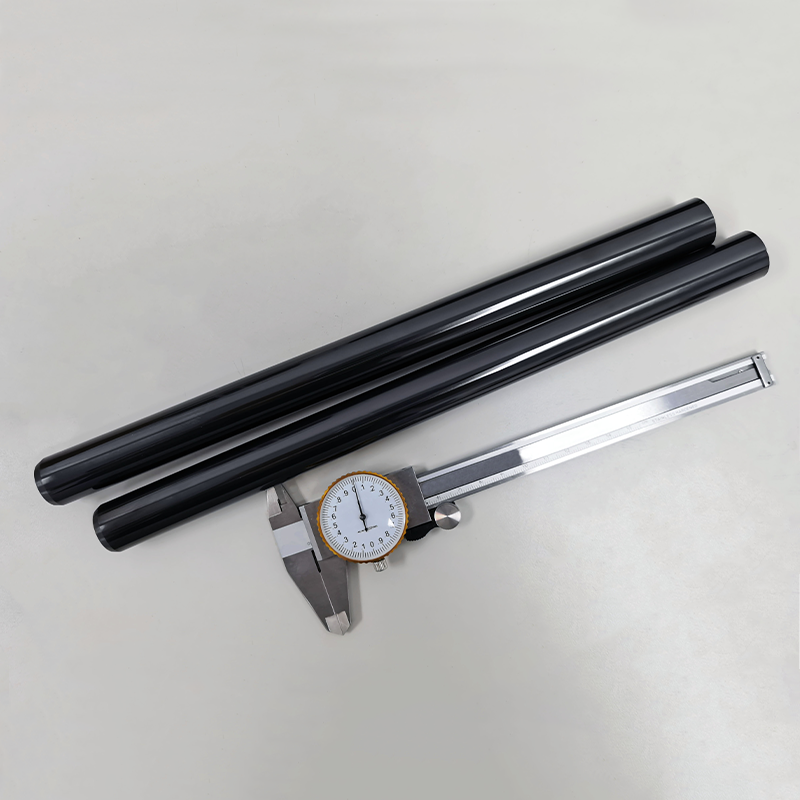


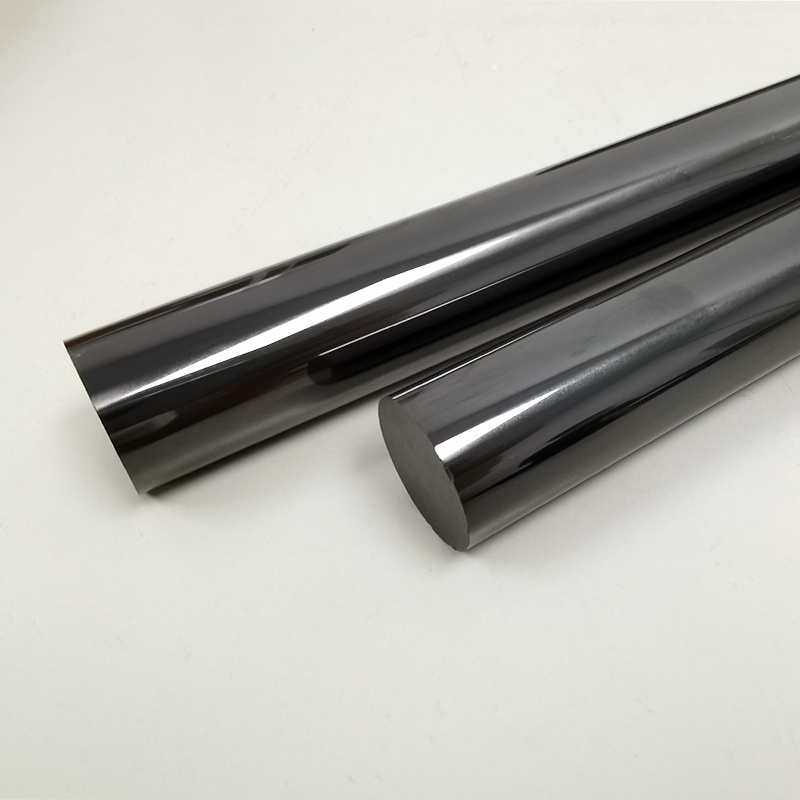


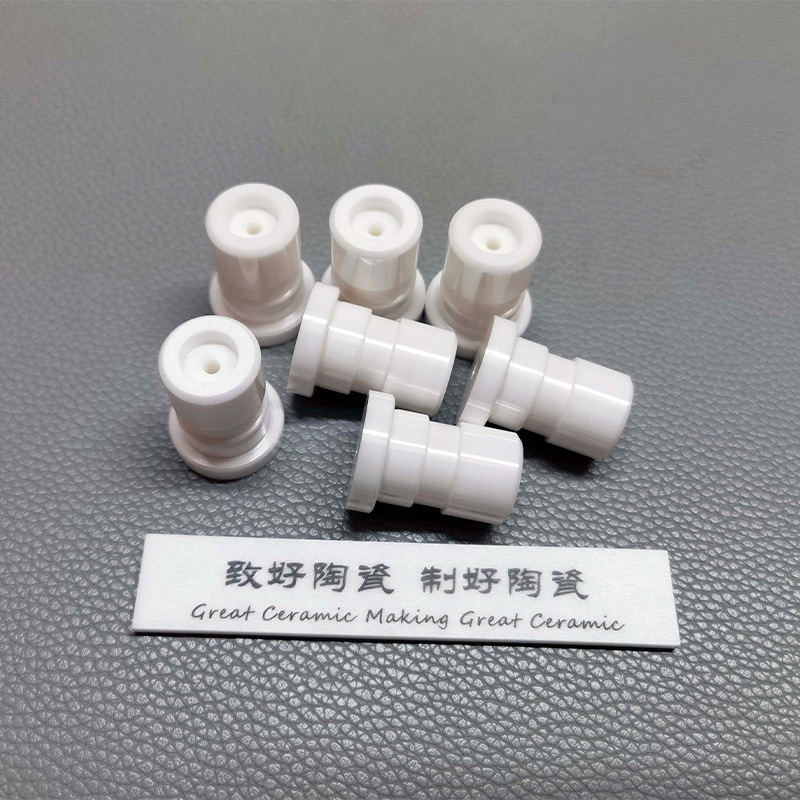
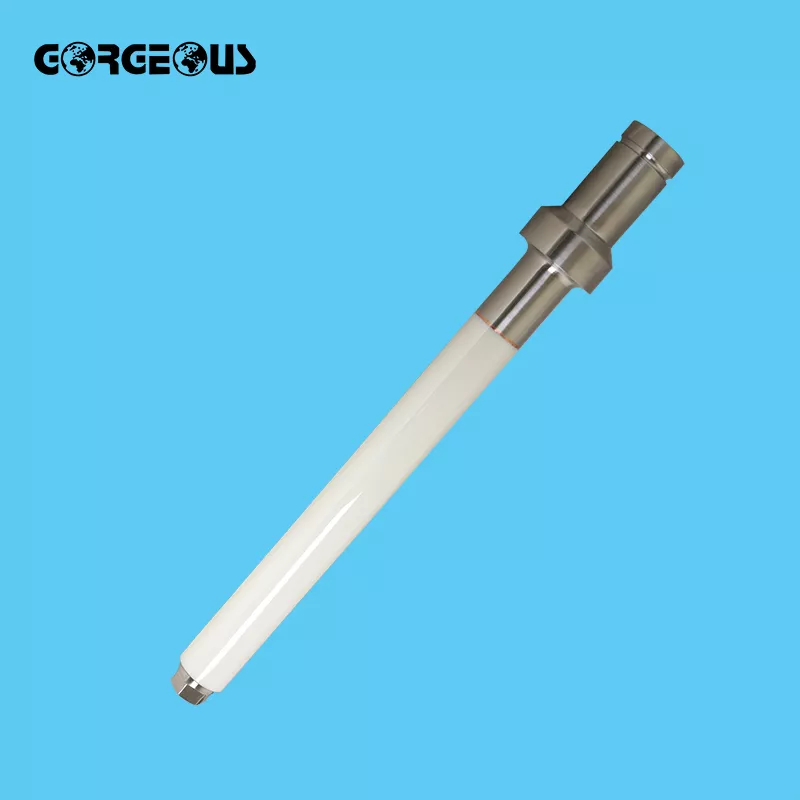
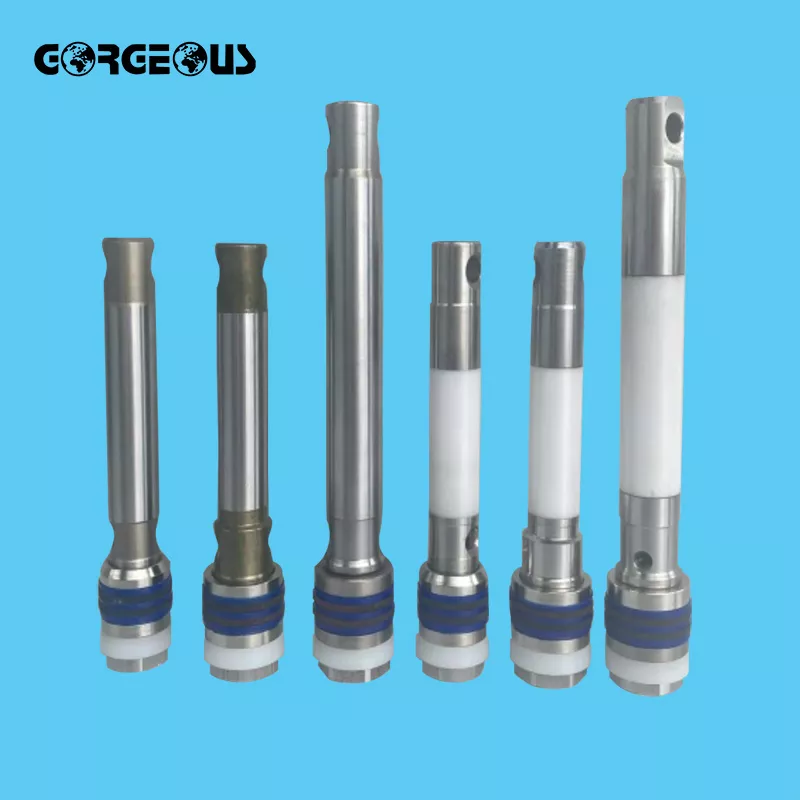

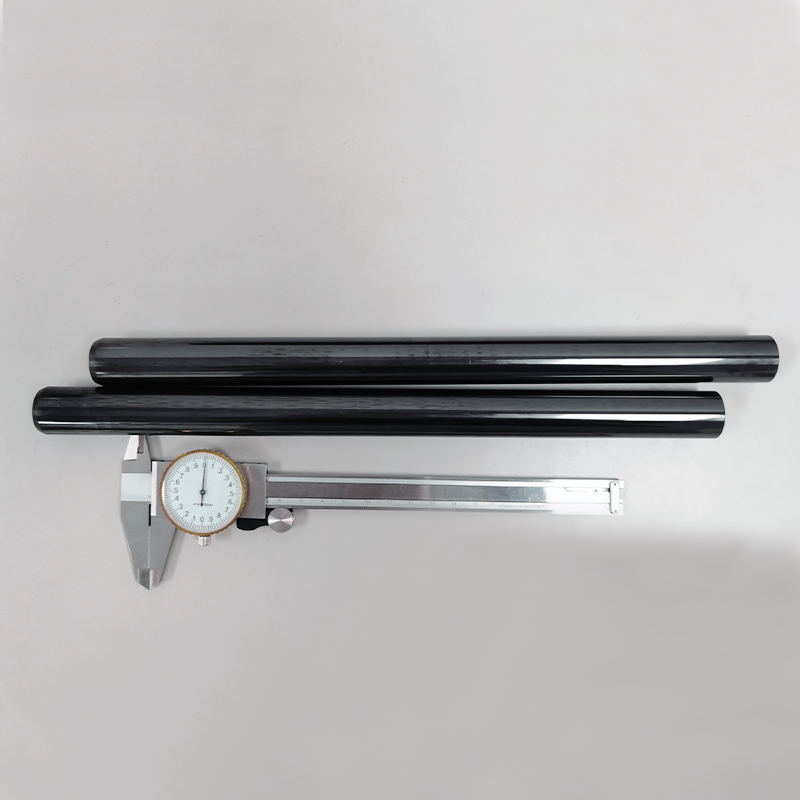
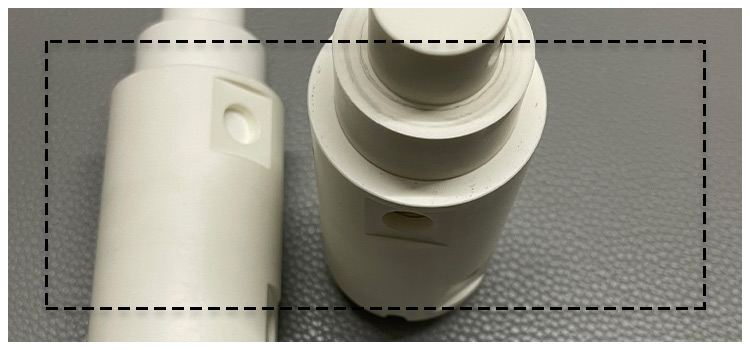


Related Ceramic Pump Plunger Catalogue and Quotation Support


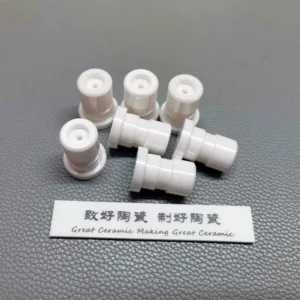


Why Technical Buyers Specify Ceramic Pump Plungers
Define the material, interfaces, operating context, and evidence needed so a component inquiry can move from illustration to a clearer quotation basis.
Current Drawing Revision
Share the current drawing revision and identify controlled dimensions, notes, and changes. This gives ceramic pump plungers a defined basis for quotation and technical discussion.
Material Grade Context
Name the material designation when known, then connect it to the fluid, temperature, load, and operating environment. Grade selection requires project-specific confirmation.
Assembly-Critical Geometry
Clarify diameters, lengths, concentric features, and mating relationships that determine fit. Geometry should be reviewed with the assembly, not treated as an isolated ceramic part.
Functional Surface Requirements
Identify surfaces involved in sealing, sliding, or locating, along with finish expectations and allowable defects. These details focus the conversation on functionally relevant areas.
Process Route Considerations
Discuss the required form, geometry complexity, and finishing needs early. The suitable process route depends on the individual material, part design, and acceptance requirements.
Inspection Evidence Needed
State which dimensions, material information, records, or inspection evidence are needed for approval. Aligning these expectations early supports a more informed sourcing decision.
Ceramic Pump Plunger Options
Explore component forms, material families and sourcing information for pump assemblies, replacement parts and equipment-build requirements.
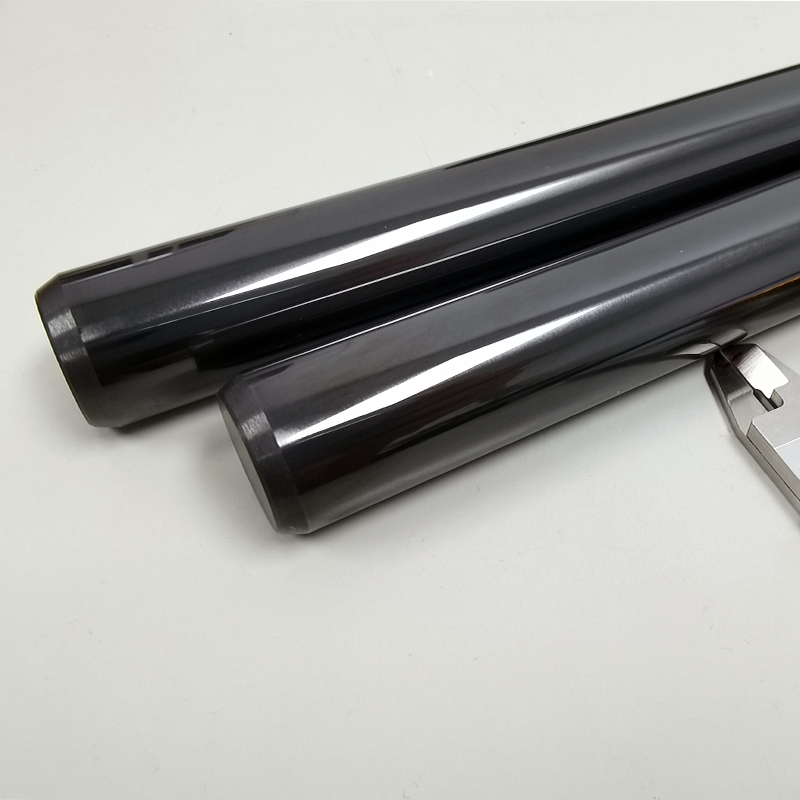
Ceramic Manufacturing Capabilities
Review ceramic manufacturing capabilities for pump plungers and related components, including geometry, mating surfaces, tolerances and inspection needs. Submit the current drawing revision, quantity and service conditions to establish a quotation discussion.
Discuss Your Ceramic Part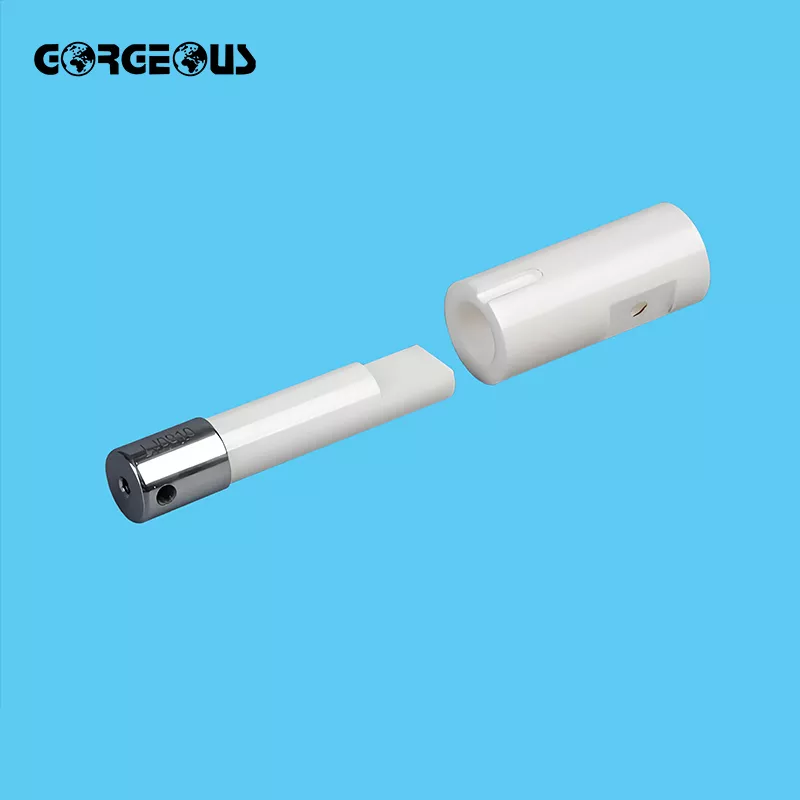
Ceramic Solutions by Industry
Explore advanced ceramics applications across industrial equipment, fluid-handling assemblies and replacement-part projects. Application conditions, contacting media, temperature, wear exposure and assembly interfaces help identify the questions that should be resolved before material selection.
Discuss Your Ceramic Part
Advanced Ceramic Materials
Compare alumina ceramics, zirconia ceramics, silicon carbide ceramics, silicon nitride ceramics, and other material families. General material information supports early evaluation, while the grade and property values for a specific component require project-level confirmation.
Discuss Your Ceramic Part
Technical Ceramic Products
Browse technical ceramic components and industrial ceramic parts by familiar component forms and material families, then narrow an inquiry to a drawing, replacement part, or operating requirement. Dimensions, fit-critical features, documentation, and acceptance criteria should be defined for the individual project.
Discuss Your Ceramic Part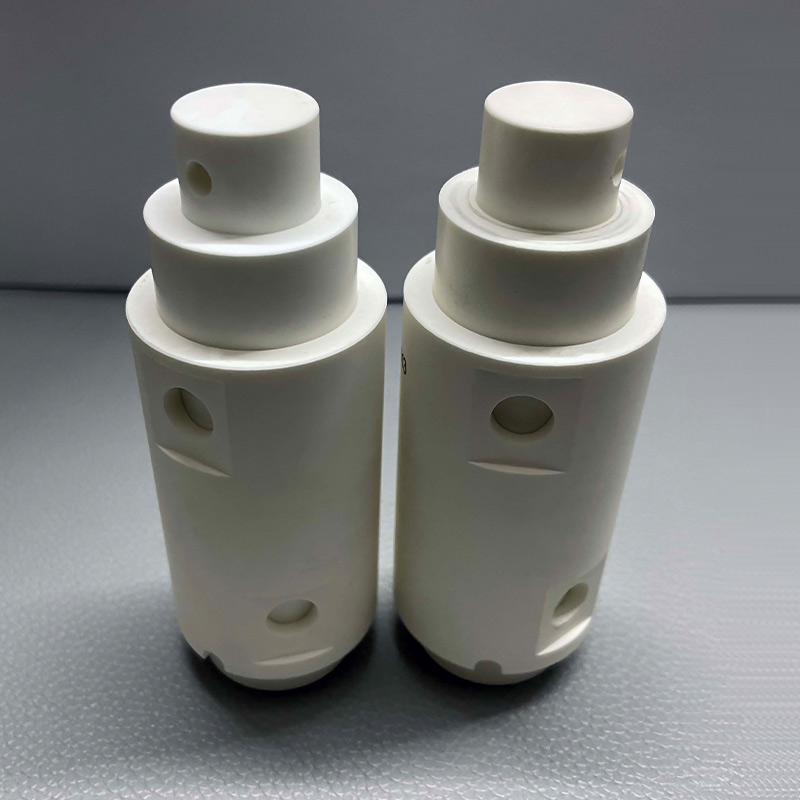
Technical Ceramic Resources
Use this technical ceramics guide to prepare a clearer inquiry: provide the part drawing, known material designation, quantity, service conditions and acceptance requirements. Identify assembly-critical dimensions and contacting surfaces, then email details or contact Porcecore by WhatsApp.
Discuss Your Ceramic PartCeramic Pump Plunger Materials

Alumina Ceramic
A widely specified oxide ceramic family for ceramic pump plungers where a defined drawing, surface requirements, and operating environment guide grade selection. Discuss dimensions, sealing interfaces, and inspection expectations with the inquiry.
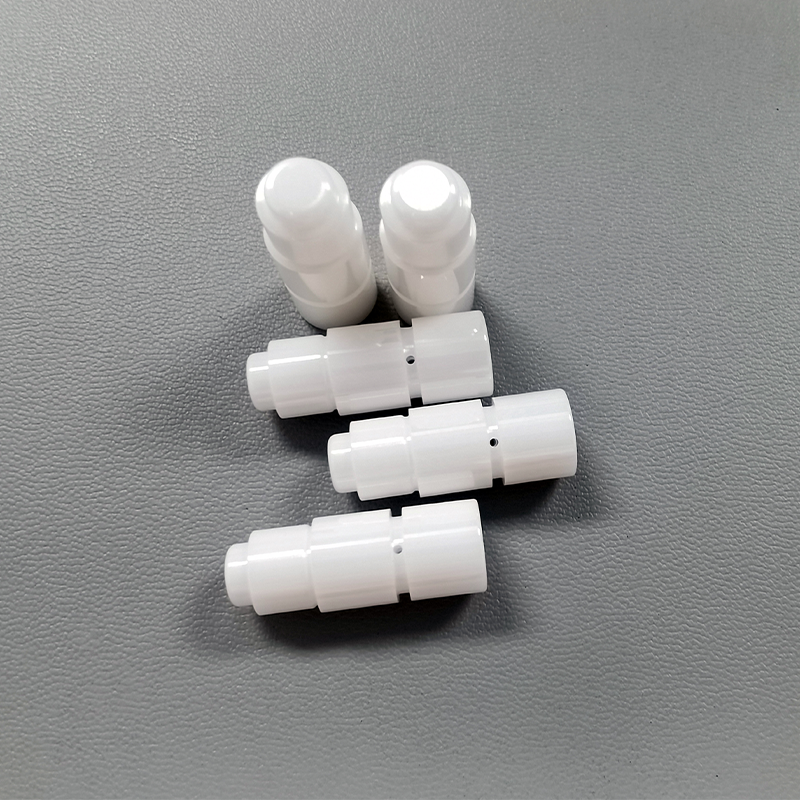
Zirconia Ceramic
A technical ceramic family considered for plunger components with demanding fit, motion, and mating-surface requirements. Share the current drawing revision, fluid environment, quantity, and acceptance criteria so suitability can be reviewed project by project.

Silicon Carbide
A carbide ceramic family often considered when the application calls for a carefully defined material and component discussion. Identify operating conditions, critical diameters, surface finish needs, and the surfaces that interact with adjacent parts.
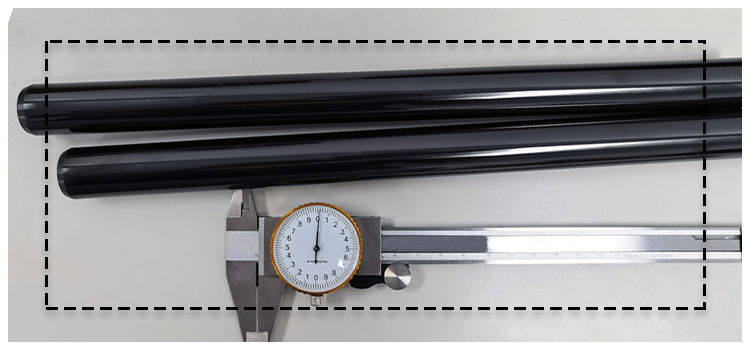
Silicon Nitride
A nitride ceramic family for project teams evaluating ceramic pump plungers against specific mechanical and service requirements. Material designation, geometry, tolerances, documentation needs, and delivery expectations should be confirmed before commitment.

Specialty Ceramics
Other oxide, nitride, carbide, and specialty ceramic options can be assessed when standard material families do not fully match the part requirement. Send the drawing and application details to establish a practical quotation basis.
Ceramic Pump Plungers: Processes for Defined Part Requirements

Powder Preparation
Material selection begins with the stated grade, service medium, temperature, and performance priorities. The discussion identifies whether alumina, zirconia, silicon carbide, silicon nitride, or another ceramic family merits project-specific review.

Forming Route
Pressing, extrusion, casting, or another forming route is considered against the part geometry, wall sections, internal features, and planned quantity. The appropriate route requires confirmation rather than assumption from a product illustration.

Green Machining
Before sintering, selected features may be evaluated for green-state machining. This route discussion focuses on geometry that affects later finishing, dimensional change, handling, and the surfaces that must ultimately mate with another component.

Controlled Sintering
Sintering is considered in relation to the selected ceramic grade and final part requirements. Drawing dimensions, shape complexity, and acceptance expectations help define which dimensional and surface requirements need further production review.

Precision Grinding
Grinding and finishing discussions focus on functional diameters, sealing surfaces, concentricity, end features, and interfaces. For ceramic pump plungers, identify the dimensions governing assembly and provide the current drawing revision for quotation review.

Final Inspection
Inspection planning connects the agreed drawing, tolerance callouts, material designation, and requested documentation. Clarifying acceptance criteria early helps separate essential verification needs from preferences before a production order is confirmed.
Ceramic Pump Plungers: Mating Features & Interfaces

Mating Surfaces
Identify the surfaces that contact sleeves, seals, adapters, or housings. Surface condition, geometry, and any critical finish expectations should be reviewed against the assembly function and drawing revision.

Fit Dimensions
Call out diameters, lengths, shoulders, and other dimensions that establish the working fit. For ceramic pump plungers, distinguish assembly-critical dimensions from general reference dimensions to support a clearer quote discussion.

End Interfaces
Specify thread, slot, bore, bonded connection, or adapter interface details where the plunger joins another component. Include interface material, engagement requirements, and relevant mating-part information when available.

Seal Contact Areas
Mark the sealing path and any surfaces that influence leakage control or packing interaction. Share operating media, pressure conditions, and expected service environment so requirements can be evaluated project by project.
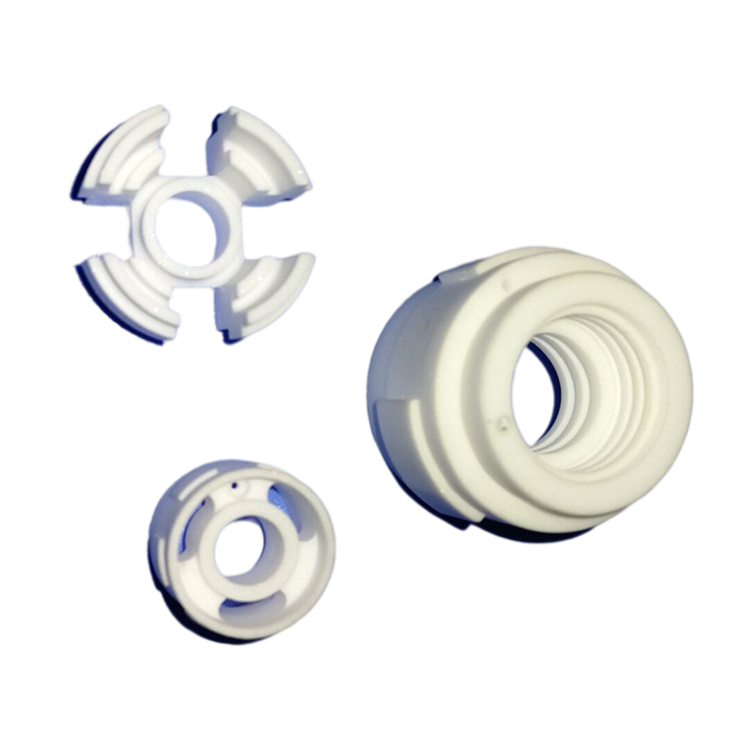
Inspection Documentation
State the acceptance criteria and documentation needed for approval, including dimensional records, material designation, or inspection expectations. This helps align the inquiry with the decision points that matter to your team.
Ceramic Pump Plungers, Clearly Specified
Founded by Andy Yuan, Porcecore was created to make technical ceramic procurement easier to understand. For ceramic pump plungers and other engineered components, we begin with the part’s job: its operating environment, geometry, mating surfaces, material considerations, and the decisions needed before a quote can be meaningfully reviewed.
Our scope covers technical ceramic materials and component forms for industrial buyers, equipment builders, and distributors. What distinguishes Porcecore is drawing-led communication and clarity before commitment: share the current drawing revision, quantity, service conditions, critical dimensions, and acceptance requirements so the project discussion has a practical basis.
A material name or product image is only a starting point, not a final specification. Porcecore helps teams identify open questions around grade, tolerances, inspection documentation, delivery, and commercial terms for the individual ceramic pump plunger requirement.

Ceramic Pump Plungers: From Requirement to Quote Basis
Review the Operating Job
Start with how ceramic pump plungers will operate: pumped media, pressure, temperature, duty cycle, and the surrounding assembly. This application review helps identify which conditions matter to the part discussion before a material or geometry is treated as fixed.
- Describe the fluid or process media
- Identify pressure, temperature, and operating cycle
- Note abrasive, corrosive, or cleanliness concerns
- Explain the plunger’s role in the assembly
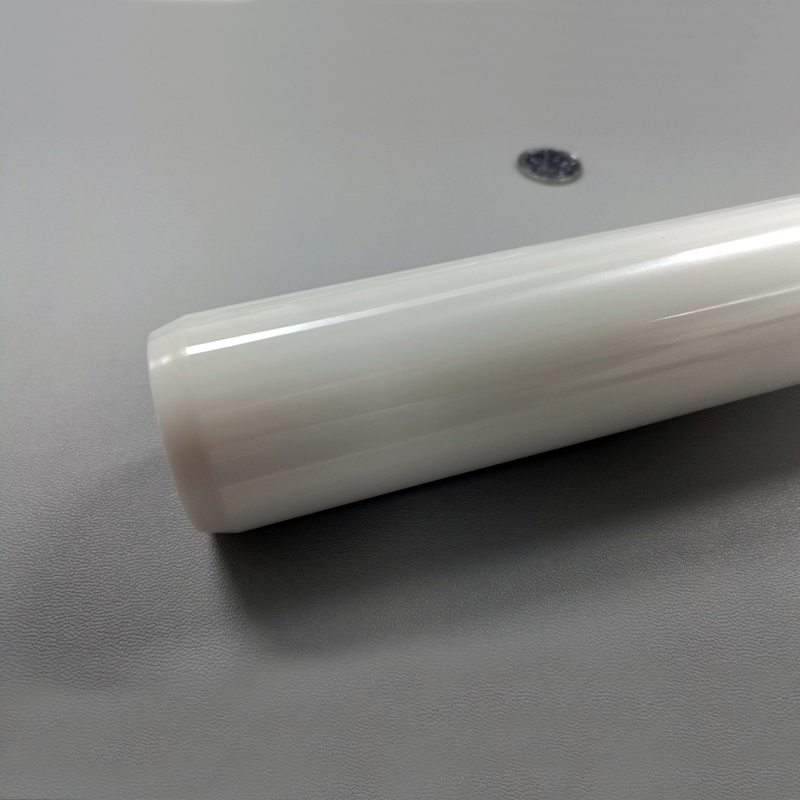
Interpret the Current Drawing
A drawing provides a practical basis for discussing ceramic pump plungers, especially when it identifies critical dimensions, mating surfaces, and revision status. Porcecore encourages buyers to share the current drawing alongside known assembly constraints, rather than relying on a material name alone.
- Send the latest drawing revision
- Mark dimensions that control assembly
- Identify sealing and mating surfaces
- Include known tolerances and surface expectations

Discuss Material with Context
Alumina, zirconia, silicon carbide, silicon nitride, and other technical ceramic families can be considered against the stated requirement. Material discussion for ceramic pump plungers should account for service conditions, geometry, interfaces, and project-specific grade expectations before quotation terms are confirmed.
- State the material designation when known
- Connect material choice to service conditions
- Review geometry alongside the material family
- Separate general properties from grade-specific values

Define Acceptance Requirements
Clear acceptance requirements make a quotation conversation more useful for both engineering and procurement. For ceramic pump plungers, outline inspection needs, documentation, critical characteristics, quantity, and delivery expectations so essential requirements can be distinguished from preferences before an order is agreed.
- List required inspection or documentation
- Flag critical characteristics for approval
- Provide quantity and delivery expectations
- Confirm commercial and technical terms per project

Ceramic Pump Plungers: Requirement-Led Sourcing
Compare a drawing-led project discussion with a material-only inquiry before committing to a quotation basis.
← Swipe left or right to view →
Ceramic Pump Plungers: From Drawing to Delivery
A practical sequence for turning an initial component requirement into a defined quotation and delivery discussion.
Define the Part
Share the current drawing revision, intended application, quantity, service conditions, and any known material designation for the ceramic pump plunger.
Review Critical Interfaces
Identify assembly-driving dimensions, mating surfaces, sealing areas, and functional geometry so the discussion addresses the part rather than a material name alone.
Discuss Quote Basis
Clarify the proposed grade, geometry, quantity, documentation needs, delivery considerations, and commercial questions before a project-specific quotation discussion proceeds.
Confirm Inspection Expectations
Define applicable dimensions, tolerances, surface requirements, acceptance criteria, and requested records to distinguish essential checks from general material information.
Align Packing and Delivery
Confirm packing preferences, delivery requirements, final documentation, and commercial terms for the individual order before production commitments are agreed.
How to Source Ceramic Pump Plungers with Porcecore
Turn a component requirement into a focused quotation discussion by sharing the details that define fit, material selection, and acceptance expectations.
Send the Current Drawing
Provide the latest drawing revision or replacement-part reference, highlighting critical dimensions, mating surfaces, and any features that determine installation or sealing.
Define Service Conditions
Describe the pumped medium, pressure, temperature, duty cycle, and operating environment so material options for ceramic pump plungers can be discussed against the application.
Clarify Quantity and Acceptance
State required quantities, target timing, inspection needs, documentation expectations, and the tolerances or surface requirements that matter most to your approval process.
Discuss the Quote Basis
Review open technical questions with Porcecore before committing, then align the proposed material grade, geometry, documentation, delivery, and commercial terms for the project.
Ceramic Pump Plungers Certificates & Documentation Review

Customer Feedback Is Not Yet Published
No approved customer testimonial is currently published for ceramic pump plungers.
Future customer feedback will be published only with written approval and verifiable project context.
Project illustrations and general material information are not presented as customer endorsements or contractual specifications.
Ceramic Pump Plungers FAQ
Clarify drawings, material options, commercial inputs, and project-specific confirmation before requesting a quotation.
What should we include in an RFQ for ceramic pump plungers?
How do you select a material for ceramic pump plungers?
Which tolerances and surfaces matter most for ceramic pump plungers?
Can Porcecore quote from a sample or replacement part?
Is there a fixed MOQ for custom ceramic components?
How are sampling and production timing handled?
What payment, shipping, and packaging details should buyers provide?
How does Porcecore handle drawings and confidential project information?
The Complete Buyer’s Guide to Ceramic Pump Plungers
Use this practical framework to specify ceramic pump plungers, compare material and manufacturing options, assess supplier capability, and avoid costly fit, finish, documentation, and lead-time mistakes before requesting an OEM quote.
1. What Are Ceramic Pump Plungers?
A ceramic pump plunger is a precision cylindrical reciprocating component in a positive-displacement pump. Its stroke changes chamber volume to draw in and discharge fluid; its diameter, straightness, finish, and fit with the sealing system influence leakage, repeatability, metering accuracy, and wear.
Five terms should remain separate during procurement: a plunger is the moving rod; a piston is a moving element that commonly seals against a cylinder; a sleeve is the stationary bore liner; a pump head contains the fluid chamber and valves; and a complete pump includes the drive, wetted components, and controls. Ceramic components are typically considered for abrasive slurries, corrosive fluids, saltwater, high-pressure duty, or long-cycle metering, but material selection must match the fluid, load, thermal conditions, mating surfaces, and acceptance criteria.
2. Evolution of Ceramic Pump Plungers
Plunger pumps are often evaluated for consistent low-flow, high-pressure duties such as chemical injection and misting. Where abrasive solids or corrosive fluids challenge conventional metal components, project teams may consider technical ceramic plungers for wetted, sliding applications.
The procurement question is not whether ceramic is generally better than metal. It is whether the fluid, pressure cycle, mating seal, and allowable wear support a ceramic plunger design.
Define the plunger diameter, stroke-related sealing surfaces, fluid chemistry, particle content, pressure, duty cycle, and inspection criteria before comparing quotations for ceramic pump plungers.
3. Types of Ceramic Pump Plungers
Two decisions determine the configuration: how the ceramic connects to the drive and how seals run on it. Ceramic pump plungers should be selected against the pump cross-section, not catalog appearance.
| Configuration | Buyer Question | Drawing Priority |
|---|---|---|
| Solid cylindrical | Is the seal path straight? | Required for fit |
| Stepped or shouldered | Where is axial location? | Essential |
| Grooved | Which seal arrangement applies? | Essential |
| Ceramic-metal assembly | How does the drive connect? | Essential |
| Replacement part | What existing architecture matches? | Part and drawing |
Solid Cylindrical Plungers
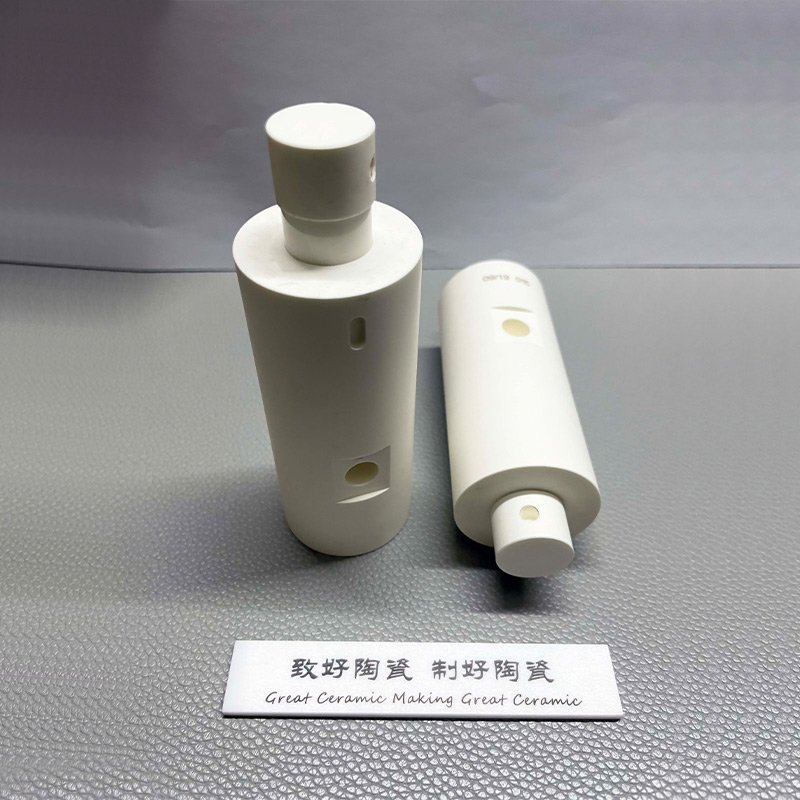
One constant diameter resolves a direct reciprocating seal path. A drawing is essential when diameter, length, end form, or seal-running surface controls fit.
Profiled And Grooved Designs

Two profile features—shoulders and grooves—resolve axial location, retention, or seal arrangement. Specify groove geometry and mating dimensions from the pump drawing.
Assembled And Replacement Parts

One ceramic-to-metal interface resolves drive connection where threads, pins, or couplings cannot be ceramic alone. Replacement matching requires the worn part plus equipment model and dimensional checks.
4. Ceramic Pump Plunger Materials
Five ceramic families create different tradeoffs in ceramic pump plungers. Grade, surface finish, mating seal, fluid chemistry, and duty cycle must be reviewed together before material approval.
| Material | Relative Wear | Toughness/Thermal | Cost Question |
|---|---|---|---|
| Alumina | Strong baseline | Moderate toughness | Is its chemical grade suitable? |
| Zirconia | Good wear | Higher toughness; lower heat margin | Is impact resistance worth added cost? |
| ZTA | Wear-toughness balance | Intermediate thermal behavior | Does abrasion justify the blend? |
| Silicon carbide | Very high wear potential | Strong thermal behavior; brittle | Is fluid chemistry compatible? |
| Silicon nitride | Good wear | High toughness and thermal-shock resistance | Is complex machining justified? |
Selection Questions
Two inputs often change the shortlist: particle abrasion and impact or thermal-shock exposure. Confirm the fluid concentration, temperature, pressure cycle, contamination size, and allowable breakage risk against the current drawing.
5. Custom Ceramic Pump Plunger Options
Two input packages support custom ceramic pump plungers: a released drawing for quotation, or an incomplete requirement needing engineering review. Dimensions alone do not define fit.
| Customization | Drawing Quote | Engineering Review |
|---|---|---|
| Diameter and length | Defined tolerances | Mating clearance unclear |
| Grooves and radii | Dimensioned profile | Seal contact function |
| Threads or adapters | Interface specified | Joining method required |
| Finish and markings | Target and location | Acceptance method unclear |
Drawing-Ready Changes
One controlled drawing can define diameter, length, taper, grooves, radii, threads, adapters, finish targets, and marking locations. Include revision, datums, tolerances, material designation, and quantity.
Engineering Review Items
Three interfaces usually require review: ceramic-to-metal joining, seal contact, and load transfer. Provide mating-part drawings, seal type, fluid, pressure, temperature, stroke, speed, and any chemical exposure.
Inspection And Traceability
Two acceptance layers reduce redesign cycles: critical dimensions and documented inspection expectations. Specify surface roughness by area, allowable edge condition, identification method, batch traceability, and required records before quotation.
6. Ceramic Pump Plunger Quality Elements
Ceramic pump plunger quality is defined by the released drawing and acceptance plan, not appearance alone. Verify each characteristic against its functional mating surface and service duty.
| Element | Failure Controlled | Incoming Evidence |
|---|---|---|
| Grade and porosity | Leakage and wear | Material and density record |
| Geometry | Seal loading | Measured inspection report |
| Surface and edges | Friction and chipping | Roughness and visual record |
| Bonded joint | Breakage and runout | Bond inspection record |
Material And Porosity
Material designation, density result, and porosity criteria should be tied to the approved grade. Open porosity can create leakage paths or accelerate wear.
Lot traceability makes replacement performance reviewable. Request the density method and sample basis.
Functional Geometry
Diameter tolerance, straightness, roundness, and concentricity govern seal loading and interchangeability. Check them at specified stations, not only at one end.
Ra roughness and edge condition influence friction, seal damage, and chipping risk. State the datum scheme and measurement method.
Assembly And Records
Bonded assemblies need documented bond integrity and concentricity after joining. Inspect for cracks, voids, and misalignment before acceptance.
Incoming records should identify drawing revision, lot, measured values, gauges, and disposition. Retain certificates with the receiving lot.
7. How to Choose a Manufacturer
1 current drawing revision should anchor supplier evaluation for ceramic pump plungers. Request a written review of critical diameters, mating surfaces, material designation, operating media, and acceptance criteria before quotation.
| Evaluation Area | Evidence To Request | Decision Signal |
|---|---|---|
| Drawing review | Feasibility notes | Requirements understood |
| Material sourcing | Grade and lot record | Traceability available |
| Metrology | Inspection report | Critical features measured |
| Prototype | Sample approval | Production baseline confirmed |
Verify Technical Review
2 controlled documents—the drawing and inspection plan—show whether the supplier understands functional dimensions. For replacement or safety-critical parts, require written clarification of unknown tolerances and datum assumptions.
- Drawing revision acknowledgement
- Critical-feature feasibility notes
- Defined change-control route
Check Evidence Before Ordering
3 evidence sets should cover material traceability, machining, metrology, and approval. Ask for a prototype route, first-article results, sample sign-off record, and relevant inspection documentation before releasing production.
- Material certificate or lot traceability
- Dimensional inspection report
- Surface-finish measurement method
- Sample approval record
Confirm Delivery Controls
4 delivery controls deserve the same review as dimensions. Confirm named technical contacts, protective packaging, production capacity for the required batch, and a lead time based on the approved drawing—not a generic promise.
- Contact-response ownership
- Damage-prevention packaging
- Quoted prototype and production dates
8. Common Ceramic Pump Plunger Buying Mistakes
Two preventable gaps drive many ceramic pump plungers disputes: incomplete interfaces and unequal quote assumptions. A drawing-led review turns each gap into a question before approval.
Material Name Alone
Material labels do not define grade, finish, or service fit. Consequence: an unsuitable part may be quoted; ask, ‘Which grade and conditions does this drawing require?’
Missing Mating Dimensions
Mating bore, seal, adapter, and stroke dimensions control assembly. Consequence: a correct-looking plunger may not fit; ask, ‘Which counterpart dimensions are inspection-critical?’
Tolerance And Fluid Gaps
Tolerances and fluid exposure must be specified together. Consequence: excess cost or premature wear can follow; ask, ‘What limits, fluid, temperature, pressure, and abrasives apply?’
Approval And Quote Scope
Samples need measurement data, while quotes need matched scope. Consequence: acceptance and price comparisons become unreliable; ask, ‘Which dimensions, documentation, handling risks, and inclusions are confirmed?’
9. Steps to Launch an OEM Plunger Project
A 7-stage launch sequence keeps ceramic pump plungers tied to the actual pump duty rather than a catalog description. Freeze decision gates before volume production so technical approval, documents, delivery, and commercial terms are traceable.
Build The Application Brief
Stage 1 collects fluid chemistry, pressure, temperature, duty cycle, mating seal and sleeve details, drawing revision, and target quantity. Include the delivery destination, required certificates, inspection records, and any replacement-part sample.
Review, Quote, And Prototype
Stages 2 through 4 convert the brief into a technical review, quoted scope, and prototype plan. Confirm material designation, critical dimensions, surface requirements, tolerances, interfaces, prototype quantity, and quotation assumptions before an order is released.
Approve And Control Production
Stages 5 through 7 require first-article inspection against agreed acceptance criteria before volume production. Record approved drawing revision, measurement method, document package, production quantity, shipment destination, and repeat-order change-control process.
10. Ceramic Pump Plunger Pricing and Cost
1 comparable quote starts with the same drawing revision, material designation, dimensions, tolerances, finish targets, inspection plan, assembly scope, packaging, and delivery location. Ceramic pump plungers cannot be priced reliably from a photo or material name because blank size, geometry, machining time, and ceramic-metal interfaces change the routing.
3 commercial levers usually improve comparability: freeze critical requirements, separate optional documentation, and state the required delivery point. Ask each supplier to identify tooling, unit processing, inspection, assembly, packaging, and freight separately.
| Quantity tier | Cost-driver impact | Typical lead-time effect |
|---|---|---|
| 1–10 | Setup, programming, complex machining, tight finish, and full inspection dominate | Prototype routing and material allocation drive timing |
| 11–100 | Setup is spread across units; repeat geometry reduces handling | Batch scheduling becomes more efficient |
| 101–500 | Stable blanks, defined acceptance criteria, and standard packaging reduce variation | Planned production lots can shorten scheduling risk |
| 500+ | Volume can lower unit processing cost; tooling, inspection sampling, and logistics need agreement | Forecasts and release schedules support capacity planning |
Discuss Your Ceramic Pump Plungers Requirement Today
Email your drawing, service conditions, and acceptance criteria to begin a clearer quotation discussion with Porcecore.