
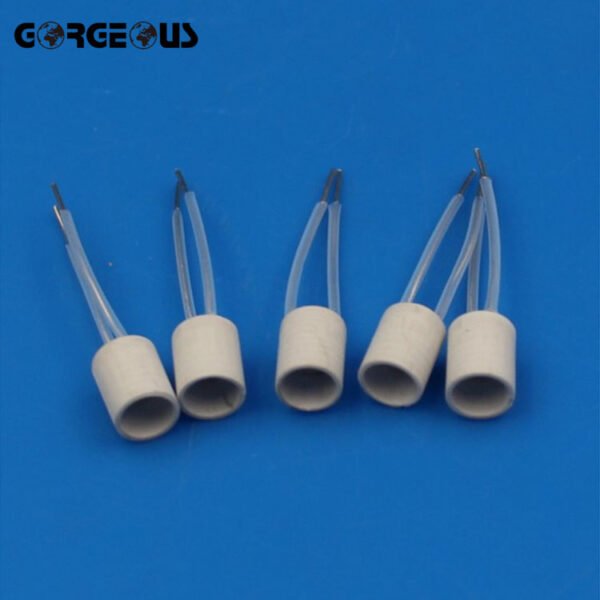



Because beryllium-containing materials require disciplined handling and compliance planning, the RFQ should involve the buyer’s engineering, safety and quality stakeholders. Provide the part definition, intended process environment, cleaning and packaging expectations, and applicable internal controls. Do not assume a generic ceramic quotation establishes safe use, regulatory fit or application performance.
Key Inquiry Requirements
Define the component before the material
Begin with the component’s function and finished geometry, whether it is an insulator, heat-management element, substrate, support or another engineered form. Show datums, interfaces, openings, mounting features and orientation. State which surfaces contact metal, ceramic, coatings, fasteners or process media, because the material choice must be reviewed alongside the complete assembly.
Use the RFQ to distinguish the required material family from an open design question. If the buyer can consider alternatives, identify the functional limits and approval path rather than inviting an unspecified substitute. If beryllium oxide is mandatory, record the exact designation requested and ask suppliers to state their proposed material form and processing assumptions.
Plan safety and controlled handling
Beryllium oxide requires particular attention to occupational safety, dust control, machining practice, cleaning and waste handling. The buyer should define who owns the safety review and what documentation must accompany quotation and supply. Ask suppliers to describe relevant handling controls without requesting operational details that conflict with the buyer’s site procedures or local requirements.
Packaging and labeling should support controlled receipt, storage and movement through the customer’s facility. Identify whether the component will be machined after delivery, returned for rework or installed in a sealed assembly. Any downstream operation should be reviewed in advance, with responsibilities for exposure control, cleaning, training and disposal documented between the parties.
Compare processing and inspection routes
The proposed forming and finishing route can affect geometry, surface condition, internal features and inspection access. Ask suppliers to identify how the component is shaped, sintered or otherwise processed, then machined or finished where applicable. Keep the comparison factual and tied to the drawing; do not treat a general process list as proof that a supplier can meet every feature.
The inspection plan should cover dimensions, critical surfaces, visible damage, traceability and any material or process records required by the buyer. Define how hidden areas, small features and packaging condition will be checked. If the component has thermal or electrical duties, specify the buyer’s qualification tests separately and require documented methods rather than broad performance language.
Construct a responsible RFQ package
Include the controlled drawing, model, revision, quantity, intended use, installation environment, cleanliness expectations and destination controls. Add the buyer’s safety and compliance questionnaire where applicable, along with required documentation for material identity, processing, inspection and packaging. State whether the request is for a prototype, production part, replacement or technical feasibility review.
Ask suppliers to separate manufacturing, machining, inspection, controlled handling and packaging in their response. Require a list of assumptions, exclusions and proposed deviations. If the application or handling route is not fully defined, invite questions before quotation and keep the unresolved items visible instead of allowing them to become informal commitments.
Approve with engineering and EHS review
Sample or first-article approval should involve the disciplines that own fit, function, quality and safe handling. Check the part against the drawing, inspect the defined interfaces and verify that packaging and labeling meet the receiving procedure. Material identity alone is not evidence that the component is approved for the intended environment or process.
For ongoing supply, maintain revision control, lot traceability, nonconformance handling and change notification. Record who approves material substitutions, process changes, rework and altered packaging. Where the component enters a regulated, high-energy or contamination-sensitive system, keep qualification and release decisions under the buyer’s documented engineering and environmental-health-and-safety process.
Questions Before You Inquire
Why does a beryllium oxide ceramic RFQ need safety input?
Beryllium-containing materials require controlled consideration of handling, machining, dust, cleaning, waste and workplace procedures. The buyer’s engineering, quality and environmental-health-and-safety teams should define applicable controls before supply. A product description cannot replace a site-specific risk review or establish regulatory compliance for the customer’s process.
What should be specified besides the beryllium oxide material name?
Define the finished geometry, interfaces, function, environment, cleanliness, packaging, inspection evidence and required material documentation. State the requested material designation or approval route for alternatives. Also describe any customer-side machining, rework or disposal activity, because those steps affect safety planning and supplier responsibilities.
Can a supplier recommend a different ceramic?
A recommendation may be useful, but it should be treated as an engineering change rather than an automatic substitute. Require the supplier to explain the proposed material and its effect on fit, thermal or electrical duties, processing, inspection and handling. Buyer engineering and safety stakeholders should approve the alternative before production.
Which documents may be useful for acceptance?
Depending on the buyer’s system, useful documents can include the controlled drawing, material identification, lot traceability, inspection results, process or handling declarations, packaging records and approved deviation notices. Define the required set before quotation. Keep safety, compliance and application qualification evidence separate from ordinary dimensional acceptance.
Send a Clear Component Brief
Share your drawing, quantity and application with Porcecore. Mark the requirements that are fixed and the questions that remain open.


Reviews
There are no reviews yet.