
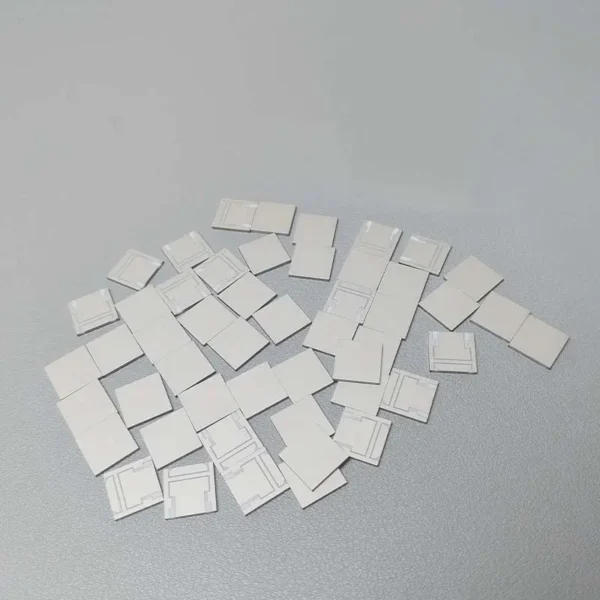


Treat beryllium oxide as a controlled material topic as well as a component topic. Your RFQ should define the form, application, handling expectations, documentation and approvals required before technical and commercial comparison.
Key Inquiry Requirements
Define the Component Before the Material
Beryllium oxide ceramic may be supplied in many component forms, so the material name alone does not identify the procurement need. Provide a controlled drawing showing the finished shape, datums, mounting features, contact surfaces, openings and edge details. State whether the part is a substrate, insulator, spacer, heat-transfer element or another defined function, while keeping application claims tied to verified design requirements.
Describe how the component enters and leaves the assembly, including fastening, bonding, clamping, metallization or encapsulation where applicable. Identify adjacent materials and any restrictions on contact, contamination or rework. These details help a supplier assess manufacturability and documentation needs without assuming a standard form or treating an illustrative product title as a complete specification.
Handle BeO as a Governed Material
Because beryllium oxide requires careful material governance, the RFQ should state the buyer’s approved handling, packaging, labeling and compliance expectations. Ask the supplier to identify the controls used for processing, inspection, cleaning, packing and nonconforming material, subject to applicable laws and your organization’s procedures. Avoid relying on general assurances; request the specific records needed for your safety and quality review.
Define who is responsible for reviewing safety information, transport conditions, workplace controls and end-of-life handling. The supplier should not be expected to infer your jurisdiction or internal approval process. Include relevant safety documentation and contact points in the procurement package, and require any proposed substitute or process change to undergo documented technical and safety review before acceptance.
Specify Material and Functional Evidence
Name the approved BeO material designation or internal standard, along with any permitted alternatives and required identification method. Where thermal, electrical, chemical or mechanical behaviour matters, describe the design requirement and request supporting material data rather than inserting unsupported numerical claims. State whether the buyer needs lot traceability, test coupons, certificates or other evidence for release.
The part’s performance may depend on geometry, surface condition, joining and the surrounding system as much as on the ceramic itself. Identify the relevant interfaces, contact pressure, mounting sequence, thermal path or electrical isolation requirement in functional terms. Ask the supplier to flag any missing boundary conditions, because a material certificate cannot by itself validate an entire component design.
Control Finish and Inspection
Define inspection around the component’s actual failure modes: dimensional drift, warpage, cracks, chips, edge damage, contamination, surface condition and interface integrity. Identify critical faces and reference datums, then state the required measurement method or report format where your quality system demands it. For coated, metallized or joined versions, separate base-ceramic acceptance from added-process acceptance.
A BeO component should be packaged and identified in a manner consistent with the approved handling plan. Include cleanliness, protective separation, labeling, container and documentation requirements in the RFQ. Ask for nonconformance and traceability procedures, especially when the component will enter a regulated or safety-sensitive workflow. Keep acceptance criteria measurable and linked to the exact drawing revision.
Build the Approval Path into the RFQ
A complete inquiry should contain the drawing, material standard, application description, quantity context, development stage, inspection plan and governance requirements. State whether the request covers prototypes, qualification parts or repeat production, but do not imply stock, capacity or lead-time commitments. Ask suppliers to identify assumptions, exclusions, proposed process stages and required customer approvals.
Commercial comparison is safer when technical and compliance responses are separated. Request a clear list of material records, safety documents, inspection deliverables, packaging provisions and change-notification commitments. If a sample or first article is needed, define the review gate and acceptance basis before quotation, ensuring that any approved deviation is captured in a controlled revision.
Questions Before You Inquire
What should be addressed first when buying a BeO ceramic component?
Begin with the finished component geometry and intended function, then establish the approved material designation and your organization’s safety, handling, documentation and compliance requirements. The RFQ should identify interfaces, inspection criteria, packaging controls and approval contacts. This creates a governed procurement basis before commercial terms are compared.
Can a BeO ceramic part be treated like an ordinary ceramic RFQ?
Its drawing and inspection needs may resemble other technical ceramics, but material governance and handling must receive explicit attention. Include applicable safety documentation, packaging, labeling, process controls, traceability and change procedures. Confirm responsibilities with qualified internal personnel and the supplier before releasing manufacturing or accepting a proposed alternative.
What evidence should be requested for BeO material?
Request the material designation, identification method, applicable conformity or lot records, relevant safety documentation and the functional data needed for design review. The exact package depends on your quality system and jurisdiction. Separate material evidence from dimensional inspection, joining records and any application-specific qualification requirements.
Are substitutes for beryllium oxide acceptable?
Only when the design authority and relevant safety or compliance reviewers approve them. A substitute can change thermal, electrical, mechanical, chemical, processing and handling characteristics. Require the proposed designation, comparison data, risk assessment, affected drawings and formal change approval; do not accept a substitute based solely on similar product naming.
Send a Clear Component Brief
Share your drawing, quantity and application with Porcecore. Mark the requirements that are fixed and the questions that remain open.


Reviews
There are no reviews yet.