
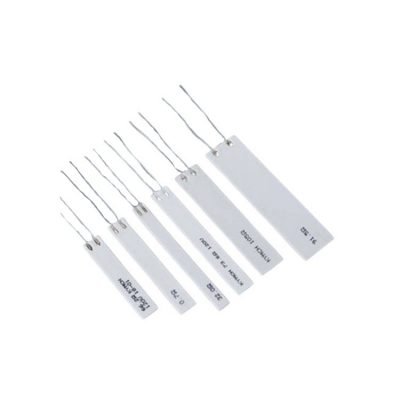


Use this page to frame an RFQ for a beryllium oxide rod, including geometry, end conditions, metallization intent, handling controls and evidence requirements. The correct specification depends on how the rod is mounted, contacted, cleaned and inspected in the finished assembly.
Key Inquiry Requirements
Define the rod geometry
A rod drawing should identify the complete profile rather than only its overall length and diameter. Include straight or stepped sections, shoulders, grooves, holes, chamfers, radii and datum references where they affect assembly. End faces deserve particular attention because flatness, squareness, edge condition and any locating feature can determine whether the rod seats consistently in its mating hardware.
Describe the geometric relationships that matter after firing, grinding or any other finishing operation. A buyer should distinguish critical dimensions from reference dimensions, state which surfaces establish measurement datums and identify areas that may be inaccessible to inspection. If the rod is cut from a larger shape, include the required cut direction and the acceptable condition of the cut ends.
Clarify material and surface intent
Beryllium oxide should be named explicitly in the RFQ, with the applicable material designation or internal specification attached where one exists. Avoid relying on a material name alone when the rod will face thermal cycling, electrical isolation, vacuum, contamination control or close mechanical interfaces. Ask suppliers to identify the proposed processing route and any material-related variables that could influence surface condition or dimensional stability.
If metallization, coating, lapping or another surface treatment is part of the concept, define its location and functional purpose separately from the ceramic body. The drawing should show treated zones, masking boundaries, contact areas and any required transition. Request process documentation and inspection evidence for those features without presuming a particular metal system, thickness, adhesion result or finishing method.
Match the rod to its assembly
Explain how the rod is supported, retained and loaded in the assembly. Radial clearance, axial stops, clamping force, compliant interfaces and differential expansion can all change the practical requirements, even when the ceramic geometry appears simple. Include the mating material, contact pattern and assembly sequence so a supplier can review risks around chipping, point loading and unintended stress concentration.
The RFQ should also state whether the rod is exposed to electrical contact, heat transfer, vibration, moisture, vacuum or cleaning agents. These conditions guide the questions about edge protection, surface cleanliness and packaging. Where the rod is part of a replaceable or serviceable assembly, describe removal and reinstallation expectations so the design can be assessed beyond the initial installation.
Set inspection and acceptance criteria
Inspection planning should follow the drawing’s functional features. Identify the dimensions that need formal reports, the surfaces requiring visual or microscopic review and any non-destructive examination expected for internal discontinuities. Define measurement references, sampling expectations and the format of records so different suppliers can be compared on equivalent evidence rather than on broad claims about quality.
For beryllium-containing ceramic, include the required safety and traceability documentation in the RFQ package. Specify how parts, dust-generating operations, rejected material and packaging should be controlled within the agreed supply process. Porcecore can then evaluate what documentation is appropriate to the order without implying a certification, regulatory status or handling procedure that the buyer has not requested.
Build a complete RFQ package
A useful inquiry should combine the latest drawing, three-dimensional model when available, annual or project quantity, prototype status and intended use. Add photographs or sketches of the assembly only as supporting context, not as substitutes for controlled dimensions. State whether the supplier is expected to recommend manufacturability changes, surface treatments, inspection methods or packaging details.
Ask for a drawing review, proposed process route, identified assumptions and a list of exceptions before commercial comparison. The response should clearly separate confirmed capability from items requiring development or customer approval. Include questions about sample approval, change notification, lot traceability and the handling of nonconforming rods so the sourcing decision reflects the complete technical risk.
Questions Before You Inquire
What should be included in an RFQ for a beryllium oxide rod?
Provide the controlled drawing, material designation, operating environment, mounting method, critical dimensions, end conditions, surface requirements and inspection expectations. If metallization or coating is under consideration, show the functional zones and ask suppliers to identify assumptions. Include quantity context, sample requirements, traceability needs and required safety documentation.
Should metallization be specified on the ceramic drawing?
Yes, when it is part of the intended function. Show the treated areas, masking limits, contact locations and relevant interfaces separately from the ceramic geometry. Do not specify an arbitrary system or acceptance value without application evidence. Ask the supplier to propose a process and provide supporting inspection information for approval.
How can buyers compare rod proposals fairly?
Compare proposals against the same drawing revision and RFQ questions. Review dimensional assumptions, process route, inspection coverage, material documentation, surface-treatment scope, packaging, change control and identified risks. Separate demonstrated process capability from general statements. A clear list of exclusions and customer decisions is often more useful than an unqualified claim of compliance.
What assembly information helps prevent ceramic rod damage?
Describe supports, stops, clamps, contact materials, insertion direction, removal method and expected loads. Include thermal cycling, vibration, cleaning and electrical conditions where relevant. This context helps the supplier assess edge protection, clearances and stress concentration. It also lets the buyer decide whether assembly fixtures, compliant interfaces or handling instructions belong in the project scope.
Send a Clear Component Brief
Share your drawing, quantity and application with Porcecore. Mark the requirements that are fixed and the questions that remain open.


Reviews
There are no reviews yet.