


Define the thread, bore, stepped features and reference surfaces together. For an RFQ, provide the mating hardware, loading direction, installation method, cleaning requirements and any exposure conditions that could affect material selection or inspection.
Key Inquiry Requirements
Geometry and Thread Definition
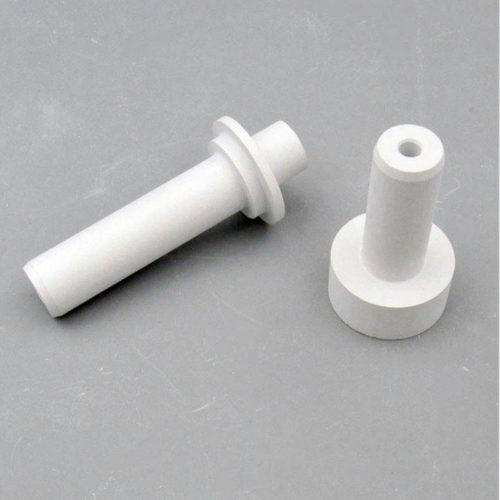
A through threaded cylinder should be specified as an integrated geometry, not simply as a ceramic tube with a thread added later. Identify the nominal thread system, pitch, thread length, crest and root form, through-bore size, end condition and any stepped mating bits. Section views and enlarged thread details help clarify transitions, reliefs and the surfaces that must remain free from chipping or contamination.
The drawing should distinguish functional datums from non-critical surfaces. State how the cylinder locates in the assembly, whether the thread is used for retention or adjustment, and how the mating part is introduced. Include thread engagement length, allowable runout, edge breaks and orientation marks when they influence assembly. If the mating component is metallic or ceramic, provide its material and interface drawing for fit review.
Material and Service Context
Boron nitride is the named material family for this component, but the usable specification still depends on the selected grade, forming route and final machining approach. Avoid treating the material name alone as a complete requirement. Tell the supplier what the cylinder contacts, whether electrical isolation is relevant, and whether the part faces vacuum, reactive chemistry, cycling, handling abrasion or other defined exposures.
Describe the operating environment without inserting assumed limits. A useful RFQ identifies pressure regime, atmosphere, temperature range, ramp or cycling pattern, applied load, contact stress and cleaning agents where known. Also note whether the part is exposed to particles, moisture or deposition. These details allow the quotation to state what is included in the material review and what requires confirmation through testing or qualification.
Assembly and Handling Review
Threaded ceramic components require an installation method that respects their brittle nature and the geometry of the thread. Explain whether tightening is manual, tool-assisted or part of a controlled fixture, and identify the mating torque approach if one exists. The supplier should know whether the cylinder is installed once, repeatedly adjusted or removed during maintenance, because those use cases change the inspection and handling discussion.
Include the mating thread standard, material, surface condition and expected engagement in the RFQ package. If a washer, shoulder, spacer or seal contacts the stepped region, show its position and contact width. Clarify permissible lubricants, cleaning sequence and packaging needs. These inputs help separate a cosmetic edge mark from a defect that could interfere with assembly or service.
Inspection and Acceptance
Inspection should cover the features that control fit and function: thread form, pitch or lead, major and minor dimensions where applicable, through-bore continuity, step locations, end squareness and visible damage. Define the measurement references and inspection method instead of using broad phrases such as high precision. If the thread is difficult to gauge conventionally, identify the proposed gauge, master mating part or measurement strategy for review.
Ask for an agreed acceptance plan before production release. It may include drawing dimensions, sampling or full inspection requirements, visual criteria, cleanliness checks, material identification and documentation of nonconforming conditions. The RFQ should also state whether inspection records are required with each lot or only during approval. No acceptance value should be inferred from the product name or a reference image.
RFQ Package and Review
A complete inquiry should include the latest 2D drawing, a neutral 3D model when available, revision level, projected annual or project quantity and intended application. Add the thread callout, datum scheme, critical-to-function characteristics, surface notes, edge treatment, packaging orientation and any prohibited process residue. If dimensions are still under development, identify the open items rather than leaving them implicit.
Request a quotation that clearly separates material assumptions, machining scope, inspection coverage, sample or qualification activity and unresolved technical questions. Ask the supplier to mark deviations against the drawing and to identify any feature that may need a design review. This approach gives the engineering team a traceable basis for comparing offers without implying stock availability, guaranteed performance or a fixed production route.
Questions Before You Inquire
What information should accompany an RFQ for a threaded cylinder?
Provide the current drawing, thread standard, bore and step details, datums, tolerances, material requirements, mating-part information and service environment. Include quantities only as planning inputs, not as assumptions about stock. State inspection, cleanliness, packaging and documentation needs so the quotation can identify scope and open technical questions.
Can the external thread be specified by a common fastener callout?
It can be a useful starting point, but the drawing should also address thread length, termination, relief, engagement and the ceramic-to-mating-part fit. Confirm whether a standard gauge is suitable and define any special edge or surface requirements. Ceramic thread geometry should be reviewed in the context of the complete assembly.
How should installation be described for this component?
Explain the mating material, engagement length, loading direction, tightening or adjustment method, cleaning process and whether the part will be removed repeatedly. If torque or preload is controlled, provide the applicable engineering basis for review. Do not assume a generic fastener practice is appropriate for a brittle ceramic component.
What inspection records may be requested?
An RFQ may request dimensional results for critical features, thread verification, visual examination, material identification, cleanliness evidence and nonconformance reporting. The required record should match the drawing and application risk. Specify whether data are needed for first articles, every shipment or defined sampling, rather than leaving documentation expectations open.
Send a Clear Component Brief
Share your drawing, quantity and application with Porcecore. Mark the requirements that are fixed and the questions that remain open.


Reviews
There are no reviews yet.