
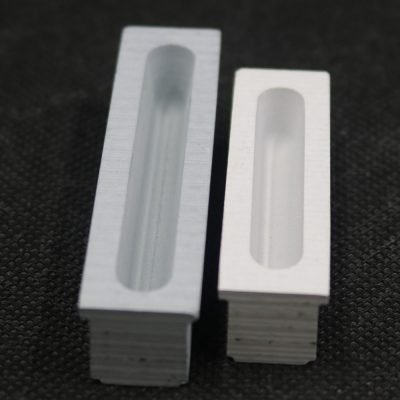
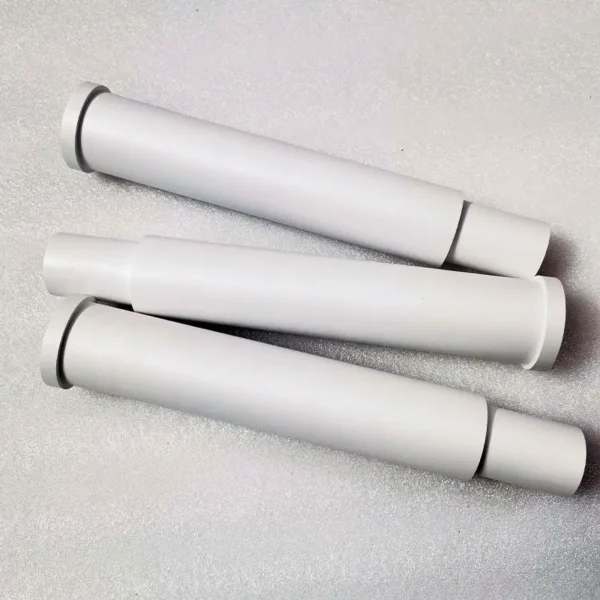


A useful inquiry should describe the block’s intended function, envelope, profile complexity and installation method. Include the latest drawing, permitted substitutions, surface requirements and any exposure to heat, electrical potential, vacuum, chemicals or mechanical loading. The final specification should identify which characteristics are essential and which remain open to supplier recommendation.
Key Inquiry Requirements
Define the block around its working role
Start with the role the boron nitride block will perform, not simply its nominal material name. A support, spacer, guide, cover or insulation feature can impose very different requirements on edges, interfaces and handling. State whether the component touches another ceramic, metal, coating or process material, and identify any areas where contact, clearance or electrical isolation must remain controlled.
The drawing should show the complete envelope, datum scheme, openings, steps, radii and orientation-sensitive features. If the block is later cut, drilled or ground during assembly, separate the supplied condition from the finished condition. Clarify whether the design permits machining marks, edge breaks, joint lines or local cosmetic variation, because these details can affect both quotation scope and inspection planning.
Compare material and fabrication routes
Boron nitride is a material family with forms and manufacturing routes that may differ in structure, machinability and suitability for a given assembly. Ask suppliers to identify the proposed grade or body type, forming approach and post-forming operations, while keeping the comparison tied to the part’s actual duty. A material label alone is not enough to establish equivalence between quotations.
For shaped blocks, fabrication choices can influence achievable features, waste, surface condition and repeatability. Request a clear statement of what is produced near-net and what is machined afterward. Where the geometry is unusual, provide a neutral model and marked-up drawing so suppliers can distinguish design intent from optional features and propose practical revisions without silently changing the part.
Specify interfaces and inspection points
RFQ documentation should identify the surfaces that locate, seal, clamp, slide or face another component. Mark critical planes, hole positions, parallelism needs and any areas where a chipped edge could affect assembly. If the block is used as an insulating or heat-facing element, describe the surrounding materials and process conditions without assuming that a general ceramic description defines the complete operating window.
Agree the inspection record before order placement. Depending on the drawing, useful evidence may include dimensional reports, visual examination, material traceability, photographs of marked features and confirmation of the inspection method. Ask how small features, hidden surfaces and edge integrity will be checked, and define the sampling basis if more than one piece is quoted.
Build a practical RFQ package
A strong inquiry combines the part number, revision, quantity for quotation, expected repeat demand if known, application summary and delivery destination. Add the 2D drawing and 3D model when available, but state which document controls. Include packaging orientation, cleanliness expectations and labeling needs when the block enters a sensitive assembly or a controlled production area.
Invite suppliers to list assumptions, exclusions and proposed deviations in a response table. Ask them to separate raw-body production, machining, finishing, inspection and packing so the comparison remains transparent. If the design is not frozen, request an engineering review with questions grouped by geometry, material selection and process risk rather than accepting an unspecified substitute.
Review samples and production evidence
Before approving a repeat source, compare the quoted part against the same controlled drawing and inspection plan. Review representative samples for feature fidelity, edge condition, surface consistency and fit at the actual interfaces. A sample can demonstrate workmanship, but it should not be treated as proof of unrequested performance under a buyer’s process conditions.
For ongoing supply, define how drawing revisions, approved materials, nonconformities and change notices will be managed. Keep acceptance criteria tied to measurable features and documented observations. If the block will be exposed to an unusual atmosphere, voltage or thermal cycle, specify the buyer’s validation method separately and avoid turning a supplier quotation into an unverified operating guarantee.
Questions Before You Inquire
What should accompany an RFQ for a boron nitride ceramic block?
Provide the controlled drawing, model if available, quantity for quotation, intended function, interfaces, environment, finish expectations and inspection needs. Identify critical dimensions and surfaces, permitted alternatives, packaging requirements and any questions about machining or material form. Suppliers can then quote the same definition and clearly flag assumptions.
Can a standard block be used for a custom assembly?
That depends on the required envelope, features and interfaces. A standard starting form may reduce processing, but it does not establish suitability for a particular load, atmosphere, electrical condition or fit. Ask for a drawing review and compare the proposed finished geometry, inspection scope and material designation before treating it as interchangeable.
Which features deserve special attention during inspection?
Focus on datums, locating faces, hole or slot positions, thickness, flatness where assembly depends on it, and edge condition at contact areas. Also identify hidden or difficult-to-measure surfaces in advance. The inspection plan should use the drawing’s revision and state how each critical characteristic will be verified.
How should material substitutions be handled?
Do not approve a substitution from a similar-sounding ceramic name alone. Require the supplier to state the proposed material form, relevant processing route and expected effect on geometry, interfaces and inspection. Record any approved deviation against the drawing or purchase documents, with buyer review before production.
Send a Clear Component Brief
Share your drawing, quantity and application with Porcecore. Mark the requirements that are fixed and the questions that remain open.

Reviews
There are no reviews yet.