
Active Metal Brazing for Defined Ceramic-to-Metal Joints
Plan active metal brazing around your drawing, mating surfaces, service conditions, and acceptance requirements before requesting a quotation.
Featured Components for Active Metal Brazing Development

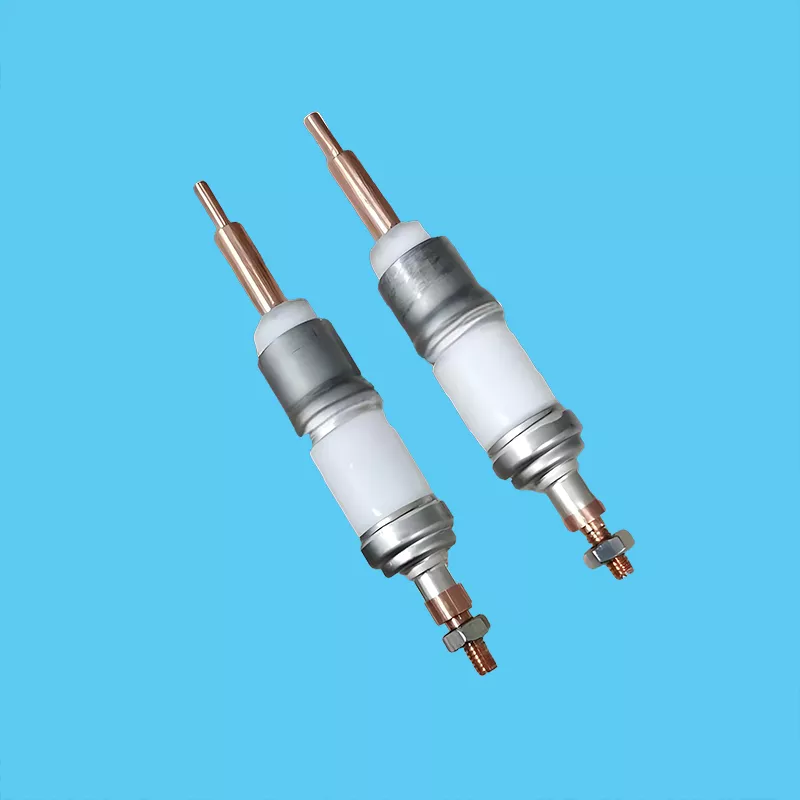
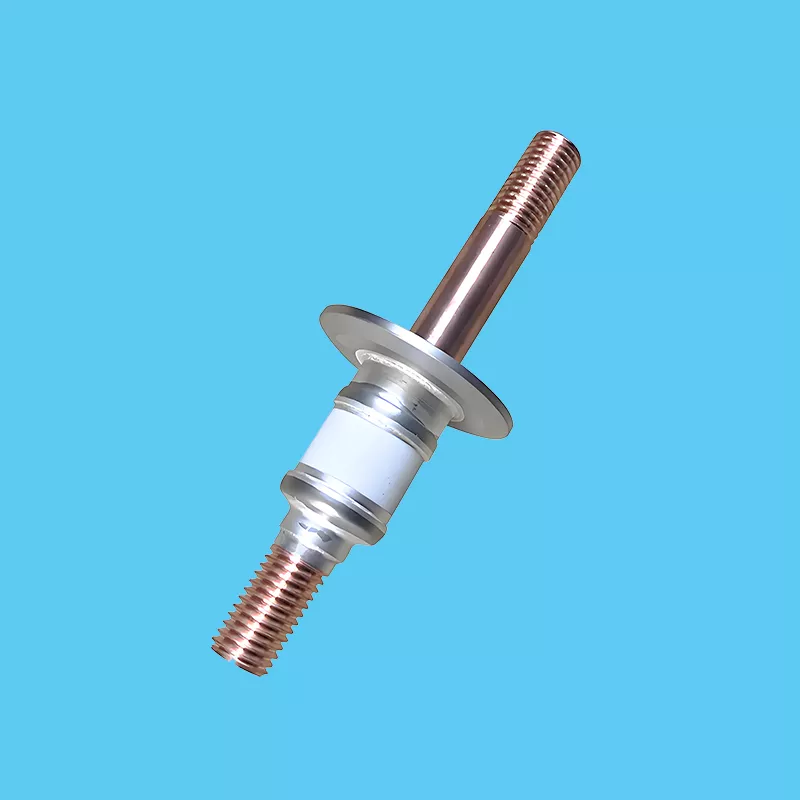
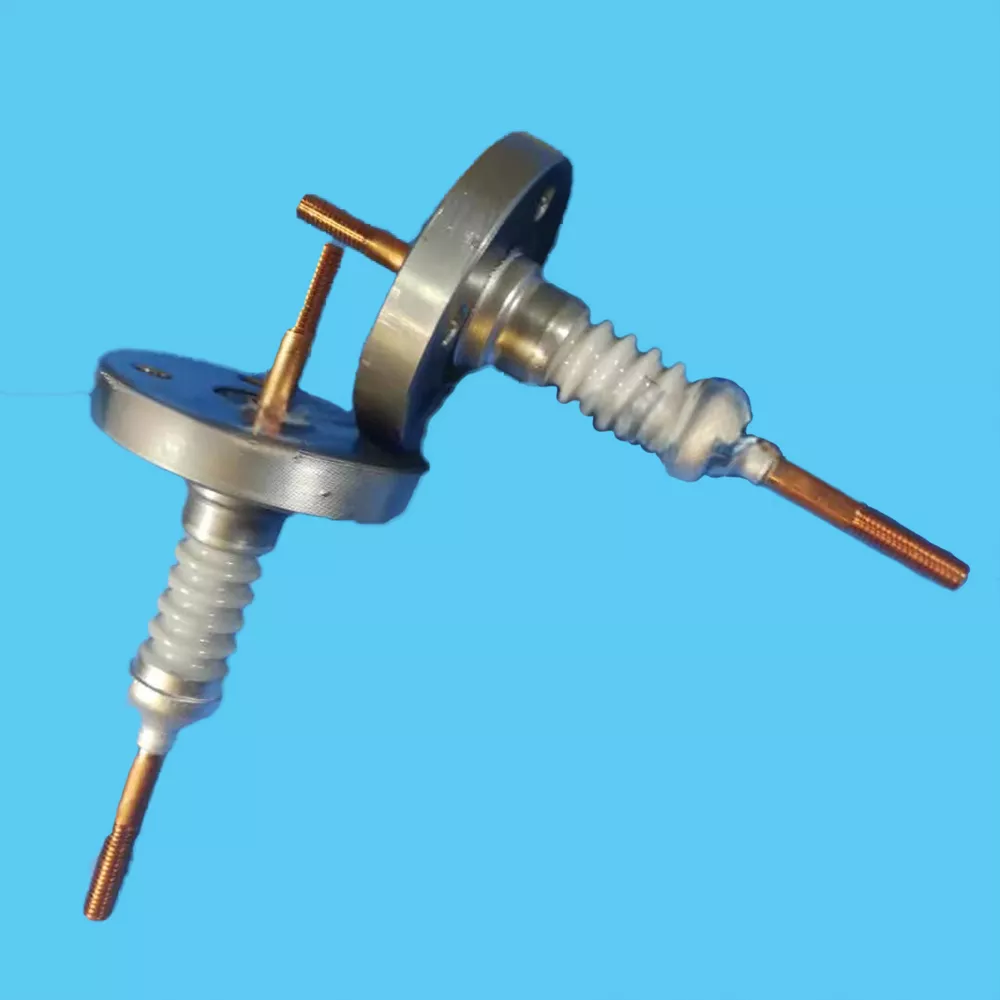
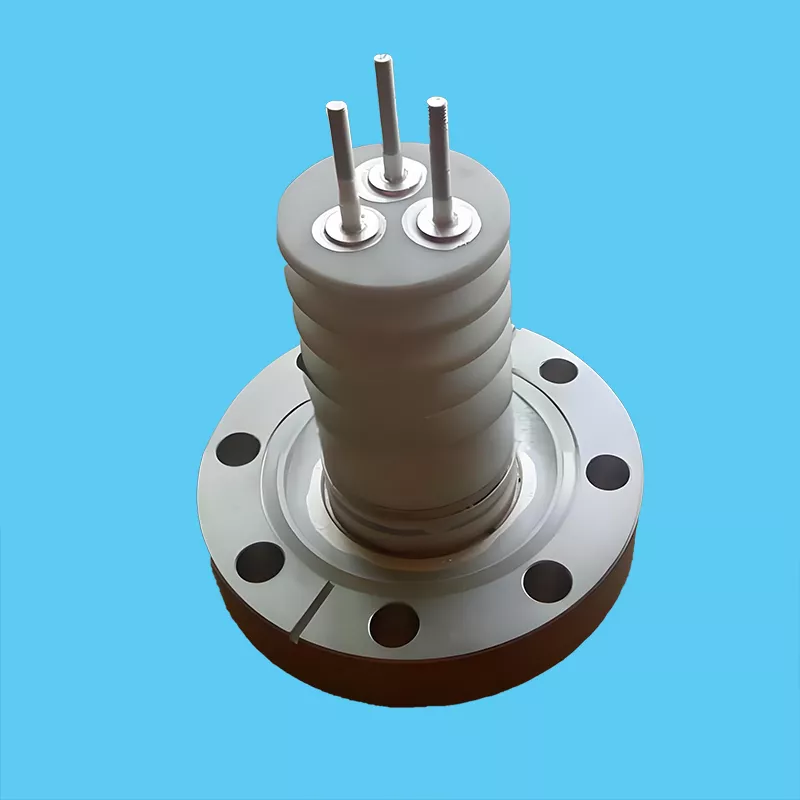
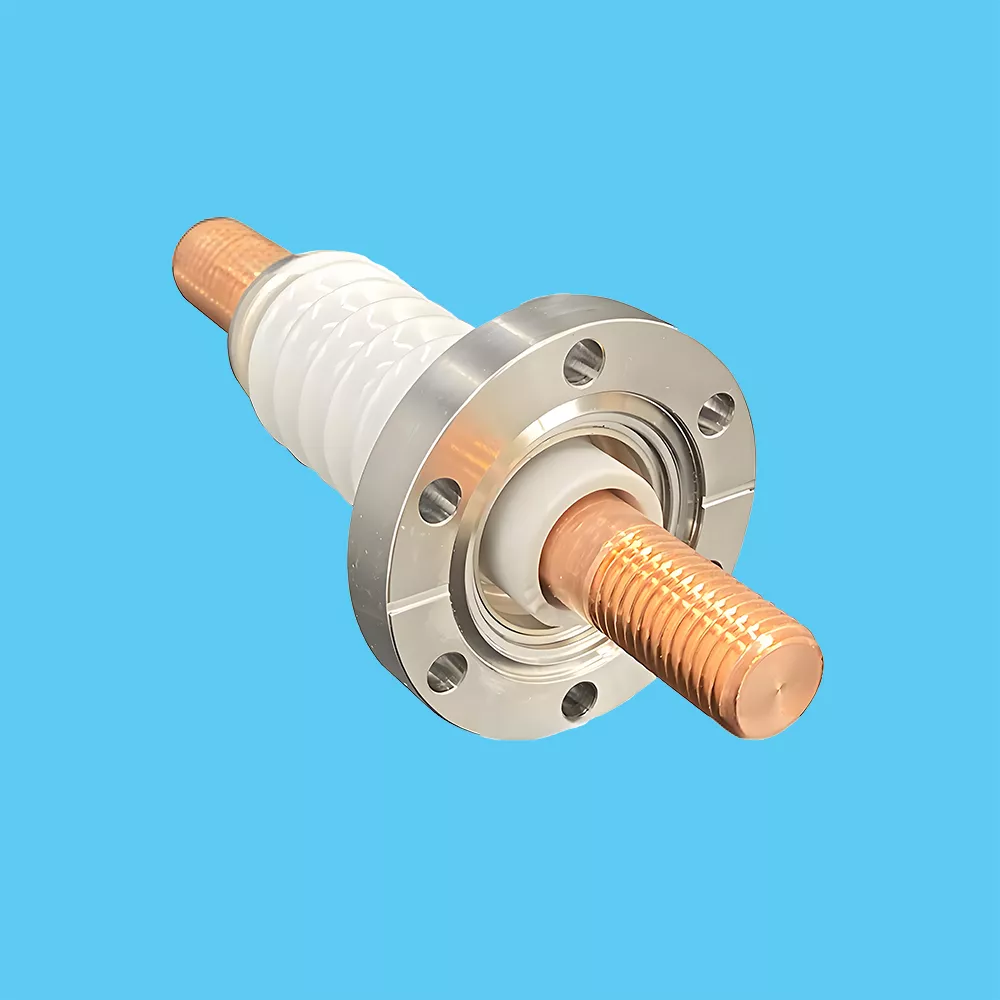
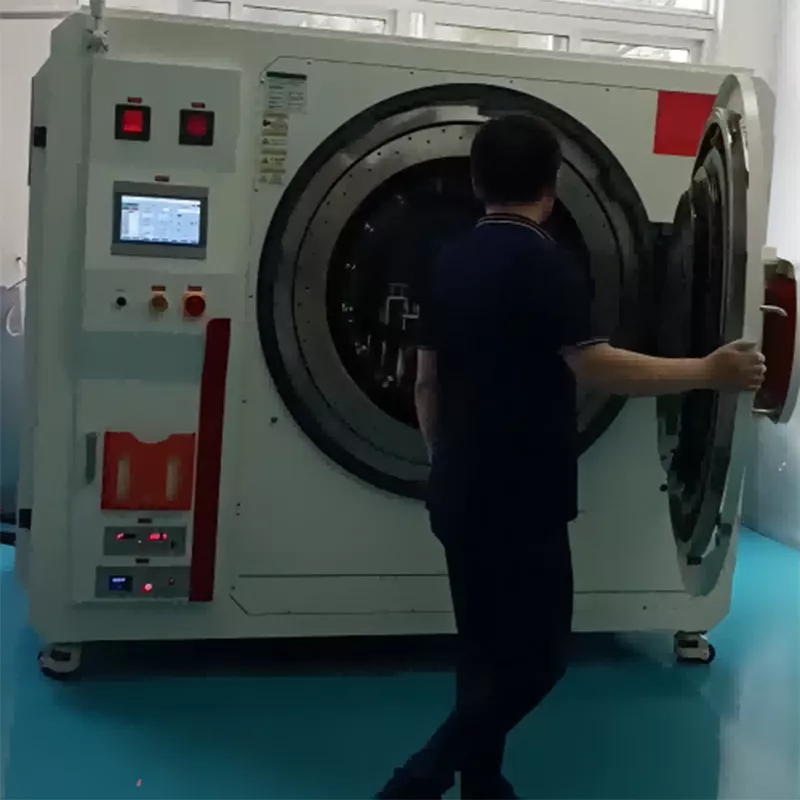


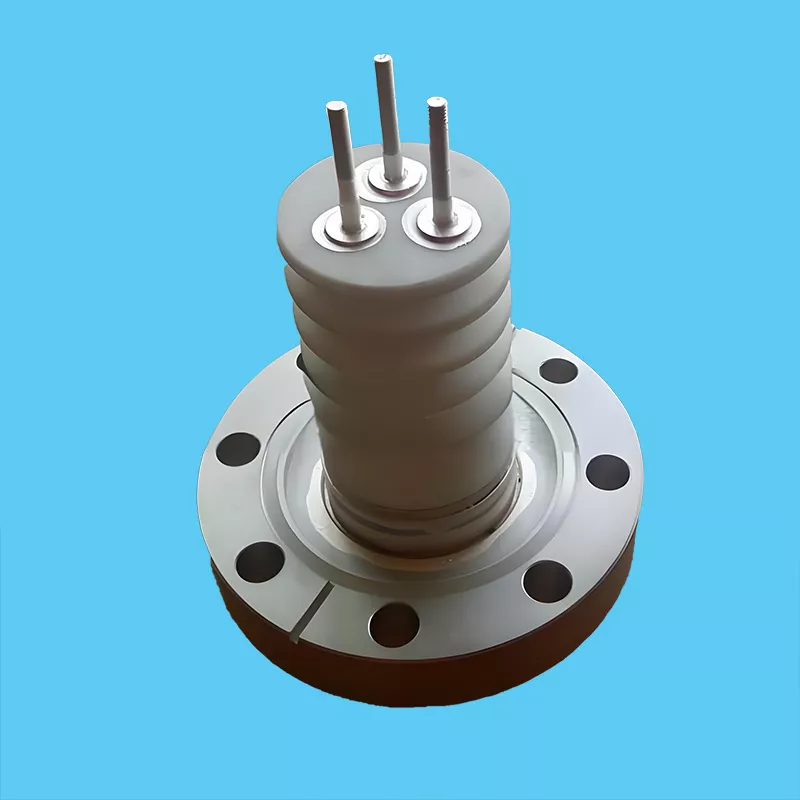


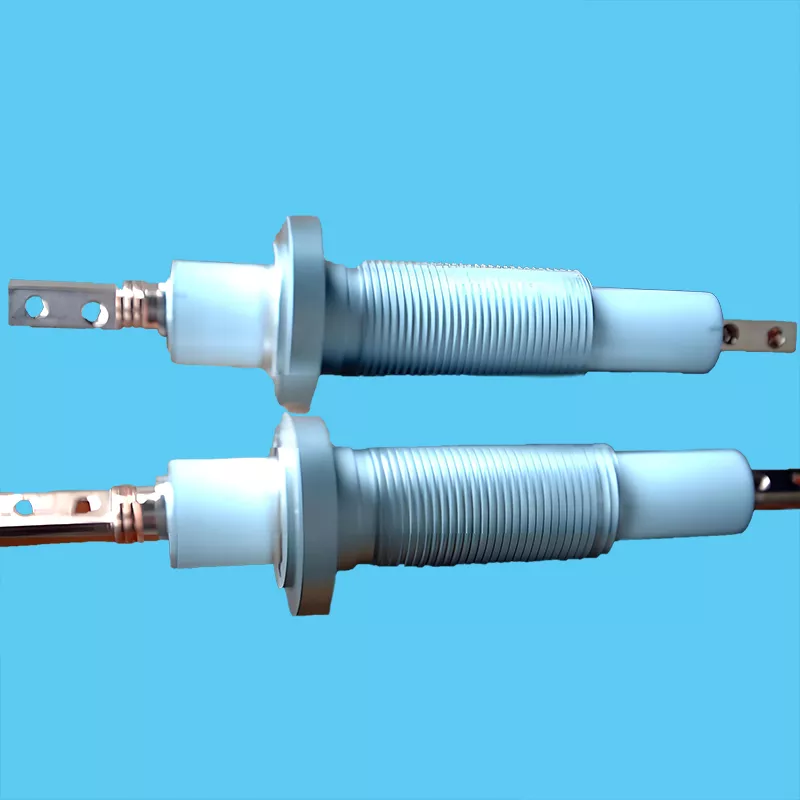

Key Active Metal Brazing Characteristics
Review the ceramic, metal, interface, and verification details that help frame a clearer ceramic-to-metal joining inquiry.
Direct Ceramic Wetting
Active metal brazing uses a filler system formulated to react at the ceramic interface, allowing ceramic-to-metal joining without assuming a separate ceramic metallization step.
Compatible Material Pairing
Identify the ceramic grade, mating metal or alloy, and relevant surface conditions early. Compatibility must be evaluated for the specific materials and service environment.
Interface Geometry Definition
Provide joint dimensions, gap targets where applicable, assembly relationships, and section details. Geometry influences filler placement, thermal response, and the resulting interface configuration.
Functional Surface Priorities
Mark sealing faces, electrical contact areas, reference surfaces, and protected ceramic features on the drawing. These requirements help distinguish critical interfaces from nonfunctional surfaces.
Service Condition Context
Describe operating temperature, thermal cycling, electrical duty, atmosphere, loads, and media exposure. Application conditions guide discussion of material pairing and interface design considerations.
Inspection Evidence Requirements
State the acceptance criteria, inspection methods, documentation needs, and revision-controlled drawing requirements. Clear evidence expectations give the quotation discussion a defined technical basis.
Related Brazing and Ceramic Component Pages
Compare joining options, material families, component forms and application guidance before defining the drawing, service conditions and acceptance requirements for your project.
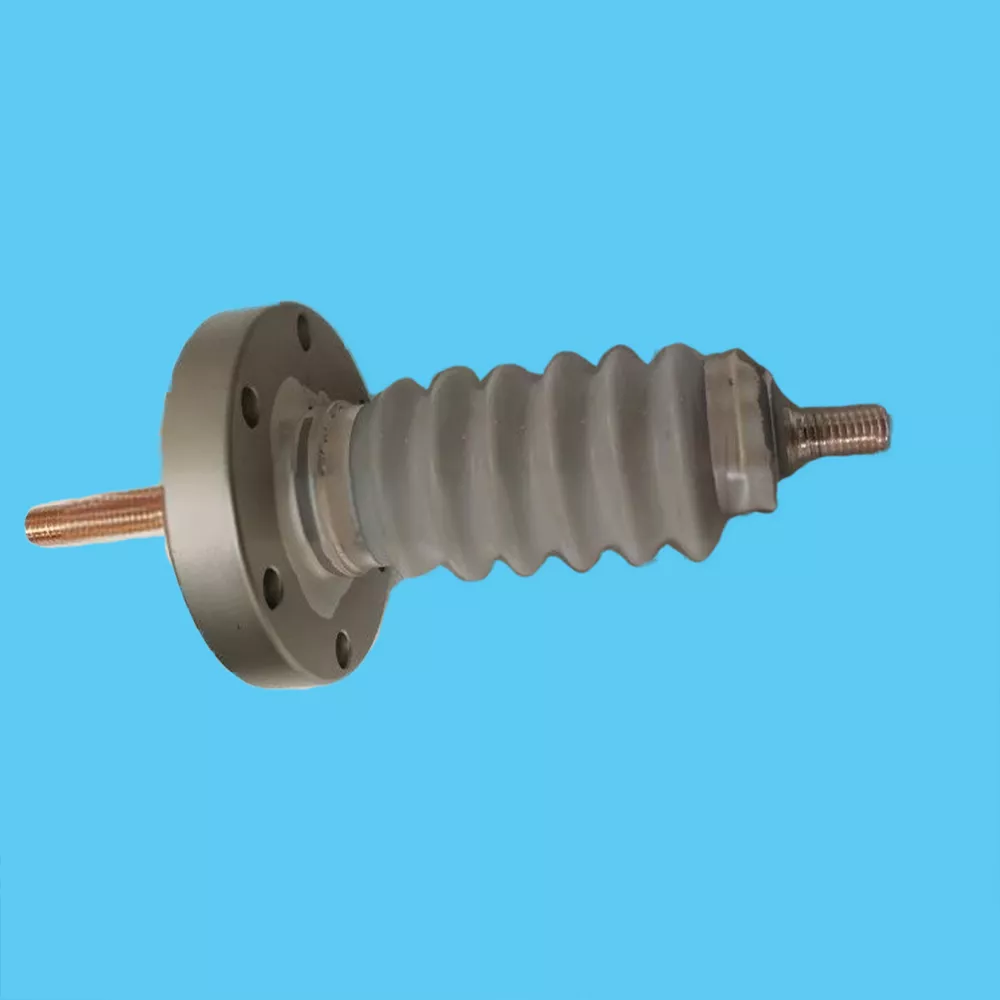
Ceramic Manufacturing Capabilities
Review ceramic manufacturing capabilities in the context of your part requirement, including geometry, mating surfaces, dimensional tolerances and inspection needs. Use a current drawing revision to focus quotation discussions on the process considerations that affect the finished component.
Explore Manufacturing Capabilities
Ceramic Solutions by Industry
Explore advanced ceramics applications by industry to connect operating conditions with component decisions. Consider temperature, wear, electrical behavior, chemical exposure, assembly interfaces and documentation requirements alongside the specific equipment or project application.
Explore Industry Solutions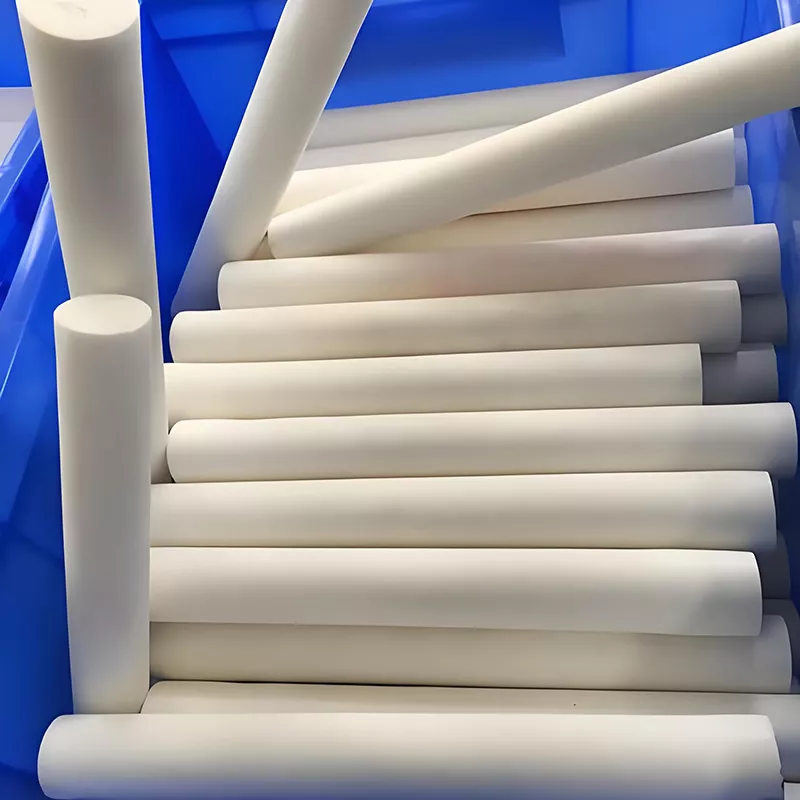
Advanced Ceramic Materials
Compare advanced ceramic materials, including oxide, nitride, carbide and specialty ceramic families. Material selection should be reviewed with the required geometry, service environment, mating parts and project-specific grade requirements rather than by material name alone.
Explore Ceramic Materials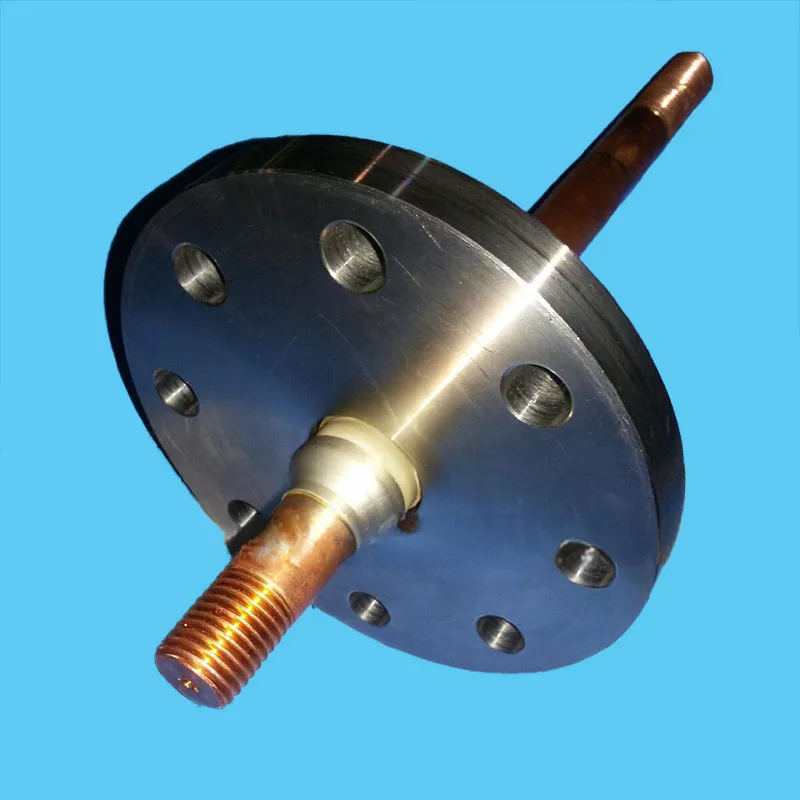
Technical Ceramic Products
Browse technical ceramic products by familiar component forms such as tubes, rods, rings and substrates. Product pages help frame an inquiry, while final dimensions, tolerances, material grade, quantity and acceptance criteria require confirmation for the individual project.
Explore Ceramic Products
Technical Ceramic Resources
Use this technical ceramics guide to clarify terminology, material considerations and inquiry details before contacting Porcecore. For a project discussion, email a drawing and service conditions to info@zlrsmaterials.com or message WhatsApp at +86 130 6482 5920.
Explore Technical ResourcesA Drawing-Led Active Metal Brazing Approach
Porcecore was founded by Andy Yuan to make technical ceramic component sourcing easier to define. For active metal brazing discussions, we start with the joint requirement: the ceramic and metal involved, component geometry, mating surfaces, operating environment, and the dimensions that affect assembly.
Our coverage includes oxide, nitride, carbide, and specialty technical ceramic components in familiar forms. Industrial ceramic parts and custom ceramic components can be considered across material families including alumina ceramics, zirconia ceramics, and silicon carbide ceramics, subject to project-specific review of grade, size, and process suitability.
What distinguishes Porcecore is an application-first, drawing-led approach. Share the current drawing revision, known material designation, quantity, service conditions, acceptance criteria, and documentation needs. This creates a practical basis to identify open questions and define the next sourcing decision before production or commercial terms are confirmed.

Critical Active Metal Brazing Design Attributes
Ceramic Grade Selection
Start with the ceramic grade and component form, then define the properties that matter in service. For active metal brazing, material designation, density expectations, surface condition, and any grade-specific limits should be reviewed against the intended assembly rather than assumed from a material family name.
- Identify the ceramic material and grade if known
- Provide part geometry and current drawing revision
- Note material properties critical to the application
- Flag substitutions that require engineering review

Mating Surface Requirements
The ceramic and metal interfaces should be described as functional surfaces, not simply as dimensions. Share the surfaces that locate, seal, carry load, or align with another part, along with finish, flatness, cleanliness, and inspection expectations that could affect the active metal brazing interface.
- Mark joint surfaces on the drawing
- Identify fit, seal, and alignment features
- Specify relevant surface-finish requirements
- State inspection or acceptance criteria

Interface Geometry
Joint geometry influences how the assembly can be discussed, quoted, and evaluated. Define overlap, clearances, wall sections, edge conditions, and the relative positions of ceramic and metal parts. A section view or assembly drawing gives active metal brazing inquiries a clearer technical basis.
- Include an assembly or section drawing
- Show joint overlap and gap-related dimensions
- Call out thin sections and vulnerable edges
- Identify dimensions governing final assembly

Service Environment
Operating conditions help distinguish essential requirements from preferences before a project moves forward. Describe temperature exposure, cycling, atmosphere, electrical duties, mechanical loading, and any sealing needs. These details help frame active metal brazing discussions around the actual job the ceramic-to-metal assembly must perform.
- State operating and peak temperatures
- Describe thermal cycling and atmosphere
- Note electrical, load, or pressure conditions
- List required documentation and approvals

Active Metal Brazing vs. Metallized Ceramic Brazing
Compare the joining route against the ceramic, interface, geometry, and validation requirements of your assembly.
← Swipe left or right to view →
Active Metal Brazing Production Flow
A drawing-led path for defining ceramic-to-metal joint requirements before production details are confirmed.
Review Drawings and Interfaces
Share the current drawing revision, mating-part details, critical dimensions, service environment, quantity, and acceptance criteria for a focused active metal brazing discussion.
Confirm Materials and Joint
Align the ceramic designation, metal counterpart, joint geometry, and project-specific performance needs before selecting a feasible joining approach and inspection plan.
Prepare Joining Surfaces
Define surface condition, cleanliness expectations, handling controls, and any preparation requirements for the ceramic and metal interfaces before assembly planning proceeds.
Position Braze Preform
Establish preform placement, fixture considerations, alignment requirements, and protected surfaces so the assembly concept supports the intended joint configuration.
Plan Controlled Vacuum Heating
Review the proposed heating cycle, vacuum-processing considerations, thermal compatibility, and dimensional risks against the component geometry and operating requirements.
Define Inspection Requirements
Confirm the inspection methods, documentation, acceptance criteria, and approval steps needed to evaluate the active metal brazing assembly for the individual project.
How to Start an Active Metal Brazing Inquiry
Give the quotation discussion a clear technical basis before material grade, joint design, documentation, delivery, and commercial terms are confirmed.
Send the Current Drawing
Provide the latest drawing revision and identify dimensions, interfaces, and tolerances that govern assembly of the ceramic-to-metal joint.
Describe Service Conditions
State the operating environment, thermal exposure, electrical demands, loads, and any application factors relevant to active metal brazing material selection.
Define Materials and Quantity
Share the ceramic and metal designations if known, required quantity, and whether the request concerns a new design or replacement component.
Identify Mating Surfaces
Mark surfaces that fit adjacent parts and explain which features control alignment, sealing, electrical connection, or mechanical retention.
Specify Acceptance Requirements
List inspection expectations, documentation needs, and acceptance criteria so the inquiry can distinguish essential requirements from preferences before quotation.
Project Inquiry Support for Active Metal Brazing
Start a project discussion with the current drawing revision, joint details, service conditions, quantity, and acceptance criteria.
Include the ceramic and metal designations, critical mating surfaces, and documentation needs so the technical review can begin with a defined requirement.
Direct email and WhatsApp contact are available for procurement and engineering teams preparing a ceramic-to-metal joint inquiry.
Active Metal Brazing FAQ
Practical inputs for planning ceramic-to-metal joint discussions.
Which ceramics may be considered for active metal brazing?
Does active metal brazing require ceramic pre-metallization?
What should a drawing show for an active metal brazing inquiry?
How do tolerances and functional surfaces affect joint planning?
How is the ceramic grade selected for active metal brazing?
Can active metal brazing be evaluated alongside metallized ceramic brazing?
What quantity and sampling information should be included?
What documentation and packaging details should buyers request?
The Complete Buyer’s Guide to Active Metal Brazing
Use a practical decision framework to specify ceramic-to-metal joints, compare materials and process routes, evaluate qualified suppliers, control total cost, and avoid reliability mistakes before production.
1. What Is Active Metal Brazing?
Titanium is a common active addition in a braze filler for joining ceramic directly to metal. During heating, the active element migrates toward the ceramic interface and reacts with oxygen or other ceramic constituents, creating a reaction layer that improves wetting and chemical bonding.
Vacuum furnaces or tightly controlled atmospheres are typically used because surface condition and oxygen control strongly affect the reaction. The filler melts, flows through the designed joint gap, and solidifies into a ceramic-to-metal assembly without first applying a metallized coating to the ceramic.
One procurement distinction matters: ordinary brazing assumes the filler will wet both mating surfaces; active metal brazing is selected when an uncoated ceramic will not wet with a conventional filler. Buyers should define ceramic grade, mating metal, joint geometry, service temperature, leak or strength criteria, and inspection requirements before evaluating a process route. Source: https://www.rogerscorp.com/advanced-electronics-solutions/technical-expertise/active-metal-brazing
2. Evolution of active metal brazing
1900s-era ceramic-to-metal joining remained difficult because molten brazes did not readily wet chemically stable ceramic surfaces. The traditional molybdenum-manganese route fired a metallization layer, added plating, and then used a conventional metal-to-metal braze, creating multiple process and inspection stages (https://powersmaterialsengineering.com/docs/project2-paper1.pdf).
Titanium-bearing filler alloys changed the sourcing conversation by reacting at the ceramic interface during brazing, avoiding prior metallization in suitable applications (https://www.twi-global.com/technical-knowledge/faqs/faq-what-is-active-metal-brazing). Electronics, RF packages, sensors, and vacuum-tight assemblies increased demand because joint integrity, electrical isolation, and hermeticity had to be evaluated together.
800 µm is the copper thickness cited for some active-metal-brazed power substrates, illustrating why power modules prioritize heat spreading and current capacity alongside bond reliability (https://www.rogerscorp.com/advanced-electronics-solutions/technical-expertise/active-metal-brazing). Modern buyers should therefore compare the complete joint stack, service temperatures, atmosphere, and acceptance tests—not simply request active metal brazing by name.
3. Types of active metal brazing
Five assembly routes differ primarily by interface geometry, production cadence, and heat path. Select the route from the drawing’s functional surfaces and required seal or electrical performance.
| Route | Geometry | Volume | Thermal Load | Objective |
|---|---|---|---|---|
| Direct joint | Rings, tubes | Low–medium | Moderate | Attachment |
| Metallized substrate | Planar, patterned | Medium–high | Moderate | Circuit interface |
| Hermetic seal | Frames, feedthroughs | Low–medium | Moderate | Sealing |
| Foil/preform | Controlled gap | Medium–high | Varies | Repeatability |
| Power substrate | Copper on ceramic | Medium–high | High cycling | Heat spreading |
Direct Ceramic-To-Metal Joints
One-off rings, tubes, and headers suit direct joints. Choose them for mechanical attachment or electrical isolation.
Ceramic Substrate Metallization
Planar substrates suit patterned metal layers. Choose this route when circuit layout and attachment pads govern the assembly.
Hermetic Package Seals
Closed lid, frame, and feedthrough geometries suit hermetic seals. Specify leak-test criteria and matched interfaces early.
Foil Or Preform Joining
Precut foil or preforms suit repeatable joint volumes. Choose them when filler placement and production consistency matter.
High-Power Electronic Substrates
Thick copper-on-ceramic substrates suit high-current heat spreading. Choose them for power modules with repeated thermal loading.
4. Materials for active metal brazing
Titanium-bearing filler alloys can chemically wet ceramics without prior metallization. Ceramic conductivity, insulation, expansion, and service fluids must be assessed with the metal member and joint geometry.
| Ceramic | Useful Pairing | Screening Priority |
|---|---|---|
| Alumina | Kovar or stainless steel | Insulation; expansion |
| Aluminum nitride | Copper | Thermal conductivity; corrosion protection |
| Silicon nitride | Copper | Heat spreading; expansion compatibility |
Ceramic And Metal Screening
Alumina is a practical insulator; aluminum nitride favors heat removal; silicon nitride adds robust substrate behavior. Copper spreads heat, while Kovar or stainless steel may better manage expansion or corrosive service.
Filler Alloy Chemistry
Titanium is the common active element because it reacts at the ceramic interface during brazing. Specify filler composition, atmosphere, temperature cycle, and corrosion exposure together; interface reactions can change joint reliability.
5. Joint design and customization options
Custom joint performance begins with the assembly drawing, not a ceramic family name. Specify which interface must carry current, spread heat, isolate voltage, seal vacuum, or locate the mating part.
Geometry And Preforms
Lap area, joint clearance, edge setbacks, and ring or foil preforms determine filler placement and assembly fit. A supplier needs section views, mating materials, and the allowable braze fillet.
Copper And Surface Definition
Copper thickness and patterned metallization can be tailored for current capacity and lateral heat spreading; Rogers describes AMB copper up to 0.8 mm. Surface finish and masked regions should identify bondable, insulated, and contact surfaces. Source: https://www.rogerscorp.com/advanced-electronics-solutions/technical-expertise/active-metal-brazing
Fixtures And Acceptance
Fixture datum surfaces, clamping limits, dimensional tolerances, and inspection methods must appear on the quote package. Include the current drawing revision, samples or mating parts, operating temperature, atmosphere, electrical load, leak requirement, and acceptance criteria.
6. active metal brazing quality factors
Joint quality is established before heat-up: surfaces, filler preforms, fit-up, and the thermal cycle must be controlled as one system. Critical requirements belong on the drawing and inspection plan.
Fit-Up And Cleanliness
Preforms should be positioned to provide continuous filler coverage without blocking vent paths. Defined joint clearance, clean mating surfaces, and restrained fixtures reduce voids, incomplete wetting, and filler starvation.
Furnace And Interface Control
Titanium-bearing fillers promote ceramic wetting by reacting at the interface; time and temperature therefore require qualified limits. Vacuum or controlled atmosphere, ramp rates, and cooldown must limit oxidation, excessive reaction layers, thermal-mismatch cracking, and warpage. https://powersmaterialsengineering.com/docs/project2-paper1.pdf
Verification For Critical Joints
100% visual inspection can identify displaced filler and obvious cracks, but cannot prove internal continuity. Request agreed leak testing, radiography or ultrasonic examination where applicable, metallographic cross-sections on qualification samples, and dimensional inspection after brazing.
7. Choosing an active metal brazing supplier
Two technically credible quotes can differ because the proposed joint, controls, inspection scope, and documentation differ. Compare the evidence behind each offer before comparing unit price.
| Evaluation Area | Claim To Verify | Evidence To Request |
|---|---|---|
| Experience | Relevant material pair | Sample report |
| Inspection | Leak-tight joint | Method and results |
| Scale-Up | Repeatable production | Control plan |
Match The Material Pair
1 relevant ceramic-to-metal reference is more useful than a broad capability claim. Ask which alloy, surface condition, joint geometry, and service environment were validated.
- Request representative sample reports
- Confirm drawing-review support
- Identify mating-surface ownership
Verify Process Evidence
1 furnace statement should identify atmosphere, temperature control approach, loading limits, and process records. Request traceability from incoming parts through final release.
- Dimensional inspection data
- Leak-test method and limits
- Reliability-test plan
Compare Production Readiness
1 prototype plan should define fixtures, inspection gates, packaging, change control, and communication cadence. Confirm how the supplier transfers an approved prototype into repeatable production.
- Prototype and production quantities
- Packaging protection requirements
- Response time for deviations
8. Common active metal brazing mistakes
Active metal brazing purchase orders fail most often when the drawing omits the conditions that govern the joint. Before release, procurement should convert each assumption into a measurable requirement or an open question.
Define The Full Assembly
One dimension-only drawing can conceal incompatible joint clearance, load path, and mating-surface requirements. What geometry, joined materials, and critical interfaces must the supplier review?
Two materials with different thermal expansion can accumulate stress during heating and service cycling. What temperature range, cycle count, and allowable distortion define acceptance?
Specify Material And Surface
One lower unit price can increase total cost through rework, yield loss, or premature joint failure. Which grade, filler system, and lifecycle risk justify the selected material?
Two visually similar surfaces may differ in roughness, cleanliness, oxide condition, or plating. What surface finish, preparation method, and protected handling condition are required before brazing?
Control Validation And Schedule
One successful prototype does not establish production repeatability across lots, fixtures, and operators. What pilot quantity and process evidence must precede production approval?
Three missing controls—test method, pass limit, and sampling plan—make disputes likely after delivery. Which inspection criteria apply, and what realistic lead time includes tooling, trials, inspection, and documentation?
9. From prototype to production launch
A controlled launch turns a promising ceramic-to-metal joint into a purchasable requirement. active metal brazing should advance only after engineering, quality, and procurement approve each evidence package.
Define Duty And Candidates
Gate 1 records temperature range, loads, atmosphere, electrical duty, and leak requirement. Engineering approves material candidates and interface geometry.
Gate 2 compares candidate ceramic, metal, and braze combinations. Quality approves the test plan; procurement confirms quantity and supply assumptions.
Prototype And Validate
Gate 3 releases the current drawing revision, critical surfaces, tolerances, and acceptance criteria. Procurement obtains prototype terms only after engineering and quality sign the package.
Gate 4 tests representative prototypes against the agreed functional and inspection criteria. Engineering approves performance; quality accepts documented results before pilot volume.
Lock Production Controls
Gate 5 freezes approved materials, braze preform, assembly orientation, furnace cycle, and inspection method. Any change requires cross-functional review before release.
Gate 6 uses incoming, in-process, and final records to manage recurring quality. Procurement increases order volume only after quality confirms process capability evidence and engineering accepts samples.
10. Active Metal Brazing Pricing and Cost
3 quotation variables dominate active metal brazing cost: ceramic grade, metal choice, and joint geometry. Compare total landed cost only after defining supplied materials, custom preforms, tooling or fixtures, and packaging.
100% inspection is not equivalent across quotes; name the dimensions, test method, sampling plan, and acceptance criteria. Higher-volume releases can spread setup and yield risk, while prototype pricing usually carries more engineering attention.
| Quantity tier | Complexity and scope | Inspection level | Expected lead-time band | Cost pattern |
|---|---|---|---|---|
| 1–10 prototypes | Custom ceramic/metal interfaces; preform and fixture development | Dimensional plus agreed functional checks | 4–10 weeks | Highest setup cost per assembly |
| 25–100 pilot units | Repeat geometry; limited fixture refinement | Defined sampling and records | 3–8 weeks | Setup cost spreads across units |
| 250+ production units | Stable drawing, materials, and process window | Control plan and agreed lot documentation | 6–12 weeks for release planning | Lowest unit cost; volume commitment matters |
Discuss Your Active Metal Brazing Part
Email your drawing, operating environment, and acceptance requirements to begin a focused ceramic-to-metal joint conversation.