
Technical Ceramic Components for Clearer Industrial Sourcing
Connect ceramic material characterization to the geometry, service conditions, grade requirements, and acceptance criteria of each industrial ceramic part before requesting a quotation.
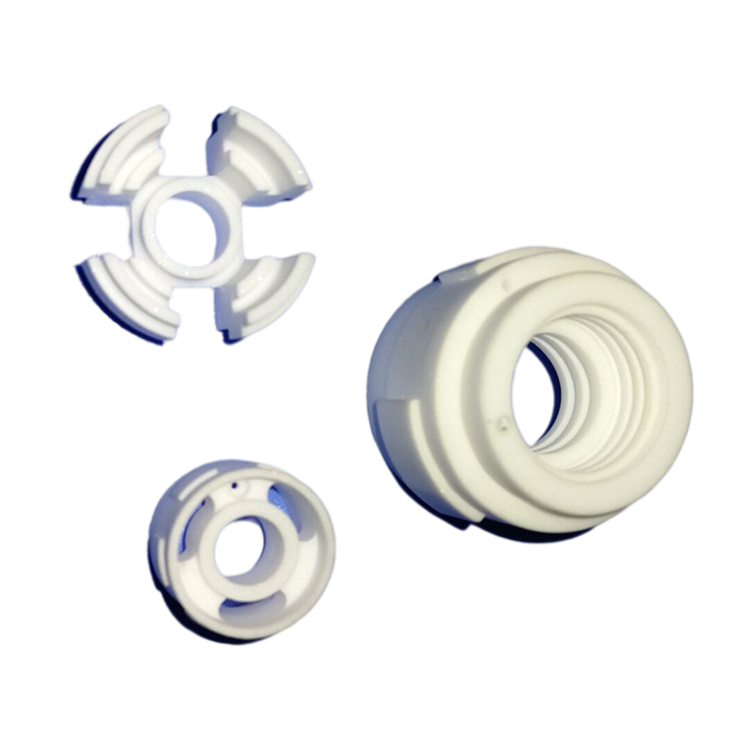
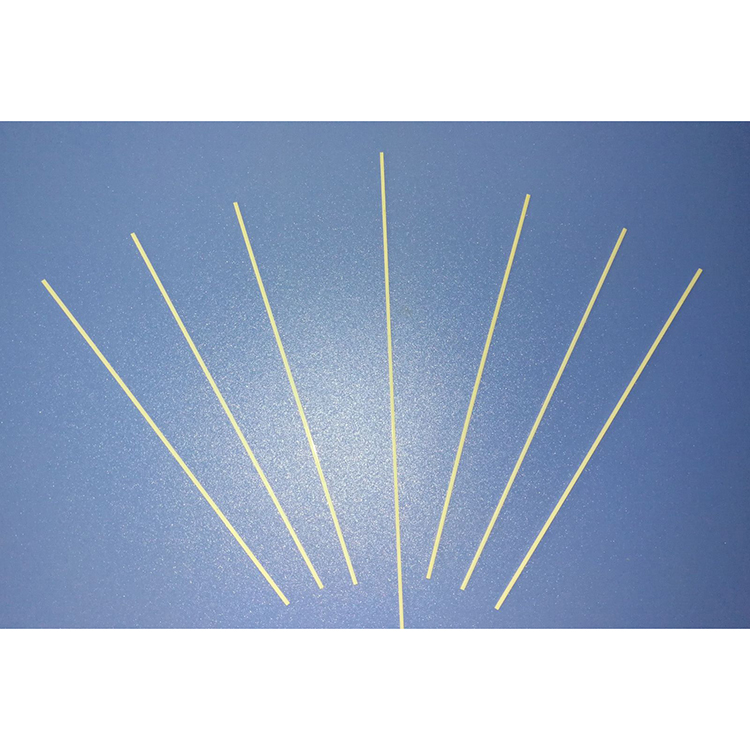
Featured Ceramic Components for Industrial Applications










What Makes Ceramic Material Characterization Useful
Connect ceramic material characterization with the drawing, application conditions, and acceptance requirements behind a more informed sourcing decision.
Drawing and Revision Control
Start with the current drawing revision, quantity, and known material designation so quotation discussions stay tied to the part being evaluated.
Project-Specific Grade Clarity
Treat alumina, zirconia, silicon carbide, and other families as starting points; confirm the required grade, properties, and documentation for each project.
Geometry and Mating Surfaces
Review dimensions, tolerances, wall sections, holes, and mating surfaces together because component geometry directly shapes assembly and sourcing requirements.
Process Route Considerations
Discuss the expected forming, sintering, finishing, or other process considerations early, while keeping availability and suitability subject to project confirmation.
Application Conditions
Relate the component to operating temperature, mechanical loads, electrical demands, chemical exposure, and surrounding equipment before narrowing material options.
Inspection and Acceptance Evidence
Define critical dimensions, inspection expectations, test evidence, and approval documentation so requirement traceability remains clear from inquiry through review.
Ceramic Materials, Components, and Sourcing Paths
Compare material families, application contexts, product forms, and technical resources before moving to a drawing-led quotation or replacement-part inquiry.
Ceramic Manufacturing Capabilities
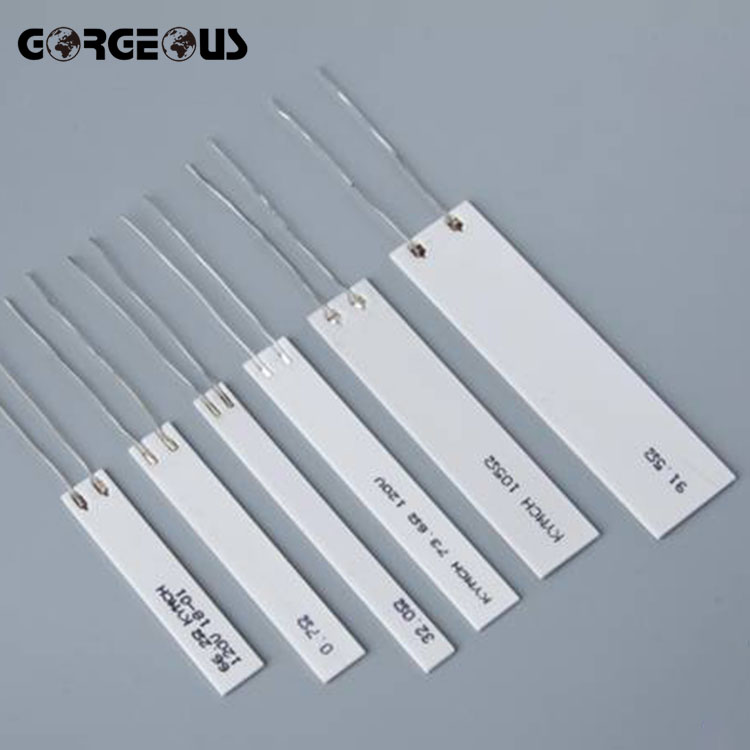
Review ceramic manufacturing capabilities across forming, machining, finishing, inspection, and component production. Use this starting point to frame geometry, tolerances, mating surfaces, material grade, quantity, and acceptance criteria for a project-specific quotation.
Discuss Your Ceramic Part
Ceramic Solutions by Industry
Connect advanced ceramics applications with the operating conditions that shape component selection. Consider thermal exposure, electrical insulation, wear, corrosion, dimensional stability, and assembly requirements when evaluating ceramic solutions for industrial equipment and process environments.
Discuss Your Ceramic Part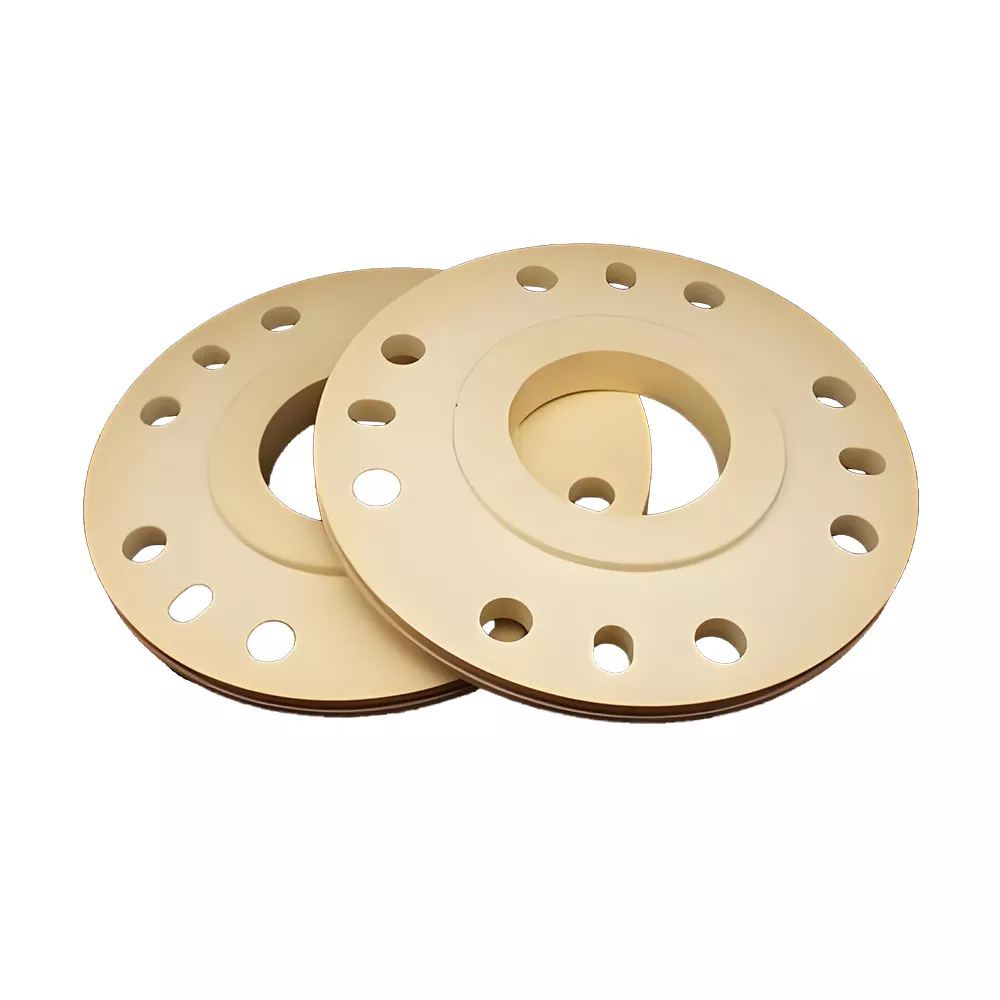
Advanced Ceramic Materials
Compare advanced ceramic materials including alumina ceramics, zirconia ceramics, silicon carbide ceramics, silicon nitride, aluminum nitride, boron nitride, and specialty families. Treat each material as a starting point for confirming grade, geometry, service conditions, and documentation needs.
Discuss Your Ceramic Part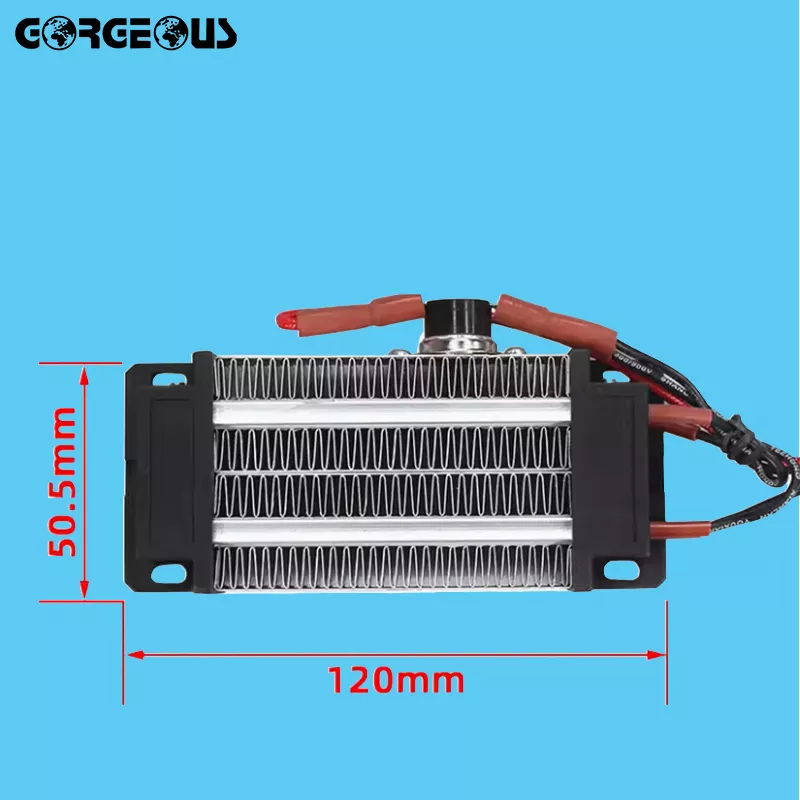
Technical Ceramic Products
Explore technical ceramic components, industrial ceramic parts, and custom ceramic components such as tubes, rods, rings, substrates, insulators, and other engineered forms. Move from a product form to a specific requirement by sharing the drawing revision, dimensions, quantity, and application conditions.
Discuss Your Ceramic Part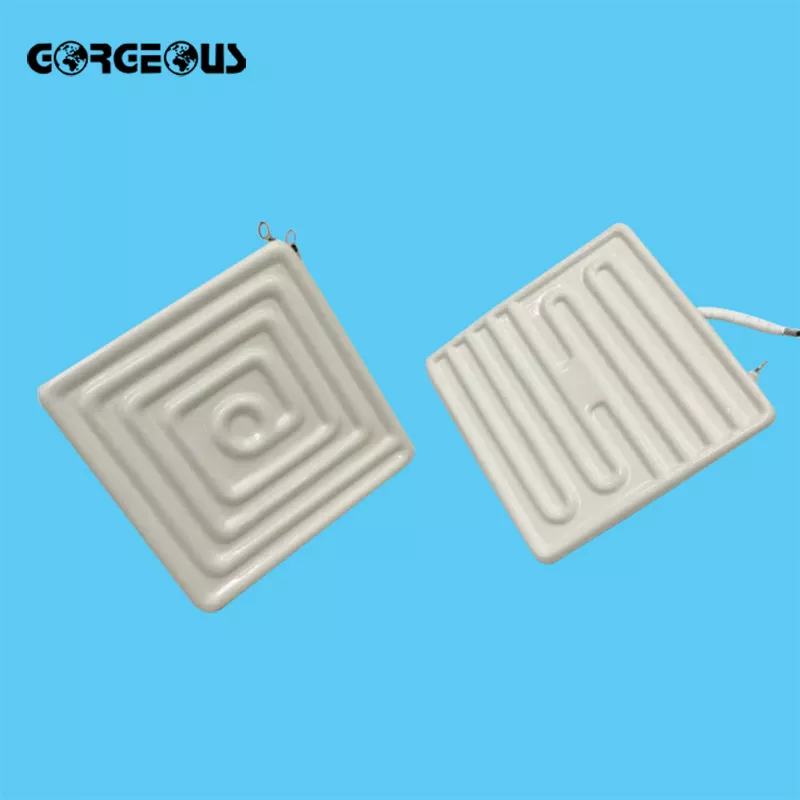
Technical Ceramic Resources
Use this technical ceramics guide to clarify material terminology, component requirements, and sourcing questions before contacting Porcecore. Email a drawing or project description to info@zlrsmaterials.com, or use email and WhatsApp at +86 130 6482 5920.
Discuss Your Ceramic PartPorcecore’s Approach to Ceramic Material Characterization
Founded by Andy Yuan, Porcecore helps industrial buyers connect ceramic material choices with clearly defined component requirements. Our focus spans oxide, nitride, carbide, and specialty ceramics, considered in relation to the part’s geometry, operating environment, mating surfaces, and inspection expectations.
Porcecore treats ceramic material characterization as a practical sourcing conversation, not a material name in isolation. Drawing-led inquiries bring grade, dimensions, tolerances, quantity, service conditions, documentation, and acceptance criteria into view so project teams can separate essential requirements from preferences before discussing a quotation.
This approach is designed for procurement teams, engineers, equipment builders and ceramic component distributors who need a clearer next decision. Send a current drawing revision or describe the component and its operating environment, and Porcecore can help identify the open questions that should guide the project discussion.

Key Inputs in Ceramic Material Characterization
Start With Material Designation
Ceramic material characterization begins with the material family and grade under consideration. A known designation helps frame the discussion, while an open designation signals the need to compare requirements, available grades, and project-specific acceptance expectations.
- Identify oxide, nitride, carbide, or specialty ceramic families
- Provide the known material designation or current specification
- Separate required properties from preferred material choices
- Confirm grade-specific values before commitment

Define Geometry And Mating Surfaces
Part geometry determines how a ceramic component is made, inspected, and assembled. Tubes, rods, rings, substrates, and custom shapes should be reviewed alongside the surfaces that locate, seal, slide, clamp, or mate with another part.
- Share the current drawing revision and quantity
- Mark assembly-critical dimensions and reference datums
- Identify mating, sealing, sliding, and locating surfaces
- Note features affected by machining or finishing

Describe Operating Environment
A useful ceramic material characterization discussion connects the part to its service conditions. Temperature, mechanical loading, electrical demands, chemical exposure, cycling, and installation details help distinguish essential performance requirements from assumptions based only on a material name.
- State operating temperature and thermal cycling conditions
- Describe loads, contact stresses, and duty cycles
- Identify electrical, chemical, or vacuum exposure
- Explain the component’s role in the equipment

Set Tolerances And Acceptance Criteria
Quotation clarity depends on knowing how the finished part will be judged. Define tolerances, surface expectations, inspection methods, documentation, and acceptance criteria early so Porcecore can separate contractual requirements from general product information.
- List dimensional and geometric tolerances
- Specify surface finish or visual requirements where relevant
- Identify inspection reports and material documentation needed
- Confirm acceptance criteria for approval and delivery

Ceramic Material Characterization vs. Standard Material Selection
Connect material evidence with grade, geometry, service conditions, and acceptance requirements before sourcing.
← Swipe left or right to view →
Project Evidence for Ceramic Material Characterization
Move from component requirements to a clearer quotation basis through structured review of materials, geometry, service conditions and acceptance expectations.
Share the Requirement
Send the current drawing revision, known ceramic material designation, quantity, service conditions, mating surfaces and documentation expectations for a grounded project review.
Review Part Conditions
We review geometry, dimensions, tolerances and operating conditions together, separating essential performance requirements from preferences that may remain open during early discussion.
Identify Open Questions
Open questions are identified before commitment, including grade, process assumptions, interfaces, thermal or electrical demands, inspection methods and any missing acceptance criteria.
Discuss Material Options
Porcecore discusses suitable ceramic families and component options—oxide, nitride, carbide or specialty—against the part’s job, geometry and project-specific requirements.
Prepare the Inquiry
Once requirements are aligned, the inquiry is prepared for quotation with confirmed scope, quantities, acceptance expectations, documentation needs and the next decision clearly recorded.
How to Start a Ceramic Material Characterization Inquiry
Provide the project details that connect your ceramic component requirement with a clear, reviewable sourcing discussion.
Send the Current Drawing
Share the current drawing revision, component form, critical dimensions, mating surfaces and any known material designation for an initial requirement review.
Define Operating Conditions
Describe temperature, loads, electrical or chemical exposure, quantity, service environment and replacement context so the inquiry reflects how the ceramic part must perform.
Set Acceptance Requirements
Identify tolerances, inspection points, documentation needs, testing expectations and approval criteria that will guide ceramic material characterization for your project.
Discuss the Next Decision
Porcecore reviews the information with you, clarifies open questions and establishes the appropriate grade, geometry and quotation basis before commitment.
Ceramic Material Characterization: Verified Project Outcomes
A verified customer quote describing clarified requirements, material decisions, or approval outcomes has not been supplied for publication. Porcecore welcomes a drawing-led project discussion with documented results.
No verified endorsement is currently available to confirm a quantified sourcing improvement. Share the component drawing, service conditions, and acceptance criteria to establish a project-specific evaluation basis.
Porcecore has not provided an approved customer case study for ceramic material characterization. Any material grade, geometry, inspection, or delivery outcome should be confirmed for the individual project.
Ceramic Material Characterization FAQ
Practical answers for connecting material choice, component requirements, and quotation inputs.
What does ceramic material characterization mean for a sourcing inquiry?
What drawing information supports ceramic material characterization?
How should we select a ceramic grade?
Which operating conditions should be included in ceramic material characterization?
How do tolerances and functional surfaces affect the quotation?
What inspection evidence can be requested?
How do quantity and packaging requirements influence the inquiry?
What should we send to start a ceramic material characterization quotation?
The Complete Guide to ceramic material characterization
Use a practical decision framework to compare characterization methods, specify supplier evidence, control quality and cost, and avoid common sourcing mistakes when selecting ceramic materials for demanding industrial applications.
1. What Is Ceramic Material Characterization?
1. Ceramic material characterization is the systematic evaluation of composition, crystal structure, microstructure, processing history, dimensions, and performance. It turns a material family name into evidence about the actual ceramic component being considered.
2. The process–structure–properties relationship links forming and firing history to grain structure, defects, dimensions, and resulting mechanical, thermal, electrical, or chemical behavior. As explained by Techniques de l’Ingénieur, identical composition can produce different behavior when crystal structure or microstructure differs: https://www.techniques-ingenieur.fr/en/resources/materials-th11/glasses-and-ceramics-ti589/ceramic-characterization-techniques-n4806.
3. Service conditions determine which evidence matters, including temperature, load, voltage, fluid exposure, tolerances, and inspection method. For procurement teams and engineers, this approach reduces qualification, reliability, and supplier-selection risk by connecting test data to the drawing and intended use.
2. Evolution and History of Ceramic Characterization
1. Early ceramic inspection relied on visual checks, dimensional measurement, and basic defect screening to confirm whether a component matched its drawing. As performance demands increased, ceramic material characterization expanded to chemical analysis, microscopy, and diffraction, linking composition, grain structure, crystal phases, and processing history to behavior (https://www.techniques-ingenieur.fr/en/resources/materials-th11/glasses-and-ceramics-ti589/ceramic-characterization-techniques-n4806).
2. Modern laboratories add thermal testing and electrical measurement because ceramics may serve as insulators, heat-transfer parts, dielectric components, or high-temperature structures. These methods help distinguish general material-family expectations from grade-specific evidence; identical chemistry can still produce different performance when crystal structure or microstructure changes (https://www.techniques-ingenieur.fr/en/resources/materials-th11/glasses-and-ceramics-ti589/ceramic-characterization-techniques-n4806).
3. Application-simulating qualification is the latest practical step, exposing a part to relevant mechanical, thermal, electrical, chemical, or environmental stresses before approval. For electronics, aerospace, medical, energy, and industrial equipment, the appropriate test set therefore follows the component’s service conditions and acceptance criteria, rather than one universal characterization standard.
3. Types of Ceramic Material Characterization
Six technique families connect composition and structure to service behavior. Screening identifies obvious mismatches; qualification tests confirm the agreed grade, geometry, and acceptance criteria for production sourcing. Reference: https://www.techniques-ingenieur.fr/en/resources/materials-th11/glasses-and-ceramics-ti589/ceramic-characterization-techniques-n4806
Chemical Composition
Elemental analysis measures constituents and impurities. Buyers need it for grade verification; outputs answer whether the supplied powder or part matches the drawing designation.
Phase And Crystal Structure
X-ray diffraction identifies phases and crystallinity. Use screening for incoming material, qualification after processing, and outputs to answer whether thermal treatment produced the intended structure.
Microstructure And Defects
Microscopy measures grains, pores, inclusions, and cracks. Qualification outputs answer whether processing could explain leakage, chipping, warpage, or inconsistent strength.
Mechanical Behavior
Strength, hardness, toughness, and wear tests measure load response. Qualification is needed for critical parts; results answer whether the design survives stress and contact conditions.
Thermal Properties
Thermal conductivity, expansion, and shock testing measure heat response. Buyers use results to select insulation or heat-transfer behavior and confirm operating-temperature margins.
Electrical Or Chemical Performance
Dielectric, resistivity, corrosion, and chemical-compatibility tests measure service interaction. Screening narrows candidates; qualification answers whether the component remains functional in its actual environment.
4. Materials and Grades in Ceramic Material Characterization
Six common ceramic families show why ceramic material characterization must connect grade, process, and service conditions. Compare measured properties against the drawing and operating environment, not a generic material label.
| Family | Typical buying emphasis |
|---|---|
| Alumina | Hardness, insulation, corrosion resistance |
| Zirconia | Toughness, wear resistance |
| Silicon carbide | Hardness, heat transfer, temperature |
| Silicon nitride | Toughness, thermal shock |
| Aluminum nitride | Thermal conductivity, insulation |
| Glass-ceramic | Expansion control, machinability |
Mechanical Tradeoffs
Alumina favors hardness, insulation, corrosion resistance, and machinability before firing; zirconia generally offers greater toughness. Silicon nitride balances toughness and thermal-shock resistance, while silicon carbide prioritizes hardness and temperature capability.
Thermal And Electrical Behavior
Aluminum nitride is selected where high thermal conductivity and electrical insulation must coexist. Alumina insulates effectively; silicon carbide conducts heat; glass-ceramic grades can provide tailored expansion and dimensional stability.
Grade Evidence For Purchasing
Density, conductivity, hardness, toughness, corrosion resistance, maximum temperature, and machinability vary with purity, additives, porosity, grain structure, and process. Require grade-specific data and test conditions; characterization guidance emphasizes composition, structure, and microstructure: https://www.techniques-ingenieur.fr/en/resources/materials-th11/glasses-and-ceramics-ti589/ceramic-characterization-techniques-n4806
5. Customization and Surface or Finish Requirements
One drawing revision should define geometry, mating surfaces, tolerances, and service conditions before ceramic material characterization is planned. Finish choices can change the relevant test area, inspection method, sample design, and acceptance criteria.
| Requirement | Freeze Before Quote | Characterization Impact |
|---|---|---|
| Geometry | Datums and tolerances | Dimensional inspection |
| Finish | Roughness and coating | Surface and adhesion checks |
| Joining | Method and limits | Joint or thermal tests |
Geometry And Tolerances
A single critical dimension can determine whether inspection uses a CMM, optical measurement, gauges, or sectioned samples. Identify datums, fits, flatness, concentricity, and edge conditions on the current drawing.
Freeze dimensions and tolerance bands before quotation; otherwise, price and feasibility remain provisional.
Porosity And Surface Treatments
Open porosity, roughness, glazing, coatings, color, and markings may affect sealing, contamination control, electrical behavior, or visual acceptance. Specify whether surfaces are as-fired, ground, polished, metallized, or coated.
Characterization should inspect representative finished surfaces, because composition and microstructure alone may not predict service performance. See https://www.techniques-ingenieur.fr/en/resources/materials-th11/glasses-and-ceramics-ti589/ceramic-characterization-techniques-n4806.
Joining And Documentation
Metalized pads, brazed joints, adhesives, or mechanical interfaces require defined overlap, joint strength, thermal cycling, and cleanliness criteria. Mark inspection points and identify any witness coupons or destructive samples.
Before quotation, freeze joining method, acceptance limits, marking content, color reference, reports, certificates, and drawing revision.
6. Key Construction and Quality Elements
Production-representative ceramic material characterization depends on controlling the complete process chain, not testing an isolated coupon. Drawings, inspection plans, and reports should connect material identity, processing history, defects, and acceptance criteria.
Traceability Through Sintering
Each powder lot should link to forming, debinding, and sintering records, including the approved material designation and batch identity. These controls help distinguish grade variation from process variation.
Processing changes grain size, porosity, phase content, and defect populations; identical chemistry can therefore produce different behavior. See https://sites.psu.edu/behrendlabs/instrumentation-at-behrend-material-type/characterization-of-ceramic-alloys.
Machining And Measurement Control
Machining records should identify datum strategy, surface condition, tool-related contamination, and dimensions that affect assembly. Dimensional checks need calibrated instruments, defined tolerances, and documented measurement methods.
Sampling should state lot size, sample locations, quantity, and destructive or nondestructive methods. Calibration status and environmental conditions matter when comparing density, dimensions, strength, or electrical results.
Evidence For Buyer Review
Request raw-material certificates, process traceability, inspection plans, calibration records, and reports showing methods, specimen identity, results, and acceptance limits. Certificates should be reviewed against the drawing revision and purchase requirements.
Flag generic property sheets, unexplained sampling, missing defect criteria, or results from unrepresentative test pieces. Porcecore inquiries should identify required documentation before quotation.
7. How to Choose a Ceramic Manufacturer
A supplier should be judged against the component’s duty, drawing, and acceptance criteria. Compare application fit and evidence quality—not quoted price alone—before approving a source.
| Evaluation area | Evidence to compare |
|---|---|
| Application fit | Grade, geometry, service conditions |
| Quality control | Test access, inspection, repeatability |
| Supply readiness | Capacity, lead time, change control |
Technical And Process Capability
1 drawing revision should trigger review of grade, geometry, mating surfaces, tolerances, firing route, and inspection points.
Ask: Which ceramic grades and forming processes fit this load, temperature, electrical, or chemical environment? How are process parameters controlled and changes approved?
Evidence, Samples, And Repeatability
3 evidence types matter: representative test data, inspection records, and production samples. Confirm test access, prototype support, dimensional capability, repeatability, and the distinction between general properties and grade-specific results.
Ask for sample quantities, measurement methods, certificate content, and acceptance criteria before comparing offers.
Commercial And Change Control
4 commercial checks cover capacity, lead time, documentation, communication, and change control. Require written confirmation of revision handling, material substitutions, inspection records, delivery assumptions, and escalation contacts.
A lower price is useful only when technical fit, evidence, repeatability, and supply continuity remain comparable.
8. Common Mistakes Buyers Make
Three checks prevent most avoidable sourcing errors: match the property to the load, define the grade and sample, then compare documented requirements. Ceramic material characterization is useful only when test evidence represents the finished part and service conditions.
Match Properties To Service
Two ceramic families can differ sharply in toughness, heat transfer, insulation, and chemical response. Selecting hardness alone can increase chipping risk where impact or cyclic loading demands fracture toughness.
Prevent this by listing mechanical, thermal, electrical, and chemical conditions on the drawing or inquiry, then reviewing each against the intended grade.
Define Grade And Sample
One material name does not define composition, porosity, grain structure, or process history. Testing a convenient coupon may miss orientation, density variation, or the surfaces that control assembly.
State the exact grade or acceptance range, identify critical surfaces, and require representative finished-part or process-linked samples before approval.
Verify Evidence Before Price
Machining can introduce edge damage or microcracks, while incomplete certificates may omit lot identity, test method, or actual results. A low quote is not comparable when requirements, documentation, and inspection scope differ.
Use a certificate checklist covering grade, lot, dimensions, tolerances, tests, methods, and deviations; compare prices only after that baseline is fixed.
9. Steps to Launch a Ceramic Component Program
Three controlled gates turn ceramic material characterization into a repeatable component program. Define the requirement first, then link evidence, approvals, and release decisions to the drawing and service conditions.
Capture Requirements And Screen Materials
1. Record the drawing revision, quantity, mating surfaces, loads, temperature, atmosphere, electrical conditions, inspection method, and acceptance criteria.
2. Screen candidate grades against those conditions, documenting assumptions and unresolved risks before selecting a material for quotation or prototype work.
Review Drawings And Characterize Prototypes
3. Confirm tolerances, datums, edge conditions, surface finish, sampling plan, and critical dimensions in a signed drawing review.
4. Test representative prototypes using an agreed plan; define sample quantity, conditioning, measurements, report format, and disposition of nonconforming results.
Qualify, Release, And Monitor
5. Qualify the supplier through process records, traceability, capability evidence, and a pilot lot review. Approve production only after results meet the acceptance criteria.
6. Control ongoing lots with inspection reports, retained samples, periodic testing, and written change notification. Treat material, tooling, process, or supplier changes as release-gate decisions.
10. Ceramic Material Characterization Pricing and Cost
1 quote should separate sample preparation, destructive versus nondestructive testing, specialized instrument access, test quantity, reporting depth, and turnaround time. Destructive work may require extra specimens, while nondestructive screening can preserve the component for later evaluation.
3 cost checkpoints are prototype iteration, machining, and production inspection. Ask whether the quotation covers fixture or sectioning work, repeat tests after design changes, sampling frequency, acceptance criteria, and a report suitable for engineering approval.
| Characterization Activity or Test Package | Typical Cost Driver | Turnaround Consideration | Quotation Questions |
|---|---|---|---|
| Sample preparation and destructive testing | Sectioning, polishing, consumable specimens | Preparation and test scheduling | How many specimens and what finish are required? |
| Nondestructive screening | Instrument access, setup, inspection time | Available equipment and queue | Which defects, dimensions, or areas will be examined? |
| Specialized characterization and reporting | Instrument access, analysis depth, data interpretation | Operator availability and report scope | Which outputs, standards, and raw data are included? |
| Prototype iteration and production inspection | Machining, repeat testing, sampling plan | Revision cycle and inspection frequency | What changes trigger reinspection, and who defines acceptance? |
Discuss Your Ceramic Material Characterization Requirement
Email a drawing or describe your component and operating environment so Porcecore can clarify the next sourcing decision.