
Ceramic Metallization for Clearer Ceramic-to-Metal Sourcing
Define ceramic metallization requirements by material, geometry, service conditions, and acceptance criteria before requesting a quotation.
Featured Technical Ceramic Components for Metallization Projects
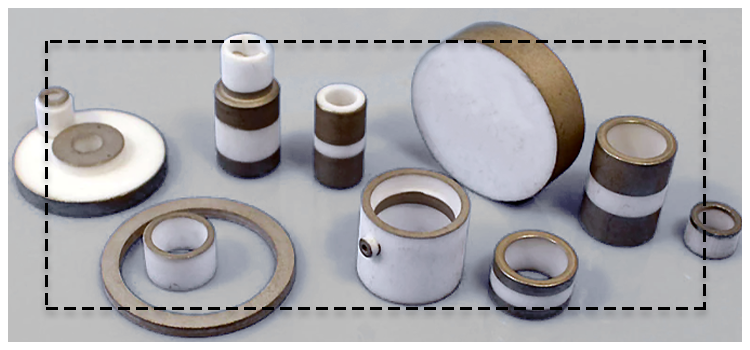















Ceramic Metallization: Key Process and Sourcing Considerations
Evaluate substrate fit, metallized areas, geometry, joining needs, and inspection evidence before requesting a drawing-led quotation.
Substrate and Grade Fit
Confirm the ceramic family, known grade, electrical or thermal role, and compatibility with the intended metallization route before comparing quotations or approving a substitute.
Metallized Area Definition
Show the metallized faces, patterns, edges, terminations, and any keep-out zones on the drawing so suppliers can interpret coverage consistently and identify functional surfaces.
Geometry and Mating Surfaces
Specify dimensions that control assembly, flatness where relevant, holes or steps, and the ceramic-to-metal mating surfaces that must remain accessible after processing.
Process Route and Bond Needs
Discuss the proposed metallization and joining route, wetting or adhesion expectations, service environment, and whether the finished interface must support a hermetic or mechanically robust assembly.
Inspection Evidence and Acceptance
Define critical dimensions, metallized coverage, bond-related checks, surface condition, sampling, and documentation needed for approval, with acceptance criteria tied to the current drawing revision.
Quantity and Application Conditions
Include quantity, prototype or production intent, operating temperature, atmosphere, electrical load, mechanical stresses, and other application conditions that may influence material or process selection.
Related Industrial Ceramic Parts and Metallization Resources
Compare materials, component forms, manufacturing capabilities and application resources before defining a drawing-led metallization inquiry.
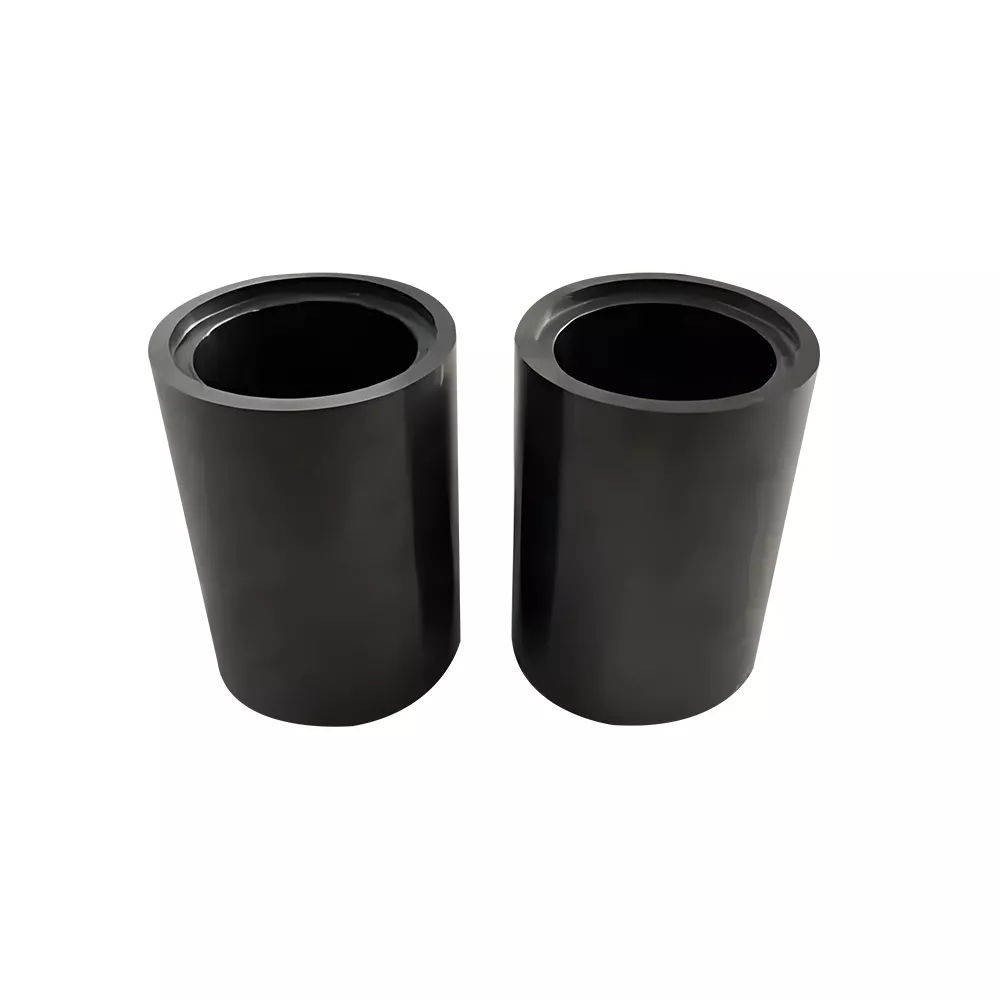
Ceramic Manufacturing Capabilities
Review ceramic manufacturing capabilities relevant to metallized substrates, feedthroughs, insulators and other precision components. Use the page to frame questions about forming, machining, surface preparation, metallization processes, dimensional control and inspection requirements for a project-specific quotation.
Discuss Your Ceramic Part
Ceramic Solutions by Industry
Explore advanced ceramics applications across industries where metallized ceramic components may support electrical insulation, thermal management, hermetic joining or high-temperature service. Application context helps identify operating conditions, mating interfaces, geometry and acceptance criteria before contacting Porcecore.
Discuss Your Ceramic Part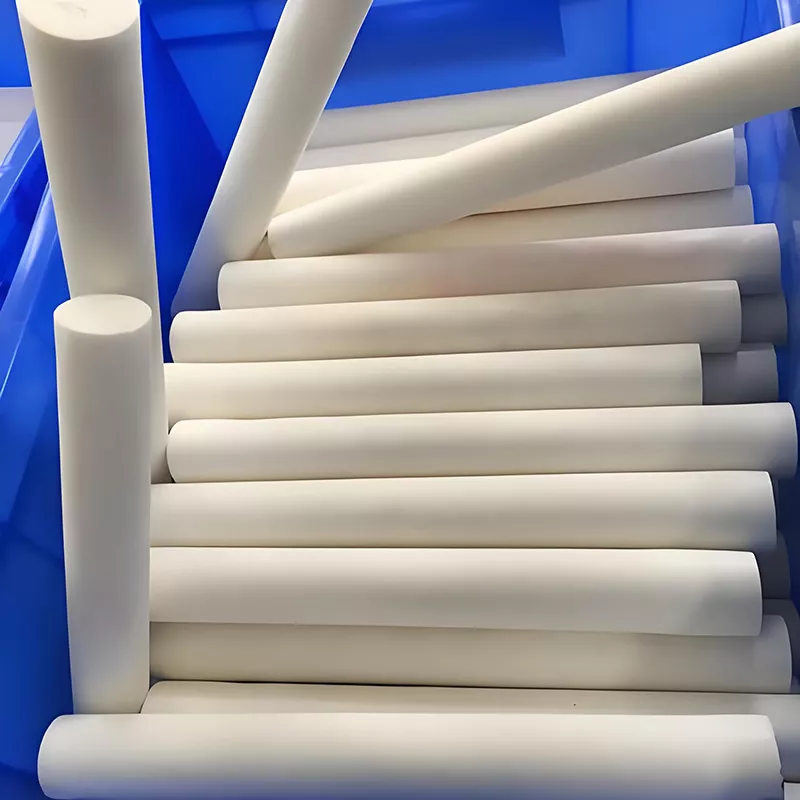
Advanced Ceramic Materials
Compare advanced ceramic materials including alumina ceramics, aluminum nitride, zirconia ceramics, silicon carbide ceramics, silicon nitride, boron nitride and specialty families. Material selection for metallization should consider dielectric, thermal, mechanical, chemical and processing requirements alongside the intended component geometry.
Discuss Your Ceramic Part
Technical Ceramic Products
Browse technical ceramic products and custom ceramic components by familiar forms such as tubes, rods, rings, substrates and custom shapes. Product illustrations provide a starting point; grade, dimensions, tolerances, metallization pattern, mating surfaces and documentation require confirmation for each inquiry.
Discuss Your Ceramic Part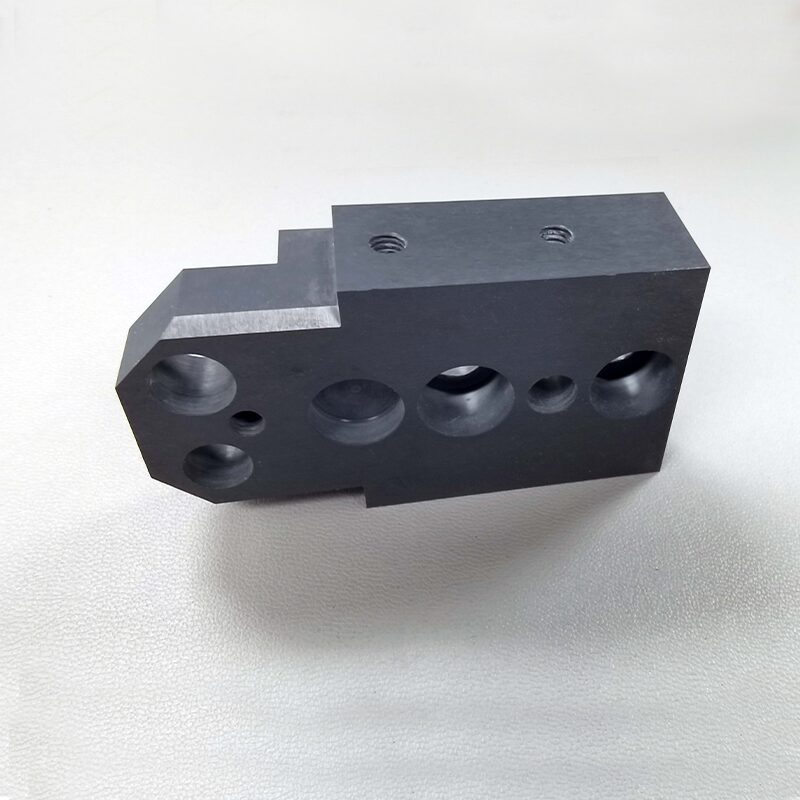
Technical Ceramic Resources
Use the technical ceramics guide to clarify terminology, material comparisons, component specifications and metallization-related questions. Prepare a useful inquiry with the current drawing revision, known material designation, quantity, service conditions, acceptance criteria and required approval documentation.
Discuss Your Ceramic PartPorcecore’s Drawing-Led Ceramic Metallization Approach
Founded by Andy Yuan, Porcecore helps industrial procurement teams, engineers, equipment builders and distributors connect technical ceramic material choices with defined industrial ceramic part requirements. Our scope includes oxide, nitride, carbide and specialty ceramics, with ceramic metallization considered according to the component’s geometry, interfaces and intended service conditions.
What makes Porcecore different is the way we begin: with the drawing, application or replacement part. A useful ceramic metallization inquiry identifies the material grade, mating surfaces, critical dimensions, operating environment, quantity and acceptance criteria. This application-first, drawing-led conversation helps separate essential requirements from preferences before quotation details are confirmed.

Critical Ceramic Metallization Requirements to Confirm
Prepare the Ceramic Surface
A useful ceramic metallization discussion begins with the substrate itself. Identify the ceramic family or grade if known, surface condition, cleaning or preparation expectations, and any areas that must remain uncoated. These details help align the proposed treatment with the component’s intended interface and service environment.
- Ceramic material or grade designation
- Surface finish and preparation requirements
- Coated, masked, or excluded areas
- Operating temperature and environmental conditions
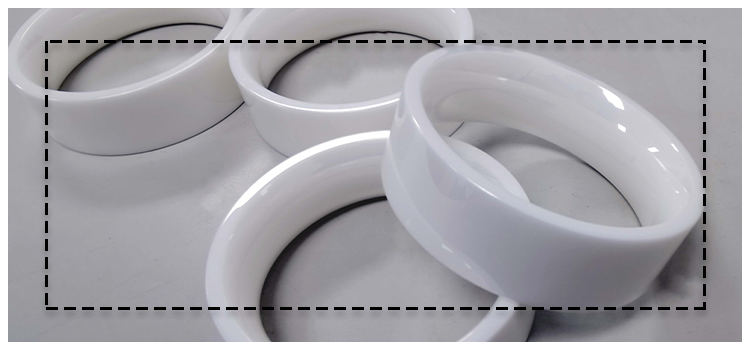
Define the Metallized Pattern
Metallization may support a contact, brazed interface, conductive path, or another defined function. The drawing should show the required coverage, pattern, location, and access conditions rather than relying on a general part illustration. Clear geometry reduces interpretation during review and quotation.
- Coverage area, pattern, and location
- Pads, tracks, rings, or bonding zones
- Flat, cylindrical, recessed, or complex surfaces
- Masking boundaries and orientation references

Set Layer and Bond Expectations
The metallized layer belongs in the same conversation as the joining or electrical requirement. State the expected layer system, finish, adhesion or bond objective, and any downstream brazing, soldering, plating, or inspection needs. Project-specific requirements should be confirmed before they become quotation assumptions.
- Layer materials or preferred system if known
- Bonding, brazing, or soldering purpose
- Adhesion and continuity expectations
- Thickness, finish, or verification criteria

Document Interfaces and Acceptance
Dimensions that control assembly deserve explicit attention. Provide the current drawing revision, critical tolerances, mating surfaces, quantity, delivery expectations, and acceptance documentation needed for approval. Porcecore can use these inputs to identify open questions and build a more concrete ceramic metallization inquiry.
- Critical dimensions and tolerance zones
- Mating surfaces and assembly interfaces
- Quantity, drawing revision, and target timing
- Inspection reports or documentation requirements

Ceramic Metallization Compared With Direct Copper Bonding
Compare adjacent joining routes by substrate, geometry, preparation and project requirements before requesting a drawing-led quotation.
← Swipe left or right to view →
Ceramic Metallization: Production and Verification Flow
A drawing-led path from ceramic preparation through metallization, joining, inspection and project release, with grade, geometry and acceptance requirements confirmed at each stage.
Review the Requirement
Assess the current drawing, material designation, quantity, service conditions, mating surfaces and documentation needs to define the quotation basis and open questions.
Prepare the Ceramic
Confirm ceramic family, grade, geometry, surface condition and metallization areas, then identify preparation requirements linked to the part’s operating environment.
Apply Metallization
Select the appropriate ceramic metallization approach for the specified component and application, documenting coverage, interfaces and process conditions requiring confirmation.
Process and Join
Complete thermal processing or ceramic-to-metal joining as applicable, while controlling the interfaces, dimensions and acceptance points identified in the project specification.
Inspect and Release
Review dimensions, metallized areas, finish, documentation and agreed acceptance criteria before release, distinguishing confirmed production requirements from preliminary inquiry assumptions.
How to Start a Ceramic Metallization Inquiry
Give Porcecore the technical context needed for a clear, project-specific sourcing discussion.
Share the Current Drawing
Send the current drawing revision, component geometry, mating surfaces, quantity, and any known material designation so the inquiry starts from a defined part.
Define Service Conditions
Describe operating temperature, atmosphere, electrical or mechanical demands, duty cycle, and other service conditions that could influence ceramic grade, metallization, or joint requirements.
Set Acceptance Criteria
Identify critical dimensions, tolerances, inspection methods, documentation needs, and acceptance criteria required for assembly, qualification, incoming inspection, or project approval.
Request a Drawing-Led Review
Email the information to Porcecore for a project-specific discussion covering feasible material and geometry options, open questions, quotation basis, and next decisions.
Ceramic Metallization Project Experiences
Reserved for a verified buyer story documenting how a drawing-led ceramic metallization inquiry clarified the required grade, geometry and mating surfaces, with the final account recording measurable inspection results, sourcing decisions and delivery performance.
Reserved for a verified equipment-builder account describing a ceramic metallization project outcome, including the confirmed process requirements, acceptance criteria, inspection documentation and any measurable improvement in assembly readiness or production timing.
Reserved for a verified procurement reference covering a ceramic metallization replacement part, from current drawing revision and service conditions through quotation, grade confirmation, dimensional inspection and delivery against the agreed project requirements.
Ceramic Metallization FAQ for Engineering Buyers
Practical guidance for defining ceramic families, metallization requirements, joining conditions, inspection evidence and quotation inputs.
Which ceramic families are suitable for ceramic metallization?
Which ceramic metallization methods should we specify?
What should a ceramic metallization drawing show?
How do geometry and functional surfaces affect ceramic metallization?
Can Porcecore help select the grade and joining compatibility?
What quantity and sampling information should accompany an inquiry?
Which inspection evidence and documents should we request?
What packaging and delivery conditions belong in a ceramic metallization RFQ?
The Complete Buyer’s Guide to ceramic metallization
Use this decision framework to compare ceramic metallization methods, substrates, quality controls, customization requirements, and supplier capabilities—while avoiding specification gaps, hidden costs, qualification delays, and common sourcing mistakes.
1. What Is Ceramic Metallization?
One surface treatment turns an electrically insulating ceramic into a bondable interface: ceramic metallization applies a conductive metal layer to defined areas of a ceramic part. Ceramic metallization supports electrical conduction, heat-spreading paths, hermetic sealing, and mechanically reliable joints in power electronics, sensors, vacuum hardware, and other demanding assemblies. Five inputs should start a buyer’s specification: ceramic grade, metallized area and geometry, electrical or thermal duty, joining method, and acceptance criteria. Add mating dimensions, operating temperature, atmosphere or vacuum, adhesion expectations, coating thickness, inspection method, and documentation needs so a drawing-led quotation can distinguish essential performance from preference.
2. Ceramic Metallization: Evolution and History
Mo–Mn metallization emerged as a practical intermediary for ceramic-to-metal brazing, using a fired molybdenum-manganese layer before plating and joining. For procurement, this sequence made hermetic assemblies more repeatable while tying geometry, braze surfaces, and furnace conditions to the drawing. Plated thick films extended that foundation with nickel finishes applied by electroless or electrolytic methods, while thin-film deposition introduced sputtering, PVD, and CVD for finer conductive features. DBC, DPC, and active-metal brazing later expanded substrate and circuit design options, especially for power and thermal-management assemblies.
3. Types of Ceramic Metallization
Six process families cover most ceramic metallization requirements.
| Process family | Best fit | Key tradeoff |
|---|---|---|
| Mo-Mn/Mo-Mn-W | Brazed ceramic bodies | Thick base; high-temperature firing |
| Direct-bond copper | High-current substrates | Thick copper; thermal stress |
| Direct-plated copper | Fine copper patterns | Tighter process control |
| Active-metal brazing | Ceramic-to-metal joints | Joint-design sensitivity |
| Sputtered/evaporated films | Precision thin features | Lower current capacity |
| Screen-printed conductors | Repeatable planar circuits | Feature-resolution tradeoff |
Thick-Film And Copper Routes
Mo-Mn or Mo-Mn-W thick films suit flat, cylindrical, and complex ceramic bodies; sintering creates a brazable base layer, often followed by nickel plating. Direct-bond copper provides thick copper for high current and thermal transfer.
Brazing And Thin Films
Active-metal brazing joins ceramic directly to metal through an active braze alloy, reducing intermediate layers but requiring controlled joint design and thermal cycling. Sputtered or evaporated films suit precise, thin patterns and fine features.
Screen-Printed Conductive Layers
Screen-printed silver, copper, or other conductive layers suit repeatable planar patterns and scalable production. They trade extreme feature precision for economical coverage and flexible thickness.
4. Ceramic Metallization Materials and Substrates
Alumina, aluminum nitride, beryllium oxide, zirconia, sapphire, and other ceramics impose different thermal, electrical, mechanical, and joining constraints.
| Substrate | Primary consideration | Typical matching focus |
|---|---|---|
| Alumina | Dielectric stability | Mo–Mn, nickel, braze |
| AlN / BeO | Heat spreading | Copper systems, controlled joining |
| Zirconia / sapphire | Toughness or harsh insulation | Mo–Mn, plated braze surfaces |
Substrate Selection
Alumina offers established dielectric behavior and machinability; aluminum nitride favors heat spreading; beryllium oxide combines high thermal conductivity with handling constraints. Zirconia prioritizes toughness, while sapphire supports harsh, insulating applications.
Metal Stack Function
Mo–Mn or tungsten commonly forms the adhesion or braze-compatible base; nickel can provide a diffusion-resistant intermediate layer. Copper increases current capacity, while silver and gold support conductivity, solderability, or corrosion resistance.
Match The Service Environment
A buyer should state thermal conductivity, dielectric isolation, mechanical loads, machining limits, operating atmosphere, joining method, and inspection criteria before selecting ceramic metallization.
5. Ceramic Metallization Customization and Finishing Options
A drawing revision should define the ceramic shape, metallized pattern, mating surfaces, and operating conditions.
| Method | Precision And Freedom | Cost Consideration |
|---|---|---|
| Screen printing | Repeatable patterns; moderate feature limits | Efficient for production |
| Dispensing | Flexible on local or irregular areas | More operator and cycle time |
| Sputtering or laser patterning | Fine definition; broader layout freedom | Higher equipment or setup cost |
Pattern And Part Geometry
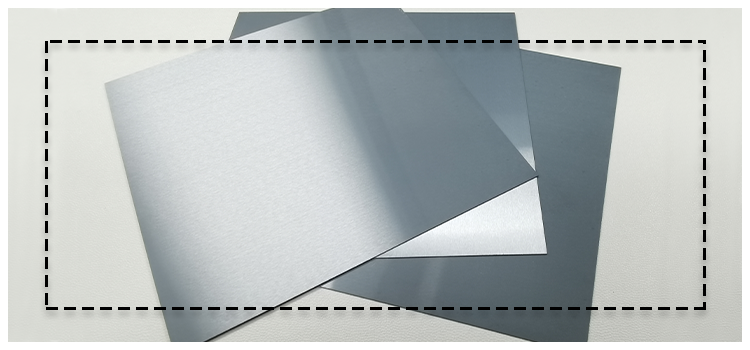
Tracks, pads, vias, coverage, edge definition, masking boundaries, and plated thickness should be dimensioned from datums. State ceramic form—flat substrate, tube, ring, or machined body—and identify post-metallization machining.
Process Choice And Finish
Screen printing suits repeatable thick-film patterns; dispensing reaches localized or irregular areas but can reduce throughput. Laser patterning improves fine feature definition, while sputtering supports thin, uniform films and tighter masking. Specify plating metal, target thickness, surface finish, solderability or brazing requirement, and whether electroless or electrolytic plating is acceptable.
Quotation Data Checklist
A supplier needs the current drawing revision, ceramic grade, quantity, metallization sides, pattern file, tolerances, masking zones, vias, finish stack, inspection method, and acceptance criteria. For complex shapes, provide 3D data and indicate handling, datum, and assembly interfaces.
- Drawing revision and ceramic designation
- Pattern, coverage, vias, and masking
- Plated thickness and surface finish
- Inspection and acceptance criteria
6. Key Ceramic Metallization Quality Elements
Reliable ceramic metallization depends on controlling the ceramic, coating, heat cycle, interfaces, and final assembly as one system.
Surface And Coating Control
Microscopy should confirm ceramic cleanliness, surface preparation, and uniform paste or film coverage before firing. Lot records should identify material, operator, process batch, and drawing revision so defects can be traced rather than averaged away.
Firing, Thickness, And Adhesion
A qualified firing profile controls heating, peak temperature, atmosphere, and cooling; excessive temperature can reduce metallization strength. Adhesion evidence may include pull or shear testing, supported by microscopy of the bond interface.
Fit, Joining, And Hermeticity
Drawing dimensions, mating surfaces, and metallization location must be inspected because assembly fit can determine solderability or brazing success. Ceramic-metal thermal-expansion compatibility should be reviewed for the full temperature cycle.
7. How to Choose a Ceramic Metallization Manufacturer
One RFQ should test the supplier’s ability to connect drawing requirements with ceramic metallization process controls.
Define The RFQ
A complete RFQ includes drawing revision, ceramic grade, metallized areas, tolerances, mating surfaces, quantity, service conditions, inspection criteria, packaging, certifications, and required delivery date.
Compare Technical Equivalence
Three quotes are comparable only when substrate, metallization system, finish, inspection method, documentation, capacity, lead time, and commercial assumptions match. Request process-flow details, equipment limits, inspection records, change-control rules, and packaging examples.
- Engineering review and drawing interpretation
- Material sourcing and traceability
- Prototype-to-production process capability
- Inspection, certifications, and documentation
- Capacity, lead time, packaging, and communication
Validate Before Approval
One production approval should follow a drawing review, representative prototype, agreed acceptance criteria, and documented inspection results. Confirm supplier capacity against forecast demand and verify that proposed equipment and controls suit the geometry. Record open questions, approved revisions, deviation authority, and escalation contacts.
8. Common Ceramic Metallization Buying Mistakes
One drawing rarely captures every metallization risk.
Define The Complete Part
One ceramic grade does not define fit or function; the result may fail at assembly or service. Ask: which geometry, mating surfaces, operating conditions, and acceptance criteria belong on the drawing? One omitted metallized-area tolerance can shift the joint or expose insulation.
Control Thermal And Joining Interfaces
One thermal-expansion mismatch can concentrate stress during brazing or cycling. Ask: what are the ceramic, metallization, braze, and mating-metal expansion ranges across the actual temperature window? One finish chosen without a joining method may wet poorly or add unnecessary processing.
Verify Surface And Thickness Data
One contaminated surface can reduce adhesion, wetting, or electrical reliability. Ask: how are cleaning, handling, storage, and pre-join surface condition controlled and documented? One unverified thickness value can hide variation across the part.
Compare Evidence And Qualify Early
One incomplete quote can make price comparisons misleading by excluding tooling, plating, inspection, packaging, or documentation. Ask: does every supplier quote the same revision, quantity, tolerances, tests, and commercial scope? One delayed qualification test can move failure into production.
9. Steps to Launch a Ceramic Metallization Program
Start with the part’s job: electrical, thermal, mechanical, vacuum, corrosion, and joining requirements.
Define And Release Requirements
Step 1 records operating conditions, mating surfaces, geometry, tolerances, quantity, material designation, metallization areas, and documentation needs. The released drawing should identify critical-to-function dimensions and inspection methods. Step 2 issues an RFQ package with revision control, target volumes, delivery expectations, and open technical questions.
Build And Validate Prototypes
Step 3 reviews substrate, metallization method, plating, firing, and joining compatibility against the application. Step 4 defines prototype acceptance separately: dimensions, coating coverage, adhesion, thickness, visual condition, joint integrity, and environmental or electrical tests are recorded before production quantities are approved.
Pilot And Control Production
Step 5 freezes the approved drawing, process flow, inspection plan, approved materials, and change-control rules for pilot production. First-article results should demonstrate repeatability across the agreed sample quantity. Step 6 converts lessons into production controls: incoming checks, in-process parameters, final inspection records, nonconformance handling, traceability, and periodic quality review.
10. Ceramic Metallization Pricing and Cost Factors
1 quote should separate recurring part cost from one-time and process-dependent charges. Ceramic metallization cost changes with ceramic grade, geometry, metallized area, metal system, layer thickness, pattern complexity, plating, machining, inspection, testing, packaging, quantity, and lead time. 2 comparisons should normalize total landed cost, including tooling or masks, freight, duties, and documentation.
| Cost driver | What changes cost | Buyer action for quote normalization |
|---|---|---|
| Ceramic and geometry | Grade, size, flatness, holes, cylindrical or complex form | Send drawing revision and material designation. |
| Metallization | Area, metal system, thickness, pattern and mask complexity | Define surfaces, layer limits and pattern files. |
| Finishing and verification | Plating, machining, inspection, testing and packaging | List acceptance criteria and reports required. |
| Quantity and schedule | Prototype quantity, production tier and lead-time requirement | Request tiered pricing and confirmed delivery dates. |
| Landed cost | Tooling, freight, duties and commercial terms | Compare delivered cost, not unit price alone. |
Discuss Your Ceramic Metallization Requirement
Email a drawing or describe your component, operating environment, and ceramic-to-metal requirements. Include the current revision, quantity and acceptance criteria for a project-specific sourcing discussion by email or WhatsApp.