
Ceramic Polishing for Technical Ceramic Components
Ceramic polishing helps define controlled surfaces for better fit, function, and sourcing decisions.
Featured Ceramic Components for Polishing Applications
















Ceramic Polishing Features for Engineering Applications
Evaluate ceramic polishing through material, geometry, functional surfaces, process decisions, and evidence aligned with your part requirement.
Material and Grade Suitability
Ceramic polishing requirements depend on the selected material family, grade, geometry, and intended service conditions. Confirm suitability before defining the finishing route.
Dimensional Control for Assembly
Identify critical dimensions, tolerances, and mating features so ceramic polishing supports assembly requirements without treating a visual finish as a dimensional specification.
Functional Surfaces and Edges
Mark sealing, bearing, electrical-contact, or other functional surfaces on the drawing; these areas may require distinct surface refinement, edge protection, or acceptance criteria.
Process Route for Part Form
Discuss the proposed process route against part form, material behavior, and target finish. Porcecore can use the inquiry to separate essential requirements from preferences.
Inspection Evidence and Acceptance
Define inspection evidence in advance, including the features to verify, relevant measurement references, and documentation needed for project approval or incoming quality review.
Drawing Revision and Application Context
Send the current drawing revision, quantity, and operating environment so ceramic polishing discussions reflect the actual application, production context, and acceptance expectations.
Related Ceramic Materials, Components, and Capabilities
Compare material families, component forms, applications, manufacturing capabilities and technical resources before defining your next ceramic sourcing inquiry.
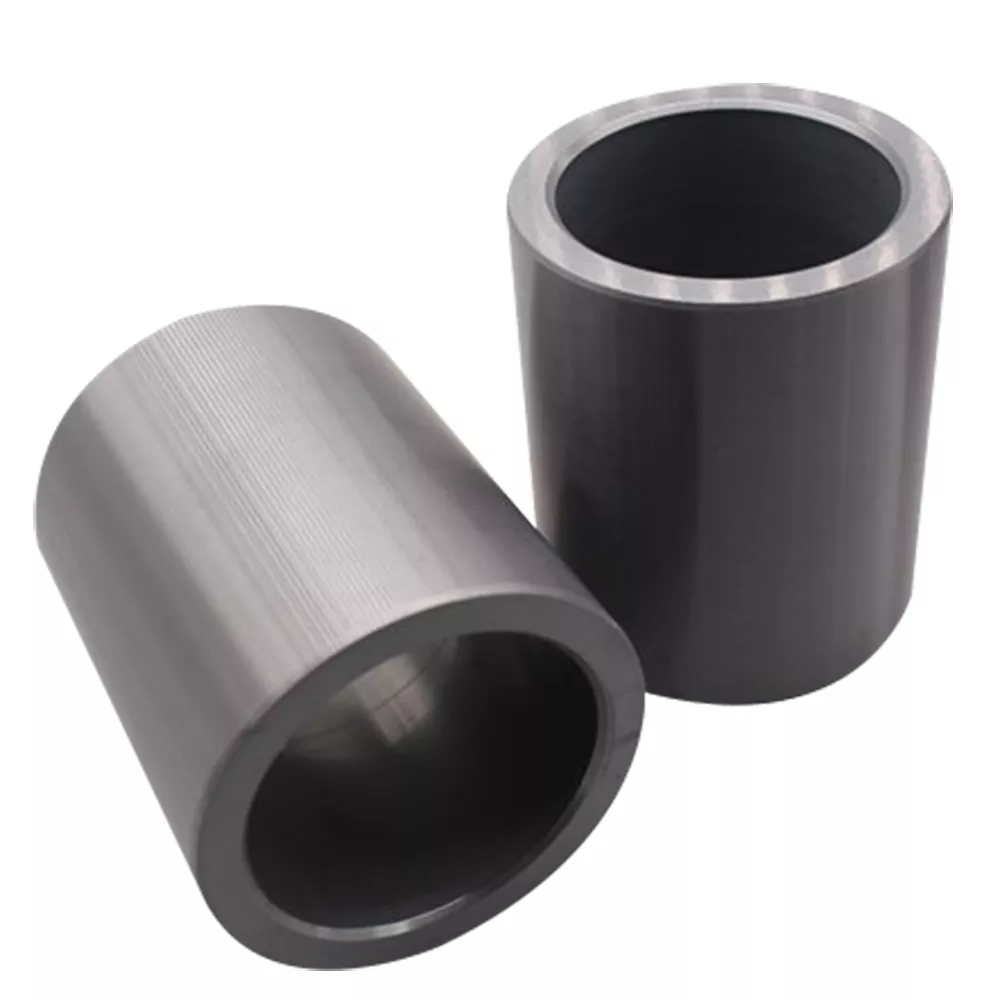
Ceramic Manufacturing Capabilities
Review ceramic manufacturing capabilities relevant to forming, machining, finishing and inspecting tubes, rods, rings, substrates and other technical components. Use the capability overview to identify process questions, drawing requirements, tolerances and acceptance criteria for a project-specific quotation.
Discuss Your Ceramic Part
Ceramic Solutions by Industry
Explore advanced ceramics applications by industry and connect component requirements with operating conditions. Consider temperature, electrical insulation, wear, corrosion, thermal management and dimensional stability when comparing potential ceramic solutions for equipment, assemblies and industrial systems.
Discuss Your Ceramic Part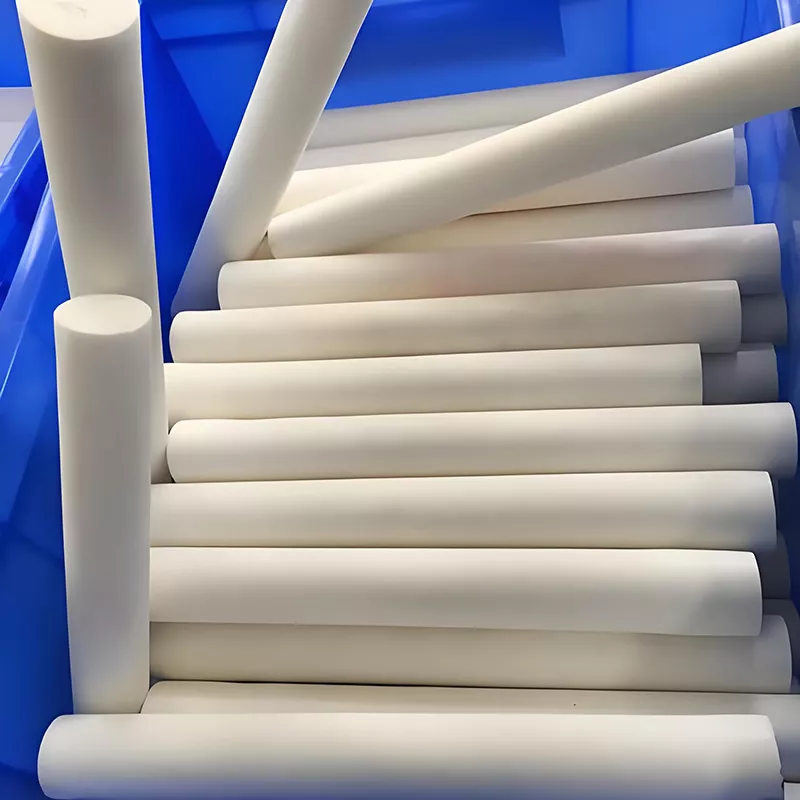
Advanced Ceramic Materials
Compare advanced ceramic materials including alumina ceramics, zirconia ceramics, silicon carbide ceramics, silicon nitride, aluminum nitride, boron nitride and specialty ceramics. Material selection should be checked against grade, geometry, mating surfaces, service conditions and required documentation.
Discuss Your Ceramic Part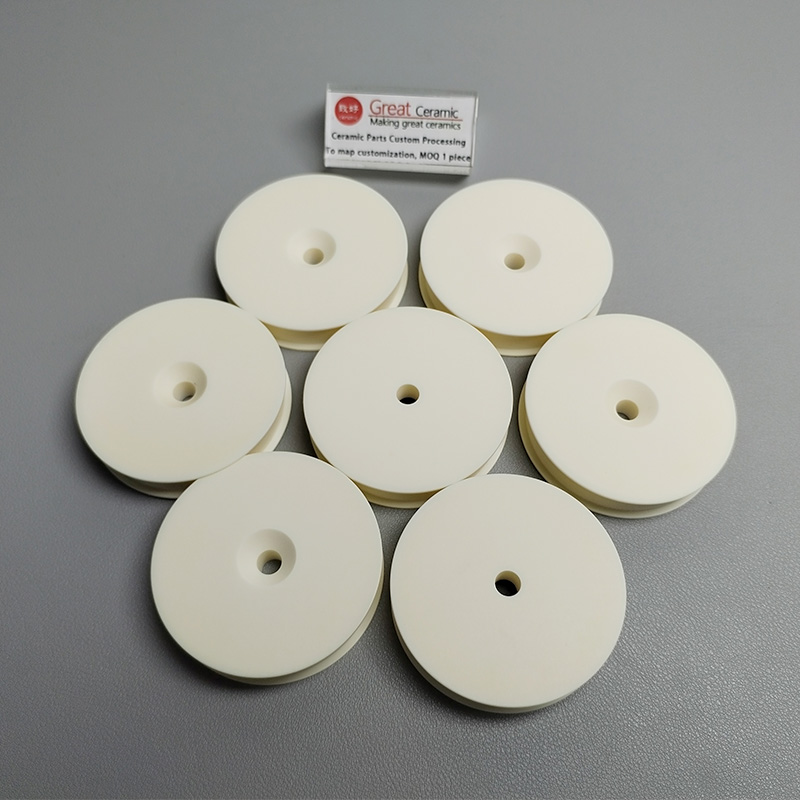
Technical Ceramic Products
Browse technical ceramic products by familiar component forms and material families. Tubes, rods, rings, plates, substrates, industrial ceramic parts and custom ceramic components may require different dimensional controls, surface specifications and inspection expectations, so confirm the drawing revision before requesting a quotation.
Discuss Your Ceramic Part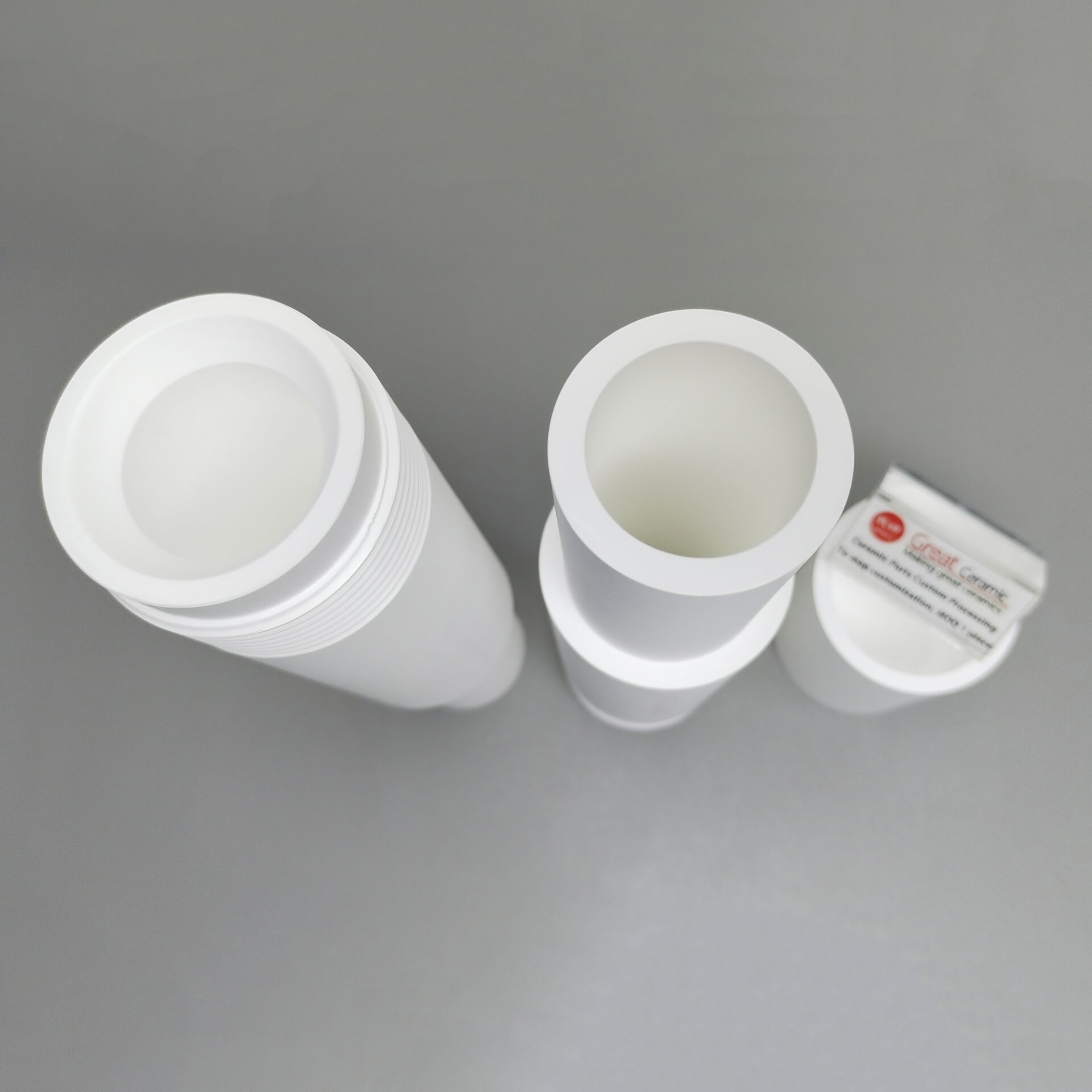
Technical Ceramic Resources
Use technical ceramics guides to clarify material properties, component terminology, design considerations and sourcing questions. These resources support better-informed comparisons, but grade-specific values, availability, tolerances and commercial terms require confirmation for the individual project.
Discuss Your Ceramic PartPorcecore’s Approach to Ceramic Polishing
Founded by Andy Yuan, Porcecore helps industrial procurement teams, engineers, equipment builders and distributors begin ceramic projects with the part and its job in focus. Our scope covers technical ceramic materials and component forms, while recognizing that a material family alone cannot define suitability for a specific application.
Our drawing-led approach brings geometry, mating surfaces, operating conditions, grade, quantity and acceptance criteria into the same conversation. Whether you are sourcing a replacement tube, ring, rod or substrate, Porcecore works to clarify open requirements before commitment. Email a drawing or describe your ceramic polishing need at info@zlrsmaterials.com, or message WhatsApp at +86 130 6482 5920.

Ceramic Polishing Quality Considerations
Define Functional Surfaces
Start with the surfaces that mate, seal, locate, slide, or support another part. Ceramic polishing requirements should distinguish appearance-only areas from functional interfaces, so the quotation can address access, finish expectations, and the surfaces that matter during assembly or operation.
- Identify mating, sealing, and locating surfaces
- Mark areas where finish affects fit or movement
- Separate functional surfaces from cosmetic areas
- Include a current drawing revision

Confirm Geometry And Edges
Part geometry influences how ceramic polishing can reach internal features, recesses, holes, and transitions. Clarify critical dimensions, tolerances, edge conditions, and any radius or chamfer requirements. These details help prevent a visually acceptable finish from compromising assembly or part function.
- Highlight holes, recesses, grooves, and narrow features
- State critical dimensions and allowable tolerances
- Define edge-break, radius, or chamfer expectations
- Note areas vulnerable to chipping or damage

Specify Grade And Finish
A material family alone is not a complete polishing requirement. Identify the ceramic grade if known, target surface condition, and relevant operating environment. Where values depend on the selected grade or process, treat them as project decisions requiring confirmation rather than assumptions.
- Provide the material designation or approved alternatives
- Define target roughness or visual finish where required
- Describe temperature, chemical, electrical, or wear conditions
- Distinguish required values from preferred values

Plan Inspection And Approval
Inspection expectations should be agreed before production begins. Specify how critical dimensions, surface finish, edge condition, cleanliness, and documentation will be reviewed. Include quantity, sampling expectations, acceptance criteria, and approval records needed by procurement, engineering, or quality teams.
- Identify inspection methods and reporting requirements
- Define acceptance criteria for critical features
- State quantity, sampling, and traceability expectations
- List certificates or documents needed for approval

Ceramic Polishing vs. Ceramic Lapping
Compare finishing routes by geometry, surface objectives, preparation, inspection, and compatible processes.
← Swipe left or right to view →
Ceramic Polishing Production Process
A drawing-led ceramic polishing workflow connects material review, surface control, finishing, inspection, and acceptance criteria to the individual part requirement.
Review Part Requirements
Review the current drawing, ceramic family, component geometry, mating surfaces, service conditions, quantity, and acceptance criteria before confirming a suitable polishing route.
Prepare Critical Surfaces
Prepare surfaces according to the part condition and drawing requirements, addressing prior processing, edges, contamination, and features that could influence ceramic polishing results.
Refine Surface Progressively
Progressively refine the surface using an agreed sequence of methods and media, with control points for geometry, edge integrity, surface uniformity, and damage prevention.
Clean For Inspection
Clean and prepare the component for inspection, removing residues while protecting critical interfaces, dimensional features, and surfaces identified in the project documentation.
Confirm Acceptance Basis
Inspect against confirmed drawings and acceptance criteria, record applicable findings, clarify open points, and confirm the basis for quotation, approval, or next production decision.
How to Order Ceramic Polishing from Porcecore
Give Porcecore the technical context needed to discuss ceramic polishing against your component, application, and approval requirements.
Submit Your Part Details
Send the latest drawing revision, material designation if known, quantity, and component form so Porcecore can frame the ceramic polishing quotation.
Define Operating Requirements
Identify service temperatures, loads, media, mating surfaces, critical dimensions, and tolerances that determine fit, function, and the appropriate project discussion.
Set Acceptance Criteria
Specify surface finish expectations, inspection methods, acceptance criteria, traceability, and documentation needed for engineering review, approval, and incoming inspection planning.
Confirm the Quotation Basis
Review open questions, confirm grade and geometry assumptions, then align delivery and commercial terms before treating the quotation as a production commitment.
Ceramic Polishing Customer Project Outcomes
Project story placeholder pending customer approval: Ceramic polishing requirements were organized around two mating surfaces, helping the team define consistency checks before quotation and reduce ambiguity during replacement-part review.
Project story placeholder pending customer approval: The inquiry separated required surface-finish evidence from preferred documentation, giving procurement and engineering a clearer basis for comparing ceramic polishing options against the approved drawing.
Project story placeholder pending customer approval: A replacement-part discussion became more actionable after the team confirmed ceramic polishing geometry, material designation, operating conditions, and acceptance criteria before requesting a project-specific quotation.
Ceramic Polishing FAQ for Industrial Buyers
Practical answers for defining surfaces, tolerances, inspection evidence and quotation inputs for technical ceramic components.
What materials and component geometries are suitable for ceramic polishing?
How should I define ceramic polishing requirements on a drawing?
Can ceramic polishing be combined with grinding, lapping or other finishing processes?
Will ceramic polishing change dimensions or affect tight tolerances?
What inspection evidence can be requested for a ceramic polishing project?
What information does Porcecore need to quote ceramic polishing?
Can Porcecore review samples or a prototype before a larger quantity?
How can engineering and procurement teams discuss a ceramic polishing requirement?
The Complete Buyer’s Guide to ceramic polishing
Use this decision framework to match ceramic polishing methods, abrasives, quality controls, and suppliers to your part requirements while avoiding specification gaps, preventable defects, hidden costs, and unsuitable production assumptions.
1. What Is ceramic polishing?
Four distinct operations are often separated in ceramic finishing: grinding removes substantial material and establishes form, lapping improves flatness and contact, polishing reduces fine roughness, and buffing mainly develops a visual sheen. Ceramic wheel refinishing is a separate automotive service for restoring coated or bare wheels, not a general definition for precision ceramic components. Two primary outcomes define industrial ceramic polishing: a smoother surface and controlled removal of grinding damage. It may protect functional edges, support dimensional control on mating surfaces, reduce friction or contamination retention, and improve appearance, but polishing cannot compensate for incorrect geometry or unspecified tolerances. Five inputs should guide method selection: ceramic composition, geometry, starting surface, required dimensions, and target finish.
2. Evolution and History of Ceramic Polishing
1. Early ceramic polishing relied on hand-held abrasives, lapping, and operator judgment to reduce grinding marks and improve fit. Results varied with pressure, tool condition, geometry, and access, making tight roughness control difficult on brittle parts. 2. Controlled mechanical polishing introduced dedicated laps, pads, wheels, staged abrasive sizes, and managed pressure, while chemical-mechanical polishing combined surface reaction with fine abrasive removal. com/ceramic-polishing-enhancing-aesthetic-and-functional-excellence). 3. Ultrasonic polishing extended finishing into small features and difficult geometries, while computer-assisted and robotic systems improved repeatability by controlling motion, load, dwell, and slurry delivery. com/ceramic-polishing).
3. Types of ceramic polishing
Five finishing routes cover most ceramic polishing decisions: abrasive contact, lapping, slurry-based removal, ultrasonic action, and controlled automation.
| Method | Best fit | Main risk | Buyer trade-off |
|---|---|---|---|
| Wheels/pads | Accessible faces | Edge damage | Fast, flexible |
| Diamond lapping | Flat precision parts | Warp or chipping | High control, slower |
| CMP | Substrates, fine faces | Chemistry mismatch | Fine finish, validation |
| Ultrasonic | Grooves, small features | Tool access | Detail reach, lower throughput |
| Robotic/CNC | Repeatable contours | Setup error | Consistency, programming cost |
Mechanical Polishing And Lapping
Wheels or pads suit accessible faces, chamfers, and larger batches; diamond lapping suits flat substrates, seals, rings, and close flatness requirements.
CMP And Ultrasonic Finishing
Chemical-mechanical polishing combines slurry chemistry with fine abrasion for demanding surface quality on substrates and precision faces; process compatibility must be verified by grade.
Robotic And Controlled Systems
Robotic or computer-controlled finishing fits repeatable contours and multi-part programs where path consistency matters. It reduces operator variation but requires validated fixturing, programming, and inspection.
4. Materials, abrasives, and polishing media
Alumina, zirconia, silicon nitride, silicon carbide, and glass-ceramics respond differently to abrasive force and heat.
| Material family | Preferred approach | Primary risk |
|---|---|---|
| Alumina | Progressive diamond | Edge chipping |
| Zirconia | Low-pressure slurry | Surface damage |
| Silicon nitride | Fine fixed abrasive | Heat buildup |
| Silicon carbide | Diamond or ceramic media | Contamination |
| Glass-ceramic | Pads and lapping plates | Uneven finish |
Match Media To Material
Alumina and glass-ceramics usually tolerate progressive diamond slurry or fixed abrasives; zirconia and silicon nitride demand controlled pressure to protect edges. Silicon carbide cuts readily but still requires coolant and stable fixturing.
Control Progression And Cleanliness
15–30 μm diamond can correct grinding damage, followed by smaller grades; avoid abrupt grit jumps because trapped particles can scratch or embed. Water-based coolant limits heat and carries debris away.
Clean parts, plates, holders, and slurry systems between stages. Contamination control often costs less than reworking a damaged surface.
Balance Finish And Cost
Free diamond slurry offers fine finish control but increases cleaning and consumable cost.
5. Customization and decoration options in ceramic polishing
A finish specification should connect appearance to the part’s job.
Set The Surface Target
A gloss, satin, or matte target should be paired with a roughness limit such as Ra and a measurement location. State whether the requirement applies to every face or only designated cosmetic zones. A polished zone can support sealing, cleaning, wear, or visual differentiation; a matte zone can control reflection.
Control Geometry And Zones
A radius callout at each exposed edge helps prevent chipping and defines how edge radiusing is inspected. Selective polishing and masking require clear boundaries, datum references, and allowance for tooling access. Tubes, rings, recesses, logos, and identification marks can restrict abrasive contact or require fixtures.
Plan Marking And Protection
A laser-marking note should identify mark location, contrast, depth limits, and compatibility with the specified finish or glaze. Test marks on representative material and geometry before approving production. A protective coating or clear finish may preserve appearance, but it can alter gloss, dimensions, cleanliness, or downstream bonding.
6. Key construction and quality elements
100% inspection evidence should connect the polished surface to the drawing, material, and service requirement.
Control The Process
Incoming inspection records material, blank condition, and drawing revision before polishing. Datum control fixes the reference surfaces used for setup and dimensional checks. Staged grit progression, documented pressure and speed, and coolant flow records show controlled material removal.
Verify Surface And Function
Cleaning between grit stages prevents abrasive carryover and embedded particles. Surface roughness should be measured at defined locations against the drawing or purchase specification, not inferred from appearance.
Preserve Traceability
Lot or serial traceability should link the part to material, process records, inspection results, and operator or equipment identification. Nonconformances and rework require disposition before release.
7. How to choose a ceramic polishing manufacturer
Thirteen checks separate a technically capable ceramic polishing supplier from a persuasive brochure: material experience, process evidence, control methods, and delivery discipline.
Verify Process Capability
Four evidence points matter first: experience with your ceramic family, suitable polishing equipment, representative samples, and a written process-development plan. Ask how the supplier will protect edges, mating surfaces, and required finish during trials. Require sample results tied to your drawing, not generic photographs.
Audit Measurement And Quality
Three controls deserve detail: tolerance control, metrology, and cleanliness. Confirm measurement equipment, calibration status, surface-finish method, dimensional records, and how abrasive or metallic contamination is prevented and detected.
Request documentation matched to the order, including material designation, inspection reports, nonconformance handling, packaging, and applicable quality-system procedures. Marketing terms are useful only when linked to measurable acceptance criteria.
Test Delivery And Scale-Up
Two timelines should be separated: sample lead time and production lead time. Compare stated capacity, batch-size limits, repeatability evidence, communication speed, and escalation ownership before approving a supplier. Use a staged decision: representative sample, written process review, pilot quantity, then scale-up approval.
8. Common ceramic polishing mistakes buyers make
One Ra value does not define a finished ceramic surface: method, sampling location, and functional purpose matter.
Define The Surface Requirement
Ra without a measurement method, cutoff, direction, or measured area is incomplete. State the instrument standard, locations, edge exclusions, and whether flatness, waviness, or visual uniformity also matters. Material grade, geometry, mating surfaces, thickness, holes, and service conditions determine process risk.
Control Process And Damage Risk
A single universal process is unsuitable across alumina, zirconia, silicon carbide, or complex geometries. Require a staged abrasive plan with justified size transitions; jumping grit can leave scratches, embed abrasive, or mask grinding damage. Edges, corners, thin walls, and openings need explicit protection criteria.
Approve Evidence And Scope
One polished sample does not prove functional performance. Test fit, sealing, electrical behavior, friction, or contamination sensitivity as applicable, using production-representative geometry and documented inspection results. Three quotations are comparable only when scope matches.
9. Steps to launch a ceramic polishing program
Four internal owners should align before the first ceramic polishing quote: engineering defines function, quality defines evidence, procurement qualifies supply, and operations confirms repeatability.
Define Requirements And Ownership
One current drawing revision should state material, quantity, mating surfaces, service conditions, critical dimensions, finish target, edge limits, cleanliness, and documentation needs.
Shortlist Suppliers And Trial Samples
Two or more qualified suppliers should be compared for relevant material and geometry experience, process evidence, communication, and requirement review.
Release, Validate, And Improve
One pilot lot should pass first-article inspection for dimensions, finish, material identification, and required records against the agreed drawing.
Operations validates cleaning, protection, labeling, and packaging; quality releases production. All teams log changes, corrective actions, owners, and closure dates.
10. Ceramic polishing pricing and cost factors
10 cost inputs commonly move a ceramic polishing quote: material hardness, part size and geometry, starting surface condition, target roughness, abrasive consumption, setup, tooling, inspection, cleaning, packaging, volume, and turnaround. Treat any planning figure as budgetary until Porcecore confirms the drawing, grade, acceptance criteria, and commercial terms. 1 current drawing revision should identify mating surfaces, critical dimensions, roughness, inspection records, packaging needs, and required delivery date.
| Quantity Tier | Representative Cost Basis | Setup or Tooling Considerations | Lead-Time Range | Quote Assumptions |
|---|---|---|---|---|
| 1–10 pieces | Budgetary: high unit cost; hardness, geometry, and target roughness assessed individually | Budgetary setup; dedicated fixtures may apply | Budgetary 2–5 weeks | Drawing, material grade, starting condition, inspection, cleaning, and packaging confirmed |
| 11–100 pieces | Budgetary: unit cost typically improves; abrasive use and surface area remain key | Setup amortized across batch; tooling subject to geometry | Budgetary 3–6 weeks | Quantity, roughness, tolerances, documentation, and delivery basis stated |
| 101+ pieces | Budgetary: batch pricing depends on repeatability and consumption | Supplier-confirmed fixture and process plan required | Supplier-confirmed after review | Production schedule, acceptance criteria, packaging, and commercial terms approved |
Email a Drawing for Your Ceramic Polishing Requirement
Share the component, service environment, required finish, and acceptance criteria so Porcecore can clarify open questions and guide the next sourcing step.