
Ceramic Slip Casting for Clearer Component Sourcing
Connect complex geometry, material choices and service conditions through ceramic slip casting for custom ceramic components, supported by a drawing-led quotation.
Featured Components for Ceramic Slip Casting Development















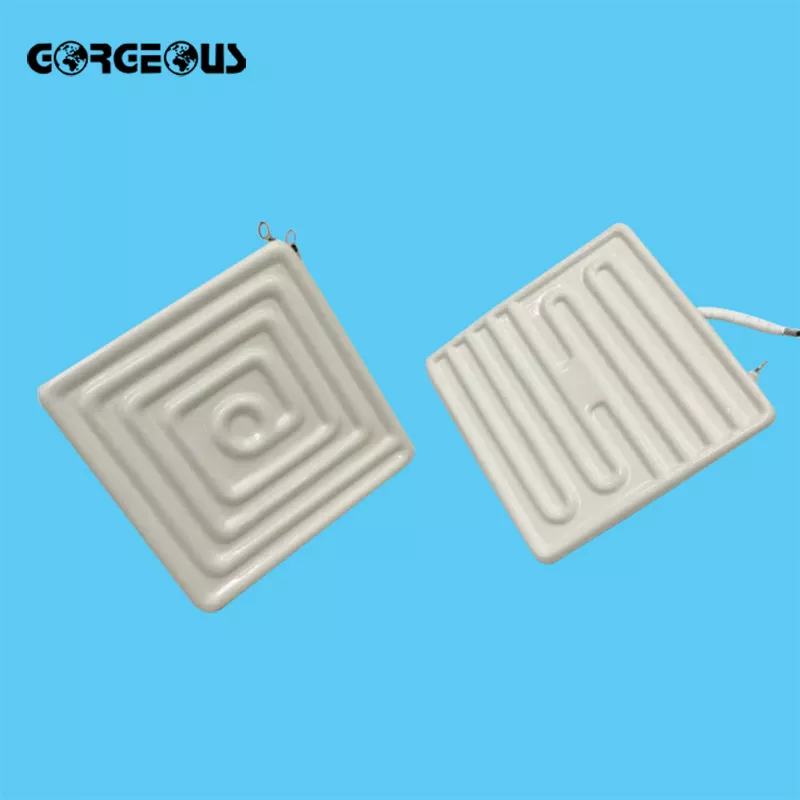
Ceramic Slip Casting Features for Engineered Components
Evaluate complex forms, repeatable shapes, material selection and project-specific dimensional requirements before requesting a drawing-led quotation.
Control the Drawing Revision
Start with the current drawing revision, critical dimensions, tolerances and interfaces so a ceramic slip casting quotation reflects the part you actually need.
Confirm the Material Grade
Select the ceramic family and grade according to temperature, electrical, wear, chemical or thermal requirements; general material names do not define every project-specific property.
Match Geometry to Function
Review wall sections, openings, radii, draft, shrinkage allowances and mating features together, because complex forms still require geometry that supports assembly and service.
Discuss the Process Route
Ask how the selected process route, mold approach and finishing steps affect the intended form, surface condition, repeatability and practical acceptance requirements.
Define Functional Surfaces
Identify sealing, bearing, locating, insulating and joining surfaces early, then state which dimensions and finishes control the interface with the mating component.
Specify Inspection Evidence
Set acceptance criteria for dimensions, visual condition, material identification and documentation, distinguishing illustrative product information from evidence required for your individual project.
Related Ceramic Processes and Component Pages
Compare forming routes, material families and component requirements before moving from ceramic slip casting to the most relevant project path.

Ceramic Manufacturing Capabilities
Review ceramic manufacturing capabilities beyond slip casting, including forming and finishing routes selected around geometry, material grade, tolerances and production volume. Use the capability overview to identify the right quotation path, then provide a drawing, quantity and acceptance requirements for project-specific discussion.
Discuss Your Ceramic Part
Ceramic Solutions by Industry
Explore advanced ceramics applications by industry to compare requirements across electrical, thermal, mechanical and process environments. Industry context can help frame service conditions and component function, while the final material, geometry, documentation and inspection criteria remain specific to each project.
Discuss Your Ceramic Part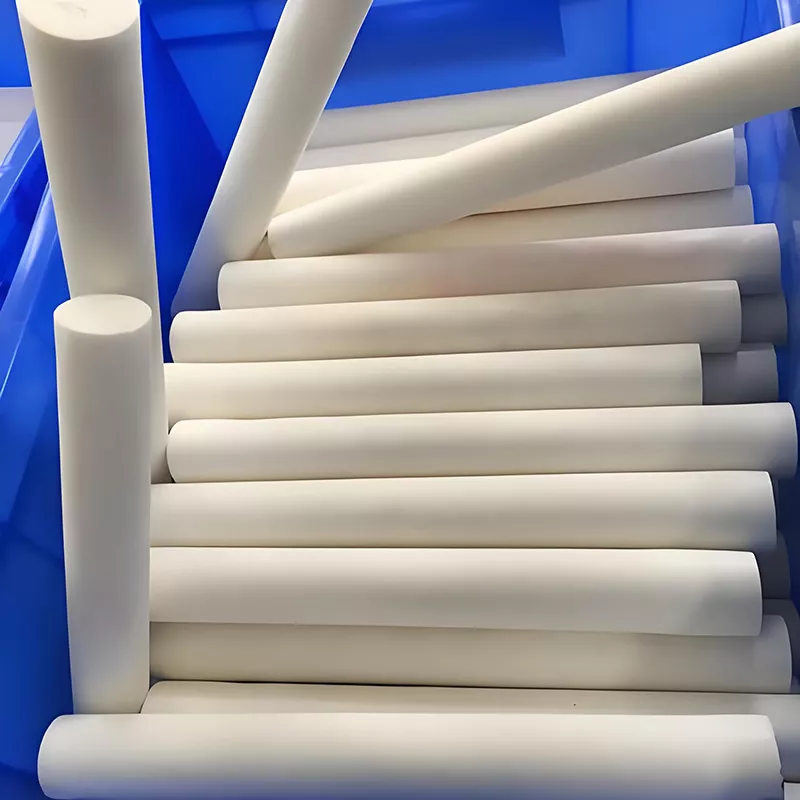
Advanced Ceramic Materials
Compare advanced ceramic materials including alumina ceramics, zirconia ceramics, silicon carbide ceramics, silicon nitride, aluminum nitride, boron nitride and specialty families. Material selection should be connected to operating conditions, mating surfaces, dimensions and grade-specific requirements rather than treated as a standalone product decision.
Discuss Your Ceramic Part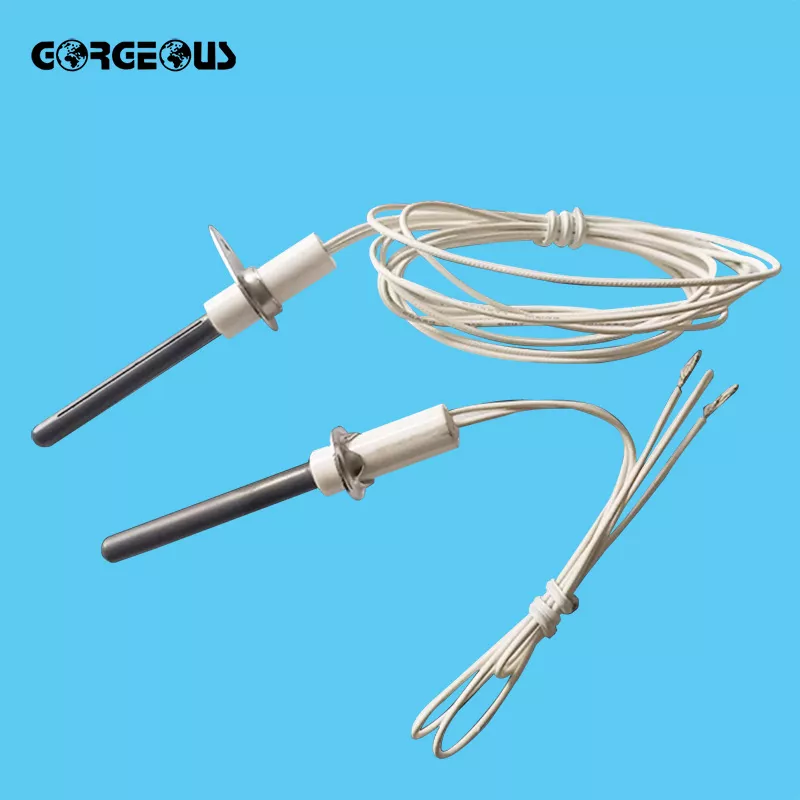
Technical Ceramic Products
Browse technical ceramic products by familiar component forms such as tubes, rods, rings, substrates and other engineered parts. Product pages support initial comparison, but drawings, material designation, critical dimensions, tolerances and acceptance criteria are needed to confirm a suitable project route.
Discuss Your Ceramic Part
Technical Ceramic Resources
Use this technical ceramics guide to clarify material terminology, forming considerations and quotation inputs before contacting Porcecore. Prepare the current drawing revision, quantity, service conditions and documentation needs, then email info@zlrsmaterials.com or contact WhatsApp +86 130 6482 5920.
Discuss Your Ceramic PartPorcecore’s Ceramic Slip Casting Approach
Founded by Andy Yuan, Porcecore helps industrial procurement teams, engineers, equipment builders and distributors connect custom ceramic components with a practical sourcing conversation. Our approach to ceramic slip casting starts with the part: its geometry, mating surfaces, operating conditions, material needs and inspection expectations.
Porcecore’s coverage spans oxide, nitride, carbide and specialty ceramics, including components such as tubes, rods, rings and substrates. We do not treat a material name or product illustration as a complete specification. Instead, we encourage drawing-led inquiries that clarify the project-specific grade, dimensions, tolerances, documentation and acceptance criteria.
Send a current drawing revision, known material designation, quantity and service conditions to begin. Porcecore’s role is to help identify open questions before commitment, making communication more useful between engineering, procurement and production teams. Email info@zlrsmaterials.com or connect by WhatsApp at +86 130 6482 5920.

Quality Considerations for Ceramic Slip Casting
Mold Definition and Detail
Ceramic slip casting can reproduce intricate profiles, but mold design and condition influence edge definition, openings, parting lines and surface detail. Review the drawing alongside mold strategy so critical features, demolding direction and allowable cosmetic variation are understood before quotation.
- Confirm critical profiles, openings and parting lines
- Identify surfaces requiring controlled definition
- Review demolding direction for complex geometry
- Separate functional surfaces from cosmetic preferences

Wall Consistency Across Geometry
Wall thickness affects handling, drying behavior, machining allowance and service performance. In a ceramic slip casting inquiry, identify nominal walls, thin sections, transitions and areas where variation could affect assembly or electrical and mechanical function.
- Mark minimum and nominal wall thicknesses
- Flag abrupt transitions and narrow sections
- Define machining or finishing allowances
- Identify dimensions tied to fit or insulation

Drying and Shrinkage Expectations
Drying behavior and shrinkage depend on the selected material system, geometry, section thickness and process conditions. Treat published values as general guidance only; confirm grade-specific dimensional expectations against the current drawing, tolerance scheme and intended production route.
- State dimensions that must hold after firing
- Identify tolerances requiring measurement or process review
- Discuss distortion risks in long or thin sections
- Confirm whether samples or first articles are needed

Inspection and Acceptance Criteria
A useful ceramic slip casting specification connects the part’s job to measurable acceptance criteria. Include material designation, dimensions, tolerances, surface requirements, test expectations and documentation needs so Porcecore can distinguish essential requirements from preferences during quotation.
- Provide the current drawing revision
- List material grade or approved alternatives
- Define inspection points and reporting requirements
- Specify documentation needed for project approval

Ceramic Slip Casting Compared with Dry Pressing
Compare geometry, material, design and production considerations before sharing your drawing with Porcecore.
← Swipe left or right to view →
Ceramic Slip Casting Production Process
A drawing-led workflow connects ceramic slip casting with project-specific geometry, material, processing, inspection and acceptance requirements.
Review Requirements
We review the current drawing, material designation, quantity, service conditions, mating surfaces and acceptance criteria, separating confirmed controls from quotation variables.
Plan Mold and Slip
Mold construction, parting strategy and slip requirements are assessed against geometry, wall sections and expected quantity before production details are confirmed.
Prepare Casting Slip
The selected ceramic powder system is prepared as a casting slip, with formulation, viscosity and process controls confirmed for the project.
Cast the Component
Slip is introduced into the prepared mold so a ceramic wall develops; casting time and handling conditions remain dependent on the agreed process.
Demold, Dry and Fire
The formed piece is released, finished as required, dried and fired according to the project route, with shrinkage and dimensional effects considered.
Inspect and Release
Inspection checks dimensions, critical surfaces, material requirements and documentation against approved acceptance criteria before quotation, production release or follow-up decisions.
How to Order Ceramic Slip Casting Components
A drawing-led cooperation path connects your ceramic slip casting requirement with project-specific materials, geometry, service conditions and acceptance criteria.
Submit the Current Drawing
Send the current drawing revision, component form, critical dimensions and mating surfaces so Porcecore can understand the part before discussing ceramic slip casting requirements.
Define Material and Conditions
Include the material designation if known, quantity, operating temperature, electrical or mechanical demands, and other service conditions relevant to the component.
Clarify Acceptance Requirements
Identify tolerances, inspection expectations, documentation needs and acceptance criteria, separating essential approval requirements from preferences that can remain open for discussion.
Confirm the Quotation Basis
Review the proposed grade, geometry, delivery and commercial assumptions with Porcecore before treating the inquiry as an agreed production order.
Customer Evidence for Ceramic Slip Casting
No verified customer testimonial has been supplied for publication. Request an authorized reference describing geometry fit, interface dimensions and documented inspection results.
No verified customer testimonial has been supplied for publication. Request an authorized reference describing material alignment, operating conditions and confirmed acceptance criteria.
No verified customer testimonial has been supplied for publication. Request an authorized reference describing quantity, delivery milestones and the documented project outcome.
Ceramic Slip Casting FAQ
Practical guidance for defining ceramic components, preparing an RFQ and aligning project-specific requirements with a feasible quotation.
What geometries are suitable for ceramic slip casting?
Which materials and grades can be evaluated for ceramic slip casting?
How should shrinkage be addressed in ceramic slip casting?
Can ceramic slip casting hold tight tolerances on functional surfaces?
What information should be included in a ceramic slip casting quotation request?
How are sampling, quantity and lead time handled?
What inspection evidence and packaging details should buyers specify?
Can ceramic slip casting components be finished or assembled after forming?
The Complete Buyer’s Guide to ceramic slip casting
Use this decision framework to compare ceramic slip casting methods, materials, customization options, and supplier capabilities while avoiding costly specification, quality, lead-time, and sourcing mistakes.
1. What Is ceramic slip casting?
1. Ceramic slip casting is a mold-based forming process: a ceramic slurry fills a porous mold, whose capillary action deposits solids against the mold wall. After the required wall thickness develops, the part is demolded, dried, finished, glazed when specified, and fired into its final ceramic body (https://en.wikipedia.org/wiki/Slip_casting).
2. Complex internal passages, thin walls, undercuts, and repeatable contours are the main reasons engineers and procurement teams consider this process. A mold can reproduce a geometry across multiple parts while reducing the extensive material removal associated with machining; however, slurry control, drying behavior, shrinkage, and mold design remain part of the engineering definition.
3. Machining is usually better for low quantities, tight post-fired tolerances, or simple stock shapes, while pressing suits higher-volume geometries that release cleanly from a die. Slip casting becomes more suitable when geometry is complex, wall thickness varies, or tooling cost can be distributed across a repeatable production run; the drawing should confirm fit surfaces, tolerances, quantity, and inspection criteria.
2. Evolution and History of ceramic slip casting
Traditional plaster molds established ceramic slip casting as a practical forming method, but their porosity, weight and moisture saturation can limit cycle speed and dimensional consistency. Mold drying, handling and release remain important sourcing variables for thick or complex sections.
Resin tooling and pressure-assisted casting can support shorter cycles and improved repeatability, while polymer molds may tolerate different process conditions than plaster. Buyers should weigh tooling cost and expected mold life against throughput, geometry and tolerance needs.
Modern lines may add automated mold handling, controlled filling, heated slurry, air-assisted drying or vacuum dewatering. These systems can reduce cycle time in suitable applications, but conventional plaster remains practical for lower volumes, complex revisions or development work; slurry density, deflocculation and temperature require process-specific control rather than copied recipes.
3. Types of ceramic slip casting
Five casting routes mainly differ in how slip is drained, compacted, or accelerated. Match geometry, wall control, annual demand, tooling investment, and inspection needs before approving a process.
| Approach | Best fit | Volume | Buyer focus |
|---|---|---|---|
| Drain | Hollow, detailed | Low–medium | Wall dwell, mold life |
| Solid | Dense, supported forms | Low–medium | Drying, material use |
| Pressure | Repeatable complex parts | Medium–high | Pressure, seals, tooling |
| Vacuum | Thick or intricate sections | Medium–high | Dewatering, release |
| Automated/resin | Repeat production | High | Qualification, changeover |
Conventional And Solid Casting
Drain casting suits hollow, detailed parts with open fill and drain paths; wall thickness depends strongly on dwell time and mold absorption. Solid casting fills the cavity, requiring controlled drying and often more material.
These routes fit prototypes, replacement parts, and low-to-moderate annual demand. Ask about mold life, cycle time, allowable wall variation, seam finishing, and dimensional inspection.
Pressure And Vacuum Assistance
Pressure casting accelerates deposition and can improve repeatability for medium-to-high volumes, but needs pressure-capable molds, seals, and equipment. Vacuum assistance improves dewatering and release, especially for thicker or complex sections.
Confirm target annual volume, pressure or vacuum range, mold maintenance, density variation, and whether internal passages remain fully formed.
Automated And Resin-Mold Systems
Automated filling, mold handling, heated slip, resin molds, and air-assisted drying support shorter cycles and higher consistency for repeat geometries. Tooling cost and process qualification rise accordingly.
Use these systems when demand justifies dedicated tooling. Ask for capability data on critical dimensions, wall thickness, casting yield, changeover time, and revision control.
4. Materials for ceramic slip casting
Common ceramic bodies—from porcelain and whiteware to alumina and zirconia—trade casting behavior against fired performance. Specify the slip and application together, because material names alone do not define a part.
| Body | Typical priority | Process note |
|---|---|---|
| Porcelain/whiteware | Fine detail, finish | Fine particles; controlled drying |
| Stoneware | Robust general ware | Wider firing window |
| Alumina/zirconia | Wear, strength, temperature | High solids; tight shrinkage control |
| Steatite/cordierite | Dielectric or thermal stability | Match firing schedule |
Process Variables
Solids loading, particle size, water chemistry, deflocculant dosage, specific gravity and viscosity interact during slip preparation. Treat any published range as a starting point only.
Recipes require local adjustment and process confirmation: https://digitalfire.com/glossary/slip+casting
Body Selection
Porcelain, whiteware, and stoneware generally prioritize castability and fired finish.
Alumina, zirconia, steatite, and cordierite shift priorities toward wear, strength, dielectric response, or thermal expansion.
Application Compatibility
Shrinkage and firing behavior can change assembly dimensions.
Match the body to thermal shock, dielectric, temperature, and mating-surface requirements, then confirm grade-specific data and inspection criteria.
5. Customization and decoration options
CAD geometry determines whether ceramic slip casting can reproduce the required part reliably. Porcecore recommends approving geometry, interfaces, finish, decoration, and acceptance criteria together before tooling begins.
Geometry And Tooling
1 CAD revision should define wall thickness, cores, ribs, openings, draft, undercuts, tolerances, and mold segmentation. These choices affect release, seam placement, shrinkage allowance, and assembly fit.
Surface And Decoration
2 finish categories should separate functional surfaces from appearance surfaces. Glazing, coloring, printing, decals, textures, machining, and marking require agreed locations, coverage, color reference, roughness, and durability expectations.
- Functional: sealing, wear, insulation, or mating performance
- Cosmetic: color, gloss, texture, logo, or visual uniformity
- Machining: datum, tolerance, edge condition, and inspection method
Approval Before Tooling
3 approval packages should include the current drawing, material designation, finish sample or reference, decoration artwork, assembly interfaces, inspection method, and revision-controlled acceptance criteria.
| Requirement | Approve Before Tooling | Typical Evidence |
|---|---|---|
| Geometry | Draft, cores, ribs, tolerances | CAD and drawing |
| Finish | Glaze, texture, roughness | Sample or specification |
| Decoration | Color, artwork, marking | Artwork and approval sample |
6. Key quality elements in ceramic slip casting
Usable ceramic slip casting parts depend on controlled variables from slurry preparation through firing and inspection. Buyers should document measurable requirements, test methods, sample quantities, and acceptance limits before production approval.
Slurry And Mold Controls
Specific gravity, viscosity, solids loading and deflocculant dosage should be recorded by batch; changes can affect fill, drain and casting thickness.
Mold-condition checks should cover cleanliness, permeability, wear, alignment and venting. Record mold identification and allowable reuse criteria.
Drying, Firing, And Finishing
Reference sections should verify wall-thickness uniformity, drying rate, seam finishing, warpage, cracks, pinholes and lamination before firing.
The approved firing schedule should define ramp rates, soak temperature, atmosphere, cooling limits and lot traceability. Retain witness samples when required by the qualification plan.
Inspection And Acceptance
Dimensional inspection may be required for mating surfaces; specify datums, tolerances, gauges and sampling plans for noncritical features.
Applicable referenced methods should define porosity, density, flexural strength, dielectric strength and surface-defect limits. Approve a reference sample when needed and link reports to material, mold, batch and firing records.
7. How to choose a ceramic slip casting manufacturer
A qualified ceramic slip casting supplier should connect material knowledge to your drawing, service conditions, inspection plan, and delivery risk. Evaluate evidence, not catalog breadth: ask what will be measured, controlled, documented, and changed.
Audit Technical Capability
1 RFQ should request material grade, CAD review, tooling ownership, process route, equipment limits, tolerances, inspection data, and quality-system records.
Ask how the supplier controls slurry, molds, drying, firing, machining, and final inspection for your geometry.
- Confirm engineering support and drawing-revision control.
- Request capacity, lead-time, packaging, and nonconformance procedures.
Validate Samples And Production
3 sample stages should cover first article, pilot run, and repeat production. Compare dimensions, mating surfaces, density or strength data, visual defects, packaging condition, and traceability against approved criteria.
- Use retained samples and inspection reports.
- Check consistency across batches, cavities, and delivery dates.
Assess Total Supply Fit
2 commercial questions matter beyond piece price: who owns tooling, and what triggers reapproval after a material, process, equipment, or subcontractor change?
Require written answers on capacity allocation, lead-time buffers, communication cadence, escalation, and change notification before approval.
- Separate preferences from contractual requirements.
- Send the current drawing revision and acceptance criteria.
8. Common ceramic slip casting mistakes buyers make
Nine recurring errors can turn ceramic slip casting into avoidable rework, disputes, and schedule loss. Most begin when the part requirement is not documented clearly enough for quotation and process review.
Define The Part Completely
One incomplete drawing can hide critical fits, datums, wall thicknesses, surface requirements, or inspection points. The result is clarification delay, incorrect tooling, and nonconforming parts.
Two common errors are specifying ceramic by material name alone and demanding uniformly tight tolerances. Grade, geometry, operating conditions, and achievable process limits must be reviewed together.
Control Process Risk Early
Three overlooked risks are firing shrinkage, tooling wear, and glaze interaction. Ignoring them can shift dimensions, degrade surface quality, or shorten mold life, creating scrap and replacement-tool costs.
A pilot lot is the practical check for these variables. Skipping it transfers discovery to production, where corrections can affect delivery commitments and assembly validation.
Compare And Accept Consistently
Four quotation gaps create false savings: different assumptions on quantity, tooling, tolerances, testing, or lead time. Compare like-for-like scope before selecting a source.
Five acceptance details should be explicit: inspection method, sampling, documentation, packaging, and damage responsibility. Without them, disputes may surface only after shipment or installation.
9. Steps to launch a ceramic slip casting program
Three controlled gates move ceramic slip casting from a concept to repeatable production: define the part, prove the process, then monitor the release criteria. Each gate should leave a drawing revision, decision record, and acceptance basis.
Define And Review The Part
1. Start with the drawing, service conditions, mating surfaces, quantity, tolerances, and inspection criteria. Review wall transitions, draft, parting lines, cores, and shrinkage allowances for casting feasibility.
2. Freeze the material shortlist only after geometry and operating requirements are documented.
Source And Approve Prototypes
3. Send the approved drawing revision and RFQ covering grade, mold concept, quantity, samples, documentation, and delivery assumptions to shortlisted suppliers.
4. Approve prototypes against dimensional, visual, fit, and functional records before authorizing pilot production.
Qualify And Monitor Production
5. Pilot the agreed mold and process, then test critical properties and assembly features against the acceptance plan. Lock process parameters and control-plan revisions before release.
6. Track lot records, inspection results, nonconformances, and change approvals during ongoing production; slip behavior can vary with water, materials, equipment, and procedure (https://digitalfire.com/glossary/slip+casting).
10. Ceramic slip casting pricing and cost
1 drawing revision should define the geometry, mating surfaces, tolerances, material grade, inspection evidence, and packaging expectations before pricing. Engineering review and mold development are usually front-loaded costs; recurring tooling maintenance should be separated from the initial quotation.
8 cost areas commonly shape the landed cost: material, labor, firing, finishing, inspection, packaging, logistics, and tooling. Quantity can reduce mold and setup cost per unit, while complex geometry, tight tolerances, decoration, specialty ceramics, and extra quality documentation can increase both unit cost and lead time.
| Cost driver | Lower-cost condition | Higher-cost condition | Typical pricing effect |
|---|---|---|---|
| Quantity | Repeat production using approved tooling | Prototype or low-volume order | Fixed engineering and mold cost spread over fewer units |
| Geometry and tooling | Simple, durable mold design | Undercuts, thin walls, or multi-part tooling | Higher development cost and longer lead time |
| Material and firing | Standard grade and established cycle | Specialty ceramic or demanding firing profile | Higher material, process, and yield risk |
| Quality and fulfillment | Standard inspection and consolidated packing | Tight tolerances, reports, custom packaging, urgent logistics | Higher inspection, packaging, freight, and coordination cost |
Discuss Your Ceramic Slip Casting Requirement
Email a drawing or describe your component, operating environment, quantity and acceptance criteria to begin a focused sourcing discussion.