
Ceramic Surface Coating for Defined Industrial Requirements
Connect ceramic surface coating and custom ceramic components to geometry, operating conditions, mating surfaces, and acceptance criteria before quotation.
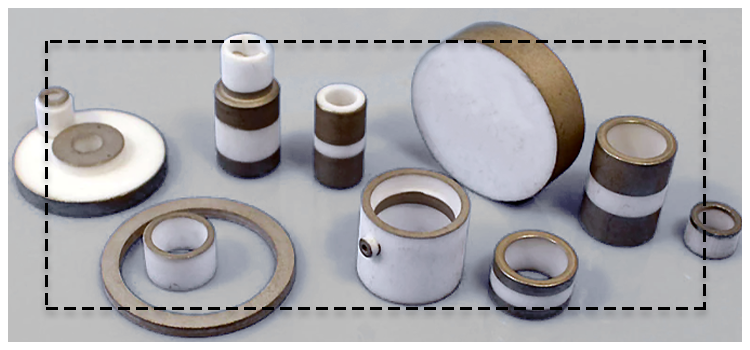
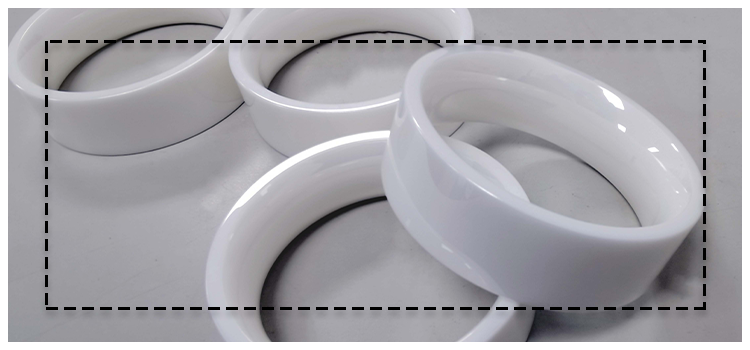
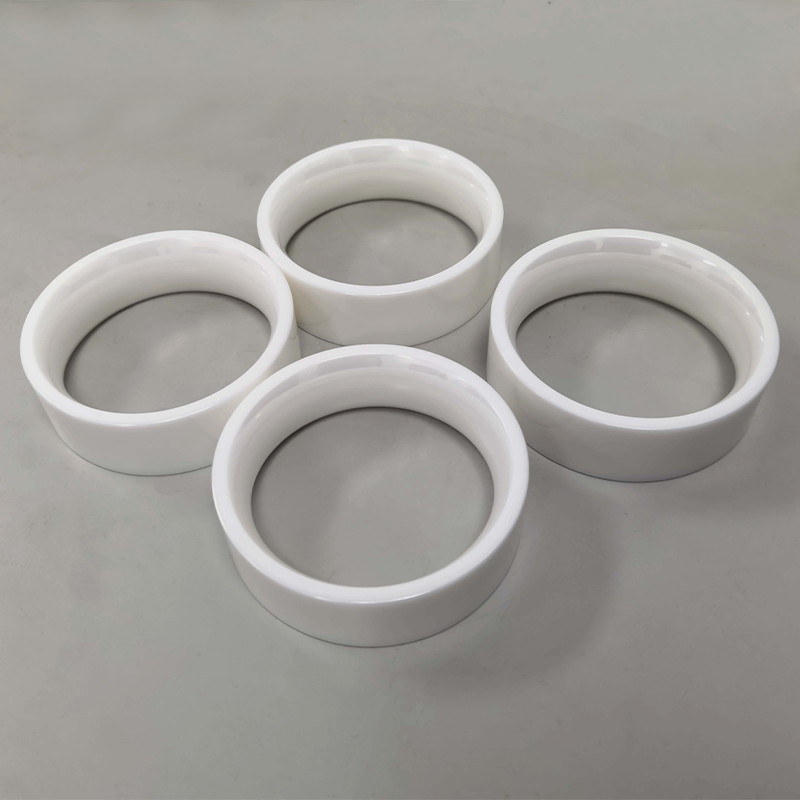
Component References for Ceramic Surface Coating Projects













Technical Review Points for Ceramic Surface Coating
Evaluate each coating requirement against the substrate, surface function, service environment, finish expectation, and evidence needed for engineering approval.
Control Drawing Revision
Reference the current drawing revision, coating zones, dimensions, and interfaces so quotation discussions stay aligned with the part configuration under review.
Confirm Substrate Compatibility
Identify the substrate, material condition, and preparation assumptions because adhesion, thermal response, and coating suitability depend on the specific base material.
Define Surface Function
State whether the surface requires insulation, wear resistance, friction reduction, chemical resistance, or another function, then connect that purpose to the application.
Review Operating Environment
Describe temperature exposure, mechanical loading, chemicals, moisture, electrical conditions, and cycling so the proposed ceramic surface coating reflects actual service demands.
Set Finish Expectations
Specify coating coverage, texture, appearance, thickness range, masking boundaries, and mating-surface requirements where finish characteristics affect assembly or downstream processing.
Plan Inspection Evidence
Define inspection methods, acceptance criteria, dimensional checks, coating coverage verification, and documentation requirements before production decisions are finalized for the project.
Explore Materials, Components, and Ceramic Capabilities
Move from coating requirements to broader material choices, component forms, industry applications, and technical guidance for the next sourcing decision.

Ceramic Manufacturing Capabilities
Review Porcecore’s broader ceramic manufacturing capabilities when a coating inquiry depends on substrate preparation, part geometry, finishing, inspection, or a custom production route. Share the drawing revision, quantity, operating conditions, and acceptance criteria to define the quotation basis.
Discuss Your Ceramic Part
Ceramic Solutions by Industry
Explore advanced ceramics applications by industry when coating requirements are shaped by temperature, wear, corrosion, electrical insulation, or process conditions. This path helps equipment builders and procurement teams compare application needs before narrowing the discussion to a specific material or component.
Discuss Your Ceramic Part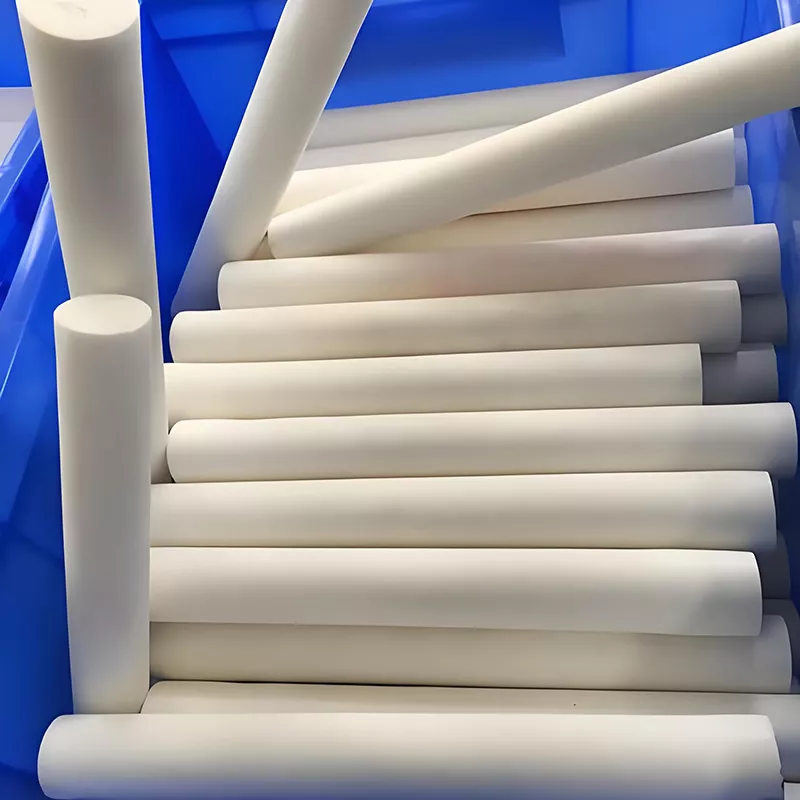
Advanced Ceramic Materials
Compare advanced ceramic materials, including alumina ceramics, zirconia ceramics, silicon carbide ceramics, silicon nitride, aluminum nitride, boron nitride, and other specialty families. Grade, geometry, operating environment, and project-specific acceptance requirements require confirmation.
Discuss Your Ceramic Part
Technical Ceramic Products
Browse technical ceramic products when the project needs industrial ceramic parts in forms such as tubes, rods, rings, substrates, plates, or custom components. Use the drawing and mating-surface details to connect the required geometry with a suitable material and quotation discussion.
Discuss Your Ceramic Part
Technical Ceramic Resources
Consult the technical ceramics guide when you need clearer terminology, material comparisons, specification guidance, or preparation for a drawing-led inquiry. Use it to identify open questions about grade, dimensions, tolerances, service conditions, documentation, and acceptance criteria before contacting Porcecore.
Discuss Your Ceramic PartOur Application-First Ceramic Sourcing Approach
Founded by Andy Yuan, Porcecore helps industrial procurement teams, engineers, equipment builders and ceramic distributors approach ceramic surface coating through the part and its intended job. Our scope covers technical ceramic materials and component forms across oxide, nitride, carbide and specialty families, with each inquiry shaped by the project’s operating conditions and application needs.
What sets Porcecore apart is application-first, drawing-led communication. Share the current drawing revision, known material designation, quantity, service conditions, fitting surfaces and acceptance criteria so open questions can be identified before commitment. Email info@zlrsmaterials.com or connect by WhatsApp at +86 130 6482 5920 to begin a clearer ceramic sourcing discussion.

Quality Attributes to Confirm Before Release
Confirm Substrate And Geometry
A ceramic surface coating must be evaluated against the part it will cover. Share the substrate, component geometry, mating features and service environment so coating compatibility, access and masking requirements can be considered before quotation.
- Base material and grade, if known
- Tube, rod, ring, plate or custom geometry
- Mating surfaces, edges and restricted areas
- Operating temperature, media and loading

Define Surface Preparation
Surface preparation influences adhesion, finish and dimensional results. Identify the existing surface condition, cleaning expectations and any pre-treatment constraints so the proposed ceramic surface coating process can be aligned with the substrate and application method.
- Existing roughness, oxide or contamination
- Cleaning and pre-treatment requirements
- Masking zones and no-coat areas
- Handling constraints before and after coating

Set Coverage And Finish Expectations
Coverage should be described in functional terms rather than assumed from a material name. Confirm the areas requiring protection, the intended coating thickness or finish range, and whether appearance, friction, insulation or chemical exposure matters to the project.
- Required coated and uncoated surfaces
- Target thickness or acceptable process range
- Surface finish, color or texture expectations
- Primary performance priority for the application

Protect Dimensional Interfaces
Coating decisions can affect fits, clearances and assembly. Mark the dimensions that determine installation or sealing, then define inspection points and documentation needs. A drawing-led review helps separate essential acceptance criteria from preferences before production terms are confirmed.
- Critical dimensions and tolerance zones
- Clearances, bores, threads and mating faces
- Inspection method and acceptance criteria
- Drawing revision and required quality documents

Ceramic Surface Coating Compared With Resin Coating
Compare substrate fit, preparation, service conditions, and integration requirements before requesting a project-specific recommendation.
← Swipe left or right to view →
A Typical Ceramic Surface Coating Review Path
A drawing-led path from substrate confirmation to controlled processing, inspection, and release, with project-specific decisions documented for material, geometry, coating specification, and acceptance criteria.
Review Drawing Requirements
Confirm the current drawing revision, component geometry, mating surfaces, service conditions, quantity, material designation, documentation needs, and acceptance criteria before quotation.
Confirm Substrate and Specification
Align the substrate, ceramic material family, coating specification, critical dimensions, masking areas, surface condition, and measurable requirements for the selected application.
Prepare Component Surfaces
Establish preparation requirements for cleaning, surface conditioning, fixturing, and protection of critical areas before ceramic surface coating application begins.
Apply and Process Coating
Execute the agreed coating route and controlled processing parameters for the project, recording relevant production conditions against the approved component requirements.
Inspect Critical Attributes
Inspect coating coverage, adhesion-related requirements, dimensions, finish, interfaces, and documentation according to the confirmed inspection plan and acceptance criteria.
Release for Delivery
Resolve open quality questions, compile agreed records, confirm release status, and coordinate delivery details for the approved ceramic component or coated assembly.
How to Order Ceramic Surface Coating Components
Move from a defined ceramic surface coating requirement to a clearer quotation discussion with the information your project team already controls.
Send the Current Drawing
Share the current drawing revision, component geometry, critical dimensions, mating surfaces and any known ceramic surface coating requirement for review.
Define Material and Conditions
Identify the material or substrate, quantity, operating temperature, chemical exposure, electrical or mechanical demands, and expected service conditions for the application.
Set Acceptance Criteria
Specify inspection expectations, tolerances, surface requirements, documentation needs and approval criteria so the quotation reflects project-specific grade and acceptance requirements.
Discuss the Quotation
Email the information to info@zlrsmaterials.com or use WhatsApp at +86 130 6482 5920 to clarify open questions and define next steps for your project.
Ceramic Surface Coating Project Outcomes
Customer testimonial pending approval. This space is reserved for a verified quotation about drawing revision, service conditions, acceptance criteria, and ceramic coating evaluation.
Customer testimonial pending approval. This space is reserved for a verified quotation about geometry, mating surfaces, material grade, and engineering review.
Customer testimonial pending approval. This space is reserved for a verified quotation about replacement components, operating conditions, inspection expectations, and sourcing decisions.
Ceramic Surface Coating FAQ for Industrial Buyers
Practical guidance on suitability, specifications, evidence, sampling and quotation inputs for project-specific ceramic surface coating requirements.
What substrates are suitable for ceramic surface coating?
How should we define a ceramic surface coating requirement on a drawing?
Can ceramic surface coating be used on complex geometries or functional surfaces?
What durability evidence should we request for a ceramic coating?
Can ceramic surface coating be combined with machining or other processes?
What quantity, MOQ and lead-time information should we expect?
Can we request samples before approving production?
What should we send Porcecore to obtain a quotation?
The Complete Buyer’s Guide to ceramic surface coating
Use this decision framework to match ceramic surface coating systems to substrates, performance requirements, and production volumes—then evaluate suppliers, control total cost, and avoid qualification, application, and sourcing mistakes.
1. What Is ceramic surface coating?
One ceramic surface coating is a thin ceramic-based layer applied to a separate substrate, such as metal, plastic, glass, composite, or an existing ceramic part. The substrate supplies the component’s bulk geometry and structural function; the coating modifies selected surfaces without making the entire part from ceramic. Six performance goals commonly justify the specification: wear resistance, corrosion resistance, chemical protection, thermal insulation, electrical insulation, and reduced friction. The relevant result depends on coating chemistry, thickness, adhesion, surface preparation, operating temperature, contact loads, and exposure conditions—not on the word ceramic alone. Porcecore treats a coating system as a substrate-to-coating interface that must match the part’s job, mating surfaces, and inspection requirements.
2. The Evolution of Ceramic Surface Coatings
Ancient Egypt used glazed ceramic surfaces for durable, chemically resistant protection, establishing the basic principle of converting a mineral-rich layer into a harder functional surface. Industrial practice later moved toward fired enamels, refractory washes, and oxide finishes selected for corrosion, wear, or thermal service. The 20th century introduced plasma spraying, chemical vapor deposition, and physical vapor deposition, expanding usable coating thicknesses, substrates, and operating temperatures. Each process creates different bonding mechanisms, porosity, residual stress, surface finish, and geometry limits. Digital process control now links slurry or powder formulation, substrate preparation, spray parameters, chamber conditions, and thermal history to recorded production data.
3. Types of ceramic surface coating
Four industrial coating families differ mainly by deposition route, thickness control, substrate limits, and qualification effort.
| Family | Typical thickness | Best fit | Main limits |
|---|---|---|---|
| Liquid/sol-gel | Thin to moderate | Complex shapes; low-temperature substrates | Cure and adhesion control |
| Thermal spray | Moderate to thick | Wear, heat, large surfaces | Heat, masking, porosity |
| CVD/PVD | Very thin | Hard, uniform precision films | Chamber and geometry limits |
| Plasma/hybrid | Engineered range | Combined barrier or tribology targets | Higher qualification burden |
Liquid And Sol-Gel Systems
Ambient or low-temperature application suits temperature-sensitive metals and complex shapes, but curing, adhesion, and thickness uniformity require process control. Best for corrosion, chemical resistance, insulation, or low-friction objectives.
Thermal-Spray Ceramics
Plasma spray and related routes build thicker, wear- and heat-resistant layers on robust substrates.
Vapor And Hybrid Films
CVD, PVD, plasma-assisted, and engineered hybrid systems provide thin, uniform films with strong hardness or barrier performance. Chamber size, line-of-sight geometry, pretreatment, and grade-specific testing can limit adoption.
4. Materials, substrates, and coating compatibility
Material family and substrate must be specified together: oxide, nitride, carbide, and specialty coatings behave differently on each surface.
| Substrate | Coating Objective | Compatibility Concern | Validation Test |
|---|---|---|---|
| Metal | Wear or insulation | Expansion mismatch | Adhesion and thermal cycling |
| Glass | Chemical protection | Surface stress | Adhesion and microscopy |
| Ceramic | Barrier or wear | Porosity and brittleness | Cross-section inspection |
| Polymer/composite | Barrier or friction control | Heat sensitivity | Adhesion and dimensional check |
Match Coating To Substrate
Metals often need corrosion, wear, or insulation control; glass and ceramics require compatible surface chemistry and careful stress management.
Control Preparation And Dimensions
Surface preparation may include cleaning, blasting, activation, or a bond coat, selected against the substrate and coating process.
Validate The Bond
A representative coupon or finished part should test adhesion, thermal cycling, porosity, and dimensional change before release.
Acceptance criteria should identify the test method, inspection locations, and failure limits.
5. Customization and functional surface options
Color, gloss, thickness, masking, electrical, and thermal behavior can be configured together. Appearance is only one input; service requirements need drawing-led validation.
Appearance And Coverage
Color, gloss, texture, and roughness can use approved samples, target ranges, or measurement methods.
Geometry And Functional Behavior
Thickness and roughness affect clearance, mating, friction, and sealing, so state nominal values, tolerances, measurement locations, and acceptance methods.
Resistance And Validation
Chemical exposure, temperature cycling, abrasion, and wear can change coating selection. Define media, temperature, load, cycles, and failure criteria.
6. Key construction and quality elements
One drawing, one process window, and one acceptance plan should define a ceramic surface coating before production.
Preparation And Bond
Substrate preparation removes oil, oxide, moisture, and loose material; inadequate cleanliness commonly causes blistering, peeling, or early corrosion. Acceptance should identify preparation method, surface condition, and bond-strength evidence. Mating faces and edges need explicit treatment because sharp transitions can create thin spots or stress concentrations.
Deposition And Surface Control
Thickness, coverage uniformity, porosity, and edge coverage directly affect insulation, wear, and corrosion performance. Acceptable limits should be drawing- or application-specific, verified by calibrated gauges, microscopy, or metallographic sections.
Cure temperature, dwell time, spray parameters, or chamber conditions must be recorded; uncontrolled windows can produce cracking, under-cure, excess porosity, or dimensional interference. Deposition methods include plasma spraying and CVD (https://www.xometry.com/resources/machining/ceramic-coating).
Inspection And Packaging
A release package should link inspection results to the drawing revision, material or coating designation, process lot, operator records, and nonconformance disposition. Evidence may include visual checks, thickness maps, adhesion results, porosity assessment, and dimensional inspection. Packaging must prevent chipping, abrasion, contamination, and moisture exposure during handling and transit.
7. How to choose a ceramic surface coating manufacturer
A qualified ceramic surface coating manufacturer connects the requested performance to a defined process, inspection plan, and controlled delivery path.
Verify Technical Fit
Three RFQ essentials are substrate, service conditions, and acceptance criteria. Ask which coating methods, geometries, thickness ranges, and application environments the supplier has actually produced.
- Request process capability by substrate and geometry.
- Ask which tests are routine and which are outsourced.
- Confirm grade-specific data and inspection limits.
Check Repeatability And Capacity
Two production stages matter: qualification sampling and repeat production. Request sample quantities, lead-time assumptions, batch traceability, equipment constraints, capacity by volume, and criteria for accepting or rejecting a lot. A manufacturing partner explains change control for materials, tooling, process parameters, and subcontractors.
- Ask for a sample approval record.
- Confirm realistic prototype and production lead times.
- Define notification requirements for changes.
Protect The Project
One controlled document set should cover drawings, revisions, test reports, certificates, packaging, and confidentiality expectations. Confirm who owns technical communication and how nonconformities, corrective actions, and revision changes are recorded. Before award, ask for named contacts, escalation timing, document examples, and a written response to every RFQ requirement.
- Use an NDA before sharing proprietary drawings.
- Require revision-controlled quotations.
- Record open questions and approval owners.
8. Common ceramic coating sourcing mistakes
Late redesigns usually begin before coating trials: the requirement was incomplete, or the sample represented appearance rather than service performance.
Define Service Before Chemistry
Operating temperature, chemicals, load, wear mode, electrical duty, and exposure duration should precede material selection. Naming alumina or zirconia first can force a coating into an unsuitable environment.
Control Preparation And Thickness
Substrate cleanliness, roughness, bond preparation, masking, and edge treatment directly affect adhesion and dimensional fit. Ignoring them creates inconsistent batches or interference at mating surfaces.
Test Performance, Not Appearance
A glossy coupon or decorative sample proves finish, not durability. Unlike thicknesses, substrates, cure conditions, or surface preparations make supplier comparisons unreliable.
Replace Vague Claims With Evidence
Terms such as permanent, industrial-grade, or highly durable lack procurement value without a test method, failure threshold, and exposure profile. Skipping destructive evaluation can conceal premature failure.
9. Steps to launch a coated product line
Eight checkpoints—application, brief, supplier screening, samples, pilot parts, specification approval, production planning, and feedback—move a coating concept toward repeatable supply. Begin with the part requirement, then control technical and commercial changes.
Define And Document
One current drawing should identify substrate, coated surfaces, service temperature, chemicals, loads, masking, appearance, thickness range, inspection method, quantity, and acceptance criteria. Separate mandatory requirements from preferences.
Screen, Sample, Pilot
Three gates—supplier review, sample inspection, and pilot-part testing—should precede approval. Compare adhesion, coverage, dimensional fit, cure, and application repeatability against agreed methods.
One controlled log should record deviations and corrective actions before production release.
Approve And Scale
One approved specification should control material, process, packaging, labels, certificates, inspection records, and revision status. Private-label programs also need artwork approval and ownership of claims.
10. Ceramic surface coating pricing and total cost
1 quote is not a reliable ceramic surface coating cost model. Chemistry, deposition or application method, part geometry, surface preparation, masking, inspection, packaging, freight, and expected rework should be priced against the current drawing and acceptance criteria. 3 questions make supplier quotes comparable: Which surfaces require coating and masking? What tooling, development, or qualification charges apply? Are batch size, inspection records, packaging, freight, and rework included or separate?
| Program tier | Indicative cost drivers | Setup or qualification charges | Lead-time implications | Questions for a comparable quote |
|---|---|---|---|---|
| Prototype / 1–10 parts | Complex geometry, manual preparation, masking, development | Fixture, process trials, inspection plan | Longest per-part cycle | What is experimental versus production-ready? |
| Pilot / 11–100 parts | Repeat masking, batch preparation, dimensional inspection | Tooling refinement, first-article approval | Moderate; approval may govern release | What batch size and rework allowance are assumed? |
| Production / 100+ parts | Chemistry consumption, deposition efficiency, packaging, freight | Tooling amortization; periodic qualification | Shorter recurring cycles after approval | Which costs are included in the unit price? |
| Replacement program | Drawing revision, inspection records, protective packaging | Requalification after design or process change | Depends on stock and revision control | Are grade, coating thickness, and acceptance criteria confirmed? |
Discuss Your Ceramic Surface Coating Requirement
Send your drawing, service conditions, and acceptance criteria so Porcecore can clarify the right ceramic surface coating path for your project.