
Ceramic Thread Machining for Clearer Part Decisions
Match ceramic thread machining to your drawing, material, operating conditions, and inspection requirements for technical ceramic components before requesting a quotation.
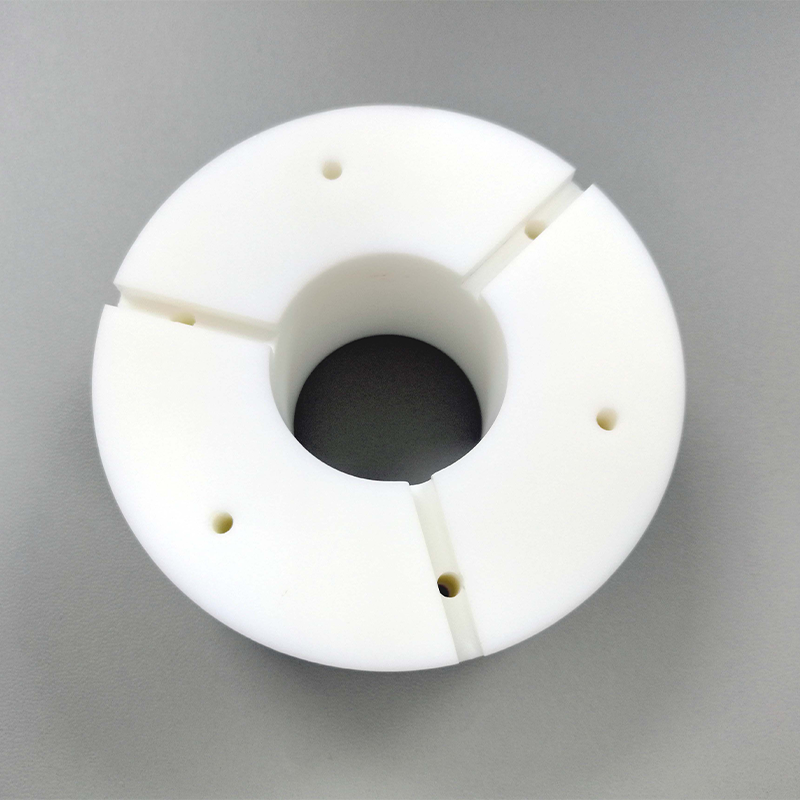
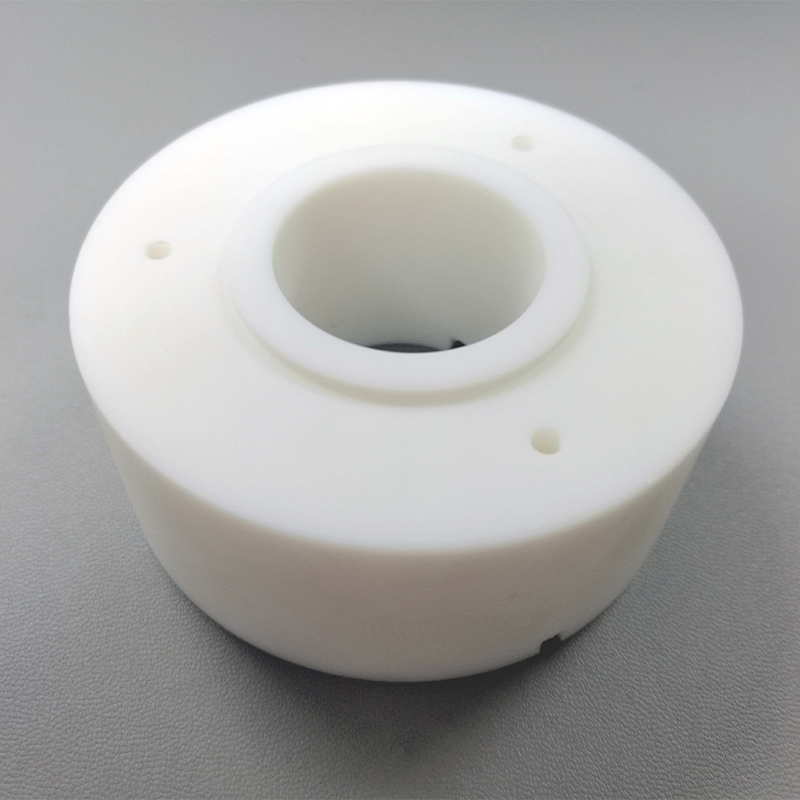
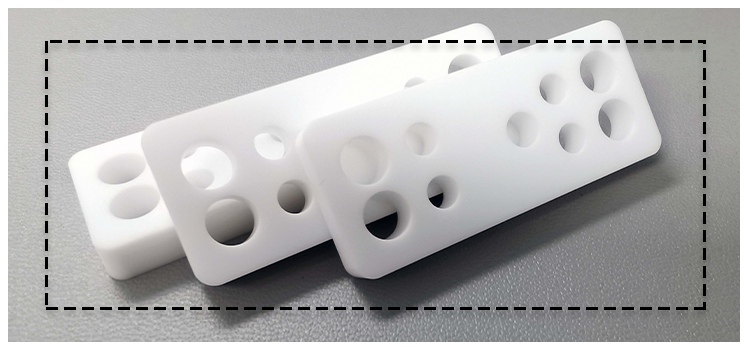
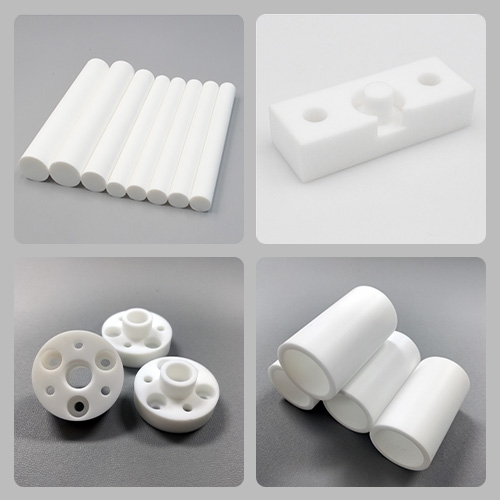
Featured Ceramic Components for Thread-Machining Projects







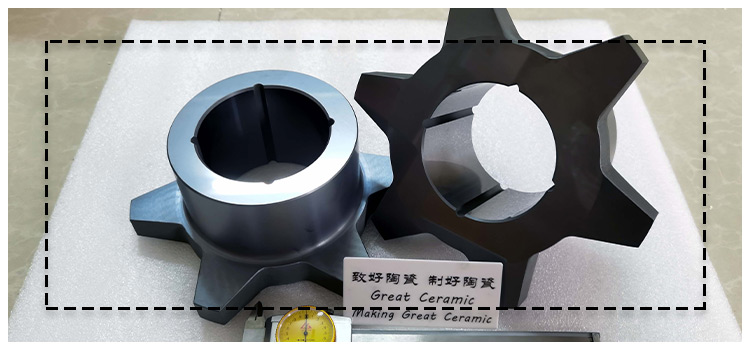

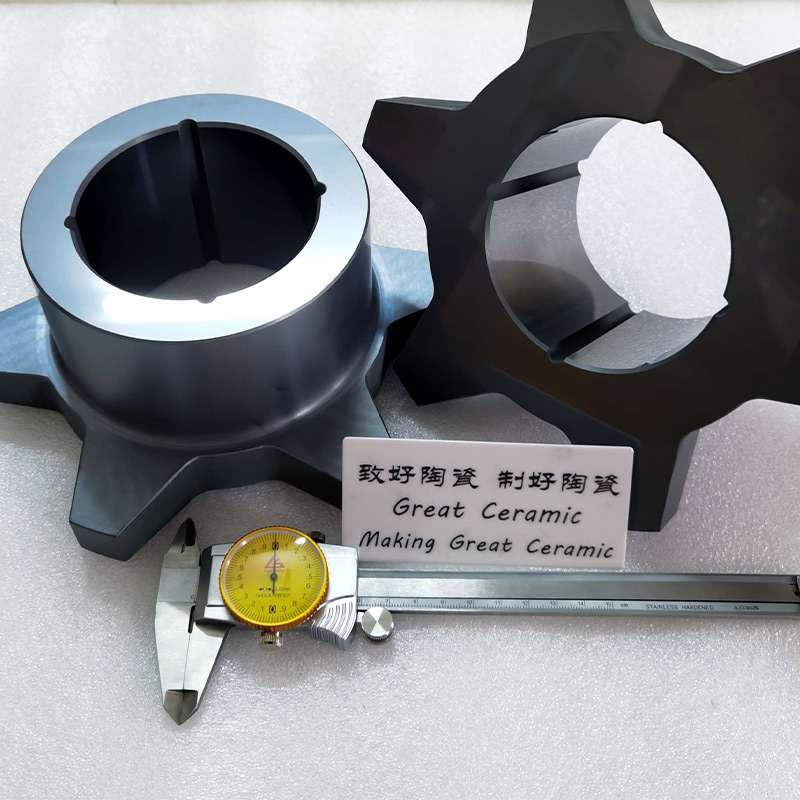
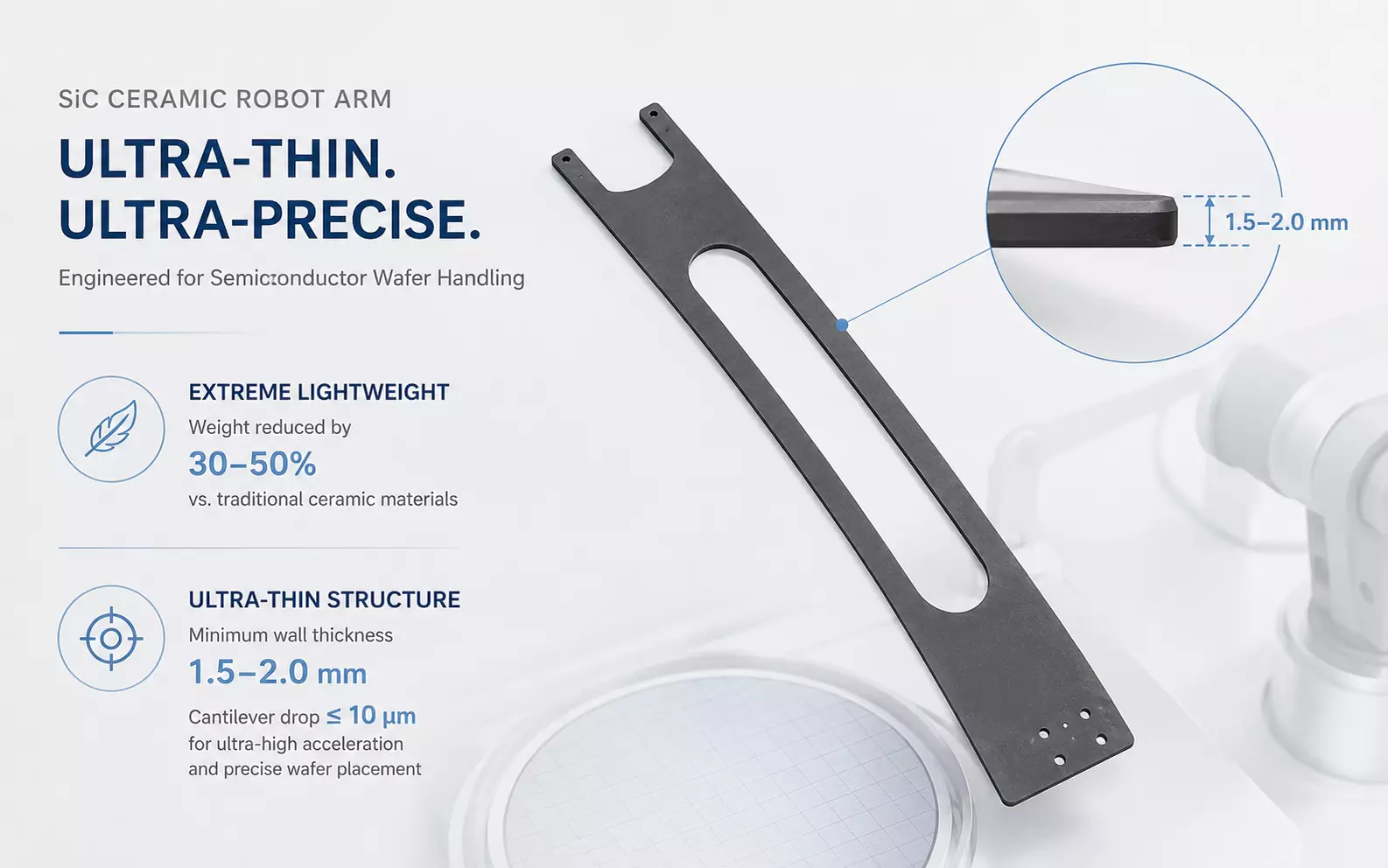

Ceramic Thread Machining: Key Capability Considerations
Evaluate material, thread geometry, mating surfaces, dimensional control and inspection expectations before requesting a drawing-led quotation.
Material Grade and Condition
Confirm the ceramic family, grade designation and machining condition early. Alumina, zirconia, silicon carbide and other materials may require different route assumptions and acceptance discussions.
Thread Geometry and Engagement
Define internal or external threads, nominal dimensions, pitch, form, engagement length and runout expectations on the current drawing so ceramic thread machining supports the intended fastening method.
Mating Surface Fit
Identify shoulders, seats, sealing faces and adjacent component interfaces alongside the thread. Fit depends on their relationship, not thread dimensions considered in isolation.
Drawing Revision Control
Send the current drawing revision with quantity and known changes. Revision control keeps quotation questions aligned with geometry, material notes and project-specific approval requirements.
Inspection and Evidence
Agree dimensional checks, thread verification, surface-finish expectations and reporting needs before quotation. Inspection evidence should reflect the features that determine assembly and service suitability.
Application Conditions
Describe temperature, chemical exposure, electrical role, load, cycling and installation conditions. These factors help evaluate ceramic suitability and clarify which requirements are essential to the part.
Related Ceramic Machining and Component Pages
Compare capabilities, materials, applications, component forms and technical resources according to your drawing, operating conditions and project acceptance requirements.

Ceramic Manufacturing Capabilities
Review ceramic manufacturing capabilities across forming, machining, grinding, drilling and finishing processes. Use the parent capability overview to connect a threaded part requirement with material selection, dimensional tolerances, mating surfaces and inspection expectations.
Discuss Your Ceramic Part
Ceramic Solutions by Industry
Explore advanced ceramics applications by industry, including electrical insulation, thermal management, wear resistance, chemical service and high-temperature equipment. Define the operating environment and functional requirement before narrowing a component inquiry or requesting a quotation.
Discuss Your Ceramic Part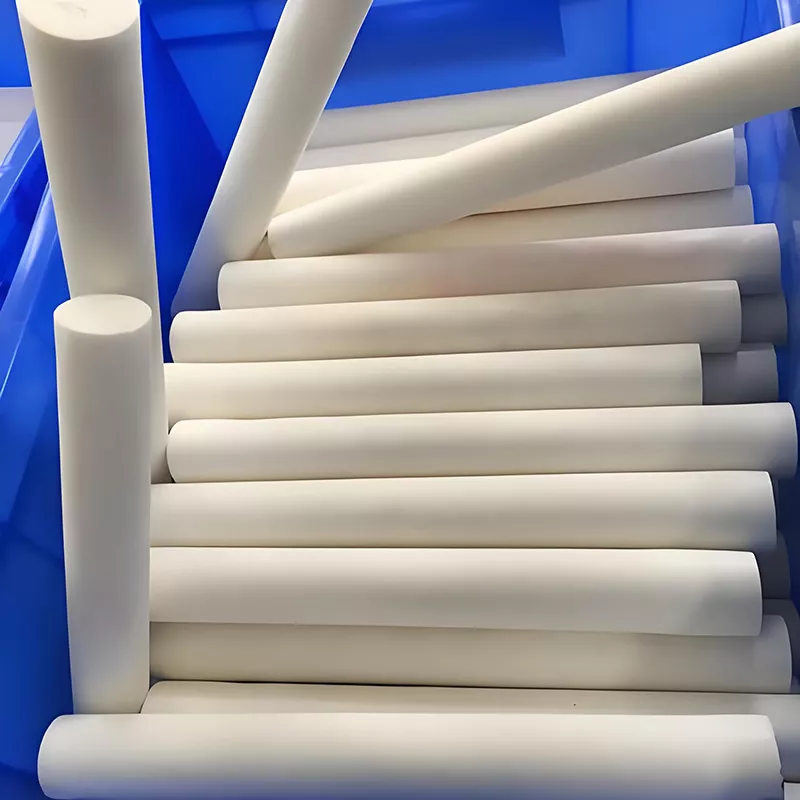
Advanced Ceramic Materials
Compare advanced ceramic materials including alumina, zirconia, silicon carbide, silicon nitride, aluminum nitride, boron nitride and specialty ceramics. Material selection should be evaluated against geometry, service conditions, grade-specific properties and acceptance criteria.
Discuss Your Ceramic Part
Technical Ceramic Products
Browse technical ceramic products by familiar component forms such as tubes, rods, rings, substrates and machined custom parts. Product illustrations indicate possible forms; final dimensions, tolerances, material grade and documentation require project confirmation.
Discuss Your Ceramic Part
Technical Ceramic Resources
Use technical ceramics guides to clarify material terminology, machining considerations, drawing requirements and specification questions. These resources support better-informed sourcing decisions, but project quotations should reference the current drawing, quantity, service conditions and acceptance criteria.
Discuss Your Ceramic PartPorcecore’s Ceramic Thread Machining Approach
Founded by Andy Yuan, Porcecore helps industrial procurement teams, engineers, equipment builders and distributors connect technical ceramic materials with clearly defined industrial ceramic parts and custom ceramic components. Our application-first approach treats ceramic thread machining as a project discussion involving geometry, mating surfaces, operating conditions, material selection and inspection expectations—not a material name alone.
Porcecore’s technical ceramic scope spans oxide, nitride, carbide and specialty ceramics, with component requirements considered individually. For a useful quotation, share the current drawing revision, known material designation, quantity, service conditions and acceptance criteria. Identifying threaded features, assembly-critical dimensions and documentation needs helps clarify what must be confirmed for the project.
Our difference is drawing-led communication and clarity before commitment. We help separate general material information from grade-specific requirements, and a product illustration from an agreed specification. Email a drawing or describe the component and its operating environment to begin a ceramic thread machining conversation with Porcecore.

Ceramic Thread Machining: Critical Design and Quality Attributes
Define the Thread Form
Ceramic thread machining begins with a clearly defined thread requirement. Share the thread standard or profile, internal or external configuration, nominal size, pitch, engagement length and functional purpose so the design discussion can address stress concentration, fit and manufacturability.
- Thread profile, pitch and nominal dimensions
- Internal or external thread configuration
- Engagement length and fastening purpose
- Required fit with the mating component

Check Wall and Mating Geometry
Thread performance depends on the surrounding ceramic geometry, not the thread specification alone. Identify minimum wall thickness, nearby holes, shoulders, grooves, sealing faces and datum relationships. These features help Porcecore evaluate assembly risk and clarify which surfaces control the finished part.
- Minimum wall thickness around threaded features
- Mating surfaces, shoulders and sealing interfaces
- Datums and dimensions that control assembly
- Operating loads, temperature and chemical exposure

Match Grade to Service
The ceramic grade should be considered alongside the threaded application. Alumina, zirconia, silicon carbide, silicon nitride, aluminum nitride and other technical ceramics offer different property profiles. Confirm the known material designation, or describe the service conditions when material selection remains open.
- Known ceramic family, grade or material designation
- Electrical, thermal, wear or chemical requirements
- Operating temperature and environmental conditions
- Replacement-part compatibility with the existing assembly

Confirm Tolerances and Inspection
A useful quotation for ceramic thread machining needs measurable acceptance criteria. Identify critical dimensions, thread gauges or functional fit requirements, surface expectations and inspection documentation. Porcecore can then separate essential project requirements from preferences before quotation and production details are confirmed.
- Critical dimensions and dimensional tolerances
- Thread inspection or functional fit method
- Surface finish and edge-condition expectations
- Inspection report, certificate or documentation needs

Ceramic Thread Machining Compared with Ceramic Drilling
Choose the process around thread function, geometry, material condition, tolerance requirements and the secondary operations your component must support.
← Swipe left or right to view →
Ceramic Thread Machining Production Process
A project-specific workflow connecting drawing review, material selection, manufacturability, machining, inspection and delivery requirements.
Drawing and Requirement Review
For ceramic thread machining, review the current drawing, thread profile, mating dimensions, quantity, service conditions and acceptance criteria before confirming quotation questions.
Material and Grade Alignment
Confirm the ceramic family and project-specific grade against temperature, chemical, electrical, wear and dimensional requirements, separating known specifications from open questions.
Manufacturability and Route Review
Review thread geometry, wall thickness, edge transitions, access and mating features to identify risks, suitable machining routes and practical control points before production.
Controlled Thread Machining
Machine the approved component with attention to thread form, fit, critical dimensions and edge integrity, using the agreed drawing revision as production reference.
Inspection and Delivery Release
Inspect thread fit, mating dimensions, surface condition and visible edge quality against agreed acceptance criteria, then document findings and coordinate delivery requirements for approval.
How to Order Ceramic Thread Machining
Provide the details that connect your threaded ceramic part to a clear, project-specific quotation discussion.
Confirm the Requirement
Share the current drawing revision, target thread geometry, material designation if known, quantity, service conditions, critical fits, and required documentation.
Review the Threaded Design
Porcecore aligns ceramic thread machining questions with mating surfaces, dimensional priorities, operating conditions, and acceptance criteria before discussing a quotation.
Clarify Material and Process
Discuss the ceramic family, grade availability, thread form, geometry, and likely machining route while separating confirmed requirements from open project decisions.
Confirm the Quotation Basis
Use the agreed drawing, quantity, inspection expectations, documentation needs, delivery requirements, and commercial terms to establish a project-specific quotation basis.
Authorize the Next Step
After questions are resolved, confirm the approved revision and next action, whether that means sampling, production planning, or a further technical review.
Customer Evidence Pending Approval
Approved customer evidence for ceramic thread machining is not yet available for publication. Request a project discussion to review drawing, fit, inspection and delivery requirements.
Customer evidence covering replacement-part compatibility and measurable results is pending approval. Project-specific outcomes should be confirmed from documented records.
Customer evidence covering drawing-led ceramic thread machining and inspection acceptance is pending approval. No performance claim is published without supporting project records.
Ceramic Thread Machining FAQ
Practical answers for specifying threaded ceramic components, from material selection and thread geometry to inspection evidence and quotation inputs.
Which ceramic materials are suitable for ceramic thread machining?
How should thread geometry be defined for ceramic thread machining?
What tolerances can ceramic thread machining achieve?
Which mating surfaces and assembly details should be included?
Can threaded ceramic parts receive secondary operations or protective packaging?
What quantity or minimum order should I expect?
How are sampling and lead time handled for ceramic thread machining?
What drawing files and inspection information should accompany an inquiry?
The Complete Buyer’s Guide to Ceramic Thread Machining
Use this decision framework to compare thread-making methods, ceramic materials, supplier capabilities, quality controls, and total costs while avoiding design, inspection, sourcing, and production mistakes.
1. What Is Ceramic Thread Machining?
1. Ceramic thread machining creates helical internal threads, which receive a fastener, or external threads, which engage a mating hole or fitting. Green-state machining shapes a relatively workable, unfired body before debinding and sintering, but the buyer must account for shrinkage when defining thread dimensions. This route can simplify material removal while making dimensional prediction and process control essential. Post-fired machining works on the hardened, densified component and therefore demands wear-resistant tooling, stable fixturing, and carefully controlled cutting or grinding. A threaded ceramic component justifies these requirements when the thread directly enables assembly, sealing, electrical isolation, chemical resistance, or high-temperature service that a simpler geometry or non-ceramic insert cannot provide.
2. Evolution of Ceramic Thread Machining
Stage 1 used abrasive shaping and green machining, when partially densified ceramic was easier to cut before firing. This approach supported economical rough geometry, but buyers had to account for firing shrinkage and later finishing allowances. Stage 2 introduced CNC-controlled motion, diamond tooling, and precision grinding for fired ceramics. These advances improved repeatability, controlled complex profiles and mating surfaces more consistently, and broadened the practical use of ceramic threads in engineered assemblies. Stage 3 extends design options to advanced internal threading in fully fired materials. Procurement teams should therefore confirm material state, thread geometry, inspection criteria, and supplier-specific process scope from the drawing.
3. Types of Ceramic Thread Machining
Four process routes cover most ceramic thread machining decisions.
Green Ceramic Threading
Green or partially densified blanks suit conventional cutting before firing. Internal and external threads are economical, but firing shrinkage must be included in the drawing. This route answers: can the required geometry be formed before densification?
Post-Fired Internal Threading
Fully fired alumina, zirconia, sapphire, quartz, and silicon carbide may require specialized internal threading. It preserves final material state but increases tool, cycle, and fracture risk. This route answers: is a durable internal thread possible after firing? Confirm material grade, thread profile, engagement length, tolerance, and inspection method.
External Threads And Grinding
External threads can use diamond grinding or thread chasing on dense ceramics, supporting controlled profiles and surface finish. Material removal is slow, and edge chipping or subsurface damage remains a concern. This route answers: can the mating diameter and flank form be held consistently?
CNC Interpolation And EDM
CNC milling or helical interpolation suits accessible thread features and flexible prototypes, with feed, rigidity, and tool wear limiting tolerance. Specialized EDM may suit electrically conductive ceramics and complex geometry, but removal is slower and recast risk requires review. This route answers: which accessible geometry and material permit a controlled process?
4. Ceramic Thread Machining Materials
Six material families cover most threaded ceramic discussions, but hardness, fracture behavior, thermal response, and electrical or chemical demands change the design window.
| Material | Key behavior | Machining implication | Typical thread use |
|---|---|---|---|
| Alumina | Hard, insulating, chemically stable | Diamond finishing; chip control | Insulating bushings, fixtures |
| Zirconia | Tougher; wear resistant | Lower fracture risk; costly tooling | Wear sleeves, retainers |
| Silicon carbide | Very hard; thermal stable | Slow abrasive machining | High-temperature components |
| Sapphire | Very hard; optical, inert | High chipping and inspection sensitivity | Transparent threaded hardware |
| Quartz | Thermal and chemical stability | Protect edges and surfaces | Process tubes, fittings |
| Other ceramics | Grade-dependent properties | Confirm shrinkage and tooling route | Application-specific parts |
Match Material To Service
Alumina favors insulation and general wear; zirconia offers higher toughness.
Plan Machining And Shrinkage
Fully fired materials generally require diamond tooling, rigid setups, light engagement, and careful inspection because hardness resists cutting while brittleness increases chipping risk.
Compare Threading Implications
Thread strength depends on material toughness, wall section, root geometry, and surface damage.
5. Custom Ceramic Thread Machining Options
One drawing should define the thread standard, pitch, form, and functional interfaces before quotation.
Thread And Geometry
1 thread standard and pitch, internal or external form, nominal diameter, and engagement length establish the machining route and gauge requirements. State whether the feature is blind or through, including depth and bottom clearance.
Interfaces And Functional Surfaces
3 mating material and sealing method determine fit, contact stress, and whether a surface finish is functional or merely cosmetic. Identify sealing lands, electrical-clearance dimensions, and insulation-critical surfaces.
Revision And Inspection Control
5 tolerances, surface-finish limits, inspection method, and acceptance criteria should appear on the controlled drawing revision. Include quantity and any required reports so feasibility, inspection effort, and lead time can be assessed.
6. Ceramic Thread Machining Quality Elements
A drawing-led review treats ceramic thread machining as a load-bearing interface, not merely a pitch-and-diameter operation.
Geometry And Fired Stability
1. Parent-wall thickness must support thread loads; root radii, flank form, edge condition, concentricity, and pitch accuracy govern stress concentration and assembly. Specify these features on the drawing. 2.
Surface Integrity And Cleanliness
3. Surface finish affects friction, sealing, and particle generation. Request roughness limits for thread flanks and roots, plus defect criteria covering chips, burr-like edge damage, microcracks, and visible contamination. 4.
Evidence Before Approval
5. Before release, provide the current drawing revision, inspection plan, sample-approval method, dimensional report, and defined rejection criteria. Include gauge or mating-part details where fit is functional. 6.
7. How to Choose a Ceramic Thread Manufacturer
Three checks separate a ceramic thread specialist from a generic ceramic-part vendor: drawing review, process evidence, and inspection discipline.
Review The RFQ Response
1 drawing revision, material grade, quantity, service conditions, thread form, fit class, and acceptance criteria should appear in the quotation discussion. Ask how the supplier will control chipping, cracking, burrs, and thread-go/no-go results. Compare proposed process routes, prototype timing, production capacity, packaging, Incoterms, lead time, and escalation contacts.
- Confirm material traceability to lot or batch.
- Request prototype and first-article capability.
- Ask how nonconforming parts are contained and reported.
Verify Thread Inspection
2 independent checks should cover thread geometry and mating performance: calibrated thread gauges plus CMM or optical inspection where geometry requires it. Request sample inspection records showing pitch, major or minor diameter, depth, runout, edge condition, and relevant datums. Ask whether gauges are ceramic-compatible, calibrated, and matched to the drawing revision.
Test Production Readiness
3 practical questions expose readiness: What happens when a thread chips during final inspection? How are parts protected during cleaning, packing, and international transit? Which capacity assumptions change at prototype, pilot, and repeat-order volumes? Require written nonconformance handling, replacement or concession workflow, export documents, packaging specifications, and communication milestones.
8. Common Ceramic Thread Machining Mistakes
A thread drawing can fail before machining begins when functional needs, material state, and inspection methods remain undefined.
Define Requirements Before Tolerances
A tolerance tighter than assembly requires adds risk without improving function. State the ceramic grade, mating feature, service conditions, and acceptance limits; review whether each tolerance protects fit, sealing, alignment, or performance. Green-to-fired shrinkage must be included in the process plan, especially when features are machined before densification.
Protect Thread Geometry
Thin walls and threads placed near an edge concentrate stress and increase chipping or fracture risk. Increase supporting material, move the thread inward, or revise the entry geometry after checking load paths. Mating hardware must suit ceramic brittleness, thermal conditions, and coefficient-of-expansion differences.
Verify Yield And Freeze Drawings
A gauge or mating master should verify pitch, engagement, and damage—not dimensions alone. Breakage yield affects usable cost, while drawing changes after tooling can invalidate setup and shrinkage assumptions. Ask: What is the approved revision, expected yield basis, and change-control point?
9. Launch a Ceramic Thread Machining Program
A launch sequence should convert the application into controlled decisions before production begins.
Define And Freeze Requirements
Step 1 records temperature, pressure, chemistry, electrical conditions, loads, mating hardware, duty cycle, quantity, and acceptance criteria. The controlled drawing then identifies thread standard, fit, datum scheme, critical dimensions, revision, and inspection method. Step 2 confirms the material designation and thread geometry with the supplier.
Prototype And Validate
Gate 3 requires manufacturability feedback on thread depth, wall thickness, edge condition, tooling access, and likely inspection limitations. Approve prototype quantities, sample identification, deviation handling, and the test plan before machining. Gate 4 checks mating with the actual counterpart, torque or assembly behavior, sealing where applicable, and environmental performance.
Release And Monitor Production
Step 5 establishes an inspection record covering material certificate requirements, thread gauges or mating checks, dimensions, surface condition, and lot traceability. The buyer then approves a pilot batch against the signed drawing and prototype report. For repeat orders, retain the approved sample, inspection format, change-control route, packaging requirements, and delivery record.
10. Ceramic Thread Machining Pricing and Cost
1 RFQ should separate ceramic grade, blank size, and thread complexity before price comparison. Internal threads, fine pitches, blind features, and tight runout can increase programming, tooling, fixtures, inspection, and breakage allowances. 2 process routes—green machining before firing and fired machining after densification—can produce different cost profiles. Green work requires shrinkage planning; fired work commonly adds diamond tooling, slower removal, and higher yield risk. 3 commercial variables should be quoted separately: prototype quantity, production volume, packaging, and freight.
| Quantity Tier | Indicative Cost Drivers | Lead-Time Considerations |
|---|---|---|
| Prototype, 1–10 | Setup, programming, fixtures, inspection, and breakage allowance dominate. | Engineering review and first-article validation may extend timing. |
| Small batch, 11–100 | Tooling amortizes partially; grade, blank size, and thread complexity remain significant. | Scheduling depends on material and inspection requirements. |
| Production, 101+ | Lower unit setup burden; yield, packaging, and freight planning matter more. | Repeatability and replenishment planning can improve scheduling. |
| Any tier | Green versus fired machining changes tooling, shrinkage, and risk. | Confirm route, acceptance criteria, and delivery terms per drawing. |
Discuss Your Ceramic Thread Machining Requirement with Porcecore
Email a drawing or describe the threaded component, operating environment, quantity, and acceptance criteria for a focused project discussion.