
High-Volume Ceramic Production for Defined Component Requirements
High-volume ceramic production for repeatable tubes, rods, rings, substrates, custom ceramic components and industrial ceramic parts—aligned to drawings, materials, operating conditions and acceptance criteria.
Featured Components for High-Volume Ceramic Production


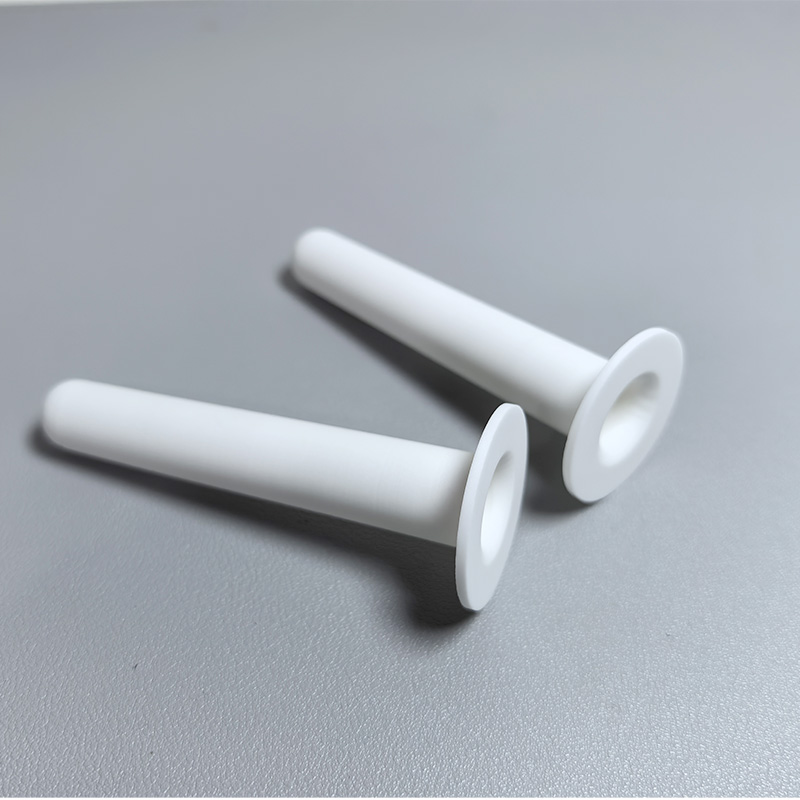
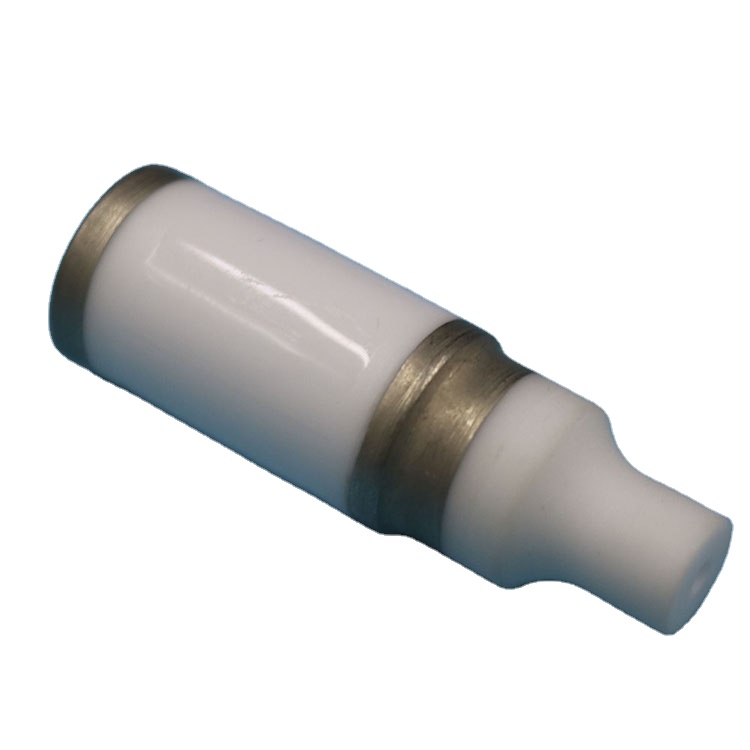

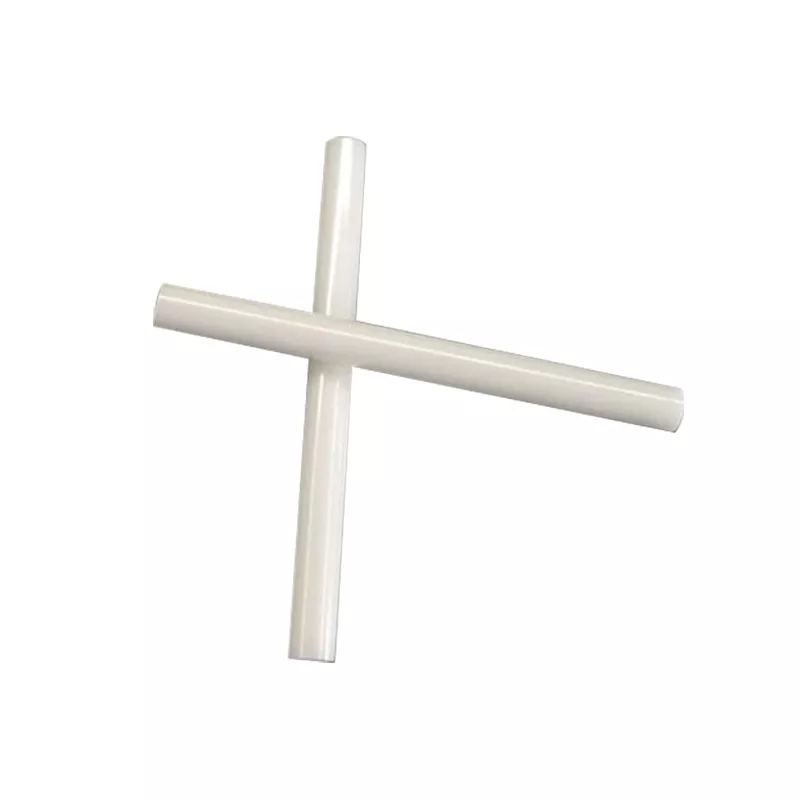


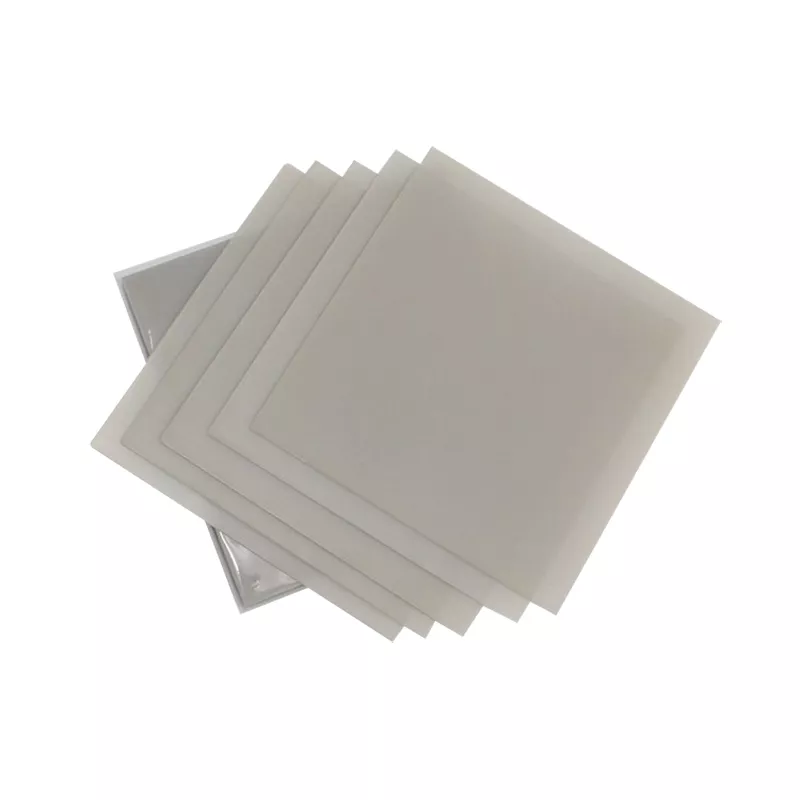


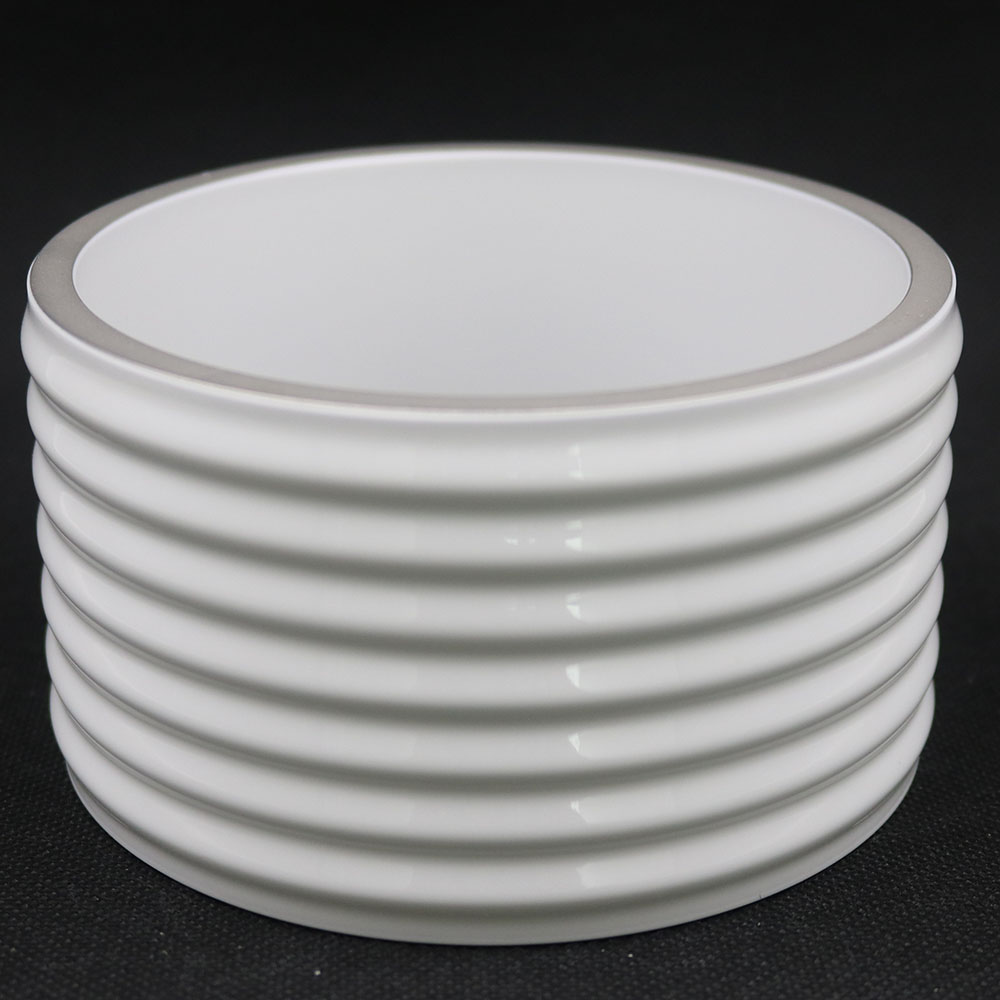
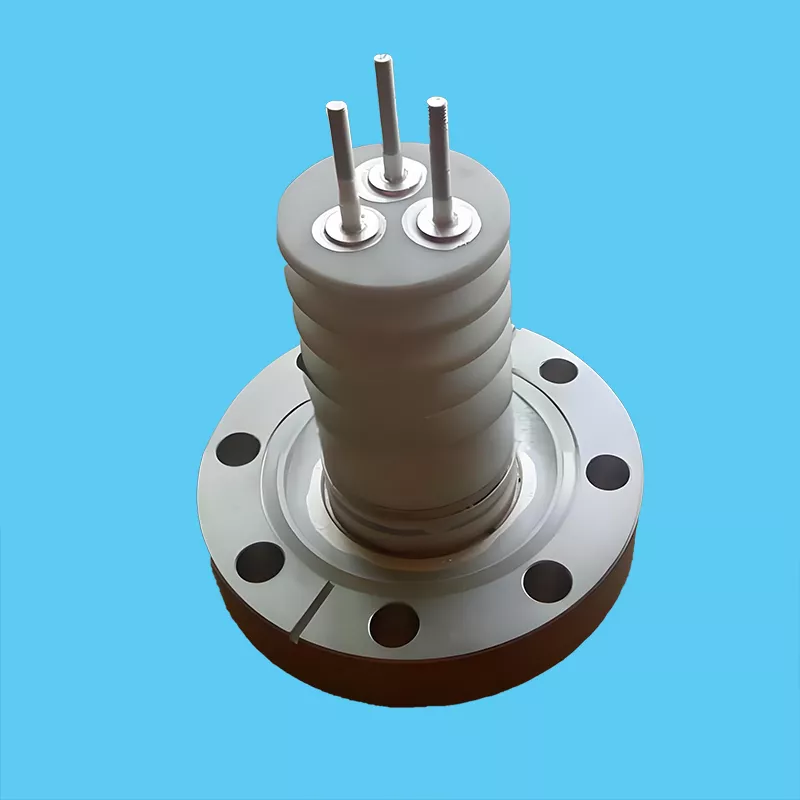

High-Volume Ceramic Production: Features That Matter
Evaluate material, geometry, process and evidence together to align repeatable ceramic production with your project-specific component requirements.
Control Drawing Revisions
For high-volume ceramic production, confirm the current drawing revision, critical dimensions, revision history and approval path before quotation or repeat orders begin.
Confirm Material Grade
Select the ceramic family and project-specific grade against temperature, electrical, wear, chemical and thermal requirements; confirm that the proposed material matches the documented application.
Review Geometry Carefully
Review wall thickness, holes, radii, flatness and shrinkage-sensitive features together, because geometry influences forming choices, machining allowances and repeatable assembly performance.
Align the Process Route
Discuss the process route supporting your quantity and form, including forming, debinding, sintering and any finishing needed to maintain consistent component output.
Specify Functional Surfaces
Identify mating surfaces, sealing areas, contact zones and surface-finish expectations so functional interfaces receive appropriate control during high-volume ceramic production.
Define Inspection Evidence
Define inspection evidence in advance, including dimensional checks, surface review, material confirmation and documentation required for incoming acceptance or project approval.
Compare Ceramic Capabilities, Materials, and Components
Use these pathways to compare manufacturing scope, application context, material families, component forms, and the information needed for a focused inquiry.
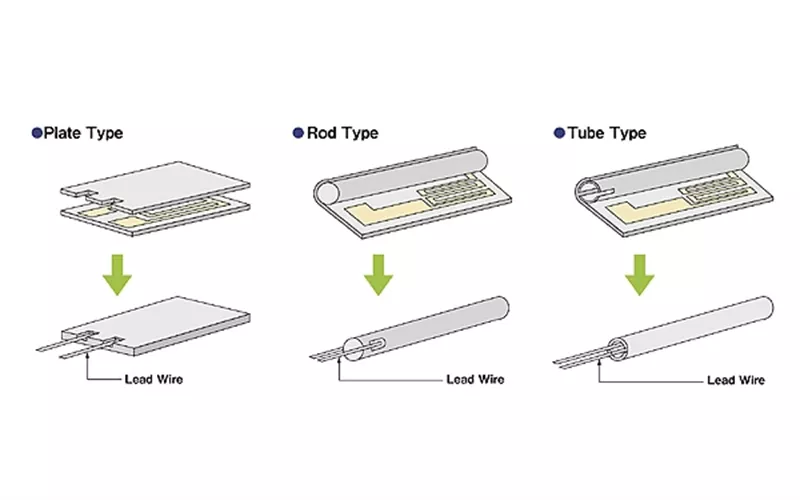
Ceramic Manufacturing Capabilities
Review the parent ceramic manufacturing capabilities hub when you need to compare forming, machining, finishing, and inspection options before preparing a drawing-led quotation inquiry. It helps connect a component requirement with the relevant production route and open technical questions.
Discuss Your Ceramic Part
Ceramic Solutions by Industry
Explore ceramic solutions by industry when the application context matters to material or component selection. This pathway helps procurement and engineering teams relate advanced ceramics applications to operating conditions, equipment requirements, and the project priorities that should shape a sourcing discussion.
Discuss Your Ceramic Part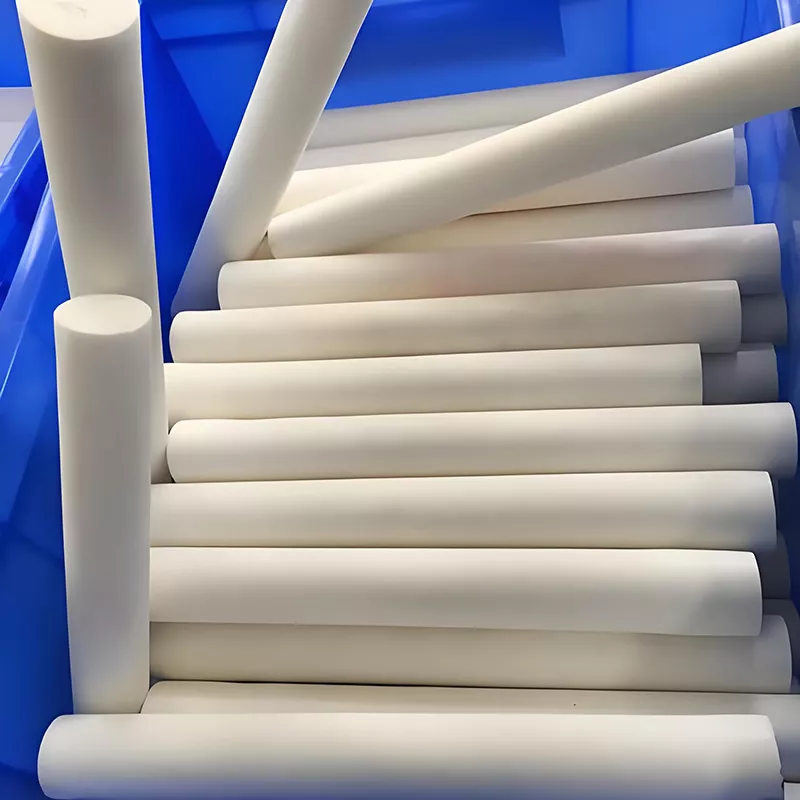
Advanced Ceramic Materials
Visit advanced ceramic materials when the material family is the starting point for comparison. Review alumina, zirconia, silicon carbide, silicon nitride, aluminum nitride, boron nitride, and other options, then confirm grade-specific properties, geometry, service conditions, and acceptance requirements.
Discuss Your Ceramic Part
Technical Ceramic Products
Use technical ceramic products when you already have a component form or replacement part in mind. Product pages for tubes, rods, rings, substrates, and related forms help frame dimensions, mating surfaces, tolerances, quantity, and documentation for a more precise inquiry.
Discuss Your Ceramic Part
Technical Ceramic Resources
Consult technical ceramic resources when you need a clearer basis for specification or supplier discussion. A technical ceramics guide can help organize material, geometry, operating environment, inspection, and documentation questions before you email a drawing or contact Porcecore by WhatsApp.
Discuss Your Ceramic PartHigh-Volume Ceramic Production, Requirement-Led
Founded by Andy Yuan, Porcecore is built around a practical question: what must the ceramic part do in service? Our scope covers oxide, nitride, carbide and specialty ceramics in forms such as tubes, rods, rings and substrates, helping industrial buyers connect material selection with geometry, operating conditions and intended use.
Porcecore supports high-volume ceramic production inquiries through drawing-led communication rather than unsupported assumptions about grades, tooling or output. Share the current drawing revision, quantity, known material designation and mating surfaces so the quotation discussion can focus on the requirements that determine fit, function and manufacturability.
Every project still needs individual confirmation of ceramic grade, geometry, tolerances, acceptance criteria, documentation, delivery and commercial terms. That clarity is Porcecore’s difference: separating general material information from a project specification and helping procurement teams, engineers, equipment builders and distributors define the next decision with confidence.

Key Quality Dimensions in High-Volume Ceramic Production
Confirm the Material Grade
High-volume ceramic production begins with a defined material requirement, not a broad family name alone. Confirm the intended grade, relevant properties and application priorities so the quotation discussion distinguishes essential performance needs from preferences and supports a practical sourcing decision.
- Identify the material family and grade if known
- Separate required properties from general material interests
- Consider oxide, nitride, carbide and specialty ceramics
- Request clarification where grade selection remains open

Define Geometry and Interfaces
A drawing should show the geometry that determines forming, machining and assembly. In high-volume ceramic production, mating surfaces, critical dimensions and component orientation help connect the part design to a realistic quotation scope and reduce ambiguity before commercial terms are discussed.
- Mark surfaces that fit or contact another part
- Identify dimensions that control assembly
- Include the current drawing revision
- Distinguish reference dimensions from contractual requirements

Set Tolerances for the Application
Not every dimension carries the same sourcing importance. Define tolerances according to function, fit and process needs, then identify where tighter control is genuinely necessary. This gives Porcecore a clearer basis for discussing geometry, finishing expectations and project-specific production feasibility.
- Highlight functional and mating tolerances
- Identify surface finish or flatness requirements
- Separate critical characteristics from non-critical dimensions
- Confirm units, datums and drawing conventions

Align Inspection and Documentation
A complete inquiry also defines how the finished component will be accepted. State inspection scope, testing expectations and required documentation alongside service conditions and quantity. For high-volume ceramic production, this clarity helps align the quotation with approval needs before an order is agreed.
- Describe operating temperature, environment and loading
- State dimensional and visual inspection expectations
- List reports or records needed for approval
- Confirm quantity, delivery needs and open questions

High-Volume Ceramic Production Compared With Press Forming
Compare volume logic, geometry, design preparation and secondary processing before defining a drawing-led ceramic component inquiry.
← Swipe left or right to view →
High-Volume Ceramic Production Process
A drawing-led path from material review to inspected delivery, with control points agreed for geometry, grade, tolerance and acceptance.
Review Requirements
Review the current drawing, ceramic family, quantity, service conditions, mating surfaces, tolerance scheme and acceptance criteria before quotation assumptions are made.
Align Production Plan
Align geometry, grade, forming route and expected shrinkage considerations for the selected material, separating essential requirements from preferences before production planning begins.
Form Green Components
Shape the ceramic mass through an agreed route, then confirm green dimensions and any green machining needed to support the final geometry.
Control Firing
Fire under conditions suited to the ceramic family, with project-specific control of atmosphere, cycle expectations and dimensional change discussed before commitment.
Finish And Inspect
Apply agreed grinding, lapping, polishing or drilling where required, then inspect dimensions, surfaces and documentation against the confirmed acceptance criteria.
Confirm Delivery
Confirm inspection records, packaging, delivery details and commercial terms, giving procurement and engineering teams a clear basis for release or next-step discussion.
How to Start a High-Volume Ceramic Production Project
Turn a defined component requirement into a clearer quotation discussion with Porcecore’s drawing-led process.
Send Your Current Drawing
Share the current drawing revision, material designation if known, quantity, service conditions, and the component’s critical dimensions or mating surfaces.
Define Acceptance Requirements
Identify inspection expectations, acceptance criteria, documentation needs, and any project-specific grade, geometry, surface, or assembly requirements that affect production.
Review Open Questions
Porcecore reviews the requirement with you, separating essential specifications from preferences and clarifying details needed to assess technical ceramic component options.
Discuss the Quotation
Email info@zlrsmaterials.com or message WhatsApp at +86 130 6482 5920 to discuss a high-volume ceramic production quotation based on your defined part.
What to Confirm Before High-Volume Ceramic Production
Reserved for a verified buyer account documenting how a drawing-led inquiry aligned material grade, geometry, mating surfaces and acceptance criteria for a high-volume ceramic production requirement.
Reserved for a verified buyer account documenting dimensional acceptance, inspection requirements and repeat-order consistency for ceramic components supplied in a high-volume production program.
Reserved for a verified buyer account documenting the confirmed quantity, delivery outcome and project-specific requirements for a high-volume ceramic production order.
High-Volume Ceramic Production FAQ
Practical answers for defining ceramic components, preparing an RFQ, and confirming project-specific production requirements.
Which ceramic component forms suit high-volume ceramic production?
Which material families can be considered for high-volume ceramic production?
What drawing and file information is needed for a high-volume ceramic production quotation?
How are tolerances and functional surfaces discussed?
How does quantity affect high-volume ceramic production feasibility?
What inspection evidence can be requested for a production order?
Can sampling and repeat orders be planned for high-volume ceramic production?
Can forming be combined with machining or finishing for ceramic components?
The Complete Guide to high-volume ceramic production
Use this decision framework to compare production methods, materials, customization, quality controls, supplier capabilities, pricing, and launch requirements while avoiding costly sourcing mistakes and preventable production delays.
1. What Is high-volume ceramic production?
A high-volume production program means repeatable manufacture of a defined ceramic component at an agreed quantity, cadence and acceptance standard—not simply making many parts. It links tooling, controlled forming, firing, finishing, inspection and supply continuity so equipment builders and distributors can receive consistent parts across batches. Manufacturing routes may include pressing, extrusion, injection molding, casting or green machining, selected according to geometry, volume and tolerance. Quotation inputs should include the drawing revision, material or grade, quantities, critical dimensions, mating surfaces, operating conditions, inspection method, documentation, packaging and delivery cadence.
2. Evolution of high-volume ceramic production
Compared with traditional hand forming and batch firing, industrial methods can improve repeatability and throughput, while tooling increases upfront cost and favors stable volumes. Controlled sintering, continuous kiln operation and green machining can reduce variation and support near-net geometries, although material, section thickness and furnace conditions still constrain design. Automation and digital monitoring can stabilize repeatable process windows; advanced grinding and polishing may achieve tighter interfaces but add cycle time, equipment cost and inspection requirements.
3. Types of high-volume ceramic production
Six forming routes cover most high-volume ceramic production decisions.
Pressing, Molding, And Extrusion
Pressing suits high-volume discs, plates, rings, and simple-to-moderate alumina or carbide shapes; dies improve speed and repeatability but require tooling investment. Injection molding adds design freedom for intricate small parts, with higher tooling and debinding demands.
Casting And Tape Forming
Slip or pressure casting accommodates larger, hollow, or complex geometries when pressing access is limited; pressure accelerates consolidation, while drying and shrinkage constrain speed and tolerances.
Machining From Blanks
Green or fired machining from blanks offers maximum geometry flexibility and suits prototypes, small lots, or tight finished tolerances, but material removal, diamond tooling, and cycle time reduce scalability. com/resources/articles-and-guides/manufacturing.
4. Materials for high-volume ceramic production
Material selection starts with the part’s electrical, thermal, mechanical and chemical duty—not a familiar brand name.
| Family | Typical selection logic | Supplier data to verify |
|---|---|---|
| Alumina | Insulation, wear, cost | Purity, dielectric strength, density |
| Zirconia | Strength, toughness | Grade, strength, aging limits |
| SiC / Si3N4 | Heat, wear, chemical duty | Thermal conductivity, strength, atmosphere |
| AlN / steatite / cordierite | Thermal management or insulation | Conductivity, dielectric data, shrinkage |
Match Material To Duty
Alumina and steatite suit insulation; aluminum nitride adds high thermal conductivity. Zirconia provides strength and toughness, while silicon carbide and silicon nitride favor wear, heat and chemical resistance.
Cordierite supports thermal-shock-sensitive designs. Purity, grade, geometry and mating surfaces still determine suitability.
Compare Production Tradeoffs
20% firing contraction is a useful planning warning, not a universal specification; feedstock density, forming method and grade control affect shrinkage. Green machining can reduce cost, while fired grinding improves precision.
- Alumina: economical, insulating, wear-resistant
- Zirconia: tougher, generally higher cost
- Silicon carbide: conductive, hard, chemically resistant
- Silicon nitride: strong, thermal-shock resistant
Require Documented Material Data
Each quotation should identify grade, chemistry or purity, density, porosity, strength, hardness, thermal conductivity, dielectric behavior, chemical limits, shrinkage basis, tolerances and test methods.
5. Customization and decoration options
Three design layers shape a ceramic customization: geometry, functional surfaces, and identification.
Geometry And Tooling
Draft, wall thickness, holes, grooves, threads, and inserts should be defined around the forming route. Shrinkage compensation belongs in the tooling model; thin walls, sharp internal corners, and abrupt section changes can reduce repeatability.
Pressing or molding may require dedicated tooling, while green machining can support some lower-volume features. Confirm datums, mating surfaces, and approval samples before releasing production tooling.
Surface And Appearance
Two purposes should remain separate: texture, glazing, or coating may support function, while color, printing, and marking usually support branding or identification. Specify the required surface roughness, glaze zones, color reference, and legibility after firing.
Post-sintering grinding, polishing, drilling, or threading can achieve tighter surfaces but adds secondary operations. Repeatability must be agreed against a reference sample, not a product illustration.
Approval And Repeatability
One approved sample should record dimensions, finish, marking position, and inspection points. The current drawing revision should also state material designation, quantity, service conditions, and acceptance criteria. Features that affect assembly deserve priority over decorative preferences.
6. Key quality elements in high-volume ceramic production
1 approved control plan should connect each performance need to a measurable acceptance criterion.
Process Control
Powder lot, feedstock moisture, mold condition, green density, debinding cycle, and sintering profile require recorded limits.
- Define density and shrinkage ranges.
- Approve mold maintenance and change control.
- Record kiln lot, atmosphere, temperature, and hold time.
Inspection And Testing
Three acceptance layers cover dimensional inspection, surface finish, and application testing against drawing-defined datums and methods.
- Measure critical fits with calibrated equipment.
- Specify Ra or equivalent finish limits.
- Link results to lot and serial traceability.
Release And Corrective Action
One written sampling plan should define first-article, in-process, and final inspection quantities, including destructive tests.
- Use agreed AQL or zero-defect criteria.
- Protect edges, surfaces, and mating features.
- Require buyer approval for specification changes.
7. How to choose a high-volume ceramic production manufacturer
A capable high-volume ceramic production partner proves process fit, repeatable capacity, and control of the complete drawing-to-delivery chain.
Verify Process And Capacity
com/en/high-tech-ceramics/manufacturing-process). Request demonstrated monthly capacity, current lead time, tooling ownership, backup equipment, contingency plans, and relevant component experience—not brokered capacity claims.
- Confirm engineering support and drawing-review responsibility.
- Require validation samples before production approval.
- Record change-control and communication contacts.
Audit Traceability And Quality
Require batch traceability from powder lot through firing and inspection, plus the quality system, inspection equipment, calibration status, and nonconformance process. Ask for material certificates, dimensional reports, surface-finish results, and acceptance criteria tied to the drawing. com/resources/articles-and-guides/manufacturing).
- Check CMM, optical, density, and roughness capability.
- Separate grade-specific data from general property sheets.
- Request sustainability evidence, not unsupported claims.
Compare Commercial Fit
Score each quotation on total landed cost, tooling terms, lead-time credibility, capacity evidence, traceability, validation, contingency coverage, and relevant experience.
| Criterion | Capable Partner | Warning Sign |
|---|---|---|
| Quotation | Drawing-based assumptions and exclusions | Generic price without process detail |
| Capacity | Verified schedule and backup plan | Unconfirmed subcontracting |
| Quality | Traceable reports and change control | Broker-only documentation |
8. Common mistakes buyers make
Most avoidable failures begin before production: unclear requirements become tooling, yield, inspection, and delivery disputes. Treat each quotation as a controlled engineering baseline, not a price alone.
Drawings And Tolerances
A vague drawing leaves fit-critical surfaces and datums open to interpretation; missing tolerances can produce assemblies that fail despite acceptable appearance.
Material, Shrinkage, And Tooling
com/en/howto-en). Ask for the forming route, shrinkage allowance, tooling ownership, maintenance, and amortization terms before approving production.
Pilots And Comparable Quotes
A skipped pilot run hides handling, warpage, yield, and assembly problems until volume production. Incomplete quotations also conceal tooling, secondary machining, testing, packaging, freight, and lead-time assumptions.
Packaging And Change Control
Fragile ceramic edges can chip during transit when packaging is treated as an afterthought; undefined inspection rules make disputes difficult to resolve. Uncontrolled process or material changes can invalidate previous approval.
9. Steps to launch your high-volume ceramic production program
9 stages turn a ceramic requirement into a controlled launch: capture the application, select the material and process, then prove the part before ramp-up. One complete OEM package gives every decision an accountable owner.
Capture The Requirement
1 drawing package should state revision, material designation, quantity, service conditions, mating surfaces, critical dimensions, tolerances, acceptance criteria and required documentation.
Select Process And Design
2 inputs guide material and forming selection: geometry, volume, tolerance, finish and inspection needs. The supplier should return application questions and DFM feedback before pricing.
Quote And First Article
3 commercial documents should separate recurring piece price, tooling, samples, inspection and lead-time assumptions. Confirm what is included before issuing the purchase order.
Pilot, Validate, And Review
4 pilot steps—trial run, validation, ramp-up and supplier review—should have named owners, sample quantities, test reports and release gates. Record nonconformities and corrective actions.
10. Pricing and cost of high-volume ceramic production
2 cost layers should be modeled: recurring unit cost and non-recurring setup. Grade and purity, geometry, forming route, yield, green or fired machining, sintering energy, inspection, decoration, packaging, freight, MOQ, and payment terms can each change the quotation. 3 commercial questions should be resolved before comparison: who owns tooling, expected mold life, replacement-tool timing, acceptable scrap, inspection scope, and Incoterms. com/en/high-tech-ceramics/manufacturing-process).
| Quantity Tier | Unit-Cost Drivers | Setup or Tooling Cost | Indicative Lead-Time Category |
|---|---|---|---|
| Prototype / small lot | Green machining, low yield, inspection | Low setup; limited tooling amortization | Short to medium |
| Pilot / 1,000–10,000 | Forming route, machining, yield, mold life | Moderate tooling; qualification allocation | Medium |
| High volume / 10,000+ | Tool amortization, cycle time, sintering energy, packaging | Higher initial tooling; lower unit burden | Medium to long |
| Repeat production | Material consistency, inspection, freight, payment terms | Tool replacement reserve | Planned replenishment |
Discuss Your High-Volume Ceramic Production Requirement
Email a drawing or describe your component, operating environment, quantity, and acceptance criteria for a focused sourcing discussion.