
Small-Batch Ceramic Production for Requirement-Ready Parts
Technical ceramic components and industrial ceramic parts aligned to your drawing, material needs, geometry, service conditions, and acceptance criteria.
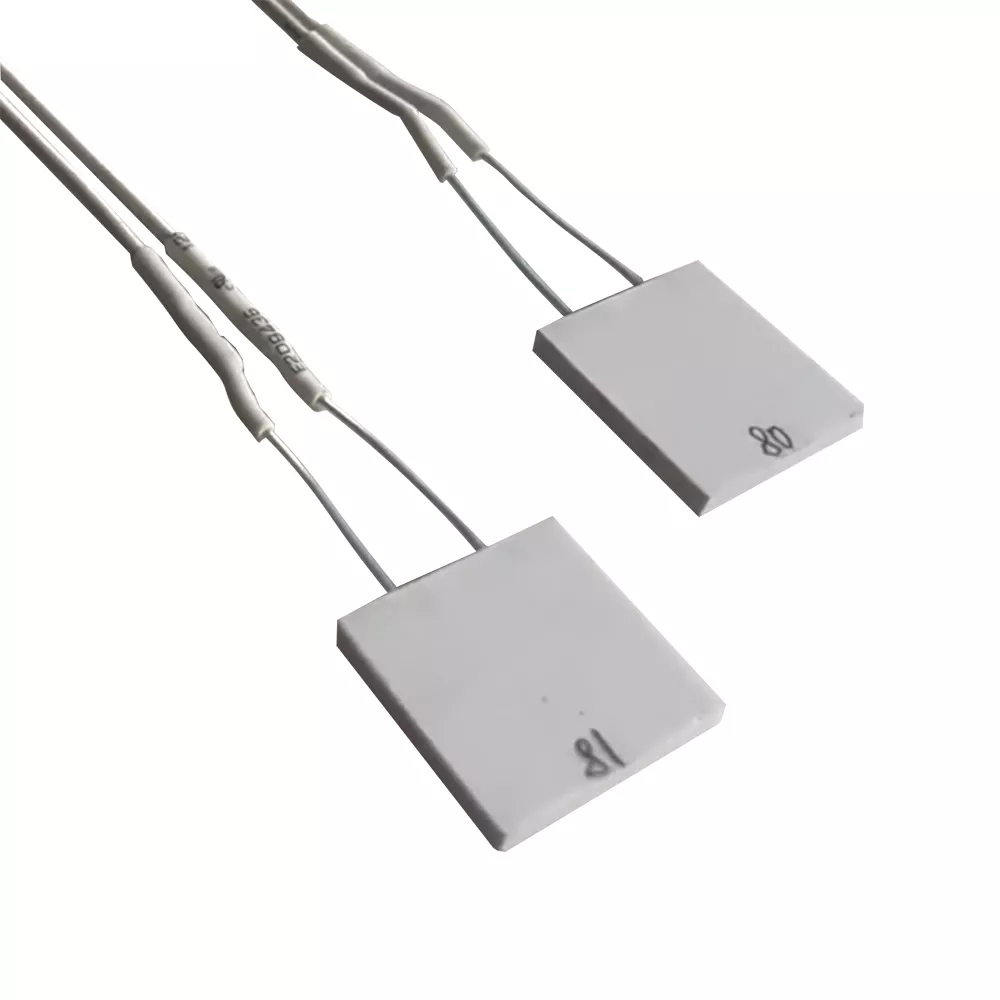
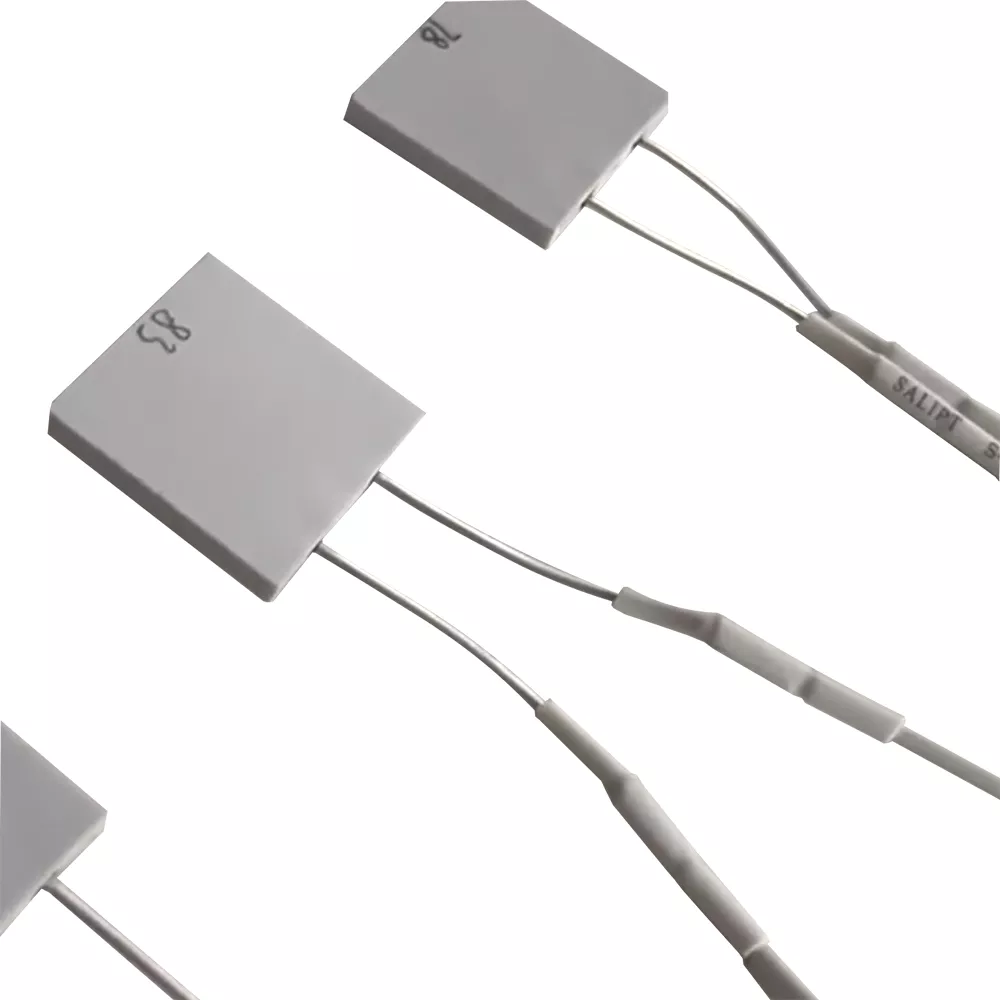
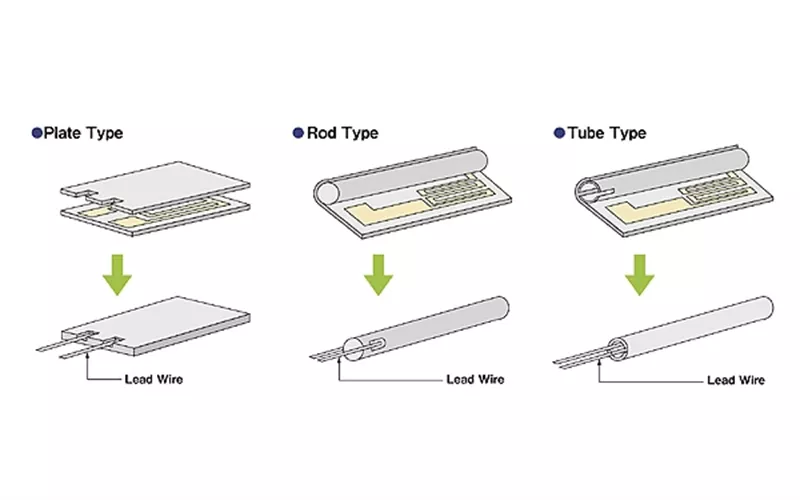
Featured Ceramic Components for Development and Production








What Makes a Drawing-Led Quote Buyer-Ready
Evaluate material, geometry, mating surfaces, and evidence against the actual project requirement before requesting a quote.
Drawing Revision Control
Share the current drawing revision, marked critical dimensions and change notes so quotation discussions align with the part definition under review.
Material Family and Grade
Connect the intended application to an oxide, nitride, carbide or specialty ceramic family, then confirm the project-specific grade and relevant property requirements.
Geometry and Feature Definition
Review tubes, rods, rings, substrates or other forms alongside dimensions, wall sections, radii and tolerances that determine fit, handling and assembly.
Mating Surface Requirements
Call out mating surfaces, holes, threads, sealing areas and contact zones where finish, flatness or alignment can affect the connected assembly.
Inspection Evidence Expectations
Define inspection points, dimensional records, visual checks and documentation needed for approval, distinguishing requested evidence from requirements confirmed for the individual project.
Application Conditions and Quantity
Include operating temperature, electrical or mechanical loads, environment, quantity and acceptance criteria so the proposed process route can be discussed against actual use.
Technical Ceramics for Defined Requirements
Review material families, component forms, application contexts and technical resources before preparing a drawing-led inquiry for your project.

Ceramic Manufacturing Capabilities
Review ceramic manufacturing capabilities across forming, machining and finishing considerations for industrial components. Use this starting point to discuss geometry, mating surfaces, tolerances, material grade and inspection requirements before requesting a project-specific quotation.
Discuss Your Ceramic Part
Ceramic Solutions by Industry
Explore advanced ceramics applications by industry and connect component requirements with operating conditions. Consider electrical insulation, wear, thermal exposure, corrosion resistance and dimensional stability when defining a ceramic solution for equipment, assemblies or replacement parts.
Discuss Your Ceramic Part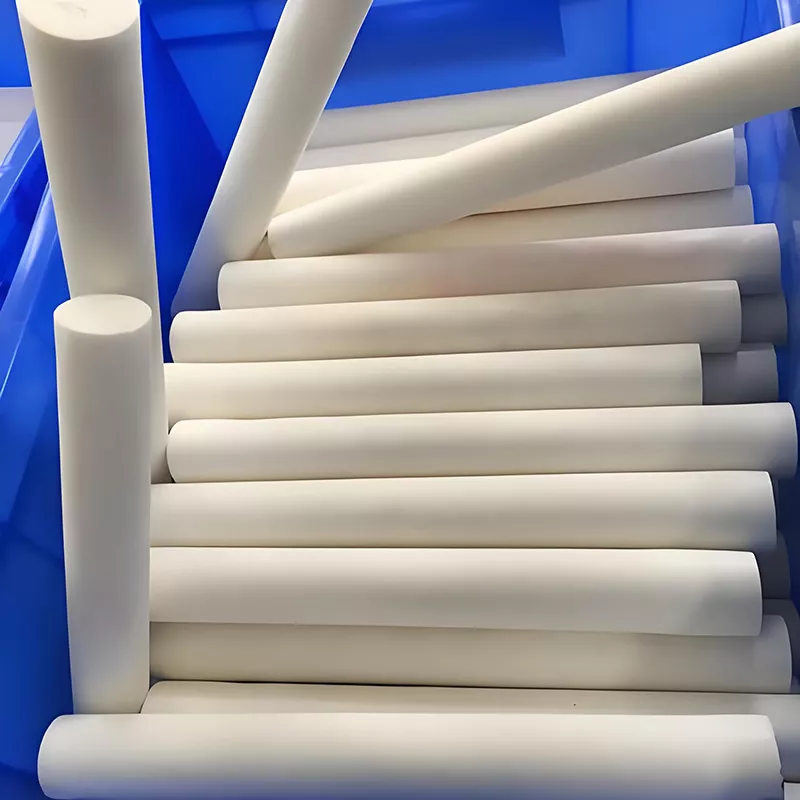
Advanced Ceramic Materials
Compare advanced ceramic materials including alumina ceramics, zirconia ceramics, silicon carbide ceramics, silicon nitride, aluminum nitride, and boron nitride. Material selection should be confirmed against the required grade, geometry, service conditions, documentation, and acceptance criteria for each project.
Discuss Your Ceramic Part
Technical Ceramic Products
Browse technical ceramic products by familiar component forms such as tubes, rods, rings, substrates, and custom ceramic components. Product examples support initial specification discussions; final dimensions, tolerances, surfaces, and production terms require confirmation for the individual inquiry.
Discuss Your Ceramic Part
Technical Ceramic Resources
Use the technical ceramics guide to clarify material terminology, component requirements and quotation inputs. A current drawing revision, quantity, service conditions and acceptance criteria help procurement and engineering teams establish a concrete basis for discussion.
Discuss Your Ceramic PartCeramic Components, Clearly Specified
Founded by Andy Yuan, Porcecore helps industrial procurement teams and engineering groups make more informed ceramic sourcing decisions. Our approach to small-batch ceramic production begins with the part and the job it needs to do, connecting material choice with geometry, mating surfaces, operating conditions and inspection expectations.
Porcecore brings technical ceramic material and component coverage into a clearer inquiry process. Whether the requirement involves a tube, rod, ring, substrate or replacement part, buyers can share a current drawing, known grade, quantity, service conditions and acceptance criteria. This drawing-led communication helps distinguish essential requirements from preferences before quotation and production details are confirmed.

Key Requirement Checks for a Ceramic Component Quote
Material Designation and Grade
Start with the ceramic family and grade designation when known. Alumina, zirconia, silicon carbide, silicon nitride, aluminum nitride and boron nitride can support different requirements, but the selected material must be confirmed against the component’s geometry, operating environment and inspection expectations.
- State the material family and grade if specified
- Separate general properties from grade-specific values
- Identify substitutions that require engineering approval

Geometry and Tolerances
A viable small-batch ceramic production inquiry needs more than a part name. Share the current drawing revision, critical dimensions and tolerances that affect assembly, fit or function. This gives the quotation discussion a defined basis and highlights where manufacturability questions may remain open.
- Mark dimensions that determine assembly or alignment
- Identify critical tolerances and permissible variation
- Include the current drawing revision and unit system

Mating Surfaces and Service Conditions
Describe every surface that fits, seals against or locates another component, then connect those details to actual service conditions. Temperature, electrical, chemical, mechanical and wear demands help frame the ceramic requirement without treating a material label as a complete specification.
- Identify mating, sealing and locating surfaces
- Describe temperature, load, media and electrical exposure
- Note the operating cycle and expected service environment

Acceptance Criteria and Documentation
Before production is discussed, define how the finished part will be evaluated. Acceptance criteria may cover inspection points, surface condition, test requirements, traceability or documentation. Clear expectations help distinguish essential project requirements from preferences and support a more informed sourcing decision.
- List inspection points and acceptance thresholds
- State required reports, records or certificates
- Clarify packaging, delivery and approval expectations

Drawing-Led Sourcing Compared with Catalog Buying
Compare how a drawing-led route supports project-specific geometry, materials, documentation and order decisions.
← Swipe left or right to view →
From Drawing to Delivery: A Small-Batch Ceramic Workflow
Move from a defined ceramic component requirement to a confirmed quotation, production plan, inspection record and delivery decision.
Review the Requirement
Share the current drawing revision, component form, quantity, service conditions, mating surfaces and acceptance criteria so the small-batch ceramic production requirement can be reviewed in context.
Clarify Material and Geometry
Clarify the ceramic family, grade assumptions, geometry, tolerances and operating environment, separating essential performance requirements from preferences before pricing is prepared.
Prepare the Quotation
Receive a quotation aligned with the defined scope, including open questions, production considerations, documentation needs and commercial details requiring project-specific confirmation.
Plan Production and Inspection
Confirm the production plan, inspection approach and records required for approval, with dimensions, material designation and acceptance criteria carried into the agreed order.
Confirm Delivery Records
Review delivery confirmation against the approved requirements and documentation, then use the completed record to support receiving inspection, assembly or replacement-part decisions.
How to Start a Drawing-Led Ceramic Inquiry
Provide the information that connects your ceramic part requirement with a clearer quotation discussion and more informed sourcing decision.
Gather Project Requirements
Send the current drawing revision, quantity, known material designation, service conditions, critical dimensions, mating surfaces, and any required documentation or acceptance criteria.
Clarify Technical Priorities
Identify essential geometry, grade expectations, operating conditions, inspection points, and documentation needs so Porcecore can distinguish requirements from preferences.
Review Open Questions
Discuss unknowns in the component form, material selection, tolerances, surfaces, or acceptance criteria before confirming the basis for small-batch ceramic production.
Confirm the Quotation Basis
Align on project-specific grade, geometry, quantity, inspection expectations, delivery considerations, and commercial details before moving forward with a quotation.
Verified Buyer Feedback
Placeholder for a verified buyer testimonial describing how a current drawing, material designation, and acceptance criteria clarified the quotation process and reduced requirement follow-up for a technical ceramic component.
Placeholder for a verified buyer testimonial describing a replacement-part outcome, including confirmed geometry, mating surfaces, and fit against the existing assembly after project-specific requirements were reviewed.
Placeholder for a verified buyer testimonial describing documentation or delivery readiness, with the final account to include confirmed quantities, inspection records, acceptance criteria, and project timing where publication is approved.
Small-Batch Ceramic Production FAQ for Industrial Buyers
Practical guidance for defining components, materials, quantities, inspection requirements and quotation inputs.
What components suit small-batch ceramic production?
How should we select a ceramic grade for small-batch ceramic production?
What drawing details are needed for a small-batch ceramic production quote?
Can you quote without a complete drawing?
How are tolerances and functional surfaces handled?
What quantities are appropriate for small-batch ceramic production?
What inspection evidence and documentation can be requested?
How should packaging, application conditions and delivery expectations be specified?
The Complete Guide to Small-Batch Ceramic Production
Use this decision framework to define drawings, materials, tolerances, decoration, supplier capabilities, pricing, and launch requirements while avoiding common specification, quality, and sourcing mistakes in small-batch ceramic production.
1. What Is small-batch ceramic production?
One small-batch ceramic production run makes a limited, planned quantity of technically specified components or a repeatable product family. It sits between one-off prototyping and high-volume production: unlike studio-only work, it is governed by drawings, defined materials, mating surfaces, acceptance criteria, and repeatable inspection. Three cost layers—development, tooling, and production setup—can remain substantial when only a few parts absorb them. Inspection and documentation may also represent nearly the same engineering effort as a larger order, while mass production spreads these fixed costs across many units. Four inputs usually justify this model: a current drawing, known service conditions, a credible quantity forecast, and acceptance requirements.
2. Evolution and history of ceramic production
One major shift was the move from hand-shaped workshop ware to industrial forming, where molds, pressing, and controlled firing improved repeatability and made tooling a defined engineering input. Traditional studios still depend heavily on individual technique and absorb development effort across each run. By the 20th century, technical ceramics added engineered oxide, nitride, and carbide materials, tighter process control, and inspection tied to dimensional and service requirements. That changed procurement from selecting an attractive form to specifying a component’s geometry, mating surfaces, and operating conditions. Today, 3D CAD, digital tooling, and flexible forming methods let suppliers revise designs, preserve drawing revisions, and produce qualified short runs without requiring mass-market volumes.
3. Types of small-batch ceramic production
A tube, ring, or substrate points toward different forming methods.
| Route | Best Geometry | Repeatability | Tooling | Volume Fit | Typical Trade-Off |
|---|---|---|---|---|---|
| Hand forming | Irregular prototypes | Low to medium | Minimal | Very low | Fast changes; variation |
| Slip casting | Hollow or undercut | Medium | Plaster molds | Low to medium | Good detail; mold wear |
| Pressing | Compact profiles | High | Rigid dies | Medium to high | Setup cost; limited shapes |
| Extrusion | Constant sections | High | Profile die | Medium to high | Efficient; post-cutting needed |
| CNC-assisted tooling | Revised precision forms | High | Digital tooling | Low to medium | Accuracy; machining cost |
| Technical-ceramic methods | Performance-critical parts | High | Process-specific | Medium to scalable | Qualification and inspection |
Geometry First
A hand-formed part suits irregular prototypes; slip casting suits hollow or undercut shapes. Pressing fits compact, repeatable profiles, while extrusion favors constant cross-sections. A CNC-assisted mold or green body supports tighter interfaces and revisions.
Repeatability And Tooling
A plaster mold lowers initial tooling cost but wears gradually. Steel pressing dies and extrusion tooling improve consistency yet require greater setup commitment.
Match Quantity To Risk
A prototype quantity favors hand forming, slip casting, or CNC-assisted tooling. Repeated batches justify pressing or extrusion when tooling cost is spread across units.
4. Materials for small-batch ceramic production
Several ceramic families can look similar yet behave differently in service.
Match Material To Service
Thermal cycling, dielectric duty, mechanical load, and chemical exposure determine the suitable ceramic family. Dimensional stability also depends on geometry, firing shrinkage, machining, and tolerance requirements.
Compare Common Ceramic Families
Alumina, zirconia, steatite, cordierite, and porcelain serve different combinations of insulation, strength, thermal behavior, and chemical resistance. Silicon carbide, silicon nitride, aluminum nitride, boron nitride, and specialty bodies may suit more demanding applications. Treat each family as a starting point, not a guaranteed grade or size.
| Family | Common selection logic | Verify |
|---|---|---|
| Alumina | Insulation, hardness, wear | Grade and density |
| Zirconia | Toughness and strength | Phase stability |
| Steatite | Economical dielectric parts | Frequency and loss |
| Cordierite | Thermal-shock resistance | Expansion and porosity |
| Porcelain | Insulating general-purpose bodies | Water absorption and strength |
Request Traceable Material Data
A datasheet should state grade, density, porosity, dielectric strength, permittivity, loss tangent, thermal conductivity, expansion, strength, hardness, chemical limits, and test methods. Test reports should identify the lot, specimen condition, laboratory method, and results.
5. Customization and decoration options
A current drawing should define every visible and interface feature before a ceramic quote is comparable. Separate appearance choices from requirements that affect fit, performance, or approval.
| Feature | Freeze Before Quote | Main Risk |
|---|---|---|
| Color or glaze | Reference and variation limit | Cost, cleanability |
| Marking or printing | Artwork, position, durability | Wear, adhesion |
| Metallization or insert | Area, interface, inspection | Tolerance, insulation |
Freeze The Drawing First
A drawing revision should identify datum surfaces, mating dimensions, edge conditions, marking zones, inserts, and secondary-machining allowances.
Separate Cosmetic And Functional Finishes
A cosmetic glaze, texture, or print mainly affects appearance and cleanability; adhesion, wear, insulation, and chemical exposure may require a functional coating specification.
Control Interfaces And Secondary Operations
A metallized area, threaded insert, bonded component, or machined face must state material, location, adhesion expectation, and inspection method.
6. Key construction and quality elements
A drawing-led quote should define geometry, service conditions, inspection points, and acceptance limits together.
Geometry And Firing Behavior
Wall thickness, radii, transitions, and shrinkage allowance should be marked on the drawing because abrupt changes can crack or distort during drying and firing.
Surface And Edge Integrity
Edges, mating surfaces, and surface finish need explicit notes because chips, pits, roughness, or glaze interference can prevent assembly or accelerate wear. Define visual limits, roughness values where functional, and inspection lighting or magnification.
Thermal And Acceptance Risks
Operating temperature, heating and cooling rates, thermal gradients, and contact constraints should be supplied before quoting; thermal shock can cause delayed fracture even when dimensions pass inspection.
State sampling, documentation, and rejection criteria for cracks, warpage, porosity, edge damage, and finish. Include the current drawing revision, quantity, grade, service conditions, and required reports.
7. How to choose a small-batch ceramic manufacturer
A drawing revision, service condition, and acceptance criterion should anchor supplier comparison.
Technical And Tooling Fit
Ask which forming, firing, and finishing steps match the geometry, mating surfaces, tolerances, and quantity. Request examples of comparable shapes without treating them as proof of current capability.
Confirm who owns tooling, who pays for modifications, expected tool life, storage, and release rights. Require written treatment of drawing revisions and approval gates before work begins.
- What features are highest risk?
- Which requirements need feasibility testing?
- Who approves tooling changes?
Samples And Quality Evidence
Request a representative sample or first-article plan defining material designation, dimensions, test method, inspection frequency, and disposition of nonconforming parts. Compare the proposed report against your acceptance criteria. Ask how raw material lots, processing records, and finished parts remain traceable.
- Can you provide a sample inspection report?
- How are material lots linked to parts?
- Which tests require buyer-approved laboratories?
Delivery And Change Control
Ask for realistic batch capacity, lead-time assumptions, reserve capacity, and packaging suitable for brittle parts and the shipping route. Clarify minimum order quantities and replenishment planning without assuming standard tiers. Define communication owners, escalation timing, engineering-change notification, requalification triggers, and shipment-release approval.
- What event triggers customer notification?
- How are packaging failures investigated?
- What capacity is available at peak demand?
8. Common small-batch ceramic production mistakes
Several recurring errors account for avoidable delays, yield loss, budget growth, and functional surprises in small-batch ceramic production.
Incomplete Drawings And Tolerances
A missing datum, mating surface, or tolerance forces assumptions during quoting and production. General dimensions rarely define assembly-critical features.
Ignoring Shrinkage And Tooling
Drying and firing shrinkage can alter fit, flatness, and wall dimensions; tooling cost also remains significant at low volumes. Treating both as afterthoughts creates rework.
Late Material Or Decoration Changes
A cheaper material may fail thermal, electrical, chemical, or wear requirements, while late decoration changes can trigger new process trials and scrap.
Skipping First-Article Approval
A production run without first-article approval can repeat an incorrect interpretation across every part. Quote comparisons also become unreliable when suppliers include different tooling, inspection, packaging, or documentation scopes.
Prevent it with a signed sample review and a line-by-line commercial comparison.
9. Steps to launch your ceramic component or product
A practical launch sequence moves from defined requirements and drawing review through material selection, quotation, prototype approval, pilot production, and replenishment planning.
Define Requirements And Review Drawings
1. Required inputs include quantity, material designation if known, service temperature, loads, media, mating surfaces, critical dimensions and the current drawing revision. 2.
Select Material And Build The Quote
3. Compare candidate oxide, nitride, carbide or specialty ceramics against the actual duty, geometry and risk; request DFM feedback on forming, machining, shrinkage and firing constraints. 4.
Prototype, Approve And Replenish
5. Prototype testing should verify fit, function and agreed material or dimensional criteria; the first-article gate records deviations, test results and approval against the released drawing.
6. Pilot production then validates repeatability, packaging protection, labeling and traceability. Before replenishment, release a repeat-order quantity, forecast, reorder trigger and revision-controlled specification.
10. Pricing and cost of small-batch ceramic production
Several cost elements commonly affect a small-batch ceramic quote, including engineering review, tooling, material, forming, drying, firing, machining, decoration, inspection, packaging, freight, and expected scrap. None should be treated as a fixed Porcecore price until the drawing, grade, quantity, tolerances, and acceptance criteria are reviewed. Three quantity bands usually change the economics: prototypes absorb setup and tooling across few parts, repeat lots spread those costs, and larger lots may reduce unit impact while increasing commitment.
| Quantity tier | Main cost drivers | Lead-time variables | Quote assumptions |
|---|---|---|---|
| Prototype | Review, tooling, scrap, machining | Drawing approval, tooling, firing schedule | Few parts; full setup allocation |
| Repeat lot | Material, forming, firing, inspection | Material availability, batch loading | Stable revision; agreed tolerances |
| Larger lot | Unit spread, scrap, packaging, freight | Capacity, inspection plan, shipment split | Forecast quantity; confirmed documentation |
Discuss Your Small-Batch Ceramic Production Requirement
Email a drawing or describe your component, operating environment, and acceptance requirements. You can contact Porcecore at info@zlrsmaterials.com or via WhatsApp at +86 130 6482 5920 to start a focused project discussion.