
Alumina Ceramics Applications and Component Selection for Industrial Parts
Define alumina ceramic components from the application, drawing, interfaces, and acceptance requirements before requesting a quotation.
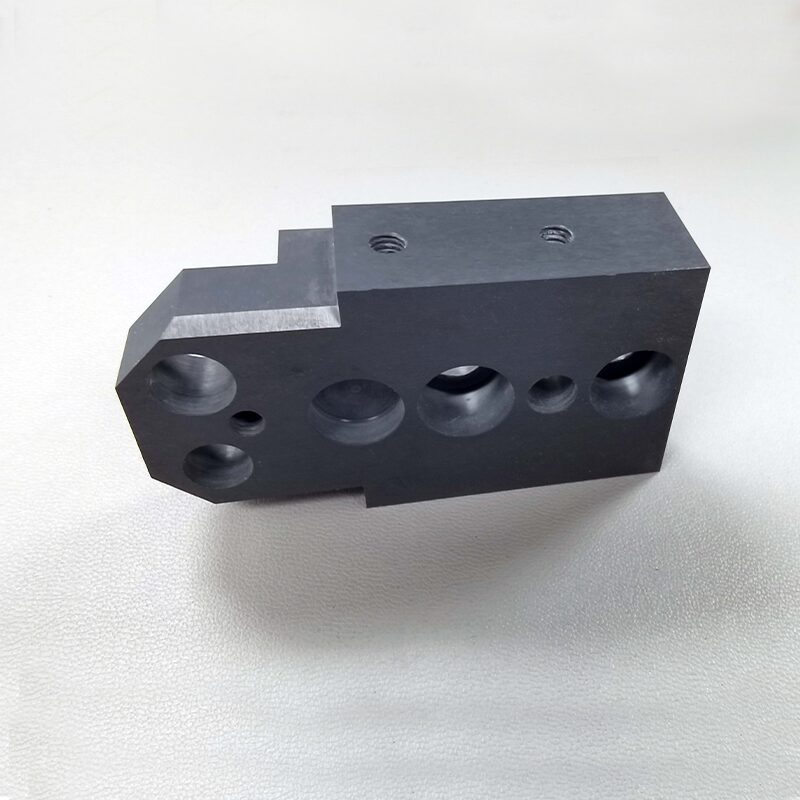
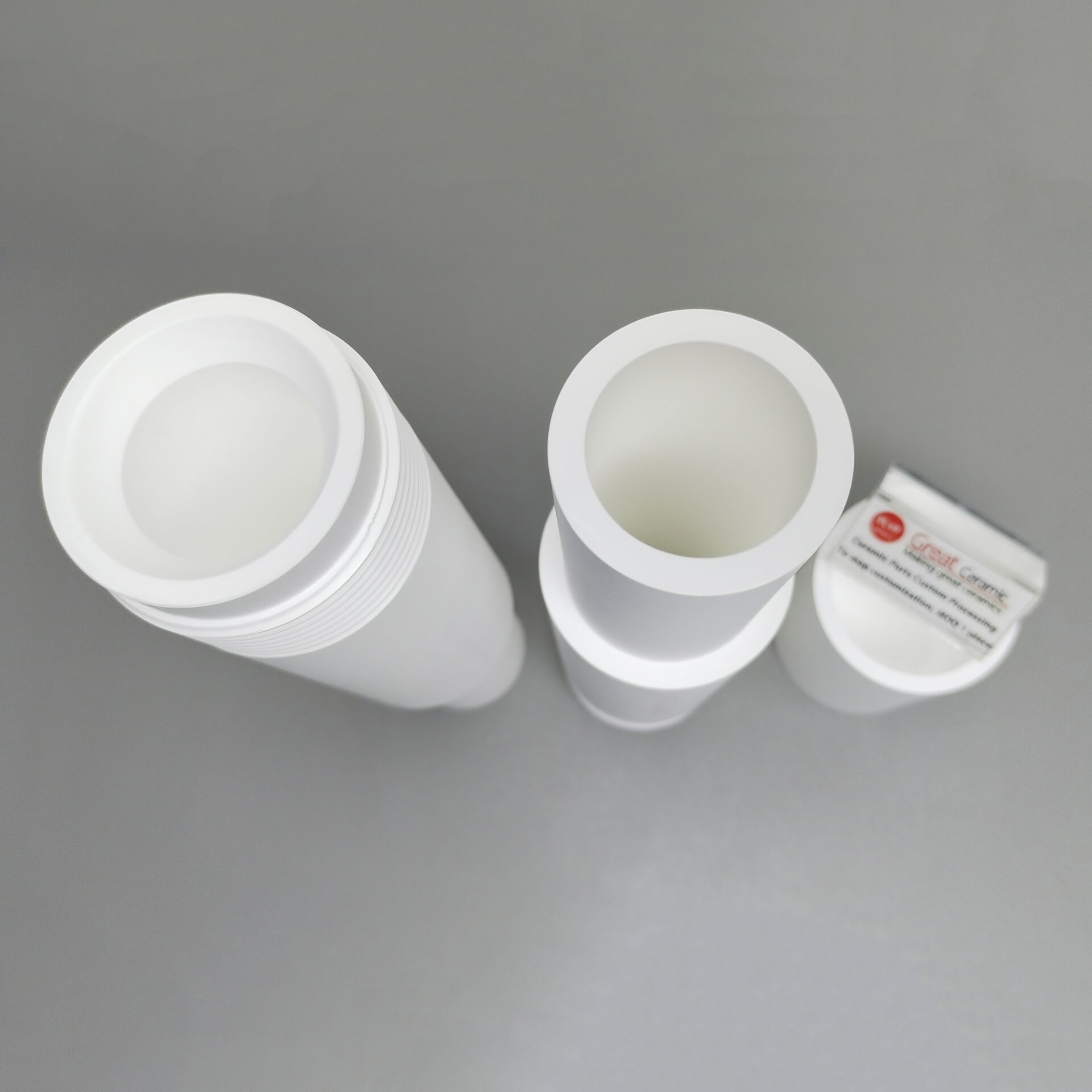
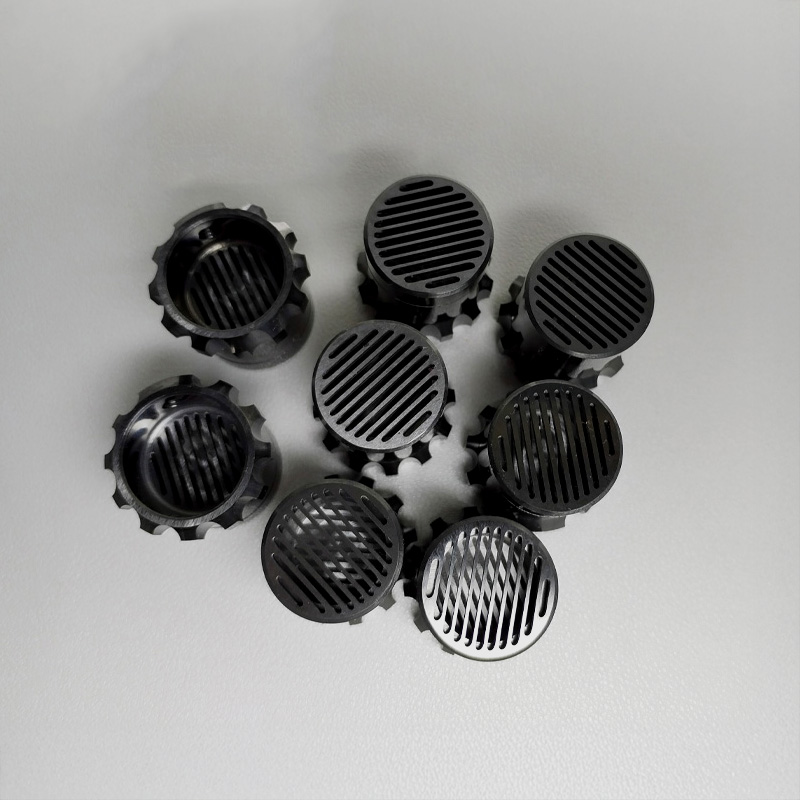
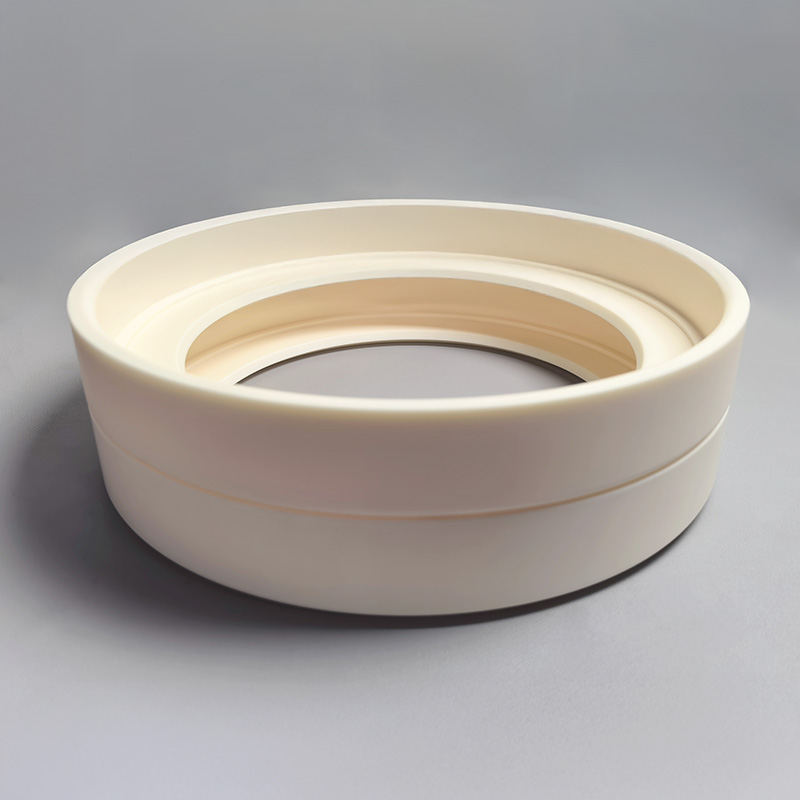
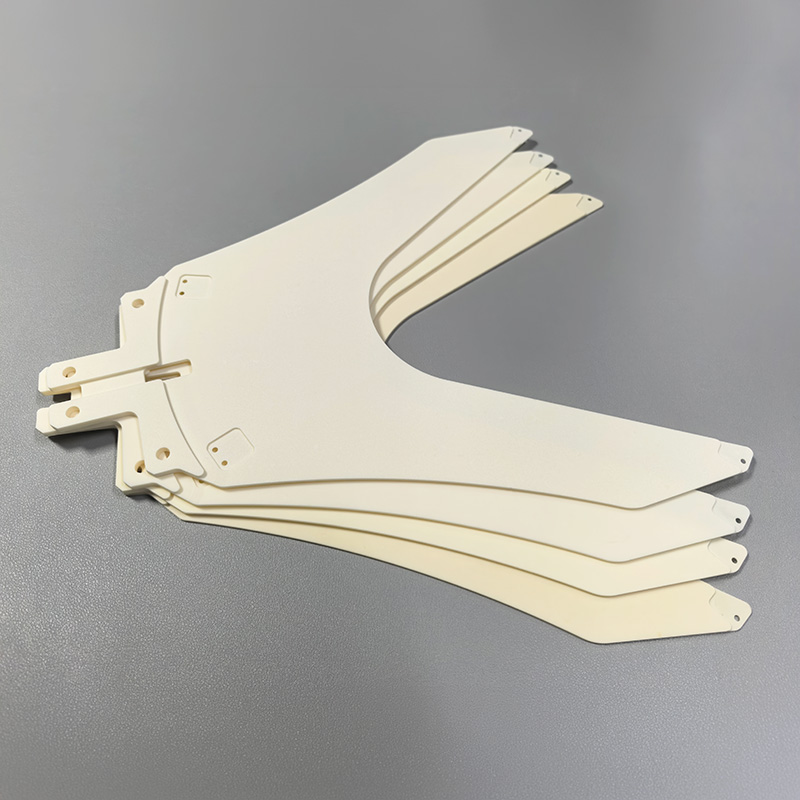
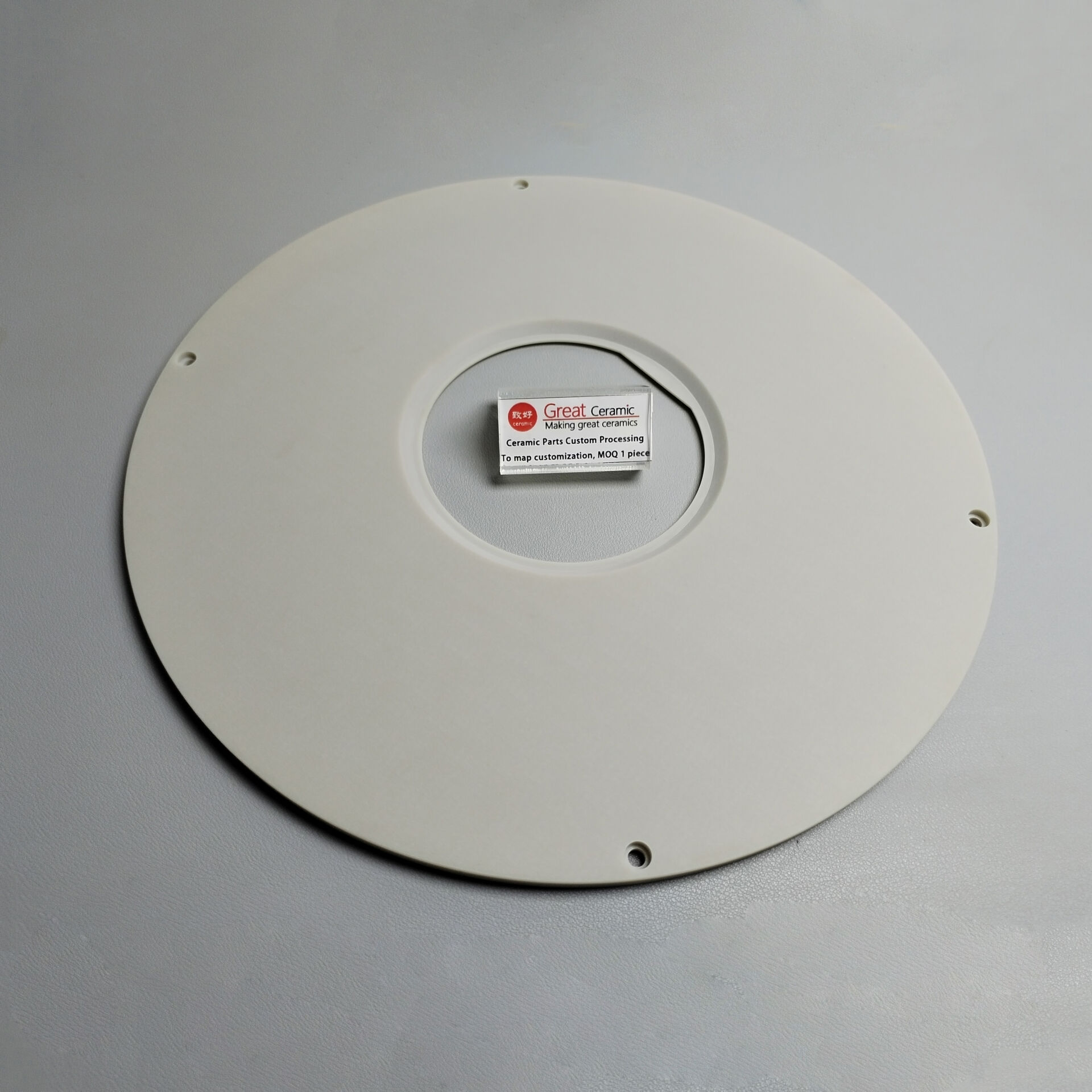
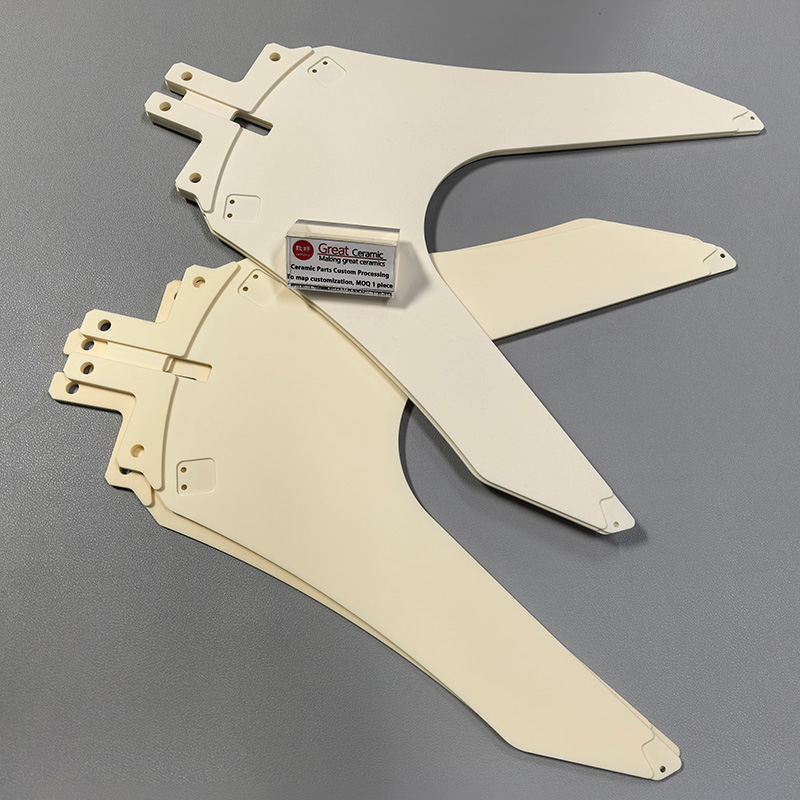
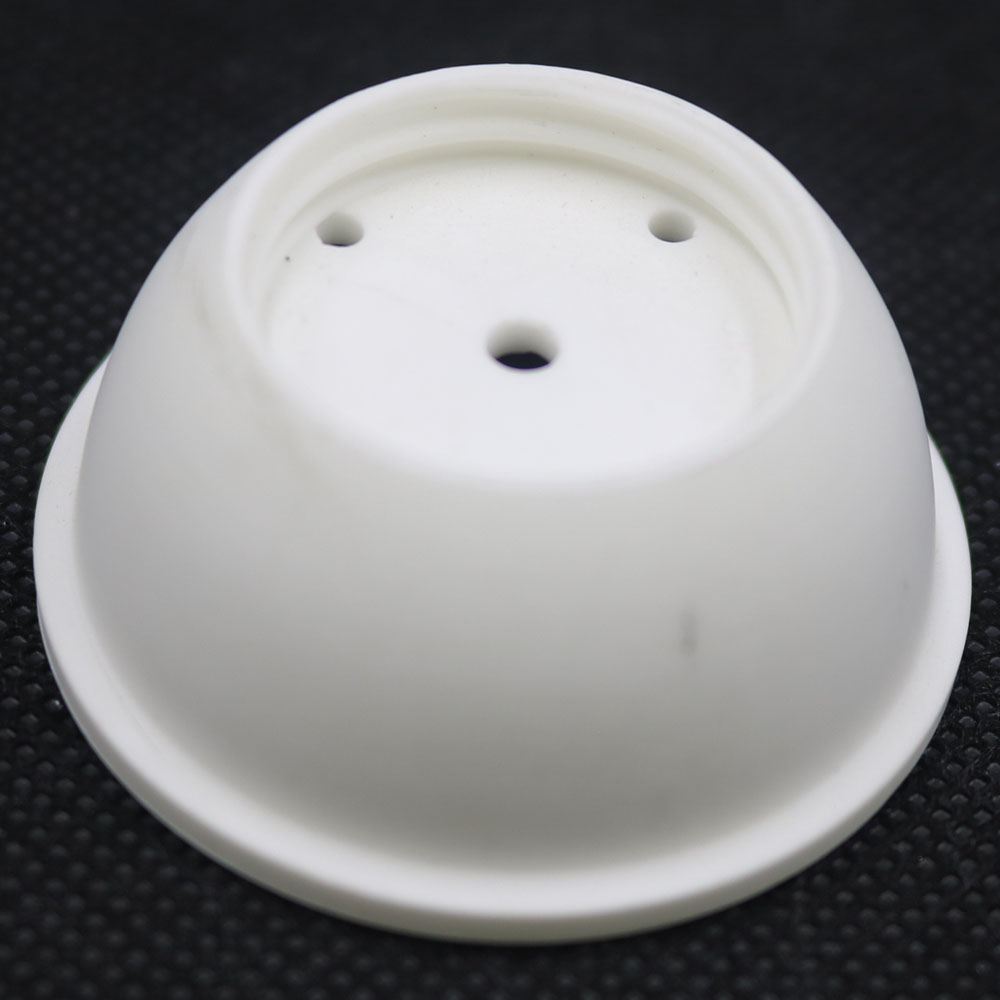
Featured Ceramic Components for Industrial Applications






Related Product Catalogue and Quotation



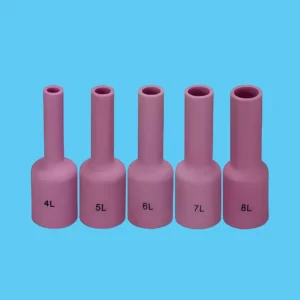



Alumina Component Selection Starts With the Part
Connect material choice with the geometry, interfaces, service conditions, and acceptance evidence that shape a usable sourcing discussion.
Current Drawing Revision
Share the current drawing revision so dimensions, tolerances, notes, and interfaces are reviewed against the same requirement before quotation discussions begin.
Grade Matches Service Conditions
Identify the alumina grade when known, then relate it to temperature, wear, electrical, chemical, and mechanical conditions expected in the application.
Geometry Defines Manufacturability
Diameters, wall sections, holes, radii, and overall form influence the process route and should be considered alongside the intended ceramic material.
Functional Surfaces Identified
Mark surfaces that locate, seal, slide, conduct, insulate, or mate with another part so their finish and dimensional expectations can be discussed clearly.
Process Route Considered Early
Forming, machining, finishing, and related process considerations depend on the component shape, critical features, material grade, and project-specific requirements.
Inspection Evidence Defined
State the dimensions, visual criteria, material documentation, and inspection records needed for approval, helping separate essential acceptance requirements from preferences.
Alumina Ceramic Applications by Part and Requirement
Explore material, component and application paths with the drawing, service conditions and acceptance criteria needed for a focused quotation discussion.

Ceramic Manufacturing Capabilities
Review ceramic manufacturing capabilities in relation to the part geometry, critical surfaces, dimensional tolerances and inspection needs. Share the current drawing revision, quantity and documentation requirements so feasible material and process options can be discussed for the individual project.
Discuss Your Ceramic Part
Ceramic Solutions by Industry
Explore advanced ceramics applications by operating environment and equipment function, including wear, heat, electrical insulation, thermal transfer and chemical exposure. Define the duty cycle, mating components and relevant service conditions before selecting a ceramic solution.
Discuss Your Ceramic Part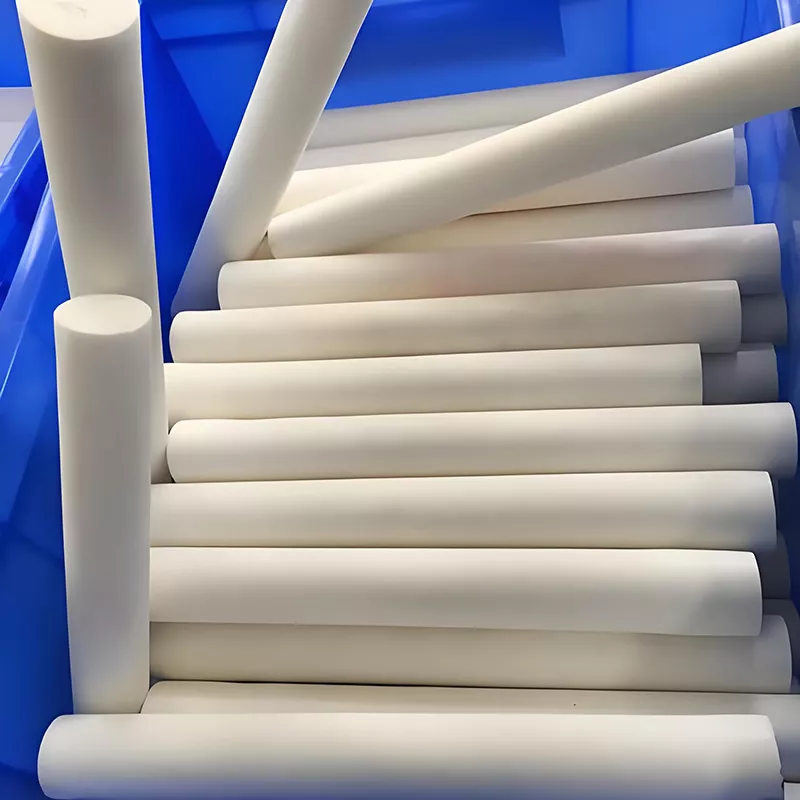
Advanced Ceramic Materials
Compare advanced ceramic materials including alumina ceramics, zirconia ceramics, silicon carbide ceramics, silicon nitride, aluminum nitride, and boron nitride. Material-family properties provide a starting point; grade, geometry, processing route, and project-specific acceptance criteria require confirmation.
Discuss Your Ceramic Part
Technical and Custom Ceramic Components
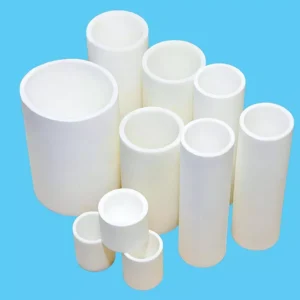
Browse technical ceramic products by familiar component form, such as tubes, rods, rings, substrates and custom drawing-based parts. Identify dimensions that control assembly, fit surfaces and the application requirements that determine whether a listed form is suitable.
Discuss Your Ceramic Part
Technical Ceramic Resources
Use this technical ceramics guide to prepare a clearer inquiry. Gather the drawing revision, material designation if known, quantity, operating conditions, critical dimensions and required records, then email or WhatsApp Porcecore to begin a project-specific discussion.
Discuss Your Ceramic PartMaterials Considered for Technical Ceramic Parts
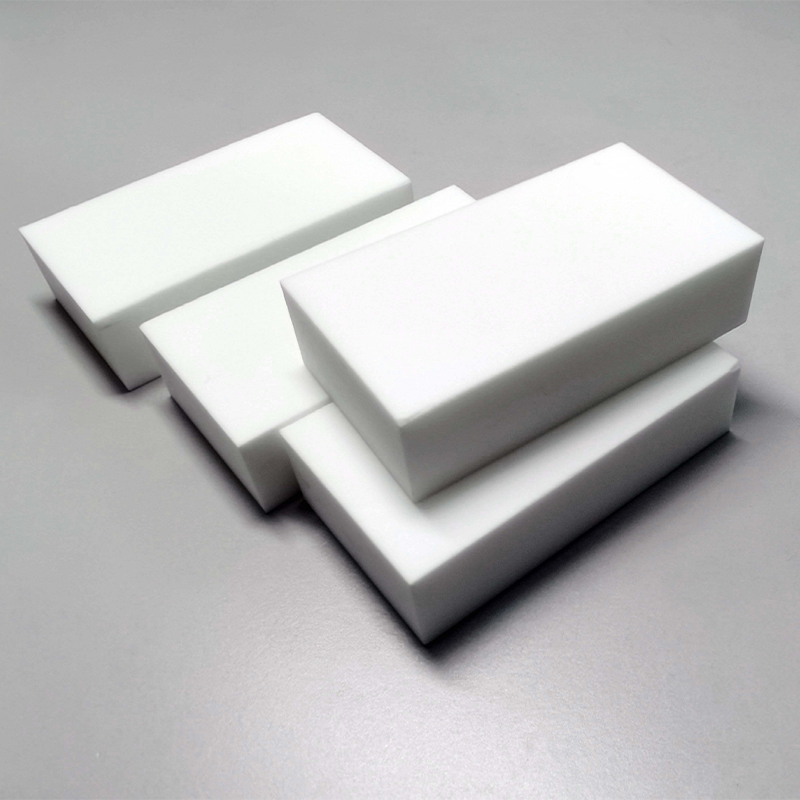

Zirconia Ceramics
A dense ceramic often considered for components needing higher fracture resistance in compact geometries, including wear parts and precision interfaces. Its toughness-oriented behavior can support demanding assemblies, subject to grade, surface, and service-condition review.
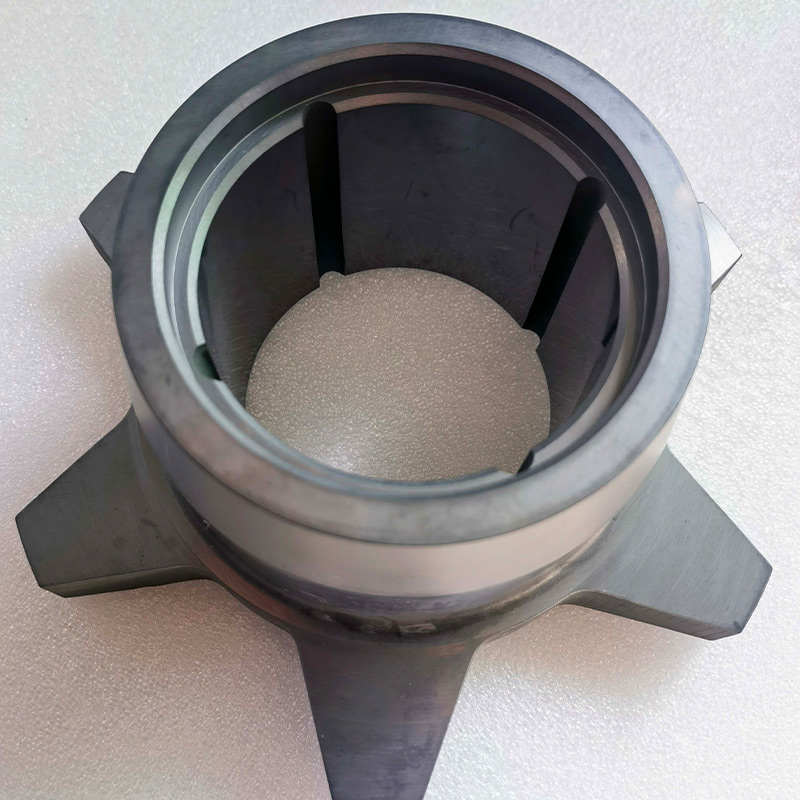
Silicon Carbide Ceramics
A hard, thermally conductive ceramic considered for wear, heat, and corrosive-duty components. Silicon carbide suits seals, liners, and process hardware where abrasion resistance and operating environment need to be assessed together.
Silicon Nitride
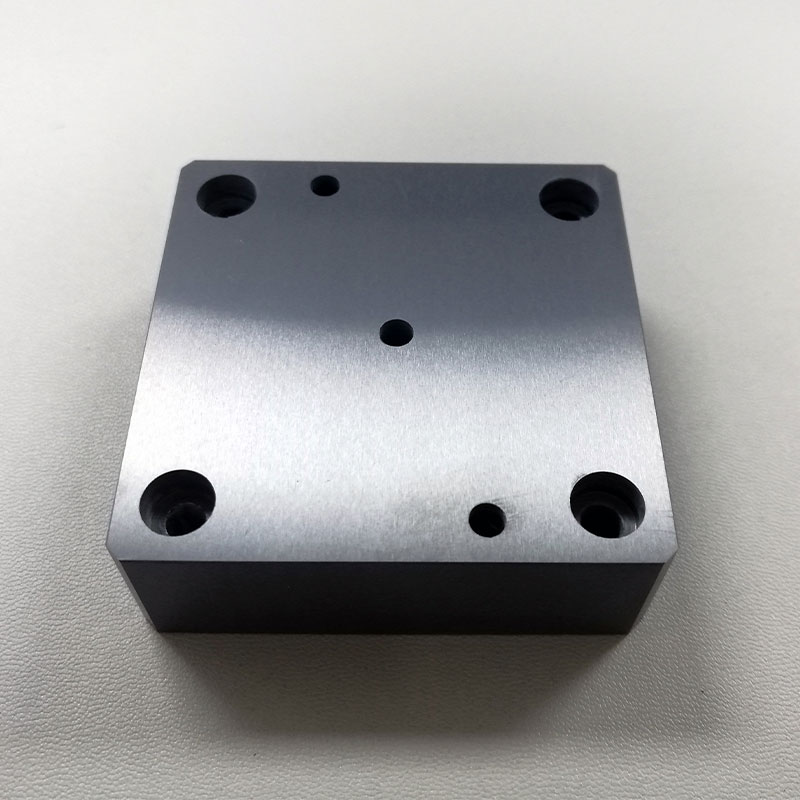
A technical ceramic considered for rolling, sliding, and mechanically loaded parts, including bearing-related and high-temperature components. Silicon nitride combines low density with useful fracture resistance, but geometry and inspection needs shape selection.

Aluminum Nitride
A ceramic commonly considered for electrically insulating components that also require heat transfer, especially electronic substrates and thermal interfaces. Aluminum nitride has high thermal conductivity potential, with metallization, geometry, and handling requirements reviewed per project.

Boron Nitride
A specialty ceramic considered for electrically insulating fixtures, thermal-processing hardware, and non-wetting applications. Boron nitride offers a soft, machinable character in certain forms, while atmosphere, grade, and component interfaces require confirmation.
Processes Considered for Your Component Requirement

Powder Forming Review
Forming routes are considered alongside component geometry, wall thickness, feature complexity, and required quantity. This early review helps identify practical questions before a material grade or production approach is assumed.

Green Body Shaping
Near-net shaping requirements are discussed for tubes, rods, rings, substrates, and custom profiles. The drawing should identify critical sections, unsupported features, and dimensions that affect later machining or assembly.

Sintered Part Machining
Post-sinter machining may be relevant where fit surfaces, holes, grooves, or controlled dimensions are required. Buyers can highlight mating interfaces, tolerance zones, and datum references for project-specific review.

Surface Finish Review
Surface expectations are clarified according to function, including contact areas, sealing faces, electrical interfaces, and appearance-sensitive zones. Specify roughness, edge condition, and any surfaces that interact with another component.

Dimensional Inspection Planning
Inspection expectations are discussed with the drawing revision and acceptance criteria. Identify critical dimensions, measurement references, documentation needs, and any project-specific checks required for approval or incoming inspection.
Alumina Ceramics Applications and Component Selection: Interfaces

Precision Bores
Specify bore diameter, length, concentricity, surface condition, and the shaft, pin, or fluid path it must accommodate. These details help evaluate an alumina component’s assembly role and inspection requirements.

Mating Faces
Identify faces that seal, seat, clamp, or align with another part. Call out flatness, parallelism, finish expectations, contact area, and any load or thermal conditions affecting the interface.

Edge Treatments
Chamfers, radii, reliefs, and controlled edge breaks can support safer handling and smoother assembly. Mark the relevant edges on the drawing and distinguish functional geometry from general deburring expectations.

Identification Marks
Part numbers, revision references, lot markings, or orientation indicators may assist receiving, assembly, and traceability workflows. State the marking location, legibility requirement, and whether it must withstand the service environment.

Handling Packaging
For fragile, precision, or appearance-sensitive parts, describe packing orientation, separation needs, protective materials, and labeling requirements. Packaging and documentation expectations should be reviewed with quantity and delivery requirements.
About Porcecore
Founded by Andy Yuan, Porcecore helps industrial buyers, equipment builders, and engineering teams turn technical ceramic needs into clearer component discussions. Our mission is practical: begin with the part, its operating job, and the decisions that must be defined before sourcing can move forward.
We cover familiar technical ceramic material families and component forms, including alumina, zirconia, silicon carbide, silicon nitride, aluminum nitride, boron nitride, and specialty ceramics. For alumina ceramics applications and component selection, we consider grade, geometry, mating surfaces, service conditions, and inspection expectations together.
What differentiates Porcecore is drawing-led, application-first communication. Send a current drawing revision, known material designation, quantity, service conditions, and acceptance criteria. We help identify open questions so material, dimensions, documentation, delivery, and commercial terms can be confirmed for the individual project.

Alumina Ceramics Applications and Component Selection, Explained
Define the Working Job
Begin with the component’s actual role: insulating, guiding, wearing, supporting, or separating. Service temperature, loads, media exposure, electrical conditions, and operating cycles help frame whether alumina is appropriate and which application details need further review.
- Describe the component’s function in the assembly
- State thermal, mechanical, and electrical conditions
- Identify wear, chemical, or contamination concerns
- Flag replacement-part or new-build requirements

Review Drawing-Critical Details
A material name does not complete a part requirement. Share the current drawing revision and identify dimensions, tolerances, mating surfaces, holes, threads, edge conditions, and finish expectations that influence manufacturing feasibility and assembly performance.
- Send the latest drawing revision
- Mark dimensions that control assembly
- Identify mating and sealing surfaces
- Clarify tolerance and finish priorities

Align Acceptance Expectations
For alumina ceramics applications and component selection, define what must be verified before quoting and production. Material designation, quantity, inspection needs, documentation, packaging, delivery expectations, and commercial terms should be confirmed for the individual project rather than assumed.
- Specify known material or grade requirements
- Define inspection and documentation needs
- Confirm quantity and delivery expectations
- Separate essential requirements from preferences

Alumina Ceramics Applications and Component Selection: A Clearer Sourcing Conversation
Compare how project requirements can be clarified before quotation, from drawing revision and material grade to acceptance and commercial terms.
← Swipe left or right to view →
A Clear Path from Requirement to Shipment
Move from application details to a confirmed component plan with clear checkpoints for specification, inspection, packing, and delivery.
Review Part Requirements
Share the current drawing revision, application details, quantity, service conditions, mating surfaces, and acceptance criteria for alumina ceramics applications and component selection.
Discuss Quotation Basis
Clarify the proposed material grade, geometry, tolerances, documentation needs, commercial considerations, and any open questions before a project-specific quotation discussion proceeds.
Confirm Approved Specification
Align on the individual part requirement, including critical dimensions, inspection expectations, agreed material designation, delivery requirements, and documented acceptance points.
Plan Production and Inspection
Use the confirmed specification to guide production planning and define the inspection focus for assembly-critical features, relevant dimensions, and required project documentation.
Confirm Packing and Delivery
Review packing, delivery arrangements, and final documentation expectations for the order, then confirm shipment details against the agreed project requirements.
Project Inquiry Guidance
Turn alumina ceramics applications and component selection into a drawing-led discussion with requirements that support a more informed quotation review.
Send Your Current Drawing
Provide the latest drawing revision or identify the component form, including dimensions, tolerances, mating surfaces, and the features that determine assembly.
State Material and Quantity
Share the alumina designation if known, your required quantity, and any preferred ceramic material alternatives for the intended component application.
Describe Service Conditions
Explain the operating environment, including temperature, electrical exposure, wear, chemicals, loads, and other conditions relevant to alumina ceramics applications and component selection.
Define Acceptance Requirements
Identify critical inspection points, documentation needs, finish expectations, and acceptance criteria so the quotation discussion distinguishes essential requirements from project preferences.
Review the Project Scope
Discuss open questions, grade, geometry, delivery considerations, and commercial terms before confirming whether the proposed component requirement can proceed to quotation.
Documentation and Certification Review
Alumina Ceramics Applications and Component Selection: Verified Project Feedback
Permissioned customer feedback and measurable application results will be added when project details, approval status, and the relevant component requirements can be documented accurately.
Porcecore does not publish unverified performance claims, anonymous endorsements, or outcome figures without the customer’s permission and the project context needed to interpret them correctly.
For a relevant discussion, share the drawing revision, operating conditions, quantity, and acceptance criteria so material, geometry, mating surfaces, and documentation needs can be reviewed together.
Alumina Ceramics Applications and Component Selection FAQ
Practical RFQ guidance for industrial ceramic parts, from drawing review through shipment and documentation.
What should we provide for alumina ceramics applications and component selection?
Can Porcecore help select an alumina grade for our component?
How do drawings affect alumina ceramics applications and component selection?
Can we request a sample or a small initial quantity?
How are tolerances and functional surfaces reviewed?
What information helps estimate lead time and payment terms?
How should shipping, packaging, and inspection documentation be specified?
How is IP-sensitive information handled during alumina ceramics applications and component selection?
Complete Buyer’s Guide: alumina ceramics applications and component selection
Use a practical decision framework to match alumina grades, designs, and operating conditions, evaluate qualified suppliers, compare cost drivers, and avoid specification mistakes that cause premature component failure or sourcing delays.
1. Alumina Ceramics Applications and Component Selection Defined
95% alumina is a common technical-ceramic grade family, but the material name alone does not define a usable part. Alumina components are selected for combinations of wear resistance, electrical insulation, temperature capability, and chemical stability under the actual service environment.
4 inputs—geometry, mating surfaces, loads, and operating conditions—must be reviewed with the material choice. A tube, ring, rod, or substrate can fail an assembly requirement through an unsuitable tolerance, surface finish, wall thickness, or interface even when its general alumina properties appear suitable.
1 technical-ceramic RFQ differs from a commodity ceramic purchase because performance must be tied to a drawing and acceptance criteria. This guide helps buyers decide which function is critical, which dimensions control fit, what grade information is needed, and what inspection or documentation should be confirmed before production.
2. Evolution of Alumina Technical Ceramics
1920s porcelain and electrical-insulator production established alumina as a useful ceramic ingredient, but variable raw materials and coarse processing limited consistency. Technical ceramics developed as manufacturers gained tighter control of powder size, purity, forming, and firing.
99% alumina became a common reference point for high-alumina engineered parts, while grade-specific formulations and sintering routes enabled denser, more predictable bodies. Diamond grinding then made close-fit rings, tubes, substrates, seals, and wear components practical for electrical, semiconductor, fluid-handling, abrasion, and thermal equipment.
2026 procurement expectations extend beyond a material name. For alumina ceramics applications and component selection, buyers should align the drawing revision, grade designation, critical tolerances, surface requirements, inspection method, lot traceability, and required documentation before production is agreed.
3. Types of Alumina Ceramics Applications and Component Selection
Six application families translate alumina material choices into parts with different failure risks. For alumina ceramics applications and component selection, define the working interface before comparing grades or prices.
Electrical Insulators And Substrates

Two common forms are bushings and circuit substrates. Resolve voltage, dielectric path, metallization needs, and mounting stress.
Wear Parts
Three frequent shapes are liners, nozzles, and guides. Resolve abrasive media, impact loading, mating material, and permitted wear life.
Seals And Fluid Control

Two typical forms are valve seats and seal rings. Resolve fluid chemistry, pressure, temperature cycling, and the counterface finish.
High-Temperature Fixtures
Three fixture forms include setters, tubes, and support pins. Resolve peak temperature, soak duration, atmosphere, and load-induced deflection.
Semiconductor Handling Parts

Two handling forms are wafer chucks and robot end-effectors. Resolve particle control, vacuum interfaces, thermal cycling, and cleanroom acceptance criteria.
Structural Precision Components

Three precision forms are rods, rings, and locating pins. Resolve datum surfaces, tolerances, assembly loads, and inspection method before quotation.
4. Alumina Grades for Component Selection
Purity is a starting specification, not a complete performance prediction. For alumina ceramics applications and component selection, match grade to the electrical, thermal, wear, and cost limits of the assembled part.
| Grade | Typical Selection Logic | Tradeoff |
|---|---|---|
| 85–94% | Economical structural insulation | Lower thermal and dielectric margin |
| 95% | General industrial components | Balanced properties and cost |
| 96% | Improved electrical consistency | Grade details still matter |
| 99% | High-purity electrical or corrosive duty | Higher cost; tighter processing |
| 99.5%+ | Demanding thermal or chemical service | Confirm grain size and density |
Grade Tradeoffs
85–94% alumina commonly uses glass-forming additives; it is usually lower cost and easier to process, but sacrifices high-temperature insulation and corrosion margin.
95% and 96% grades are broad industrial choices. 99% and higher-purity grades generally improve dielectric behavior, thermal stability, and chemical resistance, while raising material and finishing cost.
Microstructure And Finish
Density near the grade-specific theoretical maximum limits open porosity, which otherwise can reduce dielectric reliability and provide paths for corrosive media.
Fine grain can improve strength consistency, but grinding damage, sharp edges, and rough sealing surfaces can still control failure. Specify surface finish only on mating, sealing, or wear-critical areas.
- State allowable porosity where leakage matters
- Identify ground surfaces and roughness targets
- Consider zirconia-toughened or additive-modified grades only against the duty cycle
5. Custom Alumina Component Design Options
Custom alumina design begins with the mating part, not a catalog shape. Define critical dimensions, service surfaces, wall thickness, holes, grooves, markings, and acceptance criteria before requesting a quotation.
| Feature | Typical Route | Buyer Definition |
|---|---|---|
| Wall and holes | Form before sintering | Minimum wall; position |
| Threads and fits | Machine after sintering | Tolerance; mating part |
| Metallization or glaze | Secondary process | Area; function; coverage |
Formed And Machined Features
Green-body forming can suit repeated holes, ribs, grooves, and near-net geometry. Sintering shrinkage must be accounted for.
Post-sinter machining suits tight bores, faces, threads, and assembly datums. Each critical feature needs a stated tolerance and inspection method.
Surface And Assembly Options
Metallization or glazing requires defined coverage, mating purpose, and environmental exposure. Surface finish should be specified only where sealing, wear, electrical contact, or fit requires it.
Laser marking can support identification when its location does not affect a functional surface.
Volume And Inspection Tradeoffs
Low-volume parts often favor machining from a simple preform, reducing tooling commitment. Higher repeat volumes may justify tooling for stable near-net features.
Inspection should focus on assembly-critical dimensions, rather than applying tight tolerances everywhere.
6. Construction Quality Elements for Alumina Parts
One alumina part can meet a nominal material description yet fail at an interface. Quality requirements should therefore connect powder, forming, firing, finishing, and acceptance evidence to the released drawing.
Powder And Forming Records
One traceable powder lot should link material designation, lot record, and forming route. Pressing, extrusion, or injection molding changes shrinkage behavior and internal-risk controls.
Each material certificate should state the agreed grade and test basis. Critical dimensions need tolerances after sintering, not only green-part targets.
Firing And Finishing Control
A controlled sintering cycle establishes density and dimensional stability. Acceptance should define density method, permitted warp, and any grade-specific property limits.
Every machined mating surface needs drawing-defined tolerances, datum references, and surface-finish requirements. Edge breaks or radii should be specified where handling or assembly makes chipping unacceptable.
Inspection And Release Criteria
100% inspection is appropriate only for identified critical features or agreed functional checks. Sampling plans should name the lot size, inspection level, measurement method, and disposition rule.
Each metallized surface requires an agreed adhesion test and coverage definition. Critical defects should explicitly include cracks, chips, delamination, contamination, and out-of-tolerance features.
7. Choosing an Alumina Ceramics Component Manufacturer
Select a manufacturer that reviews the drawing, service conditions, acceptance criteria, and inspection plan before quoting. For alumina ceramics applications and component selection, confirm process ownership as carefully as material availability.
RFQ Review Questions
Ask which alumina grades, forming routes, green machining, firing, and finish-machining operations apply to the part. Request a capability review identifying tolerances, datum surfaces, measurement methods, prototype quantity, production ramp, lead-time assumptions, and revision-control process.
- Which dimensions are controlled before and after firing?
- Which mating surfaces receive precision grinding?
- What inspection records and material documentation are available?
Verify Process Control
Verify ceramic processing and precision finishing separately: a supplier should explain forming, sintering, shrinkage control, grinding, and metrology as linked stages. Review sample inspection reports, gauge strategy, packaging protection, nonconformance handling, and communication ownership for engineering changes.
- Confirm packaging protects edges and critical surfaces.
- Compare prototype and production inspection plans.
- Document agreed lead time and delivery terms.
8. Common Alumina Ceramics Selection Mistakes
Seven recurring errors turn a plausible alumina part into an assembly, yield, or qualification problem. For alumina ceramics applications and component selection, the corrective action is to define the service and acceptance requirements before quotation.
Price-Only Purity Choices
99.5% is not automatically the right grade: price-only purity selection can miss dielectric, wear, or thermal needs. Provide material designation, duty cycle, electrical requirements, and acceptable alternatives.
Assembly And Tolerance Assumptions
Two mating materials can expand differently, creating preload loss, interference, or fracture during temperature changes. Provide mating materials, temperature range, datum scheme, critical tolerances, and allowable clearances.
Near-net ceramic forming involves shrinkage, while tight features may require grinding allowances. Provide the current drawing revision, functional dimensions, and surfaces permitted for machining.
Incomplete Qualification Criteria
Ra surface finish affects sealing, friction, wear, and fit; it is not cosmetic. Provide roughness limits, inspection method, operating media, pressure, contaminants, and cleaning conditions.
One approved sample does not define repeatable production. Provide lot size, sampling plan, dimensional acceptance criteria, material documentation, and approval records.
9. From RFQ to Qualified Production
Two decision gates prevent most qualification rework: freeze the service envelope before quoting, then approve measurable acceptance criteria before production. For alumina ceramics applications and component selection, treat the RFQ as an engineering record, not a price request.
Define The Duty Envelope
Four inputs belong in the first inquiry: temperature range, media, mechanical load, and electrical duty. Add thermal cycling, mating materials, and failure consequences so the preliminary alumina grade has a defensible basis.
Freeze Drawing Requirements
One current drawing revision should identify critical dimensions, datum surfaces, tolerances, surface finish, and inspection points. Request design-for-manufacturing feedback before tooling or sample release; confirm any proposed geometry or tolerance changes in writing.
Qualify Before Repeat Orders
Three release stages reduce risk: sample review, pilot-order validation, and repeat-order approval. Agree the inspection report, material identification, sampling plan, and required documents before the pilot; record validated performance and any controlled revision for future orders.
10. Alumina Ceramics Applications and Component Selection Pricing
4 order tiers affect unit economics more than a catalog material name. Prototype work absorbs setup, programming, and inspection across few parts, while repeat production can distribute validated process and tooling costs.
8 cost drivers should be reviewed on the drawing before comparing quotations. Material purity, geometry, post-sinter machining, tight tolerances, metallization, testing, and protective packaging can each alter both cost and schedule; confirm requirements per project.
| Order tier | Typical unit-cost behavior | Typical lead time |
|---|---|---|
| Prototype, 1–10 pieces | Highest; setup dominates | 3–8 weeks |
| Low volume, 11–100 pieces | Falls as setup is spread | 4–10 weeks |
| Mid volume, 101–1,000 pieces | More stable; tooling may be justified | 6–12 weeks |
| Production volume, 1,000+ pieces | Lowest potential unit cost after validation | Confirmed by process and capacity |
Discuss Alumina Ceramics Applications and Component Selection
Email your drawing or operating environment to start a clear, project-specific quotation conversation with Porcecore.